Trespassing on hunting property rarely begins with something obvious like a broken gate or a truck parked in plain sight. More often, the first clues are small disturbances that experienced landowners learn to read quickly. This gallery breaks down the overlooked signs that can signal someone has been crossing boundaries, scouting land, or using private property without permission.
Fresh Tire Tracks Where Vehicles Should Not Be

A new set of tire tracks cutting across a field edge, logging road, or grassy access path can be one of the earliest signs that someone has entered private hunting land without permission. Seasoned landowners pay attention to where the tracks begin and end, especially if they appear after rain or in soft ground, where timing is easier to judge.
What makes this easy to miss is how ordinary it can look at first glance. A couple of ruts may seem harmless, but repeated vehicle access often means someone is scouting deer movement, checking stands, or creating a habit of using the property like a shortcut. The longer it goes unnoticed, the more confident trespassers tend to become.
Fence Lines That Look Slightly Disturbed

Not every trespasser cuts a fence or leaves behind obvious damage. Sometimes the clue is much subtler, like a strand pulled lower than usual, a post leaning just enough to notice, or flattened grass where someone slipped through a familiar gap. Experienced landowners often walk boundaries because tiny changes along a fence line can reveal repeated entry.
These disturbances matter because they suggest intent rather than accident. A person who knows where to cross quietly may have been there before, and they may return during peak hunting hours when activity is harder to detect. Catching that small shift early can prevent bigger property damage later.
Unfamiliar Boot Prints Near Game Trails

Boot prints near creek crossings, trail cameras, food plots, or known deer routes can tell a revealing story. Landowners who know their own habits tend to recognize when fresh tracks do not belong, especially if the tread is different, the size stands out, or the route suggests someone was moving with purpose instead of just wandering.
This sign is often overlooked because footprints feel temporary. But in soft soil, frost, or leaves pressed into damp ground, they can show direction, speed, and whether someone paused to look around. Tracks clustered near hunting setups are especially telling, since they hint at scouting activity rather than an innocent walk.
Tree Stands, Blinds, or Markers That Are Not Yours

Few things get a landowner’s attention faster than spotting flagging tape, reflective tacks, a pop-up blind, or even a ladder stand that no one in the family placed there. These items can appear deep in the woods where they are easy to miss unless someone checks the property regularly during preseason and throughout hunting months.
The presence of gear suggests planning, not just casual trespass. Someone may be patterning wildlife, marking access routes, or staking a claim on a spot they intend to use again. When unfamiliar equipment shows up, experienced owners know the issue is already more serious than a one-time boundary mistake.
Gates Left Open or Closed the Wrong Way

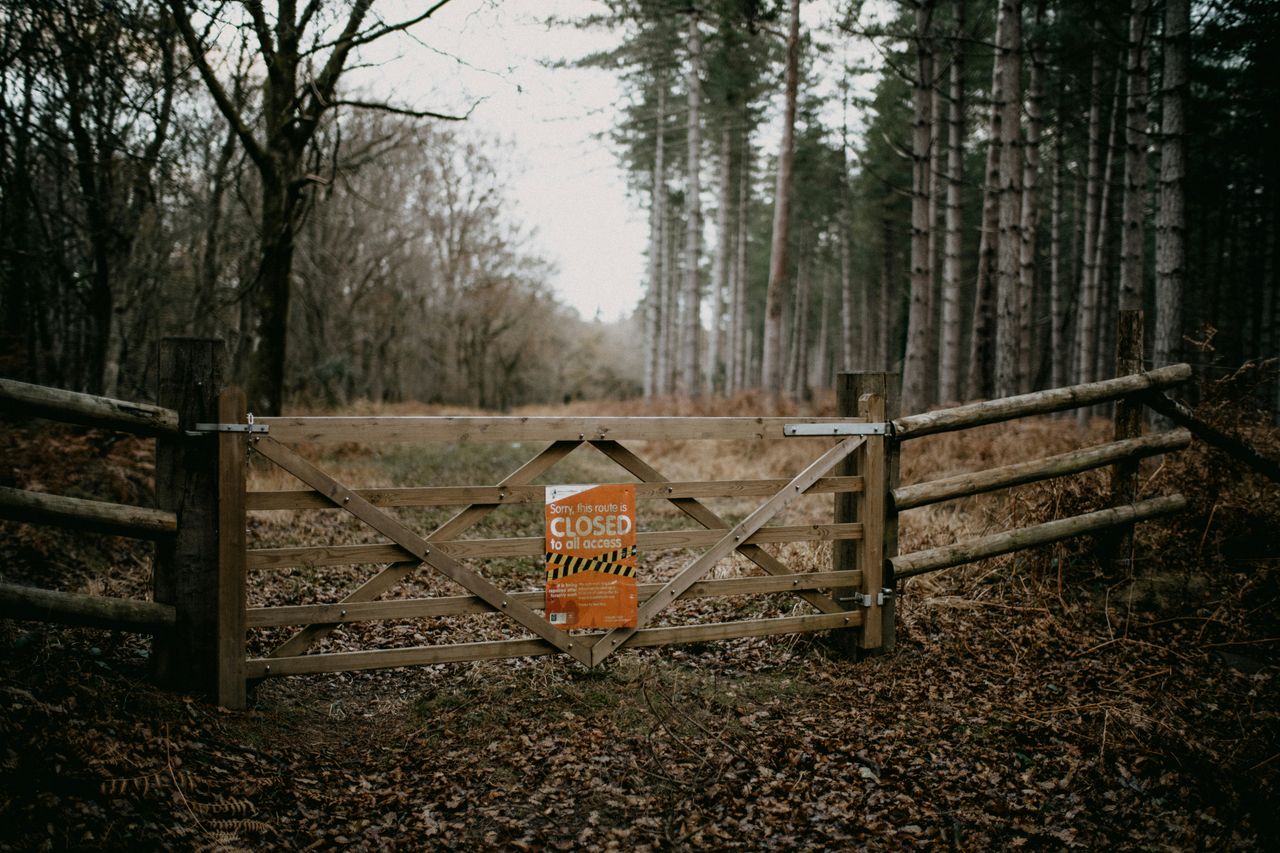
A gate that is unexpectedly open, latched differently, or shut when it is usually left open can be a surprisingly important clue. Landowners often have routines for livestock, equipment access, or simple property management, so even a small change in how a gate sits can signal that someone passed through and did not understand or respect those routines.
This can become more than an annoyance very quickly. An open gate may let animals roam, while a closed one can interfere with planned work or emergency access. Experienced owners know that when a gate is wrong, it is worth checking nearby roads, trails, and interior paths for signs of recent movement.
Litter in Places People Normally Would Not Stop

A water bottle tucked beside a tree, snack wrappers near a creek bank, or cigarette butts at the edge of a field can reveal more than carelessness. Landowners often notice when trash appears in out-of-the-way spots because it suggests someone paused there, waited there, or returned to the same location more than once.
The context matters as much as the litter itself. Trash near a good vantage point, hidden parking pull-off, or well-used game path can point to scouting or hunting activity. What looks like random debris may actually map out where a trespasser enters, sits, and exits, which is why experienced owners take it seriously.
Wildlife Acting Strange in Normally Quiet Areas

Seasoned landowners spend enough time outdoors to notice when deer stop using a trail, birds flush earlier than usual, or movement patterns suddenly shift near a stand site. Wildlife often reacts to human pressure before people see direct evidence, making animal behavior one of the most underrated clues that someone else has been moving through the property.
This sign is easy for occasional visitors to miss because it depends on knowing the land well. But when the game becomes jumpy in one pocket of woods or starts avoiding a feeder or crossing, experienced owners often investigate. Sometimes the first proof of trespass is hidden in the animals’ sudden change of routine.
Camera Alerts or Dead Zones That Suddenly Change

Trail cameras can reveal trespassing directly, but even when they do not capture a person, changes in camera behavior can be a warning. A unit that suddenly points in a different direction, stops transmitting, has an unexpectedly drained battery, or goes missing images during key hours may indicate that someone found it and tampered with it.
Experienced landowners do not dismiss these changes as simple tech problems right away. If one camera goes quiet while nearby signs like tracks or gate issues also appear, the pattern becomes hard to ignore. A strange camera gap can be the clue that turns vague suspicion into confirmation that the property is being watched or entered.