Ask enough hunting and backcountry guides about problem gear, and the conversation almost always comes back to firearms. It’s rarely about brand loyalty and almost always about reliability, safety, and whether a gun helps or hurts when conditions turn rough. These are the kinds of guns and setups that tend to make experienced guides wince, not because they’re flashy, but because they so often create preventable problems.
The Cheap Scope-Topped Bargain Rifle

Guides can usually spot this one before it leaves the case: a budget rifle wearing an even cheaper scope, mounted with questionable rings and a lot of optimism. On the store rack it looked like a deal. In camp, after a bumpy ride and a cold morning, it often turns into a wandering-zero machine.
The issue usually is not that an affordable rifle can’t work. Plenty can. The cringe comes from the full package being assembled with the least durable parts possible, then trusted for a once-in-a-lifetime hunt. When the point of impact shifts and confidence disappears, the guide is left managing the fallout as much as the hunt itself.
The Rusted Hand-Me-Down That Never Sees Maintenance

Every guide has met the rifle or shotgun that has lived in a truck, closet, or damp case for years and shows it. The owner swears it has always worked fine, right up until the moment a sticky bolt, corroded chamber, or sluggish safety says otherwise in front of everyone.
A little honest wear is one thing. Neglect is another. Dirt packed into the action and old oil turned gummy are not charming signs of history; they are warnings. Guides cringe because field time is expensive, and no one wants a hunt derailed by a firearm that needed basic cleaning long before it reached camp.
The Unproven New Gun Straight From the Box

This is the firearm that arrives gleaming, expensive, and totally untested. The owner may have picked it up days before the trip, maybe even on the drive in, confident that modern manufacturing will handle the rest. Guides hear that story and immediately start imagining feed issues, loose mounts, and a rifle that has never been properly zeroed.
New guns are exciting, but the field is a terrible place for a first range session. A guide wants a client to know exactly how the trigger breaks, where the rounds land, and how the action behaves under pressure. Surprises belong in camp stories, not at the moment of truth.
The Magnum Cannon the Shooter Can’t Handle
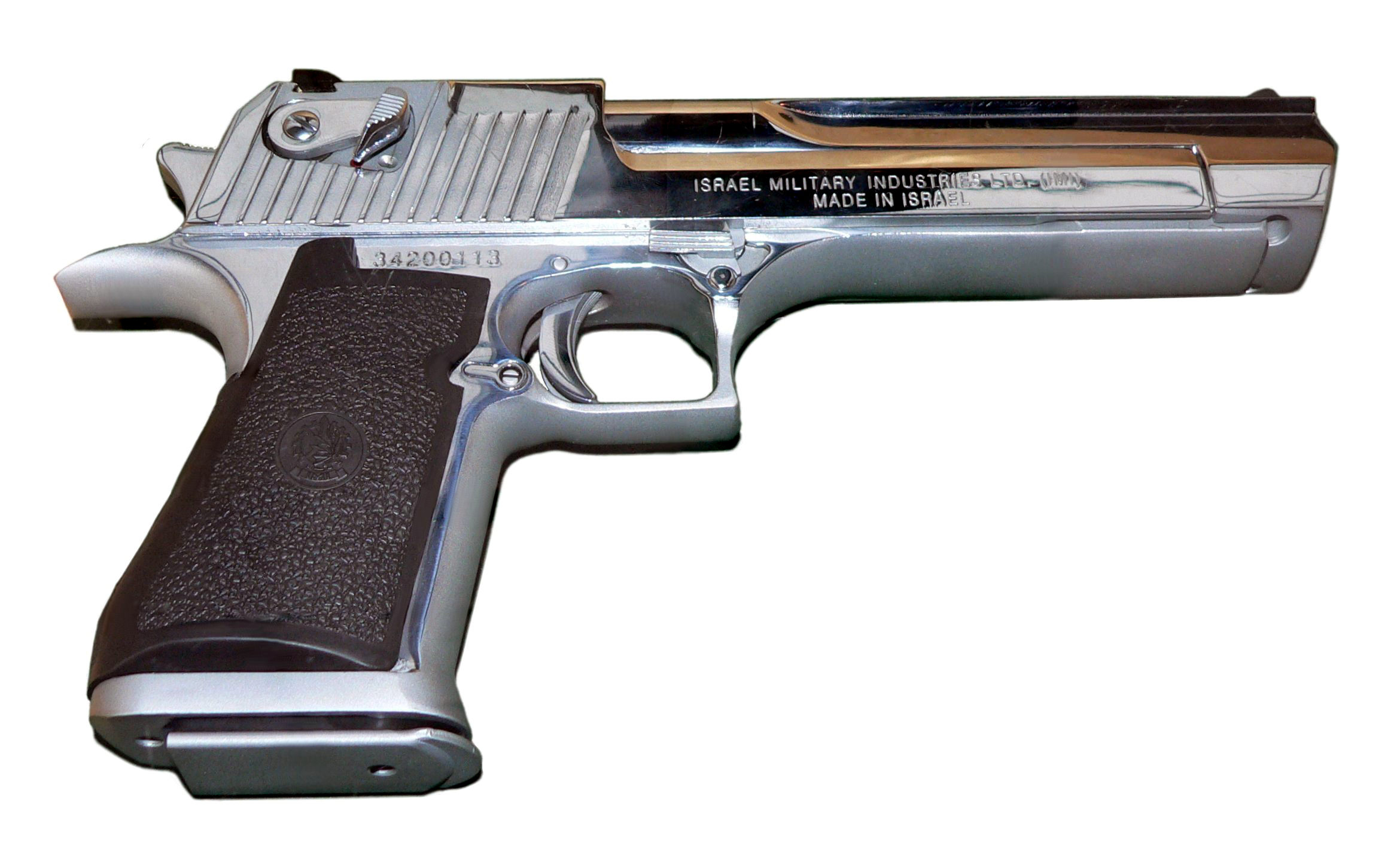
Some rifles are bought for bragging rights more than practical use, and guides know the pattern well. A hunter shows up with a punishing magnum, talks about power, then flinches so hard during sight-in that everyone nearby winces too. The cartridge may be capable of remarkable performance, but only if the person behind it can actually shoot it well.
Experienced guides would almost always prefer a calmer, familiar rifle that places shots precisely. Recoil anxiety ruins practice, confidence, and follow-through. In real hunting conditions, that usually matters more than a few extra feet per second printed on the ammo box.
The Jam-Prone Semi-Auto No One Tested With Real Ammo

Semi-autos can be excellent field guns, but they demand honesty. If a hunter only fired a box or two of random ammunition before the trip, the guide starts preparing for stoppages. Dirty powder, weak loads, magazine issues, or a gun that simply dislikes a specific bullet can turn a fast follow-up platform into a source of repeated frustration.
What makes guides cringe is the confidence people place in cycling speed without proving actual reliability. In bad weather or under stress, a firearm that hiccups once can cost a fleeting opportunity. A slower gun that runs every time is usually worth far more in camp.
The Over-Accessorized Tactical Setup in Deer Camp

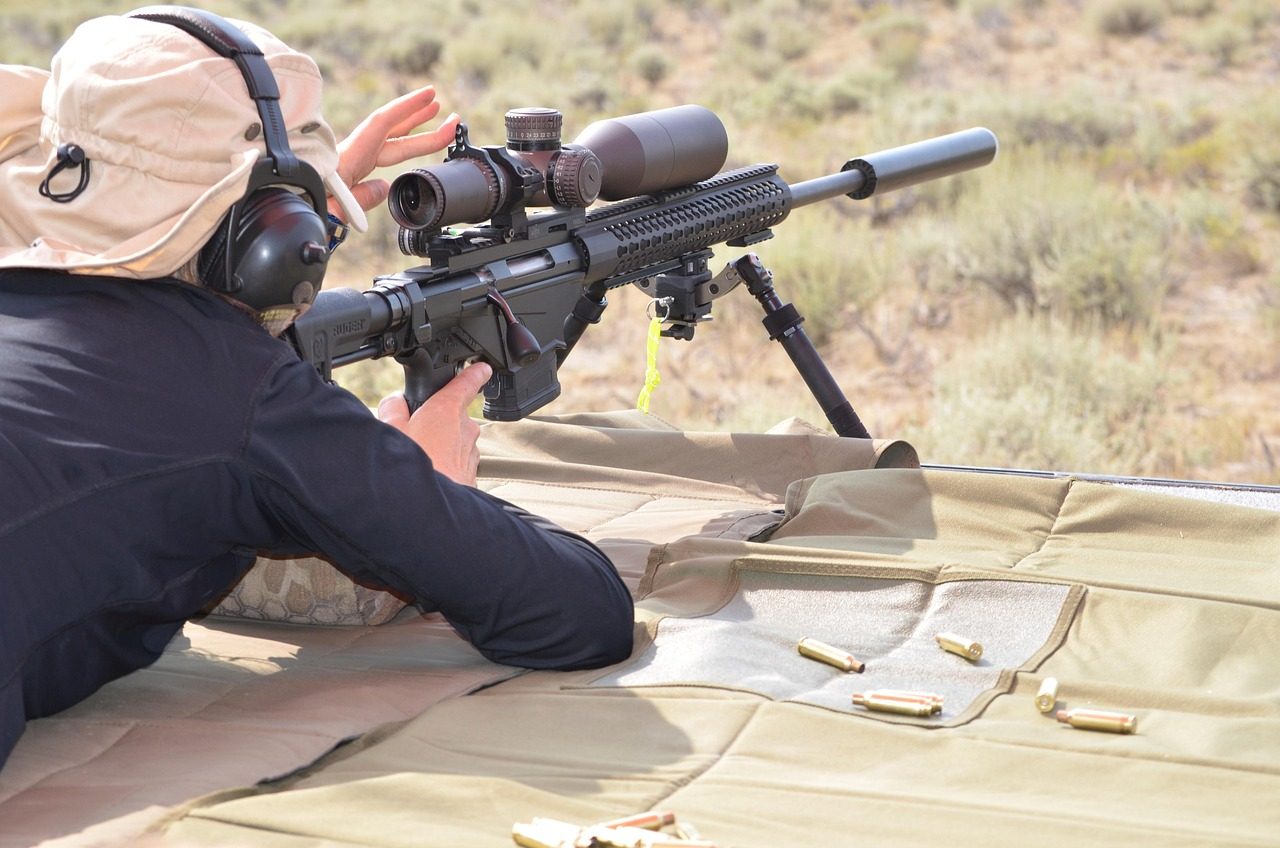
There is a difference between useful equipment and a gun that looks like it was assembled for a movie prop department. Guides tend to tense up when a hunting firearm arrives covered in rails, oversized optics, bipods, lights, slings, shell holders, and enough attachments to snag every branch in the county.
The problem is rarely style alone. Extra gear adds weight, complexity, and more things to loosen, fail, or distract from the basics. In a blind, on a ridge, or climbing into a truck, that clutter becomes a nuisance fast. Guides appreciate simple systems because simple systems are easier to carry, safer to handle, and much harder to fumble.
The Family Shotgun That Doesn’t Fit the Shooter

A sentimental firearm can be a beautiful thing, but fit still matters. Guides often meet hunters carrying a beloved shotgun that is too long, too short, too heavy, or just wrong for their build. The shooter lifts it awkwardly, struggles to mount it consistently, and then wonders why birds are missed cleanly over and over.
Shotguns are especially unforgiving when stock dimensions don’t match the person using them. Good fit affects sight picture, recoil control, and instinctive shooting in a huge way. A guide cringes not because the gun is old, but because nostalgia cannot fix poor handling when fast shots matter most.
The Loose Screws Special

Few things drain confidence faster than a gun that slowly shakes itself apart. Loose action screws, scope base screws, ring screws, sling studs, and stock hardware are common enough that guides check for them almost out of habit. When a firearm starts shifting zero or rattling after a rough ride, everyone knows the day just got more complicated.
This kind of problem is especially painful because it is so preventable. A little torque, thread prep, and range time can eliminate a mountain of frustration. Guides cringe because small hardware failures often appear at the worst possible moment, then masquerade as bad shooting when the real culprit is mechanical sloppiness.
The Fancy Custom Rifle With a Temper

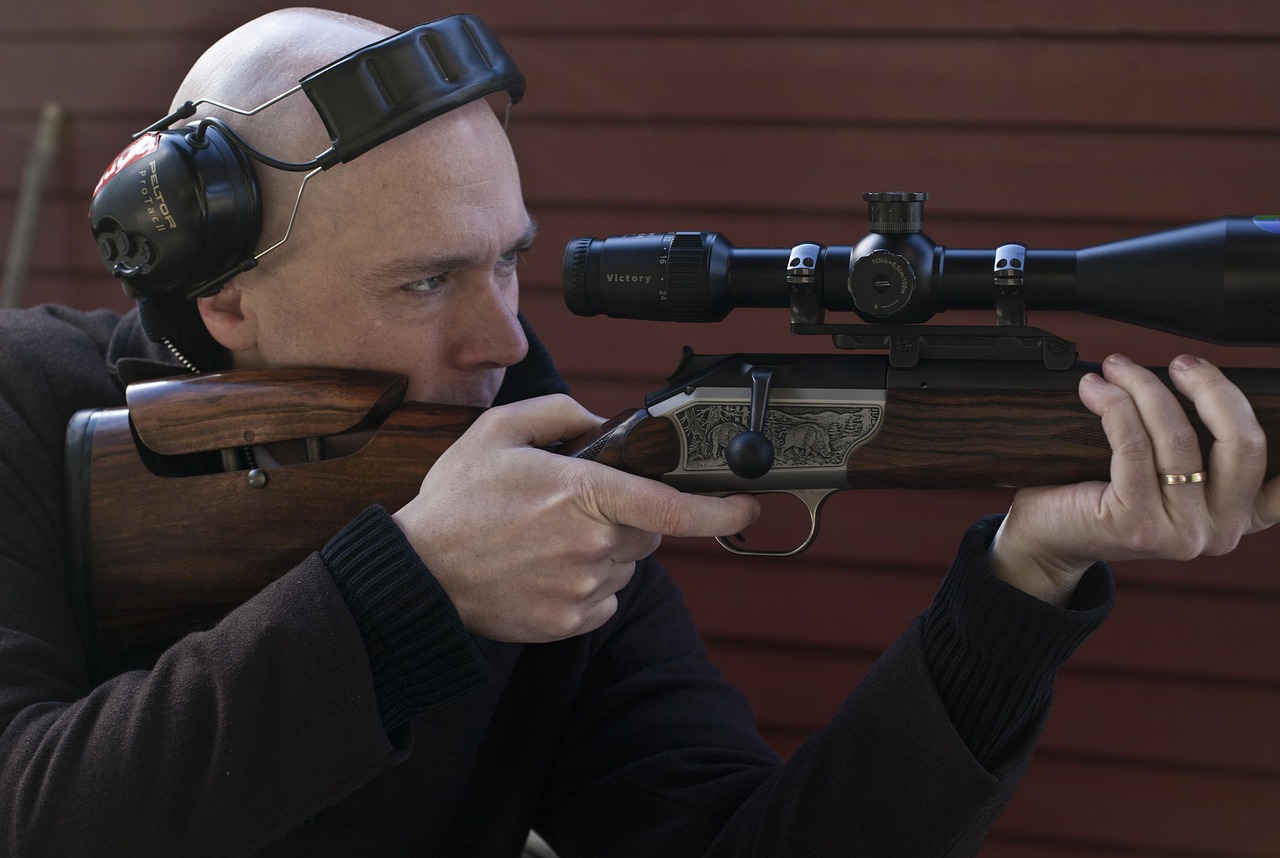
High-end rifles can be wonderful, but guides grow skeptical when price and polish start standing in for fieldworthiness. Some custom builds are so tightly tuned, finicky about ammunition, or precious about conditions that they become stressful companions in dust, snow, mud, and long travel days. Beautiful wood and flawless metalwork do not guarantee practical reliability.
A guide wants a firearm that can get knocked around a little and still perform. If the owner is constantly fussing over scratches, feeding quirks, or handload sensitivity, the rifle begins to feel more like luggage than gear. In hard country, durability usually earns more respect than delicacy.
The Reliable Rifle Paired With an Unprepared Owner

Sometimes the gun itself is perfectly fine, and that may be the most frustrating scenario of all. The rifle is accurate, the scope is solid, and the ammunition is proven, but the owner hasn’t practiced from field positions, doesn’t know the safety by feel, and hesitates on every manipulation. Guides cringe because good equipment can’t rescue poor familiarity.
This final category is really the lesson behind all the others. Most hated guns are not hated solely for what they are, but for what they reveal: bad preparation, misplaced confidence, and avoidable mistakes. Experienced guides aren’t looking for perfection. They just want a firearm and shooter combination they can trust when the shot finally comes.