Some guns fade away. Others refuse to stay gone.
In the firearms world, a true classic can survive corporate shakeups, changing tastes, and years off the shelf if enough shooters keep asking for it.
Colt Python

The Colt Python is probably the cleanest example of a discontinued gun clawing its way back through sheer market pressure. For years after Colt stopped regular production, original Pythons became the kind of revolver people talked about in reverent tones at gun counters and gun shows. Prices on the used market kept climbing, and the gun’s reputation only grew bigger in its absence.
Colt eventually blinked. According to Colt’s own company timeline, the Python was reintroduced in 2020, a major moment in the return of the brand’s double-action “snake gun” mystique. Colt followed that by noting the reintroduction of a redesigned blued Python in 2021, a sign that this was more than a one-off nostalgia play.
What made the comeback work is that Colt did not just rerun the old recipe blindly. The modern Python kept the silhouette, ventilated rib, and prestige factor people wanted, but it was updated for current manufacturing realities and modern buyer expectations. That matters, because bringing back a legend is risky. If the gun feels cheap or off-character, enthusiasts will notice immediately.
The deeper lesson is simple: the Python never lost cultural relevance. It became one of those rare firearms that appealed to collectors, revolver traditionalists, range shooters, and first-time premium buyers all at once. When a discontinued gun keeps commanding attention and money for years, manufacturers eventually see the same thing the market sees: demand never really ended.
Winchester Model 70
The Winchester Model 70 has had several lives, but one of the most important parts of its comeback story centers on the return of the pre-’64 style action that serious riflemen never stopped praising. Winchester’s own historical material notes that the original Model 70 was discontinued in 1963, then a new Model 70 appeared in 1964. That alone would have made it historically significant, but the real pressure point came later.
By the early 1990s, shooters still wanted the controlled-round-feed, claw-extractor character associated with the older rifles. Winchester’s timeline says the pre-’64 Model 70 action returned to general production in 1992, and its FAQ history highlights a 1994 return of the pre-’64 type action design with claw extraction and controlled round feed.
That may sound like a technical footnote, but in the hunting world it was a huge deal. Controlled round feed has always carried a near-mythic reputation for reliability, especially among dangerous-game hunters and traditionalists who value positive cartridge control. Winchester still leans on that identity today in current Model 70 materials, which emphasize pre-’64 style controlled round feeding as a core feature of the rifle.
The Model 70 comeback shows that demand is not always about a full resurrection after total death. Sometimes it’s about the return of the exact feature set people refused to let go of. In this case, the market did not merely want a Model 70 nameplate. It wanted the old soul back too.
Marlin Model 1895
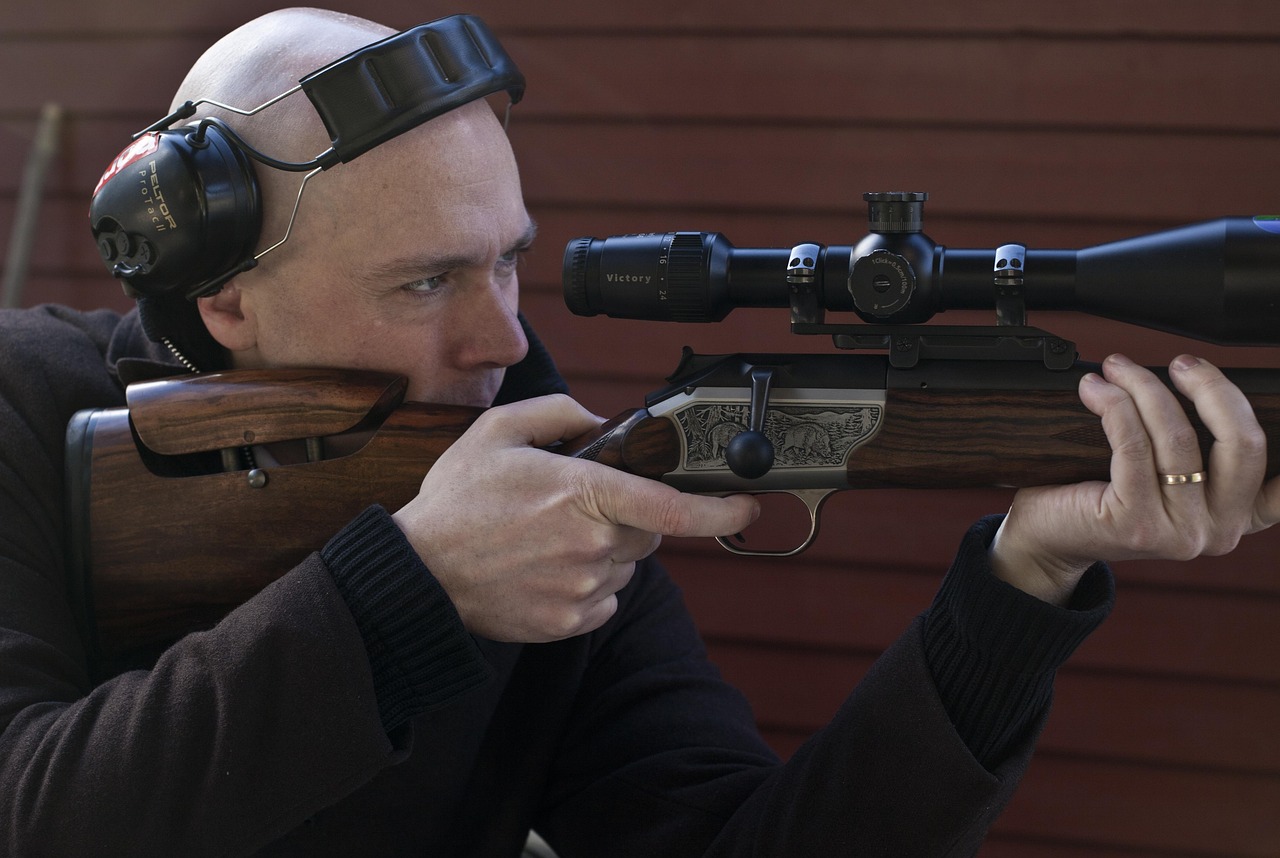
Marlin’s lever guns never really lost their audience, but the Model 1895 became especially symbolic after Marlin production stalled during the Remington era and then stopped altogether when the company changed hands. That interruption created a vacuum in one of the hottest niches in the market: big-bore lever actions with real field credibility. Hunters, guide-gun fans, and backcountry shooters did not move on quietly.
Ruger recognized that almost immediately after acquiring Marlin assets. In May 2022, Ruger announced the reintroduction of the Marlin Model 1895 Trapper, marking one of the first major signs that the brand was truly back. The company followed with more Marlin rollouts, and by 2024 Ruger was telling investors that demand for Marlin lever-action rifles, including 1895 variants, was helping drive sell-through.
That is the key point: this was not just sentimental demand. It was commercial demand strong enough to show up in corporate earnings commentary. When a manufacturer starts citing a revived product line as a contributor to momentum, you know the return is backed by actual buying behavior, not just online nostalgia.
The 1895’s return also lined up with broader market trends. Lever guns had become newly fashionable again, partly because of practical hunting use and partly because buyers wanted something mechanically traditional yet emotionally fresh. The Marlin 1895 hit that sweet spot better than almost anything else, which is why its comeback felt inevitable long before the official announcement arrived.
Marlin Model 336
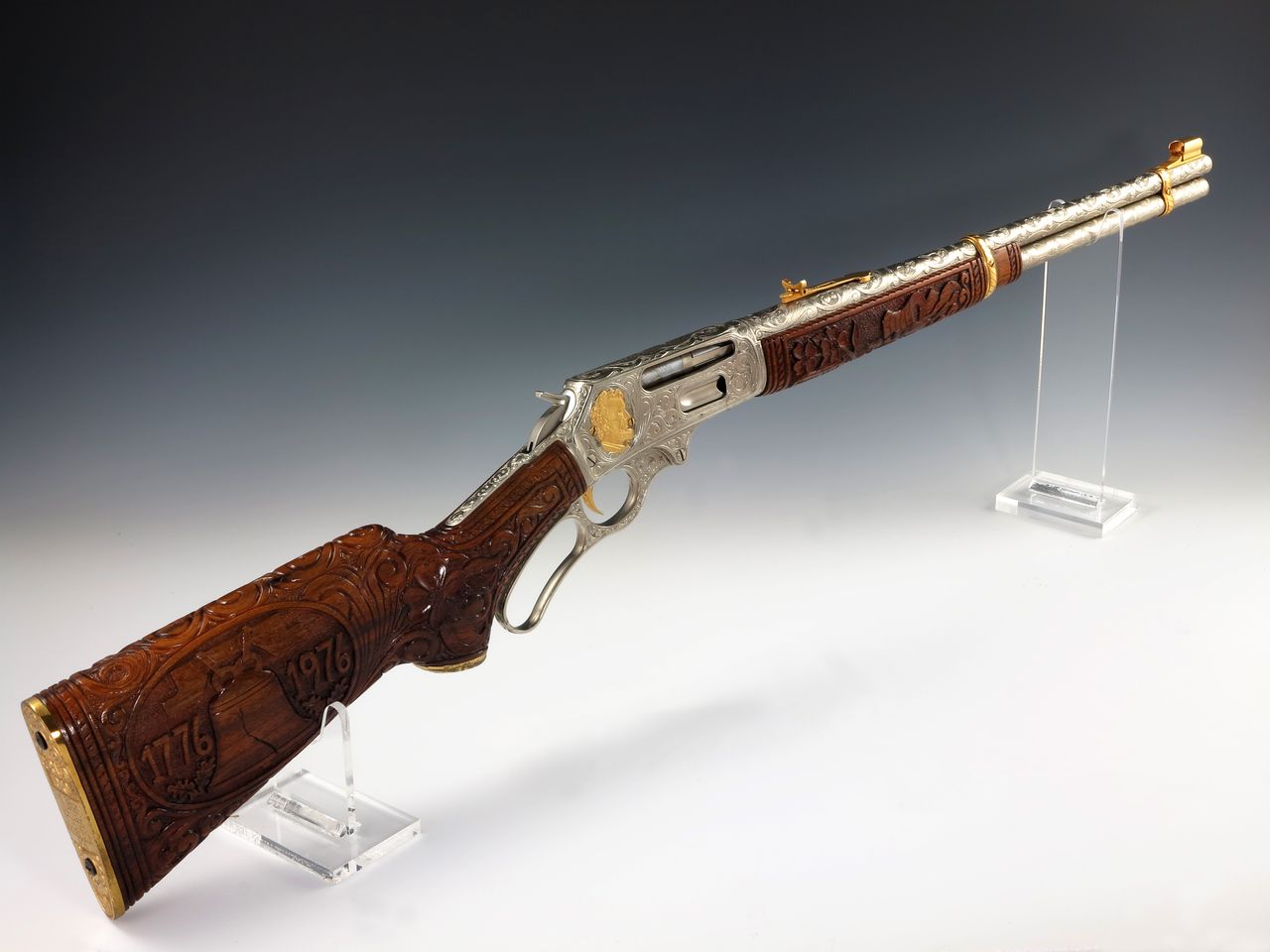
If the 1895 was the dramatic comeback, the Marlin 336 was the reassuring one. The 336 has long been one of the defining .30-30 lever actions in America, the kind of rifle that lives in deer camps, truck racks, family safes, and memory. When production disappeared, demand did not evaporate. It shifted to the used market and stayed there, waiting for somebody to put a proper new version back on shelves.
That finally happened in March 2023, when Ruger announced the release of the Marlin Model 336 Classic. In the official announcement, Ruger CEO Chris Killoy described the 336 as a legendary model that helped build Marlin into an iconic American brand. The company also warned of anticipated strong demand and limited quantities, which told you everything about market expectations.
Ruger then kept mentioning the 336 in later corporate communications, including 2023 and 2024 updates that tied Marlin lever guns to ongoing customer demand. That is important because it confirms the 336 was not simply revived as a ceremonial tribute. It came back because the company believed buyers would line up for it and then kept seeing evidence that they were right.
What makes the 336 special is how broad its appeal remains. It is not only a collector’s rifle or a niche brush gun. It is a practical hunting arm, a legacy purchase, and for many shooters a kind of antidote to disposable-feeling modern products. That kind of emotional utility is hard to manufacture, which is exactly why bringing the 336 back made business sense.
Browning Hi-Power, by way of the modern High Power revival

The original Browning Hi-Power was one of those pistols that somehow became more beloved after it left center stage. Official Browning product-history material notes that many Browning firearms go out of production and return intermittently, which is a useful clue to how the company thinks about classics. Browning also continues to frame the Hi-Power family as a central part of its historic identity.
In modern form, the concept returned as the Browning High Power, reflecting just how much market appetite remained for a steel-frame, single-action, double-stack 9mm with classic lines. Even outside Browning itself, that demand became impossible to miss. Competing companies clearly saw the same opening and moved to serve buyers who still wanted the old P-35 feel in a modern production gun.
That is where the comeback story gets interesting. Sometimes a firearm returns not because one exact catalog item comes back unchanged, but because the original design’s demand profile stays alive across the market. The Hi-Power layout never stopped attracting shooters who liked slim steel ergonomics, a natural-pointing grip, and old-school aesthetics that still shoot well today.
This is the sort of return manufacturers often handle quietly. There is no need to overexplain what enthusiasts already know. If enough customers have spent years asking for the same pattern of pistol, eventually someone puts it back into production, gives it a few modern updates, and lets the waiting list do the talking.
Springfield Armory SA-35
If you want proof that the Hi-Power pattern never truly died, the Springfield Armory SA-35 is it. Springfield announced the SA-35 in October 2021 and said plainly that it was delivering a highly sought-after design with the features and upgrades shooters demand. That wording matters, because it is unusually direct. Springfield was not pretending this was a random product brainstorm. It was answering an existing appetite in the market.
The SA-35 kept the classic Browning profile but modernized the internals, sights, magazine capacity, and overall usability. Springfield highlighted a 15-round flush-fit magazine, upgraded controls, and geometry changes intended to improve compatibility with modern defensive ammunition. In other words, the company brought back the experience people wanted while smoothing out some of the old platform’s rough edges.
By 2026, Springfield was still expanding the line, introducing the SA-35 4″ and describing the pistol as an incredibly popular series. That is strong evidence the comeback had real legs. A company does not broaden a revived classic unless it is selling, and selling to more than just a narrow nostalgia crowd.
The SA-35 also reveals a larger truth about firearms demand. Buyers do not always want the newest operating system in gun form. Sometimes they want a respected old design, rebuilt with modern tolerances and materials, because timeless handling still counts for something on the range and on the shelf.
Colt Anaconda
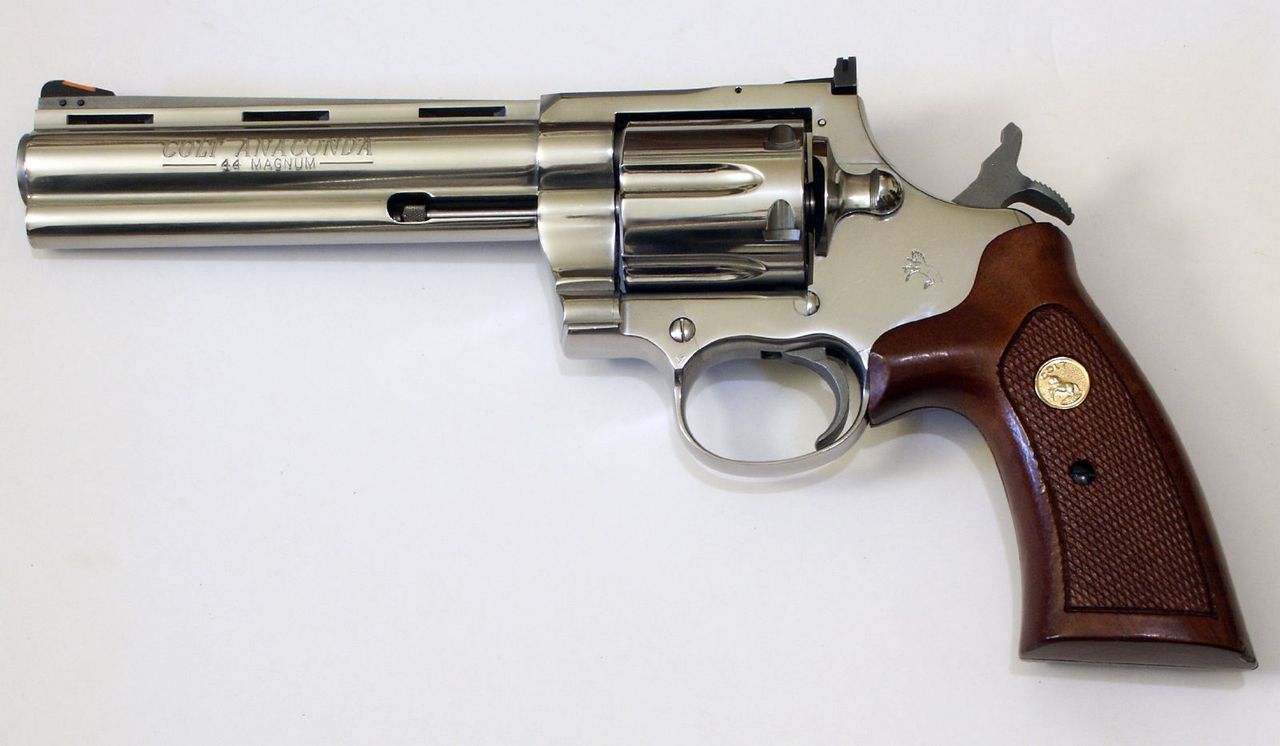
The Colt Anaconda spent years living in the Python’s shadow, but its return says a lot about how strong the premium revolver market became. Big-frame magnum wheelguns had supposedly become a niche inside a niche. Then reality stepped in. Used prices stayed healthy, interest in powerful revolvers never fully disappeared, and Colt realized that its snake-gun equity extended beyond the Python.
Colt’s official timeline states that the company reintroduced a redesigned Colt Anaconda in .44 Magnum in 2021. That was not accidental timing. It came right on the heels of Colt’s successful renewed focus on revolvers, showing the company had recognized something important: enthusiasts were still willing to pay for substantial, all-steel magnum handguns with serious presence.
The Anaconda’s return also fit a broader industry shift toward premium legacy models. In a crowded striker-fired market, a large-frame .44 Magnum does not compete by being practical in every role. It competes by offering heft, history, and a shooting experience nobody mistakes for disposable polymer. That difference is exactly the point.
In many ways, the Anaconda comeback was quieter than the Python’s, but maybe more revealing. It showed Colt was not just reviving one iconic revolver. It was rebuilding an entire lane of the market around products that had once been written off as obsolete. Demand, once again, proved more durable than conventional wisdom.
Winchester Model 94
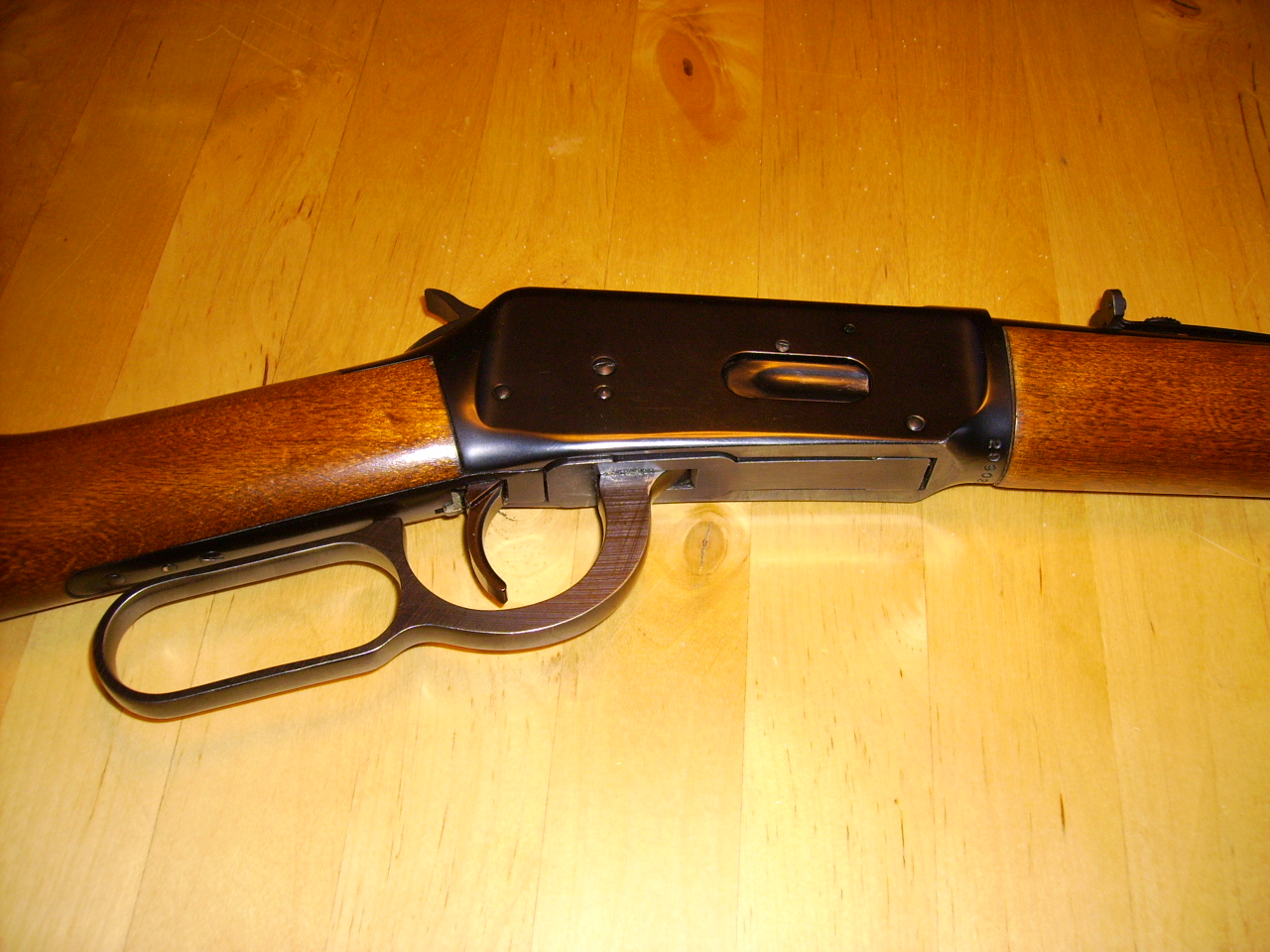
The Winchester Model 94 is one of those rifles that seems too famous to disappear, yet it absolutely went through that cycle. Winchester’s historical timeline states that the Model 1894, commonly known as the Model 94, returned to the Winchester lineup in 2010. That detail matters because the rifle’s absence created exactly the kind of longing that only a legendary lever gun can create.
What kept demand alive was not just nostalgia. The Model 94 still makes practical sense for woods hunting, ranch use, and shooters who appreciate a slim, fast-handling rifle. It also occupies a symbolic place in American gun culture that newer designs simply cannot replicate. If you want a rifle that immediately reads as “classic deer gun” to almost anyone, the 94 is on a very short list.
When Winchester brought it back, the company was really restoring continuity with its own identity. That is often what manufacturers mean when they quietly revive an old model. They are not just responding to customers. They are recovering a product that helps explain who they are. With the 94, that identity value is enormous.
The Model 94 comeback also demonstrates how lever guns resist obsolescence. They may cycle in and out of fashion at retail, but they never truly lose their place. When enough years pass, and enough buyers start asking where the old favorite went, a return stops looking like sentiment and starts looking like smart business.
Browning Model 1885
The Browning and Winchester 1885 story is a reminder that some discontinued firearms come back in waves, not in one neat relaunch. Browning’s historical material traces the design back to John Browning’s single-shot rifle, while Browning’s own support page notes the Model 1885 remains in production today under the Winchester brand. Winchester and Browning history together make clear that this rifle has repeatedly resurfaced because shooters never stopped appreciating what it does well.
Single-shot rifles are easy to underestimate in a market obsessed with capacity and speed. Yet the 1885 keeps returning because it offers something different: strength, elegance, precision, and a level of deliberate shooting that appeals to hunters and rifle cranks alike. It is not a gun people buy by accident. It is a gun they seek out when they know exactly what they want.
Winchester’s timelines also show the company bringing historic rifles back to market over the years, including 1885 variants and other heritage patterns. That approach reflects a durable truth in the gun business. Legacy designs with strong enthusiast followings can be produced in periodic runs and still command real attention.
So while the 1885 may not have had the loudest comeback in modern gun media, it absolutely belongs on this list. It is one of the best examples of a firearm the market refuses to let vanish for good, even if manufacturers sometimes put it to sleep between runs.
Smith & Wesson Model 19 Classic
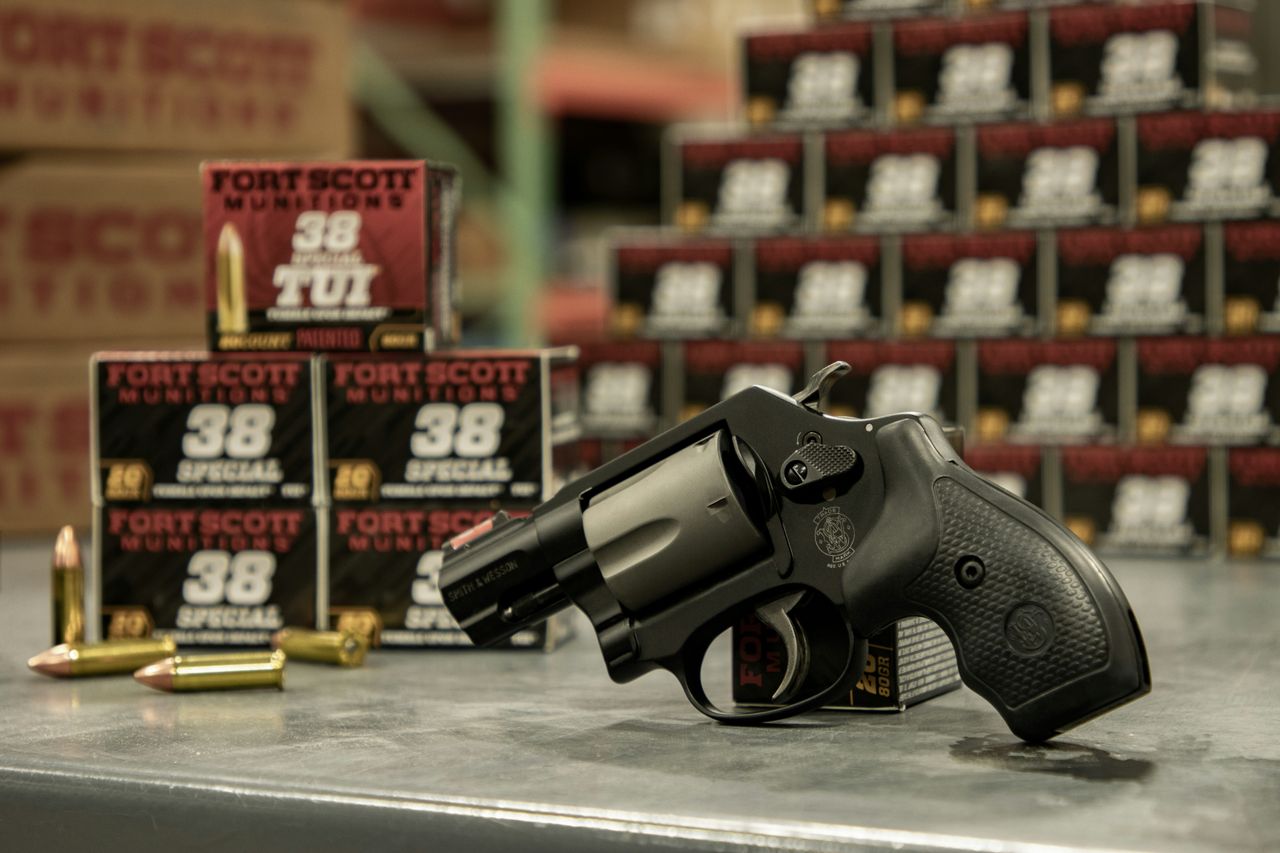
The Smith & Wesson Model 19 is another revolver that never really stopped being wanted, even when the market’s center of gravity moved hard toward semi-autos. Bill Jordan’s famous K-frame magnum formula had too much history, too much shootability, and too much collector affection to disappear quietly. The result was predictable: older guns stayed desirable, and the idea of a modern return kept gaining steam.
Smith & Wesson answered that appetite through its Classic line, which has essentially become a controlled way of bringing beloved legacy models back for shooters who want traditional forms without purely vintage-gun headaches. The Model 19 Classic captures that strategy perfectly. It gives buyers the familiar lines and handling that made the original famous, while fitting into a modern catalog and support structure.
This kind of revival tends to be less dramatic than a headline-grabbing relaunch, but it can be just as meaningful. Manufacturers know there is a dependable segment of the market that still wants blued steel, wood grips, and a double-action trigger that rewards practice. They may not outsell polymer carry pistols, but they do not need to. They just need consistent, passionate demand.
That is the thread connecting all the guns on this list. None of them came back by accident. They returned because enough shooters kept asking, buying, collecting, and refusing to treat them as relics. In the gun world, that kind of loyalty is hard to kill, and smart manufacturers eventually learn to listen.