For a few surreal minutes in downtown Aspen, the Saturday Market had an uninvited early customer. It just happened to be a hungry black bear with a clear preference for baked goods.
A Pastry Booth Became The Bear’s Breakfast Stop
The bear wandered into Aspen’s Saturday Market during setup on September 26, 2026, when vendors were still arranging tables and baked goods. Multiple reports said it made a direct move toward a pastry booth and began helping itself to bread and pastries.
UPI reported that the bear targeted the Louis Swiss booth, while Colorado Parks and Wildlife spokesperson Joey Livingston said Aspen police began hazing the animal as a wildlife officer headed to the scene. The city’s market runs Saturdays from 8:30 a.m. to 2:00 p.m., which helps explain why the encounter happened before the usual crowds built up.
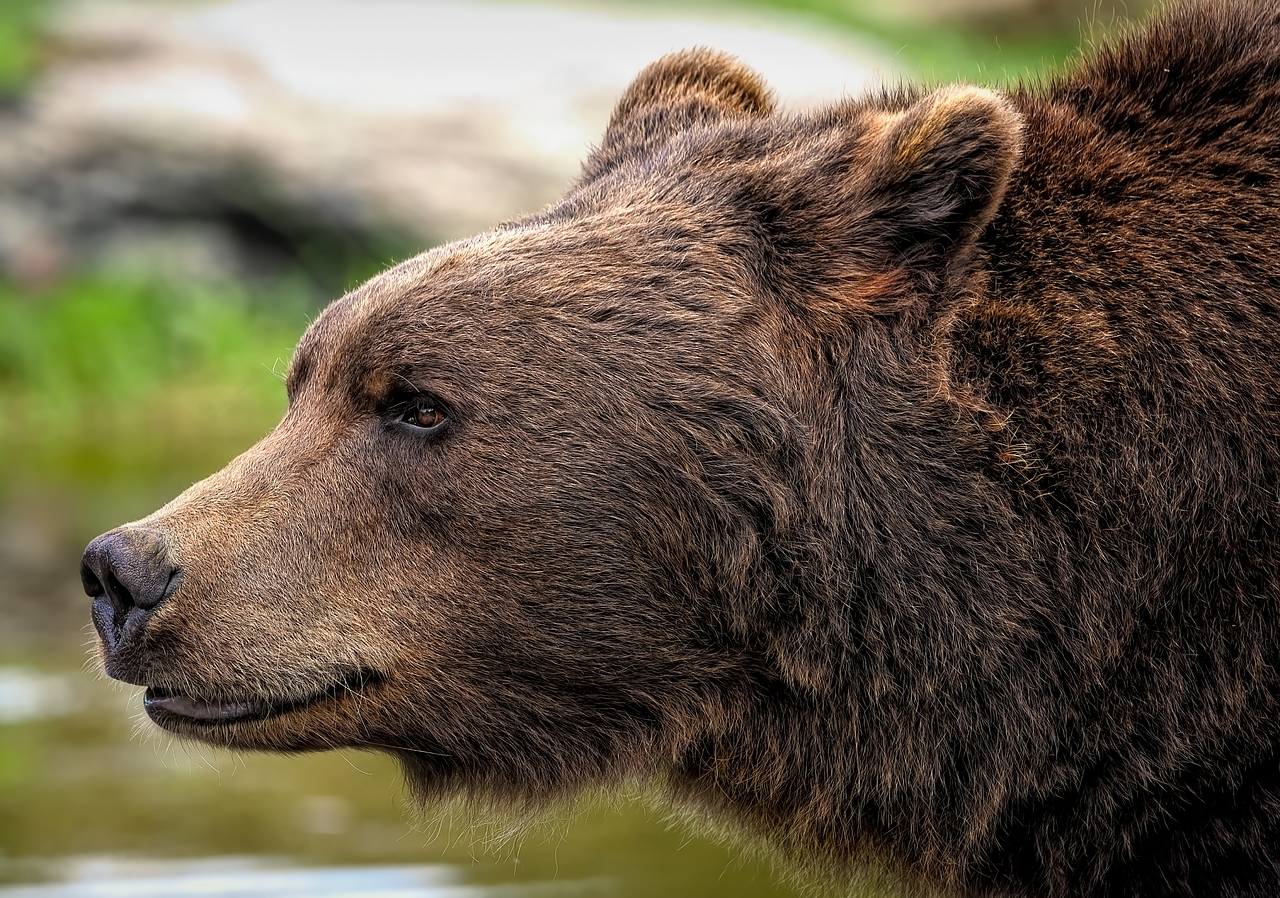
Videos from the scene showed a cinnamon-colored black bear standing near display tables, sniffing, grabbing food, and moving with the kind of confidence that only comes from prior success around people. That color surprises some people, but black bears commonly range from jet black to brown and cinnamon.
Police Moved Fast, And The Crowd Mostly Stayed Cool

The response was quick and, by all accounts, measured. Officers cleared space, kept people back, and hazed the bear away rather than escalating to a more dangerous outcome.
That matters because food-conditioned bears can become bolder with every easy meal. Once a bear learns that human spaces reliably offer calories, the animal is much more likely to return to trash bins, patios, campsites, restaurant alleys, and market stalls.
Witness accounts also stood out for how calm they sounded. Some locals treated the bear almost like a familiar troublemaker rather than a shocking intruder, which says a lot about how common wildlife encounters have become in mountain towns where habitat and downtown life overlap every day.
Hyperphagia Turns Every Easy Calorie Into A Temptation

The timing of the incident is no mystery to wildlife managers. Colorado Parks and Wildlife says bears enter hyperphagia in the fall, a period of compulsive overeating when they spend much of their time searching for food before winter.
During that stretch, a tray of pastries is basically bear bait with better branding. Bread, sweets, grease, fruit, pet food, birdseed, and unsecured trash all deliver dense calories with almost no effort, which is exactly what a bear wants when it is trying to pack on weight quickly.
Aspen officials recently urged residents and businesses to secure attractants during peak bear season. In that city notice, officials said drought, low snowpack, and wildfire impacts have reduced natural food sources in parts of Colorado, pushing bears into neighborhoods in search of easier meals.
Drought Is Turning A Funny Viral Clip Into A Serious Warning
What made this episode go viral also made it easy to misunderstand. The footage is funny, and a bear stealing pastries from a market stall practically writes its own captions, but the larger story is much less cute.
Aspen’s own wildlife messaging has been blunt: environmental stress is shrinking the buffet bears normally rely on. When berries, acorns, and other natural foods are limited, bears widen their search pattern and take more risks in developed areas.
That is the part communities across the West are watching closely. A drought year does not just change landscapes; it changes animal behavior, pushing wildlife toward roads, homes, dumpsters, campgrounds, and commercial districts where one successful meal can set up the next conflict.
Aspen’s Bear Problem Is Familiar, Not Freakish
This incident did not happen in some remote campground or backcountry trailhead. It happened in a polished resort town with regular foot traffic, vendors, tourists, and a long history of wildlife crossing into human spaces.
That familiarity can breed two bad habits at once: overconfidence among residents and overexposure for bears. If people assume a known bear is harmless because they have seen it before, they may fail to back away early, secure food properly, or report a developing problem before it worsens.
In practical terms, the market raid was a reminder that “bear country” does not start at the forest boundary. In places like Aspen, bear country can run straight through downtown, especially in late season when natural forage is weak and human food smells stronger than ever.
What People And Vendors Can Learn From One Bear’s Bakery Run
For market vendors, campers, homeowners, and anyone cooking outdoors, the lesson is simple: if food is accessible, a bear may treat it as fair game. Coolers, bakery trays, compost bins, grease traps, and even a bag of dog kibble can become the reason a bear returns.
The best prevention is boring, which is exactly why it works. Keep food attended, lock trash, remove attractants quickly, and never let a bear get rewarded for approaching people or businesses.
The Aspen market bear will be remembered as a comic local spectacle, and fair enough, it was one. But underneath the laughs was a hard truth wildlife officers know well: a fed bear is not a happy ending, it is often the beginning of a much bigger problem.