The Kimber 1911 earned its luxury-watch comparison for a reason. It did not invent the classic 1911 platform, but it helped redefine what buyers could expect from a factory-produced version. By combining traditional lines with upgraded controls, refined finishes, varied configurations, and attention to fit and presentation, Kimber positioned its pistols between ordinary production guns and expensive custom builds. Here are eight details that explain why the brand developed such a distinctive reputation.
1. It Turned Custom Features Into Factory Equipment
Kimber’s 1911 story began in the mid-1990s, when the company saw an opening between ordinary production pistols and expensive hand-built customs. The first prototypes appeared at the 1995 SHOT Show, and production followed in March 1996. The key idea was simple: bring features associated with custom 1911s into a factory-made package. That approach quickly gave Kimber a distinctive identity. Rather than inventing a new handgun, the company refined John Browning’s century-old pattern with modern manufacturing and a polished feature set. By 2000, Kimber described itself as the world’s largest 1911 maker, showing how quickly the strategy had taken hold.
2. The “Rolex” Image Came From Refinement
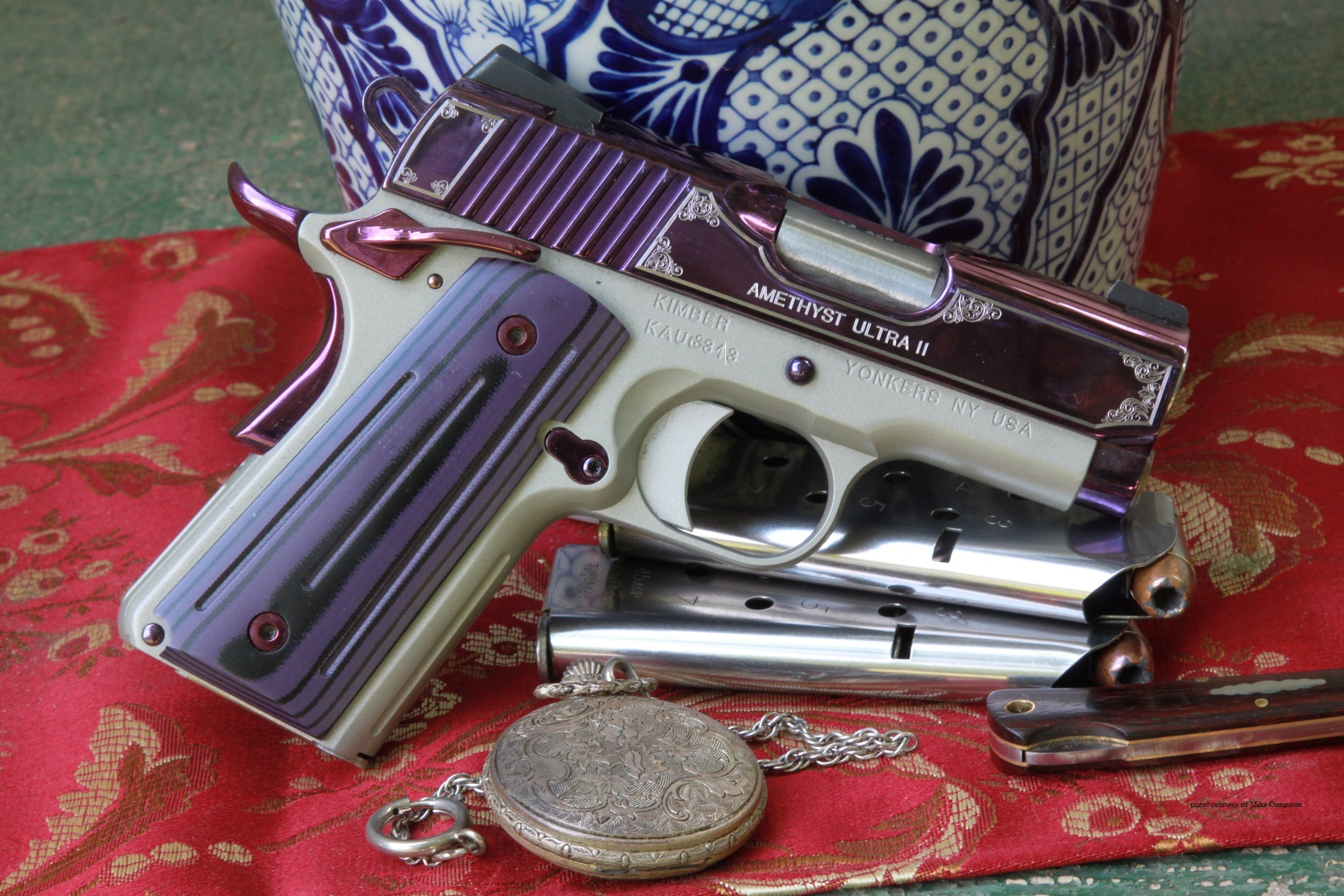
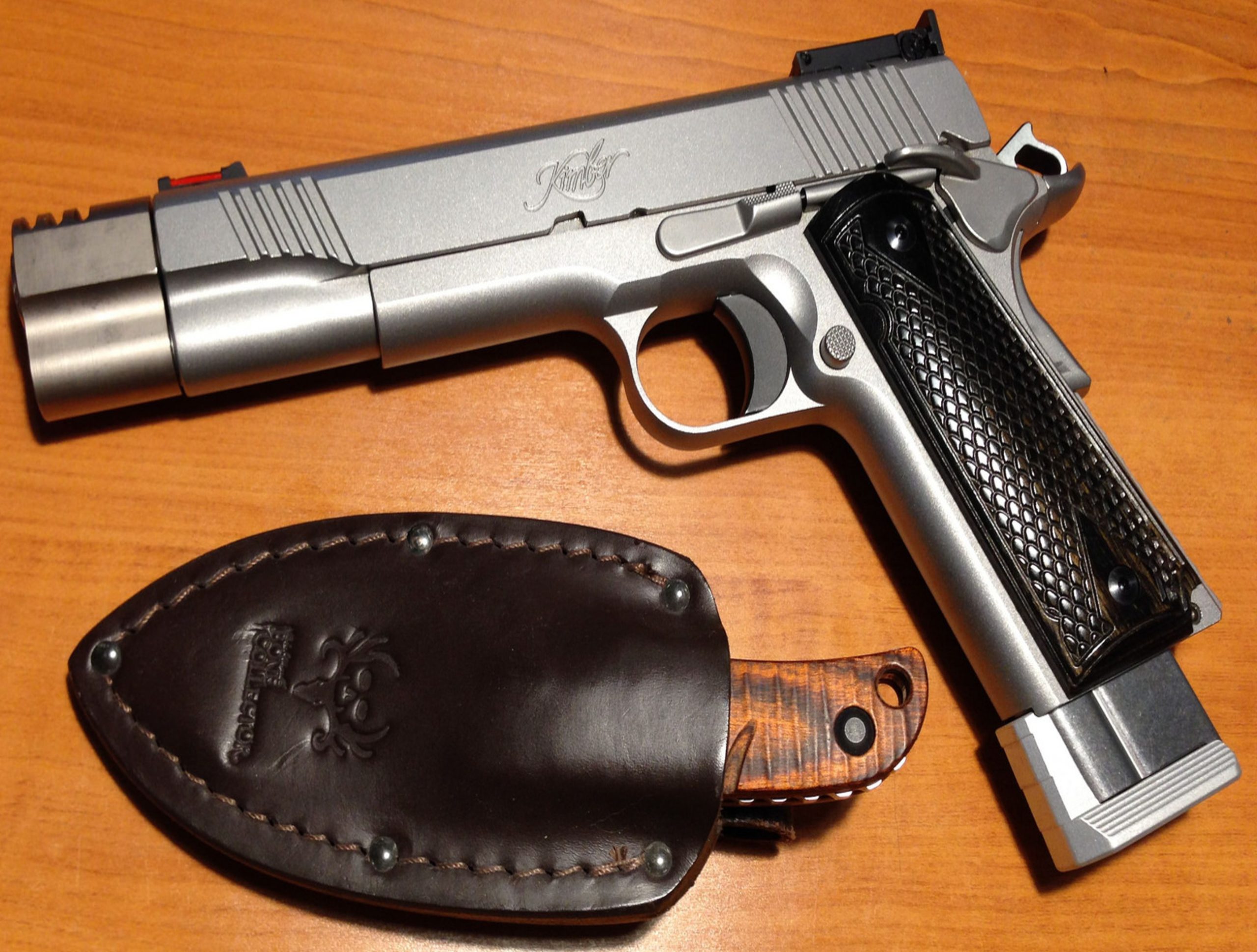
The “Rolex” comparison is really about finish, features, and presentation rather than mechanical extravagance. Kimber 1911s became known for details that once required a custom gunsmith: lowered and flared ejection ports, beveled magazine wells, extended thumb safeties, beavertail grip safeties, improved sights, and carefully shaped controls. On the Custom II, for example, the package includes a stainless-steel frame and a 5-inch barrel, while the design also incorporates a firing-pin safety. The result feels more curated than a bare-bones 1911, which helped Kimber build a premium reputation without making every pistol a one-off. That was central to its appeal.
3. There Was a Kimber 1911 for Almost Every Preference
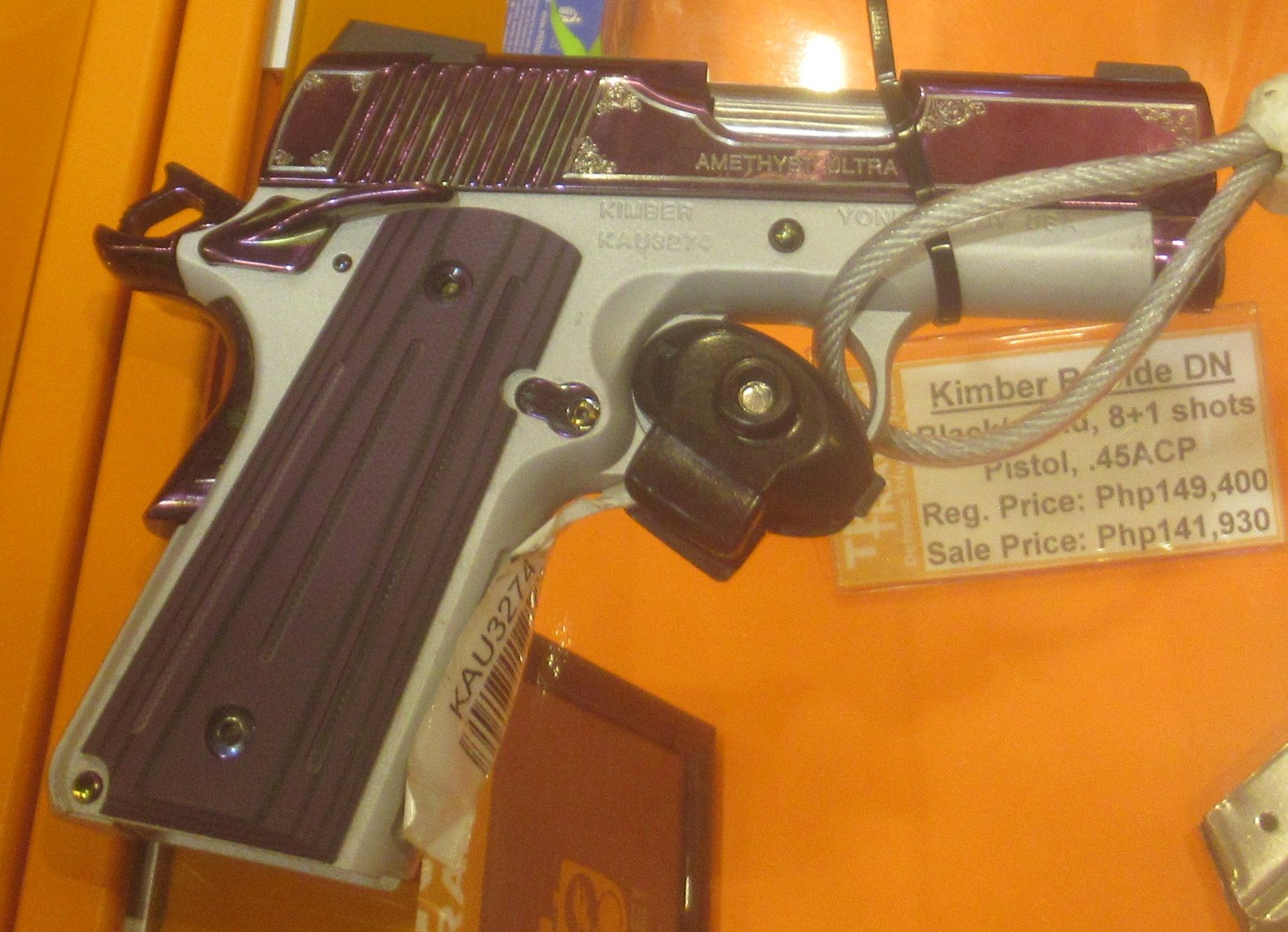
Kimber’s appeal also rests on how many configurations it developed from the same basic 1911 formula. Full-size models use a 5-inch barrel, while Pro variants commonly use 4 inches and Ultra versions 3 inches. Kimber’s own manual lists overall lengths from 6.8 inches for Ultra models to 9.7 inches for Long Slide versions, with frames made from steel, stainless steel, or aluminum depending on the model. Capacities can range from 7 to 9 rounds. That spread gave buyers choices in size, weight, caliber, and finish while preserving the familiar single-stack 1911 layout. It was a remarkably broad menu for one design. It also made the 1911 easier to match to different preferences.
4. Accuracy Became Part of the Premium Package
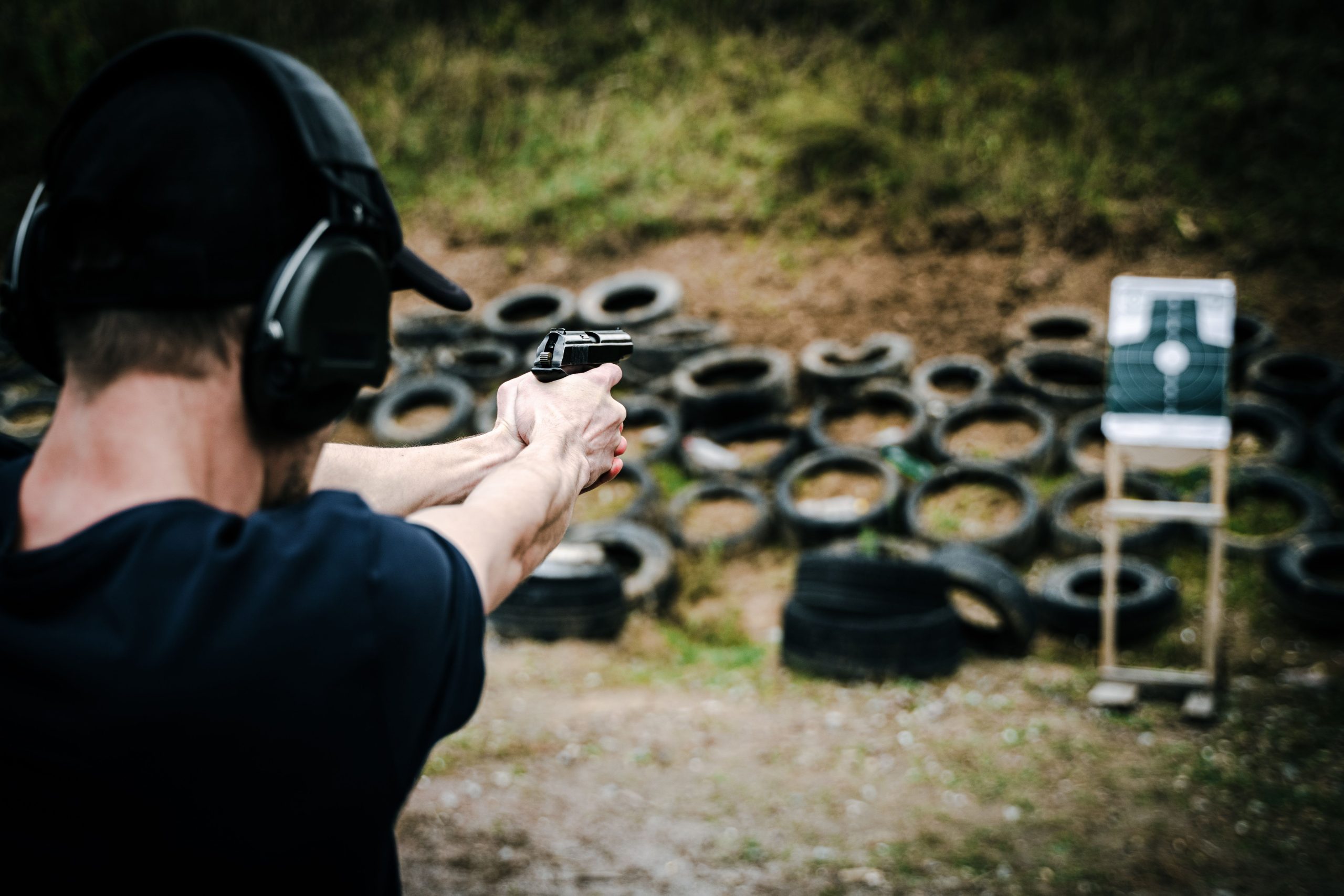
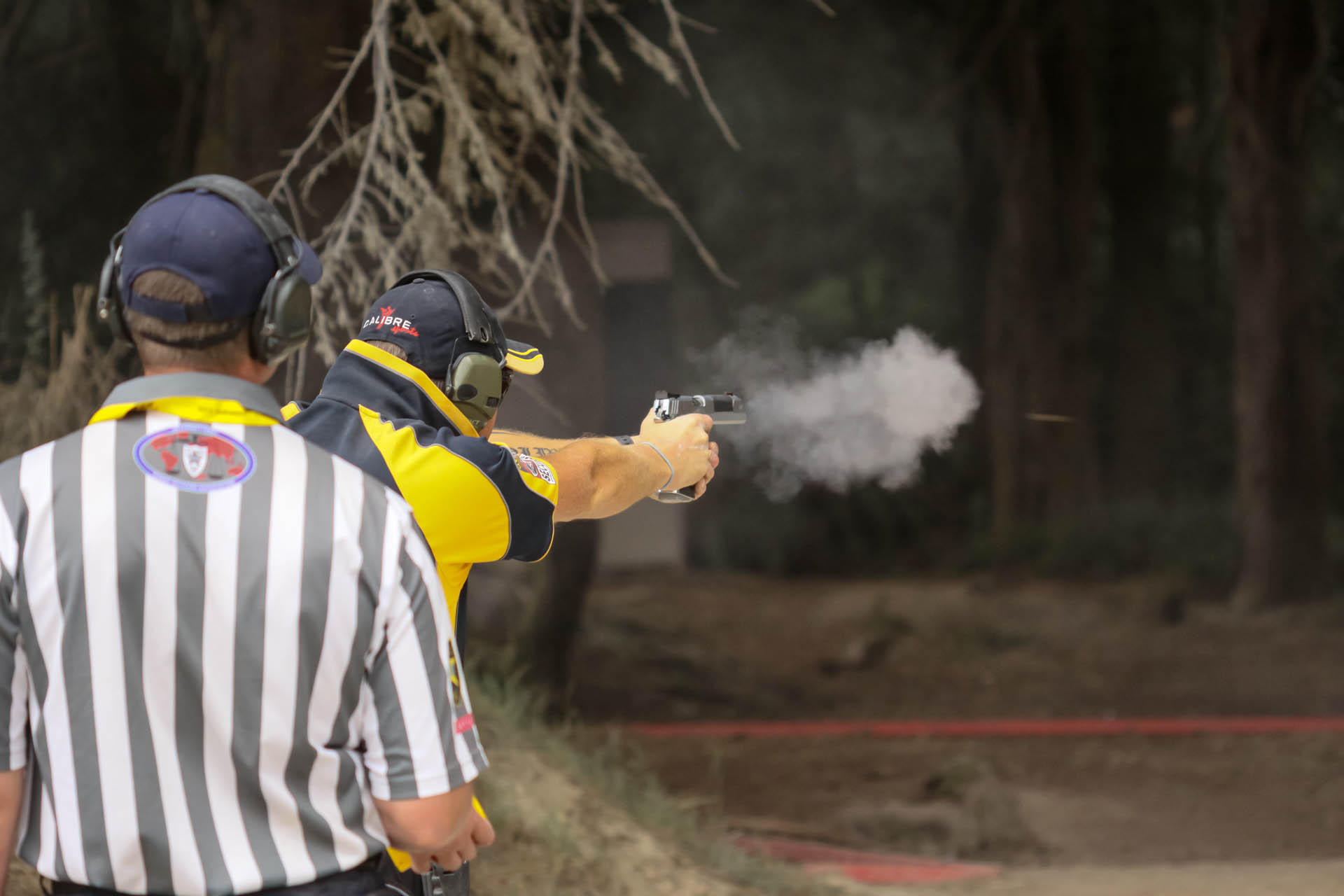
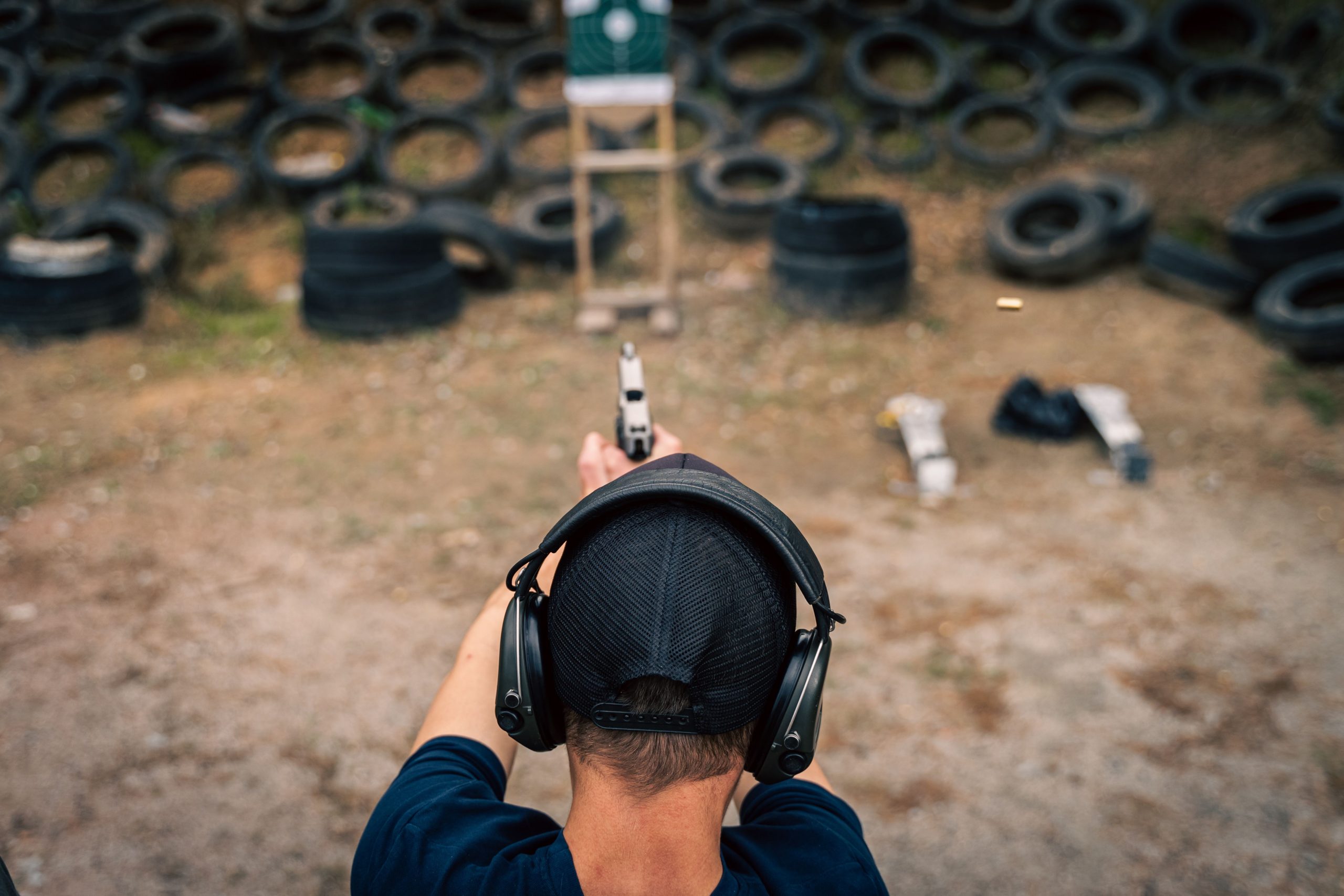
The trigger is another reason Kimber 1911s earned a premium image. A 1911’s appeal has long included a short, crisp trigger compared with many traditional service pistols, and Kimber emphasized that character in its factory designs. The company also used features such as polished feed ramps, match-grade barrels on selected models, and carefully fitted components to support accuracy. Kimber’s early Custom pistols were reported to produce groups around 1 inch at 25 yards under test conditions, although real-world results vary with ammunition, shooter, and individual pistol. The important point is that accuracy was treated as part of the package.
5. It Looked Expensive Without Losing the 1911 Identity
Kimber also made the 1911 visually recognizable without abandoning its traditional silhouette. Many models feature checkering, rosewood or synthetic grips, stainless components, dark protective finishes, night sights, and rounded edges intended to make the pistol less abrasive during carry. Premium families such as Eclipse and CDP pushed that presentation even further, combining contrasting finishes and upgraded controls. Kimber’s catalog has repeatedly offered distinctive combinations rather than one universal appearance. That variety helped the brand occupy a niche where a 1911 could be evaluated as both a mechanical tool and a carefully finished piece of American firearms design.
6. Series II Added Modern Safety Engineering
The Series II designation added another layer to Kimber’s premium positioning. Kimber’s Series II system uses an internal firing-pin block that is coordinated with the grip safety, adding a passive safety feature while avoiding the trigger linkage associated with some competing 1911 safety systems. Kimber’s manual identifies the Series II mechanism as part of the safety equipment on applicable models. It is a small engineering change, but it shows the company’s broader philosophy: preserve the familiar 1911 controls while updating selected aspects for contemporary expectations. That balance helped Kimber modernize a classic without making it look radically different.
7. The Model Range Made Kimber More Than One 1911
Kimber’s reputation was strengthened by the breadth of its lineup, which moved well beyond one flagship pistol. The company offered Custom, Pro Carry, Ultra, TLE, CDP, Eclipse, Warrior, and other families, with options in .45 ACP and 9mm and, on selected models, 10mm and .38 Super. A Custom-size example can have a 5.25-inch barrel and roughly 38 ounces of weight, while an Ultra model can use a 3-inch barrel and weigh about 25 ounces. Those numbers illustrate the brand’s range: Kimber could make a traditional full-size 1911 or a substantially smaller version while retaining the same basic design language. The variety became one of Kimber’s defining advantages.
8. Kimber Changed What a Production 1911 Could Represent
Ultimately, the “Rolex” nickname survives because Kimber helped turn the production 1911 into something buyers could judge by refinement as much as heritage. The company did not create the 1911; Browning’s design dates to 1911 and became one of America’s most influential service pistols. Kimber’s contribution was packaging familiar architecture with modern machining, upgraded controls, varied finishes, and a broad catalog. That formula made the brand recognizable in a crowded field. Its strongest legacy is therefore not a single specification, but the idea that a factory 1911 could arrive looking and feeling deliberately customized from the start.