Handguns have repeatedly become symbols in arguments about crime, policing, and public safety. Some were inexpensive pocket pistols associated with the “Saturday Night Special” debate, while others became famous because of their appearance, magazine capacity, or association with high-profile crimes. In several cases, lawmakers responded with broader rules rather than banning one model outright. California’s 1989 assault-weapons law, for example, specifically listed certain semiautomatic pistols, while federal law had already restricted some inexpensive imported handguns in 1968.
1. Intratec TEC-9
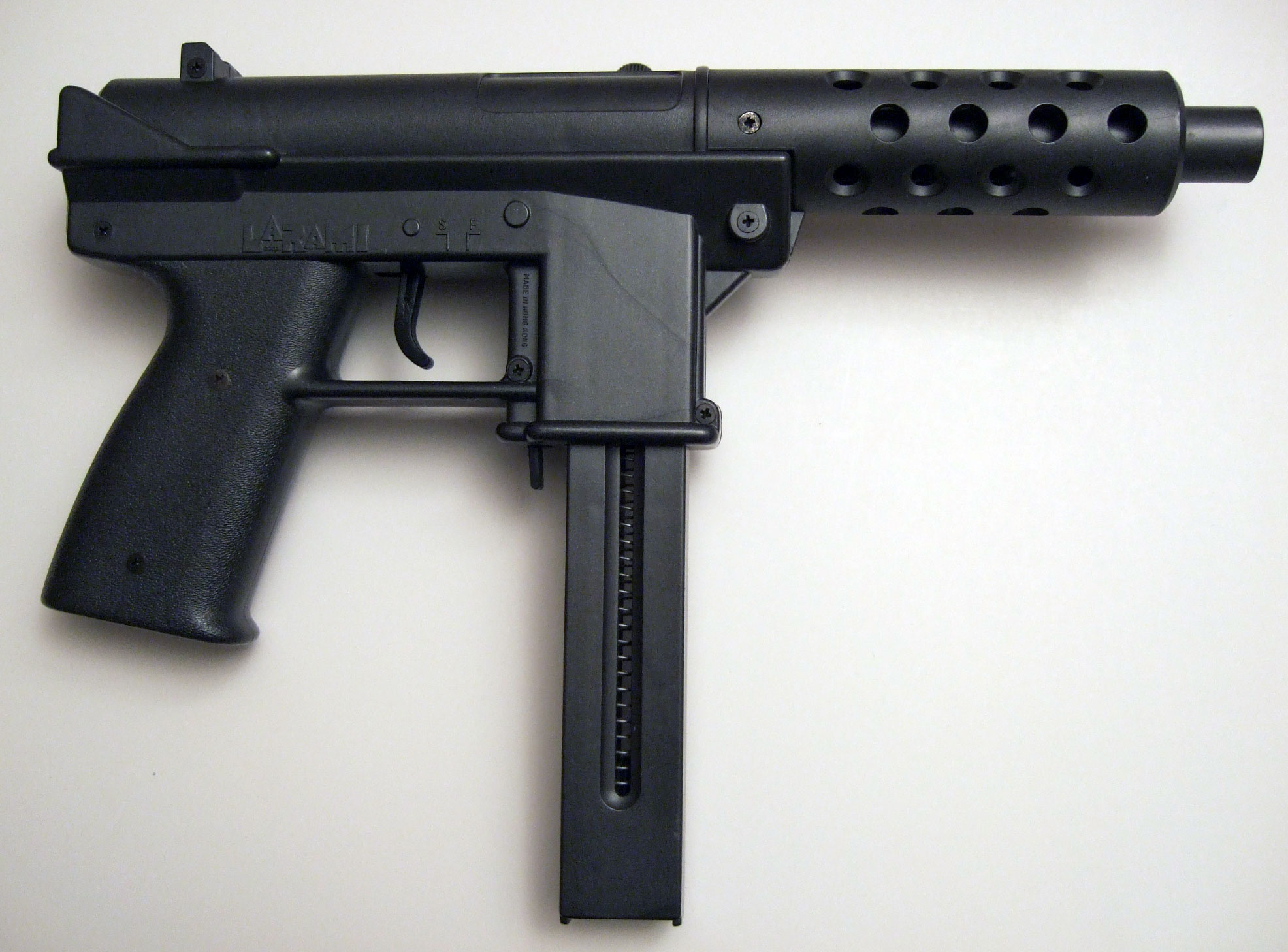
The TEC-9 became one of the most recognizable symbols of the American assault-pistol debate in the 1980s and 1990s. Its boxy profile, detachable magazines, and variants holding 32 rounds made it highly visible in crime reporting. After the 1989 Cleveland school shooting, California added the TEC-9 to its prohibited assault-weapon list. The model was later reworked and marketed as the TEC-DC9, but the legal pressure continued. California’s Roberti-Roos law and later amendments showed how one pistol could become shorthand for a wider fight over features, magazines, and public safety.
2. Intratec TEC-DC9
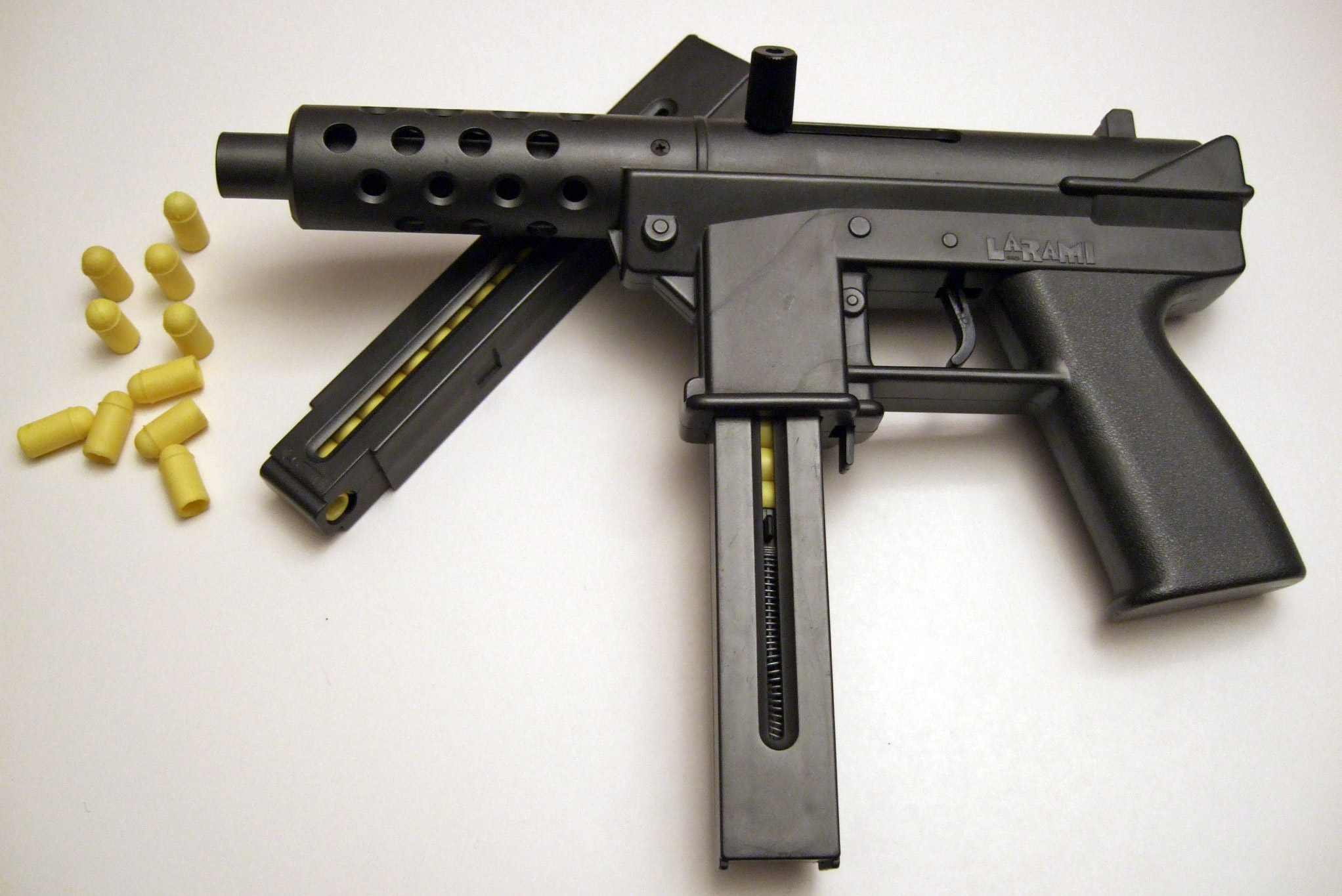
The Intratec TEC-DC9 was not simply another name in the assault-pistol debate. It was a redesigned version of the TEC-9, produced partly in response to California restrictions, and its later association with the 101 California Street shooting in 1993 intensified scrutiny. California lawmakers subsequently expanded assault-weapon rules, including restrictions on certain semiautomatic pistols with features such as barrel shrouds. No single pistol caused the law. The DC9 became a highly visible example in a policy argument that had already been building for years.
3. Cobray M11/9
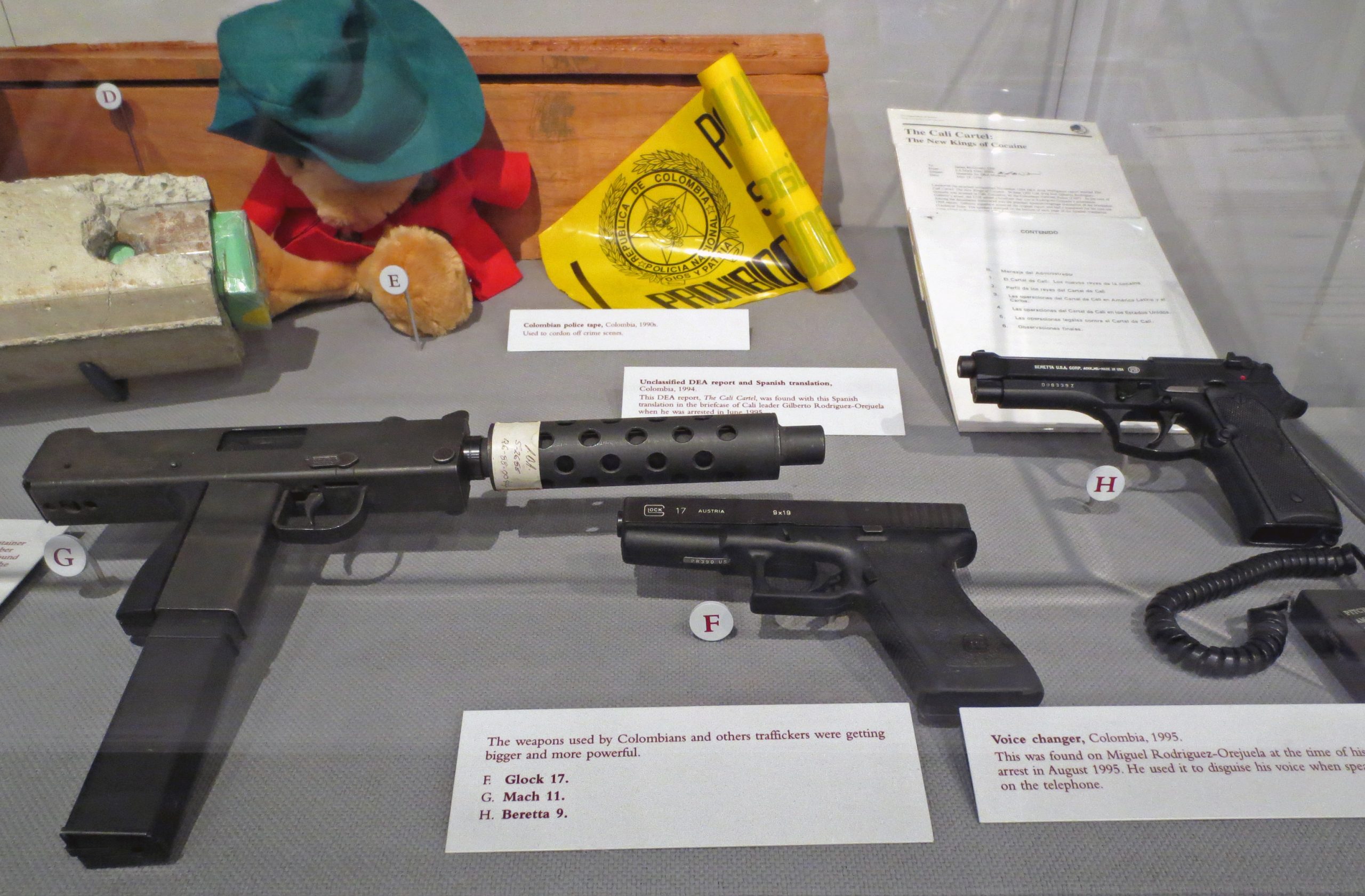
The Cobray M11/9 occupied an unusual place in the 1980s assault-pistol controversy. Although it was a semiautomatic pistol rather than a machine gun, its appearance, resemblance to the MAC-10 family, and use with large magazines made it politically conspicuous. Lawmakers are increasingly focused on cosmetic and functional features instead of treating handguns only by caliber. California’s 1989 assault-weapons law became an important turning point, and later rules reached additional semiautomatic pistols. The M11/9 became part of a legal push that changed how some handgun designs were classified.
4. Saturday Night Special Pistols
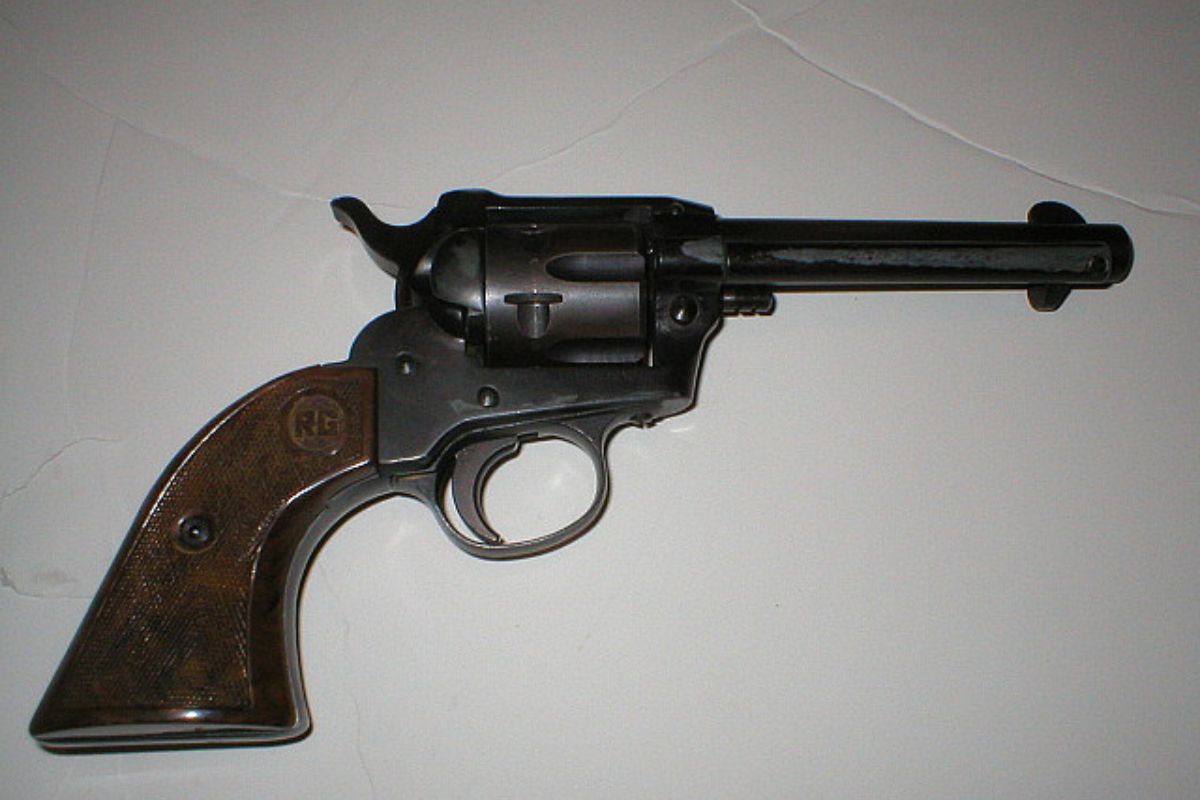
Small, inexpensive handguns known collectively as Saturday Night Specials became an early target of American firearms regulation. The term described a category, covering cheap .22, .25, and .32 caliber handguns. Congress addressed imported examples through the Gun Control Act of 1968, using a sporting-purposes standard and a points system that excluded many low-cost handguns. The debate was also tied to questions of poverty, race, and access. Police concerns about concealable weapons mattered, but the resulting policy was broader than any single model and focused heavily on imported handguns.
5. Raven MP-25
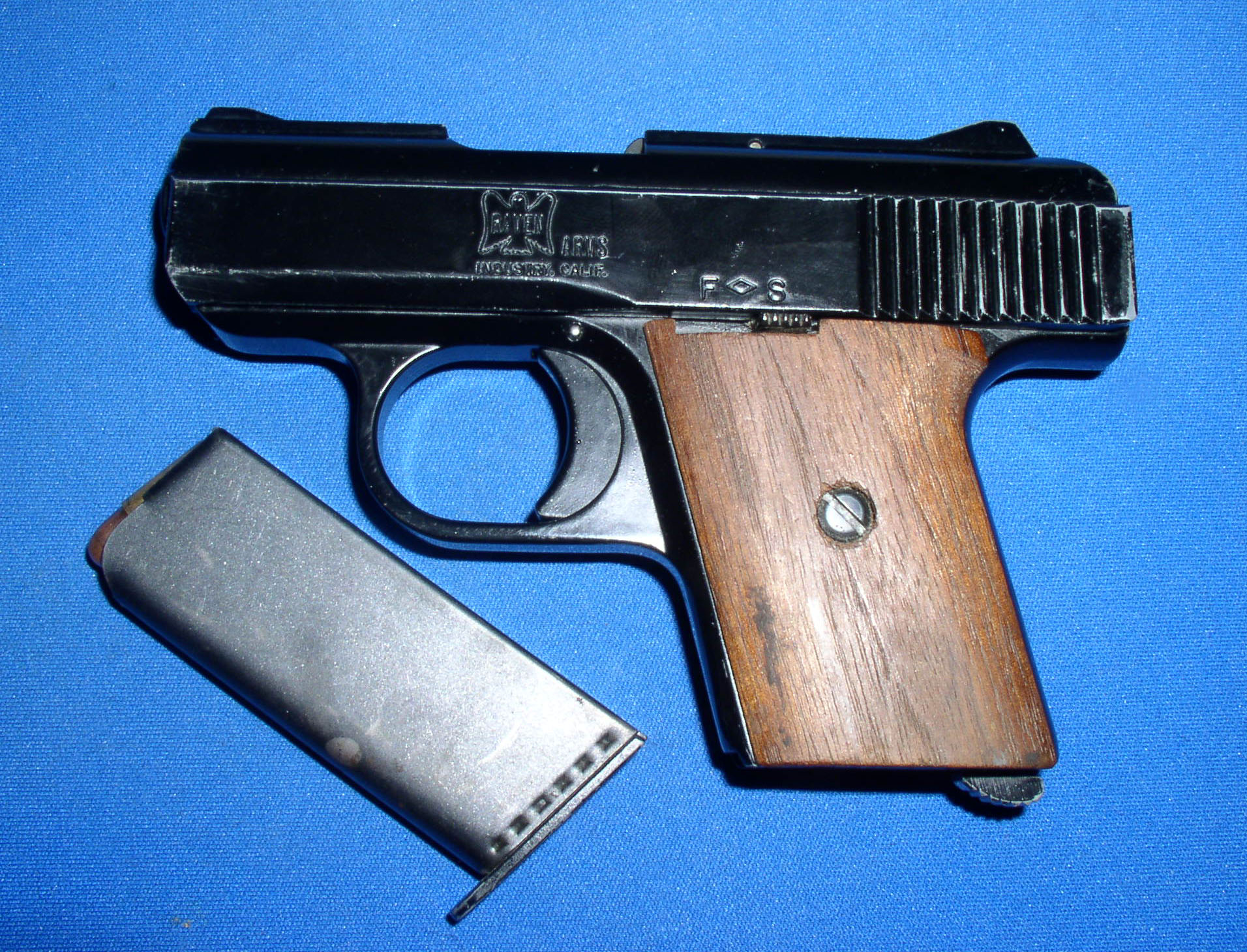
The Raven MP-25 became a classic example of the inexpensive pocket pistol that drew regulatory attention in the late 1960s and 1970s. Chambered in .25 ACP, it was compact, simple, and marketed at a price far below many full-size service pistols. Federal import rules created after the Gun Control Act of 1968 made it harder for many inexpensive foreign handguns to qualify for importation, pushing manufacturers and buyers toward domestic alternatives. The Raven itself became part of the continuing Saturday Night Special debate, rather than being the sole reason for a particular law.
6. Jennings J-22
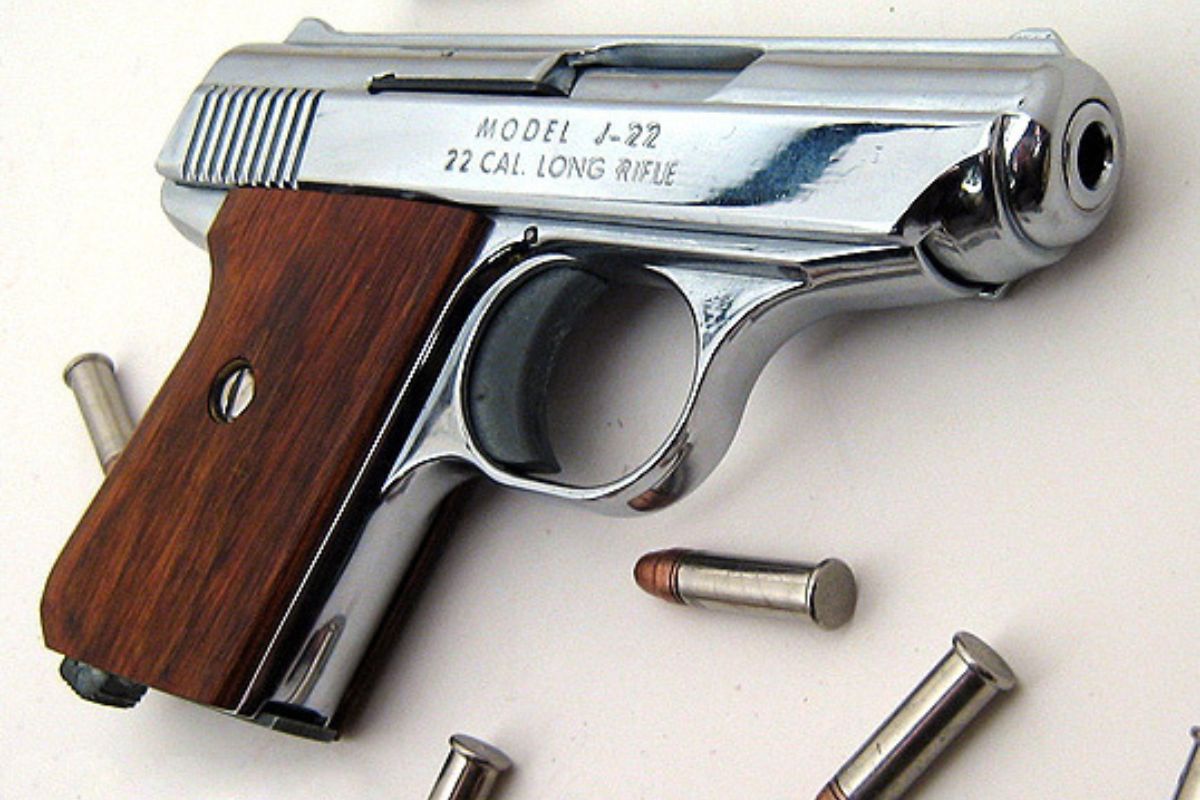
The Jennings J-22 represented another side of the Saturday Night Special controversy: a tiny .22 LR pistol that was inexpensive and easy to conceal. Its low price helped make it accessible, while its simple construction fed arguments about quality and reliability. During the 1970s, lawmakers and police organizations frequently discussed inexpensive concealable handguns as a public-safety problem. The legal change came through broader laws and classification systems, not a national J-22 ban. Its story shows how regulation often targeted a category of handguns instead of one famous firearm.
7. Lorcin L380
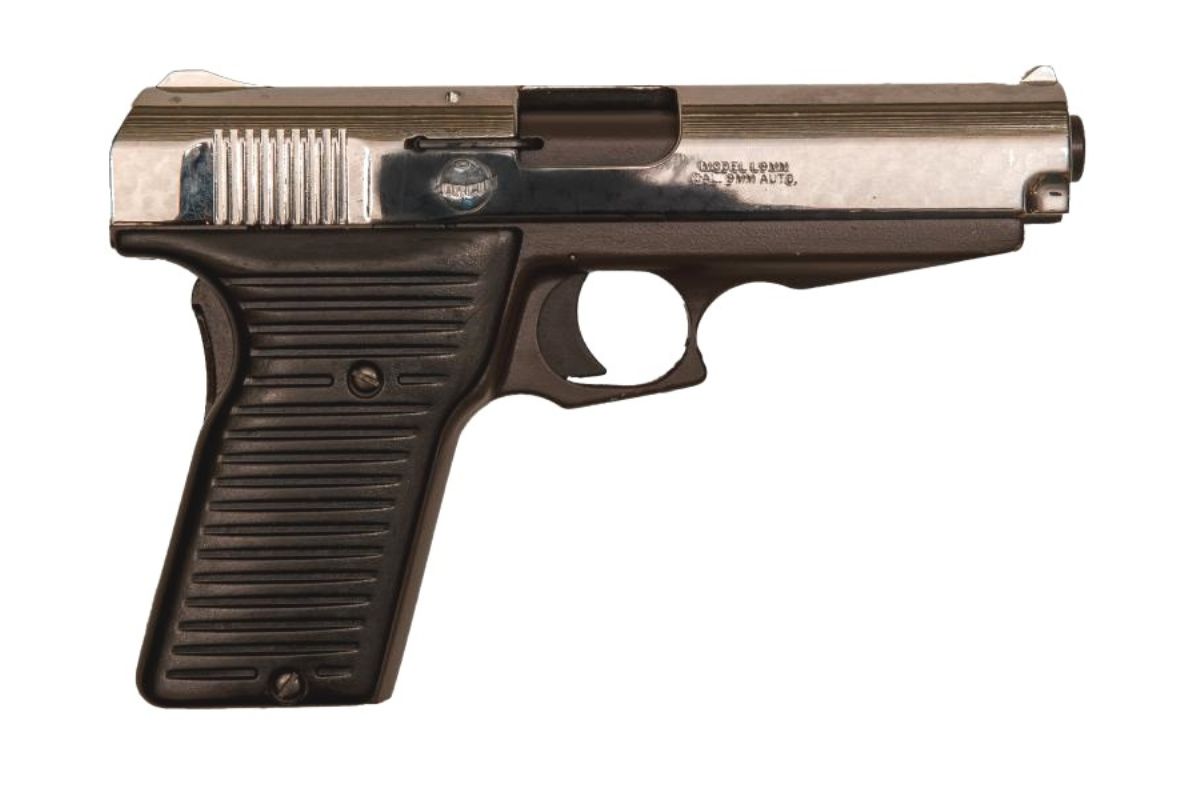
The Lorcin L380 appeared during a later phase of the inexpensive-handgun debate, when California and other jurisdictions were using design features to define restricted pistols. Its compact .380 ACP format made it easy to carry. Its low-cost reputation placed it in the same political conversation as other inexpensive handguns. California’s evolving assault-weapon rules eventually covered categories of semiautomatic pistols based on features rather than brand alone. The Lorcin was less a trigger than an example of why lawmakers wrote rules around firearm characteristics, allowing legislation to cover designs rather than chase individual manufacturers.
8. Intratec Tec-22
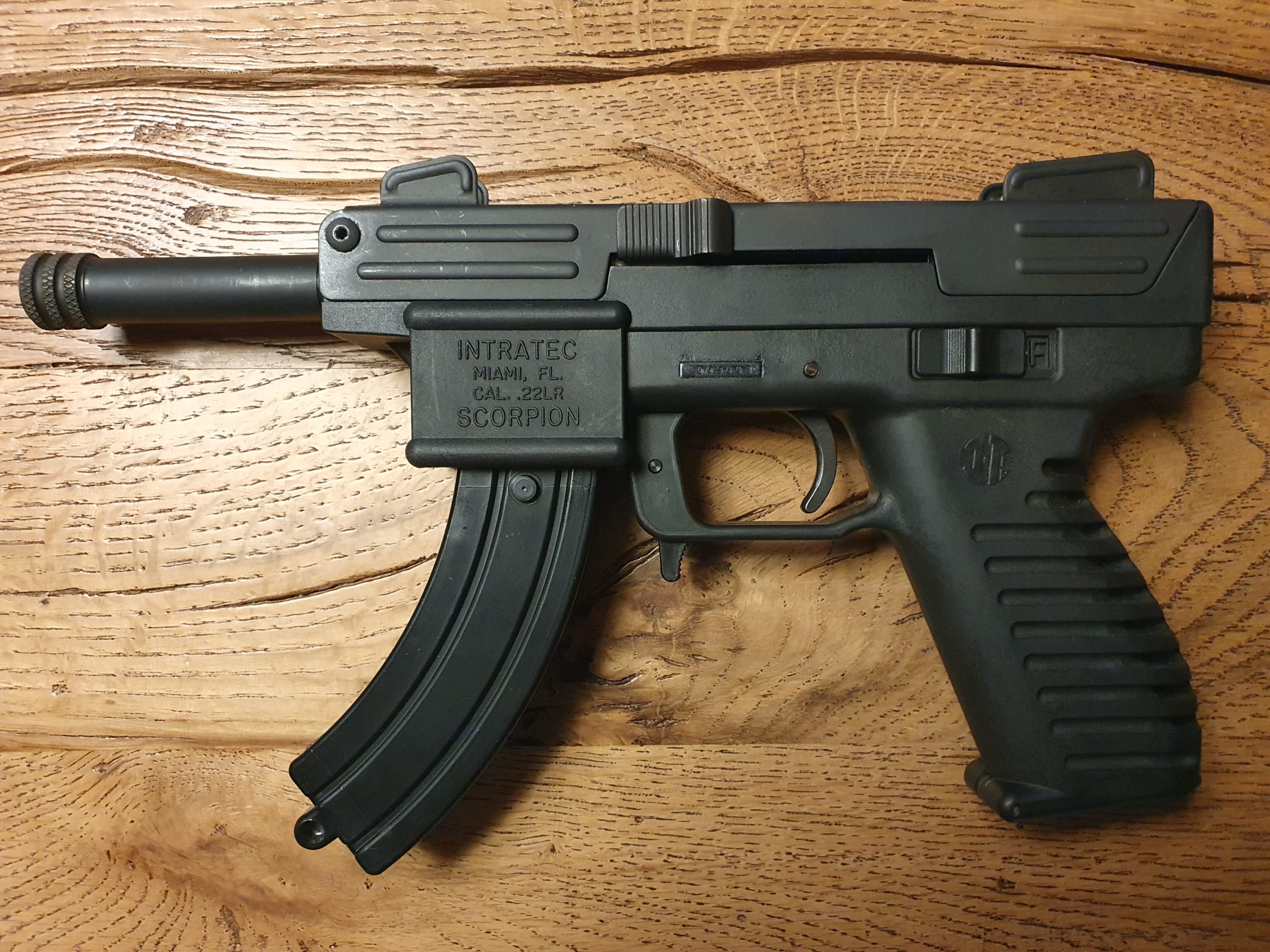
The Tec-22, an Intratec rimfire pistol, shows how assault-pistol laws could reach beyond centerfire defensive handguns. Its appearance and detachable magazine made it similar to other debated firearms, even though it fired .22 LR. California’s assault-weapon framework eventually included certain semiautomatic pistols according to listed features and configurations. This shifted the legal question away from simple caliber or intended use. A small rimfire pistol could still fall under a restrictive definition if its design matched the features lawmakers had chosen. The debate increasingly centered on configuration rather than cartridge size.
9. Glock 18
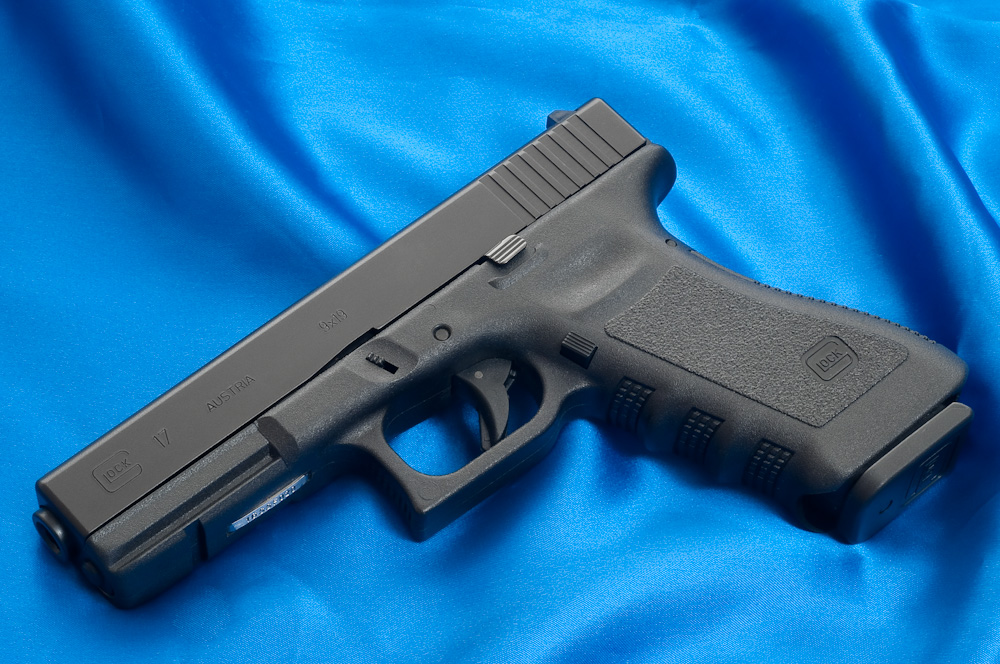
The Glock 18 is often placed into this story for a different reason: it illustrates the legal wall around machine pistols rather than the rise of assault-pistol bans. Introduced in 1986, it can fire automatically and is therefore treated as a machine gun under U.S. federal law. The Hughes Amendment to the Firearm Owners’ Protection Act became effective on May 19, 1986, generally barring civilian possession or transfer of machine guns not lawfully possessed before that date. Because the Glock 18 arrived around that cutoff, it became a striking example of how timing can determine legal status.
10. Beretta 93R
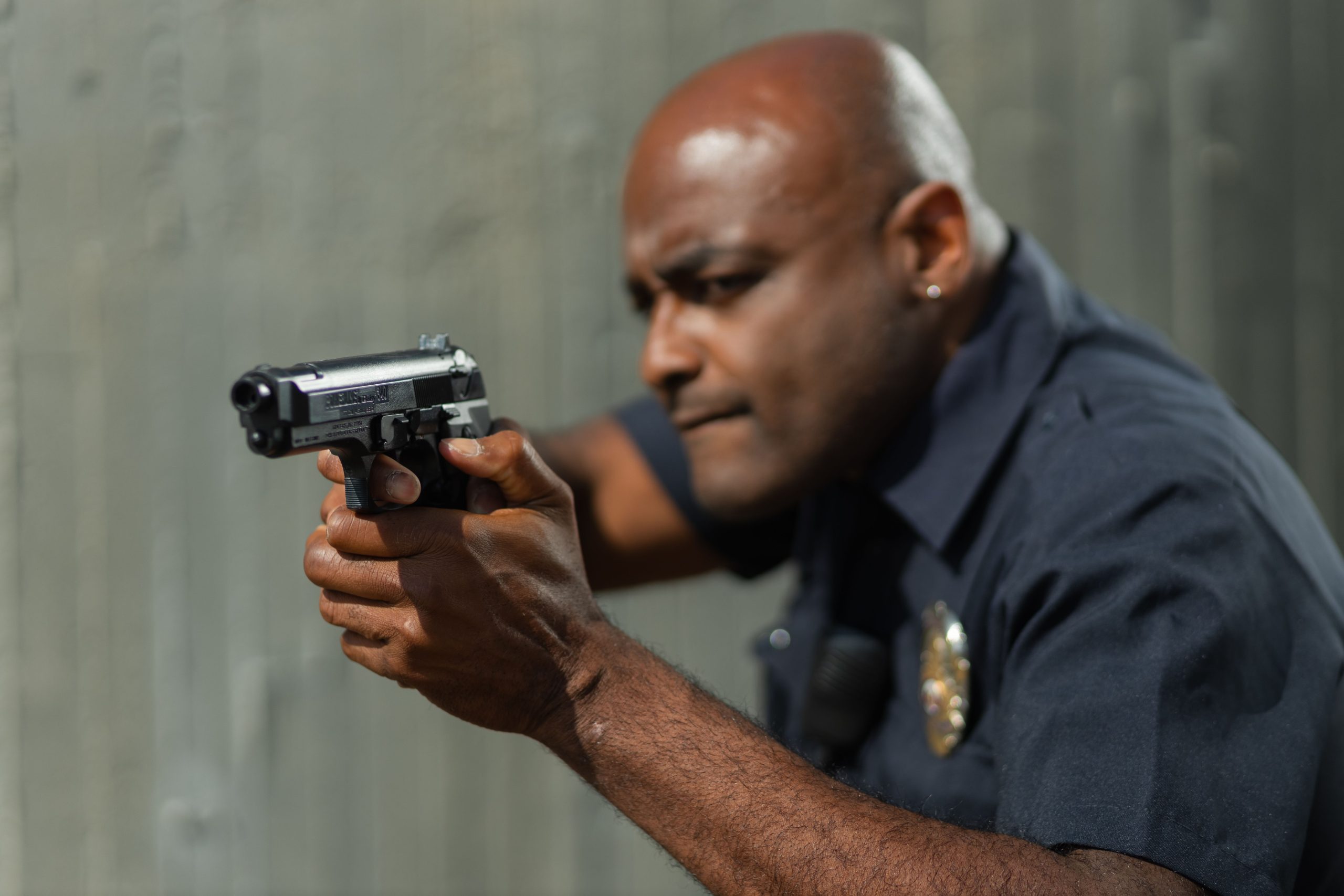
The Beretta 93R represents an even older idea of the machine pistol, combining a select-fire system with a compact handgun format and a folding foregrip. It was developed for military and security use, not ordinary civilian carry, and its automatic capability places it in the machine-gun category under U.S. federal law. The 1986 Hughes Amendment did not target the 93R by name, but it sharply restricted the civilian market for post-cutoff machine guns. The 93R therefore illustrates how lawmakers moved from regulating particular weapons toward controlling an entire technical category.