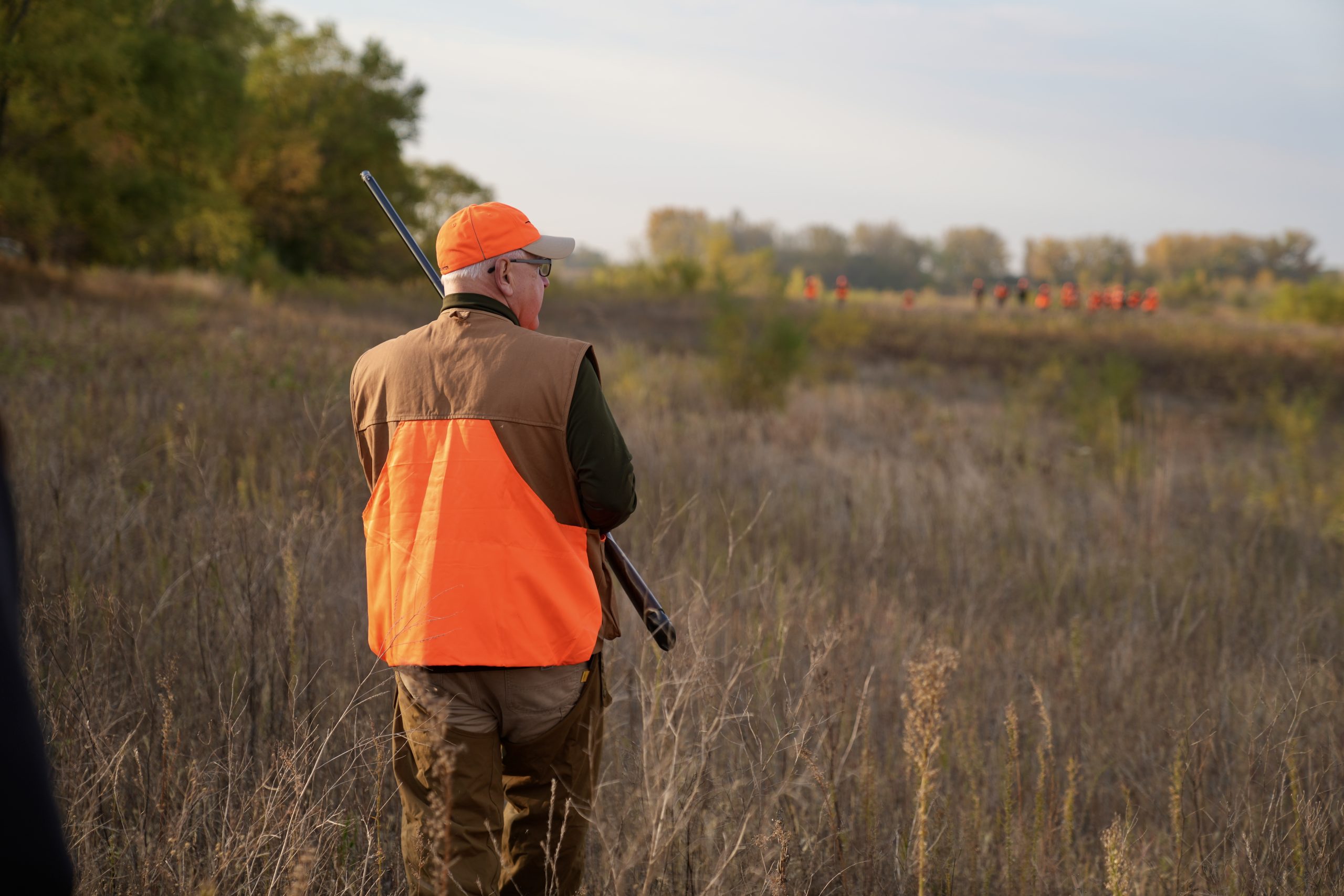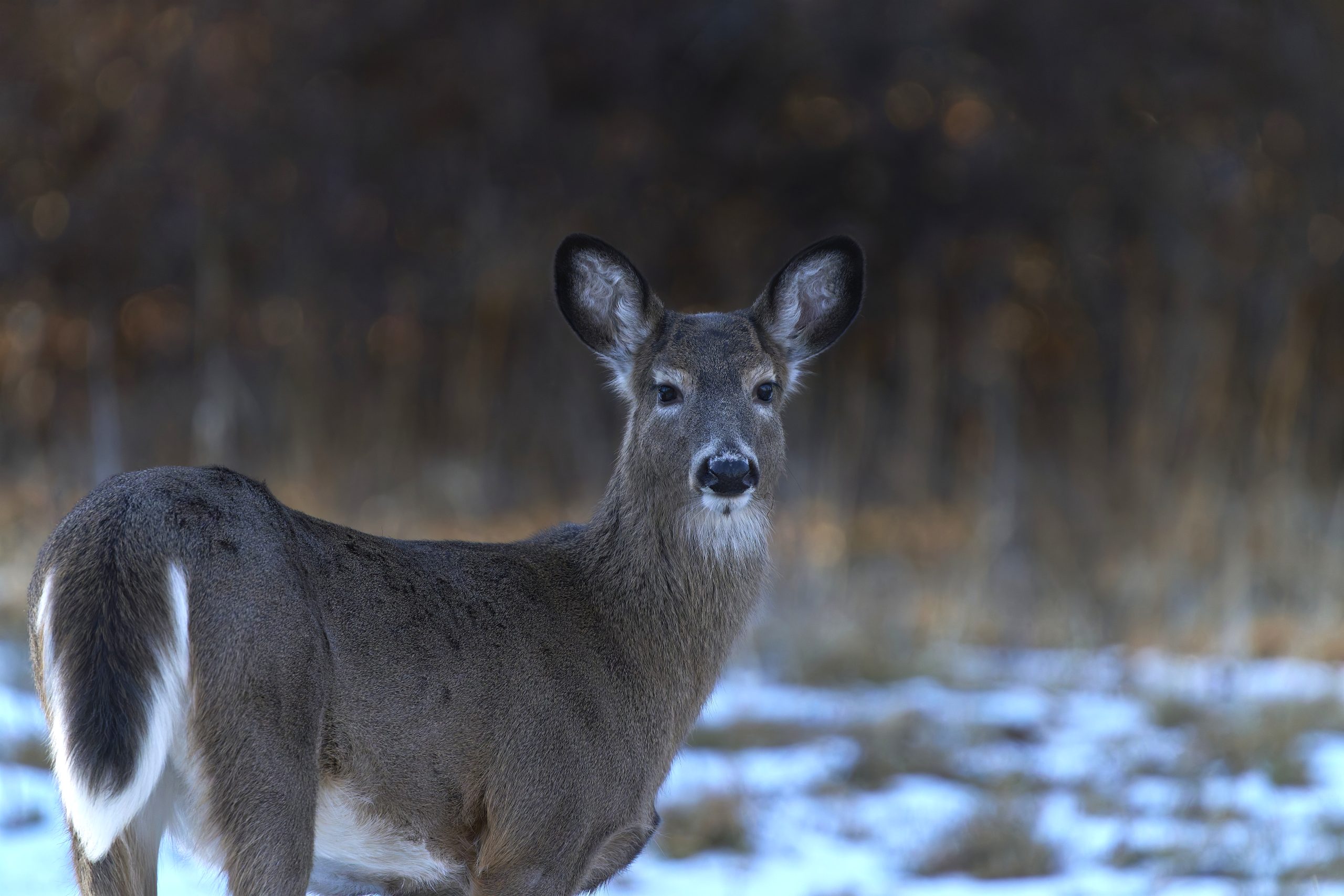
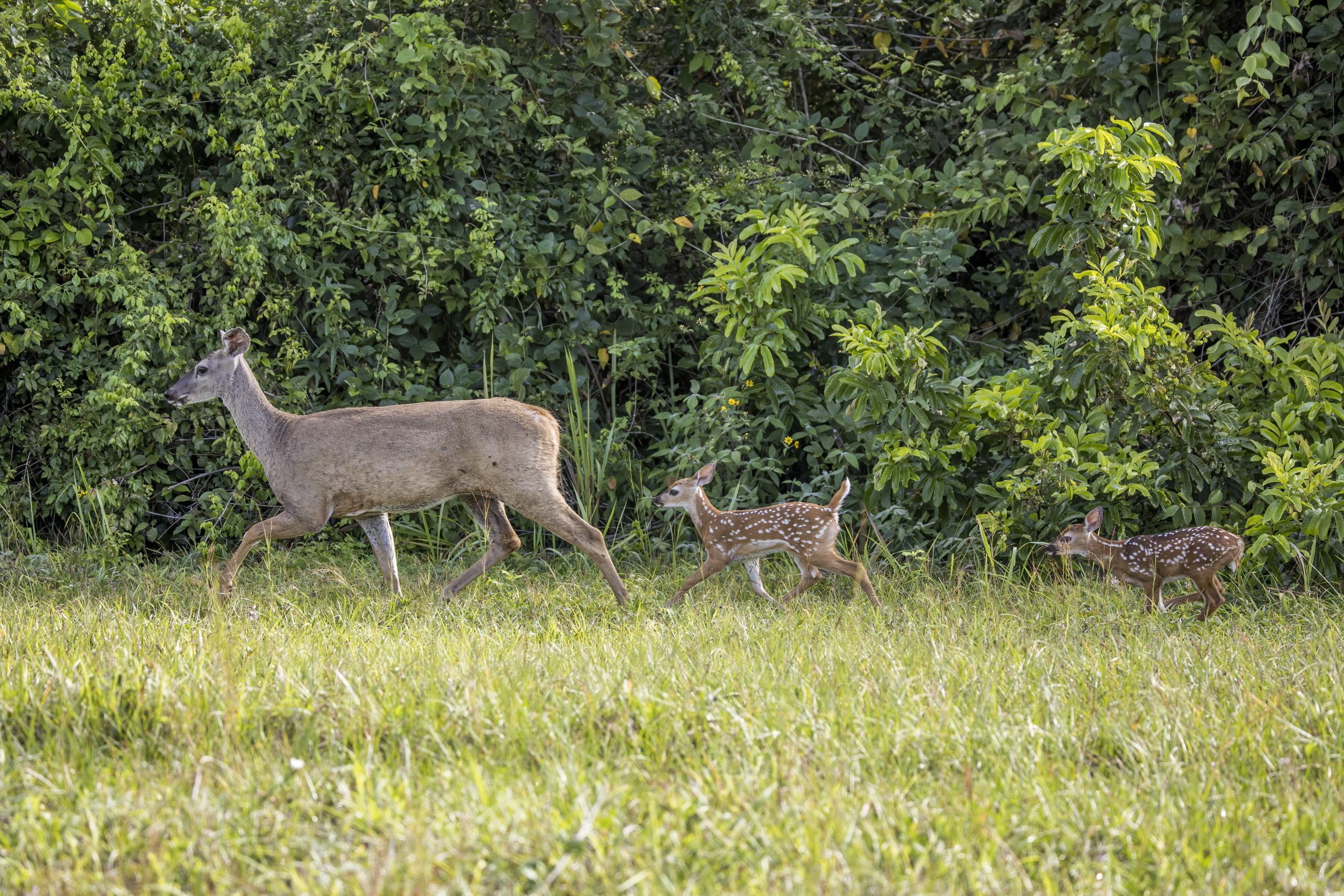
A ground blind can make a hunter nearly invisible, but only when its placement, concealment, and surroundings work together. Whitetail deer rely heavily on their sense of smell, sharp hearing, and ability to detect unusual movement. Simply setting up a blind near a promising trail is rarely enough. The most effective setups blend into the landscape, account for changing wind direction, and allow hunters to enter and exit without disturbing nearby deer. These five approaches focus on practical positioning, natural cover, and small details that can make a ground blind much less noticeable.
1. Tuck the Blind Into a Natural Woodland Edge
A woodland edge offers one of the easiest ways to hide a ground blind without making it look out of place. Position the blind beside 2 or 3 existing trees, brush piles, or dense shrubs, letting the surrounding vegetation break up its outline. Leave enough open space for a clear view of approaching deer, but avoid placing the blind directly against a heavily used trail. When possible, set it up at least several days before hunting so deer have time to adjust. Match the blind’s color to the season, using brown and gray tones in late fall.
2. Set Up Along a Field’s Inside Corner
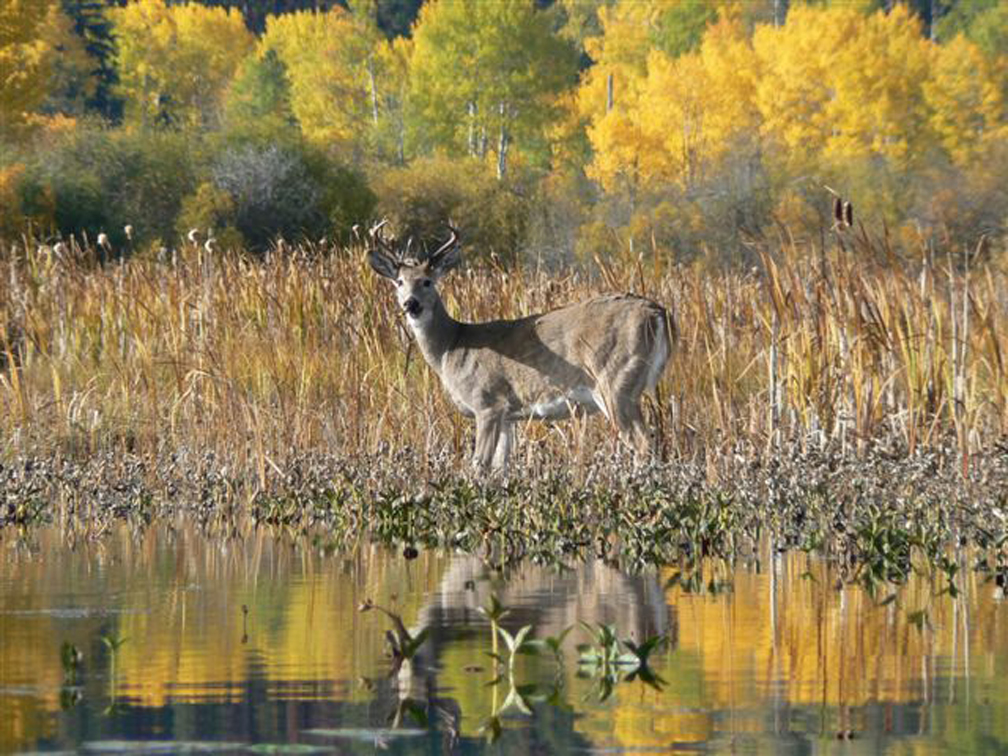
An inside field corner can provide excellent visibility while keeping a ground blind partially concealed. Look for a spot where two field edges meet near a hedgerow, brush line, or small group of trees. Position the blind roughly 15 to 25 yards from the field edge, adjusting for local cover and the distance at which you can confidently identify your target. Deer often travel along these transitions when moving between bedding and feeding areas. Keep the blind below the surrounding vegetation line, and avoid cutting fresh shooting lanes that make the location look unnatural.
3. Use Tall Grass to Break Up the Blind’s Outline
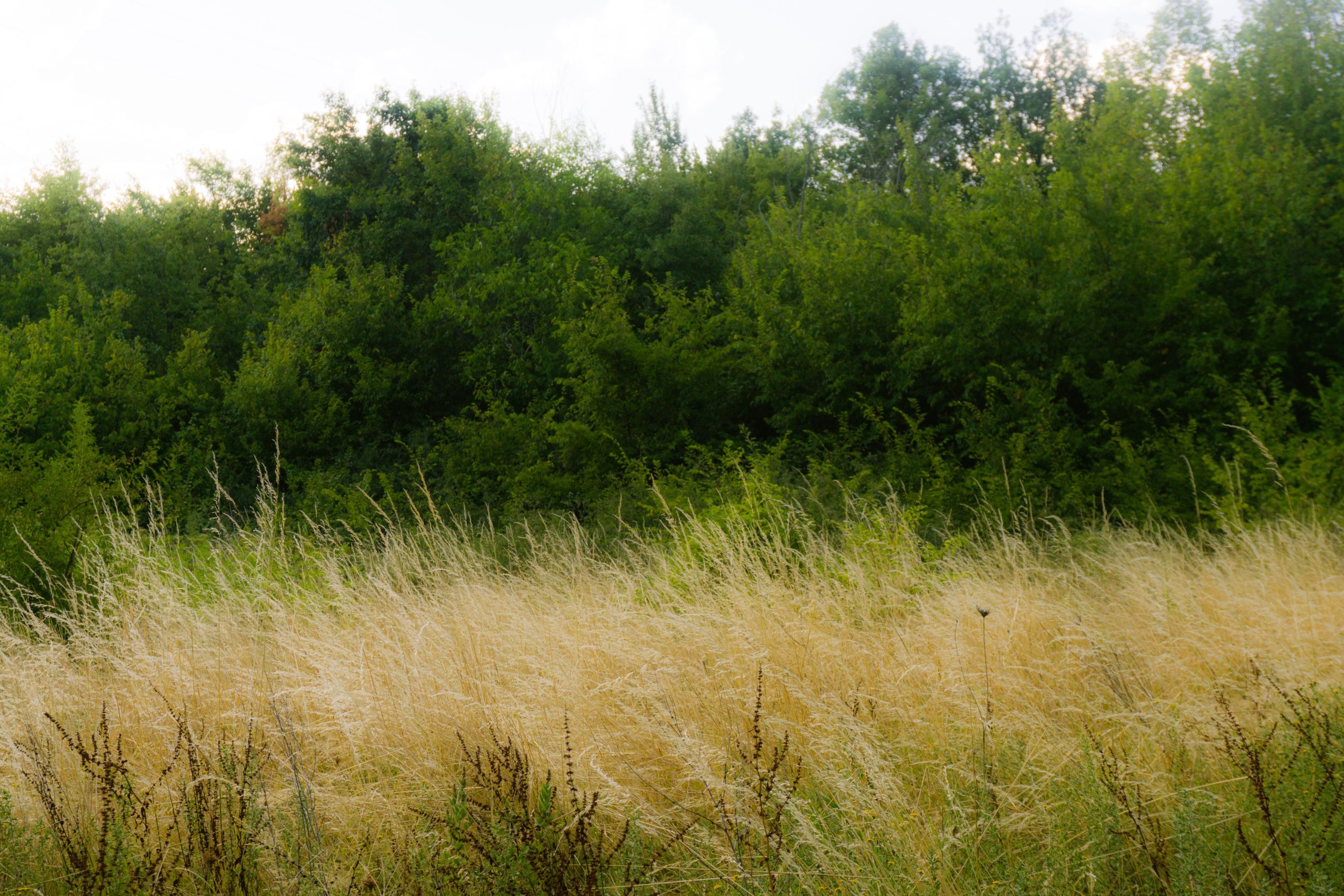
Tall grass and thick seasonal vegetation can help disguise a ground blind in open country. Choose a location where the surrounding cover is already dense enough to hide the blind’s lower half without blocking your view. Leave approximately 2 to 3 feet of clear space around the windows so grass does not interfere with shooting or movement. Secure loose fabric and straps to prevent them from fluttering in the wind. Before settling in, check the blind from several angles at a distance of 30 to 40 yards. A dark, box-shaped silhouette can stand out sharply against golden grass.
4. Place the Blind Near a Natural Travel Funnel
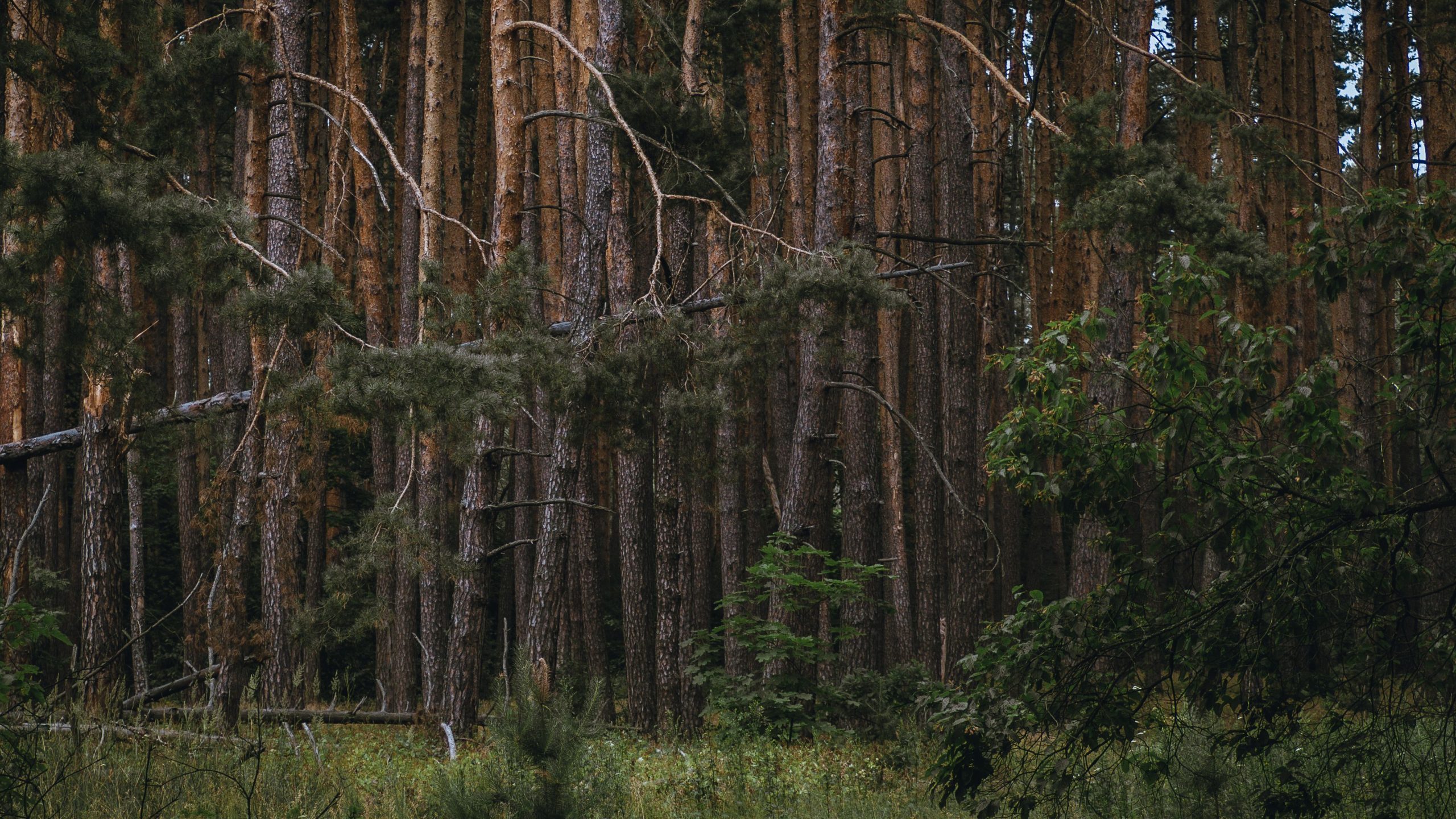
A narrow strip of timber between two fields, a gap in a fence line, or a wooded passage between bedding areas can concentrate deer movement. Position the blind approximately 20 to 30 yards from the funnel, using existing trees and brush to disguise its shape. Study the area for tracks, droppings, and worn paths before choosing the final spot. Make sure the wind carries your scent away from the expected approach, and avoid blocking the route deer use to travel. A funnel is useful because it focuses movement, but excessive disturbance can quickly make deer change their habits.
5. Build a Low-Profile Setup Near a Water Source
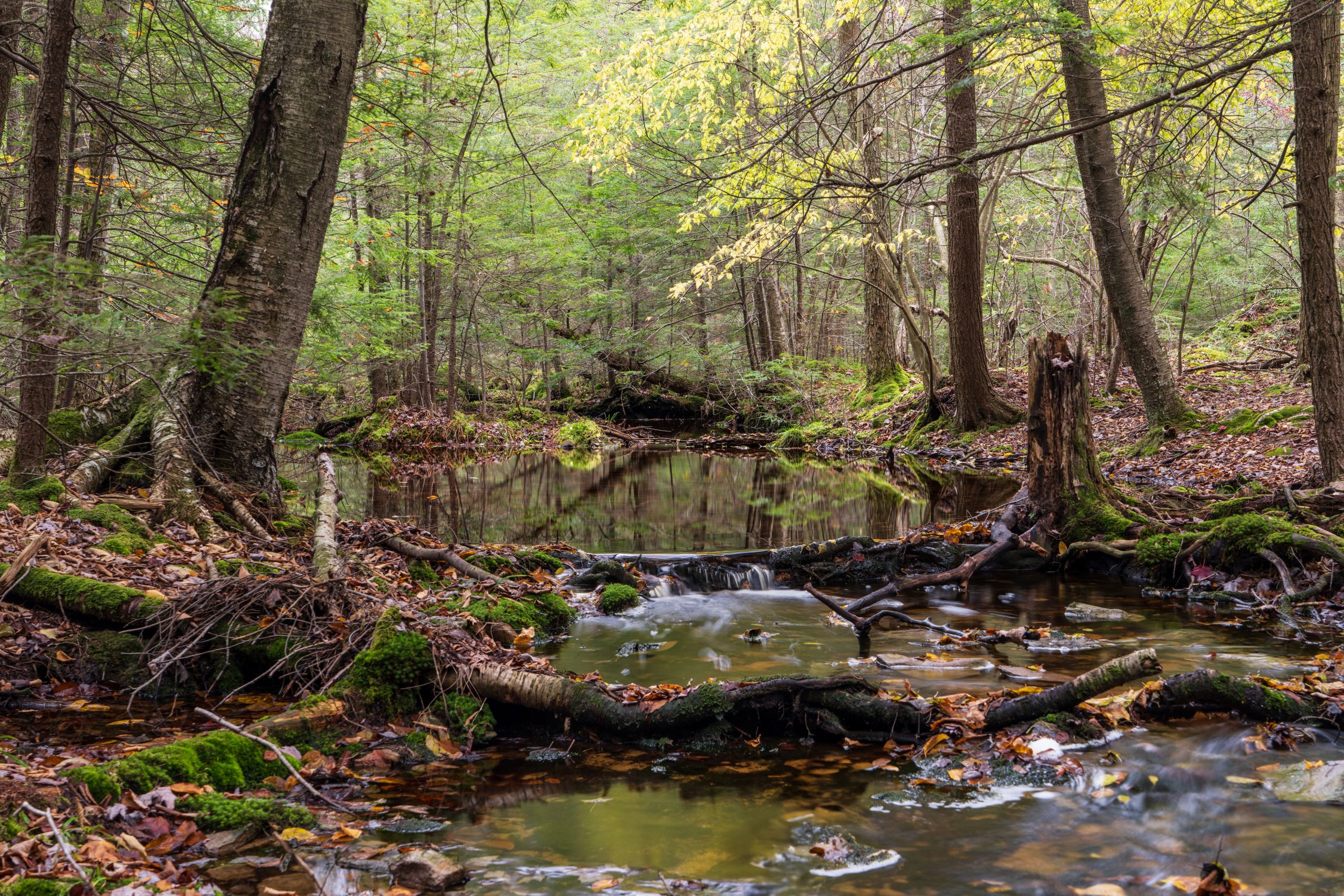
Small ponds, creek crossings, and secluded waterholes can attract whitetails, particularly when temperatures rise or nearby water is limited. Place the blind about 20 to 40 yards from the water, using existing trees or brush for concealment. Check the shoreline for fresh tracks and other signs before committing to a location. Avoid setting up directly on the path deer use to reach the water, and keep the prevailing wind from carrying your scent toward their approach. During dry spells, a well-concealed blind near a frequently used water source can offer a promising opportunity.