Backcountry survival is often surrounded by advice that sounds sensible but can become dangerous when conditions change. A clear stream is not automatically safe, a warm afternoon does not eliminate hypothermia risk, and wandering farther is not always the best way to find help. Good survival decisions are usually about conserving energy, controlling exposure, and avoiding unnecessary risks. These 10 common myths are worth knowing before a hike, hunt, camping trip, or remote adventure.
1. You Can Drink Any Clear Mountain Water
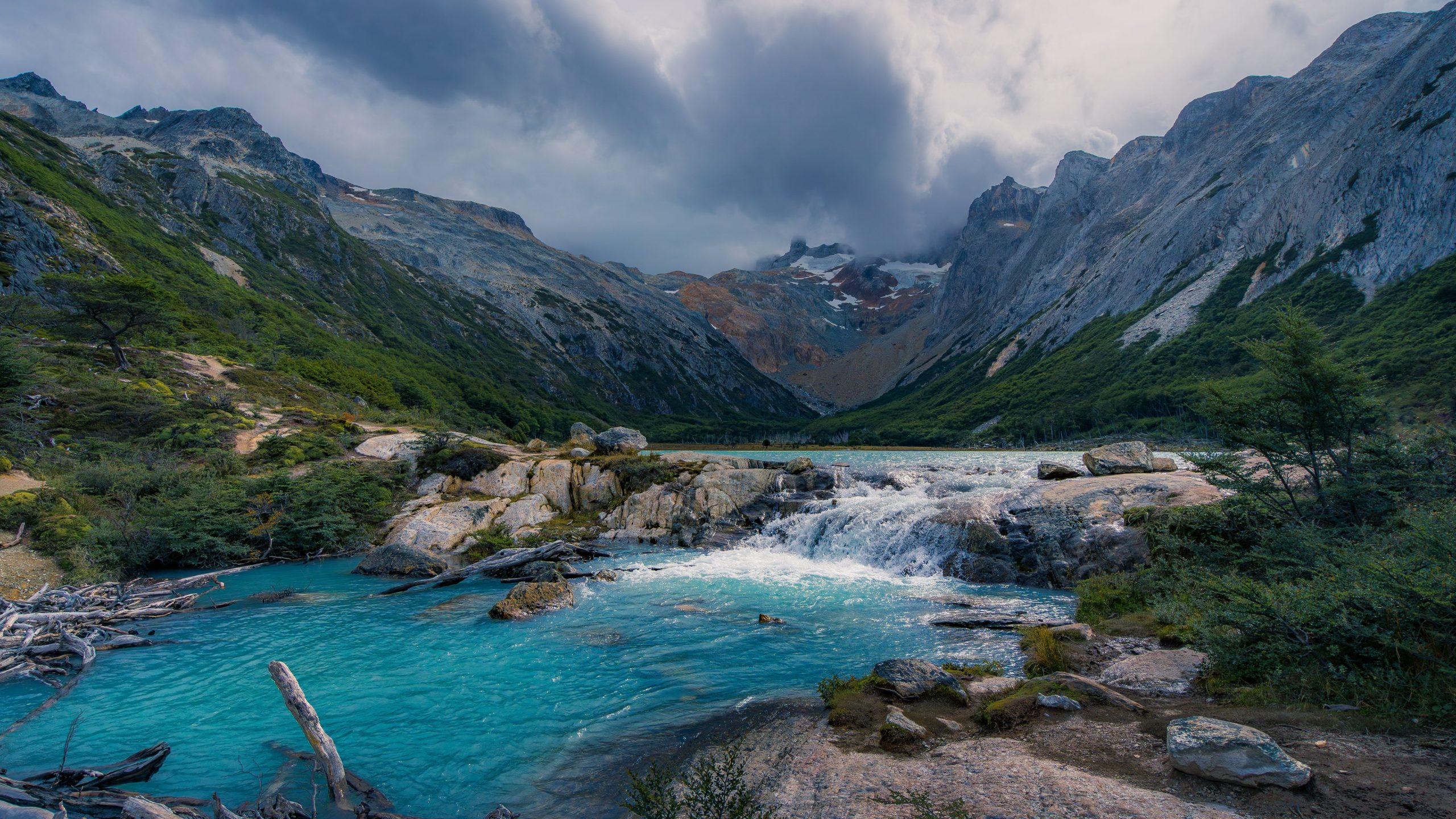
Clear water can still carry bacteria, parasites, or viruses, so appearance is not a safety test. Giardia is one example that can cause days of diarrhea and dehydration after exposure. In the backcountry, treat water from streams, lakes, and springs unless you have verified it is safe. Boiling water for 1 minute is a widely used rule at lower elevations; above about 6,500 feet, boil for 3 minutes. A filter rated for the organisms of concern is another option, but check its limits before relying on it. A metal cup or pot can make this easier in camp, too.
2. You Should Follow a River Downhill
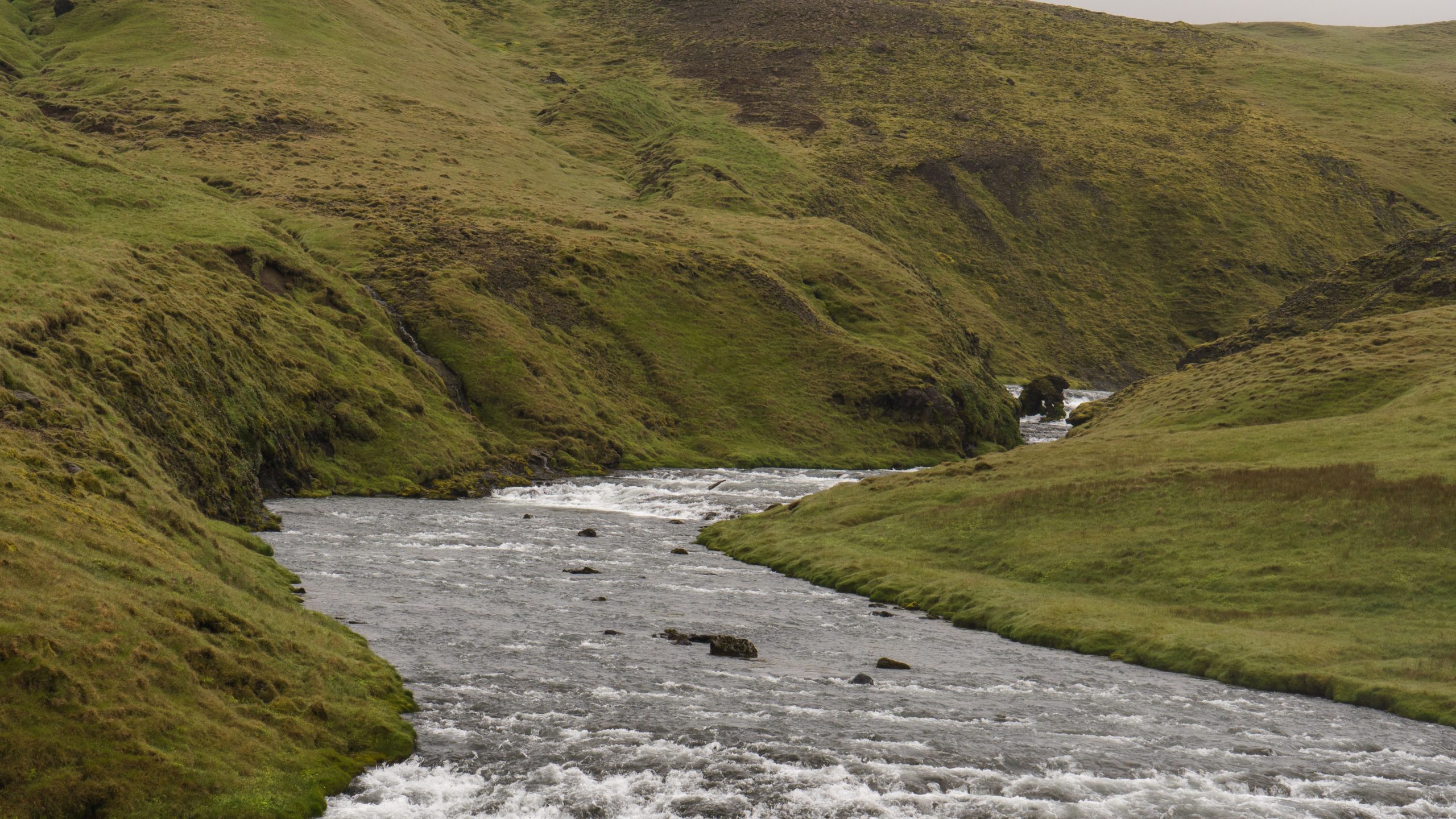
A river may eventually lead toward roads or settlements, but following it blindly can turn a manageable emergency into a dangerous route. Watercourses often run through steep canyons, cliffs, waterfalls, thick vegetation, or flood-prone channels. A safer choice may be to stop, assess the map, and move toward a known trail or open area when you have a reliable route. If you are lost, conserve energy and avoid unnecessary travel. One wrong descent can create hours of difficult climbing back out. A map and compass can prevent a dangerous descent.
3. Hypothermia Only Happens in Freezing Weather
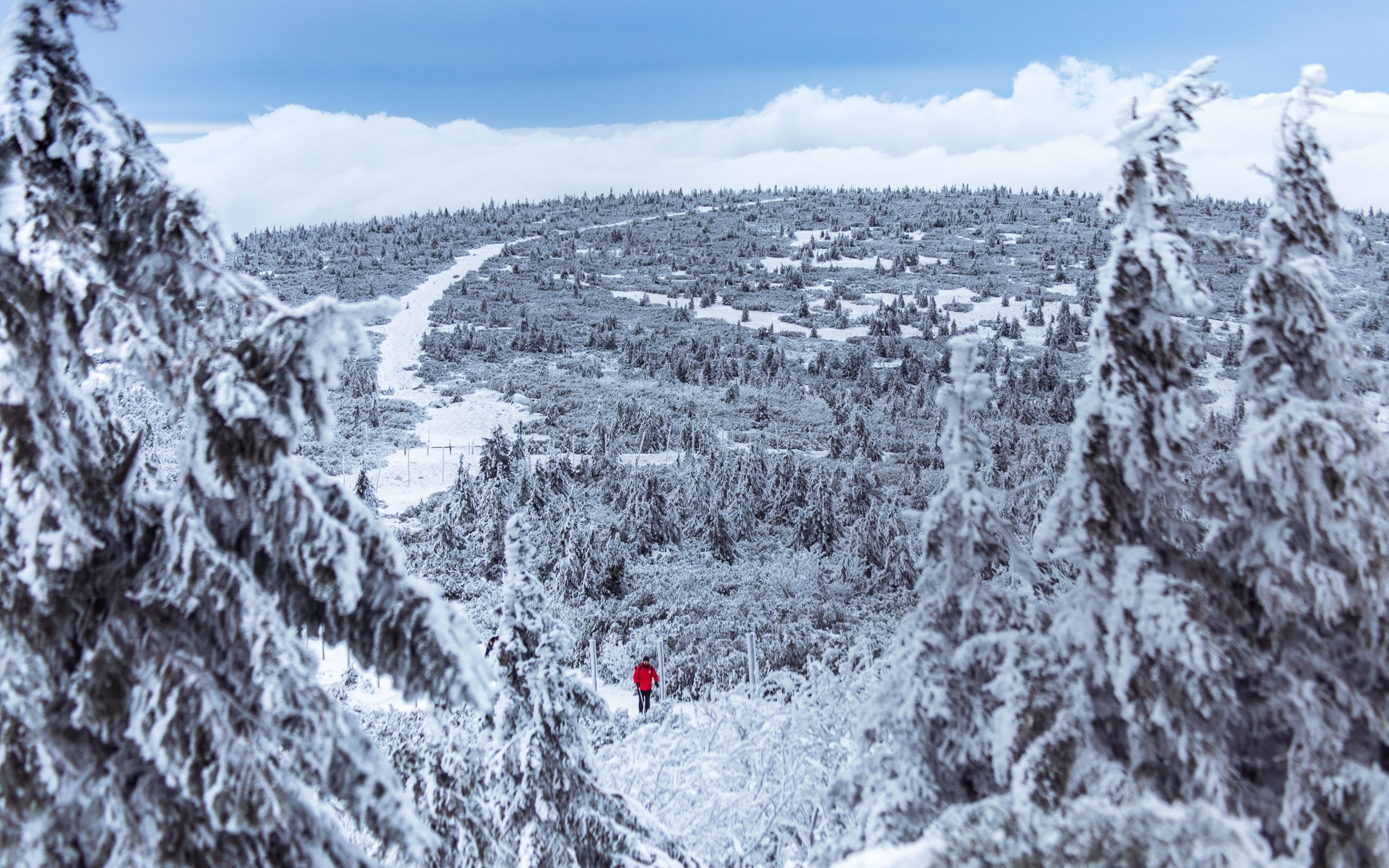
Cold injury can develop well above 32°F when wind, rain, wet clothing, or exhaustion strips heat from the body. A person who falls into water or spends hours soaked can become hypothermic even during mild weather. Watch for uncontrolled shivering, confusion, clumsy movement, and unusual fatigue. Replace wet layers, block wind, insulate the person from the ground, and provide warm fluids if they are alert and able to drink. Treat worsening confusion as an emergency, not simply tiredness. Early action is easier than trying to reverse exposure. Act early.
4. You Should Eat Snow If You Run Out of Water
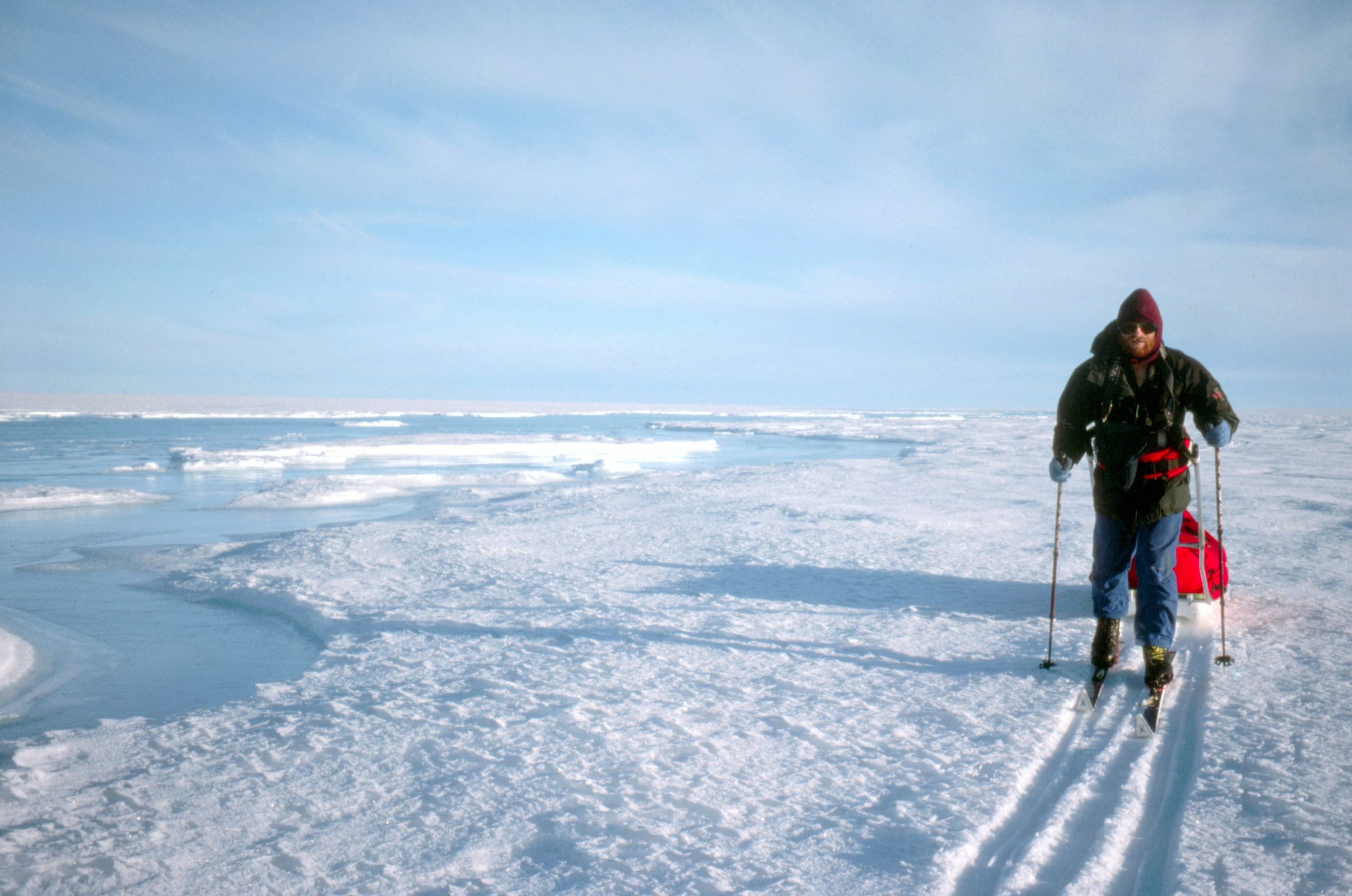
Snow contains water, but eating large amounts of it can lower body temperature and force your body to spend energy warming it. That is a poor trade when you are already cold, exhausted, or wet. Melt snow first, preferably using a container and a controlled heat source, then treat the resulting water when necessary. Even in winter, dehydration remains a concern because cold air, exertion, and dry breathing can increase fluid loss. The goal is to gain water without creating a second emergency. This matters most when temperatures are already low. Plan ahead.
5. Shelter Can Wait Until You Are Really Cold
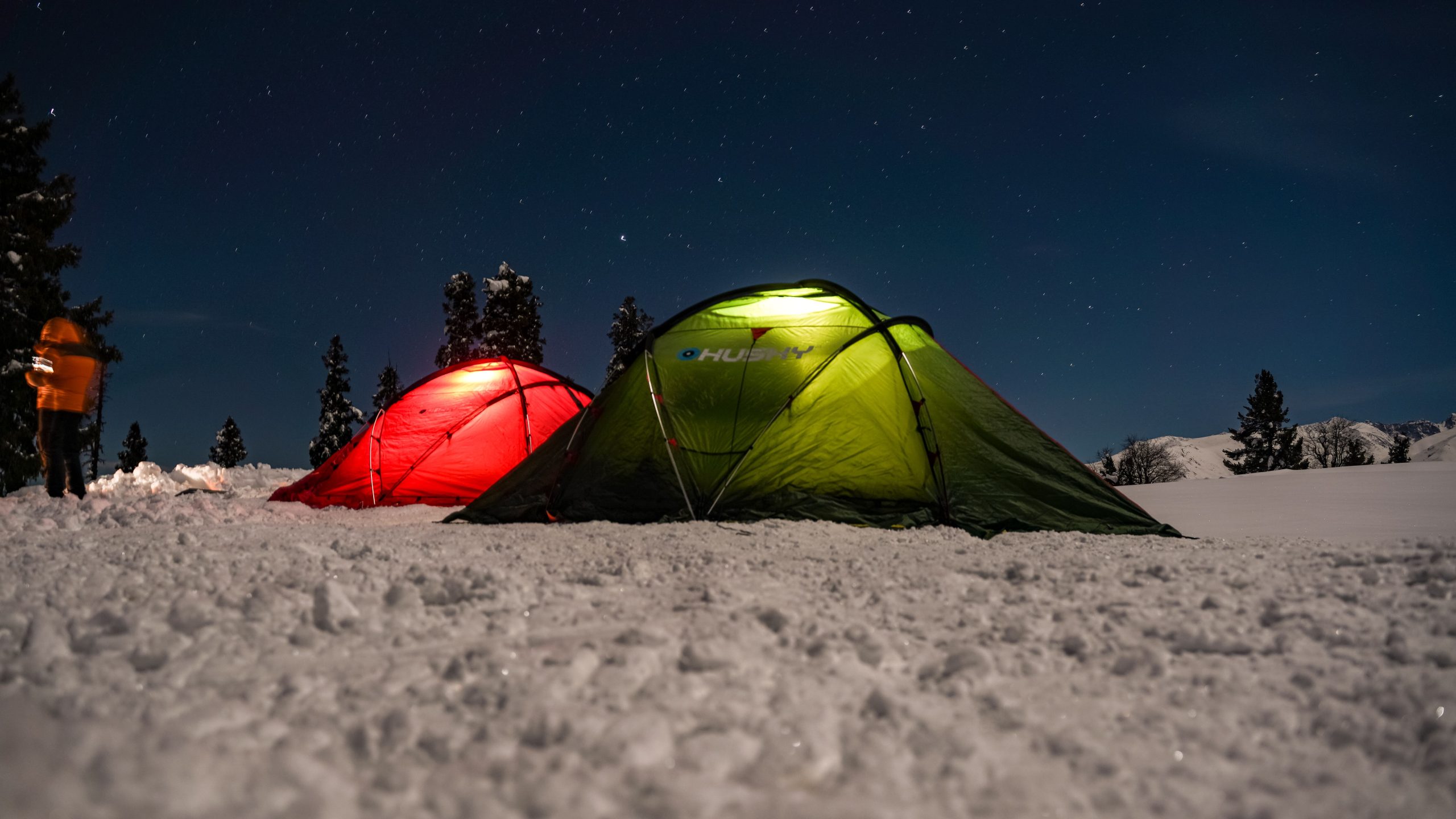
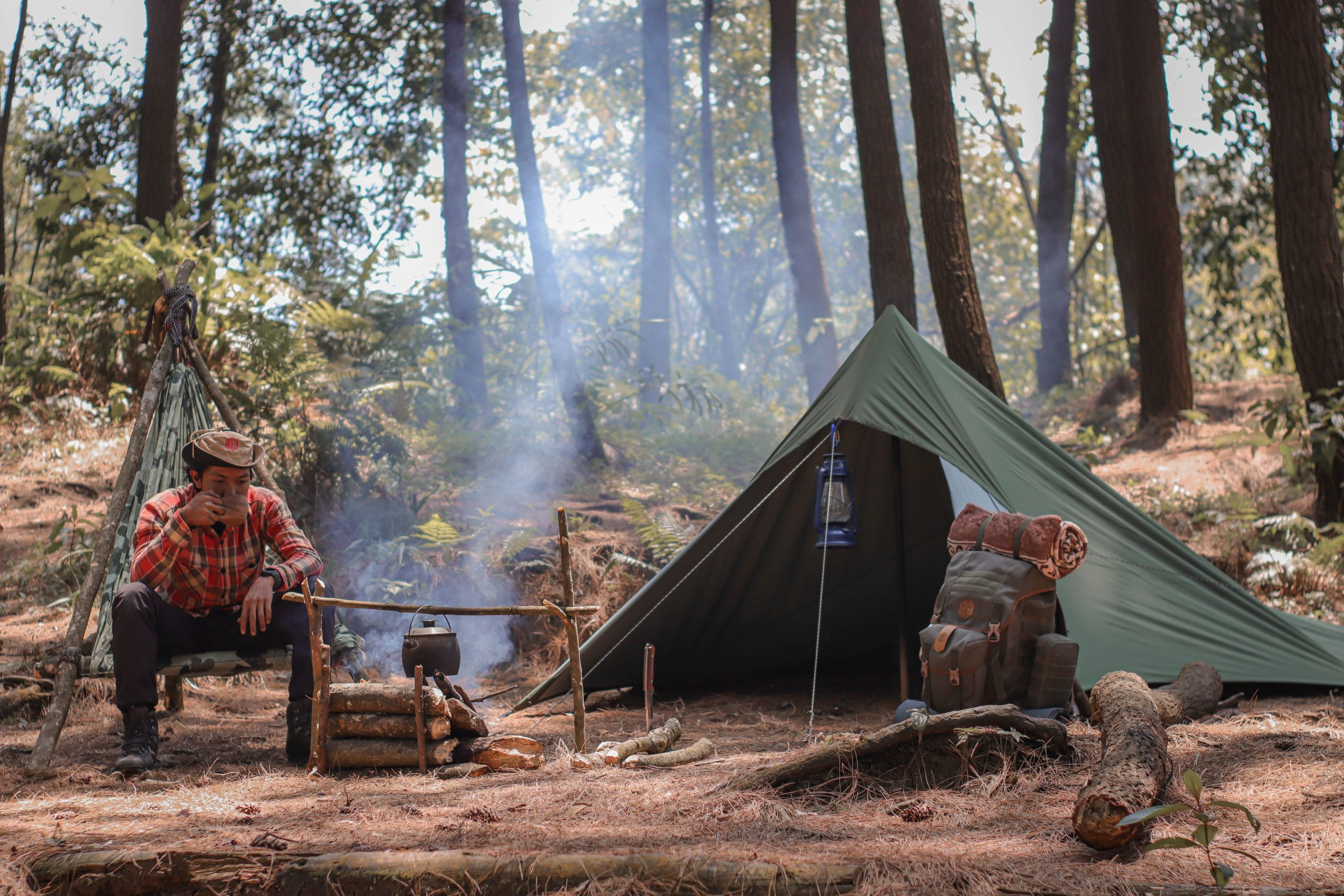
Waiting until you feel chilled before building shelter wastes valuable time. Wind, rain, snow, and contact with cold ground can remove body heat faster than many people expect. A simple shelter that blocks wind and keeps clothing dry may matter more than an elaborate structure. Start early, especially when daylight is limited. In a survival situation, even 30 minutes spent creating insulation and protection can be more useful than wandering around hoping to find a better campsite. Ground insulation is especially important overnight, especially on bare rock.
6. You Can Always Walk Out Before Nightfall
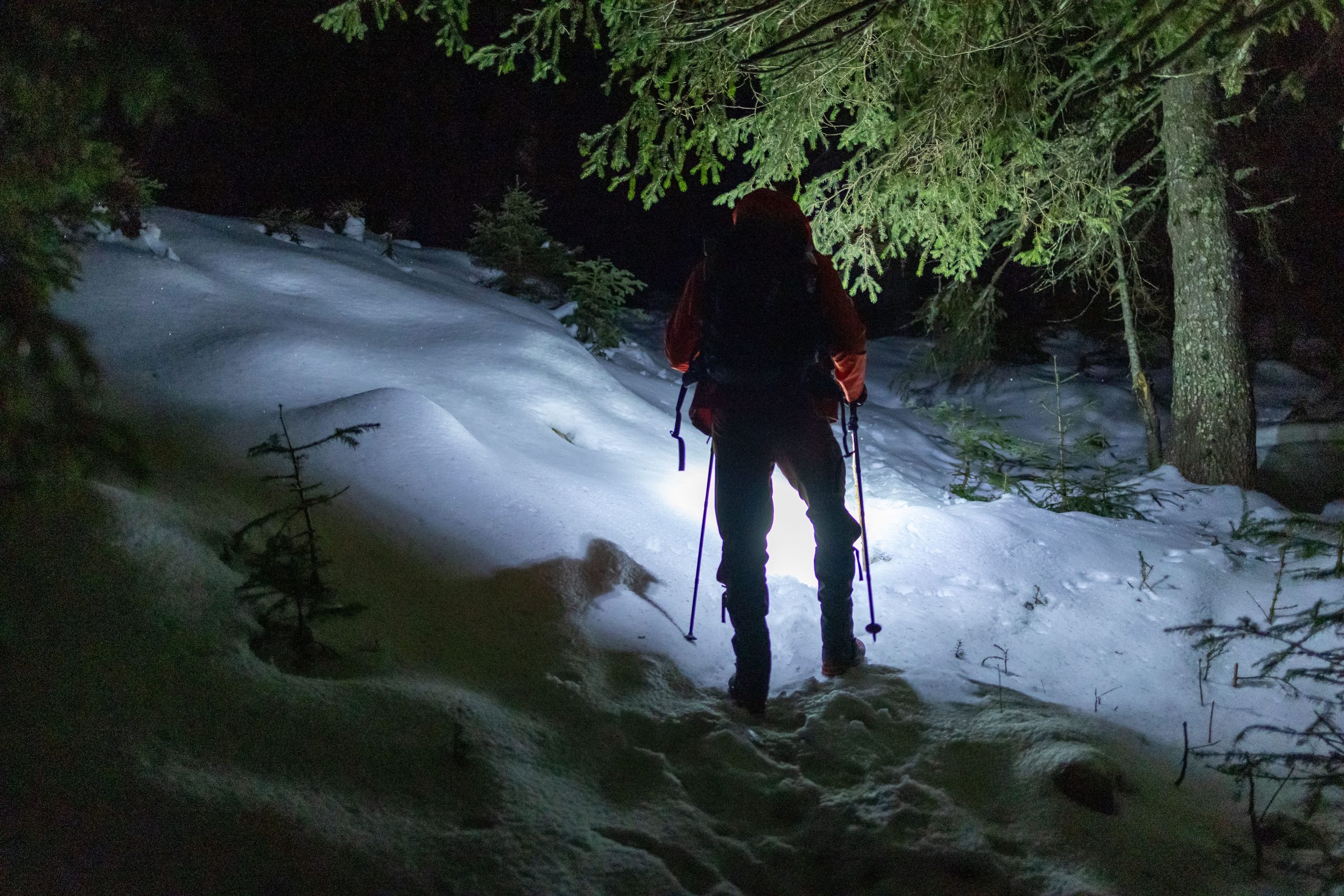
Distance is easy to underestimate when you are tired, injured, or navigating unfamiliar terrain. A route that looks like 3 miles on a map can take much longer because of steep slopes, fallen trees, loose rock, or route-finding problems. Darkness also makes navigation and injury more likely. Check your remaining daylight, terrain, weather, and energy before continuing. If the route becomes uncertain, stopping in a safe location may be wiser than gambling on reaching the trailhead before night. Keep a headlamp accessible rather than buried in your pack.
7. A Fire Is Always the Best Survival Tool
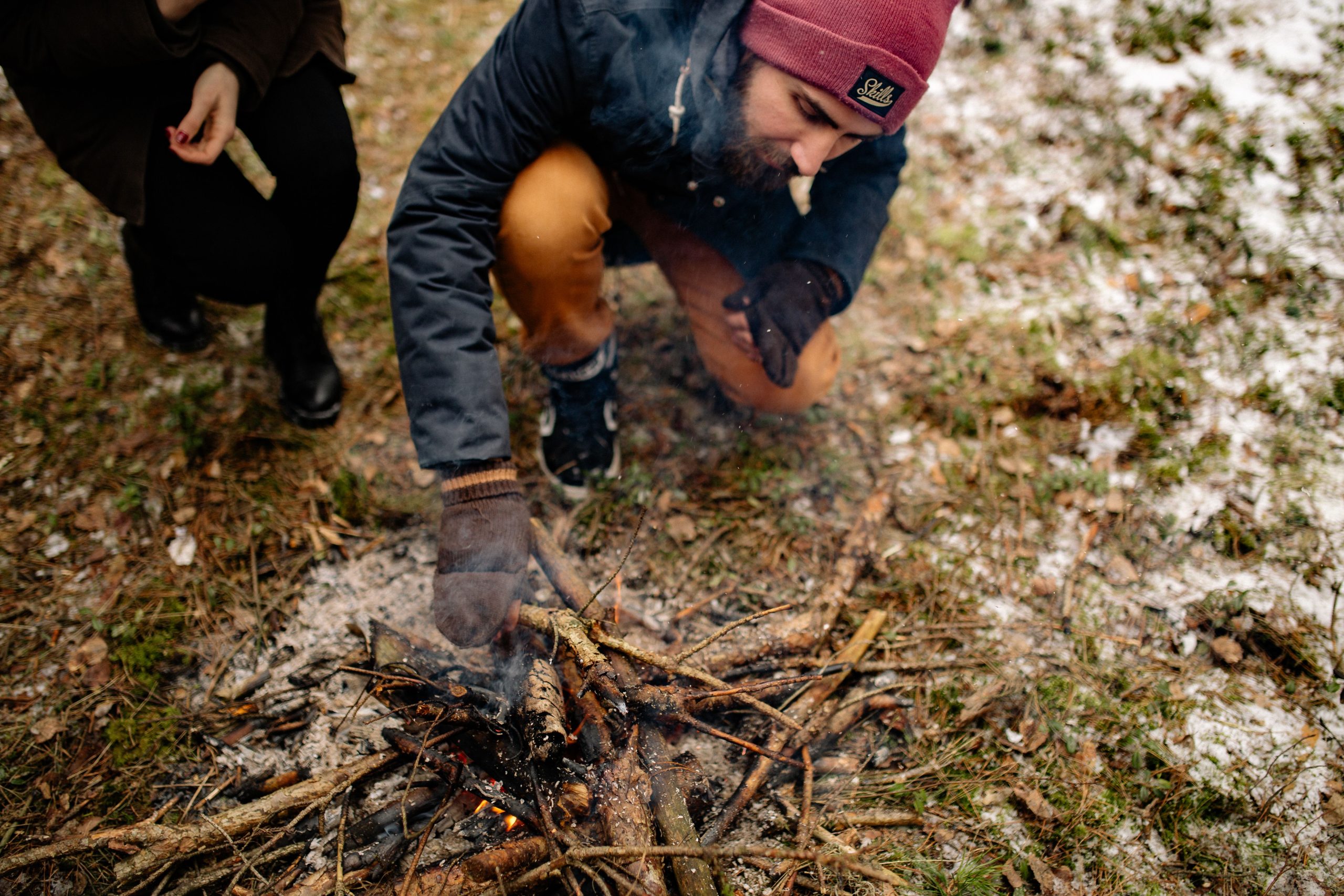
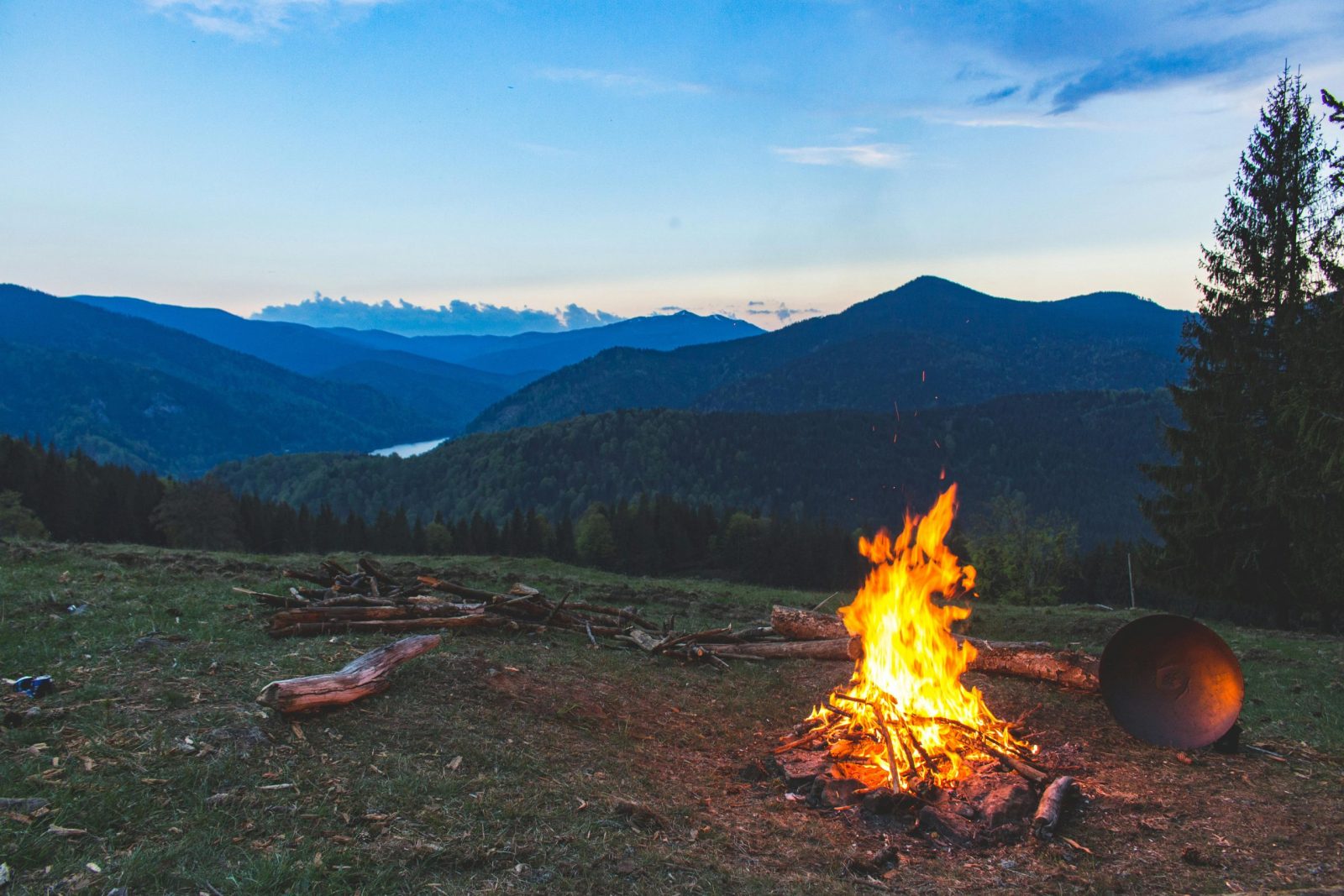
Fire can provide warmth, light, and a way to prepare water, but it is not automatically the safest choice. Dry vegetation, strong winds, drought restrictions, and wildfire danger can turn a small fire into a serious incident. In many places, fires may also be prohibited. Carrying a lighter, shelter, insulation, and suitable clothing gives you options when fire is unsafe or impossible. If you do build one where permitted, keep it controlled, clear the surrounding area, and extinguish it completely before leaving. Never leave a fire unattended, even for a short period.
8. You Should Keep Moving So Rescuers Can Find You
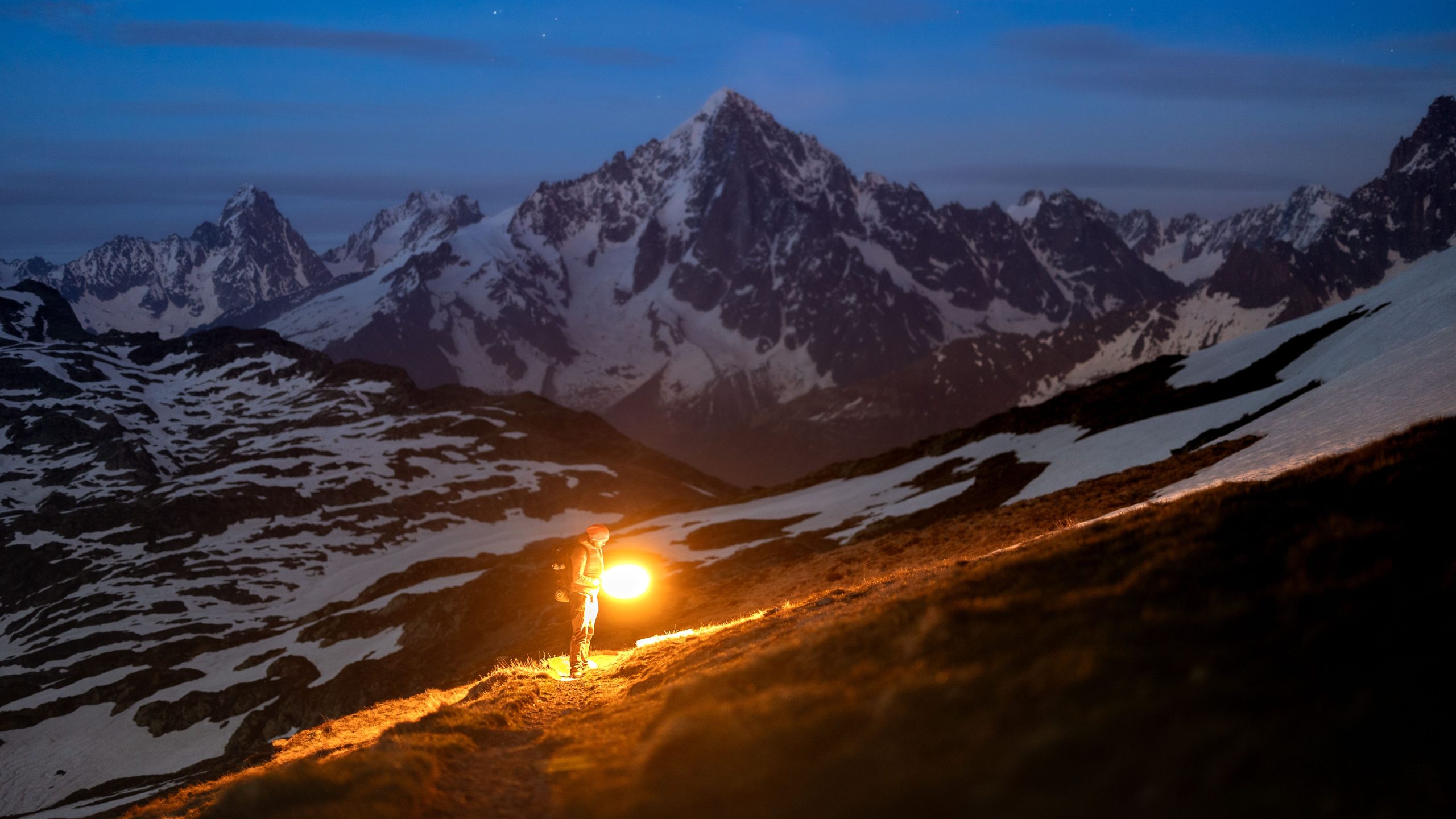
Constant movement can make a missing person harder to locate, especially when rescuers are searching from a last known position. If you are lost but have a reasonably safe location, staying put can preserve energy and make your position easier to predict. Use a whistle, light, bright clothing, or other signals when appropriate. Three repeated whistle blasts are commonly used as a distress signal. Move only when remaining in place is unsafe, or when you have a clear, reliable route to safety. Your phone’s battery may be more valuable for signaling than navigation.
9. Drinking Alcohol Will Warm You Up
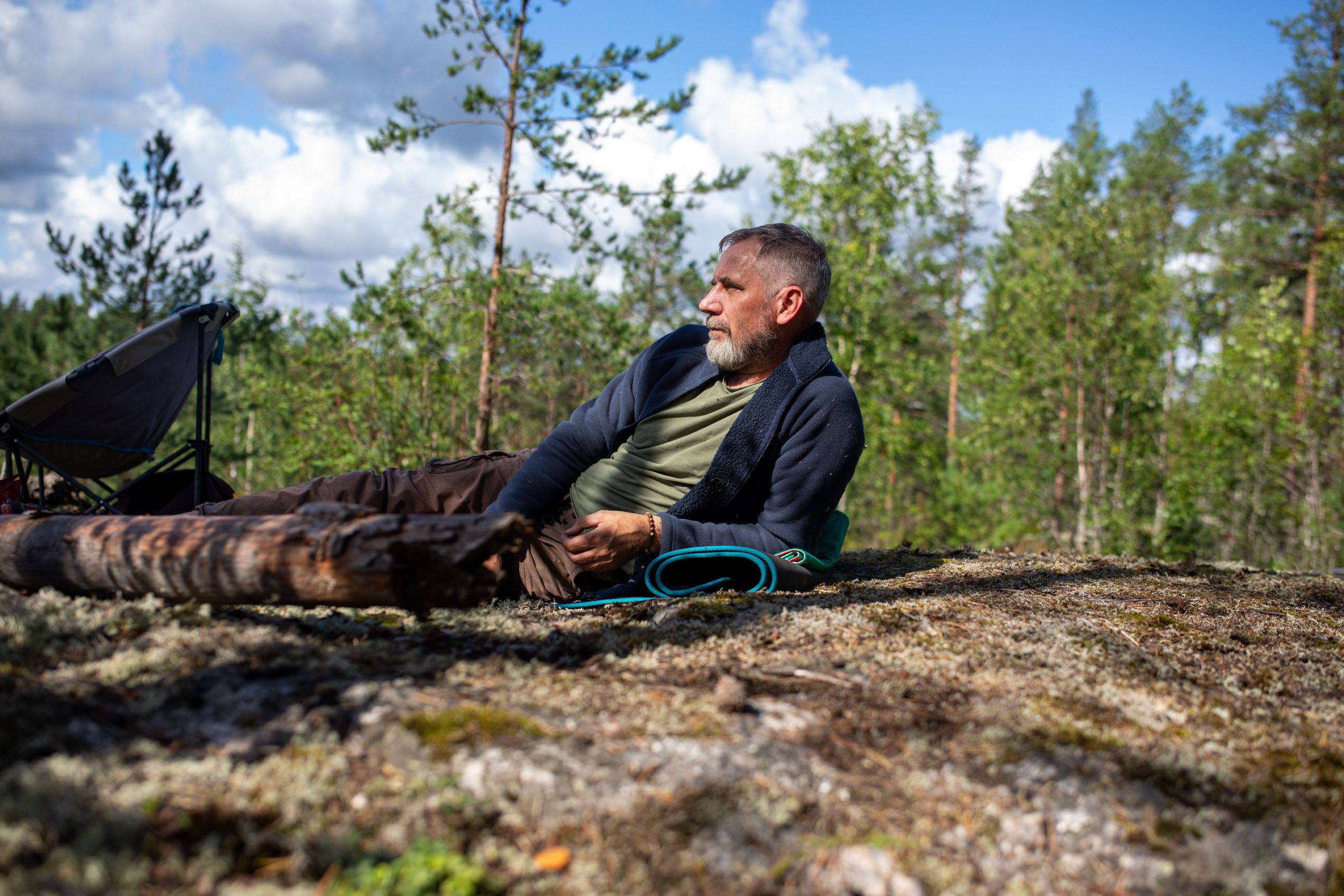
Alcohol can create a temporary feeling of warmth while increasing heat loss from the skin and impairing judgment. That combination is especially dangerous when temperatures are low or a person is already tired. It can also encourage risky decisions when navigation, balance, and shelter building matter. If cold exposure is a concern, focus on dry layers, insulation, shelter, and appropriate warm fluids instead. A person showing confusion, severe drowsiness, or worsening coordination needs prompt help rather than alcohol as a supposed warming remedy.
10. If You Are Lost, Just Trust Your Instincts
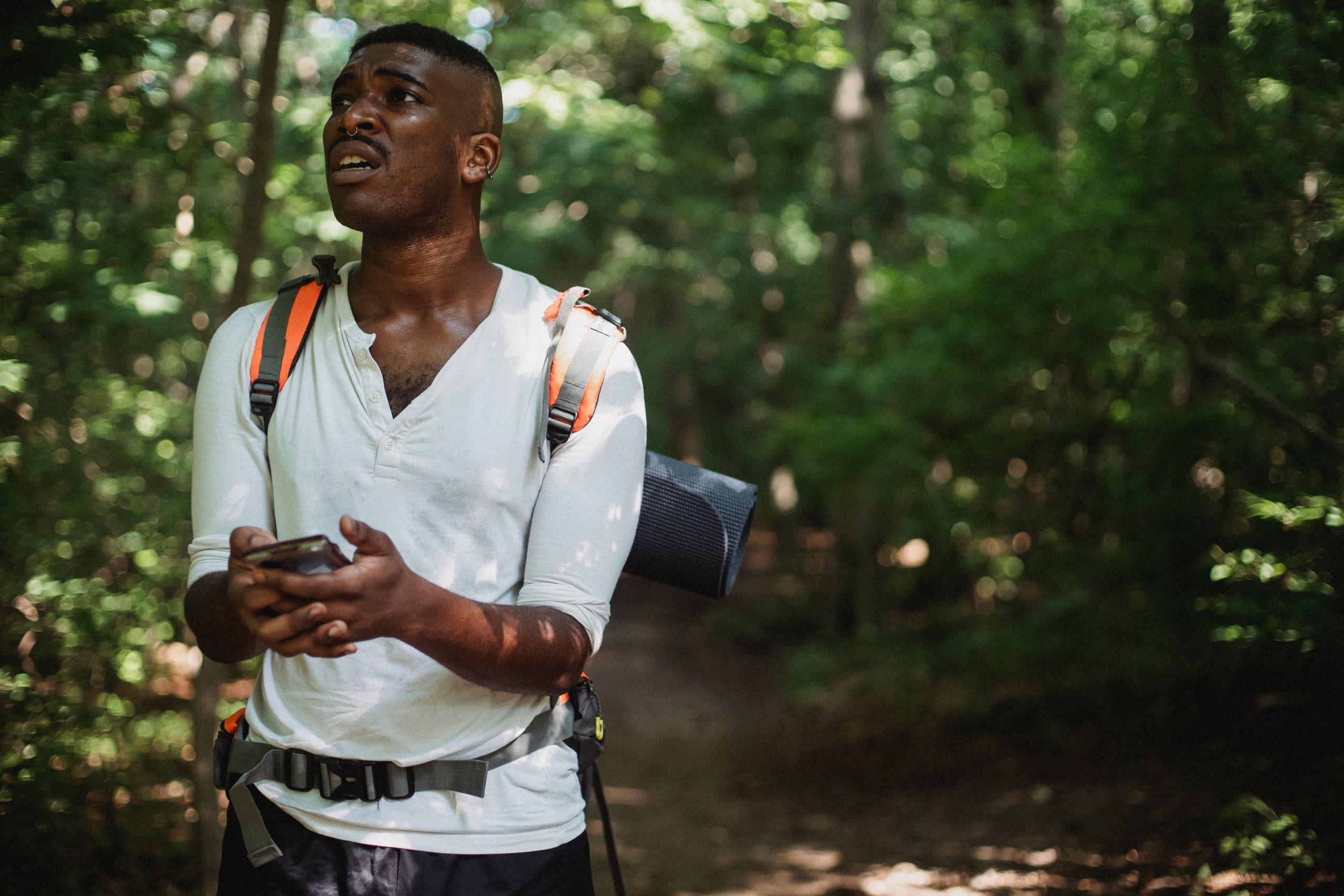
Instinct can help you notice danger, but it is not a substitute for navigation tools and deliberate decisions. Stress can make familiar terrain look different and encourage people to keep moving toward a guessed destination. Stop, breathe, check your map or GPS, identify your last known location, and compare the terrain around you with your information. If you cannot establish a safe route, conserve battery and energy while signaling for help. One careful decision at the 10-minute mark can prevent hours of increasingly risky travel. Marking your last known point can also help rescuers.