Glock fans waited years for a real generation jump, and now it is here. The surprise is not that Gen 6 exists, but that its upgrades are more practical than flashy.
What Glock actually changed from Gen 5 to Gen 6
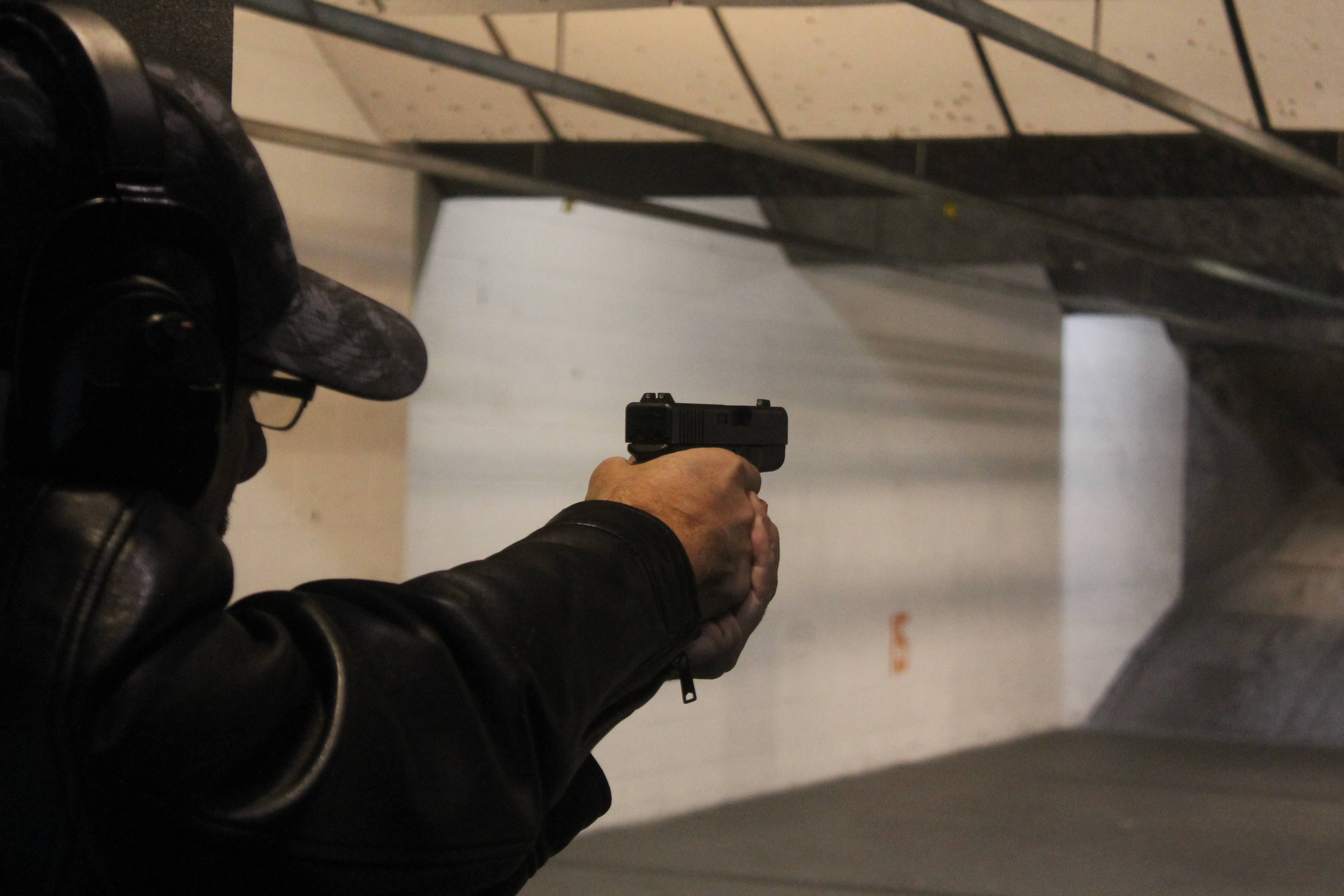
Glock officially announced Gen 6 on December 6, 2025, and put the new pistols on shelves on January 20, 2026. According to Glock’s own release, the headline changes are a redesigned ergonomic frame with a palm swell, extended thumb rest, enlarged beavertail, a flat faced trigger, deeper angled slide serrations, and a new optic-ready system on standard frame models. That tells you a lot about Glock’s priorities. This is not a total reinvention of the pistol. It is a refinement package aimed squarely at the complaints and wish lists people have had for years.
Gen 5, by comparison, already brought meaningful improvements over earlier guns. Glock highlighted the Glock Marksman Barrel, the removal of finger grooves, an ambidextrous slide stop, and a flared magwell as major Gen 5 upgrades. In other words, Gen 5 was the broad clean-up generation. Gen 6 feels more like the comfort-and-setup generation.
That distinction matters because it shapes buyer expectations. If you are hoping for a radically new operating system, serialized fire control unit, or a dramatic mechanical overhaul, Gen 6 is not that. Even early hands-on coverage from NRA Shooting Sports Journal and other gun media noted that Glock kept the basic Safe Action architecture intact. Glock chose evolution, not disruption.
The $745 question: what you are really paying for

The number that gets people talking is $745. That is the widely reported MSRP attached to the launch Gen 6 models, and it immediately triggered the usual reaction: since when is a Glock pushing into premium pricing territory? The sticker shock is real, especially for buyers used to seeing street prices on Gen 5 pistols land meaningfully below MSRP at many retailers.
But MSRP is only part of the story. Reports around launch indicated Gen 6 packages include more than just the pistol, with optics plates and standard accessories adding some practical value. Glock’s official Gen 6 messaging also makes clear that optics readiness is no longer treated as a niche configuration on standard frame models. That matters because many Gen 5 buyers ended up paying extra for MOS variants or aftermarket slide work.
So the real price comparison is not always Gen 6 versus a bargain bin Gen 5. It is often Gen 6 versus a Gen 5 MOS configured the way you actually want it. In that context, the pricing gap can shrink fast. If you already planned to mount a dot, upgrade the trigger shoe feel, and chase better grip ergonomics, Gen 6 starts to look less like a cash grab and more like Glock bundling the inevitable.
Ergonomics are where Gen 6 makes its strongest case
If Gen 6 has a killer feature, it is not the trigger or the optics cut. It is the grip shape. Glock’s official description puts the palm swell, thumb rest, and enlarged beavertail front and center, and that is probably because these changes are the ones most shooters will feel immediately. For years, Glock owners either loved the brand’s blocky simplicity or tolerated it because the guns ran well. Gen 6 is Glock acknowledging that ergonomics matter even on a duty-first pistol.
For shooters with medium or larger hands, the added palm support may create a more locked-in feel during recoil. The extended thumb rest should also help with support-hand indexing, especially for people who use an aggressive modern thumbs-forward grip. The reduced frame-to-trigger distance that Glock mentions could be a quiet but important improvement for smaller-handed shooters too.
This is where the upgrade feels least like hype. Better ergonomics can improve confidence, speed, and consistency without changing calibers, internals, or training doctrine. A gun that points more naturally and feels more secure under recoil is easier to shoot well. That does not mean every Gen 5 owner will suddenly hate their older pistol. It means Gen 6 may genuinely feel better in the hand the moment you pick it up.
The trigger and slide changes sound small, but they are not meaningless

A flat faced trigger is the kind of feature that can sound more tactical than useful until you actually shoot with it. Glock says the flat faced trigger is now standard on Gen 6 and keeps the Safe Action system intact. The company also says the undercut trigger guard and revised trigger reach allow a higher grip and easier access for more users. That combination suggests Glock was trying to improve control and shooter comfort rather than merely chase style trends.
In practice, flat triggers can give some shooters the sense of more consistent finger placement. They do not automatically transform a striker-fired pull into a match trigger, but they can make the press feel more predictable. For Glock owners who usually swap trigger shoes early, this could eliminate one of the first aftermarket purchases.
The deeper angled slide serrations are another smart, low-drama change. They are unlikely to sell a pistol by themselves, yet they matter in real handling, especially during chamber checks, press checks, or wet-condition manipulations. Glock’s Gen 5 serrations already worked well enough, but Gen 6 appears built around the idea that touch points should be easier, more tactile, and less fussy. That is not glamorous innovation, but it is the kind that tends to age well.
Optics readiness may be the most important practical upgrade
One of the smartest Gen 6 moves is the new optic-ready approach. Glock says standard frame Gen 6 pistols come optic-ready with three optic plates and allow various optics to be screwed directly into the slide. That is a notable shift from the older MOS experience, where compatibility and plate choices could feel more piecemeal depending on the model and setup. Glock’s broader MOS documentation also shows how central red-dot support has become to its product strategy.
For newer handgun buyers, this matters a lot. Red dots are no longer a competition-only accessory. They are increasingly common for defensive, training, and general range use because they can help with target focus and faster visual processing once the shooter is trained. Buying a gun that is ready for that path from day one is simply more practical than leaving the option half open.
This is also where Gen 5 owners need to be honest with themselves. If you run irons only and plan to stay that way, the optics system may be irrelevant. If you are dot curious, though, Gen 6 gives you a cleaner starting point. That convenience may not be exciting, but convenience that saves money and hassle is often the most valuable kind.
Who should upgrade now, and who should absolutely keep Gen 5
If you already own a reliable Gen 5 and shoot it well, there is no emergency here. Gen 5 remains a thoroughly modern Glock platform with the Marksman Barrel, ambidextrous controls, no finger grooves, and strong aftermarket support. It is still easy to argue that Gen 5 hits the sweet spot for value, parts availability, and institutional familiarity. For many owners, especially those with holsters, magazines, and training time already invested, staying put is the rational decision.
The strongest case for upgrading now is for buyers entering the platform fresh. It also makes sense for shooters who always wished their Glock felt better in the hand, wanted optics readiness from the start, or were planning common upgrades anyway. In those cases, Gen 6 may actually be the more economical long-term buy despite the higher initial ask.
Competitive tinkerers and budget-minded shooters may want to wait. Street prices usually settle after launch hype fades, and the aftermarket always takes time to catch up with a new generation. If you like buying proven gear after the first wave of buzz and beta testing, patience is still a smart strategy.
So, is Gen 6 worth $745 or is this peak Glock hype?
The honest answer is that Gen 6 is worth $745 for some buyers, but not for all buyers. That may sound like a hedge, yet it is the only serious conclusion. The upgrades are real. Glock did not just add a new label and call it progress. The ergonomic reshaping, flatter trigger, deeper serrations, and built-in optics focus are tangible improvements backed by Glock’s official launch details and the company’s broader product direction.
At the same time, this is still a Glock. The brand did not abandon its core formula, and that means Gen 5 did not suddenly become obsolete on January 20, 2026. If your current Gen 5 already fits your hand, runs cleanly, and meets your needs, Gen 6 is a want more than a need. Paying full launch price in that situation is hard to justify unless you simply enjoy being first.
So no, Gen 6 is not just hype. But yes, some buyers will absolutely be paying for novelty. If you want a more refined Glock out of the box, the premium makes sense. If you already have a Gen 5 you trust, the smarter move may be to let the hype cool and your wallet breathe.