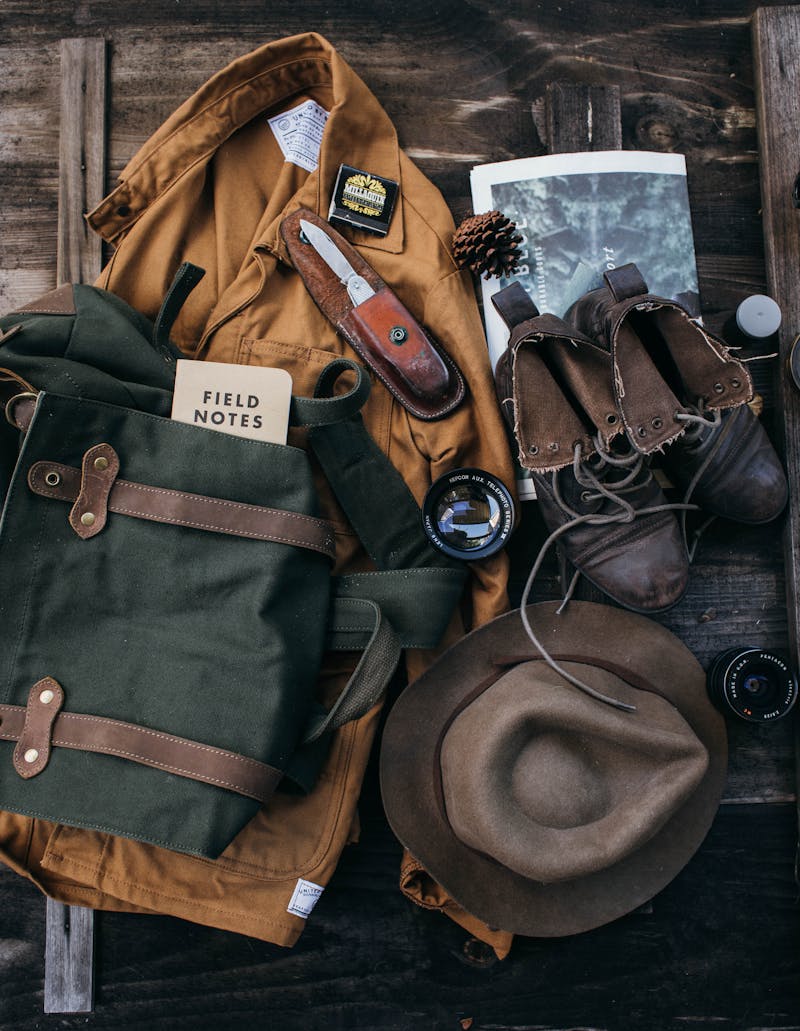
You often hear people use bushcraft and survivalism interchangeably, but they’re not the same. You may enjoy both if you love the outdoors, yet each focuses on a different mindset and skill set. Bushcraft is about living with nature, while survivalism prepares you to endure it. Understanding the real difference helps you choose which approach fits your adventures best and shows you how each builds confidence, resourcefulness, and respect for the wild.
Bushcraft Focuses on Living with Nature
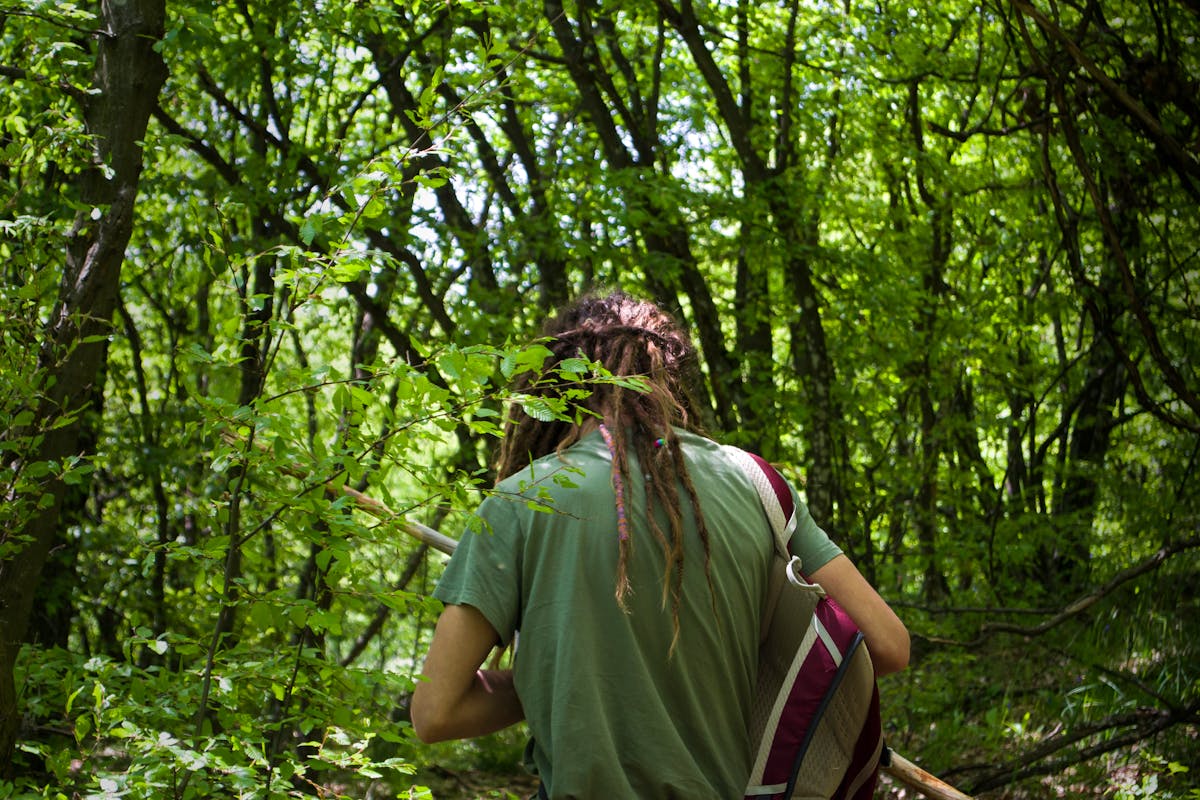
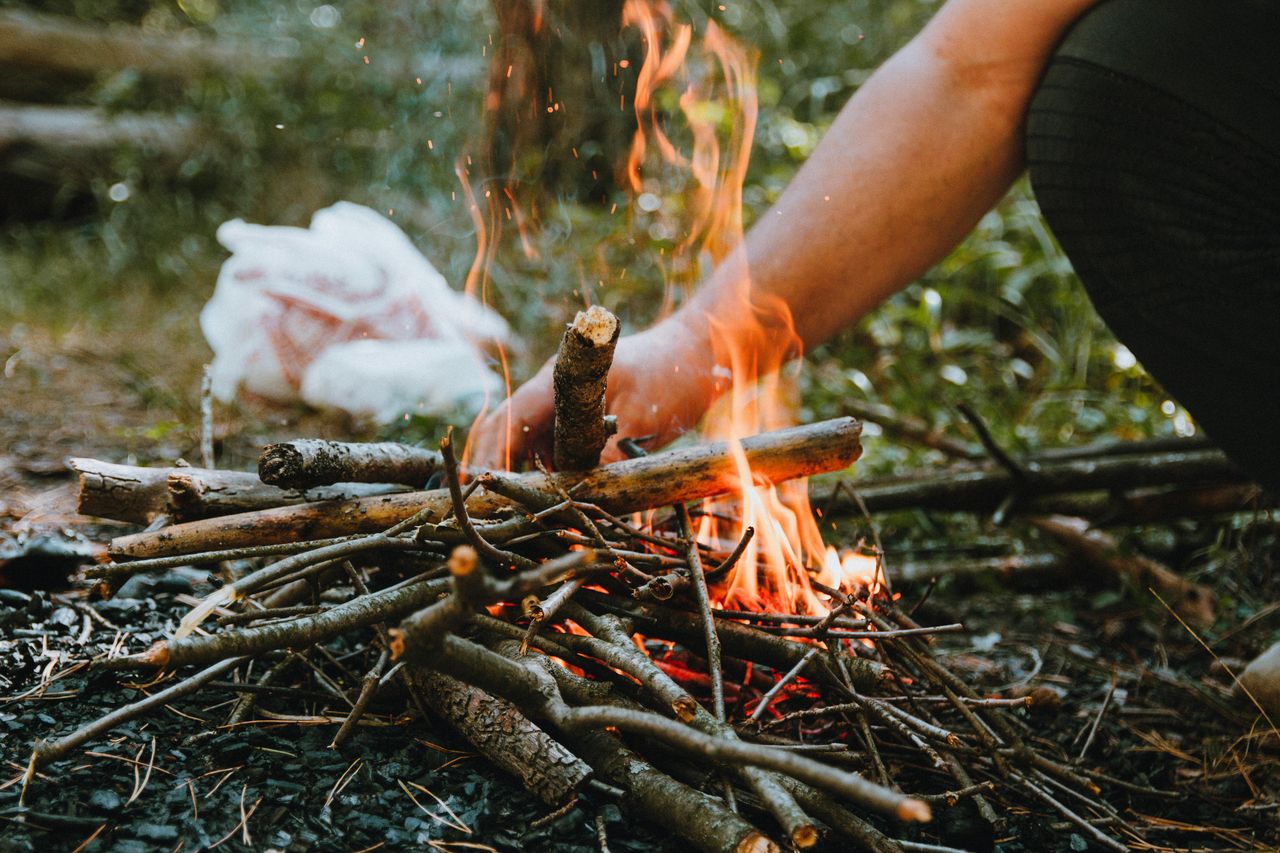
You practice bushcraft to learn how to thrive in nature using its resources. It’s about comfort, patience, and creativity rather than urgency. You build shelters from branches, start fires with friction, and craft tools from wood and stone. The goal is to adapt smoothly to the environment while appreciating its balance. When you master bushcraft, you don’t just survive the outdoors; you live in harmony with it.
Survivalism Prepares You for Emergencies
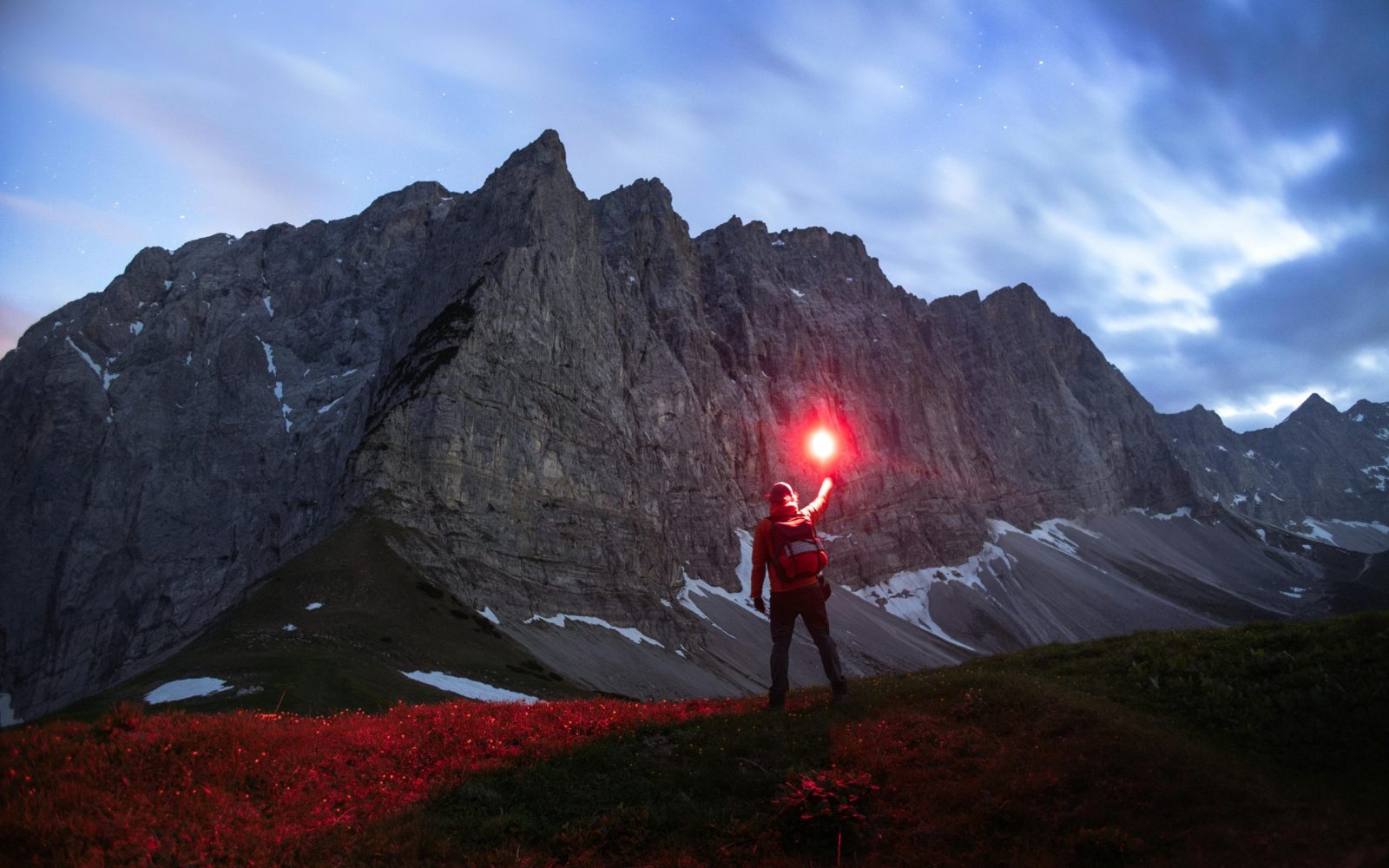
You focus on survivalism when you want to be ready for the unexpected. It’s about reacting quickly and efficiently in dangerous or uncertain conditions. You learn to ration food, purify water, and navigate your way out of isolation. Survivalists train for self-reliance during disasters or crises, both in the wild and in daily life. When every minute counts, survivalism gives you the mindset to act fast and smart.
Survivalism Relies on Modern Strategy
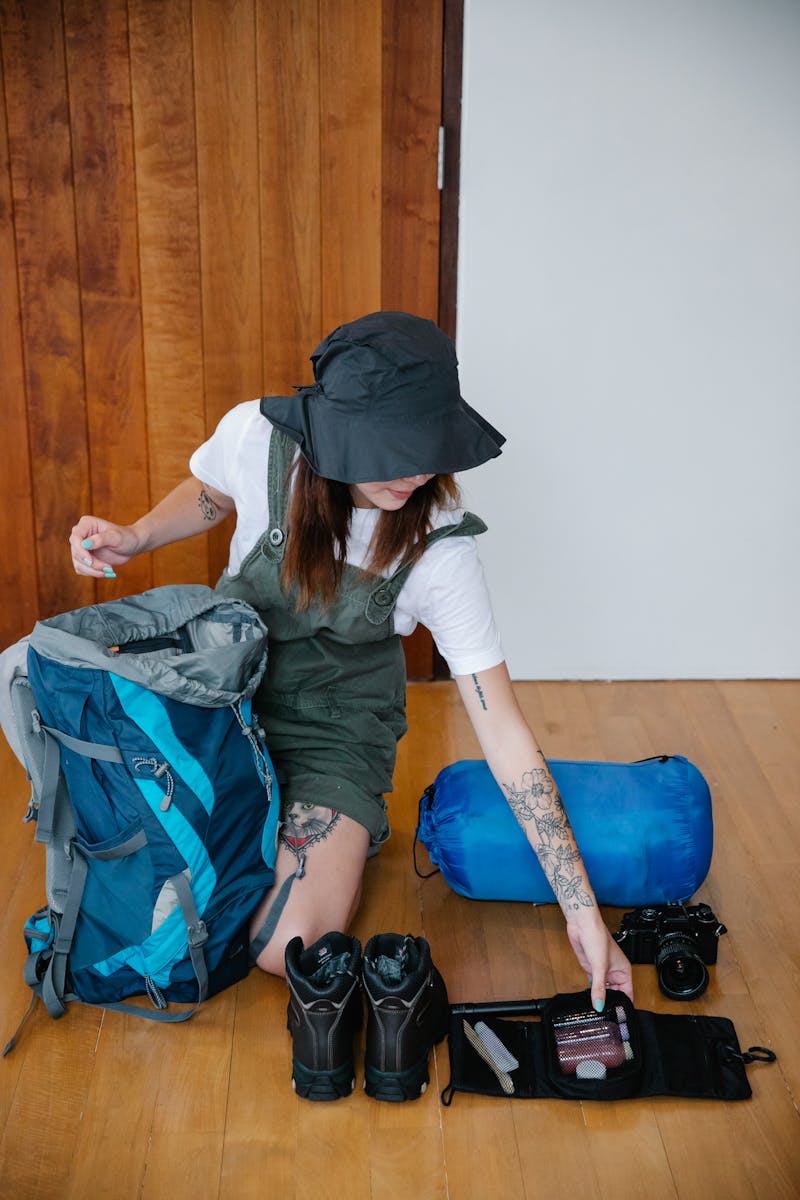
You often use modern gear and preparation in survivalism to ensure your safety. Emergency kits, solar chargers, and portable water filters form part of your readiness plan. While bushcraft values time-tested skills, survivalism uses tools that enhance speed and efficiency. When you combine traditional knowledge with technology, you strengthen your ability to handle any situation that comes your way.
Bushcraft Builds Skills for Sustainability
You build a sustainable connection with nature through bushcraft because it teaches long-term living techniques. You learn to respect your environment by using renewable materials and leaving a minimal trace. These skills are rooted in traditional knowledge passed down through generations. When you embrace bushcraft, you create a balance between skill and stewardship that deepens your bond with the natural world.
Mindset Separates the Two Approaches
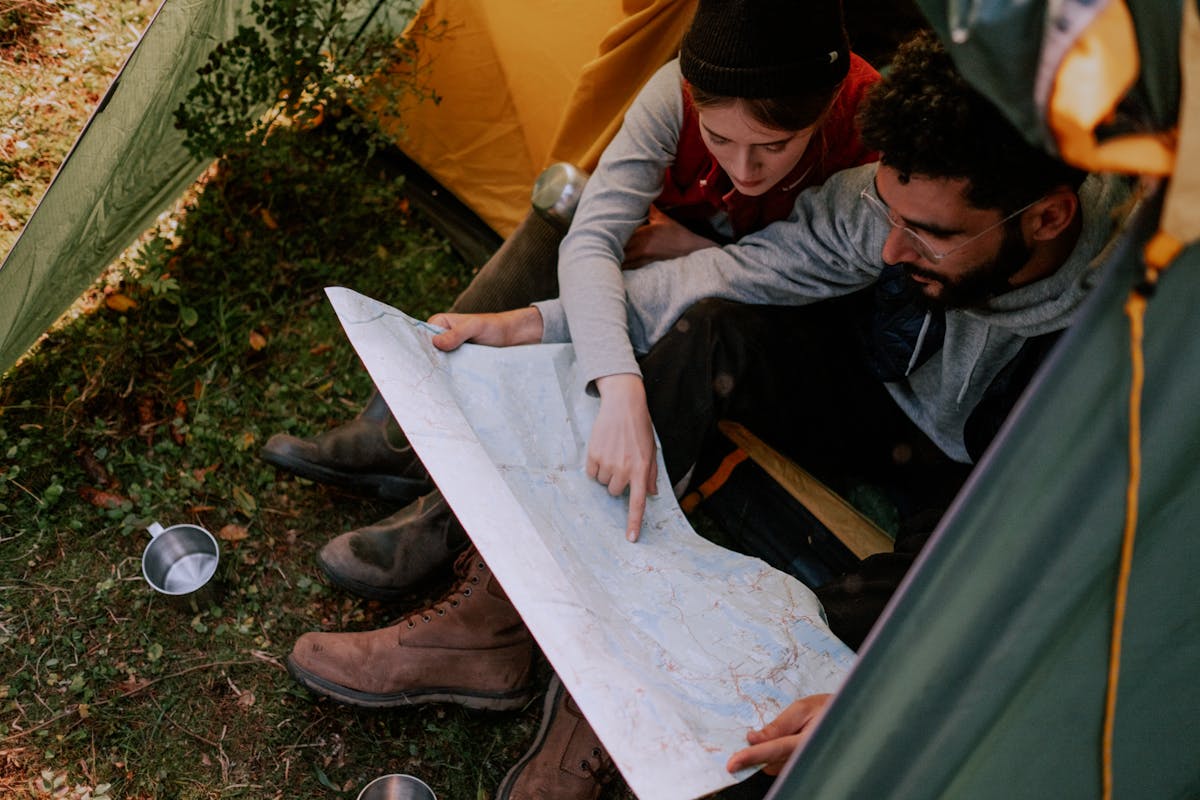
You recognize the key difference between bushcraft and survivalism in how each shapes your mindset. Bushcraft encourages calm learning, patience, and adaptation, while survivalism promotes alertness, planning, and resilience. You might practice both, but your intent defines your experience. When you understand this contrast, you can decide whether you’re out to connect deeply with nature or to conquer it when challenges arise.