Something is changing in hunting country, and most people can feel it before they can explain it. The tension is not always loud, but it is getting harder to ignore.
Why is this conflict growing now
For years, the hunting world treated public land and private land as separate lanes. In reality, they have become deeply connected, especially as rising lease prices, changing demographics, and social media pressure push more hunters onto public ground near working farms and ranches.
The numbers tell part of the story. State wildlife agencies across the country have reported increased license sales over the past decade in key periods, while mapping apps have made once obscure parcels easy to find. A place that used to see three local trucks during rifle season may now hold ten vehicles from multiple counties or multiple states.
That increased use does not stay neatly inside public boundaries. Hunters park on road edges, walk fence lines, drag game across corners, and sometimes mistake lines altogether. Neighboring landowners experience the overflow first, and many interpret it not as an access issue but as a respect issue.
The industry often frames access as a simple shortage of places to hunt. That is true, but incomplete. The real story is that crowding on public land creates daily friction with private landowners who are absorbing the side effects without sharing much of the benefit.
The fence line has become the pressure point.
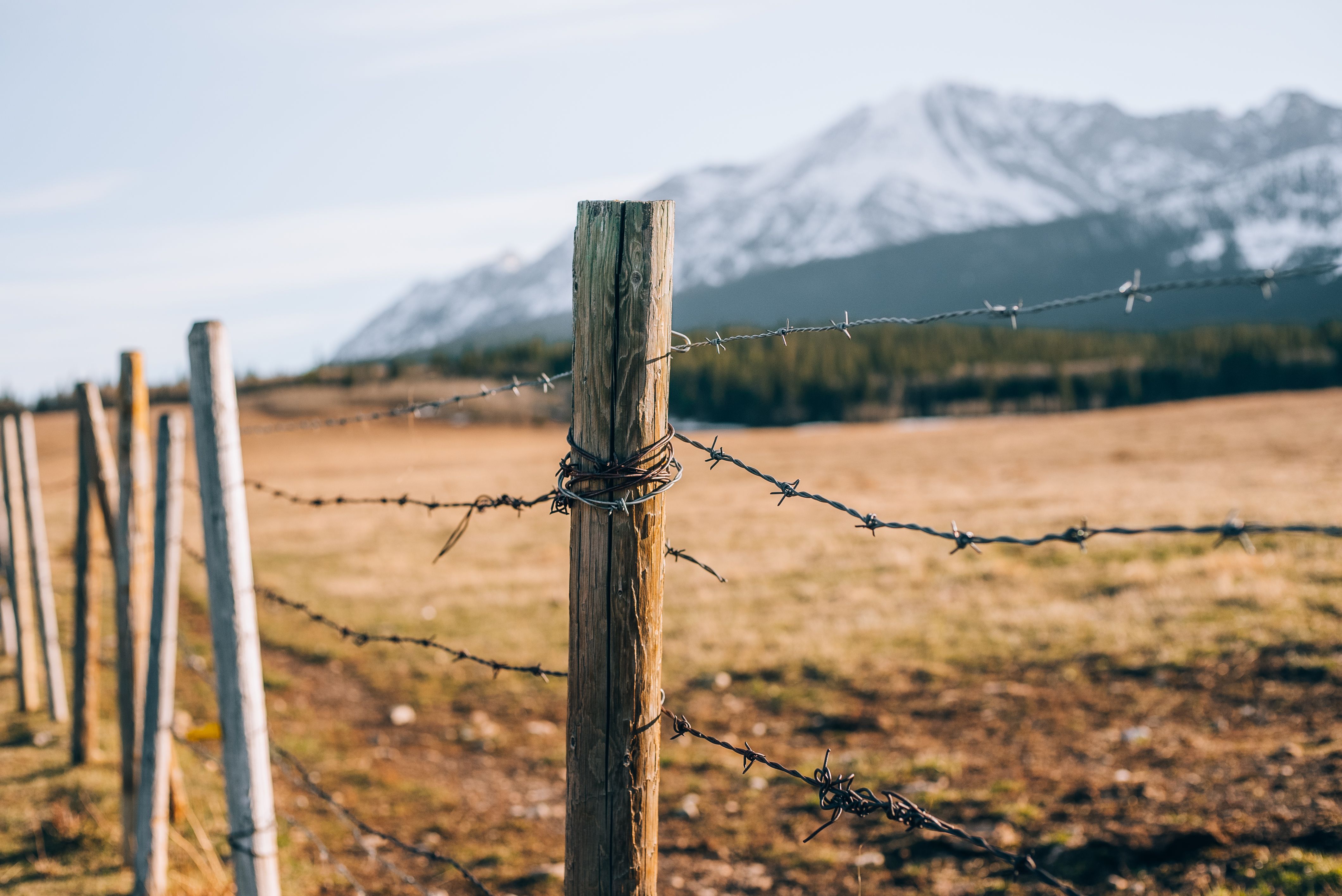
Most disputes do not begin with dramatic trespass cases. They begin with small moments that pile up. A gate gets left open, a truck blocks a field entrance, or someone shoots too close to cattle during opening weekend.
To a public land hunter, that may look like one careless act by one person. To a landowner, it can feel like a pattern tied to the season itself. Ranchers and farmers remember every tire track through muddy approaches, every cut fence staple, and every knock on the door after dark asking to retrieve a deer.
In states with checkerboard ownership, the pressure is even sharper. Public parcels can be landlocked by private ground, and legal access points may be confusing or limited. According to multiple Western land access debates in recent years, even when hunters believe they are acting legally, landowners often feel they are being tested, monitored, or maneuvered around.
That emotional piece matters more than many industry voices admit. Property lines are not abstract on-the-ground realities. They represent liability, control, family history, and livelihood. Once landowners start feeling surrounded rather than respected, every hunter becomes suspect, including the careful ones.
Technology made access easier and relationships harder
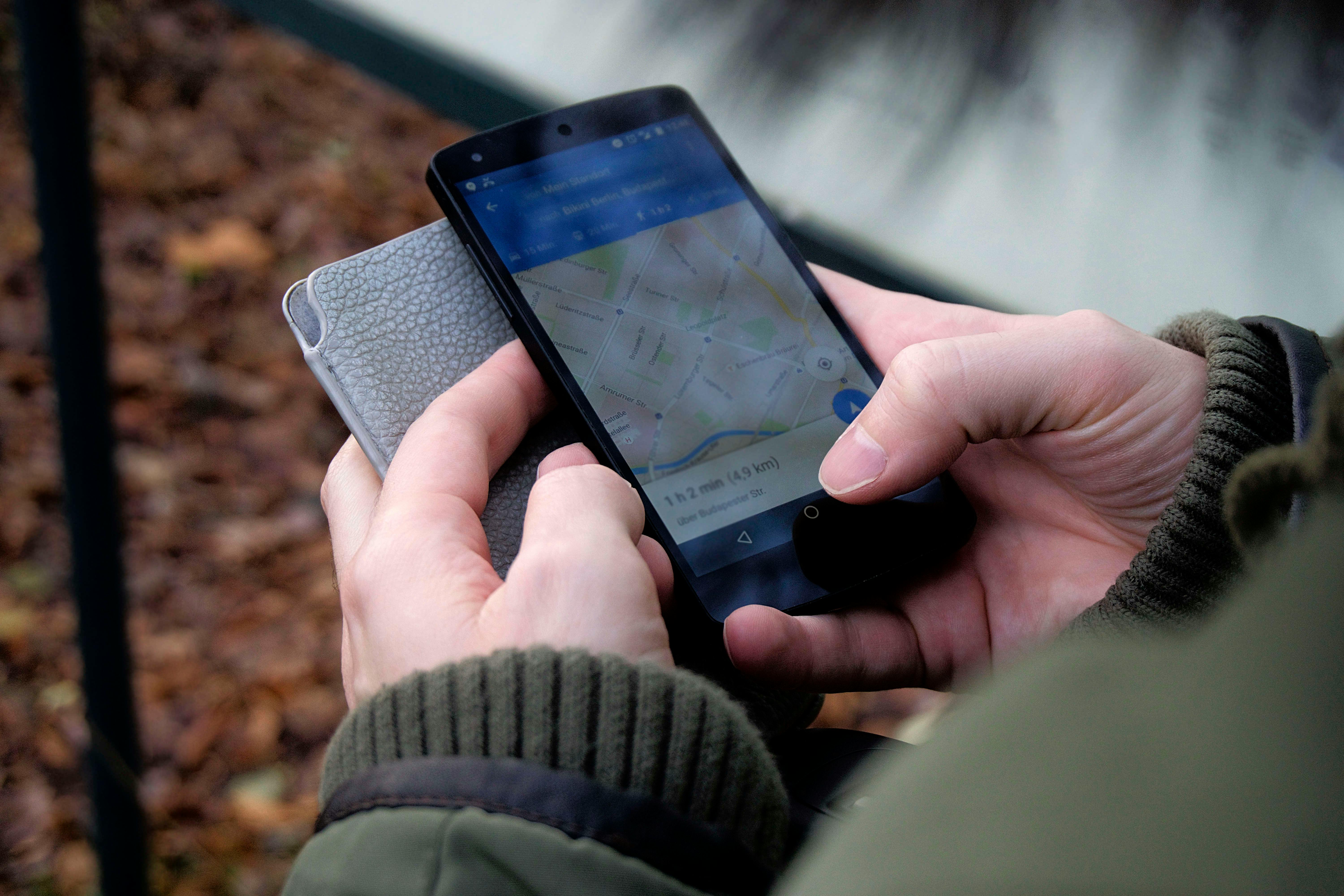
Modern mapping tools have unquestionably helped hunters stay legal. Apps showing parcel boundaries, ownership layers, and walk-in access programs have reduced accidental trespass in many cases. They have also changed the psychology of entry, making access feel more transactional and less relational.
A generation ago, many hunters still knocked on doors, asked permission, and built local reputations over time. Today, a user can identify a sliver of public ground behind private fields, follow a digital line, and enter with confidence that may be legally justified but socially combustible.
Landowners notice this shift. Many describe hunters who know exactly where the line is, exactly what the law allows, and exactly how far they can push a situation without technically crossing into trespass. That may be legal precision, but it often reads as adversarial behavior.
Social media amplifies the problem. Influencers celebrate overlooked parcels, pressure points, access hacks, and backdoor entry strategies that can send sudden traffic into once quiet areas. What looks like useful education online can feel like a public invitation to swarm someone else’s neighborhood for content, antlers, and bragging rights.
Economics is driving both sides apart.t

Money sits underneath more of this tension than people like to admit. Private land has become more valuable for recreation, with hunting leases, outfitting contracts, and amenity buyers changing the economics of ownership. At the same time, average hunters are increasingly priced out of reliable private access.
That squeeze pushes more people onto public land, especially in states where quality habitat sits beside productive farms, timber holdings, or large ranches. The result is a two-sided resentment. Hunters see private ground locked behind wealth, while landowners see outsiders demanding consideration without recognizing the cost of ownership.
Those costs are real. Insurance, road maintenance, fence repair, habitat work, crop loss, and livestock management all shape how landowners think about access. Even a courteous request to cross private land for legal public access can carry real risk in a landowner’s mind, especially during busy harvest windows or calving season.
Meanwhile, rural communities are changing. Some large-acreage owners are absentee investors, but many are multigenerational operators already under margin pressure. When the hunting industry talks mainly about hunter opportunity and not about landowner burden, it sends an unintended message that private ground exists chiefly as a problem to be solved.
The cultural divide is becoming more personal
This issue is not only about law or land use. It is about identity. Many public land hunters see themselves as the last self-reliant participants in a tradition increasingly squeezed by commercialization, exclusive leases, and status-driven hunting culture.
Many landowners see themselves as stewards carrying the financial and physical burden of keeping rural landscapes intact. They are often suspicious of being portrayed as villains just because they protect boundaries, limit access, or decline permission requests from strangers they do not know.
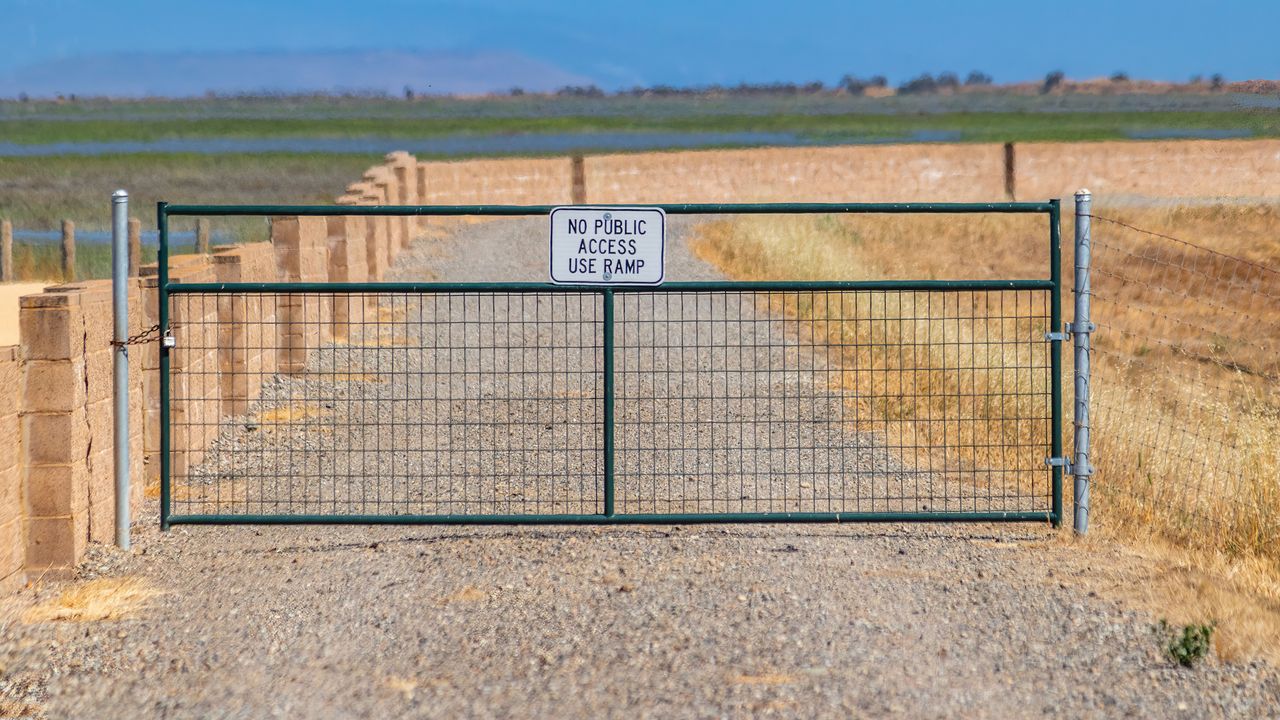
That clash in self-perception fuels hostility. Hunters may read a posted sign as greed. Landowners may read a parked truck near a gate as an entitlement. Both sides feel judged by people who do not understand the pressures they are under, and both sides can point to bad actors as proof of a broader problem.
You can hear this in coffee shops, feed stores, and local sportsman meetings. The language has sharpened. Hunters talk about access being monopolized. Landowners talk about losing peace, privacy, and trust. When those narratives harden, compromise gets harder long before any formal dispute reaches a sheriff, game warden, or county board.
Why does the hunting industry keep avoiding the issue
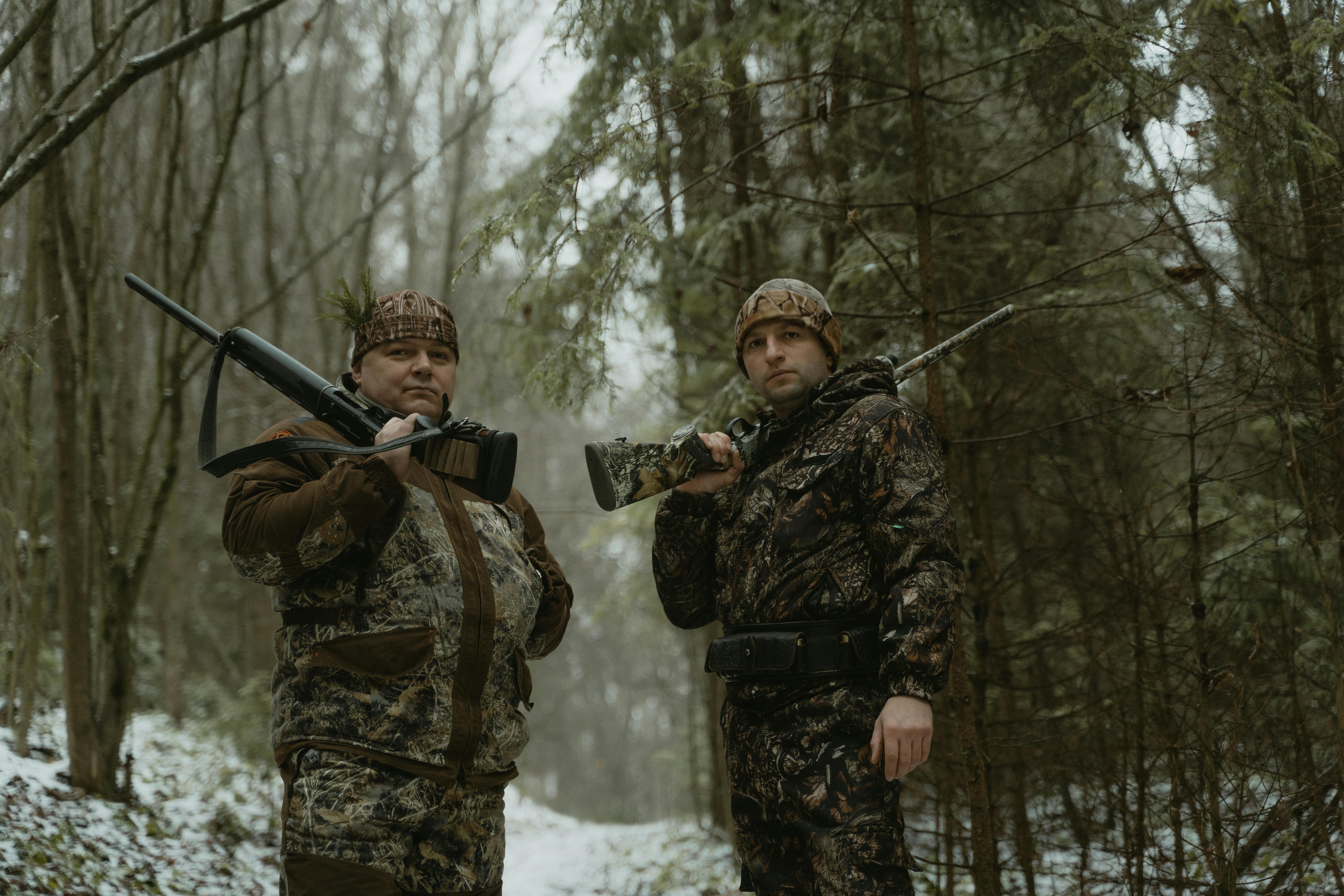
The industry prefers cleaner stories. It is easier to rally around conservation funding, recruitment, public access initiatives, and gear innovation than to confront the fact that hunter behavior and landowner distrust are colliding in ways that threaten long-term participation.
Brands do not want to alienate customers by criticizing public land culture, and they do not want to appear anti-access by defending private boundaries too strongly. Outfitters, agencies, media personalities, and advocacy groups often end up speaking in careful generalities about ethics while sidestepping the daily frictions everyone in rural areas already knows exist.
There is also no simple villain. Some landowners are unreasonable. Some hunters are reckless. Some states have confusing access laws that invite conflict rather than clarity. A 2024 study on rural recreation pressure might capture trends, but the mood on the ground is shaped by repeated human encounters, not just policy summaries.
Still, silence carries a cost. When the industry refuses to name the problem directly, resentment grows in private. That is when more gates go up, more roads get restricted, more complaints reach local officials, and more hunters conclude that every landowner is hostile from the start.
What would actually reduce the tension?
First, the conversation has to get more honest. Hunter access cannot be discussed as if private landowners are just obstacles standing between people and opportunity. They are neighboring stakeholders whose trust can be strengthened or destroyed one season at a time.
Second, states and advocacy groups should invest more in boundary education, parking etiquette campaigns, carcass retrieval protocols, and conflict mediation. Those sound small, but small failures create most big disputes. Clearer signage, better access maps, and county-level outreach can prevent a surprising amount of bad blood.
Third, the hunting media needs to stop glamorizing pressure tactics dressed up as savvy strategy. There is a difference between legal access and community-minded behavior. Experts in wildlife policy, extension services, and land stewardship have said for years that durable access depends as much on social license as legal right.
Finally, both sides need incentives to cooperate. Walk-in programs, tax credits, habitat partnerships, and local access agreements can work when designed well. But none of it matters if the culture keeps rewarding extraction over relationship. The future of hunting may depend less on finding new acres than on repairing the trust along the fence line.