
It starts in the garage, the shed, or a clean corner of the barn. More and more hunters are deciding that once the animal is down, the rest of the work belongs to them too.
The shift is about much more than saving a few dollars
At first glance, the rise in do-it-yourself game processing looks like a simple cost story. Processing fees have gone up in many regions, especially after inflation pushed labor, packaging, utilities, and cold storage expenses higher. A deer that might once have been processed for a modest flat fee can now cost significantly more once skinning, boning, specialty cuts, sausage, jerky, and burger blending are added in.
But hunters who do the work themselves often say the real payoff is control. They know exactly how the meat was handled, how quickly it was cooled, what trim stayed in the pile, and what ended up in the grinder. That matters to families who view venison, elk, or wild hog as an important part of the yearly food supply rather than a novelty.
The economics still matter, of course. A hunter willing to invest in a grinder, knives, vacuum sealer, and a few weekends of practice can spread that cost over several seasons. In many households, especially those filling multiple tags or processing for several family members, the math starts to favor doing it at home surprisingly fast.
What looks like thrift from the outside is really a broader shift in mindset. Hunters increasingly see wild game not as a trophy add-on, but as premium protein with a chain of custody they want to protect from field to freezer.
Trust and transparency have become central to the decision

Modern consumers ask more questions about food than they used to, and hunters are no exception. They want to know how animals were handled, what touched the meat, whether batches were mixed, and how sanitation was maintained. That same transparency people look for at the grocery store now follows them into the deer camp and the processing room.
In some places, concerns about receiving someone else’s meat have pushed hunters toward self-processing. Reputable processors work hard to prevent mix-ups, and many do excellent work, but the fear remains common in hunting communities. Even the suspicion that trimmings could be combined with another animal is enough for some hunters to decide they would rather handle every cut themselves.
There is also a quality issue that experienced hunters notice right away. A carefully field-dressed animal, cooled properly and butchered with patience, will usually eat better than one that sits too long or is rushed through a high-volume shop during peak season. Hunters who process at home can age, trim, and package meat according to their own standards instead of accepting a one-size-fits-all result.
This is part of a larger cultural trend toward traceability. Just as people bake bread, raise backyard chickens, or buy from local farms to better understand their food, many hunters now see home processing as the logical final step in an ethic they already believe in.
Better tools and better information have lowered the barrier
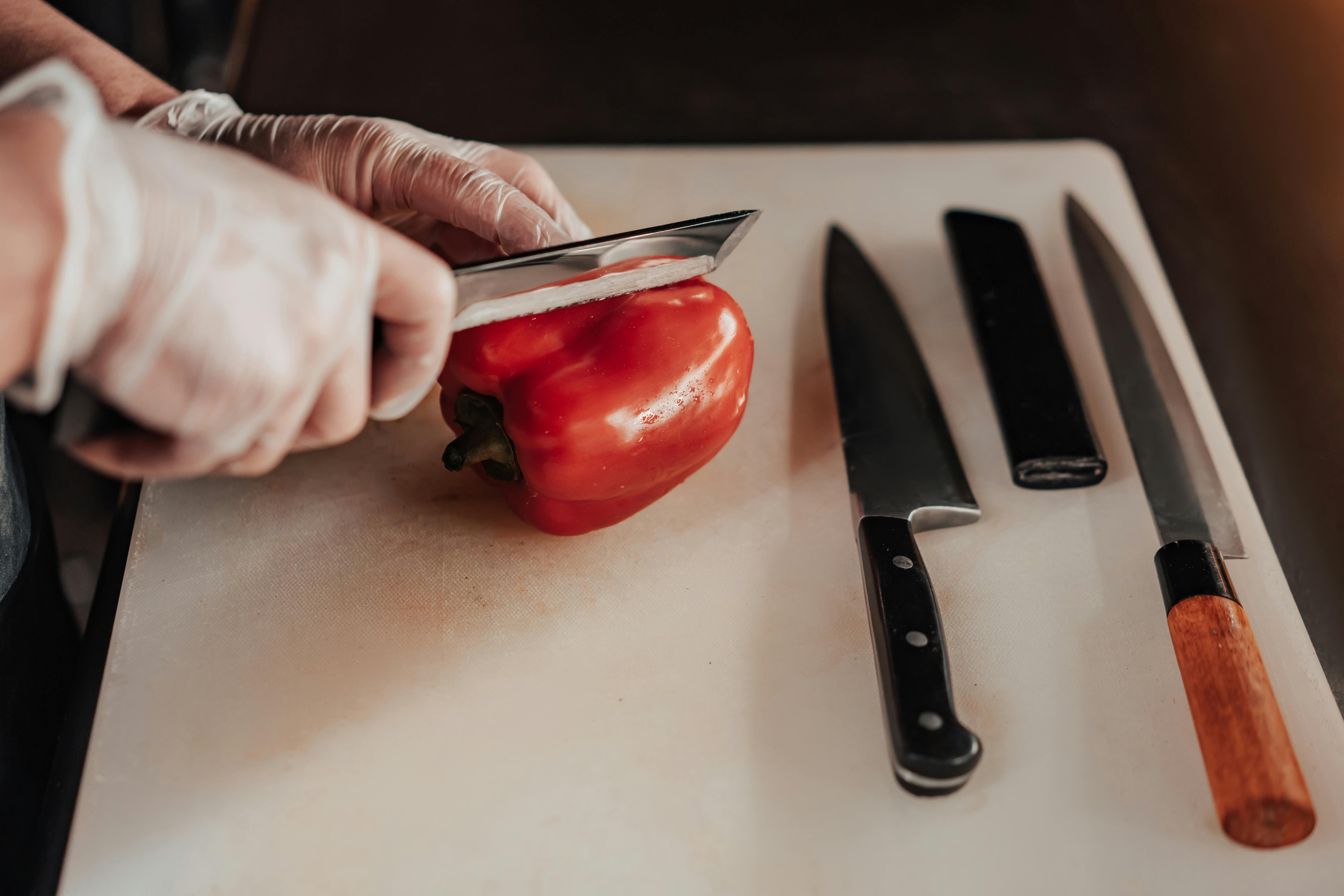
One reason this movement has gained momentum is that self-processing no longer feels mysterious. Ten years ago, many new hunters depended on a mentor, a family tradition, or trial and error. Today they can find detailed demonstrations, step-by-step classes, equipment reviews, and food safety guidance almost instantly through videos, state agency materials, and instruction from experienced butchers.
Equipment has improved too. Home grinders are stronger, compact vacuum sealers are more accessible, and consumer-grade meat saws, cutting tables, and storage systems are easier to find than they once were. What used to feel like specialized trade gear now looks more like a realistic home kitchen extension for people serious about wild food.
That access matters because confidence is often the real bottleneck. Plenty of hunters are willing to drag a deer out of rough country, but hesitate when faced with separating muscle groups or deciding how much silver skin to remove. Good education shortens that learning curve and makes the process feel manageable instead of intimidating.
The result is a feedback loop. As more hunters post their results, swap recipes, and compare methods, the practice becomes normalized. Self-processing stops being an expert niche and starts to look like a basic hunting skill that newer participants expect to learn.
The shortage of processors is pushing hunters to adapt
In many areas, the local wild game processor is becoming harder to book, especially during peak deer season. Shops get overwhelmed by volume, staffing is inconsistent, and some longtime operators have retired without clear successors. Hunters who wait too long may face delayed turnaround times or discover there is simply no nearby option left.
This is not unique to hunting. Across rural America, labor-intensive trades have struggled with succession, thin margins, and rising overhead. Game processing sits right at that pressure point. It is seasonal, physically demanding, highly time-sensitive work, and it depends on skilled hands that are not always easy to replace.
When access tightens, behavior changes. A hunter who once dropped off every deer may start by skinning and quartering at home, then move on to deboning, grinding, and packaging. What begins as a backup plan can become a permanent habit once they realize the process is within reach.
Industry veterans have been warning about this bottleneck for years. State wildlife agencies, extension programs, and hunting groups have increasingly responded with workshops and meat care education, not only to improve harvest outcomes but also to keep participation strong in places where processing capacity can no longer be taken for granted.
Processing your own game changes the meaning of the hunt
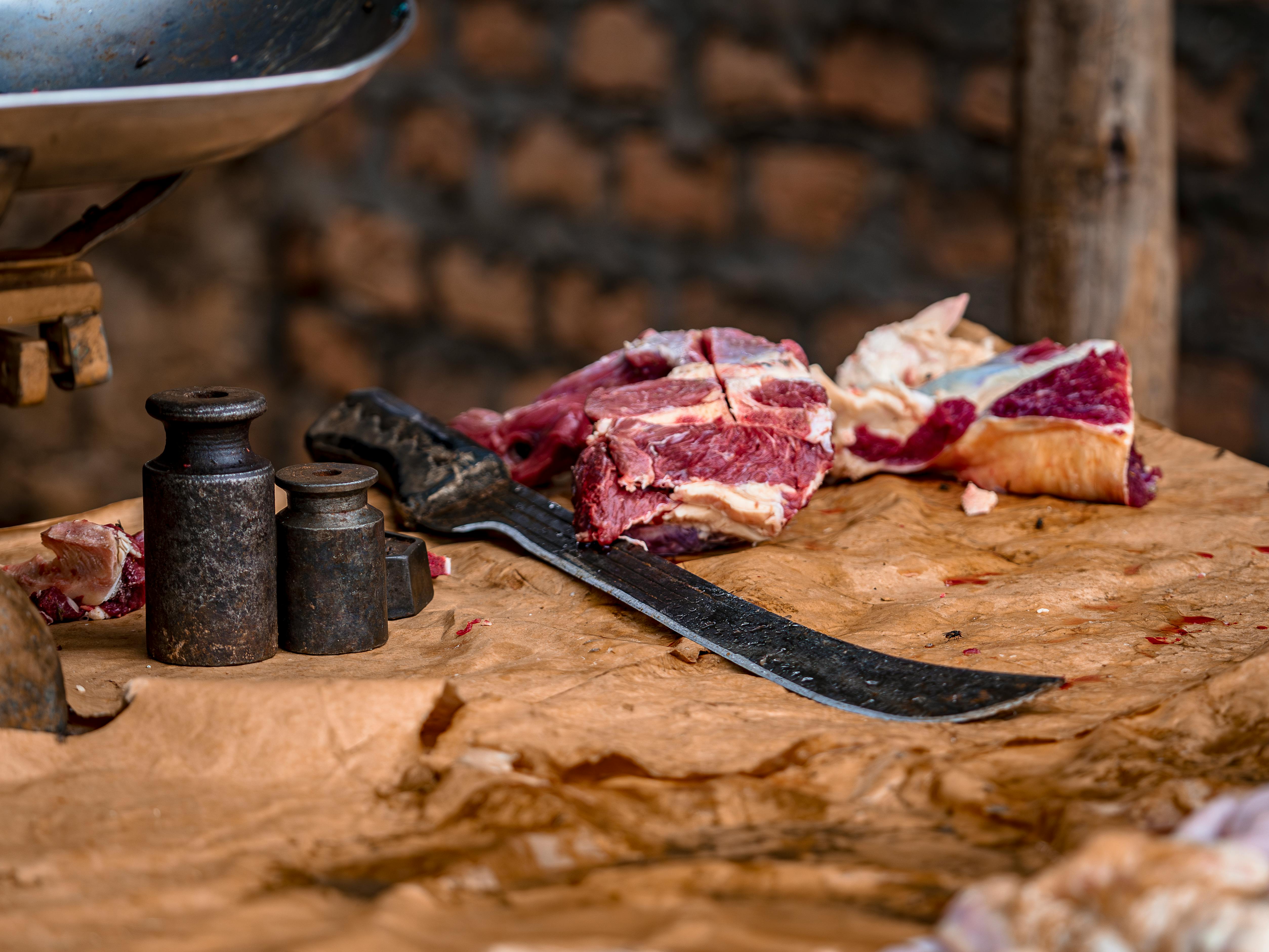
For many hunters, butchering their own animal deepens the whole experience. It extends the hunt beyond the moment of the shot and turns the harvest into a full sequence of responsibility, skill, and care. That has emotional weight, especially for people who entered hunting through the local food movement rather than through older trophy traditions.
There is also a respect argument that comes up again and again. Hunters often say that if they are willing to take an animal’s life, they should be willing to do the hard work afterward. Skinning, trimming, wrapping, and making use of as much as possible reinforces an ethic of stewardship that many believe has been diluted by convenience.
This hands-on involvement can influence consumption too. Families who package their own cuts tend to think more specifically about how they will use them, from roasts and backstrap medallions to burger, stock bones, and rendered fat where applicable. Less gets wasted when the person filling the freezer understands each package as the result of real labor.
That cultural shift matters for the future of hunting’s public image. In an era when non-hunters often judge the practice through the lens of food ethics, self-processing presents hunting less as recreation alone and more as direct, accountable participation in the food system.
The business side of hunting is already responding
As hunters process more of their own meat, businesses are adjusting. Retailers have expanded selections of grinders, slicers, butcher paper, vacuum sealers, meat tubs, game bags, spice kits, and home smokehouse gear. What was once a narrow specialty category is now a meaningful part of seasonal merchandising in many outdoor and farm supply stores.
Media and education are changing too. Hunting content increasingly includes cutting diagrams, burger ratios, sausage techniques, field-to-freezer tutorials, and discussions of meat quality. Brands understand that the modern hunter is not just shopping for optics and camouflage. They are building a home processing setup and want products that support that identity.
Traditional processors are adapting in their own ways. Some now offer custom-only services, premium traceability, appointment systems, or partial-processing options such as skinning, aging, or coarse grinding. Others are leaning into value-added products that home processors may not want to tackle, including snack sticks, fermented sausage, or large-batch smoking.
This suggests the market is not disappearing, but segmenting. Full-service drop-off processing will remain important, yet growth is likely to come from hybrid models, equipment sales, education, and premium services built around transparency and specialization rather than simple volume.
Where will this trend point next for the hunting industry
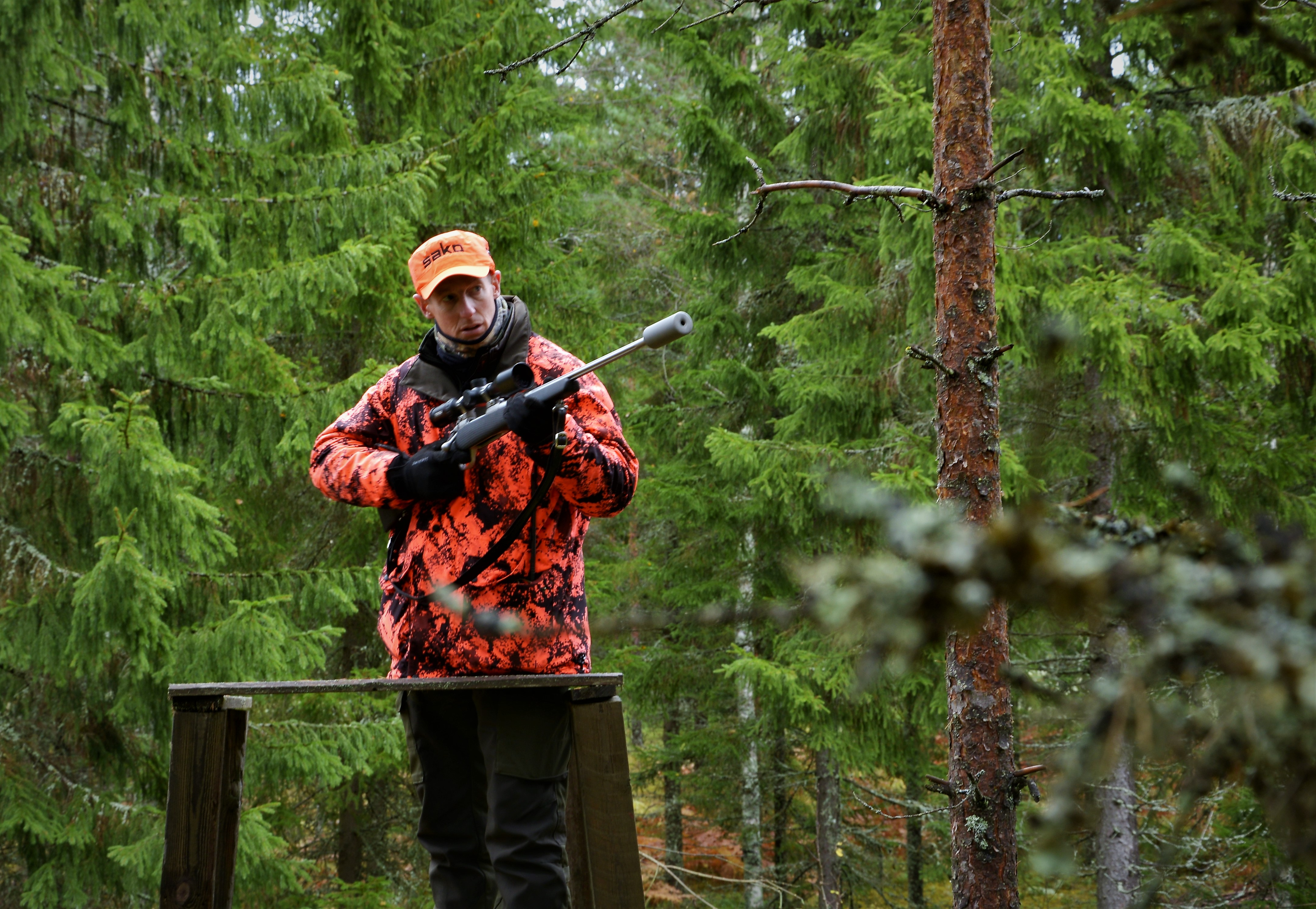
The rise of self-processing tells us the hunting industry is moving toward a more capable, food-focused participant. Hunters increasingly want ownership of the entire process, from shot placement and meat care to packaging and cooking. That changes what they buy, what they learn, and what they expect from brands, agencies, and outfitters.
It also creates opportunities. More classes, local co-ops, community cutting spaces, mentorship programs, and mobile processing education could help new hunters stay engaged. In the long run, those support systems may matter as much as license recruitment campaigns because success in hunting is no longer measured only by harvest, but by what happens after the animal comes home.
At the same time, the trend draws a clearer line between convenience and connection. Some hunters will always prefer professional processing, and there is nothing wrong with that. But the growing number who choose to do it themselves are signaling that the future of hunting is increasingly hands-on, skill-based, and grounded in food sovereignty.
That is the real reason this shift matters. It is not just about cutting costs in a busy season. It is about control, trust, competence, and a changing identity, one that sees hunting less as a moment in the field and more as a complete relationship with wild food.