Few .22 pistols have stayed relevant for so long while changing just enough to keep pace with new generations of shooters. The Ruger Mark IV sits at the latest point in a line that became famous for reliability, approachable shooting manners, and a silhouette enthusiasts recognize instantly. Here’s a closer look at the key qualities that helped this handgun family remain one of the longest-running designs still on the market.
A lineage that reaches back to 1949

The Mark IV matters partly because it belongs to a handgun family with deep roots. Bill Ruger’s original Standard pistol arrived in 1949, giving American shooters an affordable .22 semiauto with a distinctive profile and a reputation for practical performance.
That long arc matters in firearms history. Many pistols come and go with trends, but the Ruger rimfire line kept evolving through the Mark I, Mark II, Mark III, and finally the Mark IV while preserving the core identity that people already trusted.
When a design survives this long, it usually means it solved real problems well. The Mark IV benefits from decades of familiarity, refinement, and a customer base that already understood why the platform worked.
The easy takedown finally modernized the platform
For years, one of the biggest knocks on earlier Ruger rimfire pistols was takedown. Owners often joked that disassembly required patience, a manual, and the right phase of the moon. The Mark IV changed that conversation with a simple one-button takedown system.
That update was more than a convenience feature. It removed a psychological barrier for newcomers who wanted a pistol they could actually clean without turning maintenance into a project.
In practical terms, easier fieldstripping helps the gun stay in service. A design that is simpler to maintain is more likely to be shot, cleaned, and recommended, which goes a long way toward keeping a product line healthy over time.
It stayed true to the affordable .22 formula

The Ruger Mark line never needed to be an exotic showpiece to succeed. Its appeal was built around the straightforward promise of a useful .22 pistol that ordinary shooters could afford, enjoy, and keep for years.
That matters because .22 LR has long been the cartridge of practice, plinking, and entry-level marksmanship. Pairing low-recoil shooting with a relatively accessible pistol created a combination that welcomed first-time owners without boring experienced ones.
Longevity often comes from meeting everyday needs instead of chasing novelty. The Mark IV still carries that same practical mission, and that broad usefulness has always given the platform a wider audience than niche handguns usually enjoy.
Its accuracy gave shooters a reason to stick with it
A rimfire pistol can be charming, but consistent accuracy is what turns curiosity into loyalty. The Ruger Mark series earned that loyalty by becoming known as a pistol people could shoot well, whether on paper targets, steel plates, or informal backyard-style practice where legal and safe.
The platform’s barrel configurations, sight options, and generally stable feel made it attractive to shooters who wanted more than a casual plinker. It offered real precision potential without demanding the cost of a dedicated competition-only handgun.
That combination helped the design age gracefully. When a pistol delivers satisfying groups and rewarding range sessions, owners tend to keep it, recommend it, and bring new shooters into the fold.
The grip angle and feel made it distinctive

One reason the Ruger rimfire line stood out so clearly was its feel in the hand. The Luger-inspired grip angle gave the pistol a personality of its own and created a natural pointing quality many shooters came to appreciate.
Designs that become iconic often have a recognizable silhouette and a memorable shooting posture. The Mark IV inherited both, which helped it remain visually connected to its predecessors even as details and controls changed.
That familiar ergonomics package also created continuity across generations. A shooter who learned on an older Ruger rimfire could pick up a Mark IV and still sense that same family resemblance, which is a powerful advantage for any enduring product line.
It became a training pistol people actually enjoyed

Plenty of guns are useful as training tools, but fewer become genuinely beloved because of it. The Mark IV continued a family tradition of serving as a low-recoil, low-blast pistol that helped beginners learn sight alignment, trigger control, and safe handling without intimidation.
That easy-shooting nature also made it valuable for experienced shooters looking to sharpen fundamentals. A .22 pistol reveals mistakes clearly, and a gun with decent sights and manageable manners turns that lesson into something enjoyable rather than frustrating.
When a handgun works for first-timers, hobbyists, and seasoned marksmen alike, it gains a rare kind of staying power. The Mark IV thrives because it teaches while still feeling fun.
Ruger kept offering versions for different tastes
A long-running design has to avoid getting trapped in a single configuration. Ruger helped the Mark IV stay relevant by offering multiple models, including target-oriented versions, tactical-styled options, threaded-barrel variants, and lightweight formats like the 22/45 family.
That variety broadened the pistol’s appeal without breaking the platform’s identity. One buyer might want a classic bull-barrel range gun, while another wants something optic-ready or suppressor-friendly.
Instead of forcing the market toward one idea of what a rimfire pistol should be, Ruger let the line stretch with changing preferences. That flexibility is a big reason the design kept attracting fresh buyers while retaining traditional fans.
Aftermarket support kept the pistol fresh
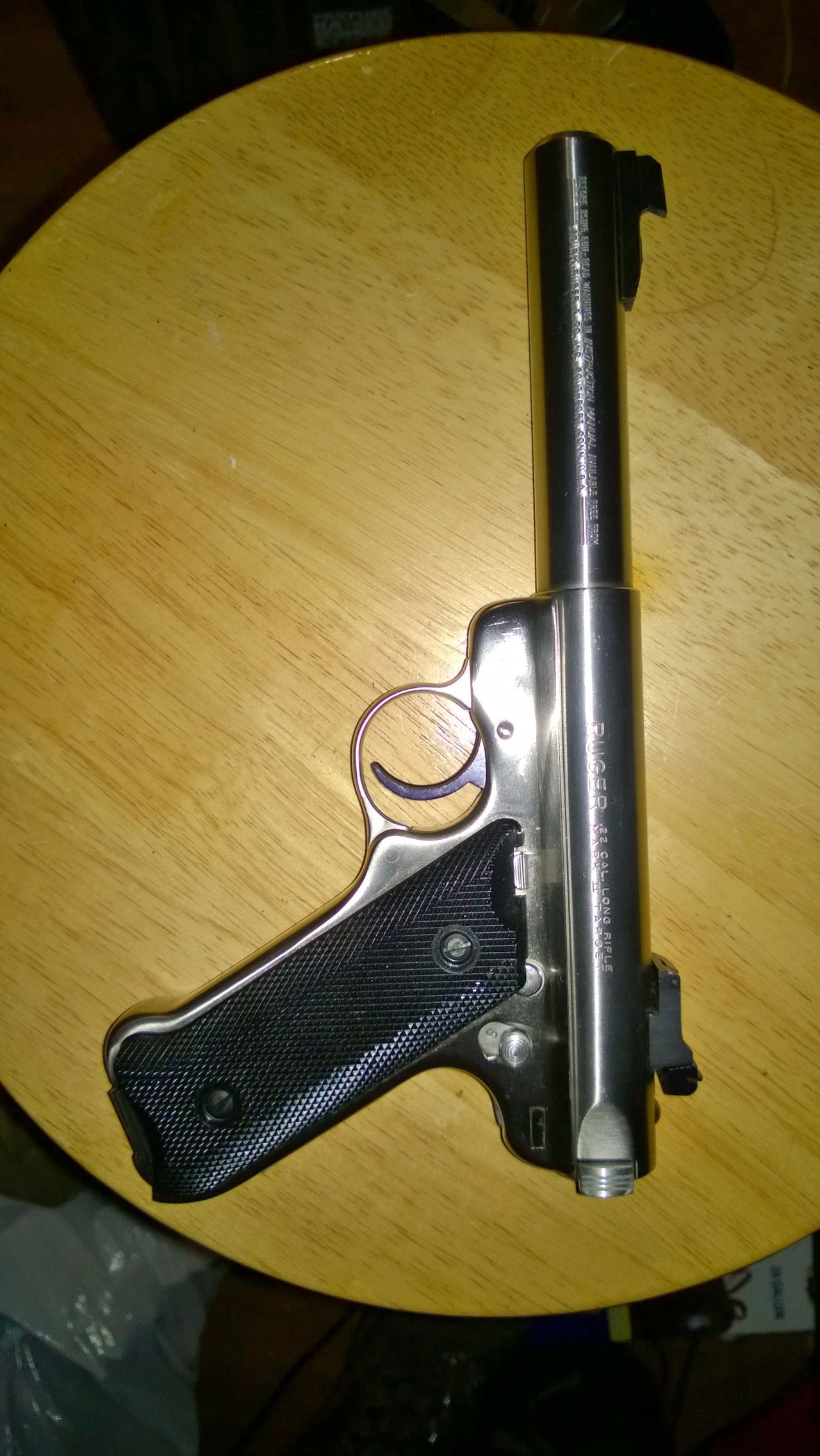
Few things extend a firearm’s life like a strong aftermarket. Over the years, the Ruger rimfire platform gained broad support for sights, grips, triggers, holsters, optic mounts, internal upgrades, and cosmetic touches that let owners tune the gun to their preferences.
That ecosystem matters because it prevents a mature design from feeling stale. A shooter can buy a fairly standard Mark IV and gradually turn it into a competition piece, a trail companion, or a personalized range favorite.
When manufacturers and accessory makers both invest in a platform, the product becomes more than a single pistol. It becomes a community, and communities are often what keep classic designs relevant across decades.
Its reliability reputation built trust over time
No handgun line lasts for generations on looks alone. The Ruger Mark series built its reputation by being the kind of .22 pistol many owners considered dependable enough for frequent range use, routine practice, and years of steady ownership.
Rimfire ammunition can be finicky by nature, which makes a reliable .22 semiauto especially appreciated. A pistol that runs well across lots of casual shooting sessions tends to earn repeat customers and favorable word of mouth.
Trust accumulates slowly, then starts carrying a design forward almost on its own momentum. By the time the Mark IV arrived, it was inheriting not just a mechanical layout, but decades of earned confidence from shooters.