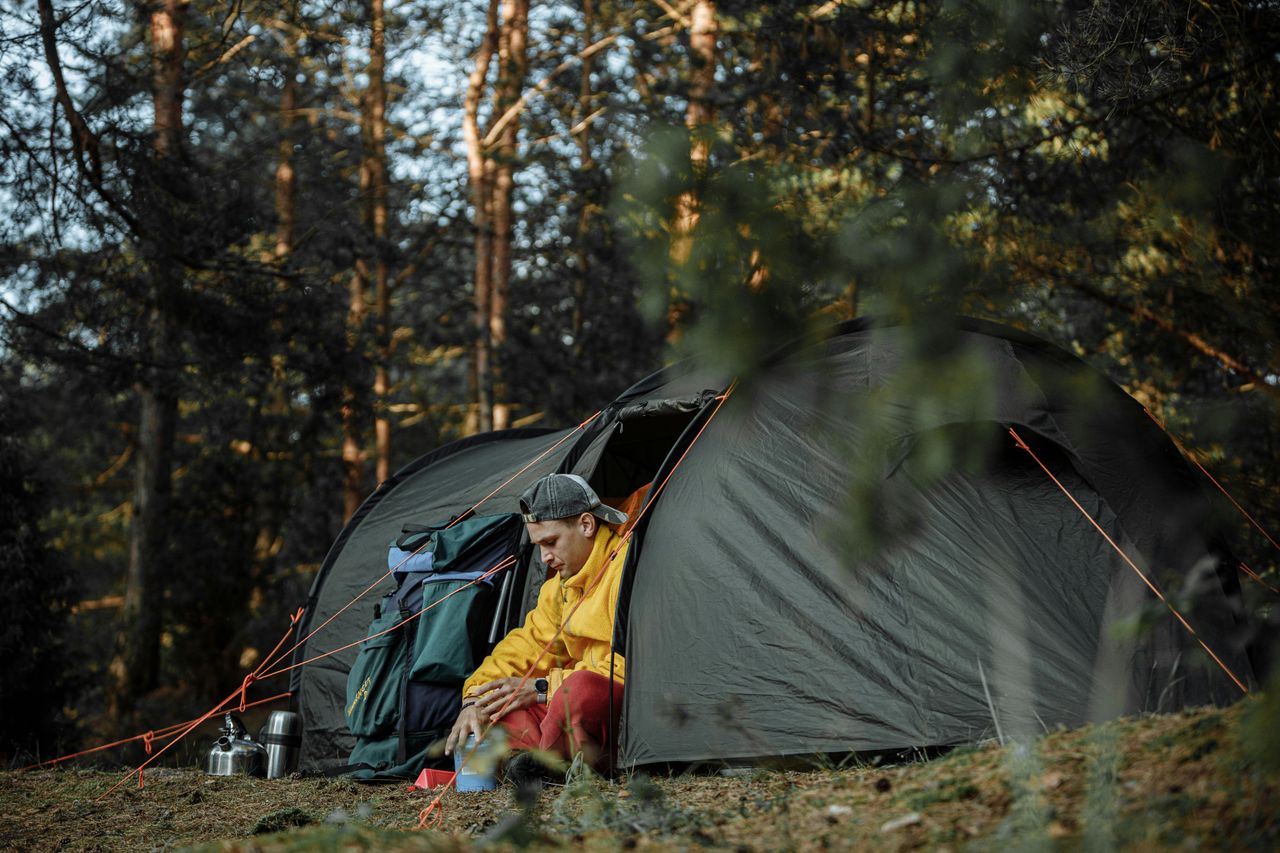
I thought I was prepared. I was wrong in all the most useful ways.
I Packed Less Than Ever, and Felt More Exposed Than Expected
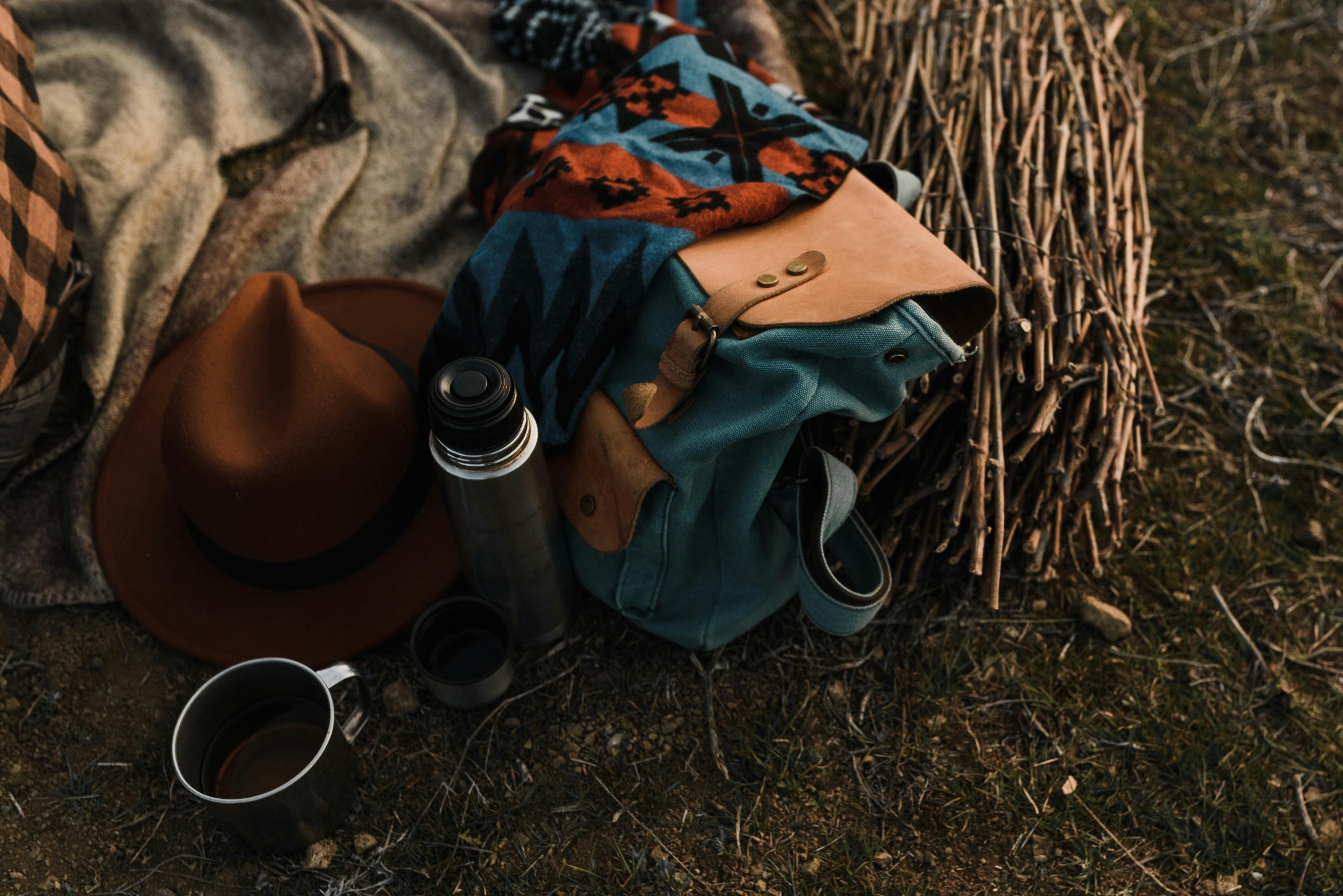
I have camped plenty, but this trip was different from the first minute. No car full of backups, no cooler, no tent with color-coded poles, no camp stove that lights with a button. I took bushcraft basics: a tarp, cutting tools, cordage, fire kit, metal pot, canteen, wool layers, a sleep system, and the kind of confidence that usually disappears around sunset.
Bushcraft gear looks simple on paper, but simplicity can feel brutal when you are used to convenience. Modern camping often hides uncertainty behind equipment. With bushcraft, every item asks something of you. A tarp is not a shelter until you rig it well. A ferro rod is not warm until your tinder is dry, your technique is sound, and your hands are calm enough to make sparks count.
That first hike taught me how much of my outdoor comfort had been outsourced to manufactured ease. The weight on my back was lower, but the mental load was higher. According to outdoor skills instructors, perceived preparedness often drops when redundancy disappears, even if core survival capability remains strong. I felt that immediately. Every decision seemed to matter more because it actually did.
By the time I reached camp, I understood the first real lesson. Bushcraft is not about pretending gear does not matter. It is about understanding what gear can do, what it cannot do, and how much skill is required to bridge the distance between those two truths.
Building Camp by Hand Changed My Relationship With Shelter

Choosing a campsite stopped being a casual preference and became a technical exercise. I needed drainage, wind protection, safe tree spacing, dry standing wood nearby, and enough flat ground to sleep without spending the night sliding downhill. A bad choice would not just be annoying. It would shape my temperature, sleep, morale, and margin for error.
Rigging a tarp sounds easy until weather and terrain enter the conversation. Ridgeline height affected heat retention. Tension affected water runoff. Orientation mattered because even a moderate breeze can steal warmth all night. I spent more time on shelter than I ever had on a tent camp, and the payoff was immediate. When the setup was right, the entire site felt calmer and more efficient.
There is a reason traditional outdoor educators put shelter ahead of almost everything else. Exposure remains one of the fastest ways for a manageable outing to become a dangerous one. Search and rescue reports regularly show that small mistakes in location and weather judgment compound quickly after dark. I understood why after one hour of gathering materials and adjusting knots with fading light.
When I finally sat under that tarp, listening to the woods settle, I felt a level of ownership I rarely get from modern camping. I had not unpacked the shelter. I had created it. That difference sounds small, but psychologically it is enormous. It turns comfort from a product into a skill.
Fire Was Not a convenience; it was a Test of Patience and Judgment
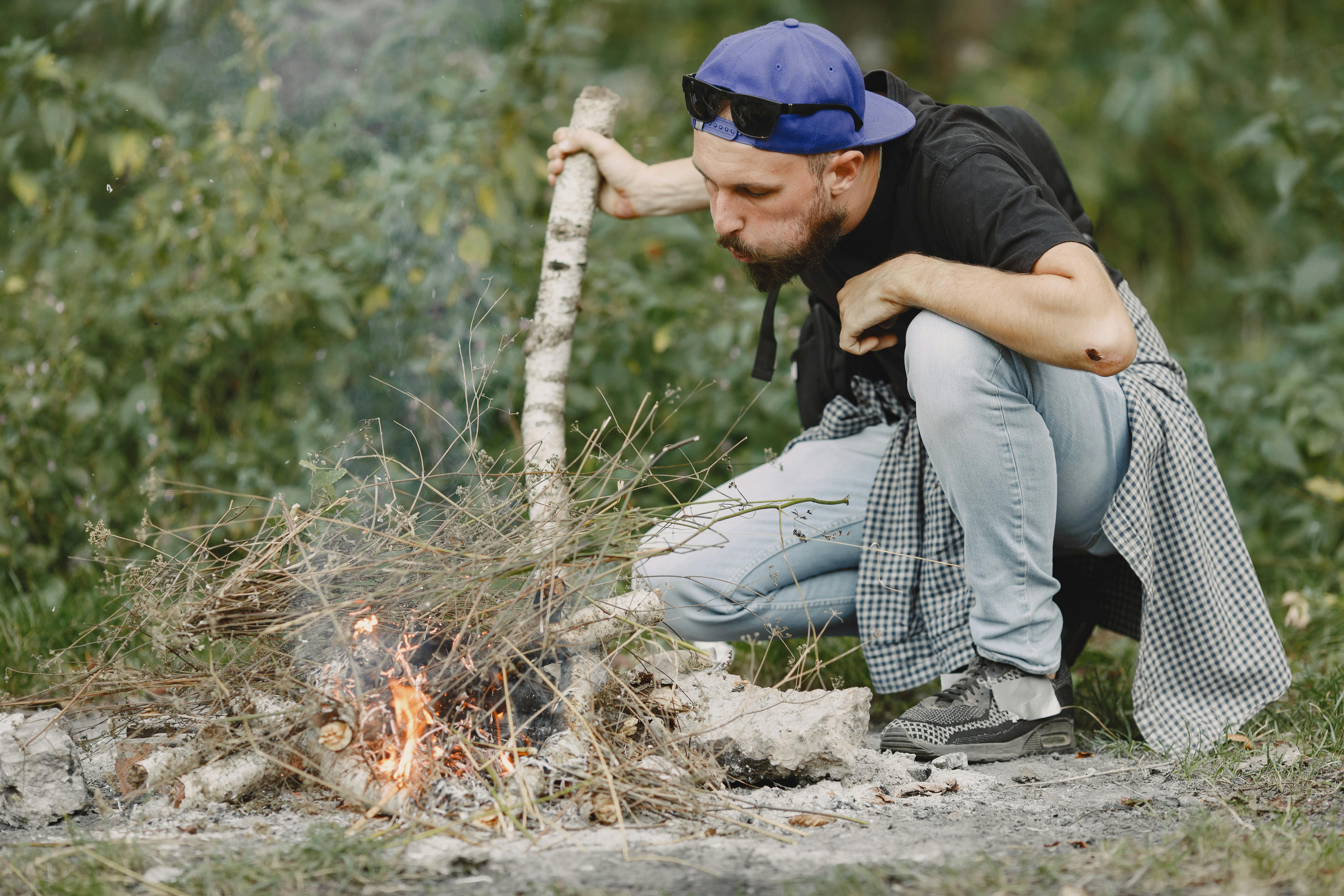
Nothing humbled me faster than making fire without shortcuts. At home, flame appears with a flick. In the woods, fire is a chain of correct decisions. Tinder selection, feathering dry wood, protecting the flame base from wind, staging fuel by size, and resisting the urge to rush all matter more than enthusiasm ever will.
I had practiced before, but practice in ideal conditions can create false confidence. Real forest humidity, cooling evening air, and the pressure of wanting success before darkness changed the equation. A 2024 wave of bushcraft and survival training courses has emphasized the same thing: firecraft is less about ignition and more about preparation. Once I accepted that, my results improved quickly.
When the first sustainable flames finally took hold, the emotional impact surprised me. Fire did more than provide heat for water and food. It changed the soundscape, the sense of isolation, and the rhythm of the night. It created a center point. I stopped feeling like a visitor waiting for bedtime and started feeling like an active participant in my own camp.
The deeper lesson was about impatience. Most mistakes I made came from trying to skip steps. Bushcraft punishes haste with almost mathematical fairness. That was frustrating in the moment, but useful beyond the woods. Good systems, whether outdoors or in daily life, often fail because people want outcomes faster than the process allows.
Solitude in the Woods Felt Different Without Modern Distractions

Solo camping has a reputation for being peaceful, but peace is not the first thing that arrives. First comes noise, and much of it is internal. Without a phone to scroll, a speaker to fill space, or a stream of tiny comforts to distract me, my mind got louder before it got quieter. Every crack of a branch sounded important. Every rustle invited speculation.
What changed after a few hours was my threshold for uncertainty. I started identifying patterns instead of reacting to every sound. Wind in leaves has a texture. Small animals move differently from large ones. Cooling trees pop and settle in ways that can sound dramatic if you are primed to expect trouble. Familiarity reduced fear more effectively than positive self-talk ever could.
Psychologists who study attention restoration have long argued that natural settings can lower cognitive fatigue while increasing present-moment awareness. I felt both effects, but not instantly. First, I had to pass through a wall of agitation. Once I did, the woods stopped feeling empty and started feeling detailed. I noticed moonlight angles, temperature shifts, and the timing of bird calls at dusk and dawn.
That shift changed my idea of solitude. I had always thought being alone outdoors meant escape. This trip taught me it is more like exposure. You meet your habits, your assumptions, and your tolerance for stillness without much buffer. That can be uncomfortable, but it is also clarifying in a way few modern experiences are.
Food, Water, and Fatigue Became More Honest Than I Expected

Bushcraft strips glamour from the basics very quickly. Water is not just something you drink when thirsty. It is something you source, carry, boil, monitor, and protect from contamination. Food is not a fun camp add-on. It is fuel tied directly to mood, warmth, and decision-making quality. Once those truths become practical instead of theoretical, you stop being casual.
I kept meals simple, and that turned out to be one of my better decisions. Easy-to-cook staples meant less fuss, less cleanup, and less fuel use. The metal pot earned its place immediately. So did disciplined hydration. According to wilderness medicine guidance, even mild dehydration can affect cognition and coordination faster than many hikers realize, especially when layered with exertion and temperature swings.
Fatigue also felt different on a bushcraft trip because almost every comfort required effort. Collecting firewood, processing kindling, adjusting shelter, filtering or boiling water, and keeping gear organized all drew from the same limited energy budget. There was no passive campsite experience. Even rest had to be earned by setting systems up well enough that the night would not unravel.
That honesty was strangely refreshing. In daily life, it is easy to ignore the relationship between inputs and outcomes. Out there, the connection was obvious. If I delayed a task, I paid for it later. If I stayed organized, everything improved. Bushcraft made cause and effect visible in a way that felt almost impossible to misunderstand.
The Biggest Surprise Was How Much Skill Matters More Than Gear
Before this trip, I thought of outdoor readiness mostly in terms of equipment quality. Better materials, better features, better brand reputation. Those things matter, of course, especially for safety. But this experience made something clearer than ever: expensive gear cannot compensate for weak fieldcraft. It can cushion mistakes, but it cannot erase them.
A well-placed tarp beat poor shelter design with pricier equipment. Dry tinder and good fire lay beat fancy ignition tools used carelessly. Thoughtful layeringbeatst simply carrying more clothes. This aligns with what many seasoned guides teach from the start. Competence is multiplicative. Gear works better in skilled hands, and mediocre gear often performs surprisingly well when fundamentals are strong.
That realization also changed how I think about confidence. Real confidence is not loud. It is procedural. It comes from knowing the order of operations, recognizing hazards early, and doing basic tasks consistently well. I did not leave the trip feeling invincible. I left feeling more respectful, which is probably far healthier in any outdoor setting.
There was freedom in that humility. I no longer felt like I needed to own every tool marketed to campers to have a meaningful or safe experience. What I needed was practice, judgment, and a willingness to learn where my weak spots were before conditions forced the issue.
I Came Home With a New Definition of Preparedness
The trip changed me less by drama than by repetition. Nothing catastrophic happened. That was the point. I managed the ordinary realities of weather, darkness, hunger, discomfort, and uncertainty using simple tools and deliberate choices. By morning, I trusted myself more, not because everything went smoothly, but because I had to solve small problems without escaping them.
Preparedness now feels less like stockpiling and more like adaptability. It is the ability to notice, prioritize, and act before inconvenience becomes risk. In the bushcraft world, that mindset is everything. Knots, carving, fire, shelter building, and water treatment are all practical skills, but they are also training in observation and restraint. You learn to read conditions instead of fighting them blindly.
I also came home less impressed by convenience and more appreciative of it. There is a difference. I still like modern gear, and I am not romanticizing hardship. But I understand now that convenience can blur competence if you let it. Bushcraft peeled that away. It reminded me that comfort is best enjoyed when you know how fragile it can be.
If this trip changed everything I thought I knew, it is because it replaced assumptions with evidence. I learned that less gear can reveal more truth, that solitude can sharpen rather than soften you, and that the outdoors rewards skill, patience, and attention far more reliably than confidence alone ever will.