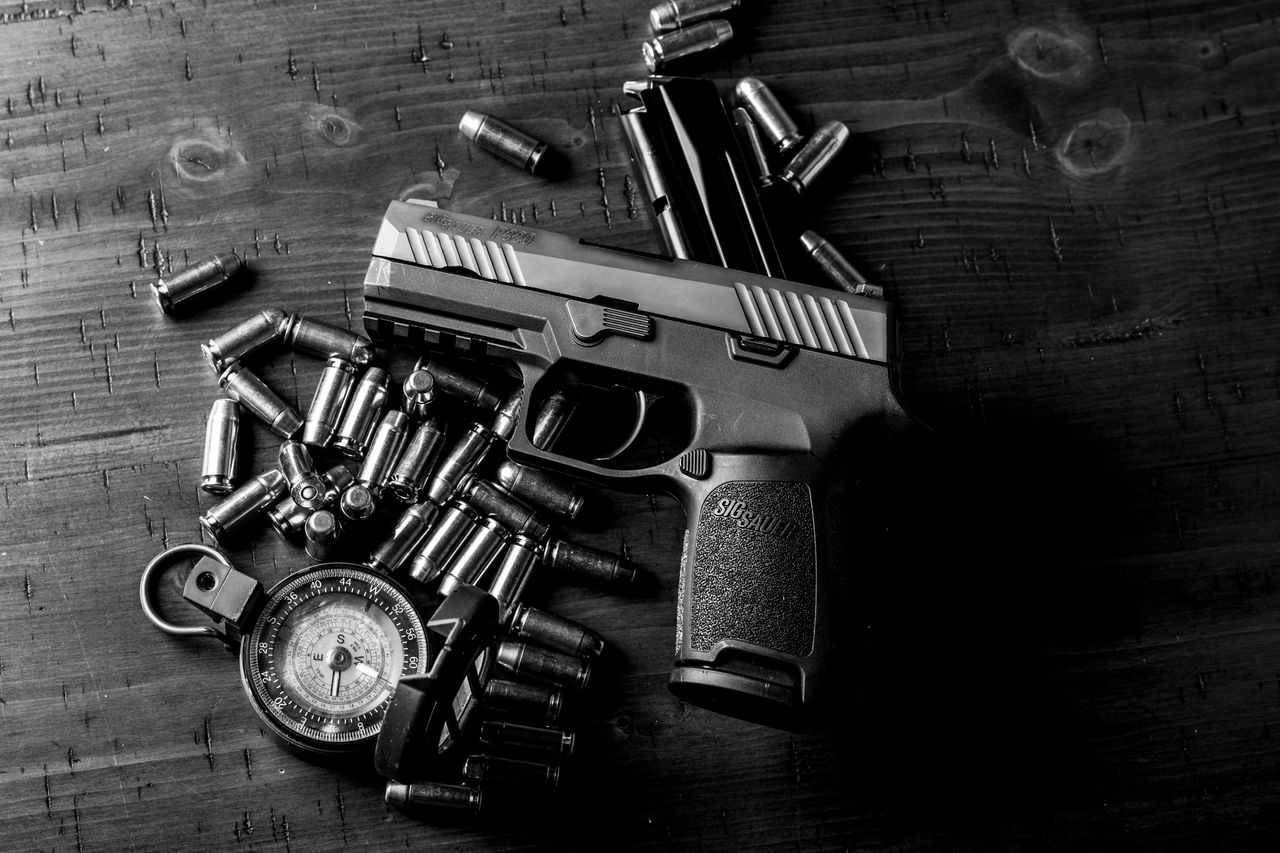
Concealed-carry handguns used to force a frustrating compromise: slim and easy to hide, or higher capacity and easier to shoot. Then the SIG P365 arrived and scrambled the category almost overnight. Its real achievement was not just being popular, but solving a string of long-standing carry-gun problems that competitors had accepted for years.
It made high capacity feel normal in a tiny pistol

Before the P365, many buyers expected a very small carry gun to come with a very limited magazine. That tradeoff had been baked into the market for so long that most shooters treated it as unavoidable.
SIG changed the conversation by fitting serious capacity into a truly compact footprint. Suddenly, people were no longer comparing tiny guns only by thickness and weight. They were asking a much sharper question: why should a gun this small hold so little?
That shift mattered because it reset consumer expectations. The P365 did not just offer more rounds. It made older capacity standards look outdated almost overnight.
It proved that a micro-compact could still be shootable

A lot of pocket-sized and subcompact pistols earned a reputation for being snappy, cramped, and unpleasant during longer range sessions. They were easy to carry, but not always easy to practice with, and that is a major difference.
The P365 stood out because it delivered a more confidence-building shooting experience than many people expected from something so small. The grip geometry, trigger reach, and overall balance helped make the gun feel less like a compromise piece and more like a serious everyday tool.
That changed how buyers thought about training. A carry gun no longer had to be tolerated. It could be small enough to hide and still enjoyable enough to shoot regularly.
It squeezed full-featured thinking into a slim carry package
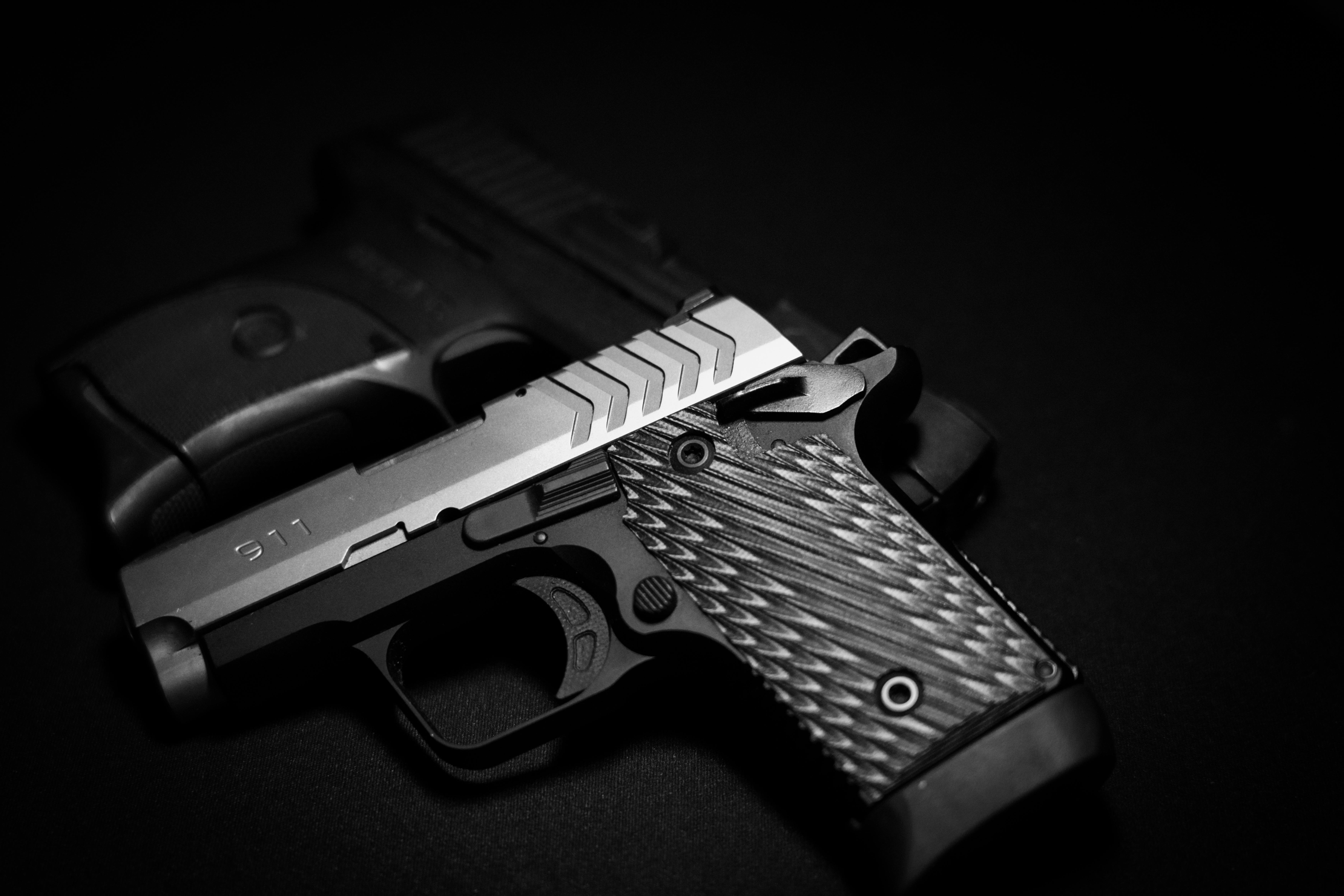
Older concealed-carry handguns often felt stripped down by design. If you wanted a tiny pistol, you were expected to accept minimal sights, limited grip options, and a basic feature set that lagged behind larger guns.
The P365 helped erase that line. It arrived with the kind of modern thinking buyers were used to seeing on duty-size and compact pistols, not on something that disappeared inside a waistband holster.
That mattered because people do not want to downgrade just because they are carrying discreetly. The P365 treated the concealed-carry buyer like someone who deserved current features, not leftovers from an earlier design era.
It pushed the industry toward better factory sites

For years, many small carry pistols shipped with sights that were merely acceptable. They worked, technically, but few owners described them as a selling point. On a defensive handgun, that always felt like a strange corner to cut.
The P365 raised the bar by showing that even a tiny carry gun could arrive with sighting equipment that felt genuinely useful right out of the box. Buyers noticed, and once they noticed, they became less willing to settle for generic placeholders.
This kind of improvement does not always grab headlines like magazine capacity does. But in practice, stronger factory sights made the gun easier to trust, easier to learn, and easier to recommend.
It turned modularity into a real concealed-carry advantage

One of the smartest things about the P365 platform was how quickly it grew beyond a single gun. What began as one highly disruptive model evolved into a family with different grip lengths, slide options, and configurations for different hands and carry styles.
That flexibility gave buyers room to adapt without abandoning the platform. Someone could start with a base model, then move toward a version better suited for easier control, deeper concealment, or optics readiness.
Many earlier carry pistols felt like one-and-done purchases. The P365 made the category feel more customizable, and that encouraged other manufacturers to think in terms of systems instead of isolated models.
It made optics-ready carry guns feel inevitable
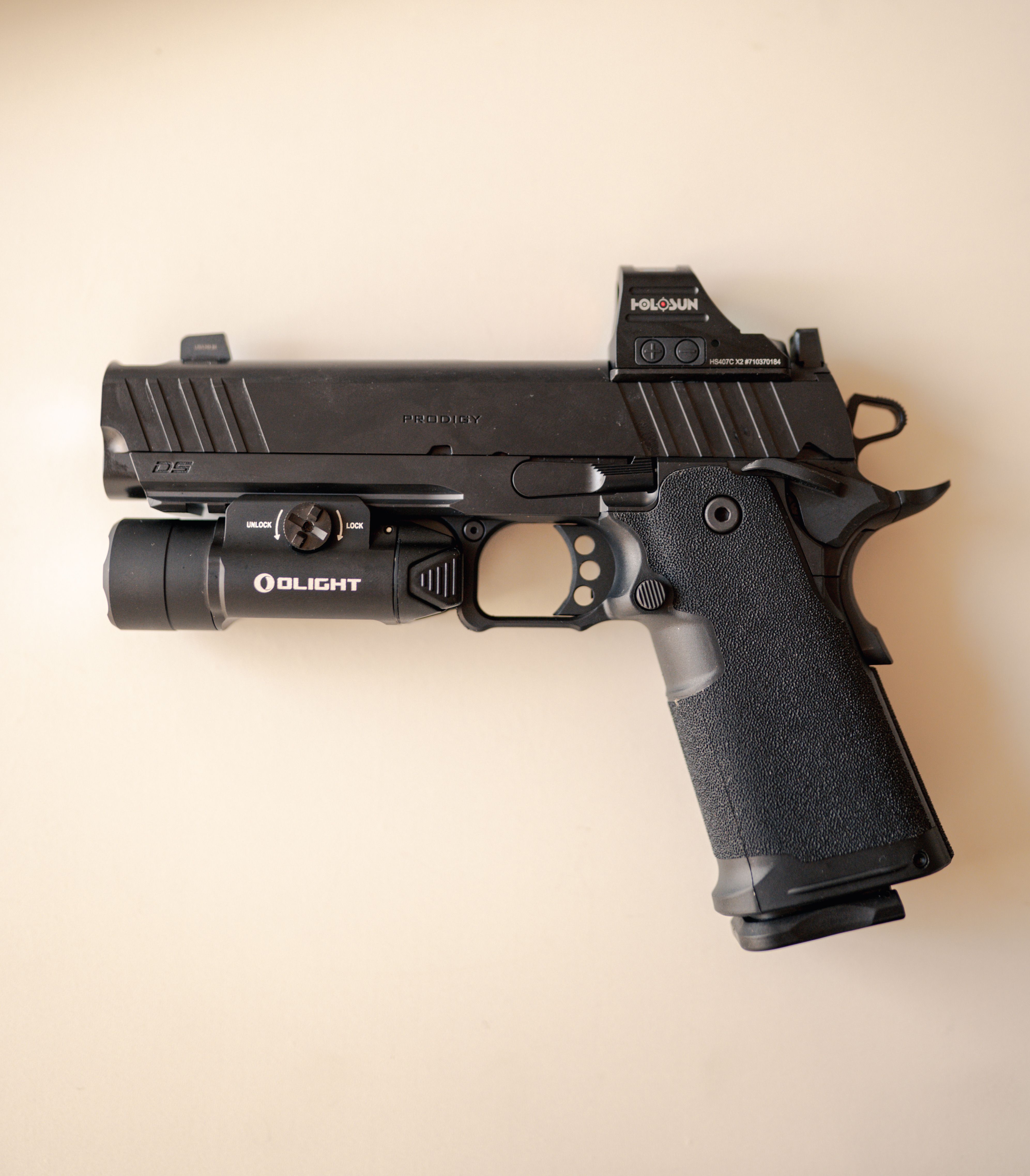
There was a time when slide-mounted red dots still seemed like an enthusiast niche, especially on very small pistols. Plenty of people liked the idea, but the market had not fully embraced optics on guns meant for daily concealment.
The P365 family helped normalize that future. As optics-ready variants appeared and gained traction, the idea of carrying a tiny pistol with a dot stopped sounding excessive and started sounding practical.
That was a bigger change than it first appeared. Once consumers saw modern carry guns as optics-capable by default, competing brands had little choice but to accelerate their own plans and catch up.
It showed that concealment and confidence did not have to conflict
Many small defensive handguns are used to ask owners to accept a subtle psychological compromise. Yes, the gun disappeared under light clothing, but it could also feel like a last-resort option compared with a larger pistol left at home.
The P365 helped close that confidence gap. Its capacity, handling, and feature set made it feel less like a backup and more like a primary carry choice, which is exactly what many people wanted all along.
That emotional shift is easy to underestimate. A carry gun that inspires confidence is more likely to be trained with, carried consistently, and trusted when decisions actually matter.
It forced rivals to redesign instead of refreshing
The firearms world is full of incremental updates that sound bigger in marketing than they look on the range. New textures, revised serrations, and slightly better triggers often arrive as careful refinements, not true category resets.
The P365 was different because competitors could not answer it with cosmetic tweaks alone. To stay relevant, they needed to revisit dimensions, magazine design, ergonomics, and the entire value proposition of the micro-compact carry gun.
That pressure produced one of the most noticeable innovation waves in the concealed-carry market. In that sense, the P365’s success was not just measured in sales, but in the scramble it triggered across the industry.
It made everyday carry more accessible to more people
A gun can be impressive on paper and still fail in daily life if it is too bulky, too heavy, or too unpleasant for consistent carry. That gap between ownership and actual carry has always been one of the concealed-carry world’s biggest problems.
The P365 hit a rare sweet spot. It offered enough capability to satisfy experienced shooters while staying manageable for newer buyers who wanted something easier to live with from morning to night.
That broad appeal helped expand the audience for serious concealed carry. The pistol was not merely successful among enthusiasts. It also welcomed people who had been waiting for a more practical answer.