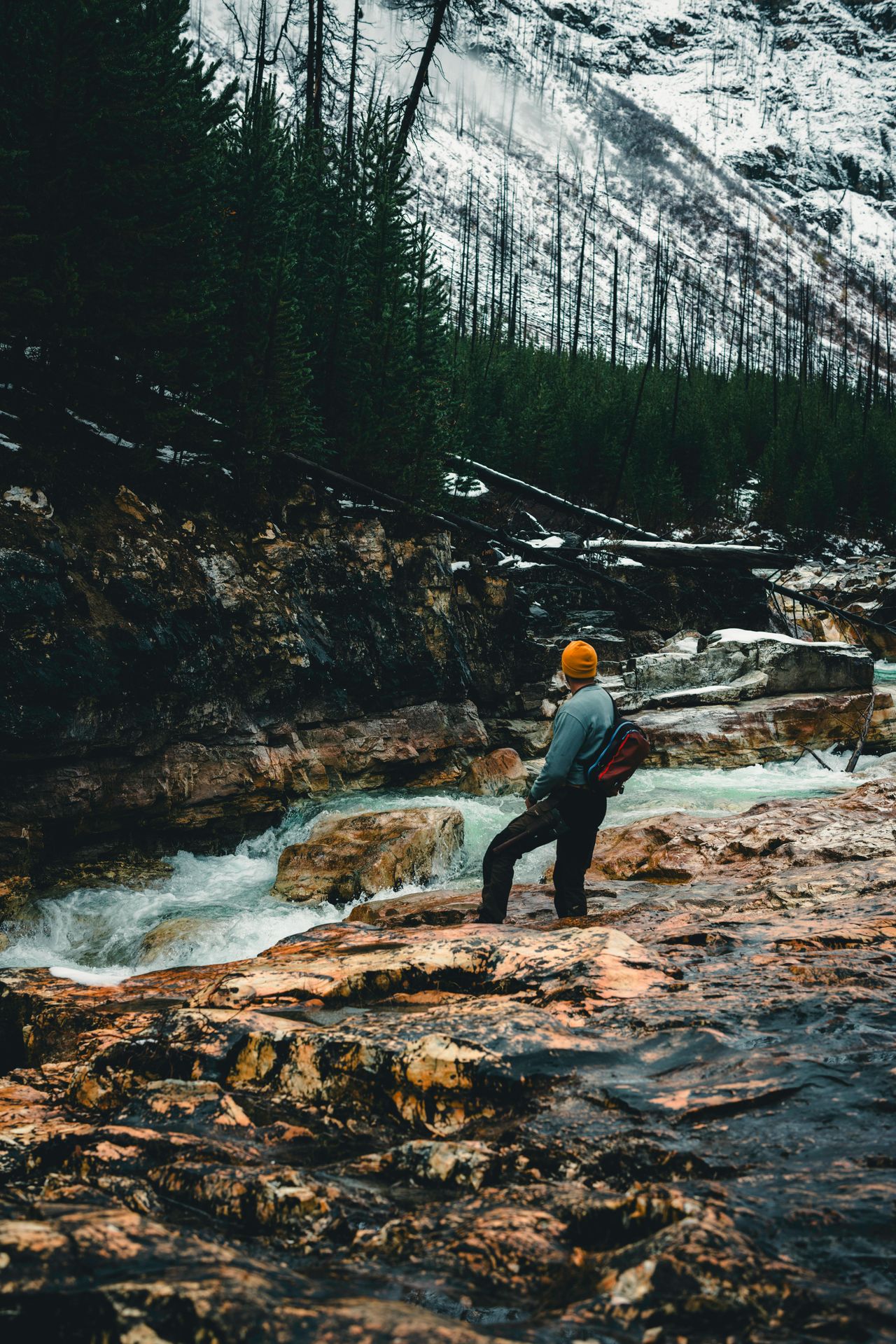
A river crossing can look harmless from the bank, shallow, clear, even gentle enough to lull seasoned hikers into a bad decision. But across the United States, deceptively manageable rivers and creeks have swept away strong backpackers, climbers, and trail veterans in a matter of seconds. These waterways are reminders that moving water is often far more dangerous than it appears.
Virgin River, Utah

At first glance, the Virgin River can seem surprisingly manageable, especially in broad, shallow stretches around Zion. The water is often clear, the banks look accessible, and experienced hikers may assume a careful crossing is routine. That illusion has contributed to tragic outcomes when current, depth, and footing change faster than people expect.
Flash flood conditions make this river especially dangerous. Even when skies above Zion look calm, storms miles away can send a wall of water and debris downstream with little warning. In narrow canyon sections, the river becomes a powerful conveyor belt, and hikers who know the outdoors well have still been overwhelmed by its speed and force.
Merced River, California

The Merced River draws visitors in with polished granite banks, postcard scenery, and stretches that look almost inviting on warm days. In Yosemite Valley, some areas appear calm enough to wade, especially when the surface seems glassy near shore. That visual calm hides cold water, slippery rock, and strong hydraulics that can knock down even fit, experienced hikers.
Spring snowmelt turns the Merced into a different river entirely. What feels knee-deep at one step can suddenly deepen, and the current can pin a person against boulders or pull them downstream instantly. Park officials have long warned that people underestimate this river because it looks so familiar and so beautiful.
Kings River, California

In the Sierra Nevada, the Kings River can appear like a classic backcountry ford — broad, scenic, and shallow at the edges. For backpackers moving through open terrain, that first impression can be dangerously reassuring. The river has a long reputation for catching out people who believed experience and balance would be enough.
Snowmelt is the real game-changer here. Flow can increase dramatically during warm afternoons, turning a morning crossing into an impossible one by midday. Strong hikers have been swept off their feet in water that did not look especially dramatic from shore, proving that depth alone is not what makes a crossing deadly.
Tuolumne River, California
The Tuolumne River often fools people because parts of it move with a steady, unhurried look. In alpine meadows and polished granite country, the setting feels open and readable, as if hazards should be obvious. But the river has claimed skilled hikers who misjudged current strength, slick submerged rock, and the way cold water robs muscle control.
One of the biggest dangers is how quickly a stable stance disappears. A single slip can put someone sideways into fast water, where recovery becomes extremely difficult. In high runoff, channels that seem straightforward from a distance can hide deeper slots and stronger push than even experienced Sierra hikers anticipate.
Big Sandy River, Wyoming

Near the Wind River Range, the Big Sandy River can look like a simple obstacle between a trailhead and big mountain country. It is often approached by strong backpackers and climbers who are used to rough terrain and self-reliance. That confidence can become a liability when a crossing seems straightforward but is actually powered by cold runoff and unstable footing.
Early-season conditions are especially risky. Snowmelt can swell the river beyond what maps, memories, or previous trips suggest, and braided channels can disguise where the strongest flow sits. More than one experienced hiker has discovered too late that a crossing that looked routine from shore was anything but routine in the water.
Teklanika River, Alaska

The Teklanika River is one of the clearest examples of a river that looks crossable until you are in it. Its broad, braided shape can create the false impression that the water is spread thin and therefore manageable. In reality, icy currents, shifting channels, and glacial runoff have made it deadly even for determined, physically capable travelers.
The river is infamous in Alaska travel lore for exactly this reason. What appears to be a set of shallow braids can conceal a forceful main channel that changes with weather and melt conditions. Once balance is lost in near-freezing water, strength drains quickly, and a crossing can turn catastrophic with almost no margin for correction.
Drowning Fork, North Carolina

Despite its ominous name, Drowning Fork can still appear harmless in sections, especially when water levels are moderate, and the stream seems neatly contained. In the Smokies, experienced hikers often encounter many creeks and fords, which can make this one feel like just another backcountry crossing. That familiarity is exactly what can lower caution.
Heavy rain transforms Appalachian streams with startling speed. Current intensifies, rocks turn slick as soap, and narrow channels become far more forceful than their width suggests. Hikers who know the region well have still been caught out by the way these mountain waters rise and accelerate, making a short crossing suddenly impossible.
Chattooga River, Georgia and South Carolina
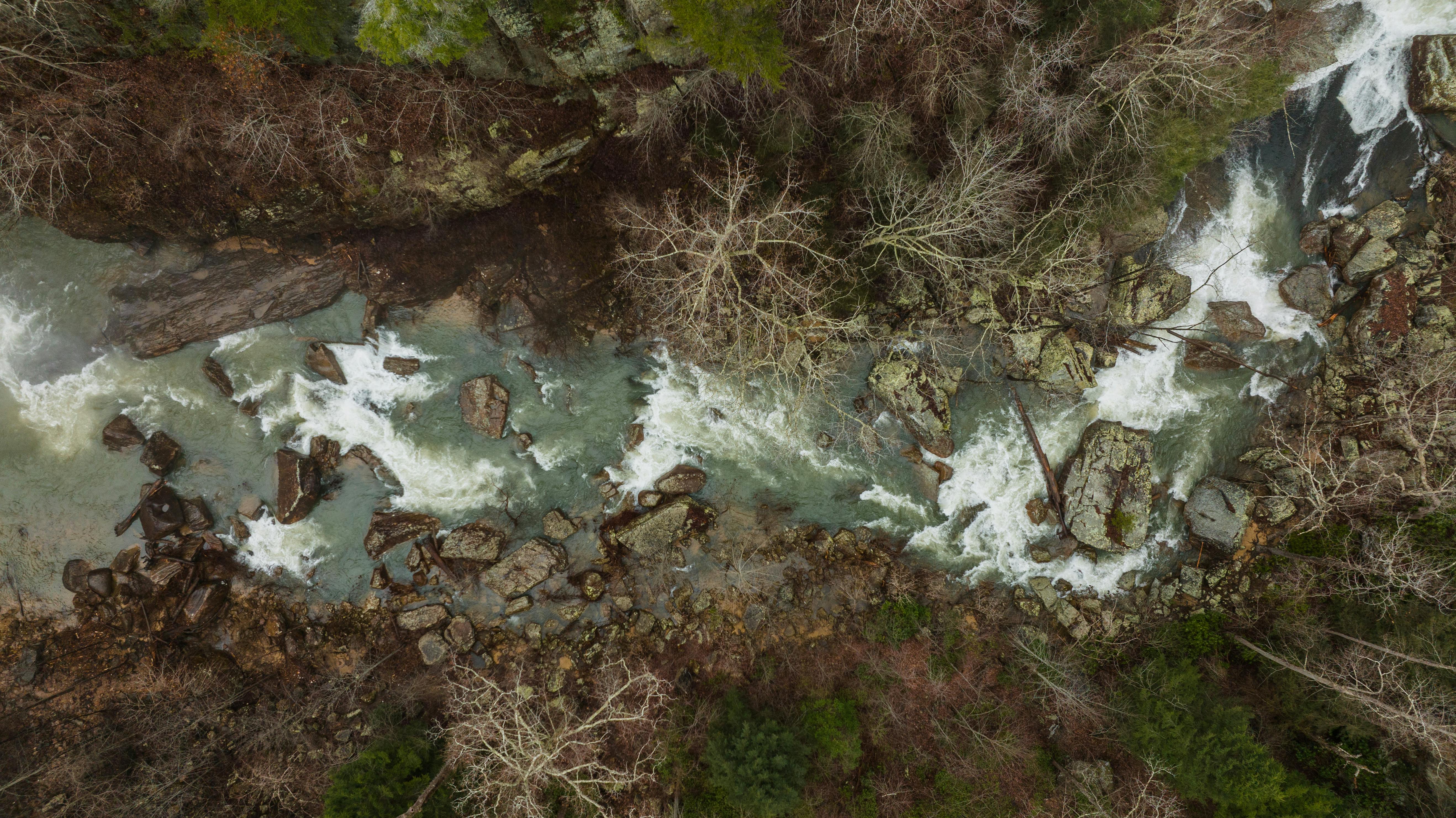
The Chattooga is celebrated for whitewater, but some stretches can look deceptively approachable from the bank, particularly where access trails meet flatter sections. For hikers and anglers, that visual pause in the rapids can suggest a safe place to step in or cross. The river has repeatedly shown how misleading that assumption can be.
Current on the Chattooga is powerful, cold, and complex. Seemingly calm margins can feed directly into stronger tongues of water, and uneven rock makes stable footing difficult from the first step. Even outdoorsy, water-savvy people have been pulled into trouble here because the river does not need to look violent to be extremely dangerous.
Colorado River in Grand Canyon Side Streams
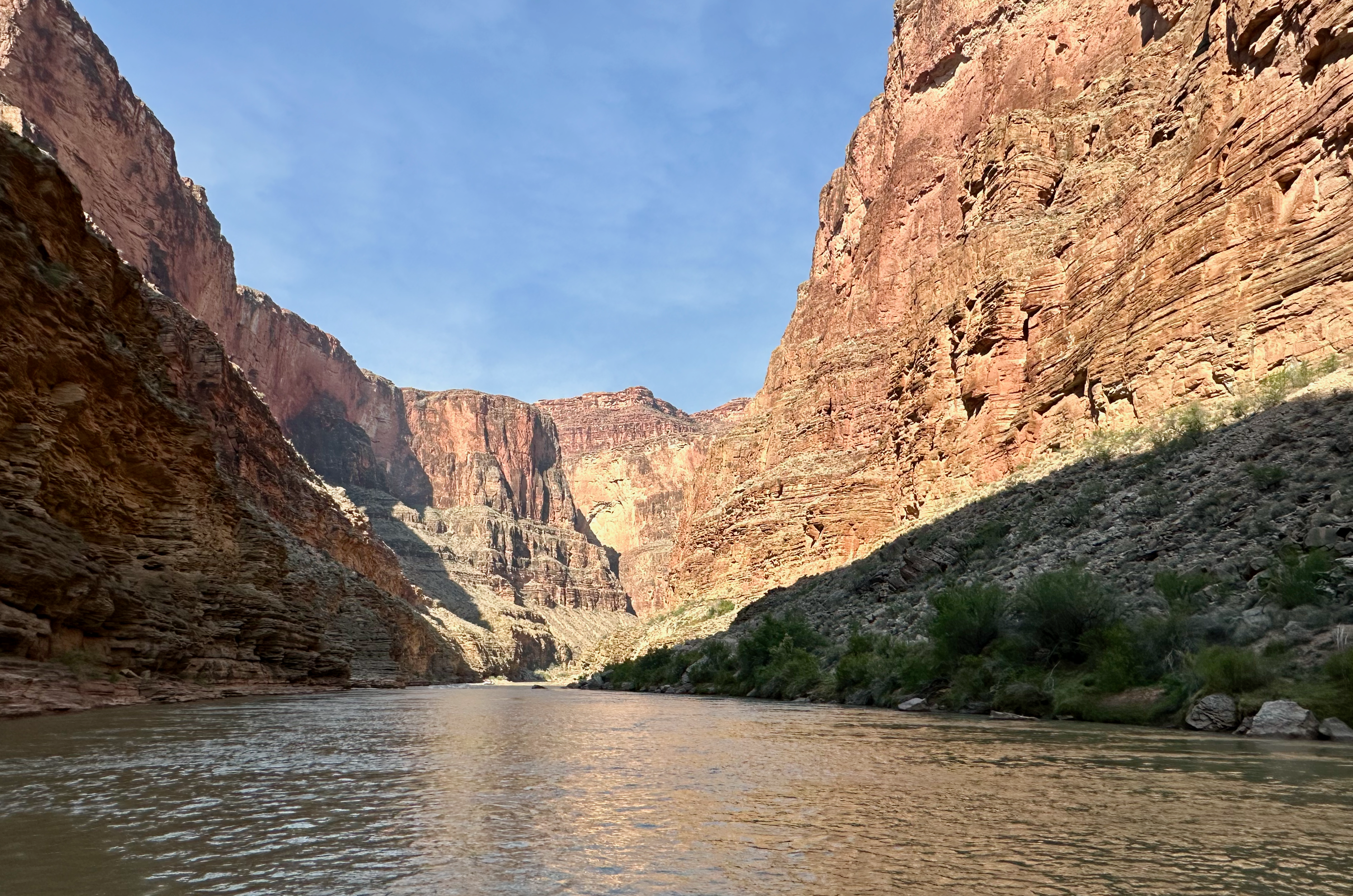
In Grand Canyon country, hikers are often endangered not only by the main Colorado but by side streams and tributary crossings feeding into it. These waters can look tame compared with the canyon’s giant scale, which creates a dangerous psychological mismatch. If the river appears modest against all that rock, people may downplay what moving water is capable of.
Seasonal floods, silted footing, and abrupt current changes make these crossings especially unpredictable. Experienced desert hikers sometimes focus on heat and route-finding, only to get surprised by water hazards that seem secondary until they are not. In canyon terrain, a creek that looks easy can become the most consequential decision of the day.