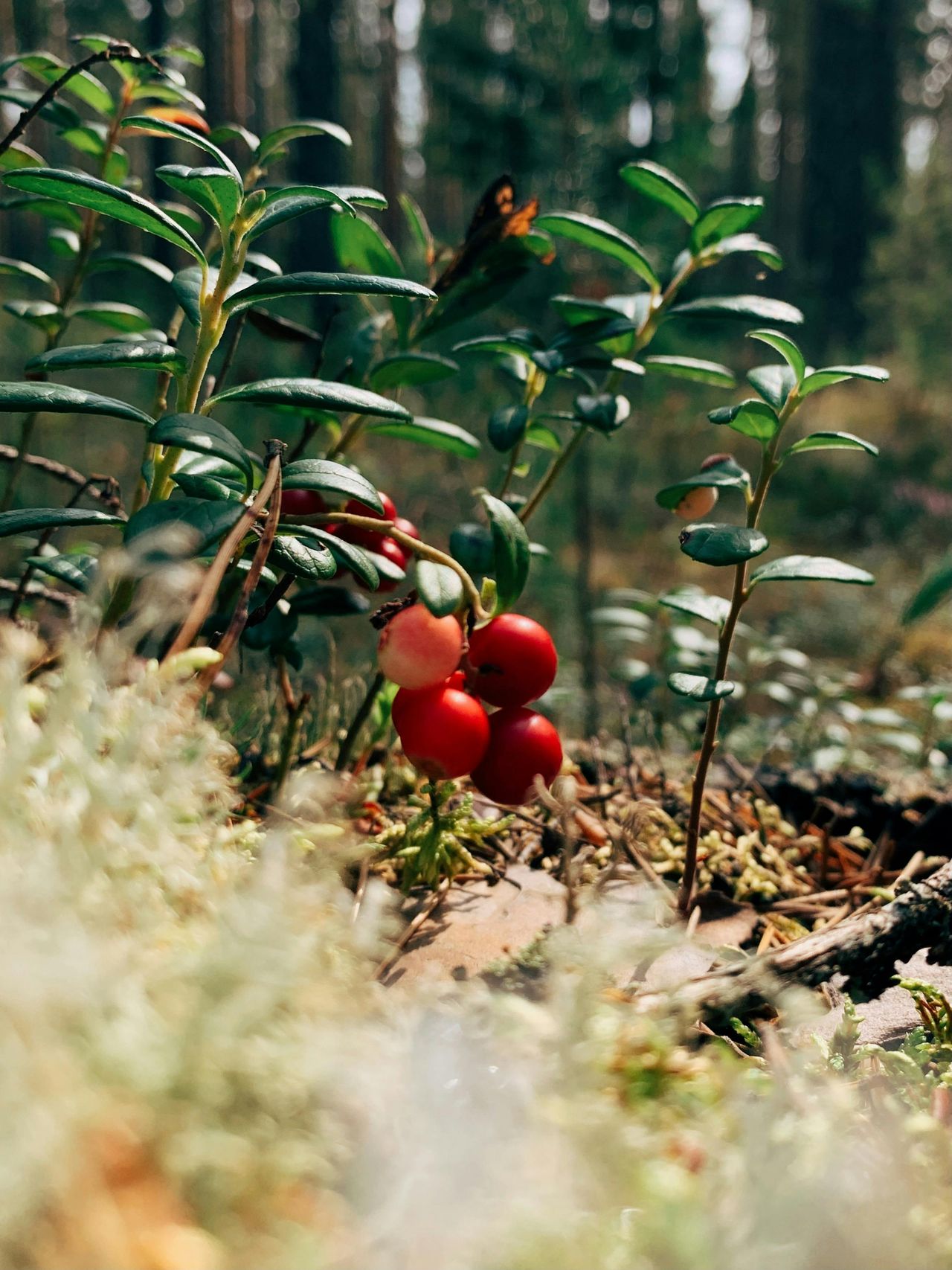
A ripe, glossy berry can look harmless, especially when it resembles something sold at a farmers market or picked from a backyard patch. But some wild fruits are expert impostors, and every year they lead to poison center calls, severe stomach distress, heart symptoms, and emergency room visits. This gallery highlights 12 berries that are often confused with safe ones, along with the warning signs that matter most.
Pokeweed berries
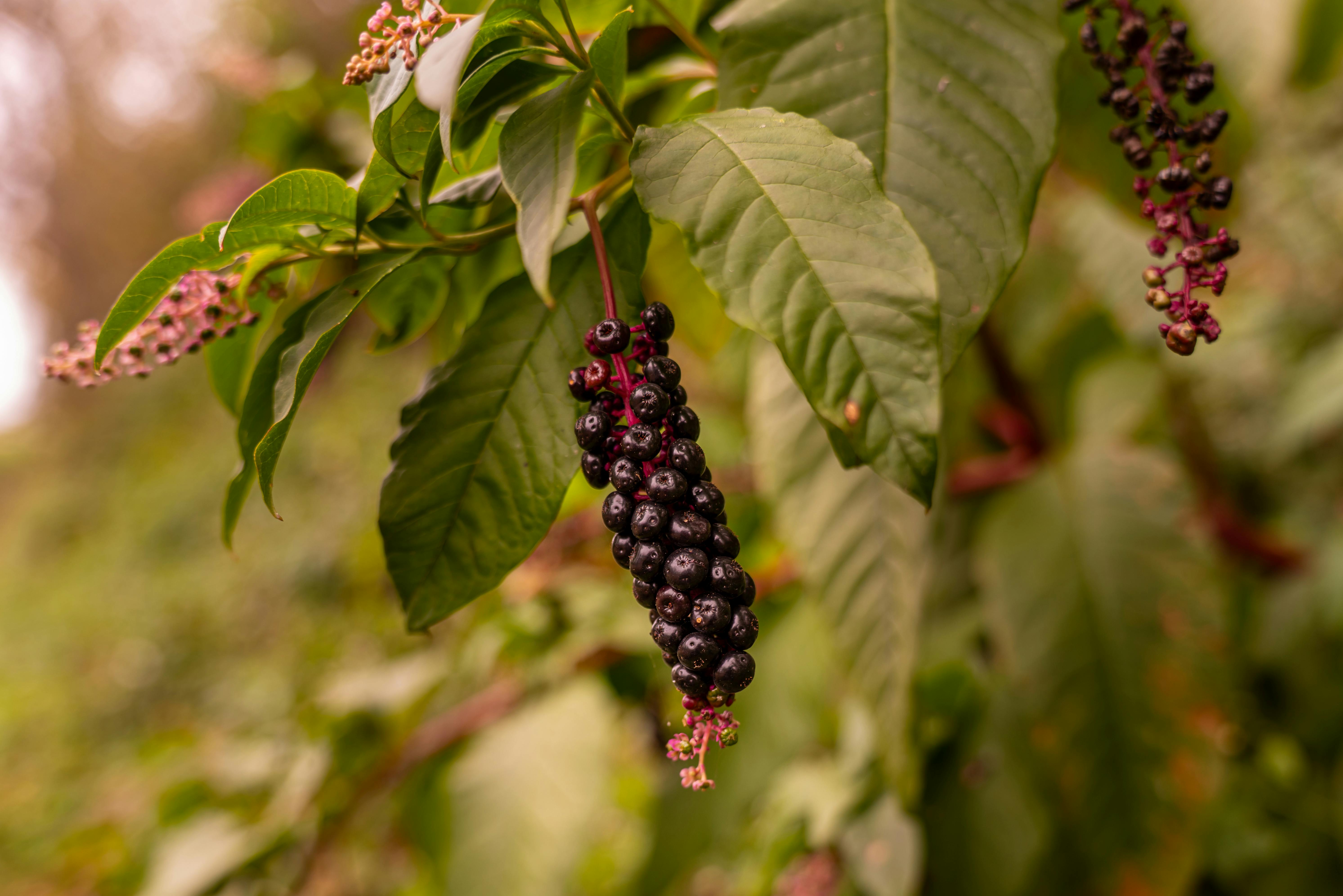
Pokeweed produces clusters of deep purple berries that can look surprisingly similar to elderberries or dark ornamental grapes at a glance. The stems often turn vivid pink or magenta, which is one of the easiest clues that this is not a snack for the trail.
The entire plant is considered toxic, and the berries have sent children and careless foragers to the emergency room with vomiting, diarrhea, and dehydration. Even when people have heard that parts of pokeweed were once cooked traditionally, that does not make casual backyard tasting safe. Misidentification is where trouble starts, and with this plant, trouble can escalate fast.
Deadly nightshade berries

Deadly nightshade has shiny black berries that can resemble small cherries or dark wild fruits, especially to children drawn in by their glossy surface. The berries sit singly rather than in big bunches, framed by star-like green sepals that are easy to miss if you are not looking carefully.
This plant contains potent tropane alkaloids, and even a few berries can cause confusion, dilated pupils, rapid heartbeat, hallucinations, and dangerous changes in body temperature. Emergency physicians take suspected ingestion seriously because the symptoms can spiral quickly. It is one of the clearest examples of why visual similarity is never enough when it comes to berries found in the wild.
Bittersweet nightshade berries
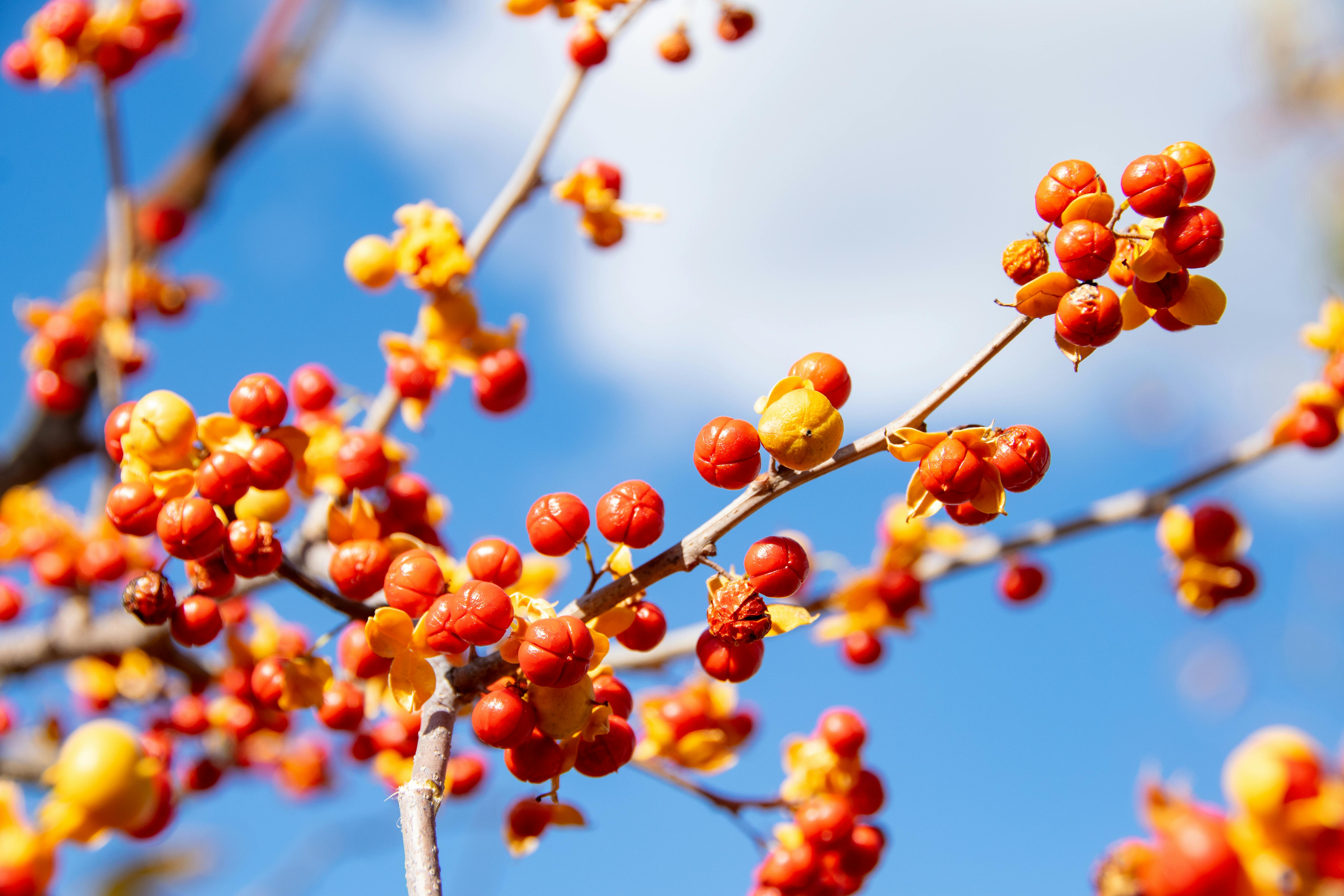
Bittersweet nightshade starts with green berries that ripen to bright red, making it easy to confuse with currants, small cherry tomatoes, or decorative edible-looking garden fruits. Its purple flowers with yellow centers are a better clue than the berries themselves, but most people notice the fruit first.
Eating the berries can trigger nausea, stomach cramps, vomiting, and drowsiness, especially in children or pets. Because the plant often grows along fences, brushy edges, and neglected yards, accidental exposure is common in everyday places, not just remote woods. The berries may look tidy and familiar, but the chemistry behind them is anything but harmless.
Moonseed berries

Moonseed is one of the most notorious grape look-alikes in North America. Its dark blue fruits grow in small clusters like wild grapes, and both are vining plants, which makes mix-ups especially easy when someone is collecting fruit quickly along a wooded edge.
The giveaway is inside the berry. Wild grapes have several teardrop-shaped seeds, while moonseed has a single crescent-shaped seed, a detail foragers stress again and again. Ingestion can cause abdominal pain, diarrhea, and more serious toxic effects depending on the amount eaten. When a berry resembles a grape but comes from an unfamiliar vine, that is exactly when caution should take over.
Virginia creeper berries
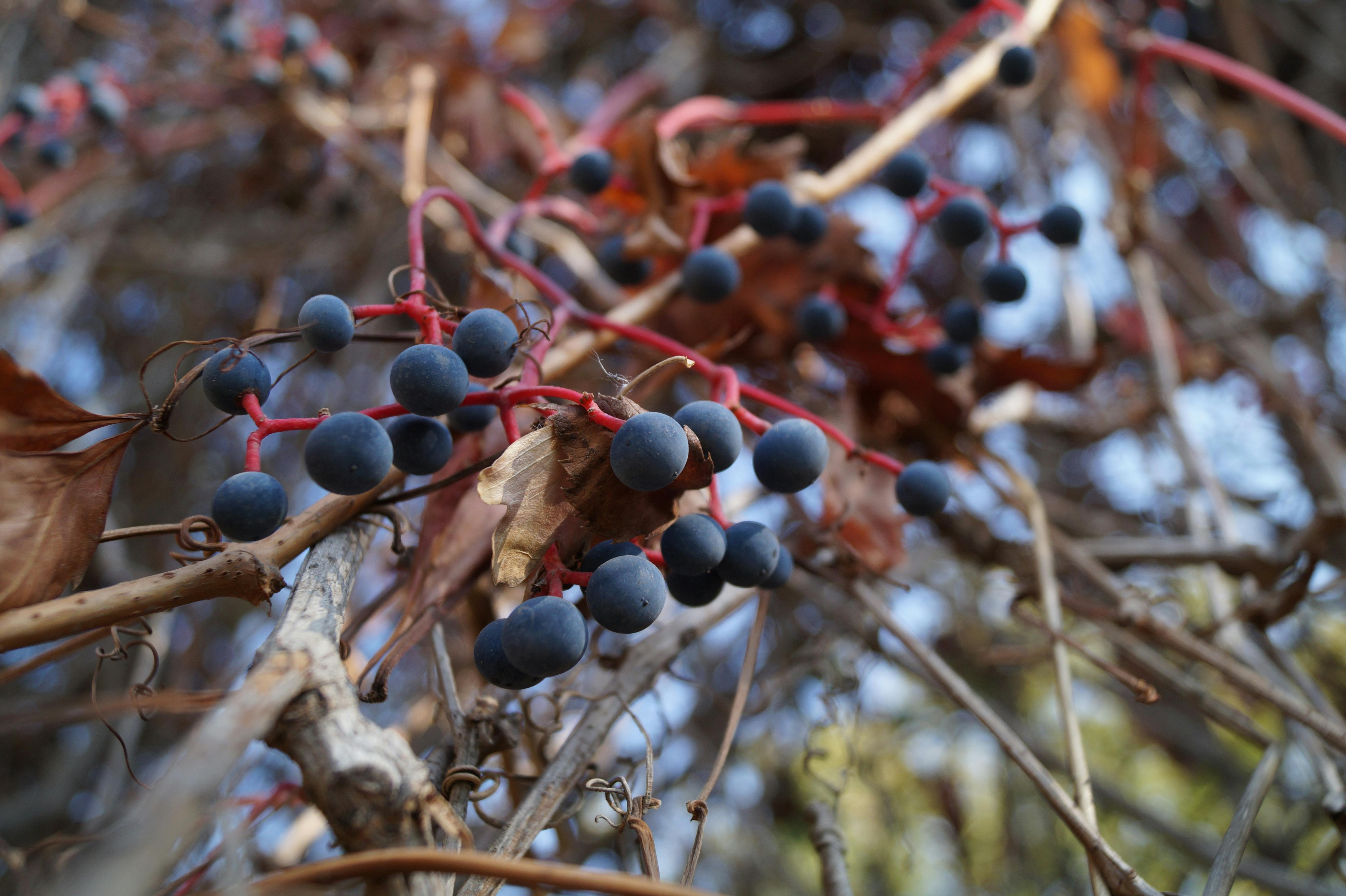
Virginia creeper is famous for its five-part leaves and its ability to cover fences and walls, but its berries get less attention until someone mistakes them for tiny wild grapes. The fruits are blue to blue-black and hang in loose clusters, which is enough to fool the untrained eye.
These berries contain irritating compounds that can cause stomach upset, and the plant’s sap may also irritate skin in sensitive people. That combination makes it an unpleasant surprise for anyone who assumes a climbing vine with dark fruit must be edible. It is common, decorative, and easy to overlook, which is exactly why it turns up so often in poisoning warnings.
Yew berries

Yew produces bright red, cup-like berries that can look festive and almost candy-like, especially in landscaped areas where children may encounter them. The soft red flesh is not the most dangerous part. The seed inside is highly toxic, and chewing it can release compounds that affect the heart.
Poisonings are medical emergencies because yew toxins can cause dizziness, vomiting, slowed pulse, dangerous arrhythmias, and sudden collapse. The plant’s evergreen needles and ornamental use make it feel familiar, which lowers people’s guard. But familiarity is not safety. A berry from a common yard shrub can be just as serious as anything growing deep in the woods.
Holly berries

Holly berries are classic holiday decorations, but their bright red color also makes them tempting to curious children and pets. Because holly is so familiar in wreaths, landscaping, and seasonal displays, people sometimes forget that the berries are not meant for eating.
Swallowing several berries can lead to nausea, vomiting, diarrhea, and dehydration, which is why poison centers routinely field calls about them around the holidays. The danger is often less about looking like a specific safe berry and more about seeming decorative, cheerful, and harmless. That visual trust is part of the trap. In a home or yard setting, a little ignorance can still end in an ER visit.
Lantana berries

Lantana is prized for its colorful flower clusters, but the berries that follow can create a different kind of attention. Unripe berries are especially toxic, and even ripe dark fruits are not considered safe to eat, despite looking like tiny currants or garden berries.
Children are often drawn to lantana because the plant is common in warm-climate landscaping and public spaces. Ingestion can cause vomiting, diarrhea, weakness, and, in more serious cases, liver-related complications. Since the plant is sold widely and looks ornamental rather than threatening, people may assume the fruit is as benign as the flowers. That is a risky leap with this one.
Mistletoe berries

Mistletoe berries are pale, translucent, and almost pearl-like, which makes them look less dangerous than they are. Because mistletoe is tied to holiday tradition and romantic symbolism, many people know the plant by reputation without knowing that its berries and leaves can cause poisoning if eaten.
Symptoms may include stomach upset, slowed heart rate, blurred vision, and changes in blood pressure, depending on the species and amount involved. Serious outcomes are uncommon but possible, particularly with children. The larger lesson is simple. Plants that are woven into decorations and folklore still deserve the same caution as anything in a field guide. Beauty and tradition do not cancel out toxicity.
Daphne berries

Daphne shrubs produce striking red berries that can easily resemble small edible ornamental fruits. They often appear in tidy landscaping, where people may assume that anything planted close to a front walk or patio must be safe to touch or taste.
In reality, daphne berries are poisonous and can cause intense burning in the mouth, drooling, vomiting, and diarrhea. Even handling the plant may irritate skin in some people. What makes daphne especially deceptive is its polished, upscale garden presence. It does not look wild or menacing. It looks curated, expensive, and harmless, which is exactly why accidental ingestions continue to happen.
Spindle tree berries

Spindle tree, also called European spindle in some regions, has vividly colored fruits that split open to reveal bright orange seeds. To children, they can look like tiny toy berries or candy-like capsules, and that visual appeal is part of the danger.
Eating the berries can cause nausea, vomiting, abdominal pain, and diarrhea, with more serious effects reported after larger amounts. The plant’s dramatic pink and orange fruiting structures make it memorable in hedges and naturalized areas, but not in a good way for poison specialists. This is one of those cases where the berry’s theatrical appearance should be read as a warning sign, not an invitation.
Baneberry fruits
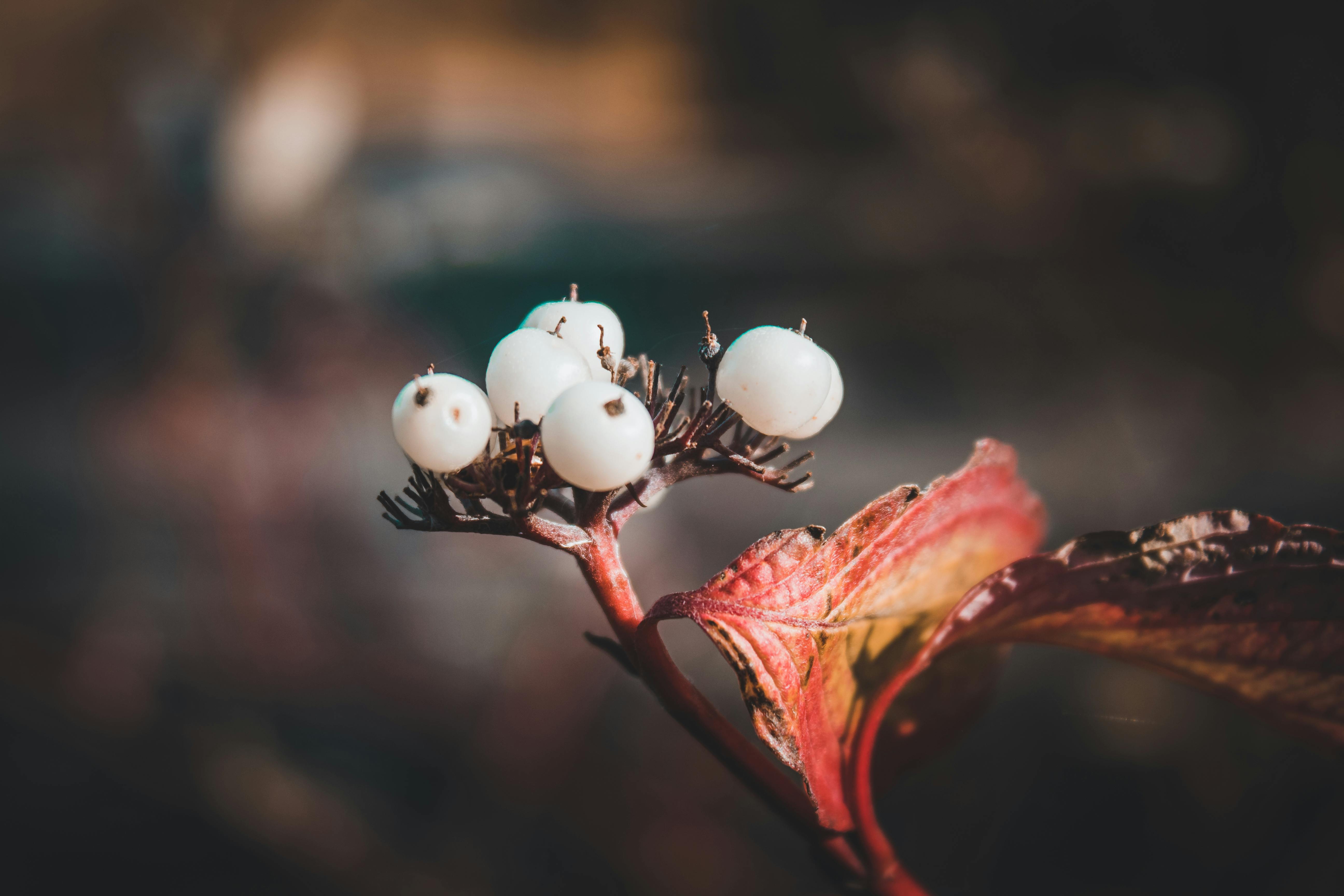
Baneberries come in red and white forms, and both can look oddly edible despite a name that practically waves a warning flag. White baneberry is especially unforgettable, with pale berries marked by a dark dot, giving them the nickname doll’s eyes. Red baneberry can be mistaken for currants by the inexperienced.
These plants contain cardiotoxic compounds and can cause severe stomach upset, dizziness, and dangerous symptoms if enough is eaten. They often grow in shaded woodland areas where foragers might expect to find other edible fruits. That setting creates false confidence. In the forest, a familiar berry shape is not proof of a safe meal. Sometimes it is exactly the opposite.