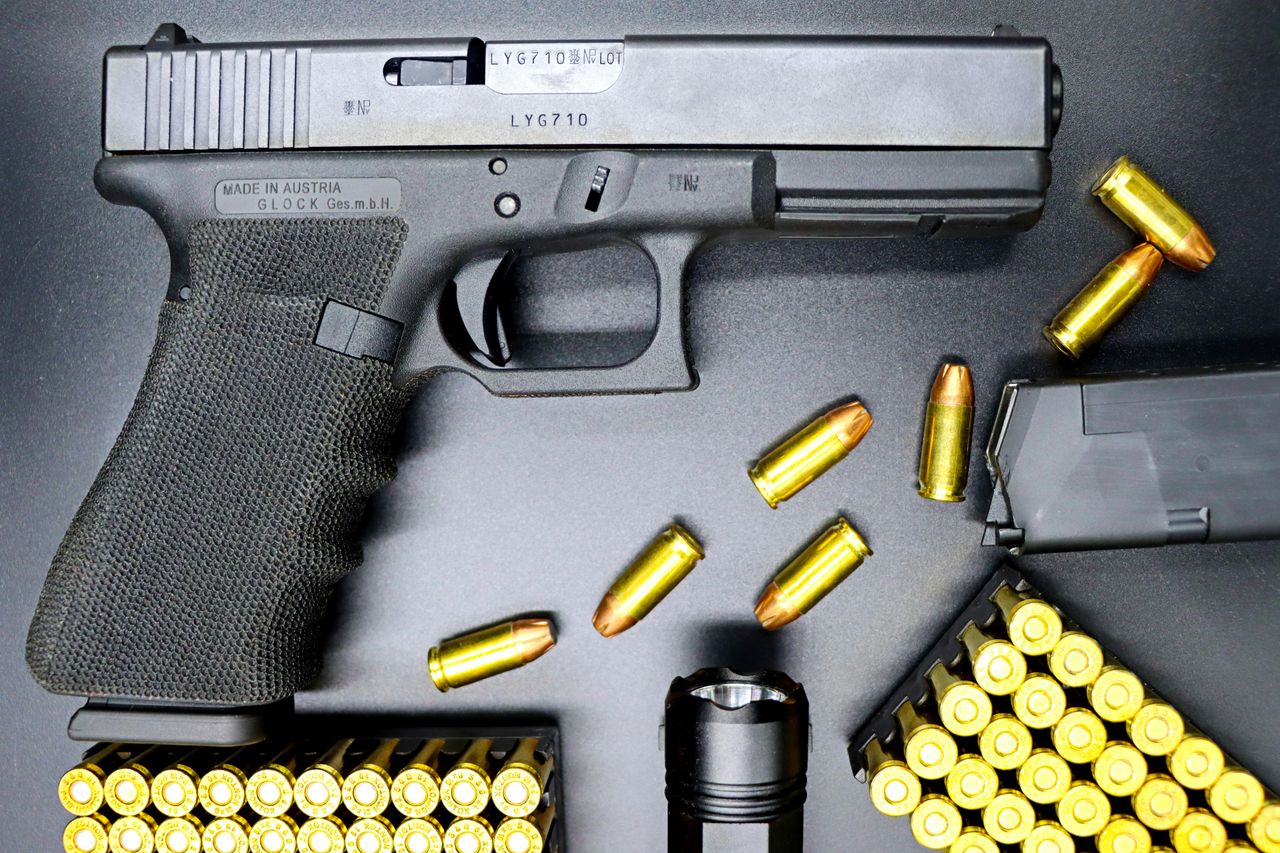
The Glock 26 has a loyal following for good reason. It is compact, dependable, and easy to recommend on paper. But after the first 500 rounds, many owners start noticing the little compromises that do not show up in first impressions, and those annoyances can add up fast.
The grip still feels too short

At first, the Glock 26’s abbreviated grip seems like a fair trade for easy concealment. It disappears under clothing, sits nicely in a holster, and feels purpose built for daily carry. Then a few hundred rounds later, that compactness starts feeling more like a compromise than a clever design choice.
Many owners find their pinky floating off the frame or constantly readjusting between strings. Even with magazine extensions, the gun can feel a bit busy in the hand during rapid fire. It is not that the pistol becomes unusable. It is that repeated range time makes the short grip impossible to ignore.
Recoil feels snappier than expected
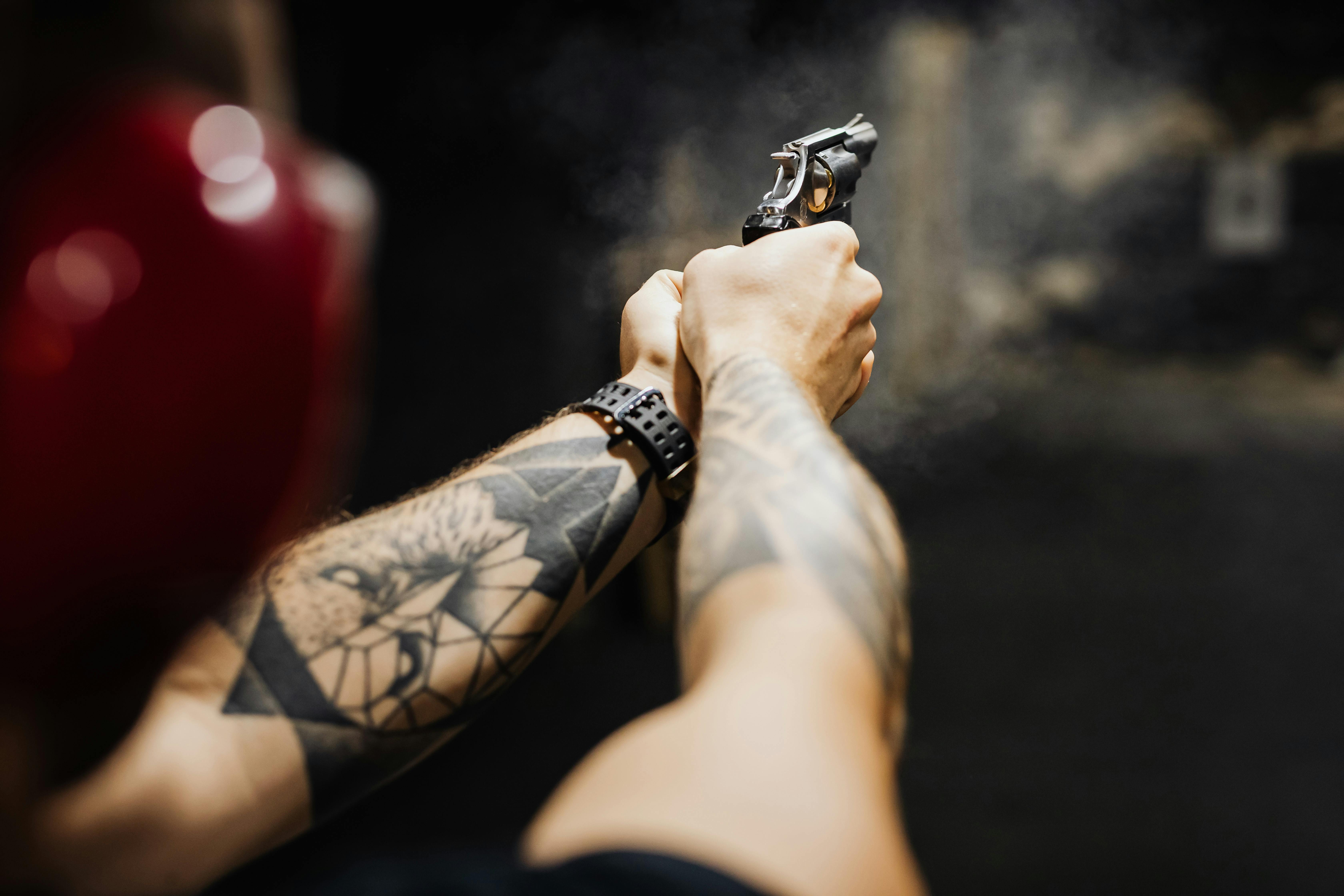
People often buy the Glock 26 expecting it to shoot like a smaller version of a duty pistol. In reality, once the round count climbs, its personality becomes clearer. The shorter frame and lighter weight can make recoil feel sharper than some owners anticipated, especially during longer practice sessions.
That snappy impulse is not necessarily harsh, but it can be tiring. Follow-up shots may demand more concentration, and newer shooters sometimes notice their groups opening up as fatigue sets in. After 500 rounds, the issue is less about one magazine feeling punchy and more about realizing the gun takes more work to run well than its reputation suggests.
The magazine capacity starts to feel dated

For years, the Glock 26’s capacity seemed like a solid middle ground. It was small, proven, and easy to carry, so the lower round count felt acceptable. But after spending time with newer micro-compacts on the market, many owners begin to question why they are carrying something this thick without getting a bigger payload.
That comparison gets harder to avoid after regular range use. Other pistols offer similar or better capacity in packages that feel just as concealable, and sometimes slimmer too. The Glock 26 still works, of course, but owners often reach a point where they wonder if they are accepting yesterday’s compromise in today’s crowded market.
It is thicker than many people remember

The Glock 26 is short, but it is not exactly slim. That difference can get lost in store-counter handling, where height tends to grab attention more than width. After 500 rounds and plenty of carrying, owners often realize the pistol’s chunkier profile affects comfort more than they first thought.
Inside the waistband, that extra thickness can print more than expected and press against the body in ways thinner guns do not. At the range, it may not seem like a major issue. In daily life, though, the bulk becomes one of those low-level annoyances that keeps showing up. Over time, some owners start asking whether the classic design is worth the extra girth.
The factory sights leave a lot to be desired

One of the most common complaints comes into focus once owners spend real time on the range. The standard sights are usable, but not exactly inspiring. After several hundred rounds, the basic setup can feel more like an entry-level placeholder than something people want to trust long term.
Some shooters dislike the sight picture, while others simply want something sturdier and easier to pick up under pressure. That usually means shopping for upgrades almost immediately, which adds cost to a pistol that was supposed to be practical right out of the box. The frustration is not that the sights are terrible. It is that so many owners feel compelled to replace them.
Accuracy takes more effort than expected

The Glock 26 is capable of solid accuracy, but many owners discover that getting the best from it requires more discipline than with a larger handgun. The shorter sight radius and smaller grip leave less room for sloppy technique. After 500 rounds, that lesson tends to become very clear.
This is where initial enthusiasm can cool a bit. A pistol that seemed easy to recommend suddenly feels more demanding during drills or extended practice. Shots can drift when grip pressure changes, and tiny trigger mistakes show up more dramatically on target. Owners are not always frustrated because the gun is inaccurate. They are frustrated because it asks more of them than they expected.
Reloads can feel awkward under pressure
On a calm range day, magazine changes with the Glock 26 may seem perfectly manageable. Once owners begin practicing reloads at speed, though, the smaller grip can become part of the problem. There is simply less frame to grab, less space to work with, and more chance of fumbling the sequence.
That awkwardness is especially noticeable for shooters with larger hands. The gun shifts around more during reloads, and seating a fresh magazine with confidence can take extra attention. None of this makes the pistol a failure. It just highlights a reality that regular use reveals quickly: smaller carry guns usually demand cleaner technique, and the Glock 26 is no exception.
Accessory support does not solve the core trade-offs

By the time owners hit 500 rounds, many have already started looking at fixes. Grip extensions, improved sights, aftermarket triggers, base plates, and different holsters all promise to smooth out the rough edges. That aftermarket ecosystem is one of Glock’s strengths, but it can also reveal a quieter truth.
The more parts people add, the more they sometimes realize they are trying to turn the Glock 26 into something it is not. A better sight set can help, and a pinky extension can improve control, but those upgrades do not erase the pistol’s fundamental size and handling compromises. For some owners, that becomes the most frustrating part of all.
Other carry guns start looking more appealing

This is often where the dissatisfaction finally comes together. After enough rounds, the Glock 26 usually has not failed in any dramatic way. Instead, it has steadily reminded the owner that dependable does not always mean delightful, especially when newer alternatives feel more tailored to modern carry preferences.
That realization can send people comparing specs, handling other models, and wondering whether they would buy the same pistol again today. The Glock 26 still earns respect for reliability and familiarity. But after the honeymoon phase ends, many owners admit they are not really frustrated by one flaw. They are frustrated by the growing sense that the market has moved on faster than this model has.
It remains useful, but less charming over time

The Glock 26 does a lot of things reasonably well, which is exactly why these frustrations can sneak up on people. It carries easily, runs reliably, and benefits from Glock’s deep parts and holster ecosystem. Yet after 500 rounds, owners often stop seeing it as a clever all-around choice and start seeing it as a set of compromises they have to manage.
That shift matters because long-term satisfaction is rarely about whether a pistol functions. It is about whether it continues to feel right after repeated practice and daily carry. For plenty of owners, the Glock 26 still gets the job done. It just stops feeling special once experience reveals everything they have been tolerating.