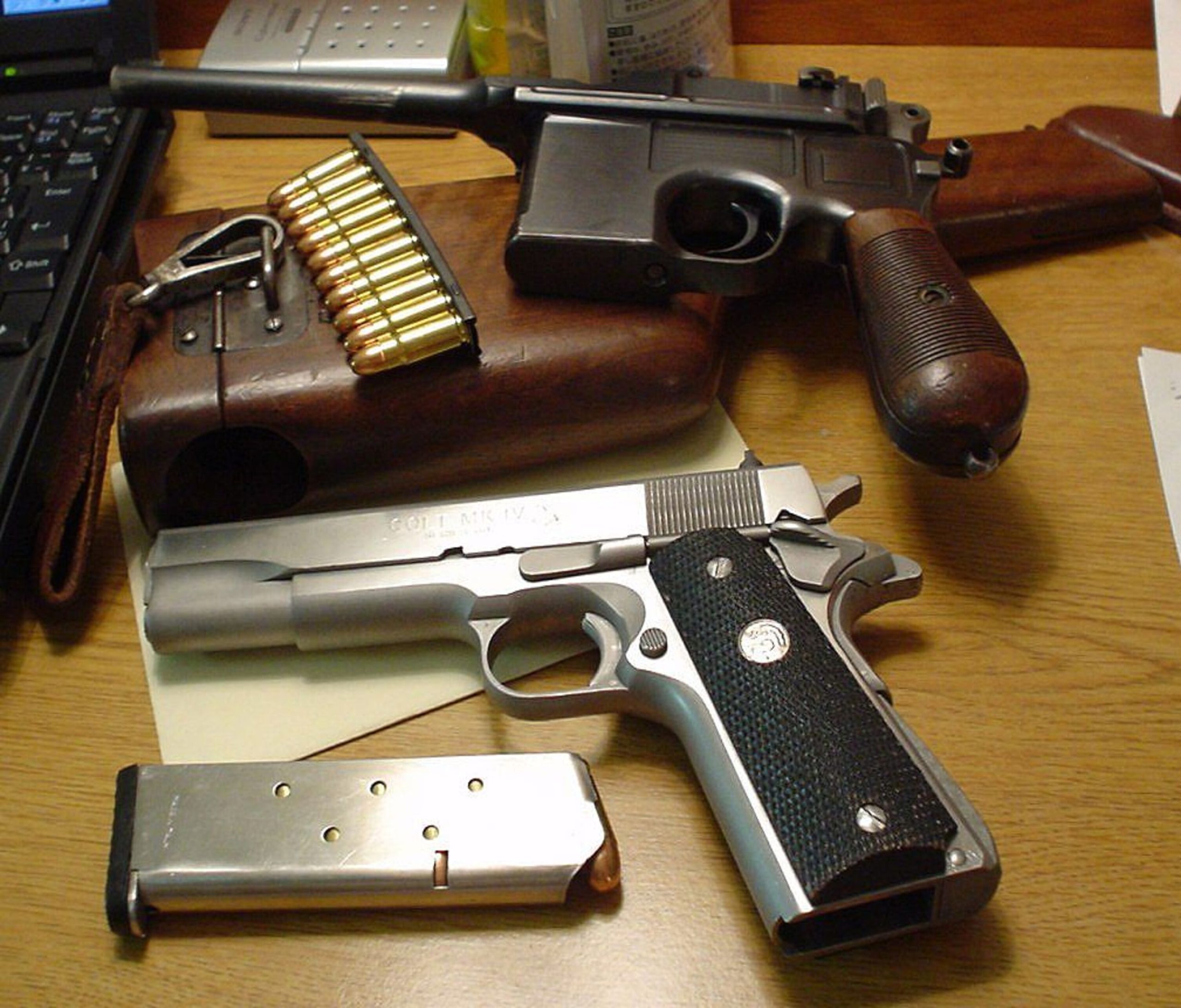
Some guns get headlines. The truly dependable ones usually just keep working.
That is exactly why many of the most reliable firearms never show up on a glossy top 10 list in the first place.
Reliability is boring, and list culture rewards excitement
Top 10 lists are built to attract attention, not to settle hard technical questions. They favor novelty, strong opinions, historical fame, and products with a dramatic story attached to them. A pistol that has run for 20 years with routine spring changes is impressive to armorers, but it is not always exciting to a casual reader scanning headlines.
Reliability, by contrast, is repetitive. It is about what happens on round 5,000, not round 50. It is about feeding mixed ammunition, tolerating dirt, surviving weak lubrication, and still passing function checks after hard use. Those are slow, unglamorous traits, and they do not lend themselves to dramatic ranking graphics or viral debate.
That mismatch matters because consumer media often confuses popularity with dependability. The firearm that dominates search traffic may simply be new, aggressively marketed, or controversial. Meanwhile, an old police trade-in pistol, a military surplus rifle, or a plain pump shotgun may have a stronger real-world record than half the guns people argue about online.
In many industries, durable products become invisible because they stop being news. Firearms are no different. When a platform has already proven itself across decades of duty use, the conversation moves on, even though the evidence for that platform may be stronger than for any recent release.
Real reliability takes years to prove, not a weekend range test

A common problem with rankings is that they compress time. A writer borrows or buys 10 guns, shoots a few hundred rounds, and calls the result a reliability comparison. That can reveal obvious flaws, but it cannot establish long-term trust. Mechanical systems often behave well early, then reveal weaknesses through wear, tolerance stacking, magazine issues, extractor fatigue, or sensitivity to fouling.
The firearms with the deepest reliability reputations usually earned them over institutional use. Think of service pistols that spent years on police duty belts, rifles fielded by armies in ugly environments, or pump shotguns that rode in patrol cars and duck blinds alike. Their reputations were built by thousands of users, armorers, and instructors across long periods, not by a single favorable test.
That is why names like Glock 17, Beretta 92, AK-pattern rifles, the AR-15 in mature mil-spec or duty-grade form, and the Remington 870 or Mossberg 500 families carry weight among experienced shooters. Not every example is perfect, and quality can vary by era or manufacturer. But the reason these platforms endure is simple: the evidence base behind them is enormous.
A new handgun may be excellent, and many are. Still, without years of field data, round-count reports, and broad maintenance history, confidence remains provisional. Reliability is less about first impressions than about surviving long enough to become ordinary.
The most dependable guns are often plain, heavy, or outdated-looking

List makers tend to reward sleek design, modularity, optics-ready slides, and current market buzz. The problem is that many highly reliable firearms look almost aggressively unremarkable. They may be heavier than modern buyers want, have fewer accessory options, or lack the styling cues associated with innovation. None of that prevents them from working when needed.
A full-size duty pistol is a perfect example. Compact carry guns dominate attention because they fit a broader consumer market, but larger pistols often run better across a wider range of ammunition and shooter input. They have longer slides, more forgiving timing, more grip area, and magazines designed with fewer compromises. Yet “most reliable” and “most desirable to the average buyer” are not always the same thing.
The same pattern appears in long guns. A basic fixed-stock rifle with standard controls and conservative gas tuning may outperform a more feature-packed setup over time. A plain pump shotgun with worn parkerizing may be more trustworthy than a tactical model loaded with add-ons, shell carriers, optics mounts, and furniture that increases weight and complexity.
People often rank what they would like to own, not what they would choose if maintenance, abuse tolerance, and function under stress were the only criteria. When reliability alone is the test, plainness becomes a virtue rather than a flaw.
Reputation gets distorted by brand marketing and internet myths
Firearm rankings rarely emerge from a vacuum. They are shaped by advertising, influencer culture, affiliate sales incentives, fan loyalty, and the echo chamber effect of repeated claims. Once a gun becomes the fashionable answer, many lists include it automatically. That does not mean it is unreliable; it means its placement may reflect momentum as much as evidence.
At the same time, some genuinely dependable firearms get ignored because they are associated with older buyers, institutional users, or previous generations. A used SIG Sauer P226, an older Smith & Wesson revolver, or a boring police-surplus pistol may not drive clicks the way a fresh launch does. Yet those firearms often come with decades of maintenance knowledge and established parts ecosystems.
Internet mythology can also oversimplify reliability into slogans. One platform becomes “flawless,” another becomes “junk,” and the nuance disappears. In reality, reliability depends on magazines, springs, ammunition pressure, lubrication, production era, user modifications, and whether the gun is being run within the role it was designed for.
Experienced instructors and armorers usually speak in a more measured way. They trust patterns, not marketing copy. They ask which generation, which magazines, what maintenance schedule, what duty history, and how many guns are represented in the sample. That careful approach does not translate neatly into a dramatic top 10 countdown.
True reliability lives in systems, not just the gun itself

One reason rankings miss dependable firearms is that they isolate the gun from the system around it. In practice, reliability is shared among the firearm, the magazine, the ammunition, the maintenance routine, and the user. A great pistol with poor magazines can look mediocre. A solid rifle fed inconsistent ammunition can be blamed for problems it did not create.
The classic example is the magazine-fed semi-automatic. Many stoppages that people attribute to a gun are actually magazine failures, weak springs, damaged feed lips, or follower issues. That is one reason old service pistols and rifles with mature support networks often remain dependable choices: good magazines, replacement parts, and armorer knowledge are easy to find.
A revolver offers a different lesson. It is often praised for reliability, and in many contexts that praise is justified. But when a revolver does go down, the problem can be more difficult to fix quickly than a simple semi-auto stoppage. Reliability is not just about how rarely a failure occurs; it is also about how recoverable common failures are under pressure.
This systems view helps explain why famous duty platforms endure. They are not merely strong designs. They are surrounded by known-good magazines, established maintenance intervals, armorers who understand them, and huge pools of real-world troubleshooting experience.
Military and police service records tell a deeper story than rankings do

If you want to know which firearms are truly reliable, institutional history often says more than lifestyle media. A service pistol or rifle adopted by a large agency does not become perfect overnight, and procurement can be messy. But widespread adoption creates a huge body of evidence about breakage rates, parts life, environmental performance, and user confidence.
That is why old duty guns keep resurfacing in serious conversations. The Glock family earned trust not through mystique but through relentless law-enforcement use. The Beretta 92 series proved itself in military service despite endless arguments about size and taste. The AK platform built its name in mud, dust, and indifferent maintenance, while the AR platform, once criticized, became exceptionally dependable when built to proper standards and fed quality magazines.
Shotguns offer similar case studies. The Mossberg 500 and Remington 870 became fixtures because they tolerated abuse, neglect, and hard field conditions across civilian, police, and military settings. Their records were not formed in controlled studio tests. They were earned in duck marshes, cruisers, training schools, and racks where guns often sat for months before being expected to work immediately.
Rankings can mention this history, but they rarely center it. Institutional proof is slower, less glamorous, and much harder to package than a fresh opinion about the newest release.
The guns that deserve trust are usually the ones nobody needs to defend
There is a simple pattern in the firearms world: the more a gun’s reliability must be argued in theory, the less established that reliability usually is in practice. Truly dependable firearms tend to inspire a quieter kind of respect. People who carry them, issue them, or maintain them do not need to make them sound revolutionary. They just describe what the gun has done over time.
That quiet confidence often belongs to mature designs with conservative engineering and giant data sets behind them. A duty-grade polymer striker-fired pistol, a proven service double-action auto, a quality AR built to known standards, an AK from a reputable source, or a pump shotgun from an established line may not win every popularity contest. But these are exactly the firearms that keep returning in serious use.
So when a top 10 list leaves out a workhorse, that omission should not surprise you. Lists reward attention. Reliability rewards patience, long observation, and the humility to trust what has already survived hard use in the hands of ordinary people.
The most reliable firearms often miss the rankings because they are no longer trying to impress anyone. They already passed the test that matters: time.