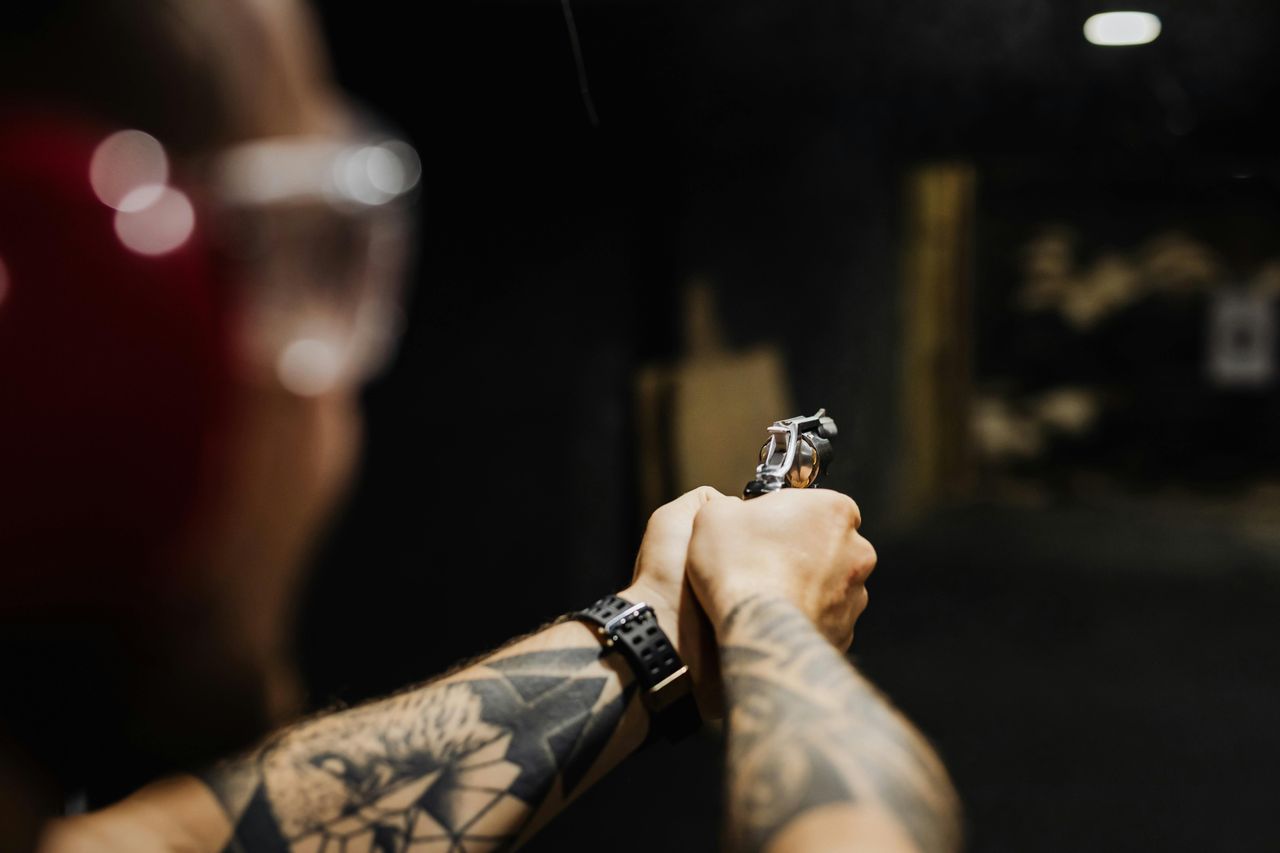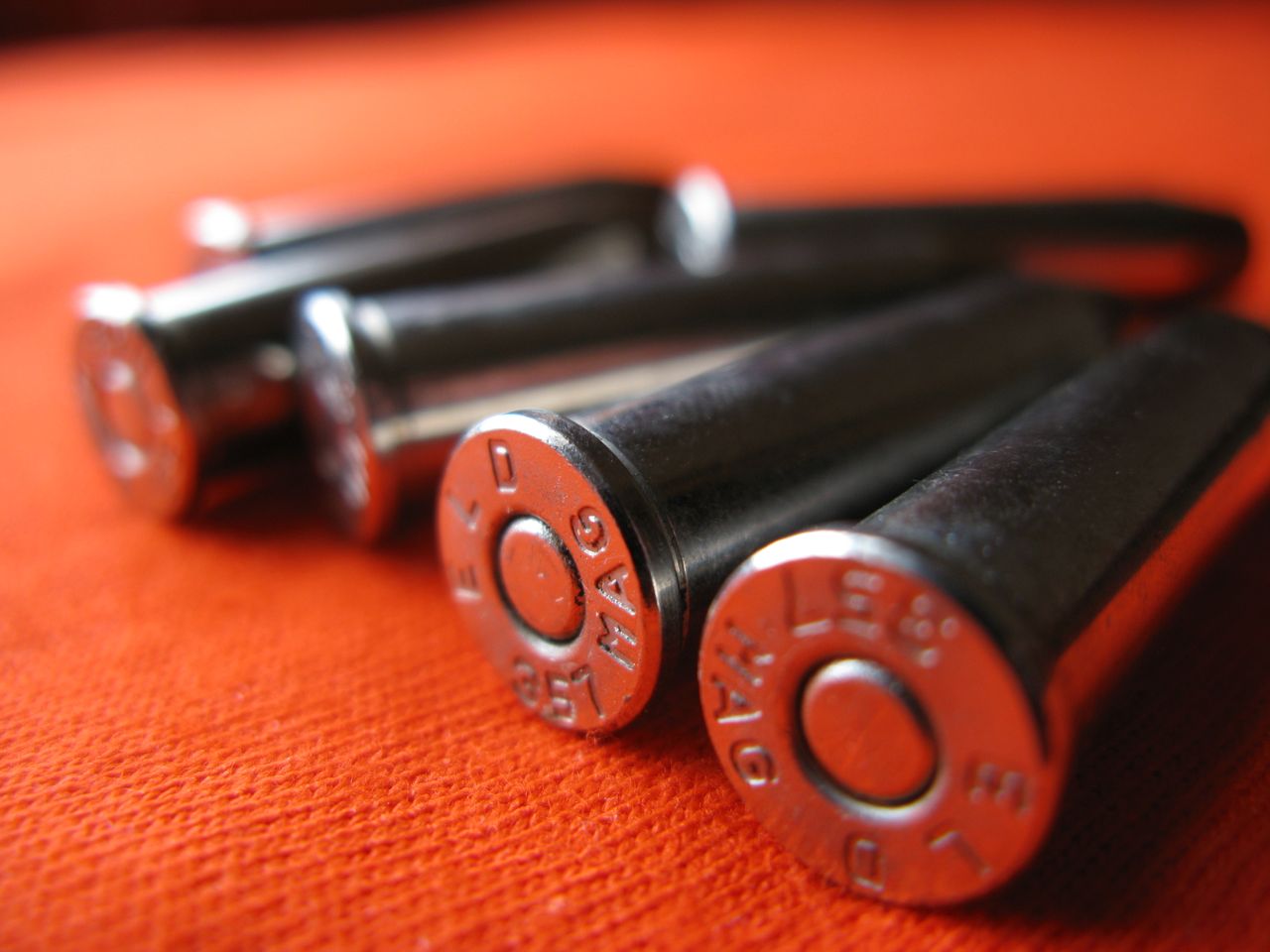
It is not trendy, and that is exactly why people keep underrating it. The .357 Magnum is still one of the smartest all-around cartridges ever designed.
It solved real problems before fashion took over.

The .357 Magnum did not become famous by accident. Smith & Wesson says the cartridge and revolver combination arrived in 1935, and it caught law enforcement attention because standard handgun rounds of the era struggled against auto bodies, cover, and the crude ballistic barriers of the day. In other words, it was built to answer practical problems, not marketing fantasies.
That origin story still matters. A lot of modern cartridge debates are driven by online culture, where people compare peak energy numbers like they are drafting race cars. The .357 Magnum came from a different school of thought. It had to shoot flat enough, hit hard enough, and fit in a carryable revolver that ordinary officers could actually use.
The result was one of the first true do-everything magnum handgun rounds. It could be carried on duty, used for defense, pressed into field work, and later adapted beautifully to sporting roles. Even today, that combination looks unusually balanced.
The irony is that the same cartridge once respected as serious hardware is now often treated like a nostalgic relic. That says more about changing tastes than changing capability.
It covers more jobs than most handgun rounds ever will
Versatility is the whole argument, and the .357 Magnum earns that label honestly. It can launch light, fast defensive bullets, traditional 158-grain general-purpose loads, and heavy hard-cast hunting or woods loads. That spread matters because most cartridges are really best at one thing, maybe two. The .357 can credibly stretch across defense, trail carry, pest control, target work, and short-range hunting.
The pressure ceiling helps explain why. SAAMI lists the .357 Magnum with a service maximum average pressure of 35,000 psi, which is stout territory for a revolver cartridge. That gives ammunition makers room to load it from mild to genuinely authoritative, depending on the job.
Then there is the overlooked trick: many .357 Magnum firearms can also fire .38 Special. That is not a gimmick. It means one gun can digest softer, cheaper, lower-recoil practice ammo and then switch to full-power magnum loads when needed. Few handgun platforms offer that kind of built-in range.
Add shotshell options for pest use, which CCI still catalogs in 38 Special/.357 Magnum form, and the old magnum starts looking less like a single round and more like an ecosystem.
It works in both handguns and carbines better than people remember.

This is where the .357 Magnum separates itself from most modern favorites. In a revolver, it is a proven personal defense and field cartridge. In a lever gun or carbine, it becomes something else entirely: softer shooting, faster, easier to place accurately, and far more capable than many people expect.
That handgun-to-rifle crossover is not theoretical. Henry lists its Big Boy line in .357 Magnum/.38 Special with capacities up to 10 rounds, and the company specifically notes the chambering’s dual-caliber appeal. The pairing has endured because it makes practical sense. One ammunition family can feed a belt gun and a shoulder gun.
Velocity gains from a carbine are part of the appeal. Exact numbers vary by load and barrel length, but even standard factory ammunition often picks up meaningful speed from a longer barrel. Federal’s older catalog data showed a 158-grain .357 Magnum soft point at 1,240 feet per second from a vented handgun test barrel, and rifle-length barrels commonly push comparable loads harder. More speed usually means a flatter trajectory and better terminal performance within sane distances.
That is why the cartridge remains credible for small game, varmints, steel, ranch use, and deer-sized game at close range with proper loads and legal compliance. It is not magic. It is just unusually adaptable.
Recoil, size, and shootability are where it keeps winning
A cartridge can have all the power in the world, but if people hate practicing with it, its real-world value drops fast. The .357 Magnum sits in an unusually productive middle ground. In a medium-frame revolver, full-power loads are serious but manageable for experienced shooters. In a heavier revolver or a carbine, they become even more practical.
That balance is why the cartridge has survived every trend cycle thrown at it. A snub .357 can be brisk and loud, no question, but in a 3- to 4-inch revolver the round starts to make a lot of sense. Ruger’s SP101 line is a good example of the format still alive today: compact enough to carry, strong enough for magnum use, and heavy enough to tame the cartridge better than ultra-light pocket guns do.
Shootability also improves because you can step down to .38 Special for training. That is a major advantage for ordinary owners who are not trying to become recoil martyrs. You can work fundamentals with mild loads, then confirm carry or field ammunition with magnums, all without changing platforms.
People talk constantly about controllability in defensive shooting. The .357 Magnum, when matched with the right gun, gives you more of it than its reputation suggests.
The ammo range is broader than its critics admit

One reason the .357 Magnum keeps staying relevant is ammunition diversity. This is not a one-note cartridge. Light 110- and 125-grain loads emphasize speed and expansion. Traditional 158-grain loads remain the classic all-around option. Heavy 180-grain hard-cast loads push the cartridge toward woods defense and deep-penetration work.
Those are not tiny differences. They fundamentally change what the cartridge is good at. Federal’s published catalog data has shown a 158-grain jacketed soft point .357 Magnum load at 1,240 feet per second from a handgun test setup. Handload data published by Speer also illustrates the cartridge’s broad operating window with 125-grain bullets, depending on powder choice and charge weight. The point is not that every load performs the same. The point is that the .357 offers a bigger usable menu than many competitors.
That flexibility matters because people do not live one-dimensional lives. A range shooter, a homeowner, a hiker, and a deer hunter do not need identical ammunition. The .357 Magnum lets one chambering serve all of them with fewer compromises than expected.
Critics often compare it only against the newest semi-auto defensive rounds. That misses half the picture. The .357 is not just a carry round. It is a platform for radically different use cases.
It lost prestige because the market changed, not because it failed
If the .357 Magnum is so capable, why does it feel underappreciated now? Part of the answer is simple: the market moved toward high-capacity semi-autos, optics-ready pistols, and cartridges optimized for defensive use in compact autoloaders. That shift changed what people mean when they say practical handgun.
Law enforcement history played a role, too. FBI material from 1989 documented the bureau’s transition away from the .38 Special/.357 Magnum revolver era toward semi-auto pistols. Once institutions moved, prestige moved with them. Revolvers stopped being the default serious guns and became specialist tools, collector pieces, or backup options.
That cultural change unfairly dragged the .357 Magnum down with the platform. People started treating it like a cartridge left behind, when in reality, it simply became less central to police procurement trends. Those are not the same thing.
In fact, the reasons it faded from the spotlight are almost proof of its resilience. It did not disappear because it was inadequate. It disappeared because the handgun world reorganized around capacity, reload speed, and duty doctrine. Different priorities, same old capability.
Respecting the .357 means understanding what useful really looks like

The .357 Magnum is not the best at every single task, and that is exactly why it is so easy to underestimate. Specialists always look more impressive on paper. A micro 9mm is easier to carry. A big-bore magnum hits harder. A service pistol reloads faster. A rifle cartridge reaches farther. But very few rounds can do so many things this well.
Useful is not the same as fashionable. Useful means one cartridge can protect a home, ride in a trail gun, train cheaply with .38 Special, run in a compact revolver, shine in a lever action, handle pests with shotshells, and still carry enough authority for short-range hunting with the right loads. That is a rare profile.
The .357 Magnum also rewards judgment. It asks the shooter to match bullet weight, barrel length, recoil tolerance, and intended use instead of chasing slogans. For experienced gun people, that is not a weakness. It is the whole appeal.
Nobody respects it anymore because it refuses to fit into modern internet categories. That is fine. The woods, the range, and the real world still do.