The AR-15 has become one of the most argued-over rifles in America. Strip away the politics, and the real hunting question is much simpler: does it actually perform in the field?
Why the AR-15 gets dismissed so quickly
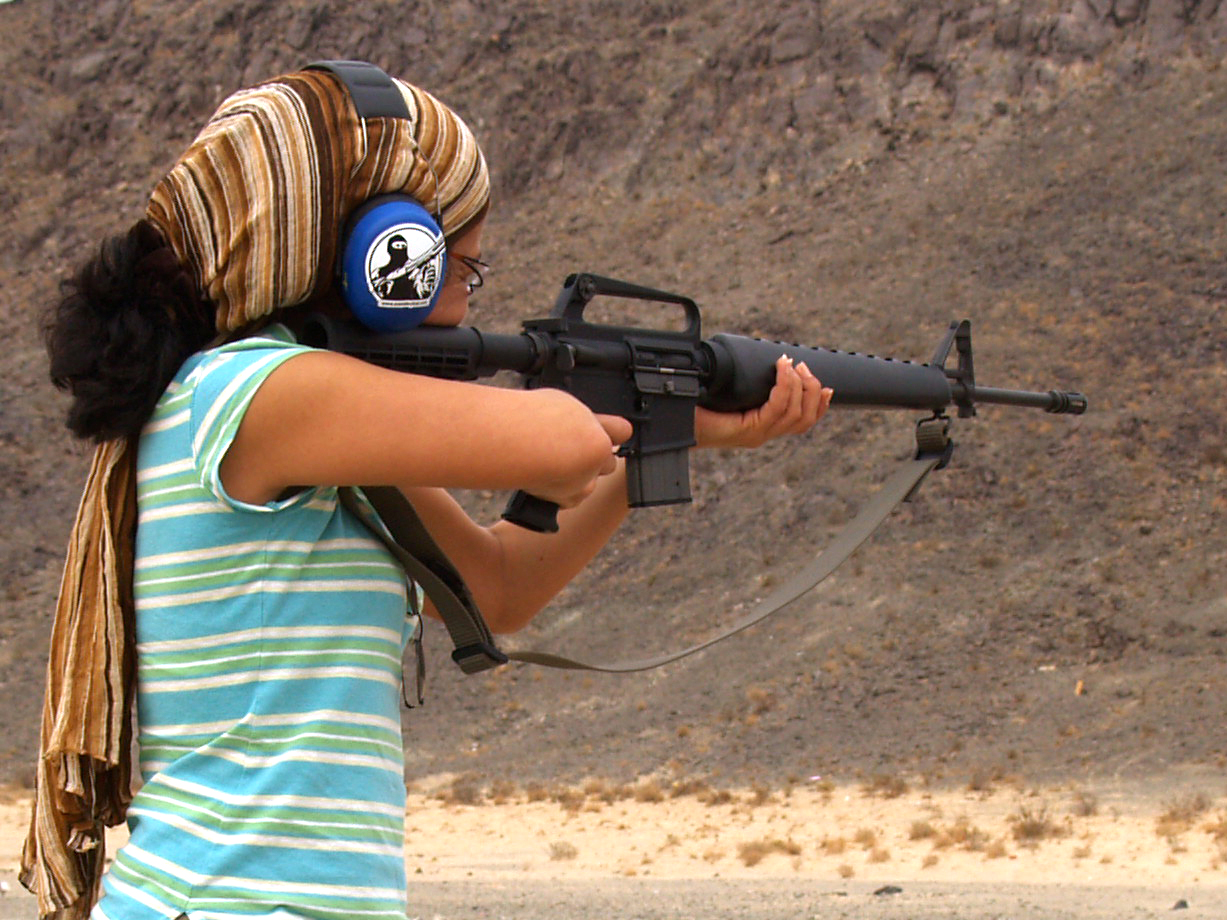
A lot of hunters reject the AR-15 before the conversation even starts, and some of that is understandable. The rifle’s military-style appearance makes many people assume it must be poorly suited for ethical hunting, even though appearance tells you almost nothing about terminal performance, recoil, or field accuracy.
The bigger reason for skepticism is caliber confusion. Many people hear “AR-15” and think only of .223 Remington or 5.56 NATO, then jump straight to the conclusion that it is too small for anything beyond coyotes. That criticism is partly fair, because a basic .223 setup absolutely has limits on larger game.
Even hunting publications that defend the platform usually make that point clearly. Outdoor Life recently argued that .223 Remington is more capable on whitetails than many hunters assume, but only with proper bullets, disciplined range limits, and precise shot placement. Field & Stream has made a similar case, while also noting that legality still varies by state and cartridge rules remain a real constraint.
That is the heart of the issue. The AR-15 is not bad because it is an AR-15. It becomes a bad hunting rifle when hunters confuse platform versatility with cartridge universality.
What guides and experienced hunters actually care about

Guides tend to be less interested in internet arguments and more interested in what helps a client make a clean shot. In practice, that means they care about recoil management, repeatable accuracy from field positions, reliability in bad weather, and whether the chosen cartridge is enough for the animal being hunted.
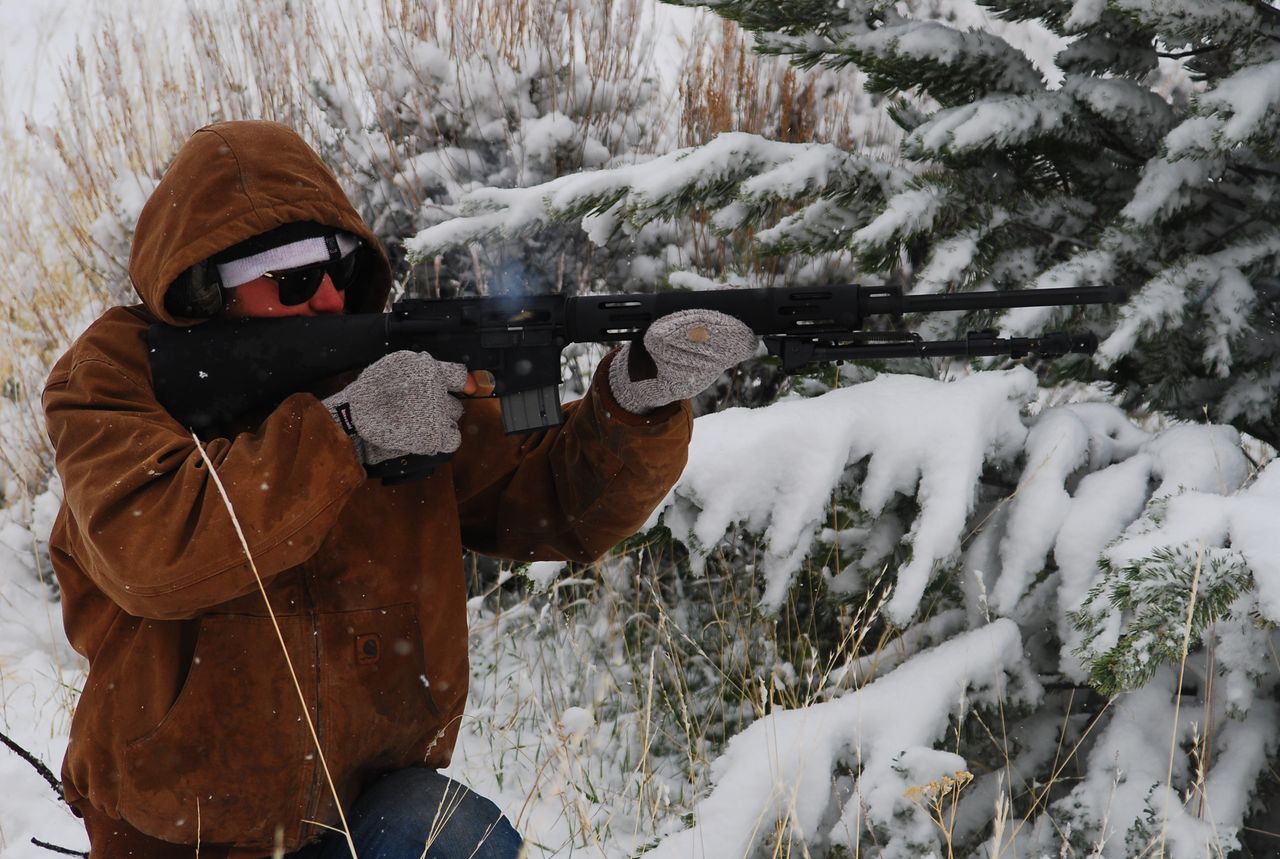
On those practical points, the AR-15 does surprisingly well. The platform’s straight-line stock, gas operation, and generally light recoil make it easier for many hunters to stay on target and deliver fast follow-up shots. American Hunter has long pointed out that manageable recoil and quick recovery are genuine field advantages, especially for newer shooters and smaller-framed hunters.
That matters more than many traditionalists admit. A lightweight bolt gun in a harder-kicking caliber may look more “serious,” but if the shooter flinches, jerks the trigger, or loses the sight picture after every shot, the theoretical ballistic edge does not help much. Hunting success is still built on hits, not vibes.
Experienced guides also appreciate fit. Adjustable stocks let hunters wearing heavy late-season layers shorten length of pull, while optics-friendly receivers make it easy to build a simple, low-power hunting setup. None of that makes the rifle magical, but it does make it practical.
Where the AR-15 genuinely works well
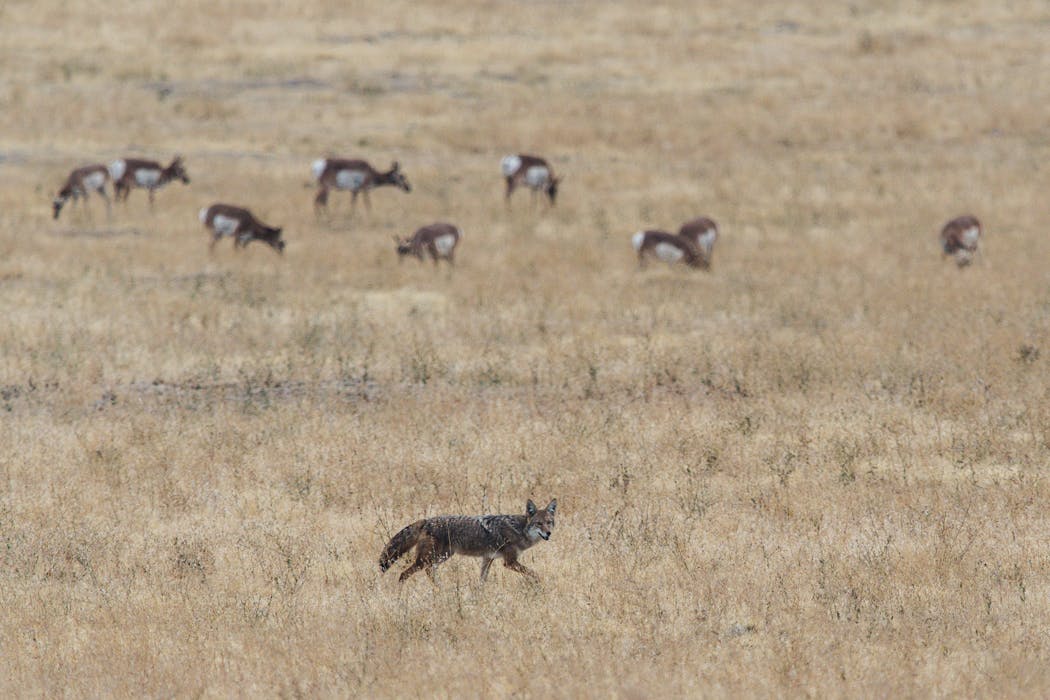
If the conversation is about predator hunting, feral hogs, and varmints, the AR-15 hardly needs defending. It has dominated coyote and hog hunting circles for years because it is accurate, soft-shooting, easy to accessorize sensibly, and fast to run when multiple animals appear.
For hogs in particular, the platform’s quick follow-up capability is a real asset. In places like Texas, hunting rules allow legal centerfire rifles for game animals, and Texas Parks and Wildlife does not impose a magazine-capacity restriction for legal firearms used on game animals, aside from separate migratory bird rules. That has helped make AR-style rifles common for both private-land hog control and general field use.
Deer is where the debate gets sharper. The answer is not a blanket yes or no. With .223, the rifle can be effective on whitetails at moderate ranges using controlled-expansion hunting bullets, but it gives the hunter less margin for error than larger cartridges. That is why many guides are comfortable with it only when the shooter is disciplined and the shots are broadside or lightly quartering.
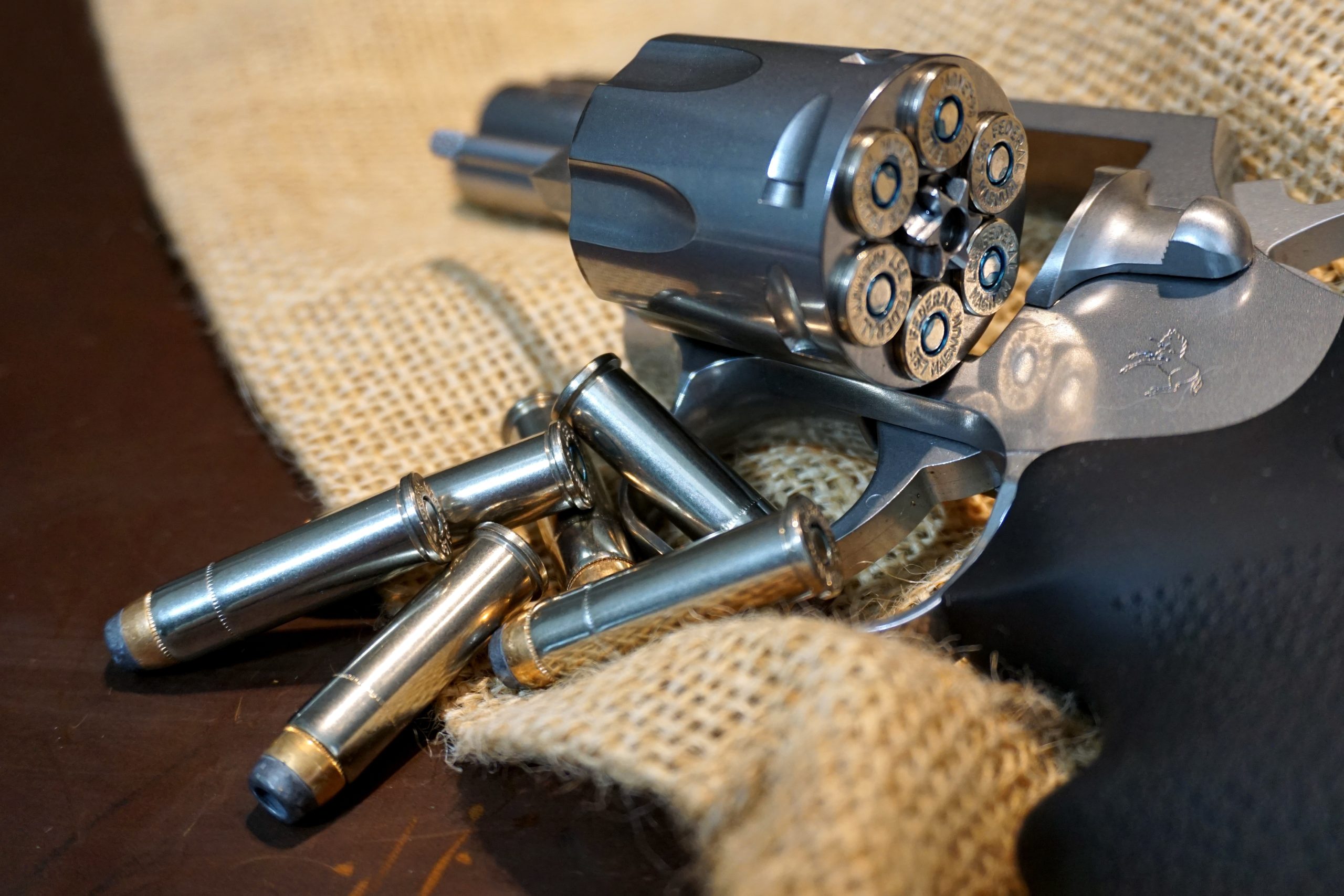
The platform also shines when chambered in more purpose-built hunting rounds. Options like 6.5 Grendel, 6.8 SPC, .300 Blackout in the right role, and heavy hitters such as .450 Bushmaster make the AR-15 much more adaptable than critics sometimes admit.
Where the AR-15 is the wrong tool

The easiest mistake is assuming the rifle’s modularity solves everything. It does not. If you are hunting elk, moose, or large black bear, most guides would much rather see a cartridge with deeper penetration, heavier bullets, and more energy than a standard .223 or 5.56 setup can deliver.
Even on deer, the rifle can become a poor choice if the hunter stretches distance or uses cheap varmint ammunition. That is one of the most important distinctions experts keep making. A rifle platform may be suitable, but a specific load may be absolutely unsuitable. Thin-jacketed bullets designed to explode on prairie dogs are not deer bullets.
Law is another major limitation. Some states still impose minimum-caliber or cartridge-type rules that exclude .223 for deer, while others allow it. Michigan’s deer regulations, for example, still distinguish legal firearms by zone and cartridge type, and New York’s guide includes its own equipment restrictions. Indiana recently moved toward fewer rifle restrictions for deer through a 2025 legislative change, which shows how quickly this landscape can shift.
That means hunters cannot rely on forum wisdom or last season’s assumptions. A legal, ethical deer setup in one state may be illegal a few hours down the road. For a hunting rifle, that matters just as much as ballistics.
The caliber question matters more than the rifle itself
This is where the entire debate often gets sloppy. “Is the AR-15 a bad hunting rifle?” is really shorthand for a more precise question: “Is the cartridge in this AR-15 appropriate for the animal, distance, bullet design, and local law?”
With .223 Remington, the answer can be yes for deer, but only under disciplined conditions. Outdoor Life recently called it an underrated deer cartridge, and Field & Stream reported that .223 was legal for deer in 35 states the last time it checked. Those are not fringe opinions anymore, but neither publication treats .223 as a free pass for careless shot selection.
Hunters who want more authority from the same platform often step up to 6.5 Grendel or 6.8 SPC for deer-sized game. Those chamberings generally offer heavier bullets and better downrange performance while preserving much of the AR-15’s easy handling. At the bigger end, straight-wall options such as .450 Bushmaster have become popular where regulations and woods ranges favor a harder-hitting setup.
So no, caliber is not a side issue. It is the issue. Criticizing or praising the AR-15 without naming the chambering is like reviewing a pickup truck without asking what it is hauling.
What ethical hunters should remember before carrying one
Ethics begin with honesty about limitations. If a hunter shoots an AR-15 better than a bolt gun, that matters. Lower recoil often means more practice, better field confidence, and more accurate shot placement. Those are real advantages, not excuses.
But ethics also require restraint. A hunter carrying a .223 AR-15 should be especially selective about angle, range, and bullet choice. That means bonded or controlled-expansion hunting bullets, broadside presentations, and a refusal to treat internet anecdotes like universal proof. A cartridge that can kill cleanly is not the same as a cartridge that forgives bad decisions.
Guides care deeply about that distinction because they see the consequences. They know quick follow-up shots are useful, but they also know no semi-auto feature can compensate for poor judgment. The first shot still matters most, and the rifle must be sighted, practiced with, and carried in a genuinely field-ready configuration.
That usually means a simple optic, a good sling, a dependable magazine, and no excess tactical clutter. A hunting AR should be set up to solve hunting problems, not to impress people at a range bench.
So, is it actually a bad hunting rifle?
In blanket terms, no. The AR-15 is not inherently a bad hunting rifle, and the growing consensus from guides, gun writers, and experienced hunters is that it can be an excellent one when matched to the right game and used within its limits.
Its strengths are clear: low recoil, strong practical accuracy, fast follow-up capability, adaptable fit, and access to a wide range of legitimate hunting chamberings. For predators, hogs, and many deer setups, those strengths are more than enough to make it a smart choice.
Its weaknesses are just as clear. A standard .223 AR-15 is not ideal for every species, not legal everywhere, and not forgiving when shot angles or distances get marginal. Hunters who pretend otherwise are doing the platform no favors.
So the honest answer is less dramatic than the argument suggests. The AR-15 is a bad hunting rifle only when hunters ask it to do jobs its cartridge cannot do. Used thoughtfully, it is not a gimmick at all. It is simply a modern sporting rifle that, in the right hands and chambering, hunts very well.