Our planet experiences constant geological shifts that occasionally unleash immense destructive power upon populated regions. Researchers monitor eight natural disasters that are overdue and scientists are quietly terrified about today. Historical records indicate that major tectonic events and volcanic eruptions happen on predictable cyclical schedules. Modern communities have built massive urban centers directly over some of the most volatile geological hotspots on Earth. Geologists continuously measure ground movement and seismic activity to predict the next catastrophic event accurately. Preparing for these massive environmental disruptions requires global cooperation and significant investments in advanced warning systems across vulnerable coastal territories.
The Cascadia Subduction Zone Megaquake
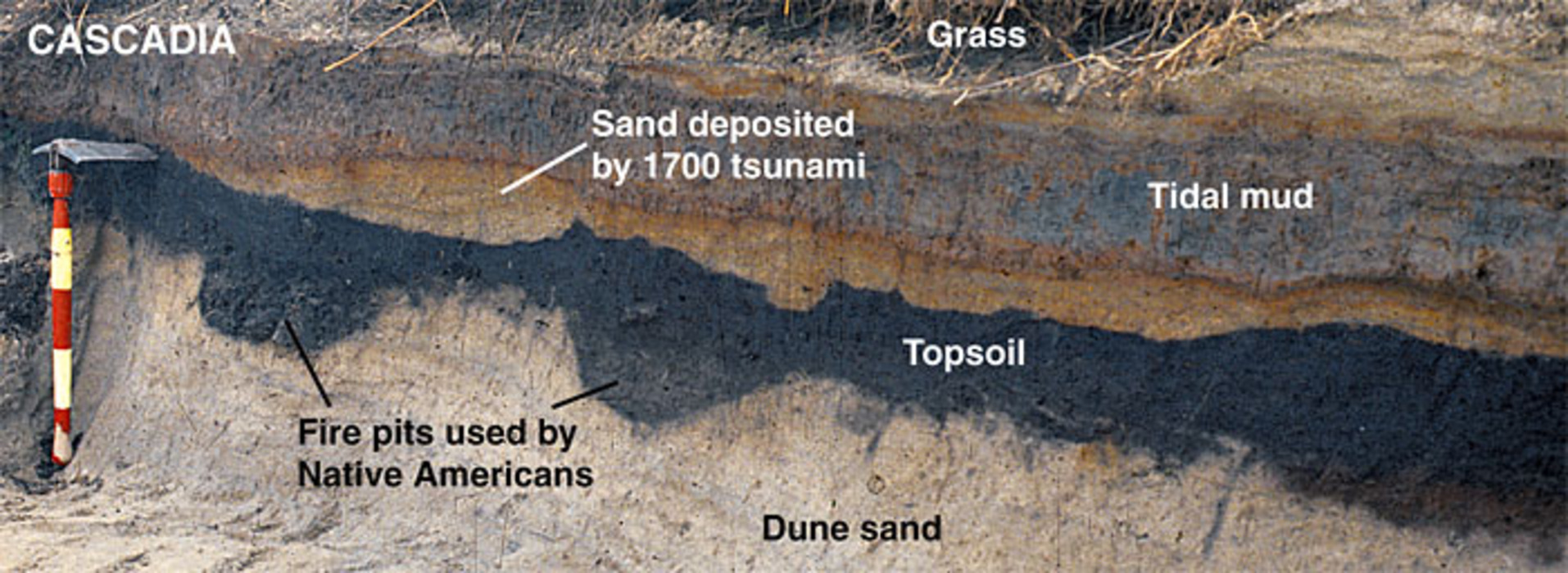
The Pacific Northwest faces an imminent threat from a massive tectonic boundary located just off the scenic western coast. The Cascadia subduction zone historically generates catastrophic earthquakes roughly every 300 years according to geological core samples. The region currently sits well past the typical pressure release window. A sudden crustal rupture would trigger a devastating tsunami capable of inundating coastal towns from northern California straight through British Columbia. Scientists worry that many aging concrete bridges and older masonry structures across major cities will completely collapse during the intense shaking. Modern building codes remain entirely insufficient for this unprecedented seismic event.
The Southern San Andreas Rupture
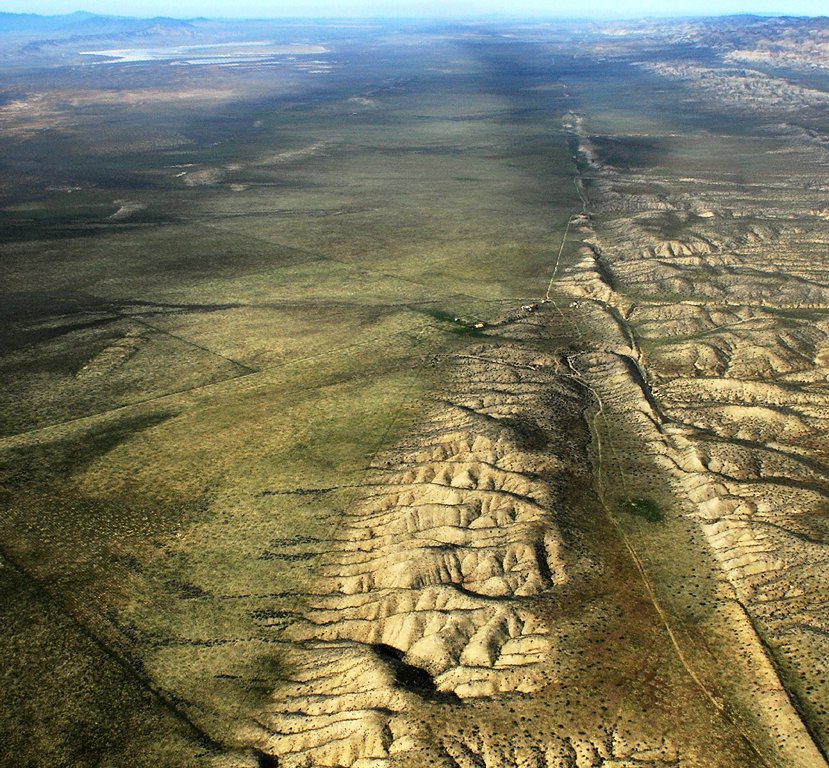
California residents constantly hear warnings about the next big earthquake striking their beautiful sunny state. Geologists focus their deepest concerns on the southern portion of the famous San Andreas Fault line. This specific section has not released significant geological tension for more than 300 years despite accumulating massive strain continuously. An inevitable rupture along this crowded corridor threatens millions of people living throughout the greater Los Angeles basin. The resulting shockwaves would destroy crucial water delivery pipelines and sever vital electrical transmission grids instantly. Emergency planners quietly admit that local rescue resources would quickly become overwhelmed within mere hours.
The Yellowstone Supervolcano Eruption
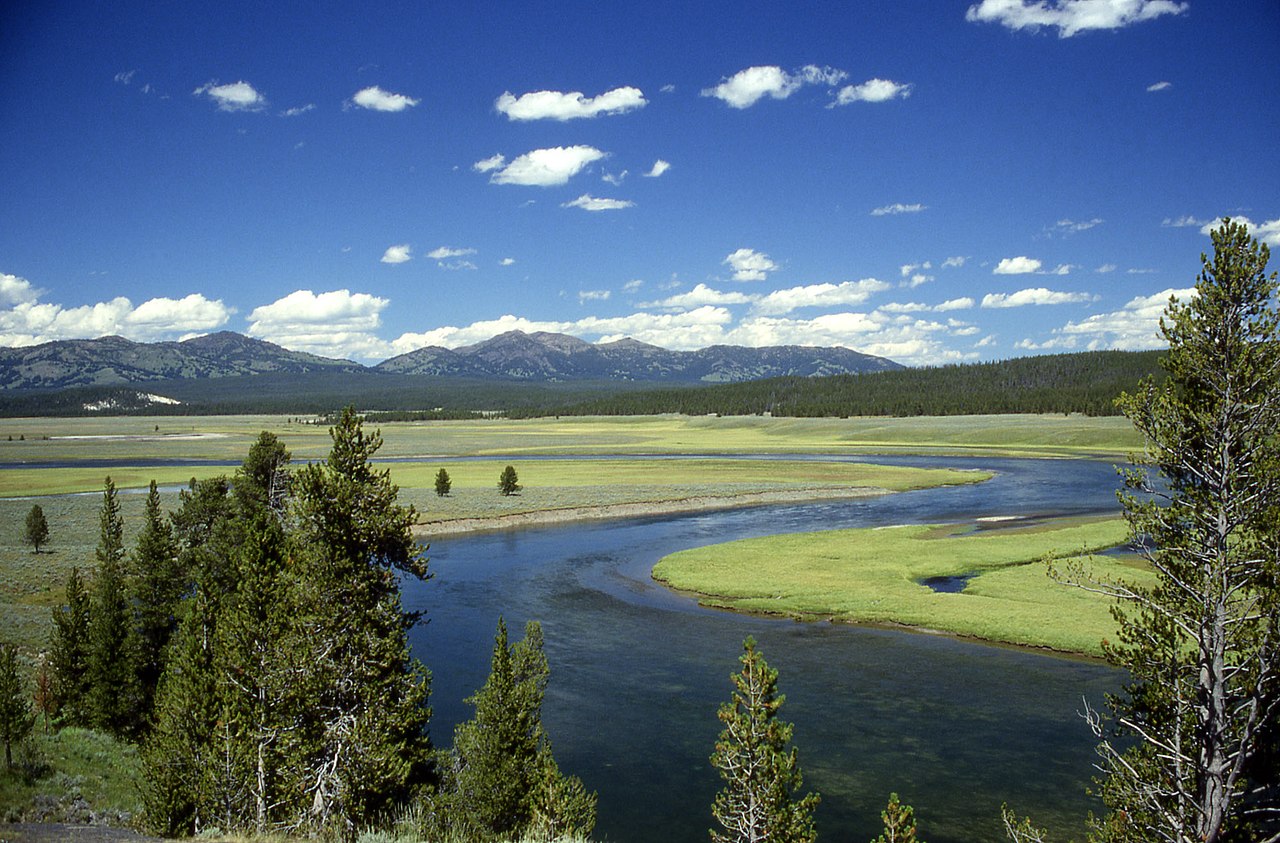
Millions of enthusiastic tourists visit Yellowstone National Park annually to admire the magnificent bubbling geysers. These incredible thermal features secretly mask an enormous chamber of molten magma resting dangerously close to the surface. Supervolcanoes erupt on massive geological timelines spanning hundreds of thousands of years. The Wyoming caldera currently exhibits signs of increased thermal activity and strange ground deformation that frighten volcanologists. A full scale eruption would blanket the entire North American continent under thick layers of suffocating toxic ash. This catastrophic event would destroy agricultural production completely and lower global temperatures dramatically for many dark and miserable decades.
The Cumbre Vieja Megatsunami
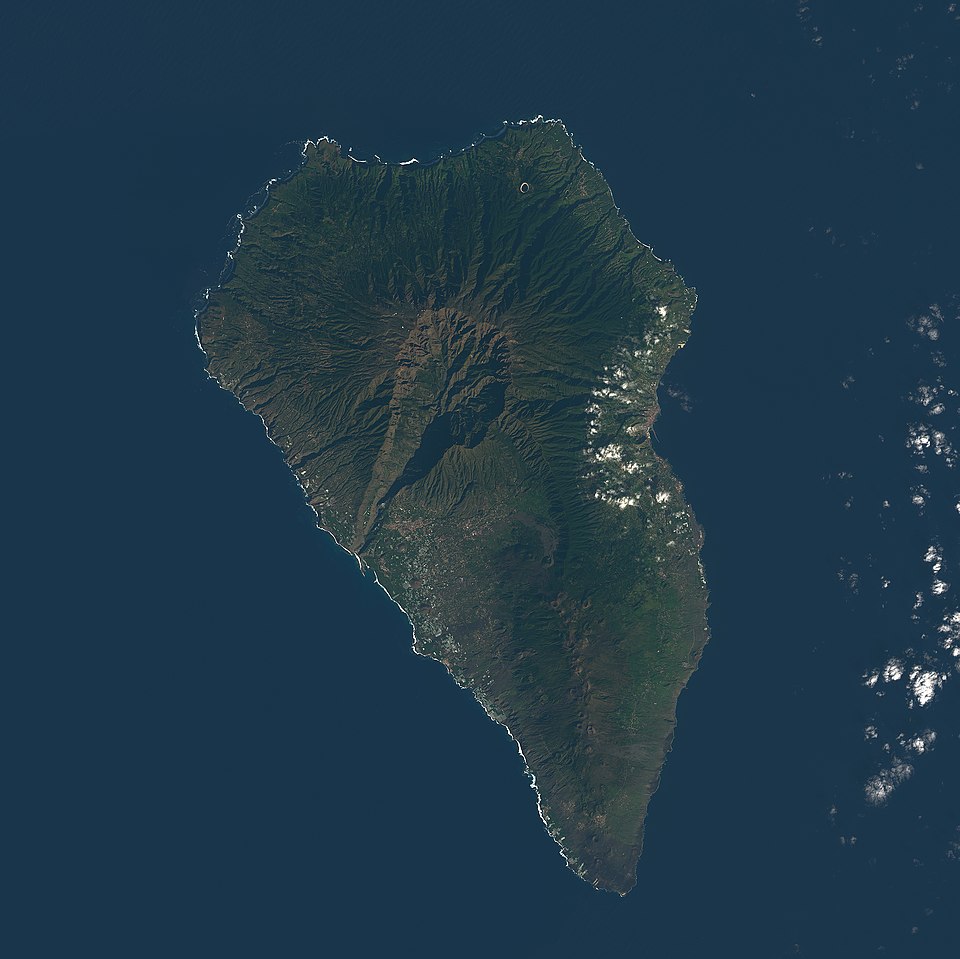
The beautiful Canary Islands off the western African coast harbor a terrifying geological threat hiding in plain sight. Researchers actively monitor the unstable western flank of the Cumbre Vieja volcano located on La Palma. Historical eruptions created deep internal fractures throughout the massive mountain structure. Scientists predict that a future major eruption could plunge a massive chunk of island rock directly into the deep Atlantic Ocean. This gigantic landslide would generate an unprecedented tidal wave traveling rapidly across the open water. The towering wall of water would eventually strike the eastern American seaboard and annihilate numerous densely populated coastal cities.
The Carrington Event Solar Storm
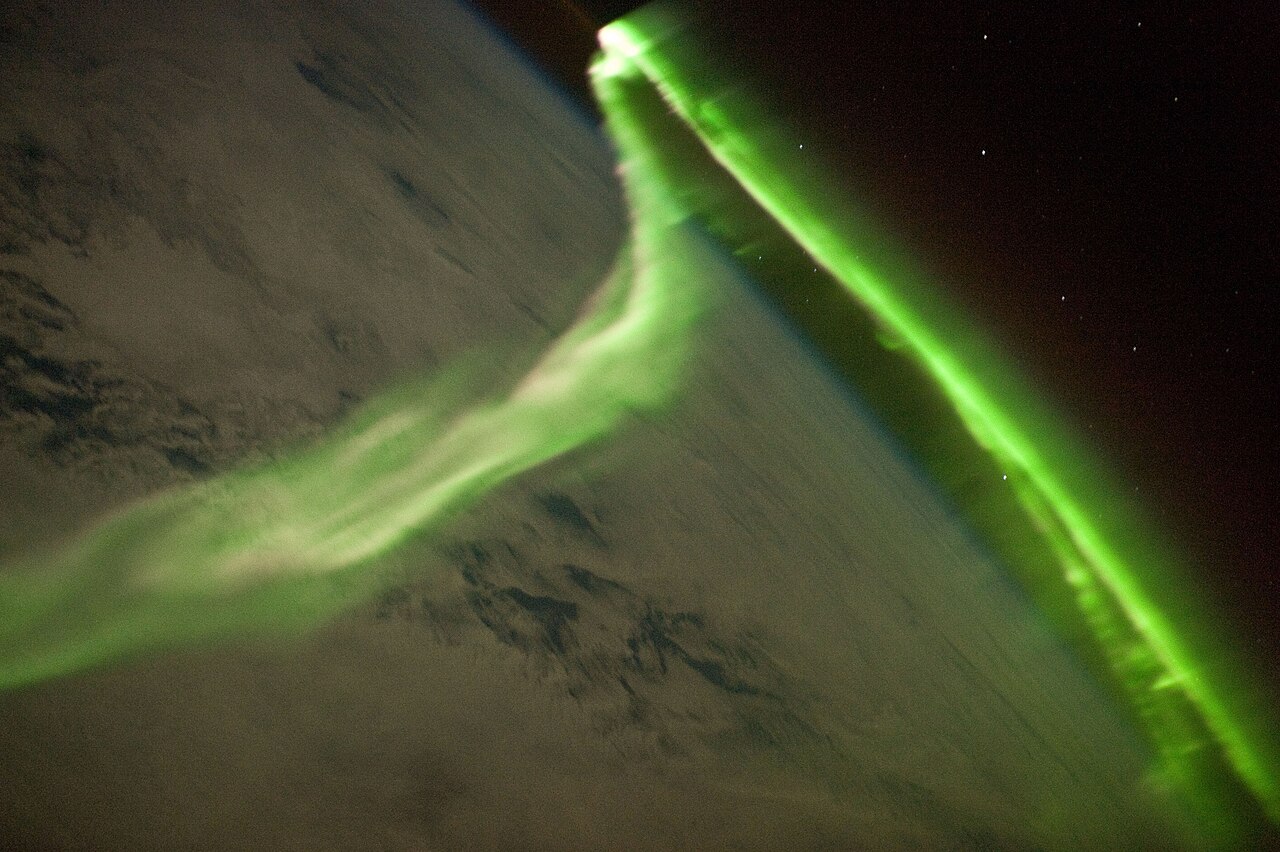
Modern society relies entirely upon sensitive electronics and complex power grids to maintain basic daily survival functions. Astronomers watch the sun carefully for violent coronal mass ejections that hurl charged particles toward our vulnerable planet. A massive solar storm previously struck the Earth during the 19th century and destroyed early telegraph systems worldwide. A similar cosmic event today would instantly fry modern electrical transformers and destroy orbiting communication satellites completely. Planners estimate that replacing the damaged global power infrastructure would take multiple years to accomplish. Cities would plunge into absolute darkness and experience severe shortages of clean water immediately.
The Mount Fuji Volcanic Awakening
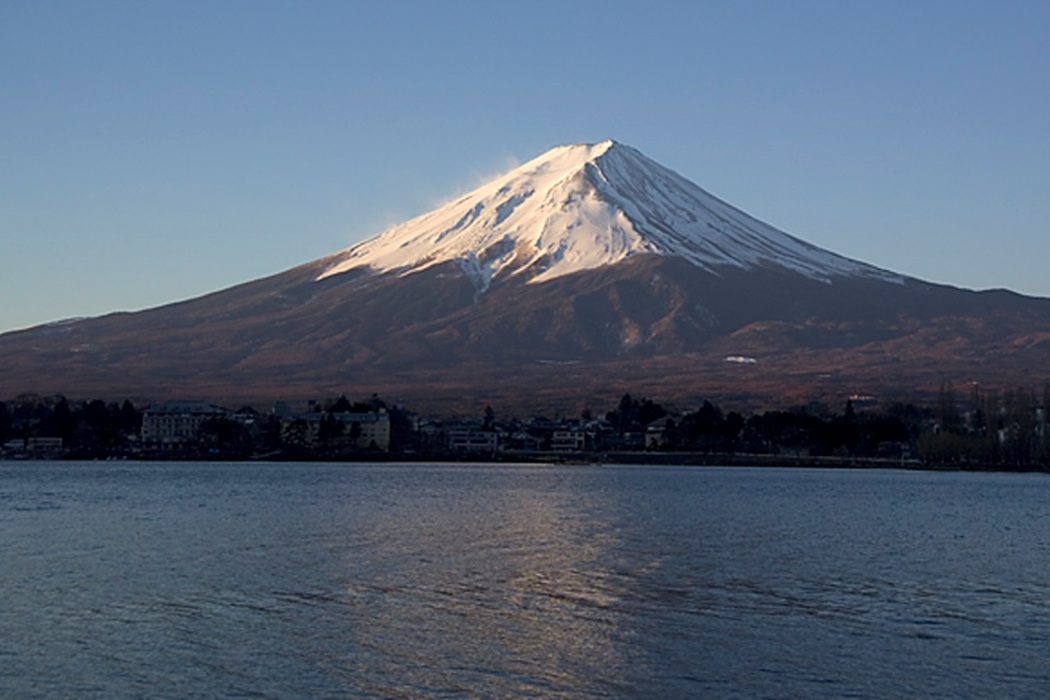
Japan considers the perfectly symmetrical Mount Fuji a sacred cultural symbol and a majestic natural wonder today. This beautiful mountain remains an incredibly active stratovolcano that sits frighteningly close to the sprawling Tokyo metropolis. The famous volcano has slept quietly since its last devastating eruption happened over three centuries ago. Seismologists recently detected dangerous internal pressure building beneath the crater floor following nearby tectonic shifts. An explosive eruption would paralyze the bustling Japanese capital by burying streets and critical railways under hazardous volcanic ash. International supply chains would suffer massive disruptions if this crucial economic hub abruptly stopped functioning entirely.
The New Madrid Seismic Zone
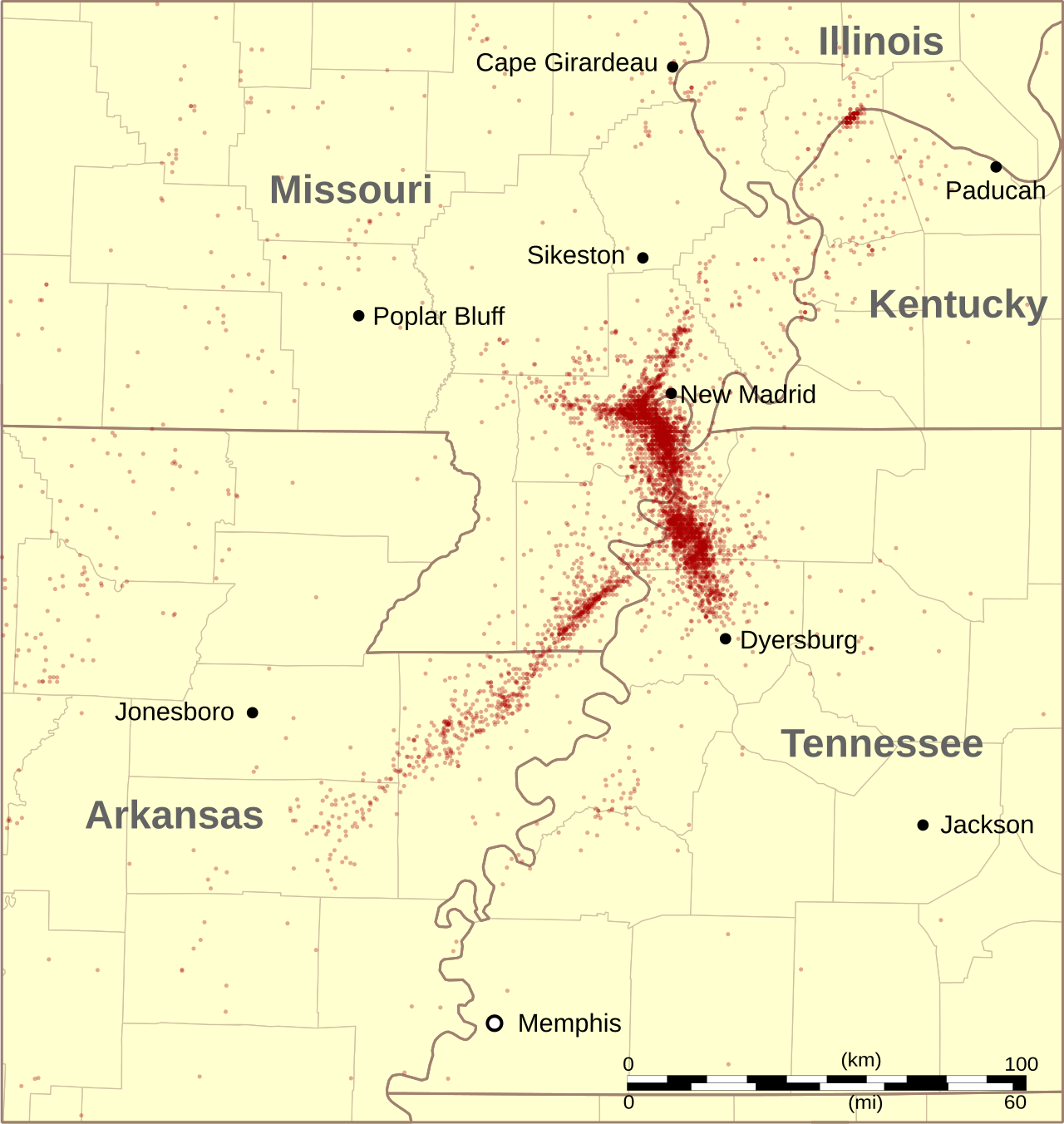
Most Americans associate dangerous earthquakes strictly with western coastal regions and entirely ignore the peaceful midwestern states. The New Madrid seismic zone hides deep beneath the Mississippi River valley and threatens several major inland cities simultaneously. Historical accounts describe massive tremors that actually forced the mighty river to flow backward temporarily during the early 19th century. This unusual intraplate fault system releases massive accumulated geological pressure across incredibly vast distances due to solid continental bedrock. A sudden modern rupture would completely destroy Memphis and heavily damage surrounding communities. The midwestern infrastructure lacks the specialized reinforcement required to survive violent shaking.
The Campi Flegrei Caldera Awakening
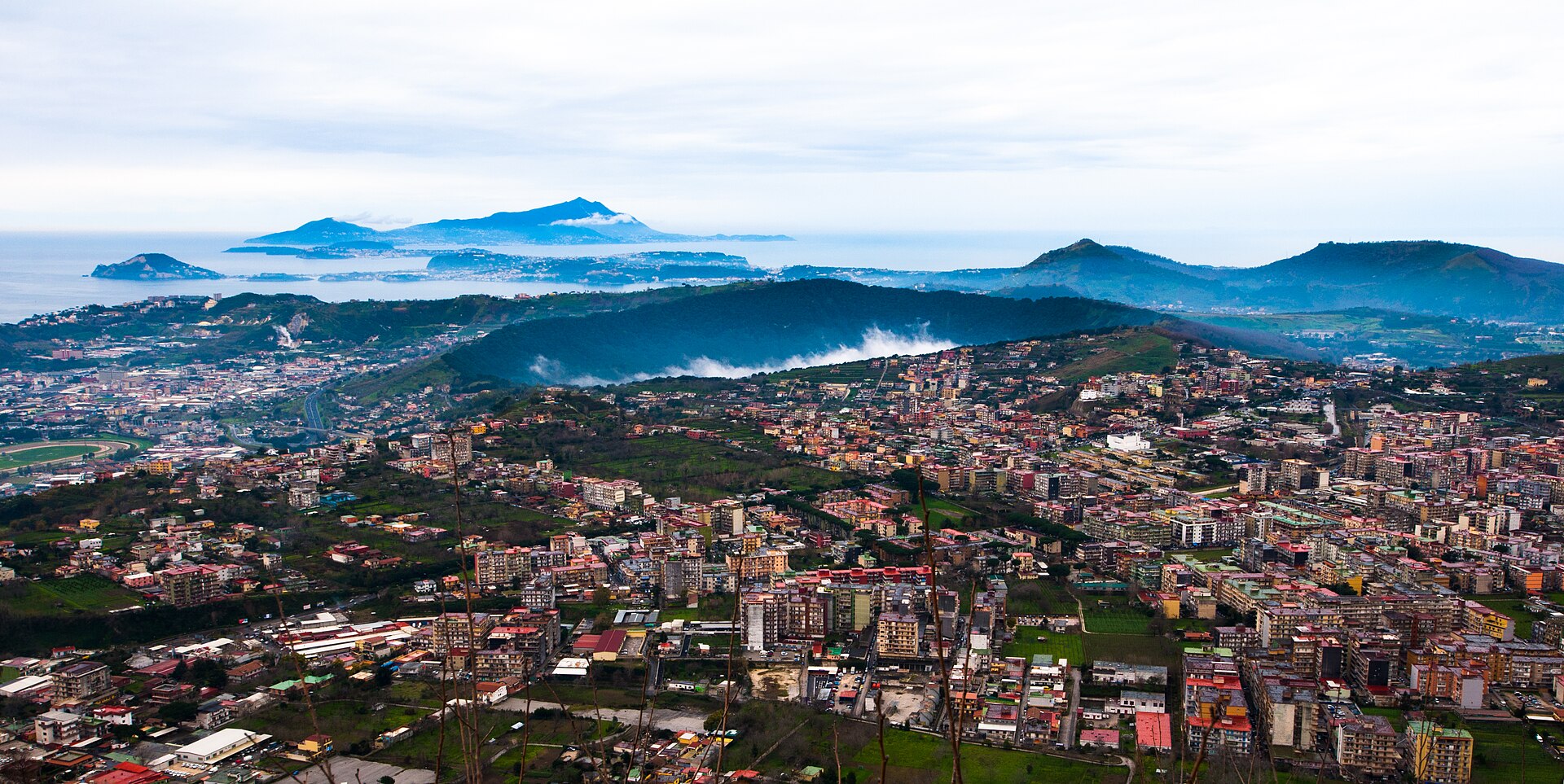
Tourists flock to Naples to enjoy exquisite Italian cuisine and view the famous ruins of ancient Pompeii safely. They rarely realize another massive volcanic threat slumbers directly beneath their feet across the beautiful coastal bay. The Campi Flegrei supervolcano recently demonstrated alarming signs of deep hydrothermal unrest that terrify European geologists today. Thousands of minor tremors continuously warp the ground upward and frighten residents living inside the vast sunken crater. An unexpected major eruption would force millions of citizens to evacuate immediately through congested narrow streets. The explosive force could severely impact global aviation and instantly alter the Mediterranean climate.