Some handguns fade into history, while others keep showing up on ranges, in holsters, and in collections decade after decade. This gallery highlights classic designs known for rugged construction and staying power, with many examples still functioning smoothly more than 50 years after they were made. It is a tour of mechanical durability, practical design, and the kind of craftsmanship that turns old sidearms into long term companions.
Colt M1911

Few handguns have a longevity story like the M1911. Introduced in the early 20th century, it stayed in military service for generations and became a benchmark for durability, shootability, and straightforward maintenance. A well made example from Colt or another quality maker can still run beautifully after countless rounds and many decades.
Part of the appeal is how repairable the platform is. Parts are plentiful, gunsmith knowledge is deep, and the all steel construction tends to age with dignity rather than drama. Even older pistols often remain active on ranges today, which says plenty about how right the original design was.
Browning Hi Power
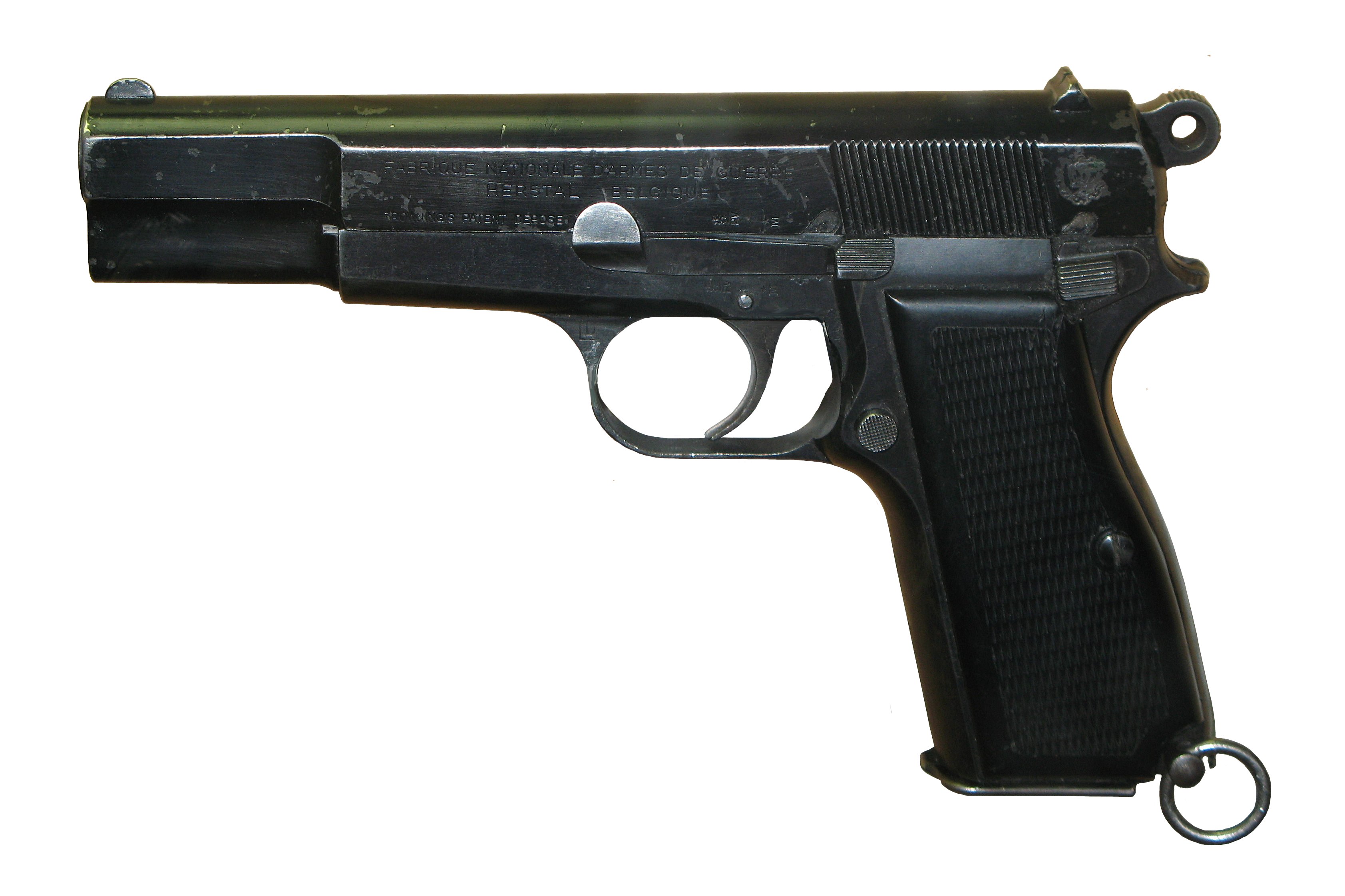
The Browning Hi Power earned its reputation the old fashioned way, by serving all over the world and keeping on working. Its slim grip, all steel build, and high capacity magazine made it feel ahead of its time, but what really secured its legacy was dependable long term performance.
Many Hi Powers from the 1950s and 1960s still see range use with little more than routine spring changes and careful cleaning. The pistol balances beautifully, and its simple, proven mechanics have helped it outlast trends that came and went. It is the kind of handgun that often moves from duty use to collector status without ever losing function.
Smith & Wesson Model 10

If there is a revolver equivalent of an old pickup that refuses to quit, the Smith & Wesson Model 10 is a strong candidate. This K frame .38 Special became a police staple for good reason. It is simple, durable, and built to withstand years of regular handling without feeling fragile or temperamental.
A Model 10 that has spent half a century in a drawer or on a duty belt can often be cleaned up and returned to service with surprising ease. Timing, lockup, and finish condition matter, of course, but the design itself has an earned reputation for staying mechanically sound. That kind of staying power is why so many are still around.
Ruger Standard

Ruger’s original .22 pistol does not always get the same spotlight as military sidearms, but its durability is legendary. The Standard and its later Mark series relatives became range favorites because they were affordable, accurate, and sturdy enough to digest years of casual shooting and serious practice.
These pistols are often passed down through families with finish wear that tells a story but mechanics that remain solid. Their tubular receiver and robust bolt design helped create a rimfire handgun that could take abuse better than many competitors. For a lot of shooters, the surprise is not that an old Ruger still works, but that it still works so well.
Walther P38

The Walther P38 brought several modern ideas into a service pistol format, and its long life is part of what keeps it fascinating. Its double action system, open top slide, and locking block design gave it a distinct identity, but durability is what lets surviving examples remain more than museum pieces.
Collectors often handle P38s carefully, yet plenty of postwar and wartime pistols still function impressively when maintained with appropriate caution and correct ammunition. That continued usability is a testament to sound engineering. Even with the historical weight it carries, the P38 is not just significant on paper. It is a handgun many owners still find mechanically capable today.
Luger P08

The Luger P08 is often admired first as an icon and only afterward as a machine, but the mechanical side deserves attention too. Its toggle lock action is more intricate than later service pistols, yet well preserved examples still cycle and shoot after many decades, which speaks to the quality of original manufacturing.
No one would call it maintenance free, and it is not the most forgiving design on this list. Still, a properly cared for Luger can remain remarkably functional long past its expected era. That blend of precision, history, and stubborn longevity is exactly why it continues to captivate collectors and shooters alike.
Colt Detective Special

The Colt Detective Special proved that a compact revolver could be both practical and durable. Built on Colt’s D frame, it offered six shots in a size many people associated with five, and it did so with the kind of solid steel construction that invited everyday carry over many years.
A lot of older snub nose revolvers show heavy finish wear because they were actually used, not tucked away. The Detective Special fits that pattern perfectly, and many examples still lock up tightly despite decades of carry. Its survival in working order says a lot about Colt’s manufacturing standards during the revolver’s classic years.
Beretta 1951
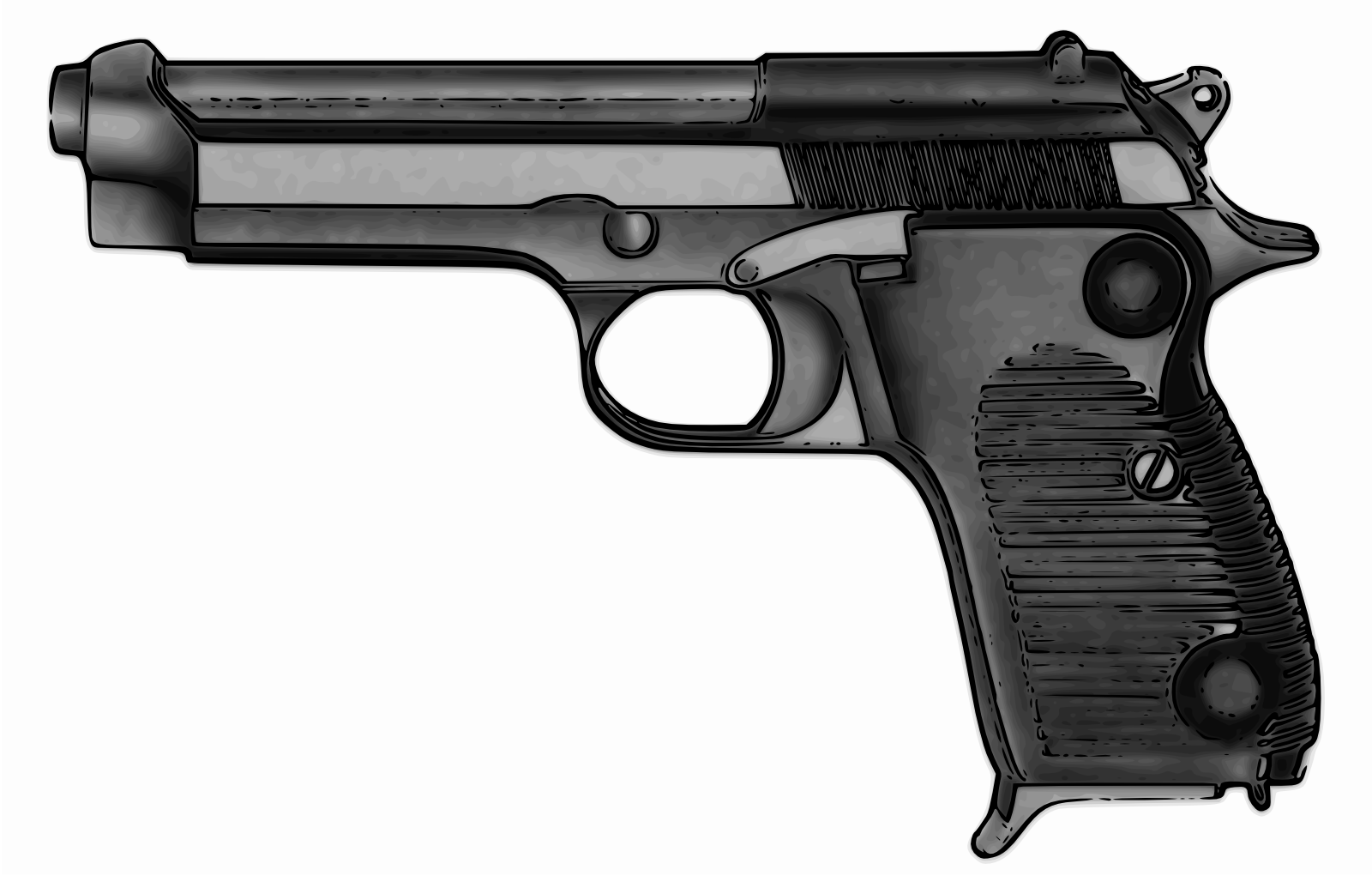
The Beretta 1951 does not always get top billing in discussions of durable old pistols, but it deserves more credit. This all steel single stack service pistol helped pave the way for later Beretta designs, and its locking system gave it a reputation for smooth shooting and respectable endurance.
Many surviving examples show the honest wear of police or military use, yet continue to function with the dependable feel people expect from old world service arms. The pistol has a clean, practical layout and a no nonsense build that rewards basic maintenance. It may not be as famous as its descendants, but it has aged with impressive grace.
Smith & Wesson Model 39

The Smith & Wesson Model 39 brought American shooters a sleek double action 9mm that felt modern without abandoning solid construction. Its aluminum alloy frame made it lighter than many contemporaries, but the pistol still earned a reputation for dependable service and a lifespan that could stretch across generations.
Examples from the 1950s and 1960s remain in circulation, often appreciated for their trim profile and surprisingly smooth shooting characteristics. Like many classics, they benefit from proper springs and sensible ammunition, but the core design has held up well. That is why the Model 39 still gets respectful nods from collectors, historians, and range regulars.
Makarov PM

The Makarov PM was built with durability as a primary virtue, and it shows. Simple, rugged, and easy to field strip, it became known as the sort of sidearm that could tolerate hard service, rough handling, and long storage without losing its basic reliability. There is not much excess in the design, and that is part of the charm.
Because so many were produced and used extensively, the pistol developed a reputation based on real world mileage rather than nostalgia alone. Even older examples often keep running with minimal fuss. For a handgun now well past the half century mark, that kind of straightforward resilience remains deeply impressive.