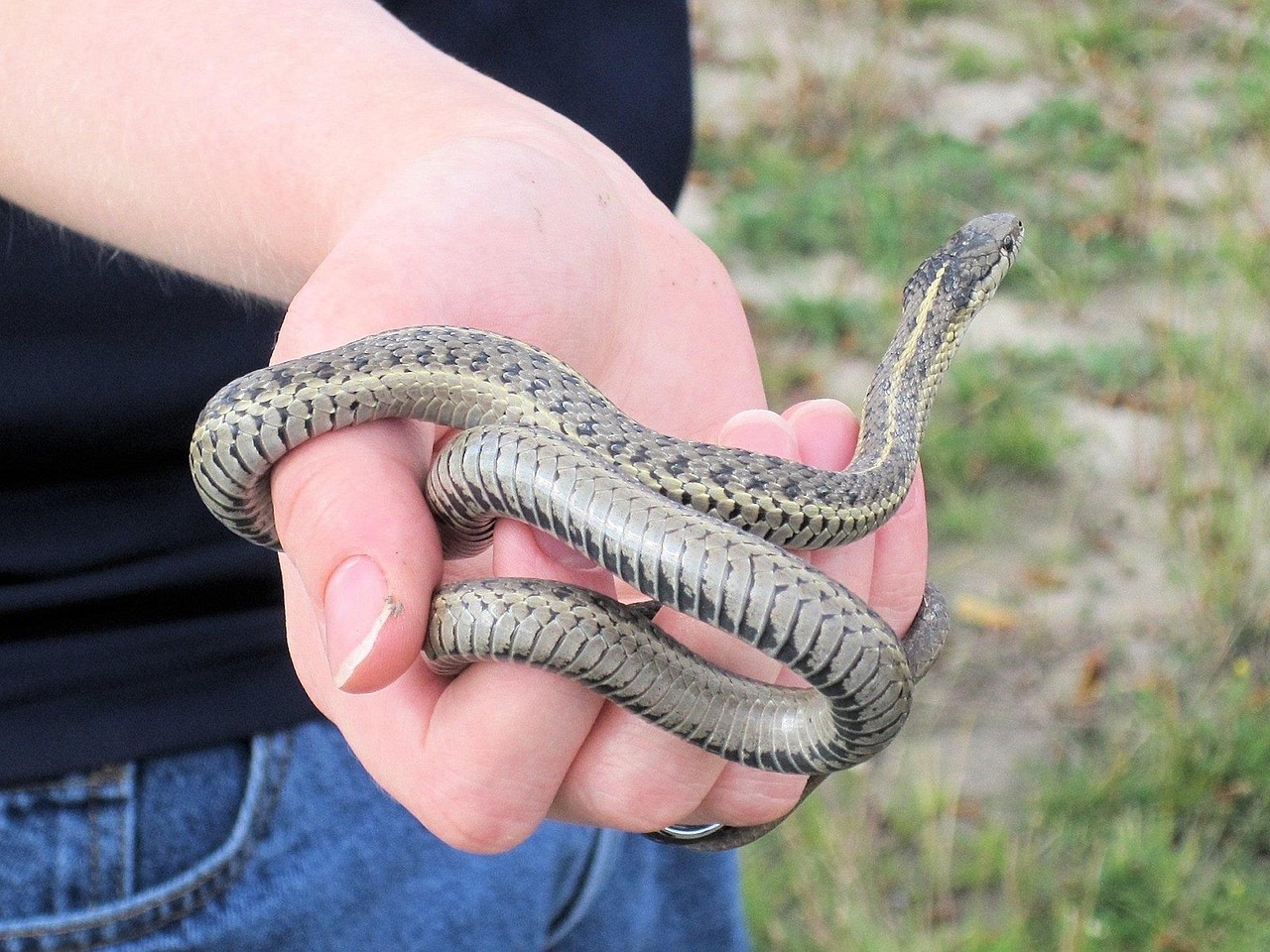
Snake encounters were a constant reality for cowboys riding across America’s frontier. Rattlesnakes, copperheads, and other venomous reptiles posed real dangers to cattle drives and life on the range. With little protection beyond grit, instinct, and practical knowledge, cowboys developed clever methods to deal with these creatures. What began as survival often grew into a mix of skill, superstition, and folklore. Here are twelve fascinating ways they handled snakes in the wild.
1. Reading the Rattle
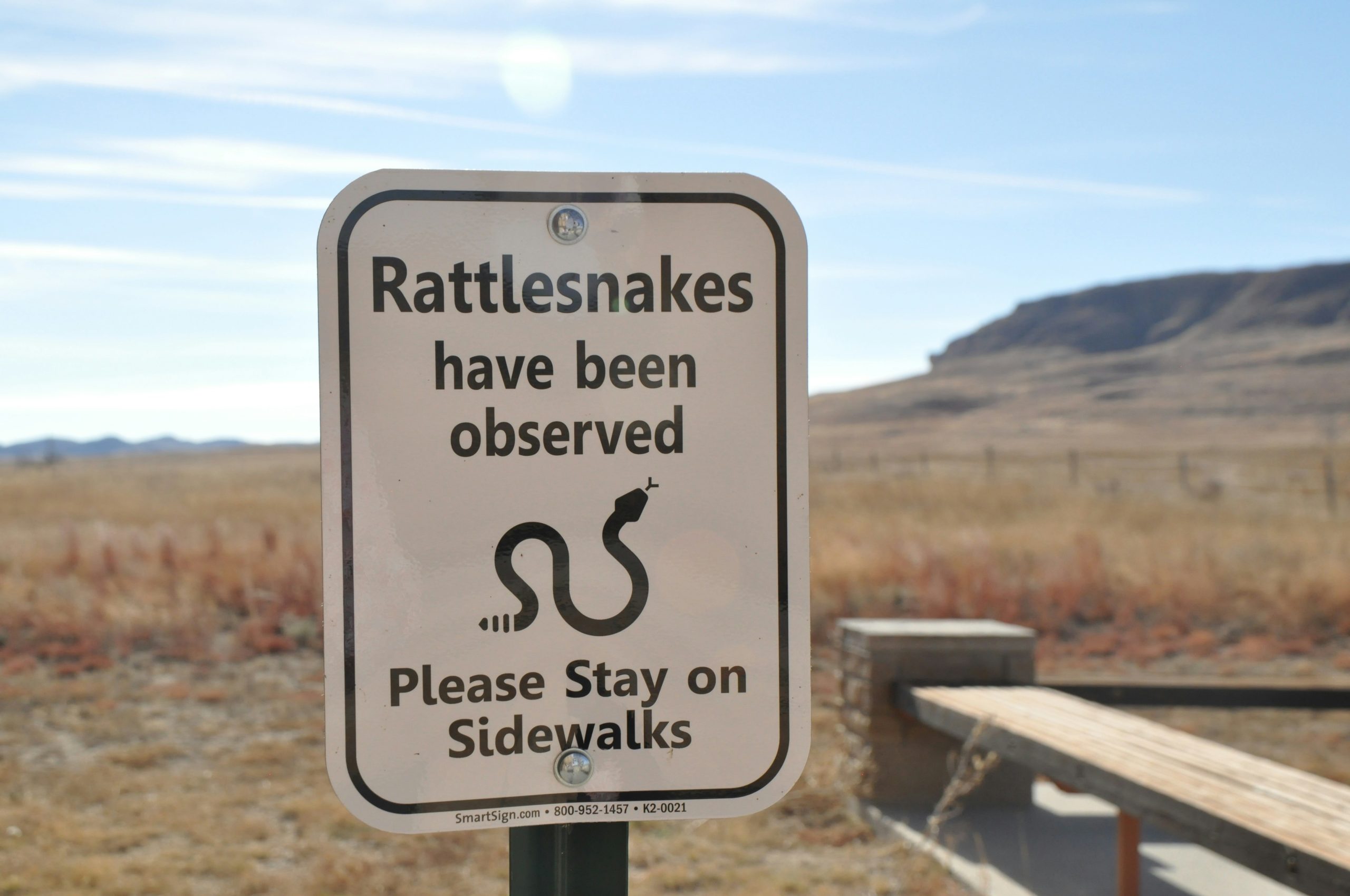
Cowboys learned early to listen for rattles, a snake’s natural warning system. They understood that stillness and silence often preceded an attack, but a rattling tail meant the snake was alert yet hesitant. By stopping to assess distance and movement, they avoided sudden mistakes. This skill wasn’t just about bravery; it was survival. Reading the rattles correctly meant telling the difference between a passing encounter and a potential strike, giving them the upper hand in tense moments.
2. Using Lassos for Distance
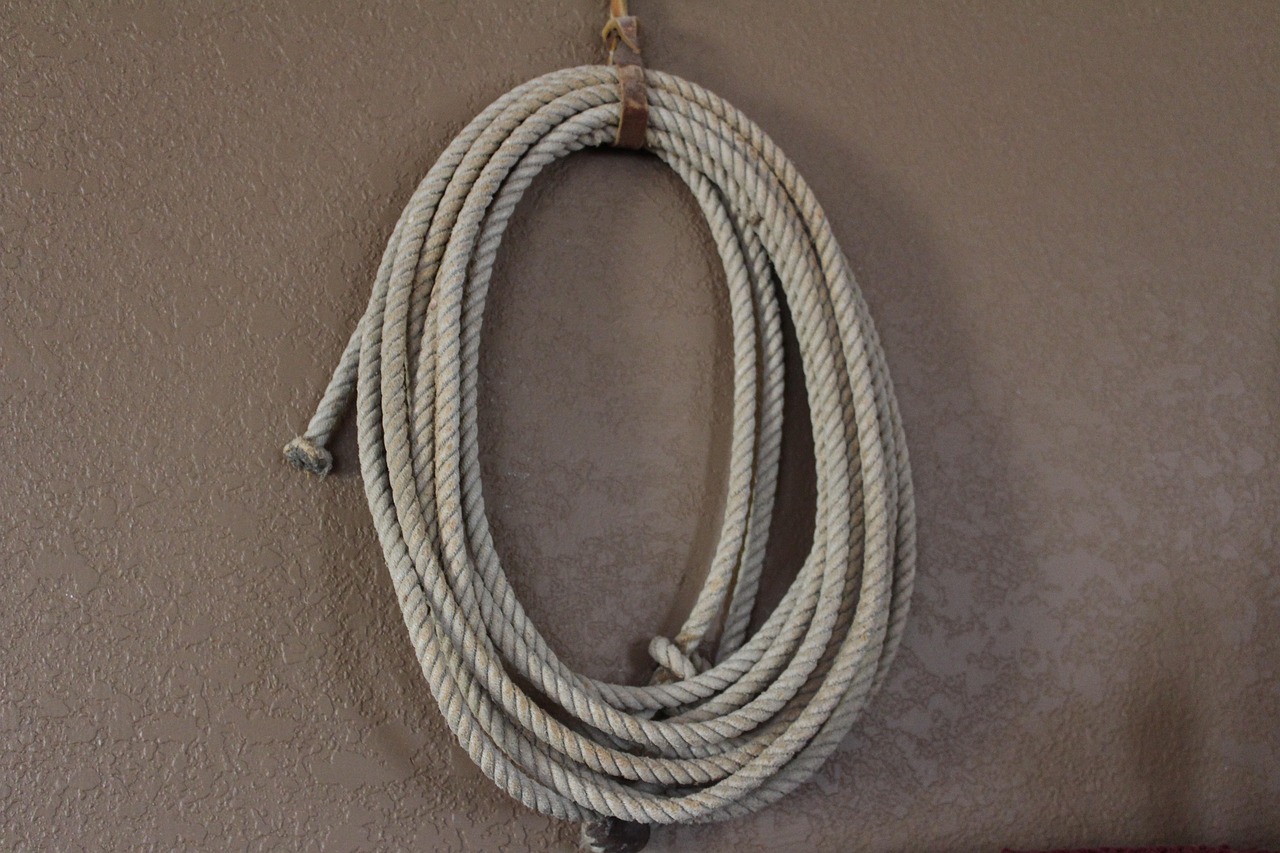
A cowboy’s rope was more than a tool for cattle; it also became a weapon of control. With quick aim, cowboys could drop a loop over a snake’s body to pin it from a safe distance. This technique allowed them to immobilize the reptile without risking a close encounter. The lasso trick was particularly useful on open trails, where stopping to engage directly was dangerous. It showed how resourceful cowboys adapted everyday tools to unexpected challenges.
3. Boots and Chaps as Armor
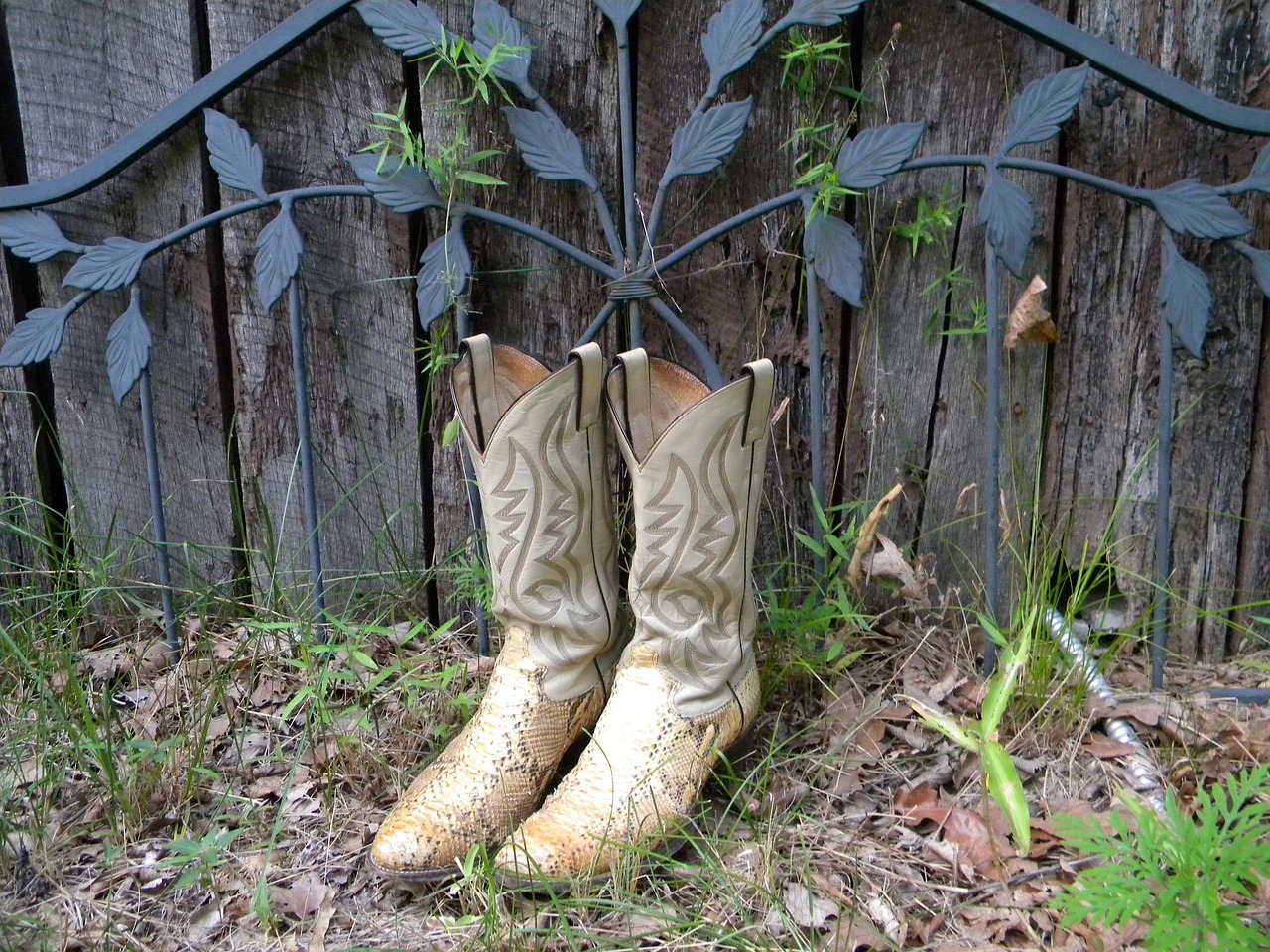
Thick leather boots and chaps weren’t just for riding; they doubled as makeshift armor against snake strikes. Cowboys quickly learned that while no gear made them invincible, the extra layers could blunt fangs and buy them precious seconds. Many swore by tall boots that reached the knee, giving them added security in brush and tall grass. Protective clothing, often overlooked as routine gear, became one of their smartest defenses in snake country.
4. Carrying Snake Sticks
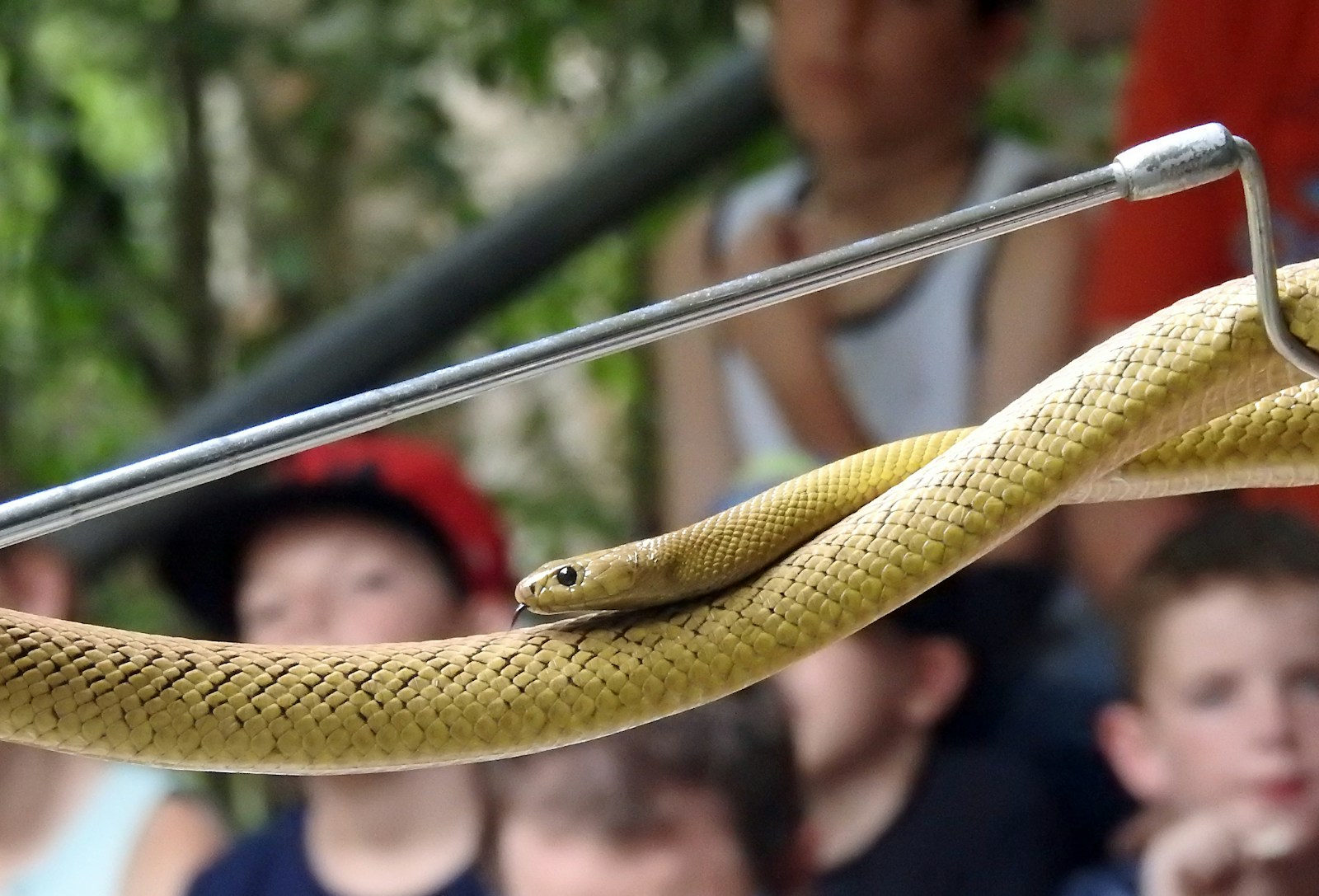
Cowboys often kept a stout stick close at hand to handle snakes. A forked branch could pin the reptile’s head, while a straight pole gave them distance during encounters. These sticks also allowed them to flip or guide snakes away without killing them, especially when superstition warned against unnecessary harm. The snake stick became a symbol of practical wilderness knowledge, simple, effective, and always within reach when danger slithered nearby.
5. Fire as a Barrier
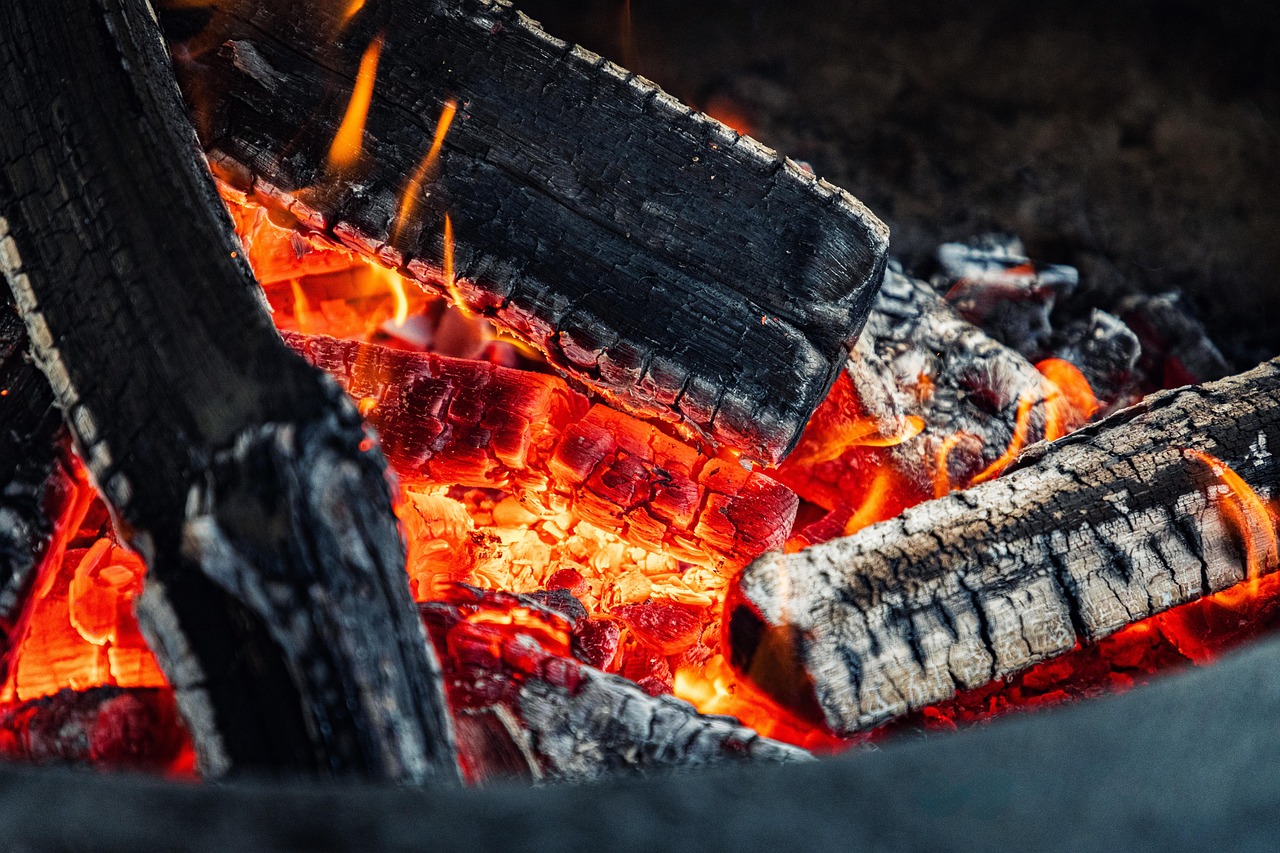
On long nights around the campfire, cowboys knew that snakes disliked flames. They arranged fires carefully, not only for warmth but also as a natural defense against unwanted reptilian visitors. Some even laid smoldering sticks around sleeping areas, believing the smoke created an invisible barrier. Whether entirely effective or partly myth, this practice gave cowboys peace of mind on the trail, making fire both a comfort and a protective tool against snakes.
6. Whistling and Vibrations
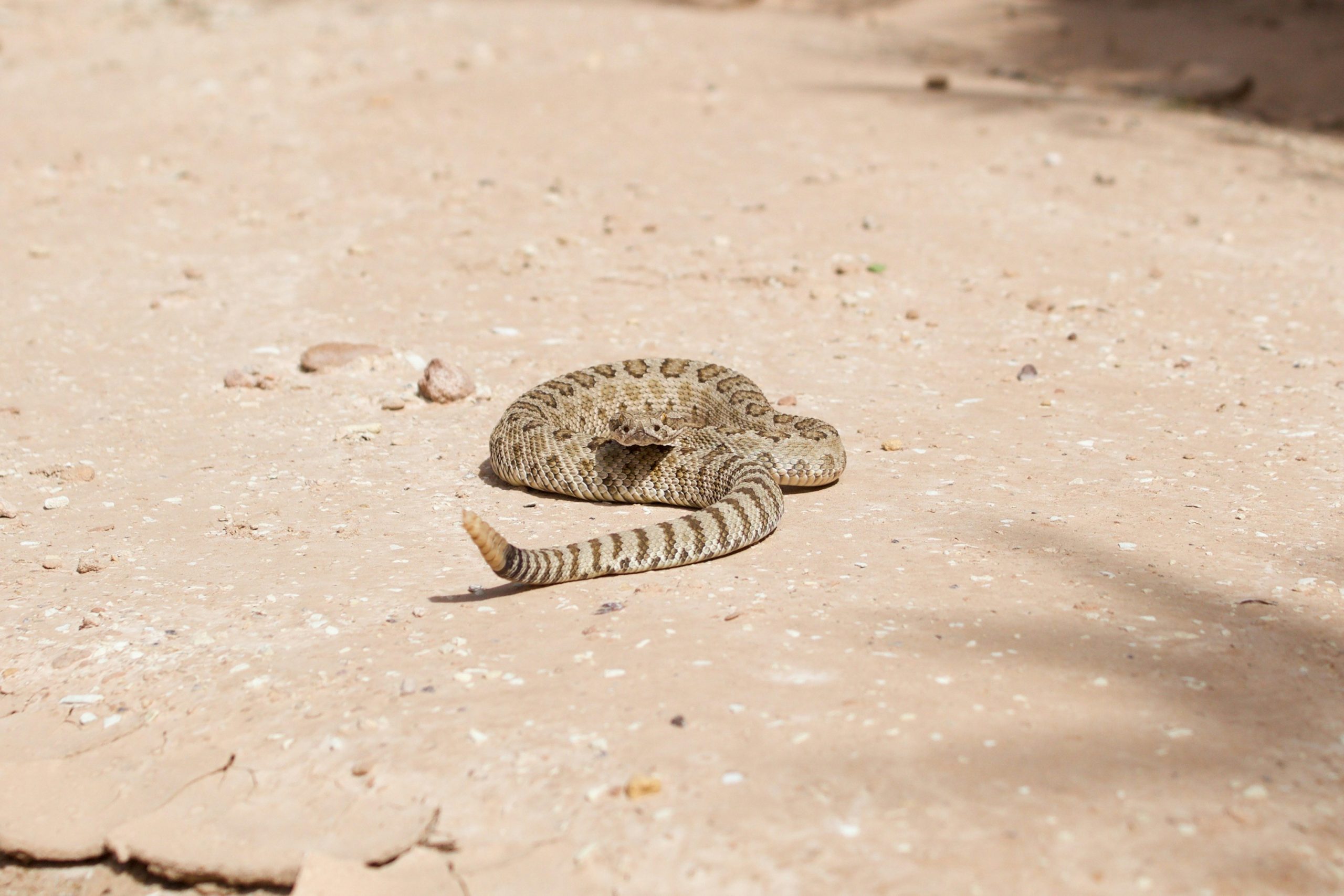
Many cowboys believed that snakes were sensitive to sound and vibrations. By whistling, stomping, or tapping the ground, they tried to alert snakes before walking into danger. The idea was to give the reptile time to retreat rather than provoke a strike. While modern science debates its effectiveness, the practice helped cowboys feel more in control. This blend of folklore and observation became one of their quieter but widely used methods on the range.
7. Handling with Hats
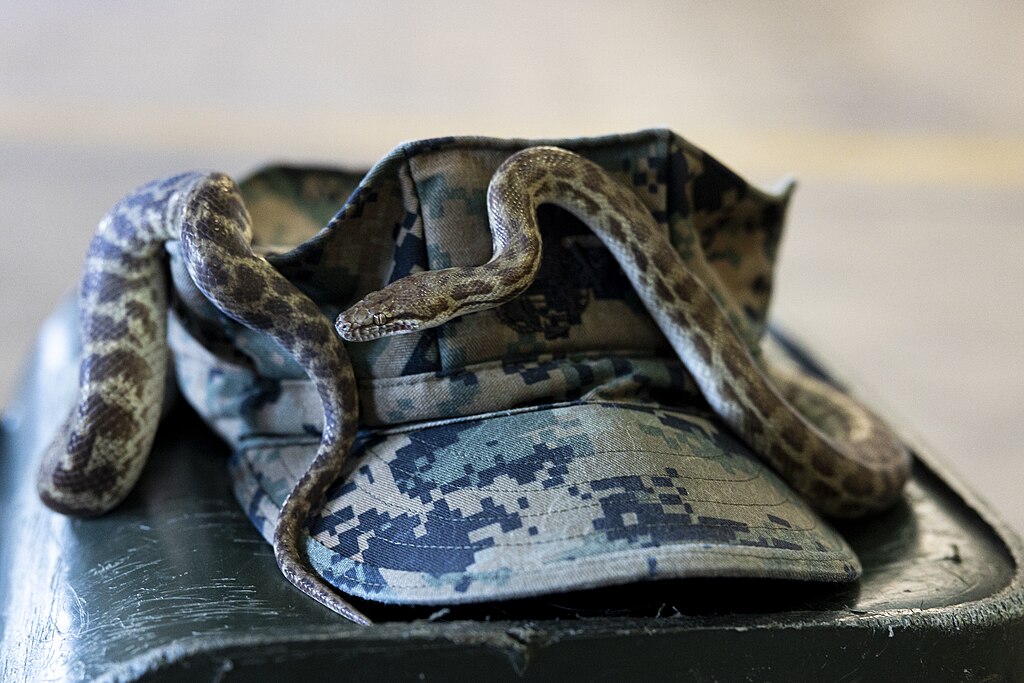
In desperate moments, cowboys sometimes used their wide-brimmed hats as shields or tools to distract snakes. A quick flick could redirect a reptile’s attention, buying time to back away. Some daring riders even trapped smaller snakes beneath their hats before disposing of them. While risky, the cowboy hat wasn’t just a fashion statement; it often became a multi-purpose survival tool. This trick reflected the cowboy’s knack for improvising with whatever was at hand.
8. Partner Protection
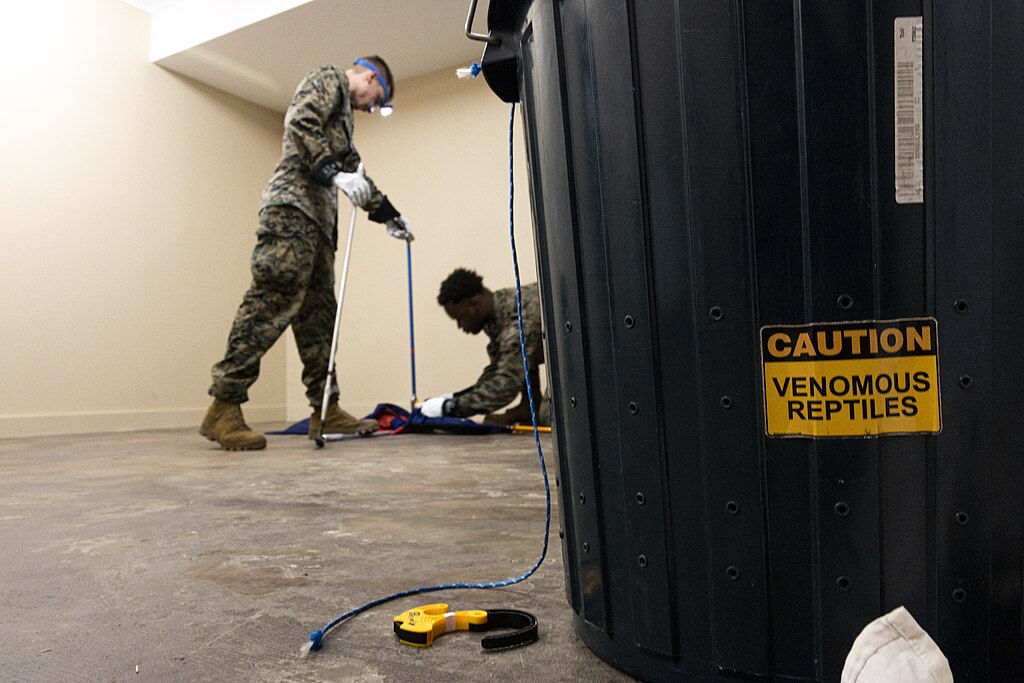
Cowboys rarely traveled alone, and partners often played a crucial role in snake safety. When one spotted danger, the other could act quickly using a rope, stick, or weapon to provide cover. This teamwork not only reduced risks but also reinforced the trust essential for long cattle drives. Snake handling was often less about individual heroics and more about cooperation. Shared vigilance turned a hazardous encounter into another example of frontier camaraderie and survival.
9. Quick Reflex with Revolvers
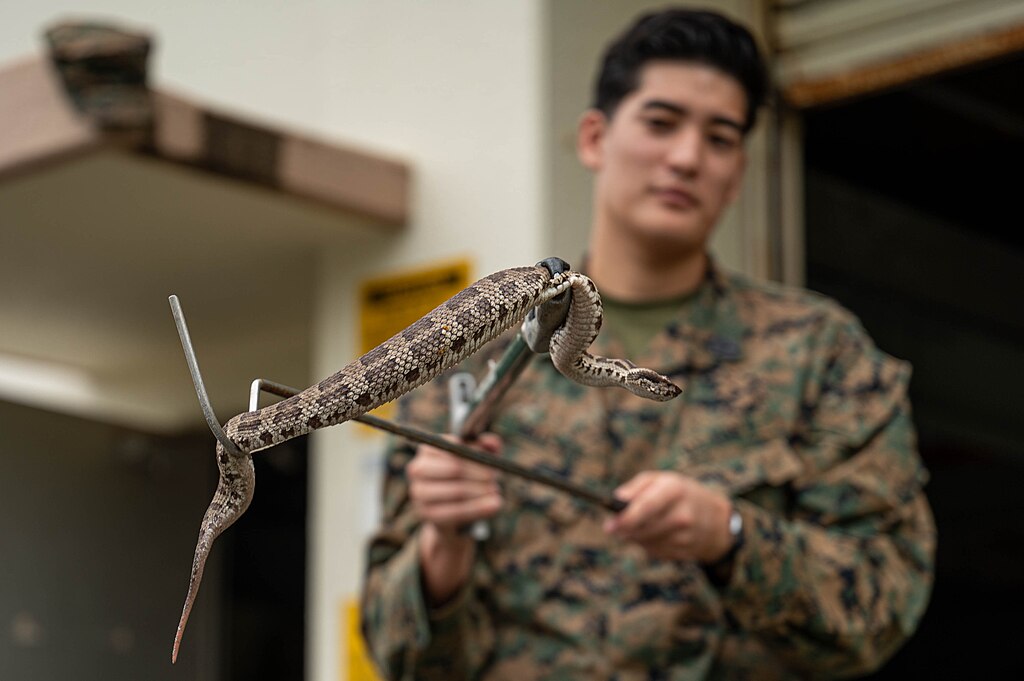
Though cowboys preferred not to waste bullets, sometimes a fast shot was the safest answer. Revolvers allowed them to dispatch snakes at a distance, especially when rattlers threatened camp or livestock. Accuracy mattered; missing could create more danger than it solved. While not the most practical everyday method, firearms gave cowboys peace of mind. This technique highlighted the balance between caution and decisiveness that defined life on the frontier.
10. Carrying Snake Oil and Remedies
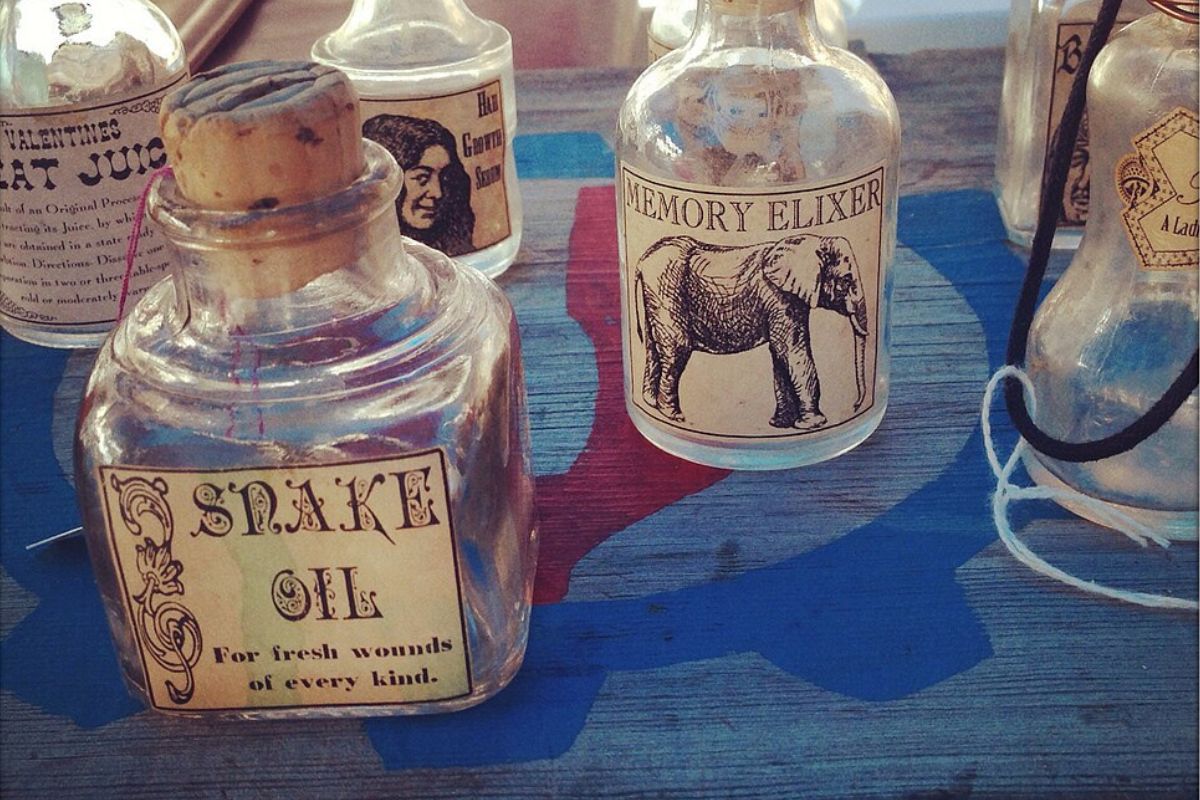
Cowboys often carried homemade remedies or so-called “snake oils” as a precaution. While not always medically sound, these tonics reflected genuine attempts to prepare for bites. Some remedies included herbal poultices, whiskey, or tightly wrapped bandages. Even if effectiveness was questionable, belief in their power offered reassurance. These practices show how cowboys combined frontier medicine, folklore, and hope to cope with one of the deadliest risks of the open range.
11. Superstitions as Safeguards
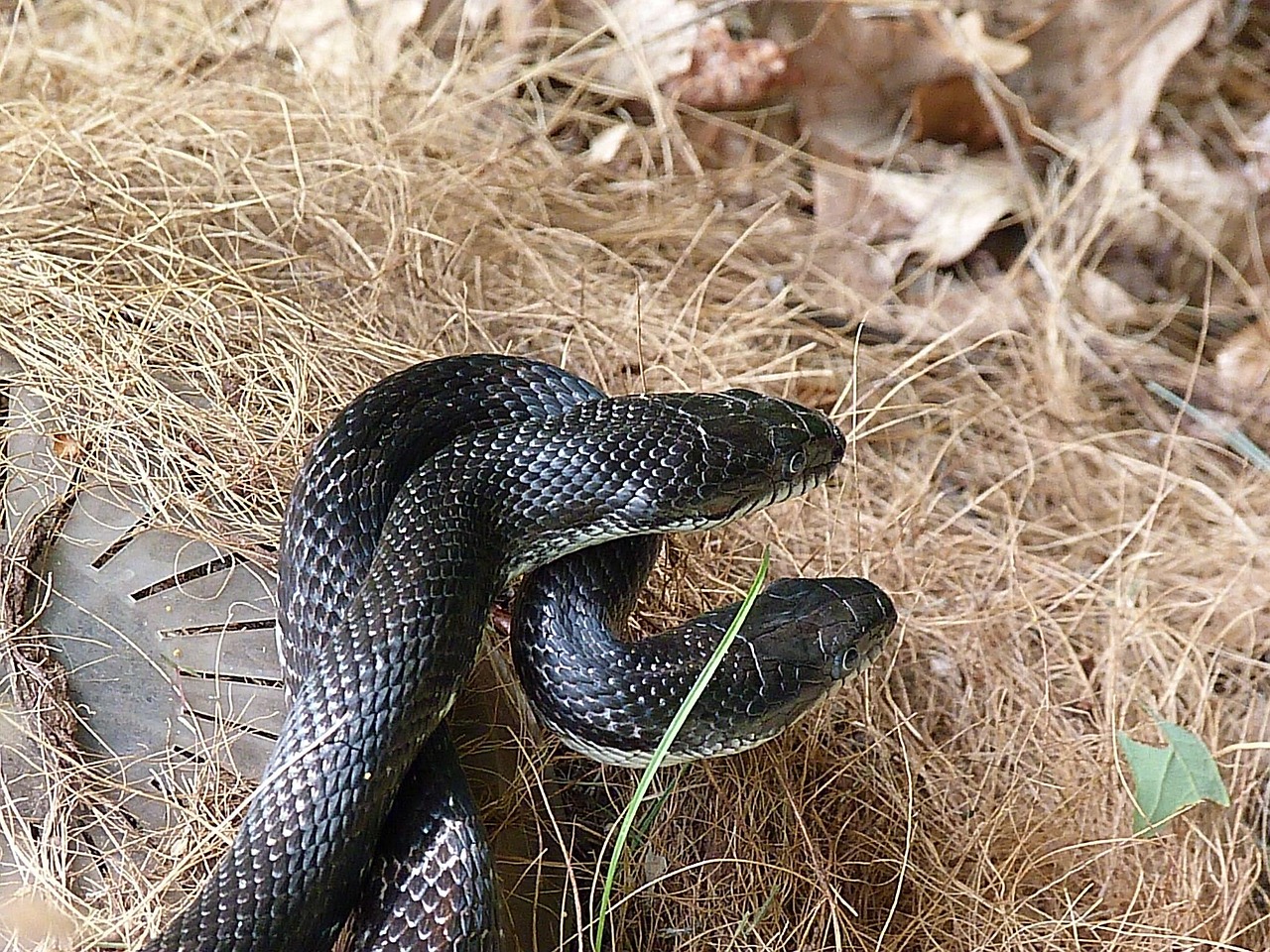
Superstition often guided cowboy behavior around snakes. Some believed killing a rattlesnake without cause would bring bad luck, while others carried charms to ward off bites. These beliefs influenced how they approached encounters, sometimes favoring avoidance over confrontation. While rooted in folklore, such practices encouraged caution, which often proved lifesaving. For cowboys, superstition wasn’t foolishness; it was a cultural layer of survival instinct passed down through generations.
12. Calmness and Respect
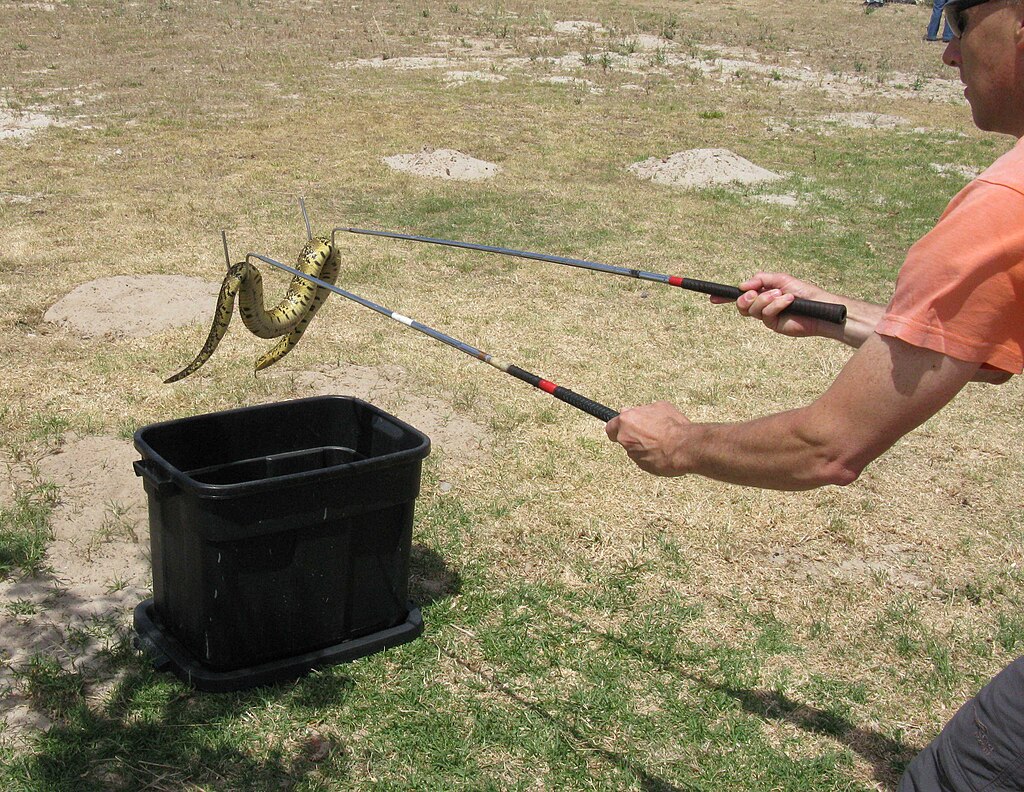
Perhaps the most important trick wasn’t physical but mental, remaining calm. Cowboys knew that panicking around snakes invited mistakes. Instead, they respected the reptile’s space, recognizing it as part of the land they all shared. Many encounters ended without conflict simply because cowboys moved slowly, backed away, and gave the snake a chance to escape. This quiet wisdom showed that the greatest tool a cowboy carried was patience and respect for nature itself.