Hunting is changing, and one of the clearest shifts in 2026 is who’s showing up at the range and in the field. More women are not only getting licensed and trained, but becoming some of the most intentional, safety-focused hunters in the sport.
The rise isn’t a novelty anymore
What used to be framed as a niche story is now a measurable movement. State wildlife agencies across the U.S. and Canada have reported steady increases in female hunter participation over the past several seasons, with hunter education classes, mentored hunts, and women-only clinics often filling quickly. Industry trade groups have also noted that women are one of the fastest-growing customer segments in firearms, optics, and outdoor apparel. By 2026, this is no longer a “surprising” trend. It is part of the new baseline for hunting culture.
A big reason is that barriers have come down. New hunters today can find instruction tailored to beginners, clearer safety education, and gear that actually fits different body types. That matters more than people outside the sport sometimes realize. A properly fitted stock, lighter rifle, and manageable optic setup can turn an intimidating first season into a confident one. When equipment works with the hunter rather than against her, participation sticks.
Social visibility has also played a role. Women now see other women guiding hunts, filming ethical harvests, teaching shot placement, and discussing meat processing with authority. That representation changes expectations. It tells beginners they do not have to force themselves into an old stereotype to belong in the field.
Why 2026 feels different from earlier waves
Previous spikes in interest were often tied to a single moment, like a social media boom or a pandemic-era turn toward outdoor activities. In 2026, the motivations are broader and more durable. Many women are entering hunting through a mix of self-reliance, interest in wild food, family tradition, and conservation ethics. Some come from rural backgrounds and are returning to something familiar. Others are suburban newcomers who started with archery, bird hunting, or venison processing classes.
Cost and food quality are part of the conversation too. Grocery prices remain a pressure point for many households, and more families are paying attention to where protein comes from. Harvesting deer, turkey, waterfowl, or hogs can be both practical and deeply personal. Hunters who process their own game often talk about control over meat quality, less waste, and a stronger connection to what ends up on the dinner table.
There is also a cultural shift inside the hunting world itself. Mentorship networks led by women have matured, and they are less focused on image than on competence. The emphasis is on range time, fieldcraft, animal identification, legal compliance, and recovery after the shot. That practical, no-drama approach has helped make hunting more accessible and more credible to a wider audience.
The gear conversation starts with fit, not ego

One of the biggest misconceptions about hunting rifles is that bigger always means better. Experienced hunters know that cartridge selection starts with the animal, terrain, likely shot distance, and the shooter’s ability to place a bullet accurately under stress. Women entering hunting in 2026 are often skipping the old ego-driven advice and choosing setups that prioritize confidence and consistency. In practical terms, that usually means moderate recoil, lighter overall rifle weight, and optics that allow quick target acquisition in low light.
This is where modern rifle design has made a real difference. Adjustable stocks, better recoil pads, suppressor-ready barrels where legal, and compact scopes have widened the range of comfortable options. Gun makers have also moved away from the patronizing “shrink it and color it” approach. More rifles marketed to women are simply well-balanced hunting tools with proper length-of-pull adjustments and sensible ergonomics.
That fit-first mindset influences ammo choices too. Hunters are increasingly pairing rifles with loads they can shoot often in practice, not just tolerate for one shot in November. Better familiarity leads to better shot placement, and better shot placement remains the most important factor in ethical hunting.
What ammo are many women actually carrying
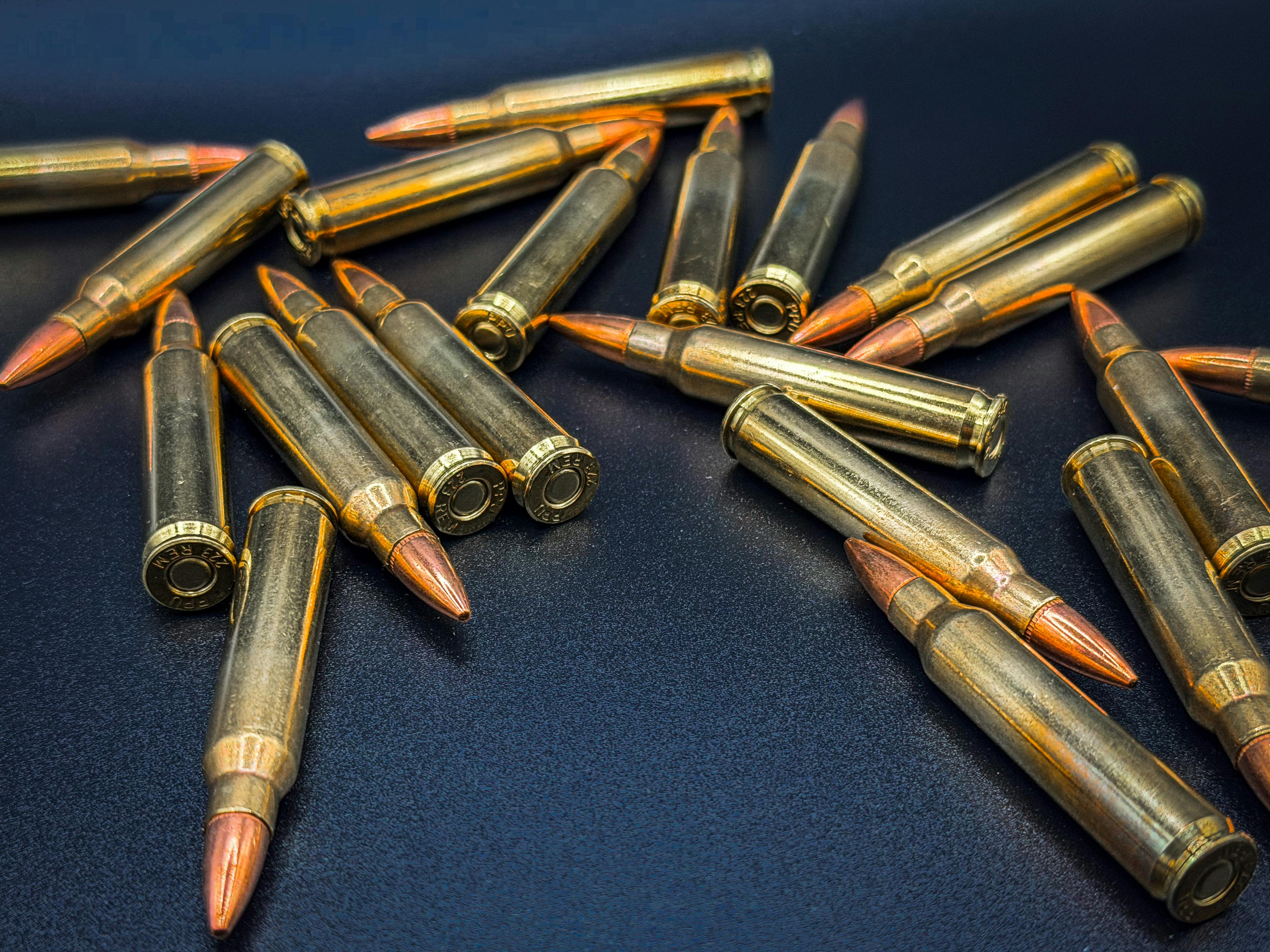
For deer-sized game, several cartridges continue to dominate because they work. The .243 Winchester remains a popular entry point, especially for younger or recoil-sensitive hunters, because it offers mild recoil and enough performance for whitetail with quality bullets and disciplined shot selection. The 6.5 Creedmoor is still extremely common in 2026 for the same reason many hunters love it: efficient ballistics, relatively soft recoil, and strong factory load availability. The .308 Winchester also remains a staple, particularly among women who want one versatile rifle for deer, hogs, and occasional elk with proper loads.
Bullet construction matters as much as the cartridge name. Hunters are favoring bonded bullets, controlled-expansion soft points, and monolithic copper designs that hold together well and penetrate reliably. In areas with lead restrictions, all-copper ammunition has become a standard rather than a specialty product. Loads built around bullets like 120-143 grain 6.5 mm projectiles, 95-100 grain .243 bullets, and 150-165 grain .308 rounds are common because they strike a useful balance between recoil and terminal effect.
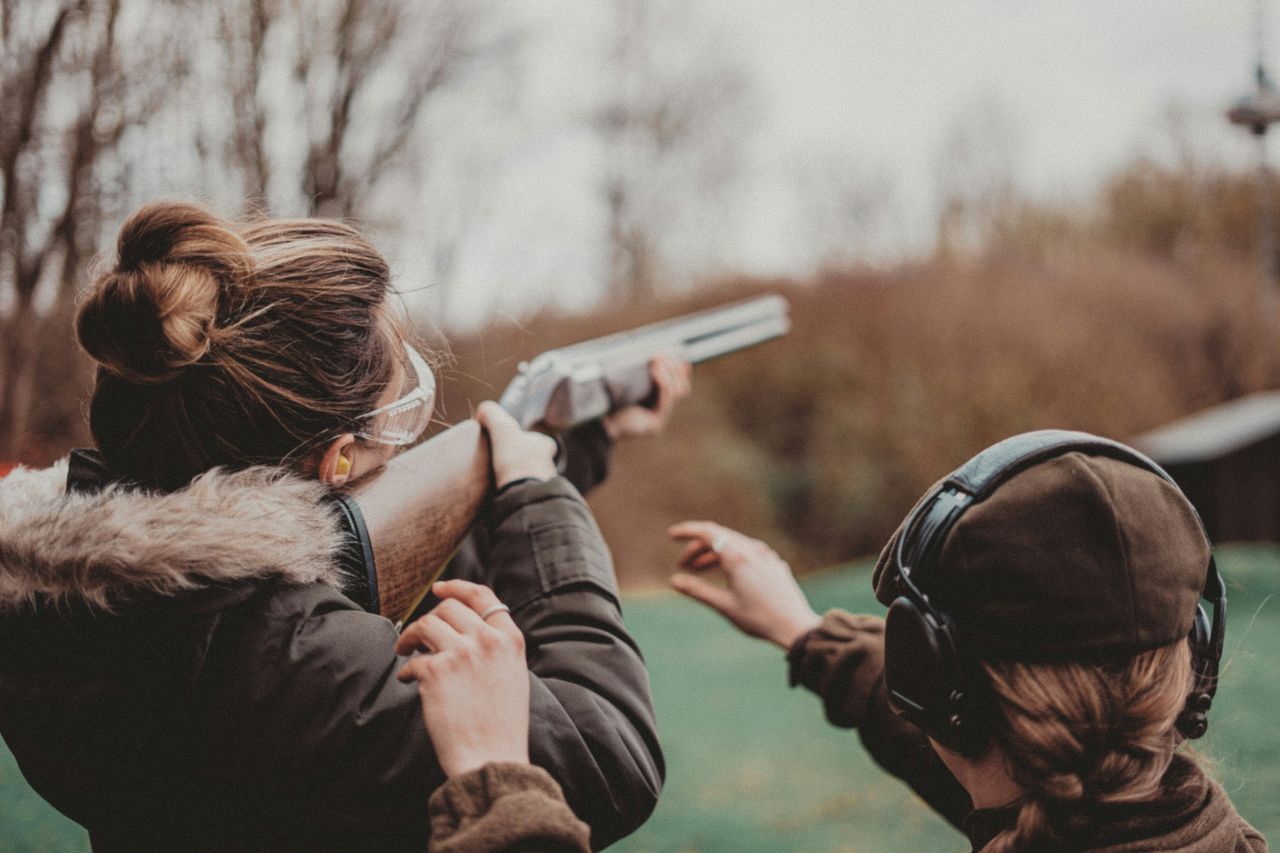
For upland birds and waterfowl, women are often carrying 20-gauge shotguns more than 12-gauge, especially in lighter field guns. Modern 20-gauge loads are effective, easier on the shoulder, and a smart choice for long days afield. For turkey, 20-gauge tungsten loads have become especially respected, delivering dense patterns and serious performance without forcing hunters into heavier recoil than necessary.
Confidence at the range translates to better field decisions

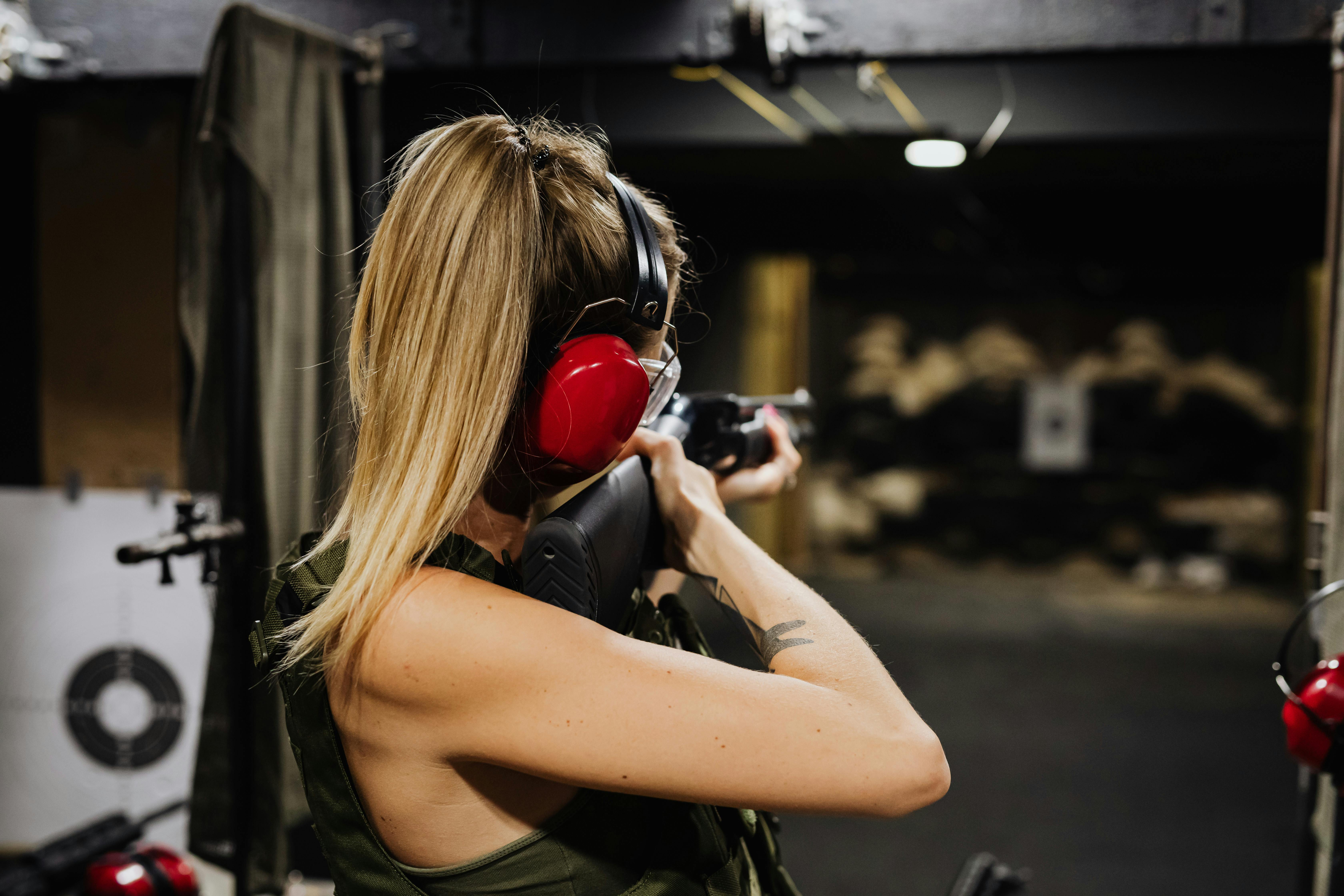
The women who stay with hunting tend to build skill deliberately. They spend time on fundamentals: breathing, trigger press, supported shooting positions, and realistic distance limits. Instructors regularly point out that newer female hunters are often highly coachable because they are less likely to arrive with bad habits or an urge to prove something with oversized calibers. That tends to pay off where it matters most, when an animal steps out and there are only seconds to act.
Range culture has improved as well. More clubs now offer women-focused clinics, deer rifle zero days, and shotgun fit workshops, often led by experienced hunters and firearms instructors. These are not about lowering standards. They are about giving people a clean learning environment where safety, repetition, and informed equipment choices come first. According to wildlife educators in several states, mentored programs have been especially effective at converting curiosity into long-term participation.
That preparation affects ammo selection in a meaningful way. Hunters who train more usually choose ammunition they can actually find, afford, and verify in their rifle before opening day. They care about repeatable accuracy and real-world reliability, not marketing hype. That practical streak is one reason so many women are settling on proven calibers instead of chasing novelty.
Conservation and community are major drivers
A lot of public discussion still misses the fact that hunting is tied closely to conservation funding and wildlife management. License fees, excise taxes on firearms and ammunition, and habitat programs all connect the act of hunting to broader stewardship. Many women entering the sport in 2026 are motivated by exactly that relationship. They want to understand where food comes from, but they also want to participate in a system that supports healthy game populations, habitat restoration, and scientific management.
Community matters just as much. Women’s hunt camps, mentorship weekends, and local wild-game cooking groups have turned hunting into a shared practice rather than a solitary identity badge. A first deer hunt often leads to a chain of other skills: tracking, butchering, cooking, hide work, and learning local regulations. That social layer helps new hunters remain engaged after the novelty wears off.
Importantly, many of these communities talk openly about ethical discomfort, imperfect first seasons, and the emotional weight of taking an animal. That honesty can be more welcoming than old-school bravado. It gives beginners permission to approach hunting seriously, ask better questions, and grow into the responsibility instead of pretending they already know everything.
What does this mean for the future of hunting
The growth in women hunters is likely to keep reshaping the market and the culture around the sport. Expect more demand for rifles with adjustable fit, lighter shotguns that still pattern well, and factory ammunition that emphasizes terminal performance without punishing recoil. Retailers and manufacturers that understand this are already responding with smarter product lines and better educational support. The message from the field is clear: practical gear wins.
It also means the image of the hunter is becoming more realistic. In 2026, a hunter might be a mother teaching her daughter to pattern a turkey gun, a first-generation adult learner mastering a 6.5 Creedmoor, or a bird hunter carrying a 20-gauge and a thermos before dawn. That wider picture is healthy for the sport because it brings in people who value discipline, ethics, and long-term commitment over performance for the camera.
As for the ammo women are carrying, the answer is less dramatic than some might expect. They are carrying what works: well-constructed bullets in cartridges they can shoot accurately, in platforms that fit them well, for game they have prepared to hunt responsibly. That is not a trend story. That is how serious hunters think.