New cartridges arrive with plenty of hype, but a surprising number of older handgun calibers never really lost their usefulness. From target ranges to duty holsters and backcountry sidearms, these rounds kept doing the job decade after decade. This gallery looks at 10 classic calibers that proved good design often matters more than flashy reinvention.
.22 Long Rifle

If there is a king of staying power, .22 Long Rifle is probably it. Introduced in the 19th century, it still dominates casual target shooting, training, small game hunting, and plain old backyard plinking where legal. Few cartridges have ever matched its mix of low recoil, low noise, and broad usefulness.
People keep trying to create the next great rimfire, yet .22 LR remains the round most shooters actually buy and use. It works in compact pistols, target handguns, and revolvers with equal ease. When a cartridge can teach beginners, sharpen experts, and stay affordable for generations, it is hard to argue it ever needed an upgrade at all.
.32 ACP

.32 ACP rarely gets glamorous headlines, but it quietly solved a very real problem long ago. It gave compact semi automatic pistols mild recoil, manageable size, and dependable function in an era when pocket carry was becoming a serious design goal. That formula still makes sense today.
Modern buyers often chase more power in tiny pistols, usually accepting more snap and less comfort in return. The old .32 ACP reminds us that shootability matters just as much as energy figures. In slim, lightweight handguns, it remains easier for many people to control well. For a cartridge built around practical concealment, that is not outdated. It is smart engineering that aged gracefully.
.38 Special

.38 Special has spent more than a century refusing to become irrelevant. It earned its reputation in service revolvers, target guns, and defensive carry pieces because it balances recoil, accuracy, and versatility in a way few handgun rounds ever have. Standard pressure loads are approachable, and +P options give it respectable modern defensive credibility.
What keeps it alive is flexibility. In a snub nose revolver, it is compact and practical. In a larger wheelgun, it becomes smooth, accurate, and easy to shoot for long sessions. Shooters may debate newer defensive rounds all day, but .38 Special still fills its role with very little drama. That kind of staying power usually means the original concept was right.
9mm Luger

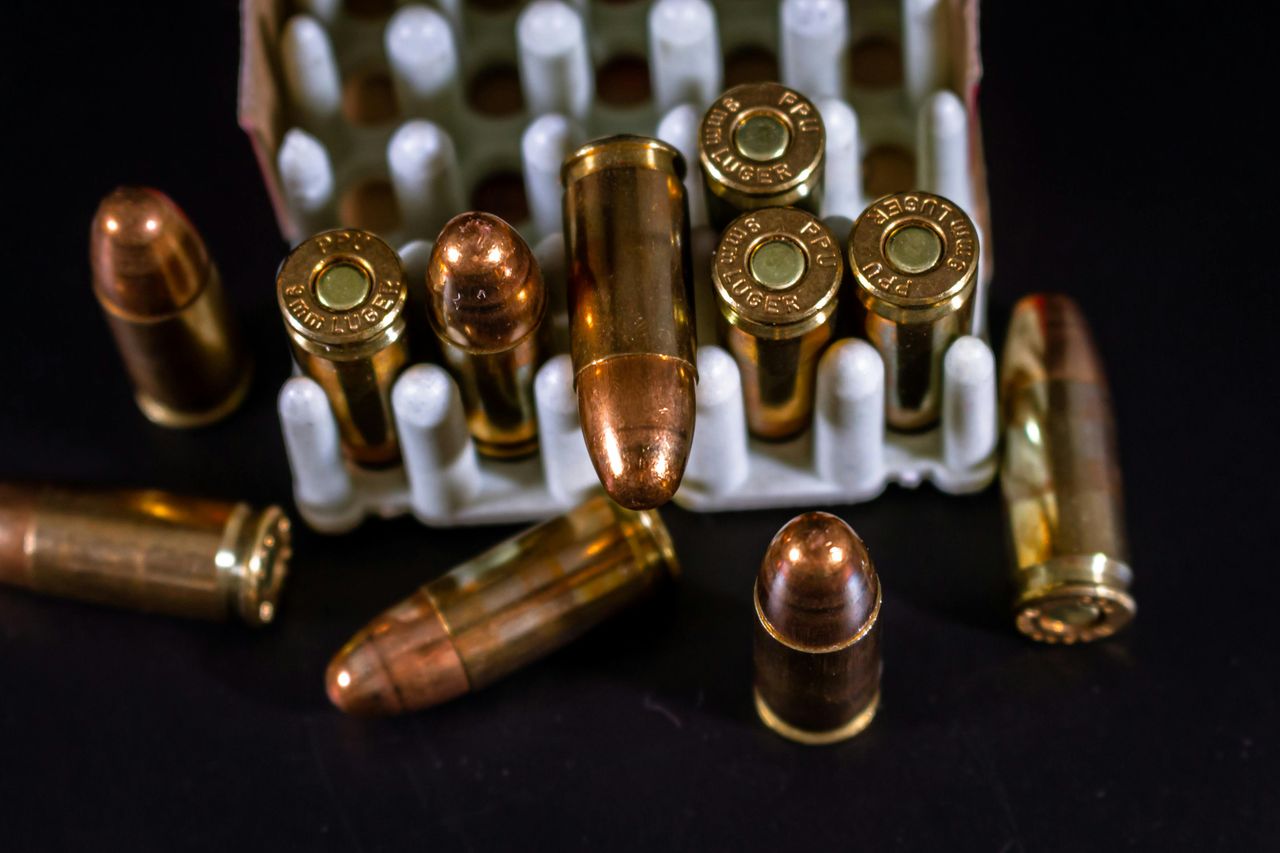
For a cartridge that has been around since 1902, 9mm Luger remains remarkably current. It is the global benchmark for service pistols, concealed carry guns, and training handguns because it hits the sweet spot so consistently. Capacity is good, recoil is manageable, and modern loads have only sharpened its strengths.
That last part is what makes the upgrade question so interesting. The cartridge itself did not need replacing. Bullet technology improved around it, allowing the original round to perform even better in modern defensive roles. Plenty of rivals have tried to dethrone it, often by promising marginal gains. Yet 9mm keeps winning because the basics were already solid. Sometimes refinement beats reinvention, and this is the textbook example.
.45 ACP

.45 ACP has a loyal following for a reason. For more than a century, it has delivered a big, slow, controllable push that many shooters still prefer over sharper recoiling alternatives. It became iconic through military service and competition, but its staying power comes from how easy it is to understand and how well it performs within its intended lane.
Every few years, some new round appears claiming to offer .45 results in a fresher package. Usually the pitch sounds exciting until real world tradeoffs appear in cost, recoil, wear, or platform limitations. .45 ACP never needed to be fashionable to stay relevant. It simply kept doing what it was designed to do, and doing it with uncommon consistency.
.357 Magnum

.357 Magnum arrived with authority and never really surrendered it. It gave revolver shooters serious velocity, strong penetration, and excellent field utility in a package that still fit duty and defensive handguns. Decades later, it remains one of the most respected all around revolver cartridges ever created.
Part of its appeal is range. Loaded lightly, it can be manageable and accurate. Loaded to full potential, it becomes a formidable hunting or trail round. That broad capability explains why so many supposed successors failed to push it aside. Shooters did not need an upgrade because the original already covered so much ground. In handgun terms, versatility like that is hard to replace and even harder to improve upon.
.44 Magnum

.44 Magnum has always occupied a specific niche, but it owns that niche completely. For handgun hunters, outdoorsmen, and shooters who want unmistakable power, it still stands tall. It became famous through pop culture, yet its real legacy was built on genuine performance in the field.
That is why upgrade attempts often feel unnecessary. If you need more, you usually move into much larger and more specialized territory with heavier guns and harsher recoil. If you need less, .44 Special compatibility gives many revolvers a softer, more flexible option. Few cartridges bridge practical versatility and raw authority this well. The .44 Magnum remains relevant because its core purpose has not changed, and neither has its ability to meet it.
.380 ACP

.380 ACP has survived every prediction of its demise. Critics often dismiss it as underpowered, but the cartridge has a very clear strength: it makes genuinely compact pistols practical for a huge number of people. In lightweight carry guns, reduced recoil and manageable handling can matter more than chasing a more aggressive ballistic profile.
That is why the round keeps coming back into favor. Better defensive loads and better pistol design improved the platforms around it, not because the caliber was broken, but because the mission remained the same. .380 ACP still offers a realistic balance of concealability and control. For many carriers, especially those sensitive to recoil, that old formula remains more useful than newer, louder alternatives.
10mm Auto

10mm Auto has had one of the strangest journeys in handgun history. It was once treated like the future, then blamed for being too much cartridge for many duty shooters, then rediscovered by enthusiasts who appreciated exactly what made it distinctive. Today it enjoys a strong second life because it never actually stopped offering something valuable.
For defense against animals, hunting, and high performance semi automatic use, 10mm still occupies a sweet spot with very few direct rivals. Attempts to tame it often produced different cartridges rather than better ones. That tells the story. The original concept was sound, even if it was not ideal for every user. In the right hands and roles, 10mm Auto did not need upgrading. It just needed honest expectations.
.40 S&W

.40 S&W is the odd entry here because many shooters now treat it like a cartridge that was replaced. In truth, it never became useless. It was built to deliver more bullet weight and energy than 9mm in service sized pistols, and for years it did exactly that for law enforcement and private citizens alike.
What changed was not that .40 suddenly failed. Improvements in 9mm bullet design narrowed the practical gap enough that many agencies preferred the softer recoil and lower wear of 9mm platforms. That is a market shift, not proof that .40 needed an upgrade. It still offers solid performance and remains effective in the roles it was designed for. Sometimes a cartridge fades from fashion long before it fades from usefulness.