Trends come and go, but a truly useful bush knife keeps turning up wherever people still split kindling, dress game, and make camp in rough country. These seven blades earned their reputations the old way, through decades of hard use, practical design, and the kind of trust that only comes from the field. If a knife keeps showing up in serious camps year after year, there is usually a very good reason.
Mora Companion

The Mora Companion is proof that a bush knife does not need a big price tag to earn serious respect. Lightweight, simple, and easy to maintain, it has become a go-to blade for campers who care more about performance than prestige. It slices cleanly, carves well, and disappears into a pack until needed.
Part of its staying power comes from how little drama it brings to camp life. The Scandinavian grind is friendly to sharpening, the handle stays comfortable in wet weather, and the knife handles routine woodcraft with confidence. For many outdoors people, it is the modern classic that keeps reminding everyone why uncomplicated tools often last the longest.
Buck 119 Special

The Buck 119 Special carries a little frontier romance, but its reputation was built on practical work. With its clip-point blade and substantial reach, it has long been favored for hunting camps, general field chores, and the kind of rough use that rewards a dependable heat treat. It looks classic because it is classic.
In serious camps, the 119 still matters because it bridges utility and tradition so well. It can process game, tackle camp tasks, and hold an edge through a long day outside. The leather sheath, the familiar black handle, and that recognizable profile all feel timeless, but the real appeal is simpler than nostalgia. People keep bringing it because it still gets the job done.
Ka-Bar USMC Fighting Utility Knife

The Ka-Bar USMC knife was designed in a military context, but it found a second life anywhere toughness mattered. In camp, it is less about ceremony and more about confidence. The long blade, stacked handle, and durable construction give it a feel that says it has seen weather, hard ground, and rough hands before.
It is not the most delicate carving tool in the woods, and that is part of the point. Serious campers who choose a Ka-Bar usually want a knife that can handle ugly work without complaint. Batoning, clearing brush, and general camp abuse are where it earns its keep. Decades after its debut, it still turns up because reliability never really goes out of style.
Marttiini Lynx
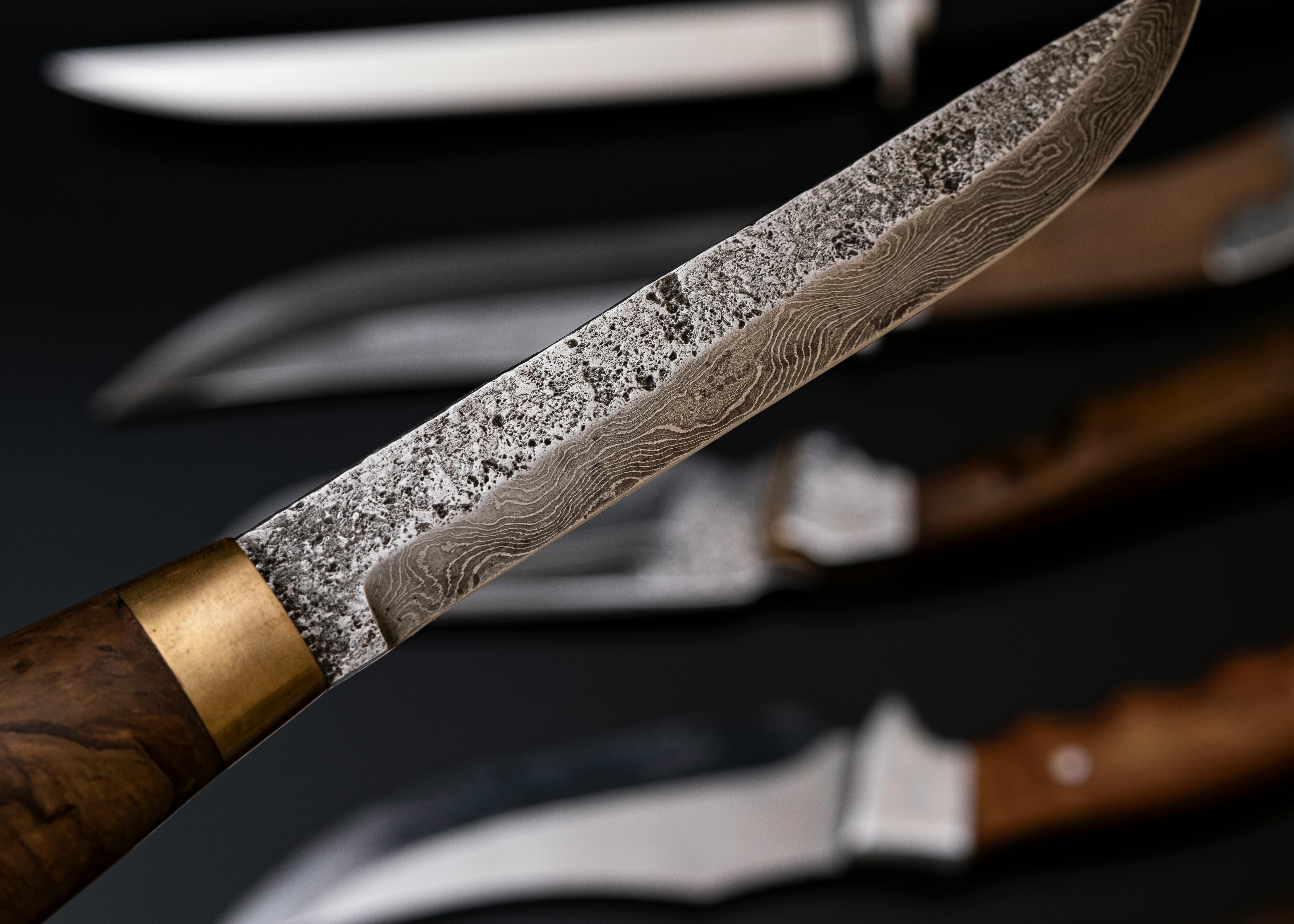
The Marttiini Lynx brings a northern sensibility to bushcraft, with a profile shaped by practical life in cold country. Slim, sharp, and elegant without being precious, it reflects a tradition where a knife is not an accessory but a daily companion. In camp, that kind of heritage tends to speak for itself.
What helps the Lynx endure is the way it blends beauty and utility so naturally. It is nimble in the hand, excels at slicing and detail work, and feels especially at home around wood, food, and fire prep. The look may be refined, but the purpose is grounded and real. For campers who appreciate old-world craft with genuine field value, it remains a quiet favorite.
Grohmann No. 1 Original Design
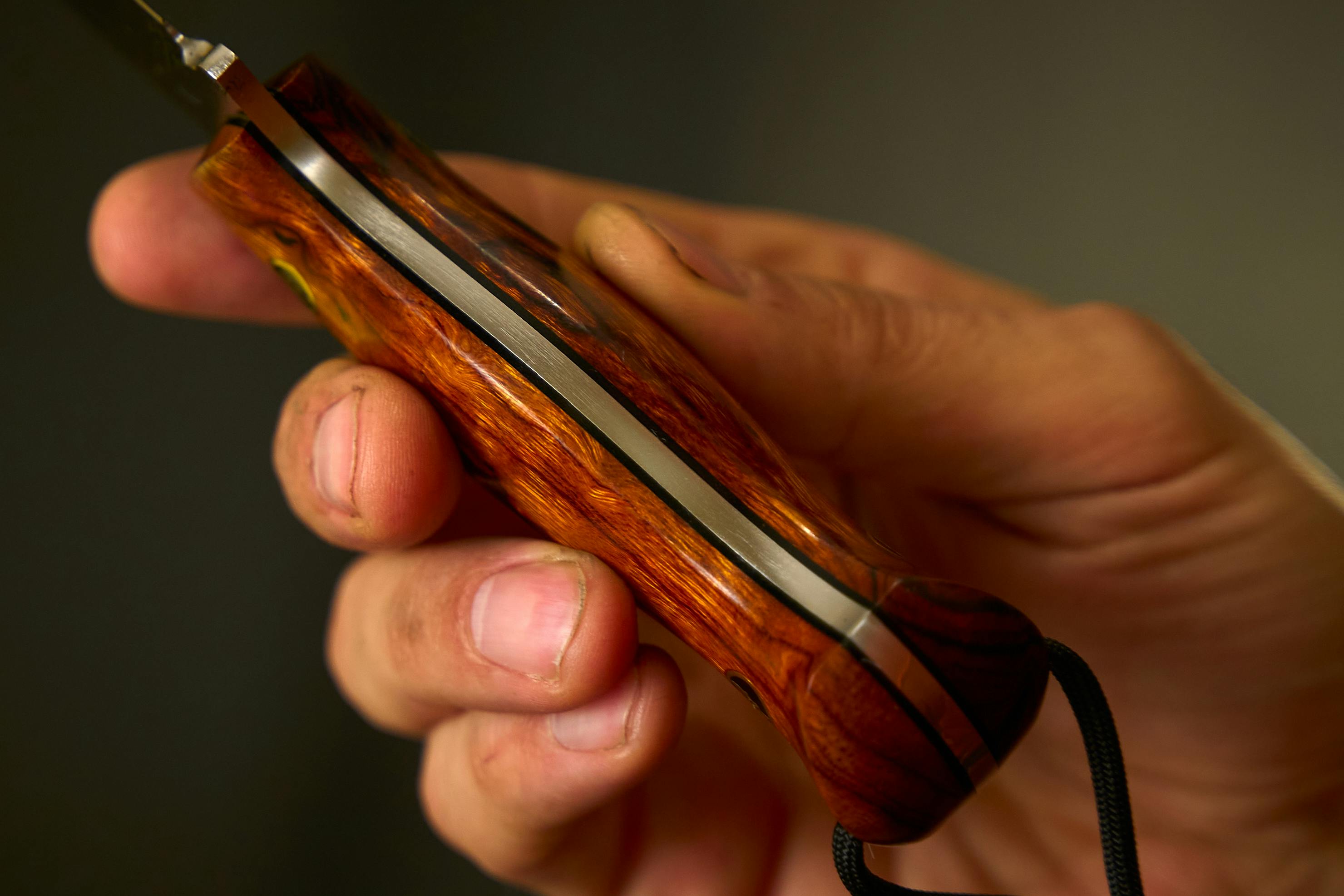
The Grohmann No. 1 has one of those shapes that looks unusual until you actually use it. Then it starts making immediate sense. Designed in Canada and long associated with hunters, trappers, and outdoors people, its curved blade and distinctive handle make it surprisingly capable across a range of camp and field tasks.
That unique profile gives the knife excellent control when skinning, slicing, and doing close work around camp. It feels purpose-built rather than trendy, which is exactly why it has lasted. The Grohmann does not chase modern styling cues or tactical bravado. It simply keeps serving people who spend enough time outside to recognize smart design when they feel it in hand.
ESEE 4

The ESEE 4 is a newer classic compared with some knives on this list, but it has already earned a place in serious camps by doing nearly everything well. It is sturdy without being oversized, comfortable without feeling soft, and built with a straightforward philosophy that favors real-world use over marketing gloss.
What keeps the ESEE 4 in rotation is trust. Campers know it can take abuse, sharpen back up without too much fuss, and handle everything from feather sticks to food prep if needed. The slab handle, practical blade length, and tough steel make it feel ready rather than flashy. In a field crowded with short-lived trends, that kind of balanced competence stands out.
Ontario RAT-5

The Ontario RAT-5 has a no-nonsense reputation that fits well in camps where gear is expected to work hard. Developed from practical field thinking rather than showroom theatrics, it offers a robust fixed-blade format with enough blade to tackle heavier chores while still staying manageable on the belt.
Its appeal comes from that blunt honesty. The RAT-5 feels like a tool first, and that is exactly why many outdoors people keep one close. It can handle wood processing, rough utility work, and the sort of daily punishment that exposes weak design quickly. While newer knives arrive with bigger claims every season, the RAT-5 stays relevant by simply being rugged, useful, and easy to trust.