Some cartridge debates never really die. They just get quieter as more hunters change their minds in the field.
The old king still has a loyal following.

For a long time.308 Winchester was the practical hunter’s cartridge. It earned that reputation honestly, combining manageable recoil, strong terminal performance, and wide availability in nearly every sporting goods store in America. If you wanted one rifle for whitetails, hogs, black bear, and the occasional elk trip, .308 was the answer people gave without hesitation.
Part of that loyalty comes from familiarity. Hunters grew up watching fathers, uncles, and camp buddies drop deer cleanly with 150-grain and 165-grain .308 loads, and success builds trust faster than any ballistic chart ever will. The cartridge also fits in short-action rifles, tends to be accurate in many factory guns, and works well from compact barrels that are handy in woods hunting.
There is also a logistical reason. .308 remains powerful in the market. Ammunition choices are everywhere, from affordable soft points to bonded bullets, monolithic copper loads, and match-grade offerings. In uncertain supply periods, .308 often returns to shelves faster than trendier rounds, and that matters to hunters who actually shoot a lot before season.
Even now, nobody serious would call .308 obsolete. It remains one of the most versatile centerfire cartridges ever made, and inside normal hunting distances, it still performs with authority. That is exactly why the Creedmoor shift is interesting: hunters are not leaving a bad cartridge behind; they are choosing a different kind of advantage.
Why 6.5 Creedmoor feels easier to shoot well

The biggest reason hunters are quietly switching is not hype. It is that 6.5 Creedmoor is simply easy to shoot accurately, especially for people who do not enjoy heavy recoil or who want to spot their own hits through the scope. That matters more than many old-school arguments admit, because field accuracy often depends on comfort and confidence as much as raw power.
Compared with .308, 6.5 Creedmoor generally produces less recoil in rifles of similar weight. The difference is not imaginary, and over a long-range session, it becomes obvious. Reduced recoil helps newer hunters avoid flinching, lets smaller-framed shooters stay composed, and makes practice more pleasant, which usually means more practice actually happens.
The cartridge was also designed around efficient, high-ballistic-coefficient bullets that hold velocity well. In plain language, that means the bullet slips through the air better, drifts less in wind, and drops less dramatically at longer ranges than common .308 hunting loads. Hunters may not describe it in those terms at camp, but they notice when their holds feel simpler.
This is why many rifle instructors and precision shooting coaches recommend 6.5 Creedmoor to hunters crossing over from ordinary deer rifles into longer-range setups. The cartridge is forgiving without being weak, modern without being exotic, and accurate in a wide range of factory rifles. For many shooters, that combination is enough to win the argument before hunting season even starts.
Ballistics are where the Creedmoor gains ground
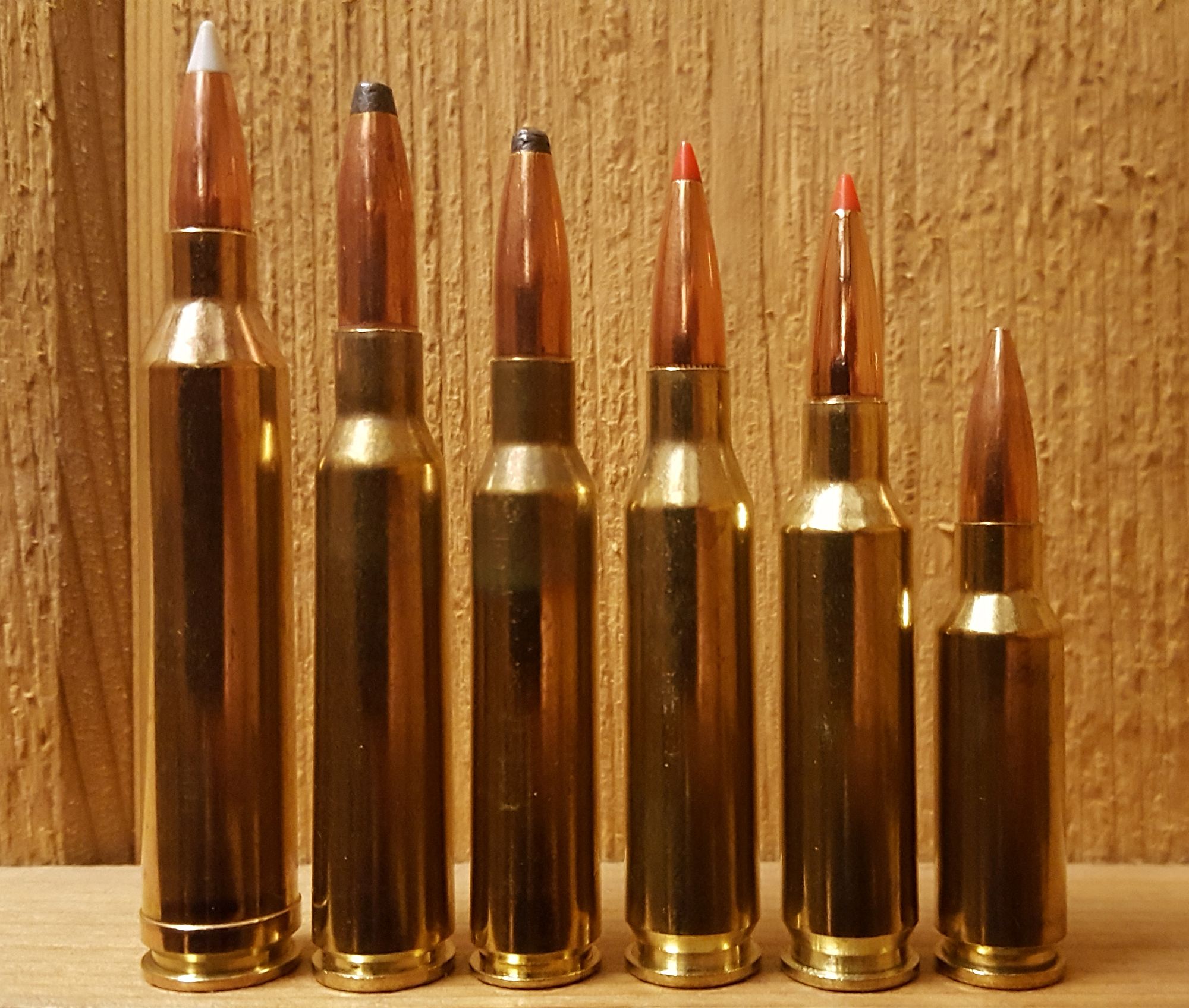
On paper, .308 Winchester starts with bullet weight and frontal authority, while 6.5 Creedmoor counters with efficiency. A typical .308 hunting load might launch a 150-grain bullet around 2,800 fps, while a common 6.5 Creedmoor load pushes a 140-grain bullet around 2,700 fps. Those numbers look close, but the shape of the bullet changes what happens downrange.
Because many 6.5 bullets carry higher ballistic coefficients, they retain speed better and resist wind drift more effectively. Out past 300 yards, that often translates into less drop and less horizontal movement in gusty conditions. For hunters in open country, where shots can stretch, and wind calls get tricky fast, this is more than a range nerd talking point.
That said, ballistic advantage is often exaggerated online. Inside 200 yards, especially in timber or broken terrain, the difference between the two cartridges is far less dramatic than internet debates suggest. A deer hit properly with either cartridge will not know which forum thread the hunter believed.
Where 6.5 Creedmoor really separates itself is consistency at the edges of ordinary hunting distance. If a shooter misreads wind slightly or has to thread a careful shot across a field, the cartridge offers a little extra margin. That margin does not replace judgment, but it can make difficult shots more predictable when conditions are less than perfect.
What happens in the game matters more than internet chatter
Hunters do not switch cartridges because of spreadsheets alone. They switch when they see what happens with deer, antelope, and hogs, and when recovery distances stay short enough to build trust. That is where the 6.5 Creedmoor surprised many skeptics: despite smaller diameter bullets, it has proven highly effective with modern hunting projectiles placed correctly.
With quality bullets, the 6.5 Creedmoor penetrates well and expands reliably on medium game. Many experienced guides and processors have now seen enough animals taken with it to treat it as normal rather than experimental. Broadside deer and pronghorn are exactly the kind of game where the cartridge shines, delivering clean kills without punishing the shooter.
The .308, however, still carries a practical edge when hunters want heavier bullets and more frontal mass for larger-bodied animals or less-than-ideal angles. On elk, large hogs, or black bear in thick country, many hunters still prefer the confidence of 165-grain, 180-grain, or similarly stout .308 loads. That confidence is not irrational; it reflects decades of real outcomes.
So the switch is not really about one cartridge being deadly and the other being inadequate. It is about how modern hunters define enough gun for the animals they actually hunt most often. For a huge share of deer-focused hunters, 6.5 Creedmoor crossed that threshold years ago and never looked back.
Rifle fit, barrel life, and ammo shelves complicate the choice
A cartridge is only part of the hunting equation. Rifle weight, barrel length, action design, suppressor use, and ammunition cost all shape what hunters buy and keep. In that broader real-world picture, both cartridges have strengths, and the decision often comes down to how someone hunts rather than what they claim online.
The .308 works exceptionally well in compact rifles with shorter barrels. It gives up less performance than many cartridges when cut down, which is one reason it remains popular in handy mountain rifles, truck guns, and suppressed setups. Hunters who value portability and simplicity often appreciate how flexible .308 feels in practical rifle configurations.
6.5 Creedmoor also performs well in short actions, but many shooters pair it with rifles intended for precision-style shooting. That can mean heavier barrels, longer optics, and a system optimized for stability rather than pure handiness. For stand hunters or western spot-and-stalk hunters, that tradeoff makes sense, but for a woods hunter moving through brush, it may not.
Then there is barrel life and ammunition supply. .308 generally has a reputation for long barrel life and broad ammo availability, while 6.5 Creedmoor can be slightly more sensitive to market fluctuations depending on region and demand. Hunters switching sides often accept those tradeoffs because they shoot better with the Creedmoor, but they are still tradeoffs.
Why newer hunters often choose 6.5 first

A big part of the shift is generational. Hunters entering the sport today are less attached to tradition and more likely to buy based on current performance data, rifle reviews, and what they hear from instructors or experienced friends. If their first serious centerfire rifle is chosen in that environment, 6.5 Creedmoor often looks like the smart modern default.
It also helps that many first-time buyers are testing rifles at ranges where precision culture has influenced expectations. They are hearing about group size, recoil management, muzzle brakes, suppressors, and ballistic apps rather than simply whether a cartridge has “knockdown power.” In that world, 6.5 Creedmoor fits the conversation naturally and benefits from a polished reputation.
Women, younger shooters, and recoil-sensitive hunters have also played a real role in its rise. A cartridge that is easier to practice with opens the door for more people to become competent and comfortable before opening day. That is not marketing fluff; it changes outcomes in the field, where calm shot placement is everything.
Meanwhile, .308 often becomes the cartridge people come to later if they want a broader all-purpose rifle or simply value tradition and versatility. That is why the shift feels quiet instead of dramatic. Hunters are not staging a rebellion against .308; many are just starting somewhere else and staying there.
The smart choice depends on where and how you hunt
If most of your shots are inside 200 yards in thick woods, .308 Winchester remains incredibly hard to beat. It is available almost everywhere, performs well with a wide range of bullet weights, and brings proven authority on game from deer to elk with the right load. For hunters who want one dependable rifle and no drama, it still makes a compelling case.
If you hunt open country, practice often, and care about lighter recoil and easier long-range holds, 6.5 Creedmoor has obvious advantages. It tends to help ordinary shooters shoot a little better, especially when distance stretches and wind becomes part of the problem. In hunting, small improvements in shootability can have outsized effects on confidence and precision.
The quiet switch, then, is not about fashion. It is about the fact that many hunters have learned they can place shots more accurately with 6.5 Creedmoor while giving up very little on the game they actually pursue. That is a persuasive combination, and once people experience it, they rarely argue as loudly as they used to.
In the end, both cartridges are excellent. But one represents old-school versatility, and the other reflects a modern emphasis on efficiency and shootability. Hunters are switching sides because they are following results, and in the field, results always speak louder than nostalgia.