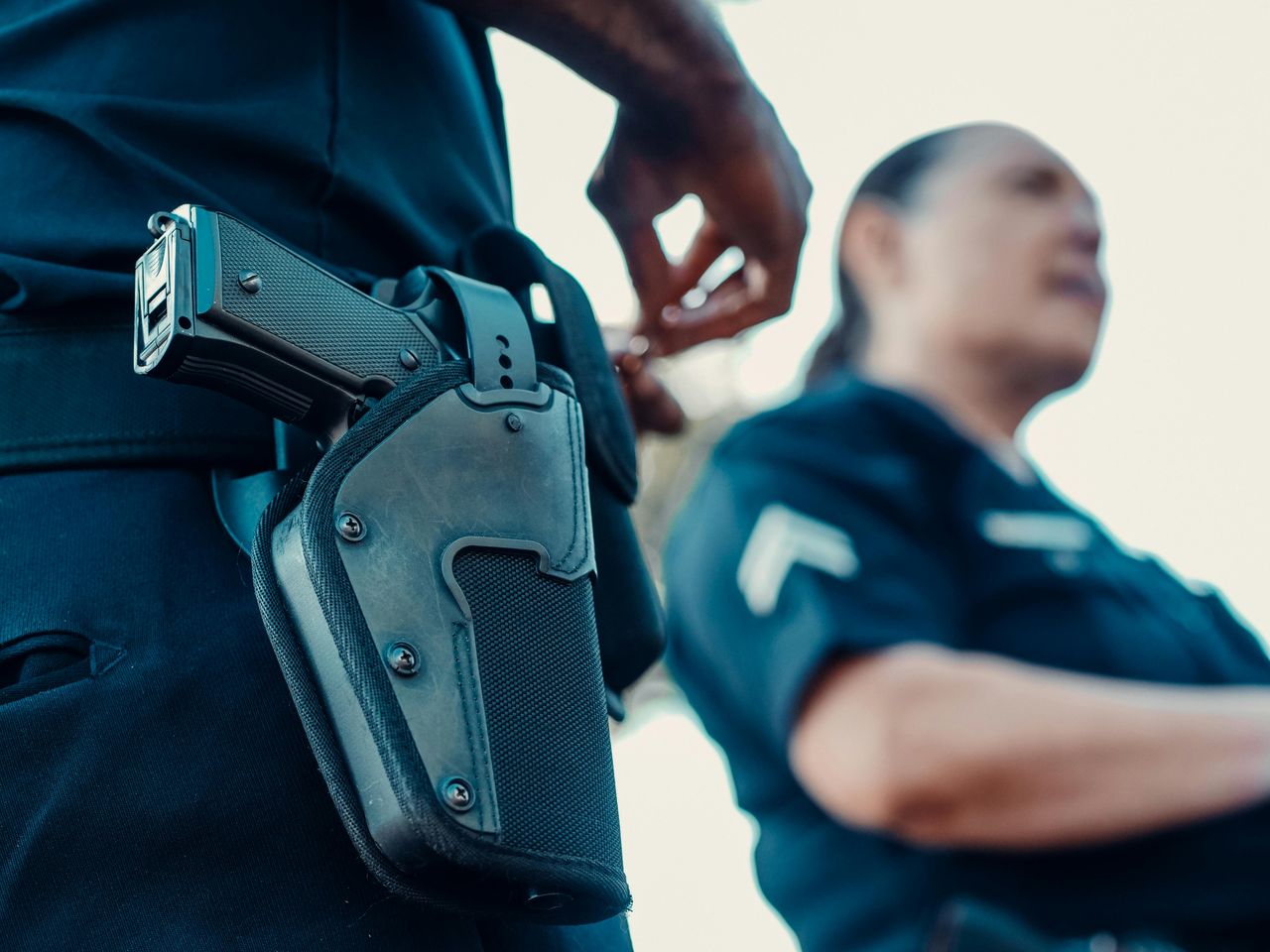
Carrying a concealed handgun feels like preparation. The hard truth is that preparation means less than judgment when everything speeds up.
The rule sounds simple until life makes it hard
Ask experienced instructors which safety rule gets neglected under stress, and one answer comes up again and again: know your target and what is beyond it. The NRA lists that principle plainly in its gun safety rules, and the NSSF frames it the same way, warning that once a gun fires, control over the projectile is gone. That sounds obvious on a square range. It feels much less obvious in a parking lot, a gas station aisle, or a crowded apartment hallway.
New carriers often imagine the defensive encounter as a clean, isolated event. One attacker. One clear lane. One justified shot. Real life does not cooperate. People move. Children appear from behind cars. Glass, drywall, doors, and thin furniture do very little to stop bullets. The legal right to carry does not cancel the physical reality that every missed shot, pass-through, or deflection becomes someone else’s problem.
That is why this rule is often learned too late. Not because carriers have never heard it, but because many have not truly absorbed what it means outside the range bay. Concealment, comfort, holsters, and calibers get endless attention. Backstop, background, angles, and bystander risk get far less attention.
Why concealed carry culture often emphasizes the wrong things
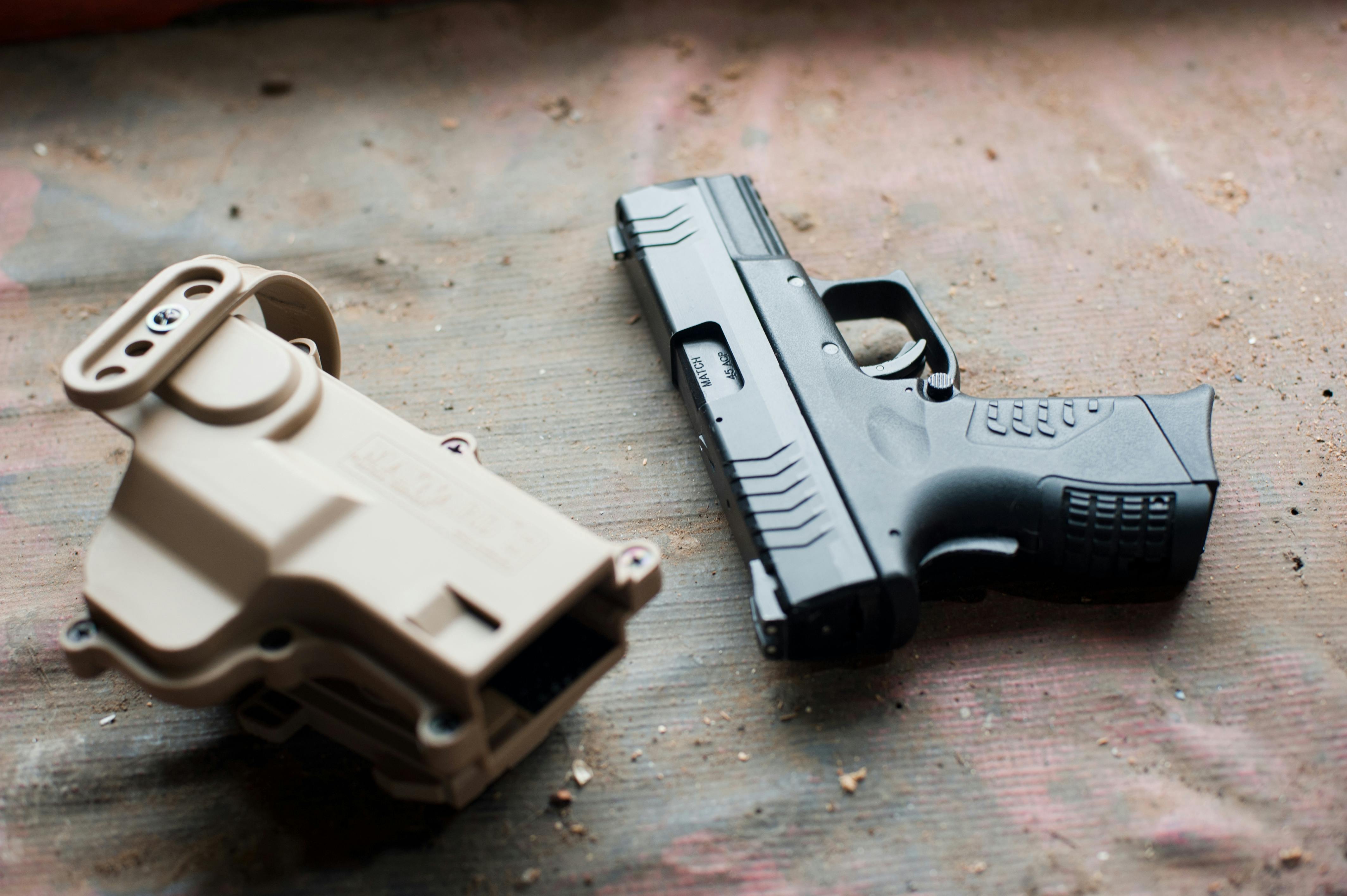
A lot of concealed-carry conversation revolves around gear. Which micro-compact hides best? Which optic tracks fastest? Which belt distributes weight better? Those questions matter, but they can create the illusion that competence is mostly equipment deep. It is not. The most expensive pistol in the safest holster does nothing to solve poor decision-making when innocent people are in the line of fire.
Training can reinforce that imbalance. In many places, the legal minimum to carry is modest, and in permitless-carry states, people may legally carry without any class at all. Even advocacy and training groups that support carrying regularly warn people not to confuse legality with readiness. USCCA and Concealed Carry both emphasize that minimum standards are not the same as meaningful preparation.
The result is predictable. People practice drawing from concealment, shooting at paper, and reloading under no pressure, but spend far less time studying line-of-fire management, target discrimination, movement in crowds, or when not to press the trigger. The danger is not ignorance of the rule. The danger is shallow familiarity mistaken for mastery.
The bullet does not care about your intentions.

This is the part many carriers do not fully appreciate until they mature in the discipline: a bullet does not become safer because your motive was lawful. It keeps going until something stops it. If you miss, that projectile enters a world full of walls, windshields, store shelves, and human beings who had nothing to do with the attack.
Official safety guidance repeatedly comes back to that same point. The NRA says to identify the target beyond any doubt and know what is behind it. The NSSF warns not to shoot unless you know exactly what the shot will strike. Those are not ceremonial range slogans. They are reminders that marksmanship is only half the equation and sometimes not even the most important half.
CDC material on firearm injury prevention underscores the wider stakes. Firearm injuries include intentional, unintentional, and defensive-use contexts, and the agency stresses that injuries and deaths are preventable. Secure handling and storage matter, but so does acknowledging that any discharge carries risk far beyond the intended target.
That is what separates a defender from a person merely armed. The armed person thinks, “Am I justified in shooting?” The responsible defender asks the harder question first: “If I fire right now, where does this round go if anything changes?”
Real-world environments are messier than any range lane
Consider where many armed citizens actually spend time: grocery stores, church foyers, movie theaters, sidewalks, and family restaurants. These places are built around bystanders. Even in a legitimate self-defense emergency, there may be no safe shot at the instant you want one. That is emotionally difficult to accept, especially for people who carry specifically so they will not feel helpless.
The FBI’s 2024 active shooter report described 24 active shooter incidents in 2024 across 19 states, causing 106 casualties. That report is useful not because it tells carriers to play police, but because it shows how chaotic, violent events really are. Crowded locations, movement, confusion, and incomplete information are normal. They are not exceptions.
In that kind of environment, “I had a clear legal reason” is not enough. You also need a clear visual picture, a viable angle, and confidence about what sits behind and around the threat. If you do not have those things, the disciplined choice may be to move, shield loved ones, escape, or hold fire until the scene changes.
Responsibility includes the people in your home, too.
This rule extends beyond public carry. Many people think of “what’s beyond” only in terms of defensive shooting in public, but the same mindset applies at home. Walls in modern homes are often poor barriers. Family members may be in adjacent rooms. Neighbors may be a few feet away in duplexes, townhomes, or apartment buildings.
CDC research on firearm storage behaviors in eight states found substantial variation in how people keep guns at home, and among respondents with a loaded firearm and a child or adolescent present, a notable share reported that the loaded firearm was unlocked. The CDC has also emphasized that secure storage, such as a safe or lock box, helps prevent unauthorized access and injury.
That matters because concealed carriers often become de facto household firearms managers. Your responsibilities do not begin when you holster up and end when you take the gun off. They include where the gun is staged, how it is stored, what fields of fire exist in your home, and whether everyone in the household understands the safety plan.
What experienced carriers eventually change
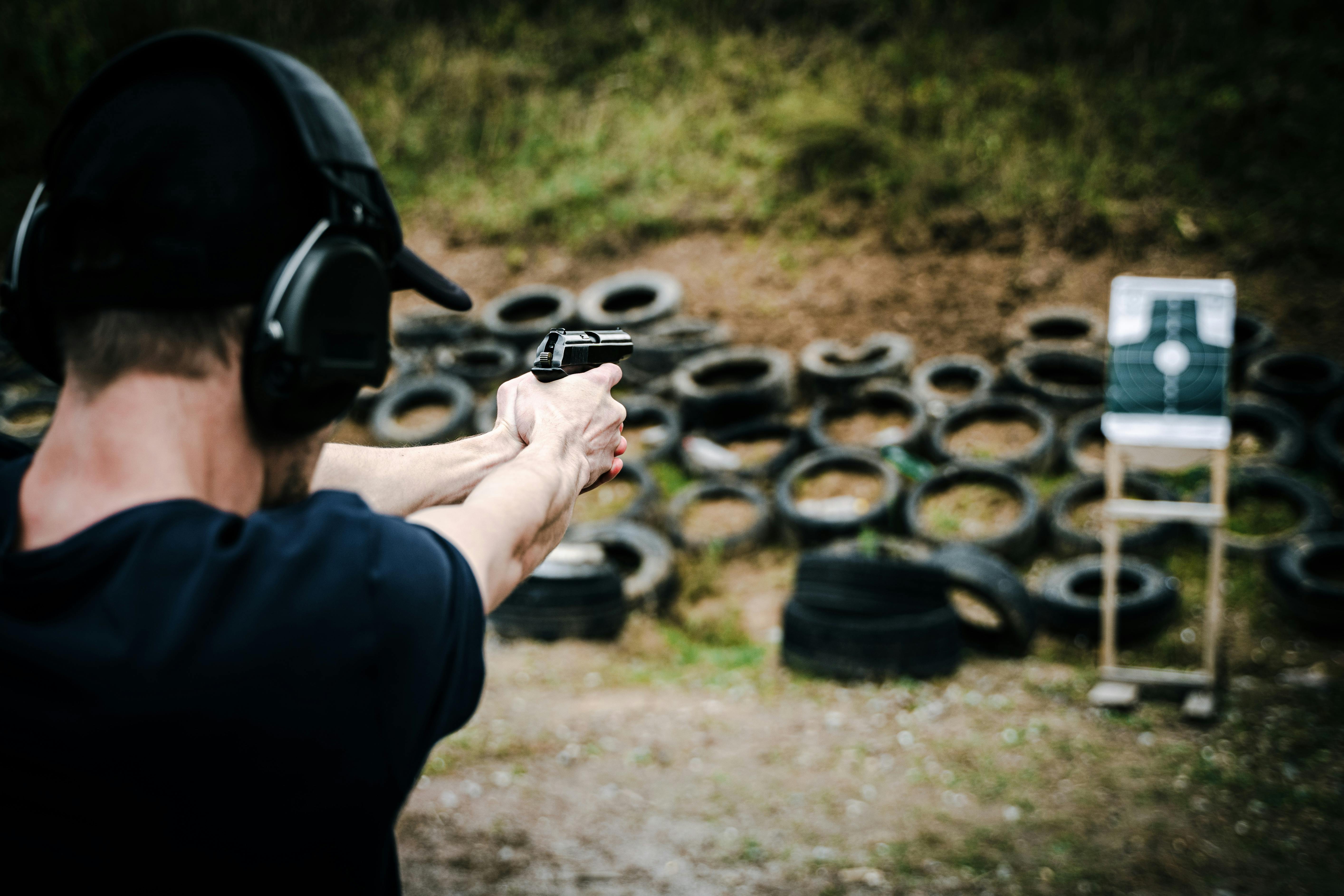
People who stay serious about concealed carry tend to evolve in the same direction. They become less interested in bravado and more interested in restraint. They stop fantasizing about dramatic encounters and start studying avoidance, de-escalation, positioning, and aftermath. They realize the smartest gunfight skill may be refusing a bad shot.
That shift usually comes with better training. Good instructors push scenario thinking, not just speed. They ask where your family is standing, what is behind the attacker, whether you can move two steps for a safer angle, and whether leaving is the better answer. Even the broader active-shooter guidance from the FBI emphasizes options, planning, and survival decisions, not simplistic hero narratives.
Experienced carriers also become humbler about uncertainty. They know eyewitness perception collapses under stress. They know people misidentify threats. They know a hand can hold a phone, a wallet, or a weapon, and split-second mistakes cannot be taken back. Maturity in concealed carry looks less like confidence and more like disciplined caution.
The rule you should carry every day
So what is the one rule every concealed carrier learns too late? It is this: if you do not know where your bullet will go, you are not ready to fire. Not morally. Not tactically. Not responsibly. The gun in your waistband does not permit you to skip the hardest part of the problem.
This rule is easy to admire and hard to live by. It may require accepting that there are moments when a lawful carrier still does not have a safe shot. It may require backing away from the fantasy that carrying guarantees control. Sometimes carrying responsibly means protecting people without ever touching the trigger.
That is the lesson seasoned carriers eventually internalize. The first job is not to shoot fast. It is not to look prepared. It is not even to win an argument with danger. The first job is to avoid sending a round into a life you never meant to touch.