Some guns tell you what they are in the first hour. The Mossberg 590 takes a little longer, and that is exactly the point.
The reputation is real, but hunting exposes different priorities

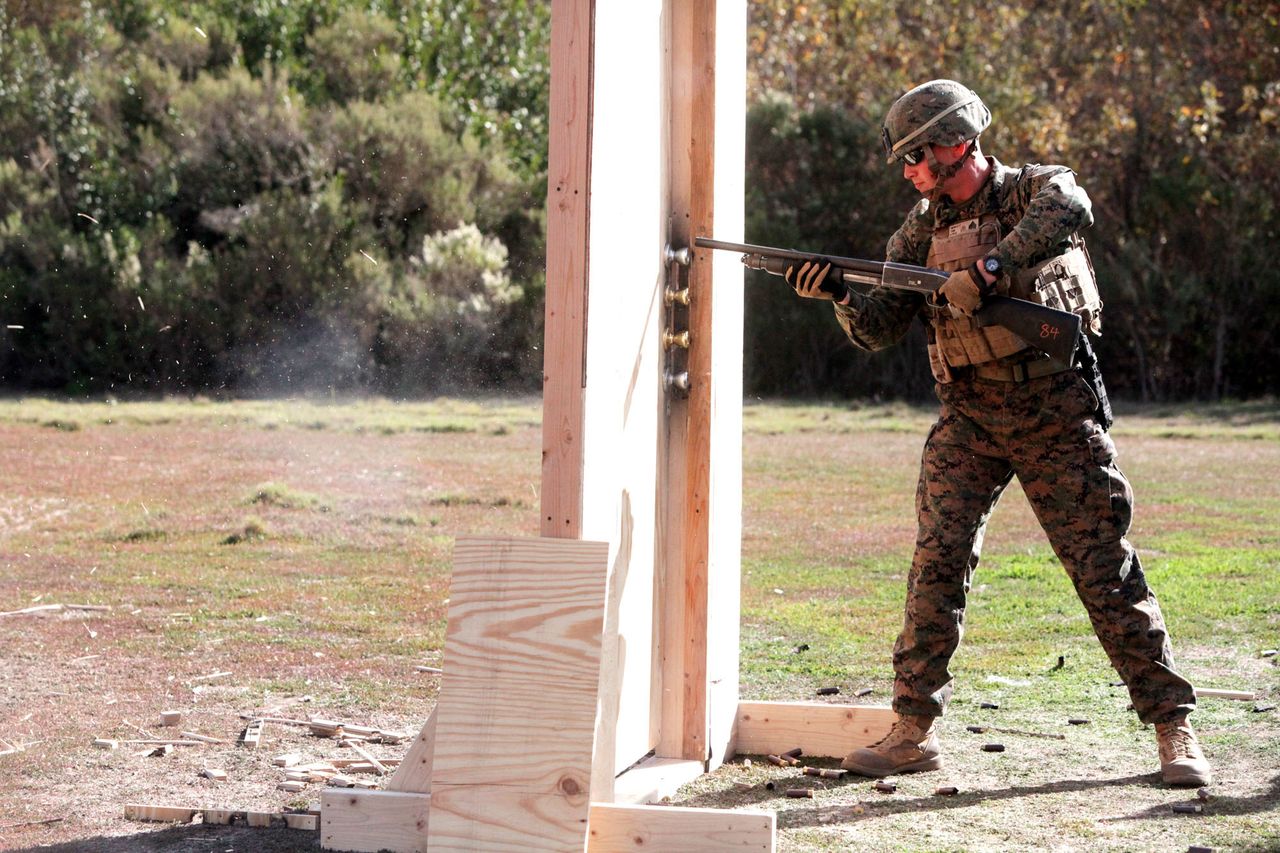
Most people know the Mossberg 590 as a hard-use pump shotgun with a military pedigree, oversized controls, and a reputation for running when conditions get ugly. That image is well earned. The action is sturdy, the receiver layout is simple, and the gun feels built with abuse in mind rather than pampering.
But a 3 day hunting trip changes the conversation fast. At the range, reliability and patterning dominate your attention. In the field, weight distribution, sling comfort, carry fatigue, and how quickly the gun mounts after a long hike matter just as much as whether it cycles shells cleanly.
That is the first thing people do not tell you. A shotgun that feels indestructible in the truck or at the bench can feel very different after miles of uneven ground, a damp jacket, and repeated low-ready carry. The 590 is not pretending to be a featherweight upland gun, and if you expect it to behave like one, you will notice every extra ounce by midday.
By the end of day one, I was already thinking less about tactical styling and more about practical field behavior. The gun still inspired confidence, but it was clear that hunting exposes tradeoffs that many buyers never hear about when the Mossberg 590 is discussed in its usual defensive context.
Weight and balance become the real story after a full day outside

On paper, the Mossberg 590 does not seem outrageously heavy for a pump shotgun. In actual use, though, the weight sits in a way that becomes more noticeable the longer you carry it. Depending on barrel length, magazine configuration, and furniture, the front half can feel more substantial than many first-time owners expect.
That forward bias is not all bad. It helps the gun track steadily on moving targets and can smooth out hurried swings. When I was settling on birds flushing from brush at moderate range, that extra front-end presence kept me from getting too whippy or overcorrecting past the target.
The downside shows up during long stretches where nothing happens. Hours of walking with a slightly nose-heavy shotgun can wear on your support arm, especially if you are moving through scrub, crossing fences, or constantly adjusting your grip around gloves and outer layers. A lighter field gun simply asks less from your body over time.
This is one of those truths that rarely gets mentioned by people who love the 590 for what it is. They are not wrong about its durability. They just are not always talking about the physical reality of carrying it from sunrise to sunset, which is where hunting makes every design choice feel more personal.
The controls are excellent in bad weather, but they are not magic

One thing the Mossberg 590 does exceptionally well is give you controls you can actually use under stress or with cold hands. The tang safety is easy to locate without looking, and the action release is large enough to find quickly even when your fingers are stiff. In wet, early-morning conditions, that matters more than most spec sheets suggest.
During my trip, we had one morning of cold drizzle and another with heavy dew that left everything slick. The shotgun never felt fussy. I could manipulate the safety with gloves on, and the pump stroke stayed positive even when my hands were not at their strongest. That practical usability is one reason the 590 keeps its loyal following.
Still, nobody should confuse accessible controls with effortless operation. A pump gun demands commitment. If you short-stroke it because you are rushing a second shot, distracted, or trying to cycle awkwardly from an improvised stance, the design will remind you that user input still matters. The Mossberg is forgiving, but not supernatural.
That balance is important to understand. The 590 gives you every chance to succeed when conditions deteriorate, yet it also asks you to run it with authority. Hunting, with all its awkward angles and split-second reactions, exposes that truth more honestly than any calm afternoon on a square range ever will.
Recoil feels different when the novelty wears off
A lot of shooters will tell you the Mossberg 590 is manageable, and that is true. What they often leave out is how recoil changes over the course of several days, especially when you are shooting mixed loads, wearing layered clothing, and mounting the gun from imperfect positions. Field recoil is not just about one shell. It is cumulative.
With standard hunting loads, the 590 remained controllable, but it was never what I would call soft. The gun lets you know exactly when it goes off. A solid recoil pad and proper technique help, but after repeated shots, plus carry fatigue, your shoulder starts noticing details that seemed minor during a quick practice session.
Stock fit becomes a bigger issue than many people admit. If the length of pull is slightly off, or if your cheek weld shifts because of a jacket collar, recoil feels sharper and recovery gets slower. That showed up for me most clearly late on day two, when quick follow-up opportunities felt more demanding than they had on the first morning.
This is not a knock on the shotgun. It is a reminder that the 590 is a robust pump, not a magic recoil sponge. If you plan to hunt with it regularly, pattern it with your actual loads, in your actual clothing, and from realistic positions. That prep matters more than internet confidence.
Reliability is excellent, but maintenance in camp still matters

The best thing I can say about the Mossberg 590 after 3 days outdoors is that it never gave me a reason to doubt it. It fed, fired, and ejected with the straightforward consistency you want from a pump gun in changing weather. Dust from the trail, moisture from the grass, and ordinary field grime did not shake its basic function.
That said, rugged does not mean maintenance-free. By the second evening, I could already feel a subtle change in the action, not enough to call it rough, but enough to remind me that fouling and debris accumulate fast when a shotgun is exposed to real terrain. A quick wipe-down and light attention to the action bars made a noticeable difference the next morning.
Hunters sometimes assume pump shotguns can be ignored because they are mechanically simple. In my experience, that is the wrong lesson. Simplicity gives you margin, not immunity. The 590 will tolerate neglect better than many firearms, but that does not mean it performs best when neglected.
In camp, five minutes of care paid off. I checked the magazine tube area, wiped moisture from exterior metal, and made sure the bore stayed clean enough for consistent patterns. Those habits are not glamorous, but they are exactly what keep a dependable shotgun from becoming an unreliable story told later with regret.
Patterning and ammunition choice matter more than the shotgun’s legend
One of the easiest mistakes with the Mossberg 590 is assuming the gun’s reputation somehow overrides the importance of load selection. It does not. A shotgun can be durable, smooth, and familiar, yet still perform poorly for your specific hunt if the ammunition and choke setup are mismatched. The target decides what works, not the fan base.
Before the trip, I had already spent time patterning several loads, and that work paid off. Some shells printed tighter than expected, while others opened quickly and left thin edges that would have been disappointing on live opportunities. The lesson was clear: the 590 can deliver, but only if you know exactly what your setup is doing at realistic distances.
Over 3 days, that confidence made decision-making easier. I was not guessing whether a shot window was ethical or hoping a favorite brand would somehow perform. I had seen the patterns, counted pellet density, and understood where the gun stopped being generous. That kind of preparation turns a sturdy shotgun into a useful hunting tool.
People often talk about the 590 like its main virtue is toughness, and that undersells it. Its real value comes when reliability is paired with disciplined setup. Once you know your pattern, your effective range, and your handling limits, the shotgun becomes far more capable than its tactical image might suggest.
What I would actually tell someone before they hunt with a 590
If a friend asked me whether the Mossberg 590 can handle a 3 day hunting trip, I would say yes without hesitation. It is reliable, weather-tolerant, intuitive under pressure, and built with enough ruggedness to shrug off the kind of abuse that makes more delicate guns feel precious. It absolutely belongs in the conversation.
I would also tell them to be honest about what kind of hunt they are planning. If the trip involves lots of miles, constant carry, and quick shooting on fast birds, the 590’s heft and recoil may wear on them more than expected. If the environment is rough, the weather unstable, and the priority is a gun that simply keeps working, its strengths rise quickly to the surface.
The part nobody tells you is that the 590 is not hard to love, but it is easier to respect than to romanticize. It rewards preparation, good fit, and realistic expectations. It does not transform into a purpose-built upland wand just because you brought it into the woods.
After 3 days with it, my view became simpler. The Mossberg 590 is a capable hunting companion if you accept it on its own terms. Do that, and it gives you exactly what its reputation promises, with a few field-earned caveats that only show up once the trip gets real.