
Expensive equipment rarely fails all at once. More often, it wears down quietly because of small maintenance mistakes that seem harmless in the moment. From overcleaning to poor storage, these common habits can shorten the life of everything from cameras to power tools and outdoor gear.
Skipping the owner’s manual

A surprising amount of damage starts before the first real use. People assume maintenance is common sense, then miss product-specific details about lubrication intervals, cleaning agents, torque limits, or storage conditions that matter more than they realize.
Manufacturers often include warnings that seem fussy until a seal fails or a finish breaks down. That manual is not filler. It is the closest thing you have to a care map for protecting performance, warranty coverage, and long-term reliability.
If you have already tossed the paper copy, most brands keep digital versions available. Taking ten minutes to review one can prevent months of avoidable wear.
Using the wrong cleaner

Not every surface responds well to a generic spray bottle. Harsh solvents can cloud lenses, strip coatings, dry out rubber, and weaken plastics that look sturdy on the outside but react badly over time.
The trouble is that damage often appears slowly. A shiny wipe-down today can lead to brittle seals, sticky grips, or faded finishes weeks later. That makes the cleaner feel innocent when it is actually the culprit.
The safest approach is simple: match the product to the material. Microfiber-safe solutions, electronics-safe cleaners, and mild soap with water are often far better than one aggressive formula for everything.
Over-lubricating moving parts
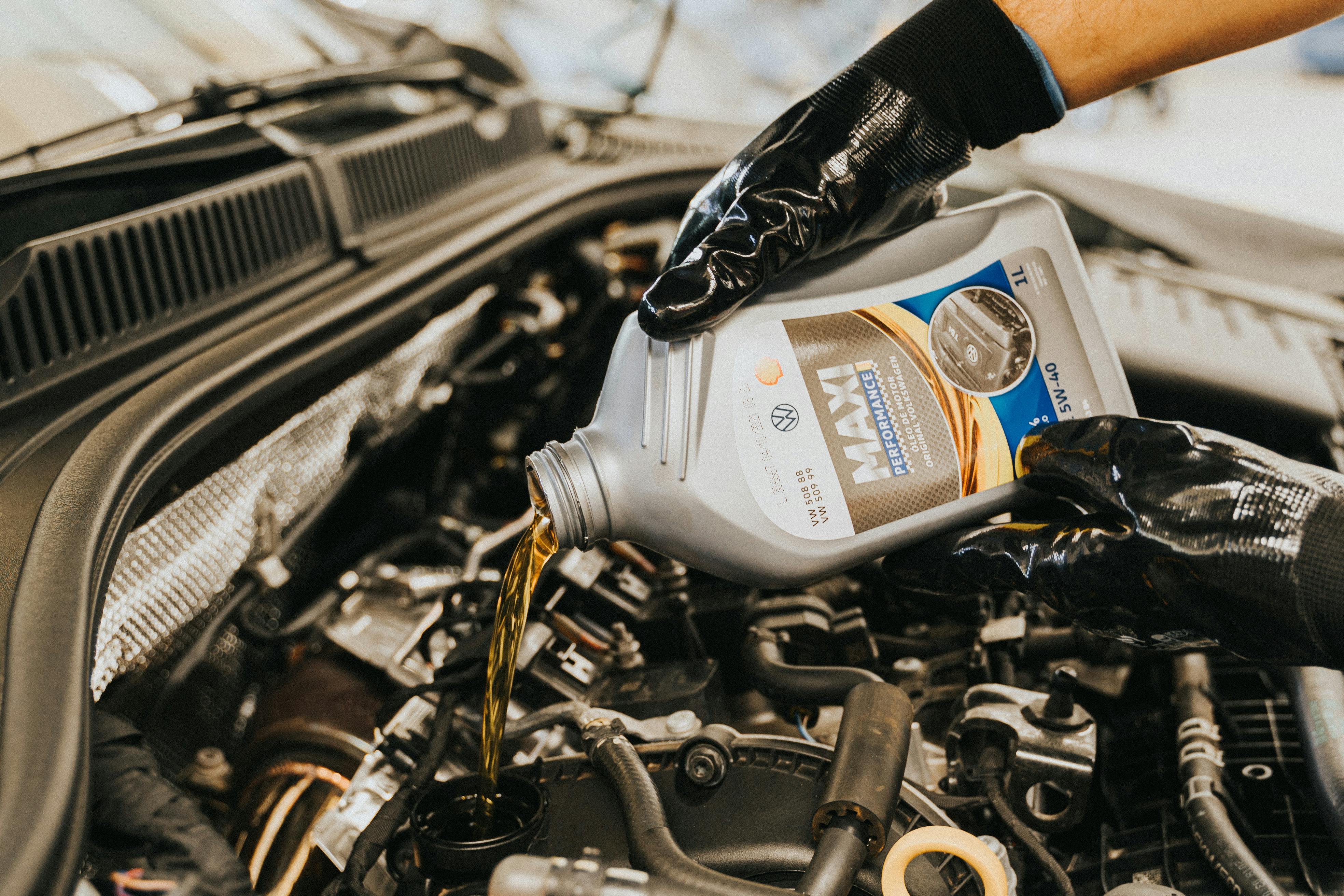
Lubrication sounds like pure prevention, so people tend to think more must be better. In reality, excess oil and grease can attract grit, trap dust, and create a messy paste that increases wear instead of reducing it.
This is especially hard on hinges, chains, reels, bearings, and power tool components. Too much product can migrate into places it should not be, coating nearby parts and interfering with proper operation.
A thin, correct application usually does the job. The goal is smooth movement, not visible buildup. When in doubt, follow the recommended amount and wipe away any excess before putting the gear back to work.
Ignoring dirt in tiny spaces
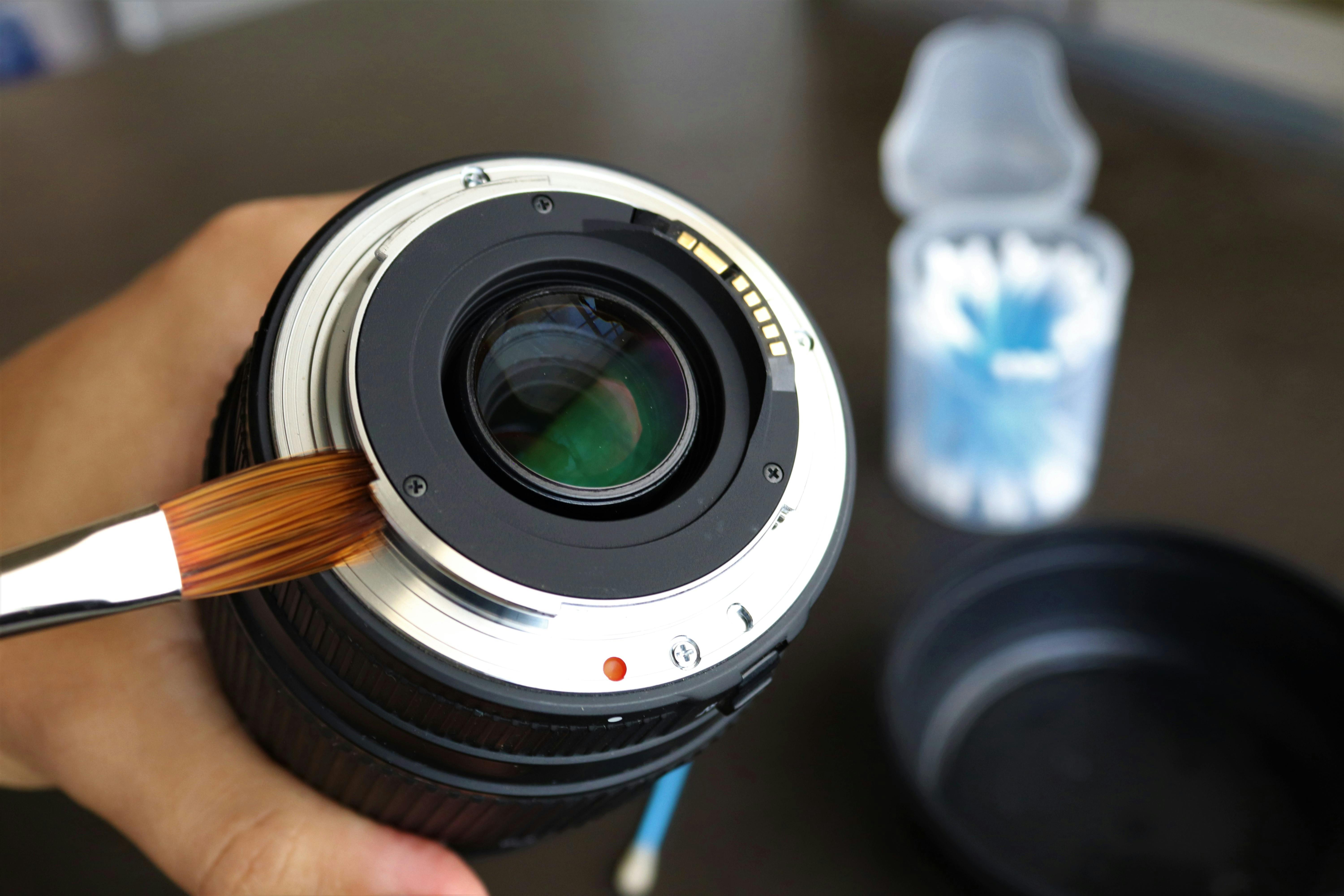
Visible grime gets attention, but the real trouble often hides in seams, vents, zippers, ports, and threads. Fine dust and moisture settle into these tight spots, where they quietly grind surfaces down or block airflow.
That is how a zipper starts sticking, a battery compartment corrodes, or a cooling fan struggles harder than it should. Because the outside still looks fairly clean, people assume the gear is in good shape when it is not.
Soft brushes, compressed air used carefully, and regular inspections can make a huge difference. Good maintenance is not just about shine. It is about catching the places where damage likes to begin.
Storing gear while it is still damp

Putting equipment away wet is one of the fastest ways to create slow, expensive damage. Moisture lingers inside fabrics, foam, cases, and sealed compartments, where it can encourage mold, corrosion, odors, and adhesive breakdown.
The risk is not limited to camping gear or sports equipment. Camera bags, toolboxes, gloves, boots, and protective cases all suffer when trapped moisture has nowhere to escape. The damage may stay invisible until it becomes impossible to ignore.
Drying gear fully before storage takes patience, but it protects both materials and function. Airflow, open lids, and room-temperature drying usually beat rushing everything back into a closet or trunk.
Leaving batteries installed too long
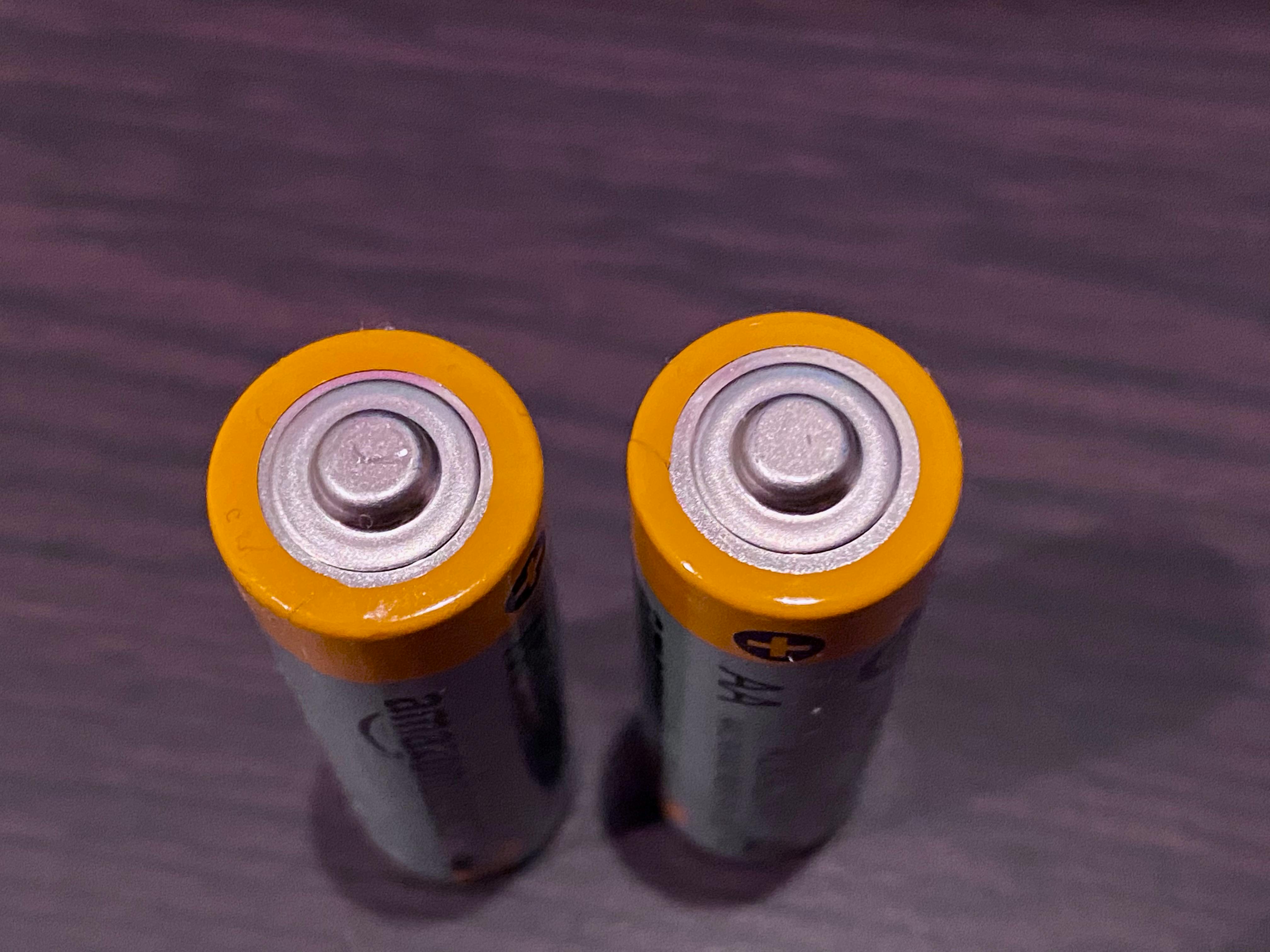
Batteries are easy to forget because they sit quietly until they do not. Left in devices for months or years, they can leak, corrode contacts, and turn an otherwise healthy piece of equipment into a repair project.
This is especially common with seasonal gear, flashlights, meters, remotes, and backup devices. People store them with good intentions, then discover crusted terminals and dead circuitry the next time they are needed.
If equipment will sit unused, remove the batteries and store them properly. Rechargeable packs also deserve attention, since letting them drain completely for long periods can shorten their useful life and overall performance.
Using cheap replacement parts
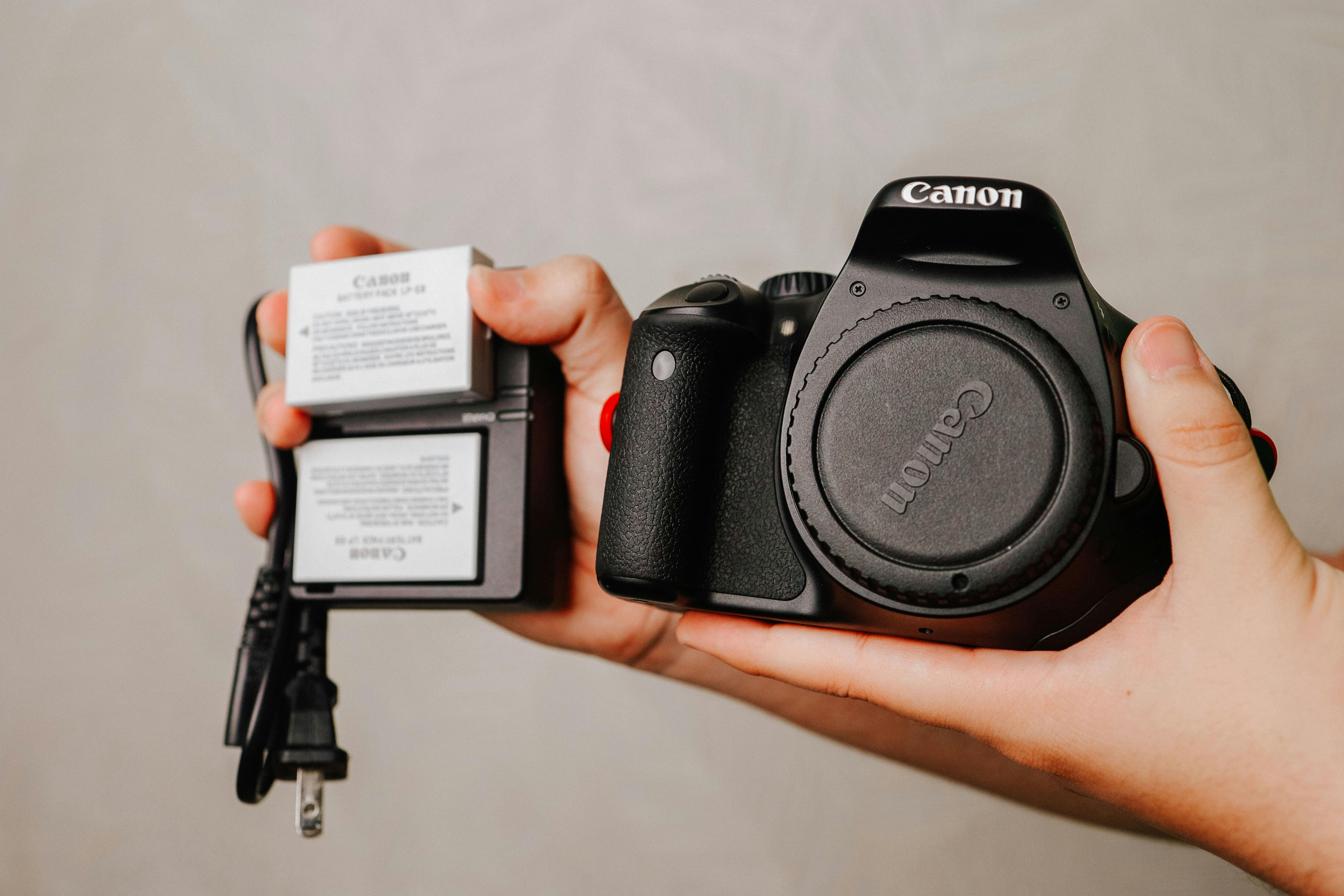
A bargain replacement can be expensive in disguise. Low-quality filters, blades, seals, cords, and chargers may fit well enough to function at first, but poor tolerances and materials can strain the rest of the machine.
That strain adds up in subtle ways. Motors run hotter, attachments wobble, seals fail sooner, and charging systems become less stable. The original problem may seem fixed while a new one is quietly being created.
That does not mean every third-party part is bad. It does mean compatibility and build quality matter. Trusted suppliers, exact specifications, and reviews from experienced users are usually worth the extra few dollars.
Tightening everything too much

People often equate tightness with security, but over-tightening can crack housings, strip threads, crush gaskets, and warp mounting points. It is a classic mistake because the damage may happen before you even feel that you have gone too far.
Tripods, bike components, camera plates, machine fasteners, and outdoor gear hardware are especially vulnerable. Modern materials can be light and strong, yet still less forgiving than old heavy metal parts.
A proper fit should feel firm, not forced. When torque specs exist, use them. If they do not, a careful hand and the right tool will protect the equipment far better than brute strength ever will.
Exposing equipment to extreme temperatures
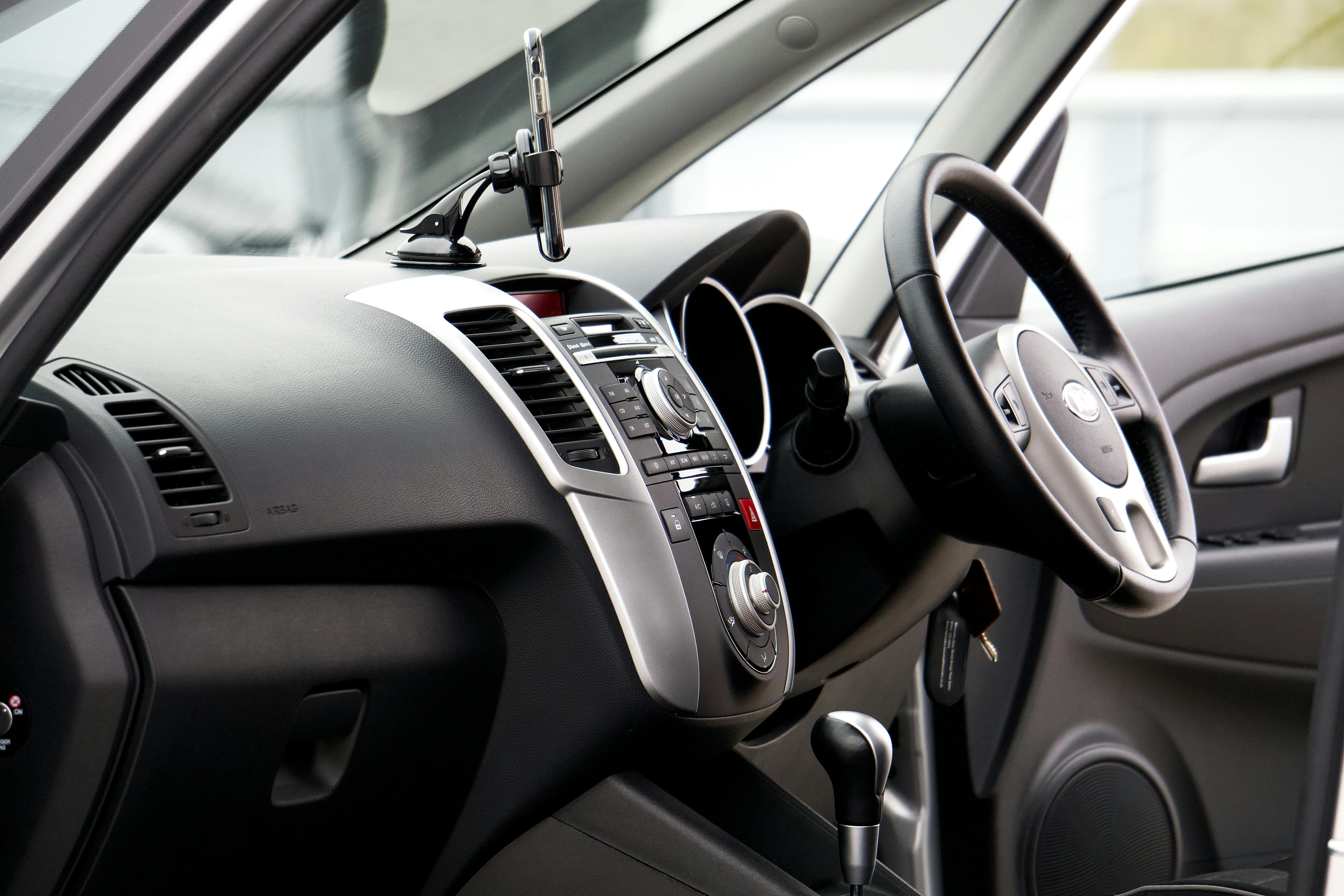
Heat and cold can both do more damage than most people expect. High temperatures can warp plastics, thin lubricants, and age batteries faster, while freezing conditions can stiffen seals, embrittle materials, and affect electronics.
The problem gets worse when gear moves quickly between extremes. Condensation can form inside lenses, housings, and battery compartments, creating moisture problems long after the temperature change itself has passed.
Cars, garages, attics, and sheds are common trouble spots. If the equipment is valuable, climate awareness matters. Let gear acclimate gradually and store it in conditions you would consider reasonable for any other expensive investment.
Waiting too long between inspections

A lot of maintenance is really just noticing things early. Small cracks, loose fasteners, frayed cords, worn teeth, and tired seals are much cheaper to address before they trigger a bigger failure.
When inspections happen only after something feels wrong, the equipment has usually been operating under stress for a while. That can turn a minor adjustment into a damaged component or a full replacement.
Quick checkups do not need to be elaborate. A few focused minutes before and after use can reveal what daily familiarity tends to hide. The goal is not perfection. It is catching wear while it is still manageable.
Cleaning too aggressively

Yes, dirty gear suffers. But aggressive scrubbing, high-pressure spraying, and rough cloths can be just as destructive. Coatings scratch, water gets forced past seals, and delicate surfaces lose the very protection that keeps them functional.
This often happens when people try to restore gear to like-new appearance in one session. The urge is understandable, especially with expensive equipment, but maintenance should preserve materials, not punish them.
Gentle repetition usually works better than force. Soft brushes, controlled moisture, and the right cloths remove grime without grinding it into surfaces. Think careful stewardship, not battle against dirt, and your equipment will show the difference.
Forgetting software and firmware updates
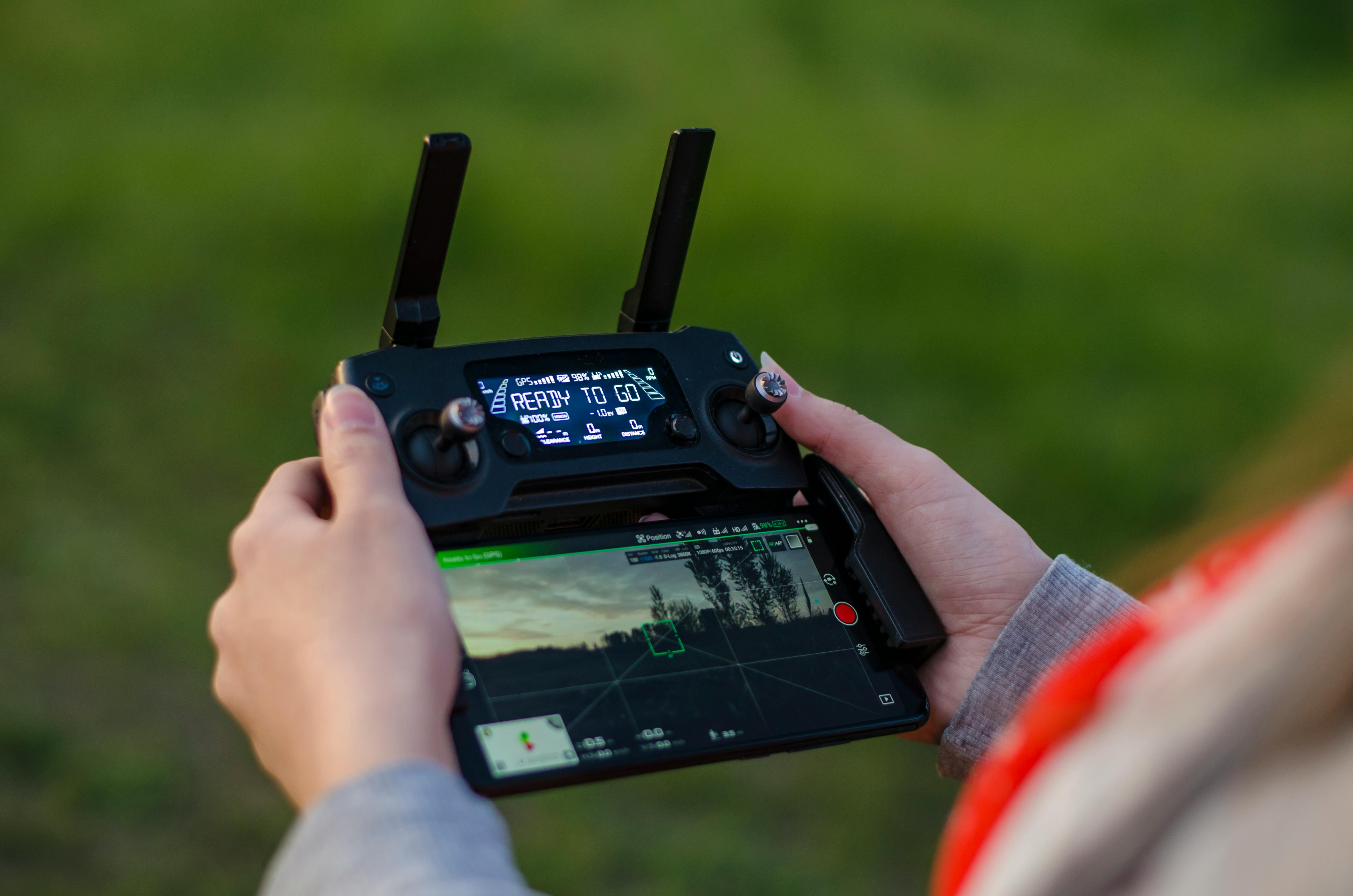
Maintenance is not just physical anymore. Cameras, smart tools, fitness equipment, drones, appliances, and even some power systems rely on software that affects performance, battery use, safety, and compatibility.
Skipping updates can leave bugs in place, cause charging problems, or create issues with newer accessories and apps. In some cases, manufacturers even refine temperature management or motor behavior through firmware improvements.
That does not mean updating blindly on the spot. Read the notes, back up settings if needed, and follow the process carefully. But ignoring digital maintenance altogether is a modern mistake that can quietly age equipment before its time.