From dense forests and steep mountains to strict tag systems and unpredictable weather, hunting difficulty is about far more than simply finding game. Some states look like sportsmen’s paradise on paper, yet become surprisingly demanding once boots hit the ground. This gallery explores ten places where access, regulations, pressure, and natural conditions can turn a promising trip into a real test of skill and patience.
Alaska

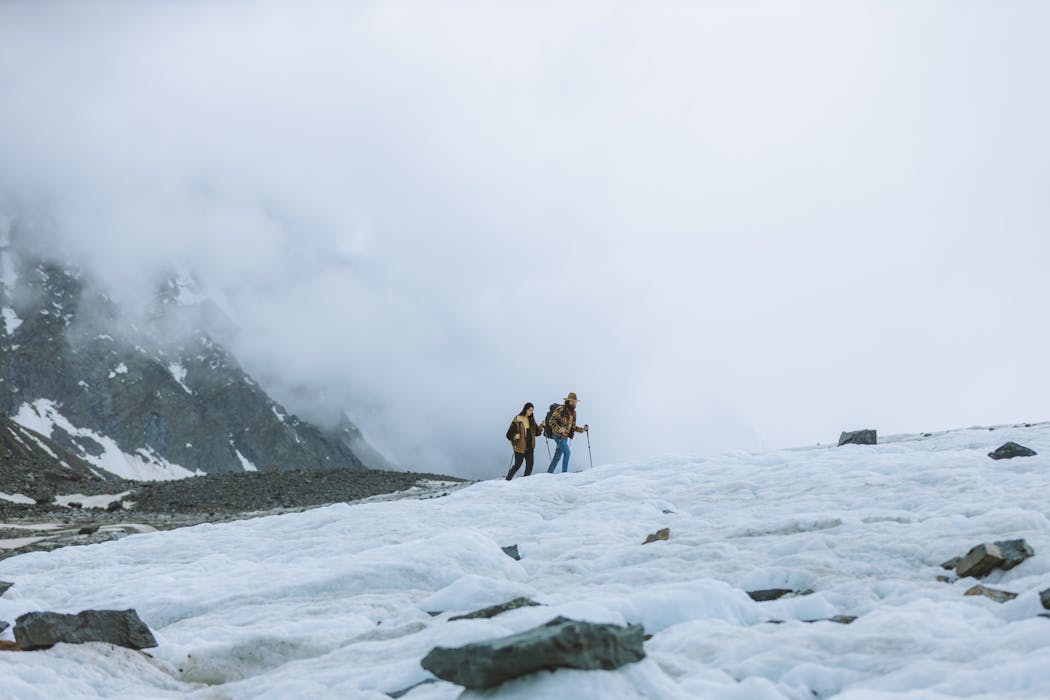
Alaska is often imagined as the ultimate big-game dream, but it can be brutally demanding in ways many hunters underestimate. The distances are enormous, the weather changes fast, and getting into quality country may require a bush plane, boat, or long backcountry trek before the hunt even begins.
Then there’s the physical and mental strain. Remote terrain, heavy packs, cold rain, and real wilderness hazards all raise the stakes. Even experienced hunters can find that Alaska asks for expedition-level planning, not just good shooting and a tag in hand.
Success here often depends as much on logistics, judgment, and endurance as it does on spotting game.
Colorado
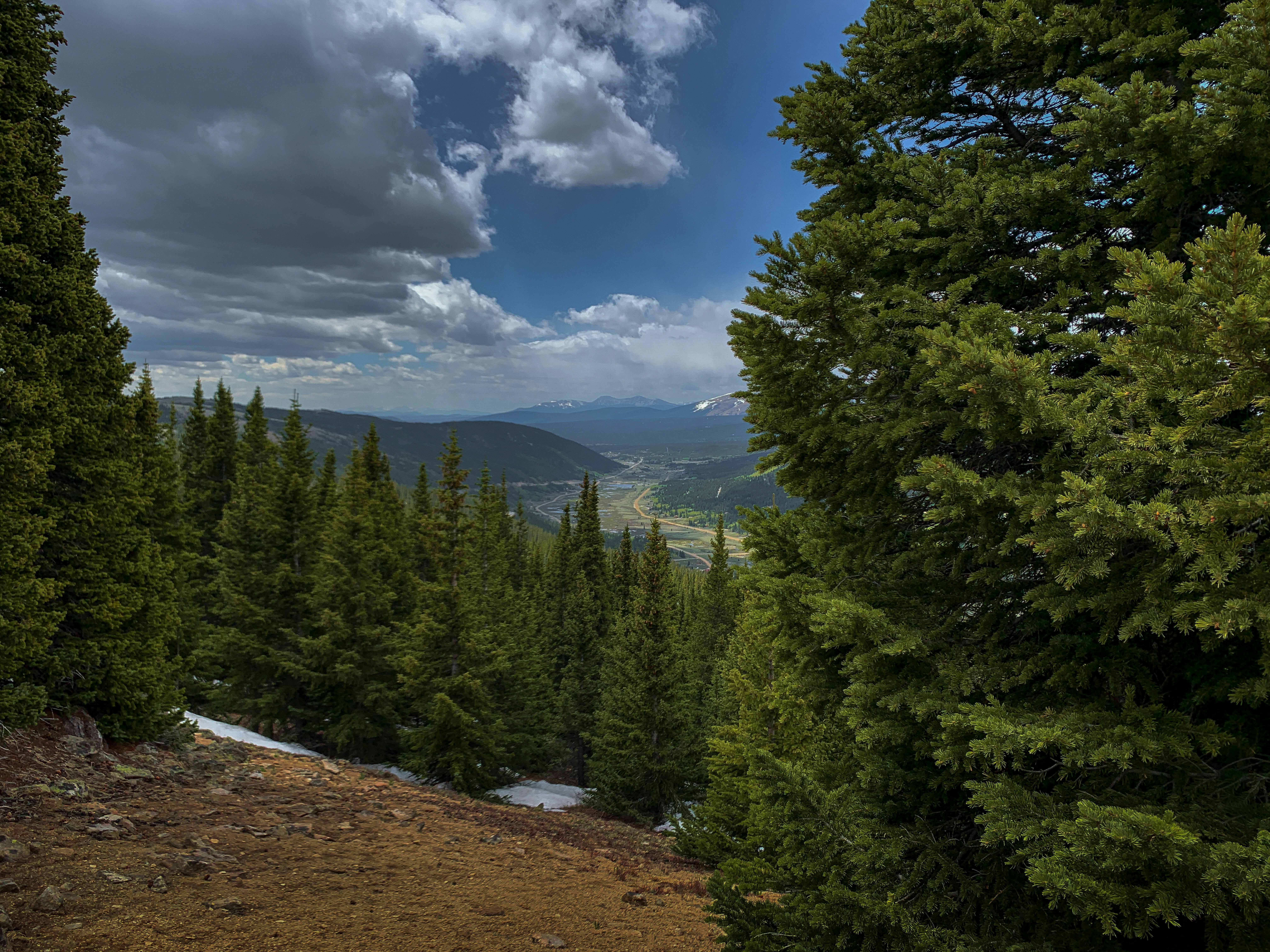
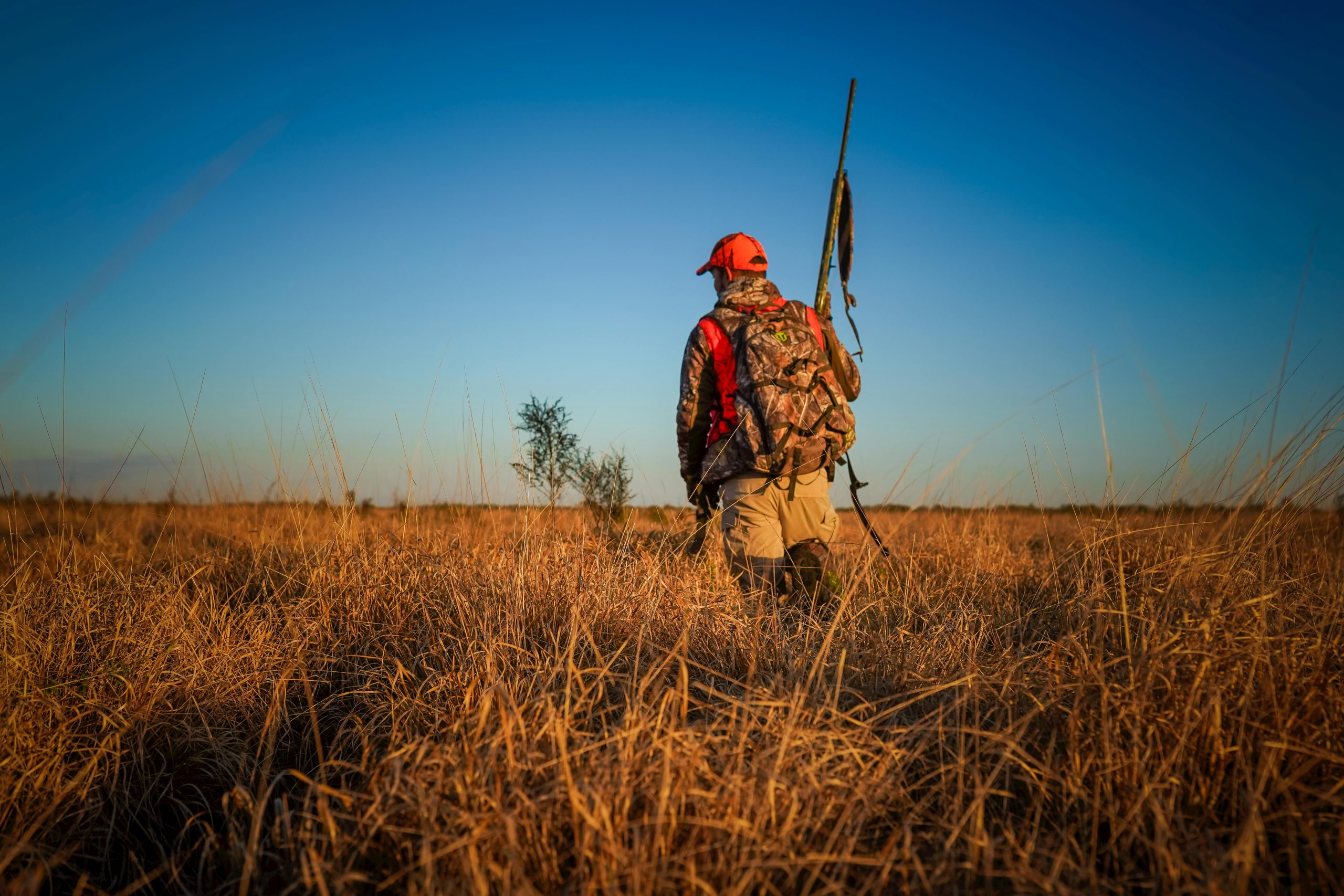
Colorado has a huge reputation for elk hunting, which can make it seem more straightforward than it really is. In reality, the combination of high elevation, rugged terrain, and crowded over-the-counter areas can turn a hunt into a punishing grind, especially for people arriving from lower elevations.
Thin air affects everything, from hiking speed to recovery time. A basin that looks manageable on a map can feel completely different with a pack and a week’s worth of gear.
Add shifting weather, pressured animals, and plenty of competition on public land, and Colorado quickly proves it rewards preparation far more than optimism.
Maine

Maine’s deep woods hold a romantic place in hunting culture, but they can be maddeningly difficult to hunt well. The forest is vast, thick, and often repetitive, making navigation, visibility, and tracking much harder than newcomers expect.
Whitetails in particular can be elusive in this kind of cover. You may spend long hours in beautiful habitat without seeing much at all, simply because the woods swallow movement and sound.
Weather adds another twist. Snow can help with tracking, but changing conditions and miles of timber demand patience, woodsmanship, and a comfort with hunting where quick, easy sightings are never guaranteed.
Montana

Montana offers spectacular hunting country, but that scale can be deceiving. Big landscapes mean game can spread out over enormous areas, and a promising piece of country may require long drives, difficult hikes, and serious glassing before you even know whether animals are nearby.
Access can be another challenge. Public land opportunities are substantial, but understanding boundaries, private inholdings, and pressure patterns takes real homework.
Then there’s the weather. Warm spells, wind, sudden snow, and fast-moving fronts can change animal behavior overnight. In Montana, the difficulty often comes from covering ground intelligently rather than simply finding a place to hunt.
New York

New York surprises people because it isn’t usually the first state mentioned in big hunting conversations. Yet many parts of the state are tricky for reasons that have less to do with wilderness and more to do with human pressure, fragmented land, and highly educated game.
In the Catskills, Adirondacks, and agricultural regions alike, hunters often have to adapt to changing habitats and localized access issues. Animals learn quickly in areas with dense populations and consistent pressure.
That means success can hinge on scouting details others miss. In New York, hunting can feel like a chess match, not a simple walk into the woods.
Oregon

Oregon’s variety is part of what makes it so challenging. Hunters may deal with steep coastal timber, dry east-side canyons, mountain forests, and rapidly changing weather patterns, sometimes within the same season and planning cycle.
That diversity means there’s no single formula for success. Tactics that work in one zone can fall apart a few hours away in completely different habitat.
Blacktail hunting in thick western cover can be especially humbling, while eastern hunts demand glassing, mobility, and comfort in big country. Oregon rewards adaptability, because the state keeps asking hunters to solve different puzzles at once.
Pennsylvania

Pennsylvania has a long hunting tradition, but that history also comes with pressure. In many areas, game has dealt with generations of hunters, and mature animals often behave with the kind of caution that makes simple plans unravel fast.
The state’s mix of big woods, ridges, agricultural pockets, and suburban edges creates a lot of complexity. You’re often balancing access, pressure, and terrain all at once.
For deer hunters especially, seeing sign doesn’t always mean seeing deer in daylight. Pennsylvania can be difficult because it asks hunters to understand not just habitat, but also how heavily hunted animals use it differently.
Utah

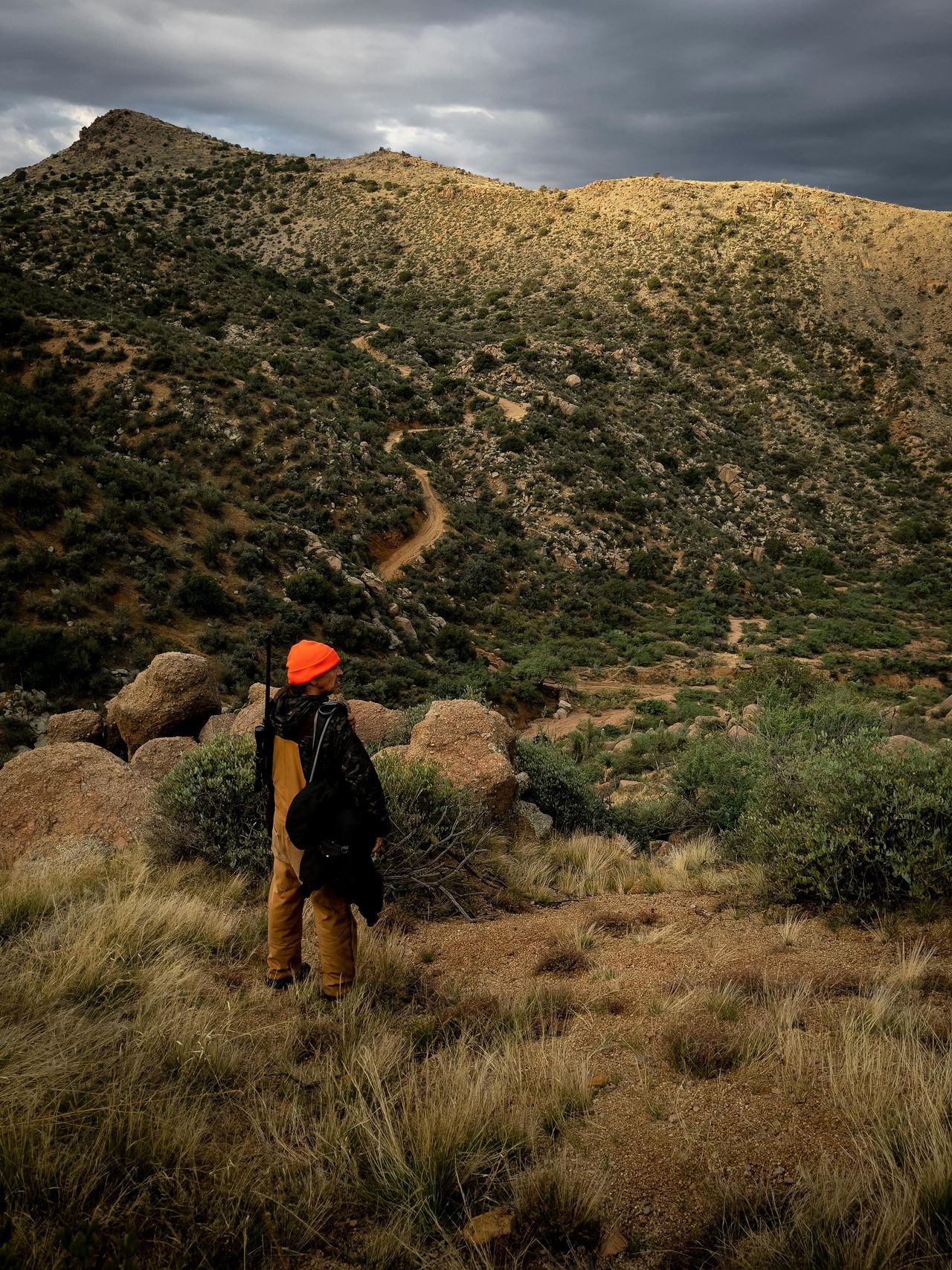
Utah looks like wide-open opportunity, but hunting there can be more demanding than outsiders expect. Much of the challenge comes from steep desert mountains, arid conditions, and a tag system that can make even getting the right hunt a long-term project.
Once in the field, the terrain can be physically draining and visually deceptive. Distances are larger than they seem, and heat, wind, and low humidity take a toll quickly.
Spot-and-stalk hunting here often requires patience, sharp optics, and careful movement over exposed country. Utah can be unforgiving, especially for hunters who mistake open views for easy access and simple hunting.
Washington

Washington’s hunting difficulty starts with its contrasts. On one side, you have dark, wet timber and brushy cover that can hide animals a few yards away. On the other, you get drier open country where wind, distance, and visibility create a completely different kind of challenge.
Western Washington can be especially frustrating for hunters who are used to seeing farther and moving faster. Dense vegetation limits visibility and often turns hunts into slow, methodical efforts.
Meanwhile, mountain weather and crowded access points can complicate everything. Washington demands flexibility, because success often depends on adjusting quickly to both habitat and hunting pressure.
Wyoming
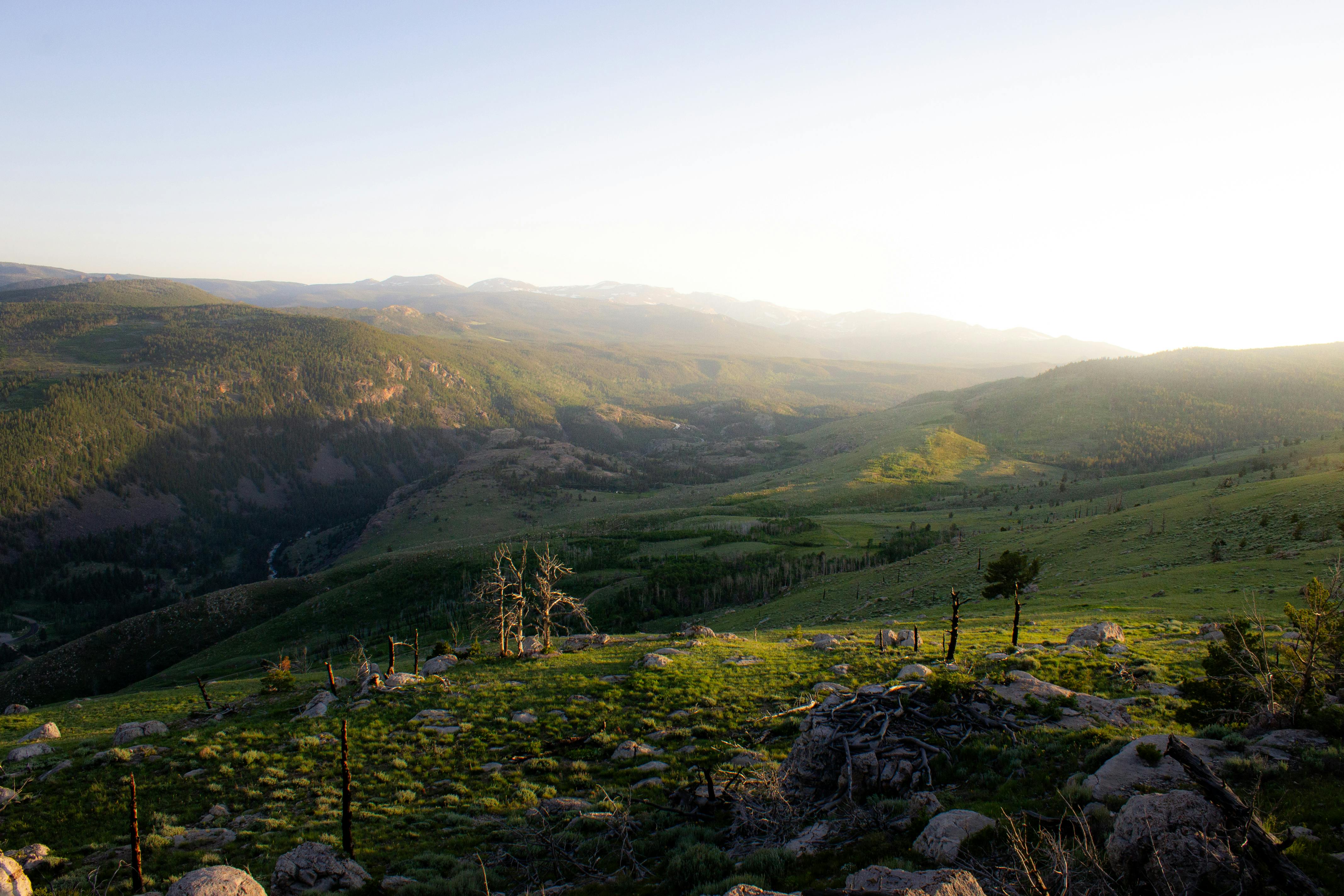
Wyoming is famous for big game and big vistas, but that doesn’t make it easy. Open country can fool hunters into thinking animals will be simple to find and approach, when in reality game often spots danger from a tremendous distance and moves accordingly.
Wind is a constant factor, and weather can change with very little warning. Long hikes at elevation, sparse cover, and lots of glassing make every stalk feel earned.
There’s also the challenge of planning around access and tag availability. In Wyoming, the hard part is often closing the final distance on animals that have every advantage in terrain built for seeing trouble coming.