Finding a stranger on your property can rattle anyone. The key is to stay calm, protect yourself first, and respond in a way that helps rather than hurts your case.
Know what trespassing actually means

Trespassing sounds simple, but the legal definition can vary by state, city, or county. In general, it means a person entered or remained on private property without permission. That can include a yard, driveway, fenced area, garage, shed, business lot, or even a home after being told to leave.
The details matter because not every unwanted visitor is automatically a criminal trespasser. Delivery drivers, utility workers, mail carriers, emergency responders, and neighbors retrieving a pet may have limited lawful reasons to enter. A person can also cross onto property by mistake if boundaries are unclear or signage is poor.
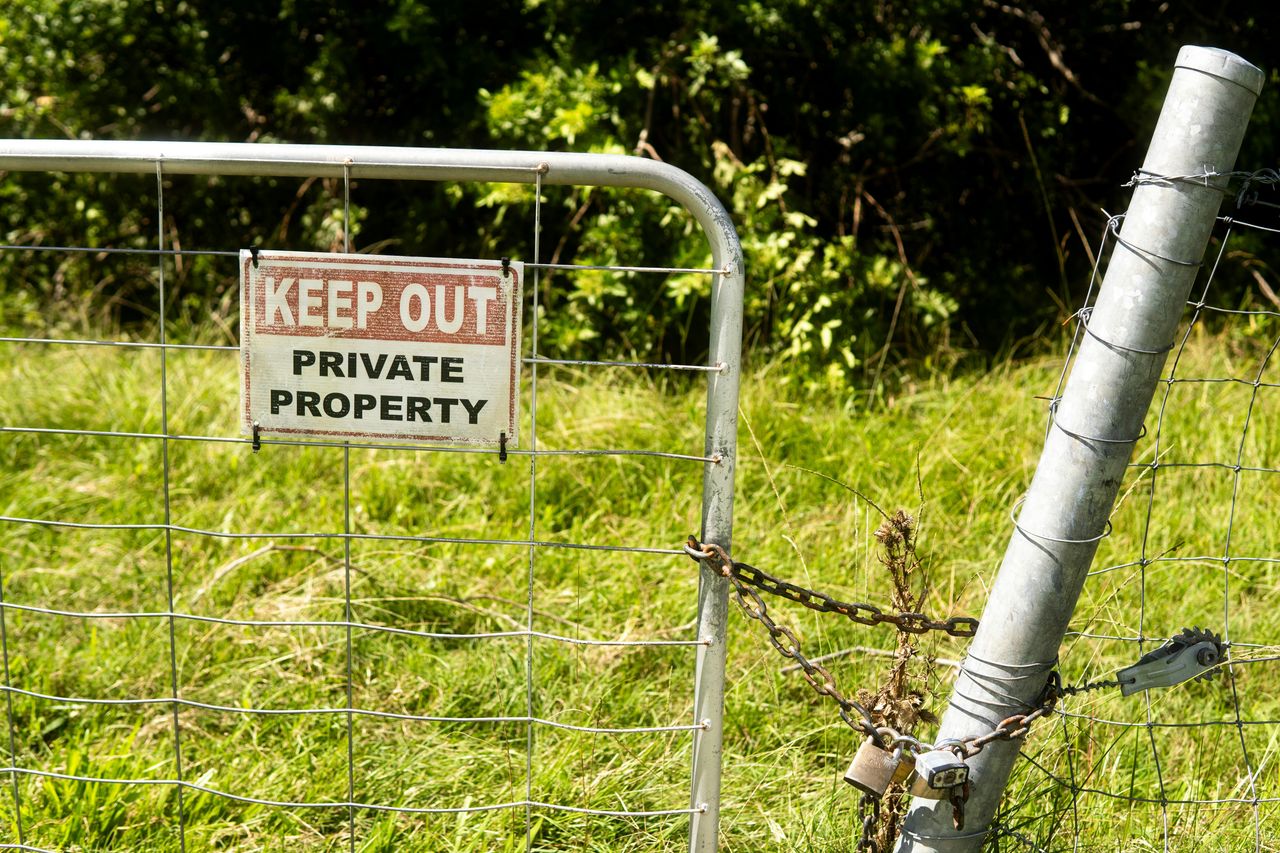
In many places, criminal trespass becomes clearer after notice has been given. That notice may be a verbal warning, a posted sign, a locked gate, or visible fencing. Some jurisdictions require that the person knowingly entered or refused to leave after being told to go, which is why your words and actions at the scene matter.
There is also a practical difference between casual trespassing and threatening behavior. A teenager cutting across a yard is not the same as someone peering into windows, trying doors, or returning repeatedly at night. Understanding that distinction helps you choose the right response and explain the seriousness of the incident to the police if needed.
Put safety first before anything else.
Your first job is not to win an argument. It is to keep yourself, your family, and anyone else on the property safe. If the person looks intoxicated, agitated, armed, or aggressive, do not approach them in person. Move indoors if possible, lock doors, and observe from a secure place.
If children are outside, bring them in immediately without creating panic. If pets are loose, secure them too, because dogs running toward a stranger can quickly escalate a tense situation. Good exterior lighting, working locks, and a charged phone nearby can make a major difference in how safely you handle the next few minutes.
If you do speak to the person, keep a distance between you and use a clear, calm voice. Say something direct, such as, “This is private property. You need to leave now.” Avoid insults, threats, or physical contact, because that can inflame the situation and complicate what police later see as a straightforward trespass complaint.
Trust your instincts if something feels off. According to law enforcement guidance commonly shared by local agencies, repeated nighttime visits, attempts to conceal identity, and efforts to access doors, windows, or vehicles should be treated as urgent warning signs. In those cases, call 911 or your local emergency number right away rather than trying to handle it yourself.
Document what happened carefully.y
Once you are safe, start creating a record of what you saw. Write down the date, time, exact location on the property, and what the person did. Include details such as clothing, approximate age, height, vehicle description, license plate, and whether they ignored a warning to leave.
Photos and videos can be extremely helpful, especially if you have doorbell cameras or exterior security cameras. Save the original files if possible and make a backup, because timestamps and metadata may help show when the incident happened. If the person damaged a fence, gate, lock, or landscaping, photograph that too before repairs begin.
Keep your documentation factual rather than emotional. Instead of writing, “He was obviously planning to rob us,” write, “He looked through the side window for about 20 seconds and then tried the back gate latch.” That type of detail is more credible to police, insurance adjusters, landlords, homeowner associations, or a court if the matter escalates.
If there were witnesses, ask them to write down what they observed while it is fresh in their memory. A neighbor who saw the same person on multiple properties can add useful context. Repeated incidents often look more serious when there is a timeline showing a pattern rather than a single isolated complaint.
Decide when to call the police and what to say
Not every trespass requires an emergency response, but many situations do justify calling law enforcement. If the person refuses to leave, acts threateningly, appears to be trying to enter a building, or returns after a prior warning, call immediately. If the incident already ended, a nonemergency report may still be worth filing to create a record.
When you call, be concise and specific. Tell the dispatcher that someone is trespassing on private property, whether they were told to leave, and whether they are still there. Mention any weapons, threats, signs of intoxication, attempted entry, property damage, or vulnerable people present, such as children or elderly residents.
Avoid exaggerating, but do not minimize. Saying “someone is in my yard and tried my back door handle” gives police a very different picture than simply saying “there is a person outside.” Dispatchers make priority decisions based on the details you provide, so clarity can affect how quickly officers respond and how they prepare.
When officers arrive, show them any video, photos, signs, fencing, or damage. Explain prior incidents, if there have been any, and ask how your area handles formal trespass warnings. In some places, police can issue a warning that makes future return visits easier to enforce. Ask for the report number and keep it with your documentation.
Avoid common mistakes that can backfire
One of the biggest mistakes people make is confronting a trespasser too aggressively. Chasing someone, blocking their path with a vehicle, grabbing them, or brandishing a weapon can turn a property issue into a dangerous confrontation. Even if you feel justified, those actions can create legal trouble and raise the risk of someone getting hurt.
Another mistake is relying on vague warnings. If it is safe to communicate, be direct and simple: “You do not have permission to be here. Leave now.” Mixed messages, such as arguing, negotiating, or making emotional threats,s can muddy the situation. If the person later claims confusion, your clear statement becomes much more important.
People also hurt their own case by failing to document repeat behavior. A single report may not seem dramatic, but three or four incidents with dates, video clips, and descriptions paint a stronger picture. According to many property attorneys and police community officers, patterns often drive stronger enforcement more than one isolated annoyance.
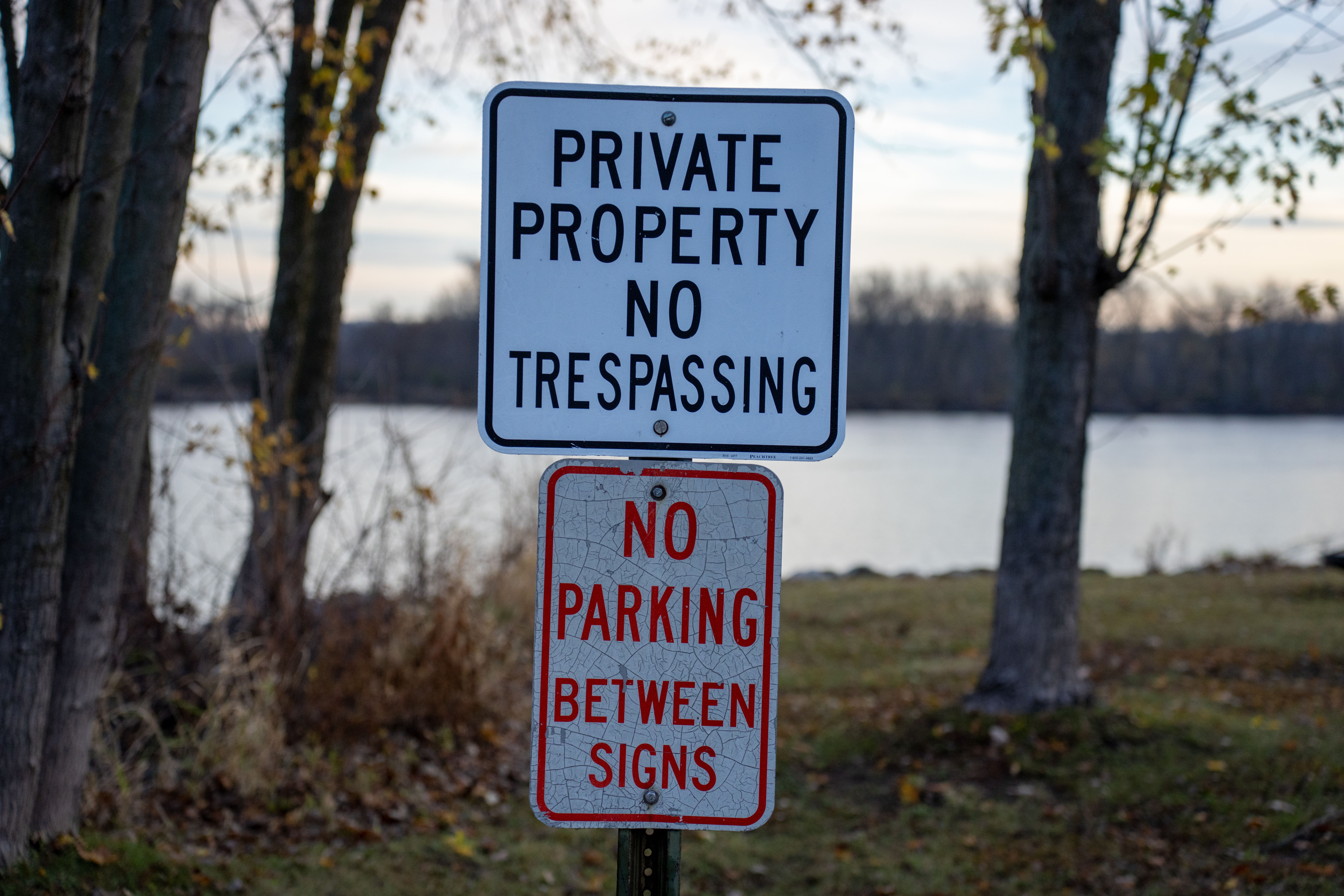
Finally, do not assume signs solve everything. “No Trespassing” signs are useful, but they work best when placed where people can actually see them, such as at entry points, gates, and driveway access areas. Signs support enforcement, but they are only one part of a broader plan that should include lighting, locks, cameras, and consistent reporting.
Take steps to prevent future trespass.ng

Prevention starts with making boundaries obvious. Repair broken fences, install visible house numbers, mark property lines where legal, and trim shrubs that create hiding spots. Motion-activated lights are especially effective because they remove cover and signal that the property is being watched.
Security cameras are one of the most practical deterrents because they help both before and after an incident. A visible camera near entrances can discourage casual trespassers, while recorded footage gives you evidence if someone returns. Doorbell cameras are useful, but side yards, garages, and back gates often need coverage too.
Signage matters most when it is readable and placed strategically. Put signs at natural entry points rather than hiding them near the house, where someone would see them only after already entering. In rural areas or on larger lots, multiple signs may be necessary, especially near trails, field edges, or private roads that outsiders might mistake for public access.
It also helps to build a local awareness network. Neighbors who know your schedule can spot unusual activity and alert you quickly. Community groups, neighborhood watch programs, and shared camera footage, when lawful, can make recurring trespass problems easier to identify and report with confidence.
Handle ongoing or complicated situations the right way
Some trespassing issues are not random at all. They can involve an ex-partner, neighbor dispute, tenant problem, estranged relative, customer, or someone experiencing a mental health crisis. These situations often require a more careful approach because the person may believe they have a right to be there or may return repeatedly.
If the trespasser is someone you know, avoid turning the issue into a personal feud. Keep communication brief, factual, and ideally in writing when appropriate. If there is a history of harassment, stalking, threats, or domestic conflict, ask police or a local attorney whether a protective order, no-contact order, or formal trespass notice makes sense.
Property owners should also know when civil law may be involved. Boundary disputes, easement disagreements, shared driveways, and tenant holdovers are not always simple trespass cases. In those situations, a survey, a lease review, or a legal consultation may be more effective than repeated verbal confrontations that never truly resolve the problem.
If a person appears confused, mentally unwell, or in distress, respond with caution and compassion from a safe distance. Call emergency services and explain the behavior you are seeing. The goal is still to protect your property, but the most effective response is often the one that combines firm boundaries with the right professional help.