Some handguns once seemed untouchable, dominating police holsters, military sidearms, gun counters, and pop culture. But firearms history moves fast, and even famous models can slip from the spotlight as technology, training, and market preferences evolve. This gallery looks at 10 handguns that were once highly relevant, then gradually lost ground to newer options that better fit modern expectations.
Luger P08

The Luger P08 is one of the most recognizable pistols ever made, with its sharply angled grip and toggle-lock action giving it instant visual identity. For decades, it carried an aura of prestige, helped by military use, collector fascination, and a reputation that loomed larger than its practical strengths.
Over time, its drawbacks became harder to ignore. The pistol was expensive to manufacture, mechanically intricate, and less forgiving in harsh conditions than simpler service handguns. As armies and police forces prioritized reliability, lower cost, and easier production, the Luger shifted from serious sidearm to historical icon.
Walther P38

The Walther P38 once represented a major step forward in service pistol design. Its double-action trigger system influenced generations of handguns, and for a time, it looked like the future had arrived in steel, with a practical layout that stood apart from older single-action military pistols.
Yet innovation has a shelf life. As newer double-action and later polymer-framed pistols emerged, the P38’s weight, aging ergonomics, and dated manufacturing style made it feel less compelling. It remains important in handgun history, but in practical terms, it was gradually eclipsed by sidearms that did the same job with fewer compromises.
Colt M1903 Pocket Hammerless

There was a time when the Colt M1903 Pocket Hammerless defined discreet carry for well-dressed civilians, investigators, and officers who wanted a slim, elegant sidearm. It had class, concealability, and a polished reputation that made it highly desirable in an era when compact autos still felt novel.
What pushed it aside was not one fatal flaw but changing expectations. Modern buyers came to want stronger cartridges, simpler safeties, lighter materials, and easier maintenance. The Colt still charms collectors and historians, but compared with today’s compact carry pistols, it belongs to a very different age of personal defense.
Colt Detective Special

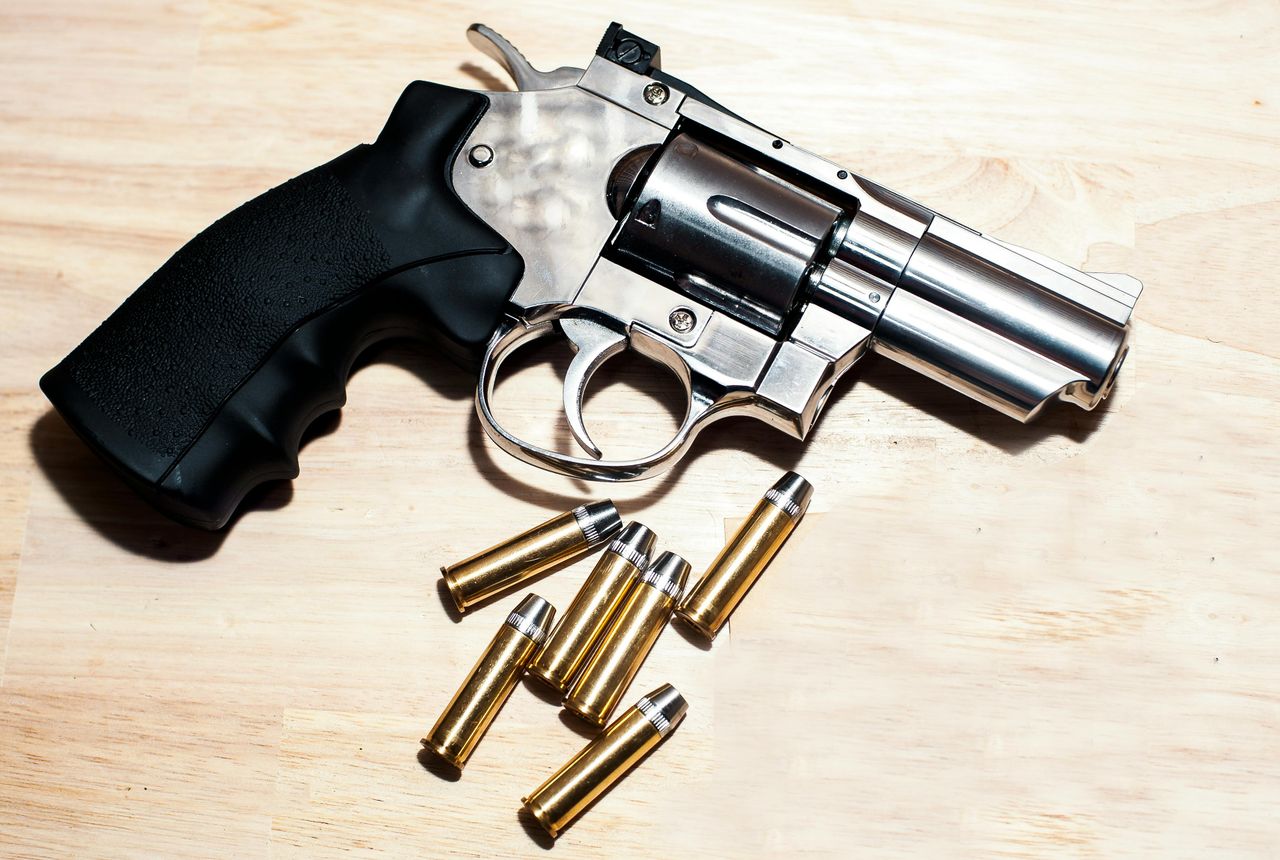
The Colt Detective Special helped create the blueprint for the snub-nose defensive revolver. It offered six shots in a compact package, and for generations it was a trusted companion for plainclothes officers and armed citizens who valued concealment without giving up familiar revolver handling.
Its decline came as semi-automatic pistols improved dramatically. Shooters began expecting higher capacity, faster reloads, and lighter carry guns, while small revolvers from competitors also crowded the market. The Detective Special still has admirers for its balance and old-school appeal, but it no longer occupies the center of the concealed-carry conversation.
Smith & Wesson Model 10

Few handguns were ever as widespread as the Smith & Wesson Model 10. For much of the 20th century, it was the classic police revolver, valued for durability, simplicity, and a manual of arms that could be taught quickly across large departments.
What changed was the world around it. Law enforcement moved toward semi-automatics that offered more rounds, quicker reloads, and better adaptation to evolving training standards. The Model 10 still earns respect as a dependable revolver and a landmark duty gun, but its practical dominance faded once the high-capacity service pistol became the new normal.
Browning Hi-Power

The Browning Hi-Power spent decades as one of the world’s great fighting pistols. With its slim profile, high magazine capacity for its era, and broad military adoption, it earned a place as a serious sidearm long before the modern striker-fired wave changed the handgun landscape.
But time exposed its age. Many shooters found the trigger compromised by the magazine disconnect, while newer pistols offered lighter weight, simpler controls, and easier accessory support. Even with its graceful lines and superb natural pointing qualities, the Hi-Power became more of a connoisseur’s pistol than a dominant mainstream choice.
Beretta 84 Cheetah

The Beretta 84 Cheetah once occupied a sweet spot for shooters who wanted a refined .380 pistol with real capacity and polished Italian styling. It felt substantial, shot softly for its class, and carried a premium image that made it stand out in gun cases crowded with more utilitarian designs.
Its relevance faded as the market changed around concealed carry. Slimmer, lighter, and often cheaper 9mm pistols began offering better ballistic performance in packages that were easier to carry every day. The Cheetah still has undeniable charm, but modern buyers often see it as attractive and nostalgic rather than essential.
Colt 1908 Vest Pocket

Tiny, elegant, and easy to slip into a jacket, the Colt 1908 Vest Pocket reflected a time when the idea of a truly miniature self-defense pistol carried enormous appeal. It was a fashionable answer to personal protection, and its small scale made it memorable in a way larger service pistols never quite were.
Its fall from relevance came with changing standards for defensive handguns. The cartridge is modest, the sights are basic, and the overall design belongs to a period before modern expectations for handling and effectiveness took hold. Today, it survives mostly as a collectible symbol of early concealed-carry culture.
Mauser C96

The Mauser C96 was once the very definition of futuristic firepower, with its broomhandle grip, internal magazine, and unmistakable silhouette. It appeared in military service, global conflicts, and countless stories, gaining a reputation that blended real battlefield history with a larger-than-life cultural presence.
Practical use eventually gave way to historical fascination. The pistol is large, awkward by modern standards, and far less convenient than later semi-automatics that offered detachable magazines and simpler handling. Its fame never vanished, but its real-world relevance did, leaving the C96 as a legendary artifact rather than a competitive sidearm.
Raven MP-25

For many Americans, the Raven MP-25 was the cheap little pistol that seemed to be everywhere. It became part of a broader class of inexpensive handguns that sold on affordability and accessibility, especially to buyers who wanted something small and simple without spending much money.
That visibility did not translate into lasting respect. As quality expectations rose and better compact pistols became available at more approachable prices, the Raven’s rough reputation worked against it. It remains a recognizable product of its era, but mostly as a symbol of a market segment that lost ground to safer, sturdier, and more capable designs.