A lot of hunting trips go smoothly until camp becomes the legal problem. For many hunters, the biggest mistake is assuming camping rules are simpler than hunting rules.
Hunting access does not automatically include camping rights
One of the most common misunderstandings is thinking that if hunting is legal somewhere, camping must be legal there too. In practice, those are often governed by separate rules, separate agencies, and sometimes separate permit systems. A wildlife area may allow walk-in hunting during season but ban overnight stays entirely, or allow camping only in designated sites.
This catches people on state game lands, wildlife management areas, and waterfowl production areas all the time. Hunters read the hunting digest, confirm season dates, and stop there. What they miss is that the land manager may post camping restrictions in a different document, on a kiosk, or in a regional order that never appears in the hunting synopsis.
Federal lands create even more confusion. National forests often allow dispersed camping under general rules, while national parks, national wildlife refuges, and Army Corps lands may sharply limit it. The legal answer can change simply by crossing a boundary that looks invisible in the field but is obvious on an agency map.
The practical lesson is simple: hunting permission is not camping permission. Before setting camp, hunters need to verify the exact parcel, the managing authority, whether dispersed camping is allowed, and whether seasonal closures or fire restrictions are in effect. Assumptions based on what friends did last year are one of the fastest ways to get cited.
Public land rules vary more than most hunters expect
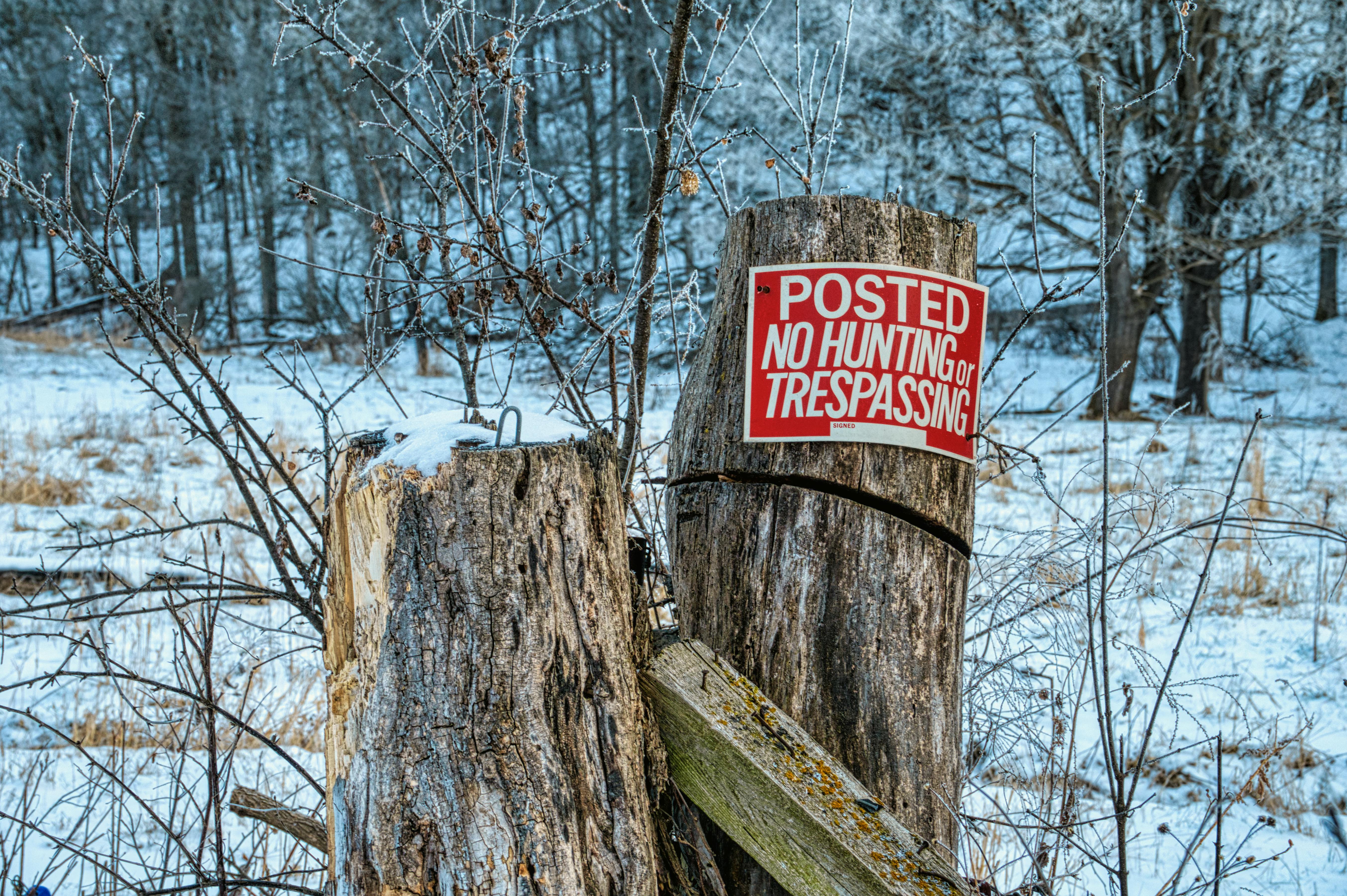
Hunters often talk about “public land” like it is one category with one rulebook. It is not. State forests, Bureau of Land Management property, national forests, county land, and conservation easements can all sit next to each other and operate under very different camping rules.
On one tract, dispersed camping may be allowed for 14 days within a 28-day period. On another, you may need to stay within 200 feet of a marked site or camp only in developed campgrounds. Some agencies prohibit camping within certain distances of water, roads, trailheads, or administrative buildings, even when hunting itself is still allowed nearby.
Real-world enforcement often turns on details hunters think are minor. Parking off-road, tying gear to trees, creating a new fire ring, or leaving a wall tent up while returning home for the workweek can all violate local rules. In several western states, land managers have also increased enforcement around long-term “temporary” camps that effectively become semi-permanent hunting bases.
That variation matters because fines are rarely based on intent. Wardens and rangers generally look at land designation, posted orders, occupancy duration, sanitation, and vehicle placement. A hunter can be acting in good faith and still be in violation because the rules for that specific parcel differ from the neighboring ground by just enough to matter.
Private land permission is often narrower than hunters assume
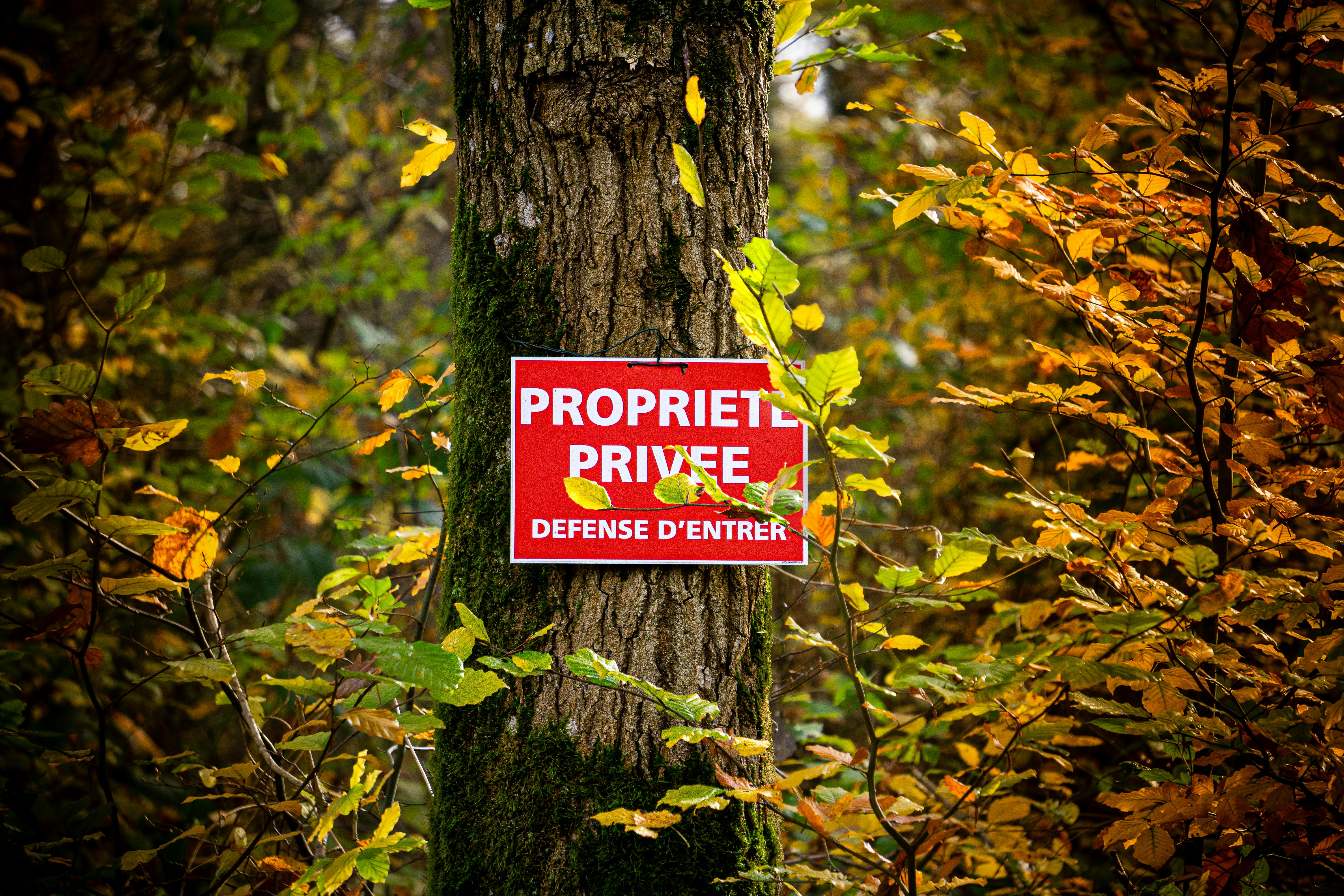
Many hunters believe a landowner’s “yes” covers everything related to the trip. Often, it does not. Permission to hunt can be limited to daylight hours, specific fields, certain access roads, or a single season. Camping overnight, parking an RV, building a fire, or bringing extra guests may require separate and explicit approval.
This is where handshake agreements create trouble. A landowner may have meant, “You can hunt the back forty,” while the hunter hears, “Use the place however you need for the weekend.” If a neighbor complains, livestock are disturbed, or a vehicle tears up a wet lane, that vague permission suddenly gets interpreted very narrowly.
Liability concerns also shape what owners allow. Some states provide recreational use protections, but those laws are not a blank check and they vary widely. A landowner comfortable with deer hunting from dawn to dusk may still refuse overnight camping because of fire risk, trash, alcohol concerns, generator noise, or fear that permission will be hard to revoke later.
The smart move is to define camp terms clearly before the trip. Ask where vehicles may be parked, whether campfires are allowed, whether a trailer or tent is acceptable, how many people may stay, and when everyone must leave. Specific permission prevents conflict, preserves relationships, and keeps a good hunting spot from disappearing after one avoidable misunderstanding.
Length of stay, occupancy, and camp setup rules matter
A surprising number of hunters know where they can camp but not how long they can legally remain there. Time limits are a major part of camping law on public land. The common standard people quote is 14 days, but that number is far from universal and often comes with reset periods, distance requirements, or district-specific exceptions.
Occupancy rules can also define what counts as an active camp. On some lands, leaving equipment unattended for more than a set period can be treated as abandonment. That matters for spike camps and wall tents left in place while hunters rotate home for showers, supplies, or work. A camp that feels “temporary” to the hunter may legally count as an unauthorized stored structure.
Setup details matter just as much. Stringing lines between trees, trenching around tents, constructing furniture from local wood, or using pallets and tarps to create semi-permanent shelters may violate land-use regulations. During elk and deer seasons, western officials routinely remove camps that exceed allowed occupancy or resemble established residences rather than temporary campsites.
Even where overnight use is legal, moving camp a short distance may not reset the clock. Some agencies require relocation beyond a minimum mileage radius, not just across the road or down the drainage. Hunters who treat stay limits casually can end up with citations, confiscated property issues, or a forced camp breakdown in the middle of the season.
Fire, waste, and food storage laws are stricter than camp lore suggests
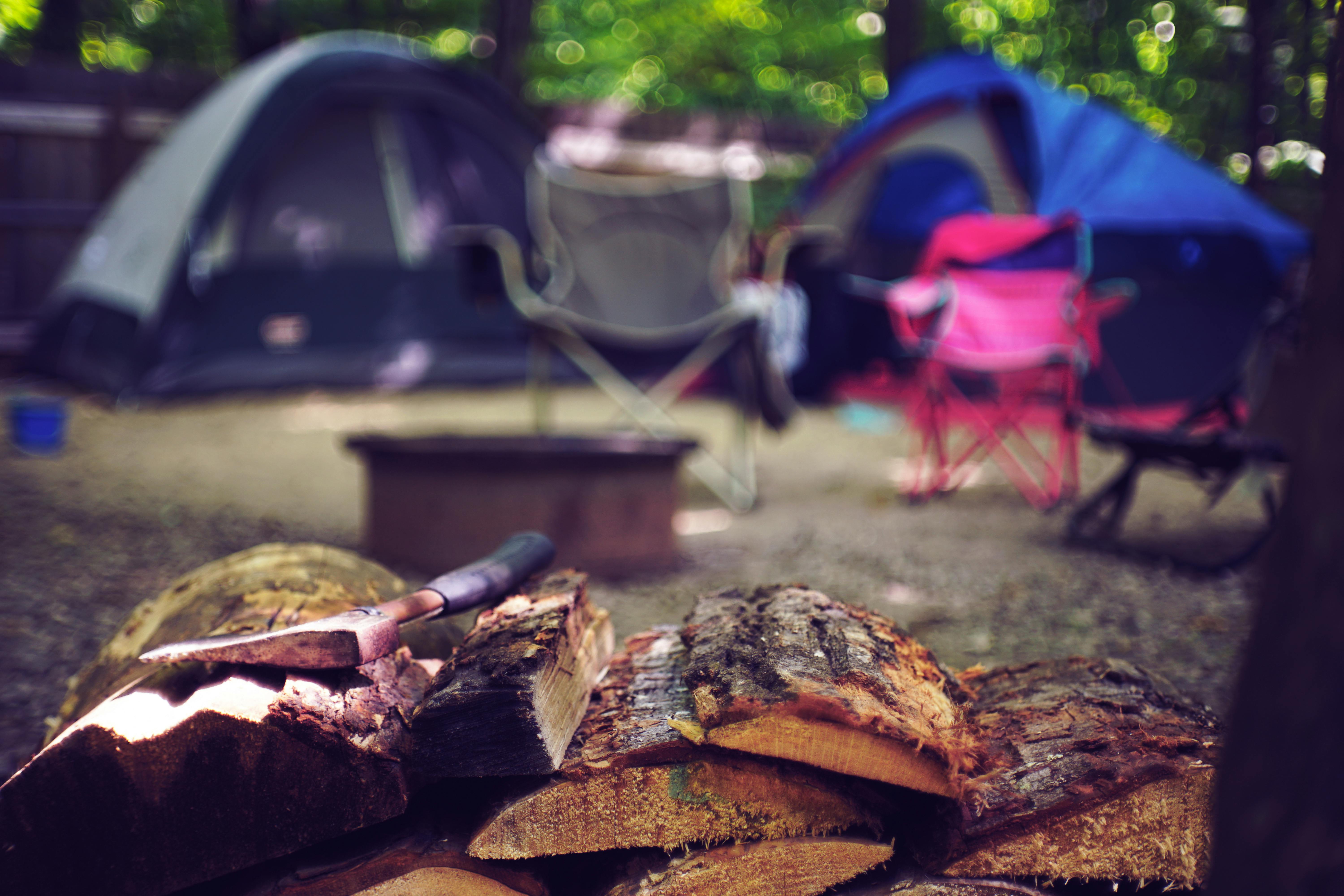
Camping violations are not always about location. They are often about what happens once camp is established. Hunters commonly assume a small fire is acceptable if conditions seem safe, but legal fire restrictions can ban all open flames, limit fires to metal rings, or prohibit charcoal and wood while still allowing certain camp stoves.
Fire rules have become especially strict during dry fall seasons. State foresters and federal agencies regularly issue temporary restrictions tied to wind, humidity, and fuel conditions. A hunter relying on last week’s information can be out of compliance by the time camp is set, and “I kept it small” is not a legal defense when a closure order is active.
Waste disposal is another area where casual habits create legal exposure. Burying trash, dumping dishwater near camp, or disposing of game scraps improperly can violate sanitation rules and attract wildlife. On some lands, packing out all refuse is mandatory, and human waste disposal standards may require distance from water, trails, and camps or the use of portable systems.
Food storage laws are also more serious than many hunters realize. In bear country, agencies may require hard-sided vehicles, certified bear-resistant containers, or approved hanging methods. Those rules are not just recommendations. They are enforceable, and they exist because repeated wildlife conflicts often start with camps that looked normal to hunters but failed legal storage standards.
Vehicles, roads, and trailers create hidden camping violations

For many hunters, the vehicle is part of camp. That is exactly why vehicle law and camping law overlap so often. Sleeping in a truck, topper, van, or trailer may still count as camping under local regulations, even if no tent is visible. Hunters sometimes assume they are merely parked, when legally they are occupying a campsite.
Road rules are just as important. Pulling a truck a few yards off a forest road to create a flatter camp spot can violate motor vehicle use restrictions. On federal land, route designations often control where a vehicle may travel or stop, and seasonal gate closures can turn a familiar roadside camp into an unauthorized motorized access point.
Trailers and RVs bring another layer of regulation. Some agencies restrict where they may be parked, how long they may remain, and whether they can be left unattended. On heavily used public hunting areas in the Midwest and West, enforcement has increased around camp trailers stored for weeks as placeholders for opening day or major rifle seasons.
Even on private land, access roads and field entrances can create issues if permission was vague. Parking that blocks gates, damages culverts, or interferes with farm operations can end a relationship quickly. Hunters who think first about concealment or convenience sometimes overlook the legal reality that where and how a camp vehicle sits can matter as much as the camp itself.
The safest approach is verification, not tradition
Hunters often inherit camp habits from family or mentors, and that tradition is valuable. But tradition is not law, and many old practices survive long after regulations change. Agencies update camping restrictions in response to wildfire risk, crowding, habitat protection, sanitation issues, and wildlife encounters, so what was tolerated 10 years ago may now be clearly prohibited.
The best-prepared hunters treat camping like tags and season dates. They check the managing agency, read current area orders, confirm whether dispersed camping is allowed, review fire restrictions, and ask direct questions when a rule is unclear. State wildlife offices, ranger districts, and local wardens would rather answer questions early than issue citations later.
It also helps to document what you were told. Save screenshots of agency notices, carry permit confirmations if required, and mark parcel boundaries accurately on mapping apps and paper backups. If you are on private land, get permission details in writing, even if it is just a clear text message covering overnight camping, vehicles, and campfires.
The hunters who avoid problems are rarely the luckiest. They are the ones who understand that camping law is a separate layer of responsibility, not an informal side issue. A legal hunt can still be paired with an illegal camp, and that mismatch is exactly what so many people discover only after a ranger, deputy, or game warden shows up.