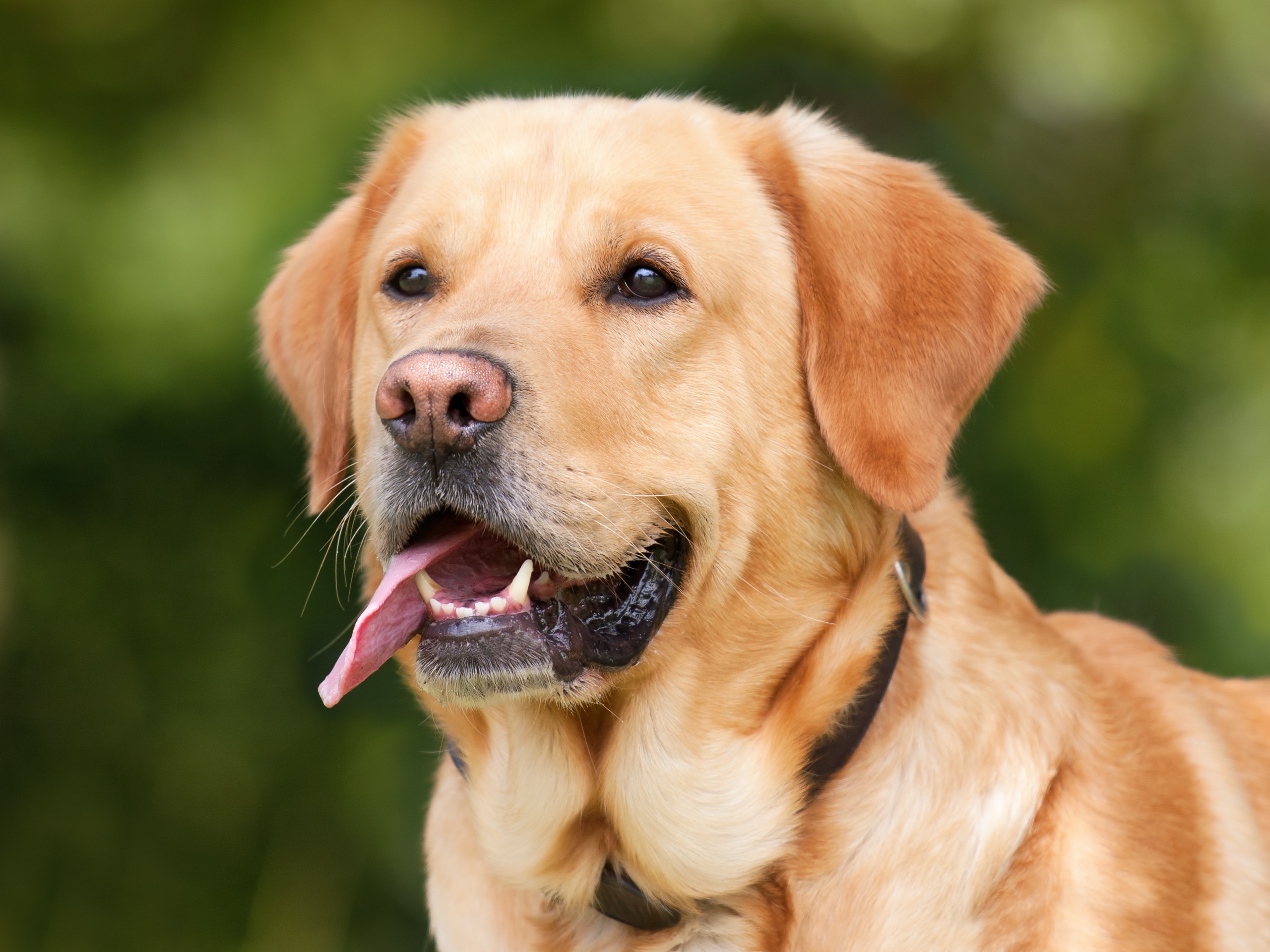
Hunting dogs are often recognized today for their appearance, friendly personalities, or reputation as family pets. Yet many of these breeds were carefully developed around highly specific working roles. Some were expected to retrieve birds from icy water, others to locate hidden quarry, follow scent trails, flush game from dense cover, or even enter underground burrows. Understanding those original jobs explains many behaviors owners still see at home, from relentless sniffing to digging and an almost endless need for exercise. Sporting breeds commonly include pointers, setters, spaniels, and retrievers, while hounds developed around scent or pursuit.
1. Labrador Retriever
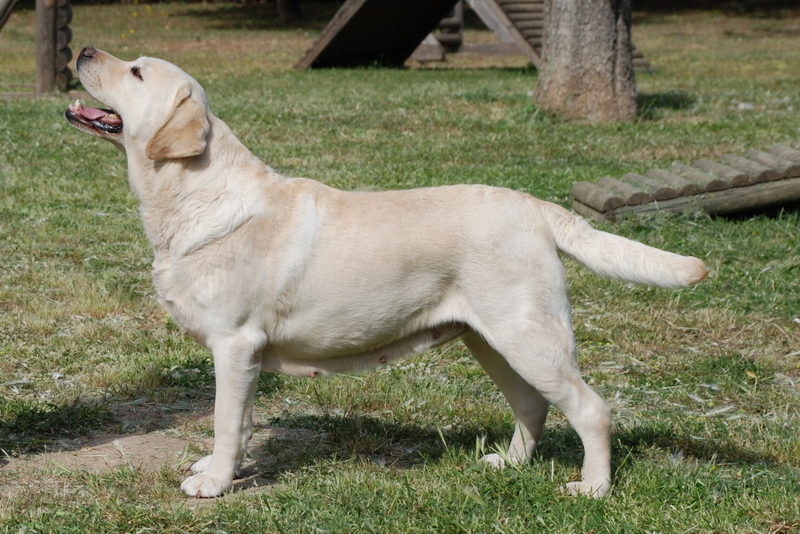
The Labrador is famous as a friendly family dog, but its original assignment was practical: recovering birds from water. Developed in Newfoundland and later refined in Britain, Labs were valued for a soft mouth, strong swimming ability, trainability, and a dense coat suited to cold conditions. Their retrieving instinct meant a downed duck or other bird could be brought back without excessive damage. That combination made the breed a dependable hunting partner. Today, the same traits appear in field trials, hunt tests, and working lines. A typical adult Labrador weighs about 55–80 pounds, and its stamina can surprise owners who know only the relaxed household version.
2. English Springer Spaniel
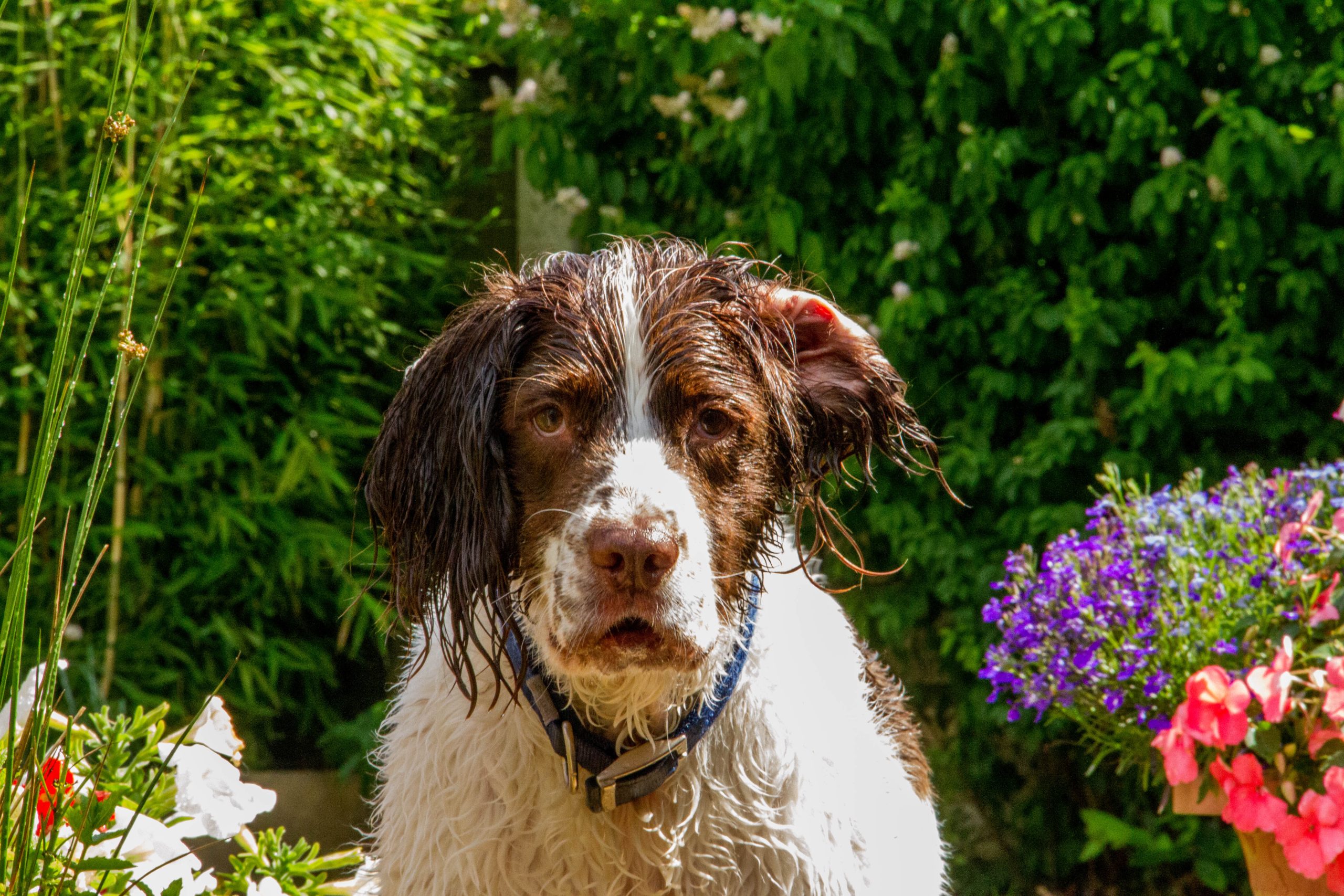
The English Springer Spaniel was built around a job many casual owners overlook: pushing hidden birds out of thick cover so a hunter could see them. Instead of freezing on a scent like a pointer, a Springer searches brush, grass, and woodland edges, then drives game into the open. That requires enthusiasm, close cooperation, and stamina for repeated work. Modern field dogs are selected heavily for working ability. An adult Springer commonly weighs about 40–50 pounds, making it agile enough for dense cover while substantial enough for long days afield. Its cheerful temperament can mask just how serious its working drive is. Its name also reflects its historic springing role.
3. English Setter
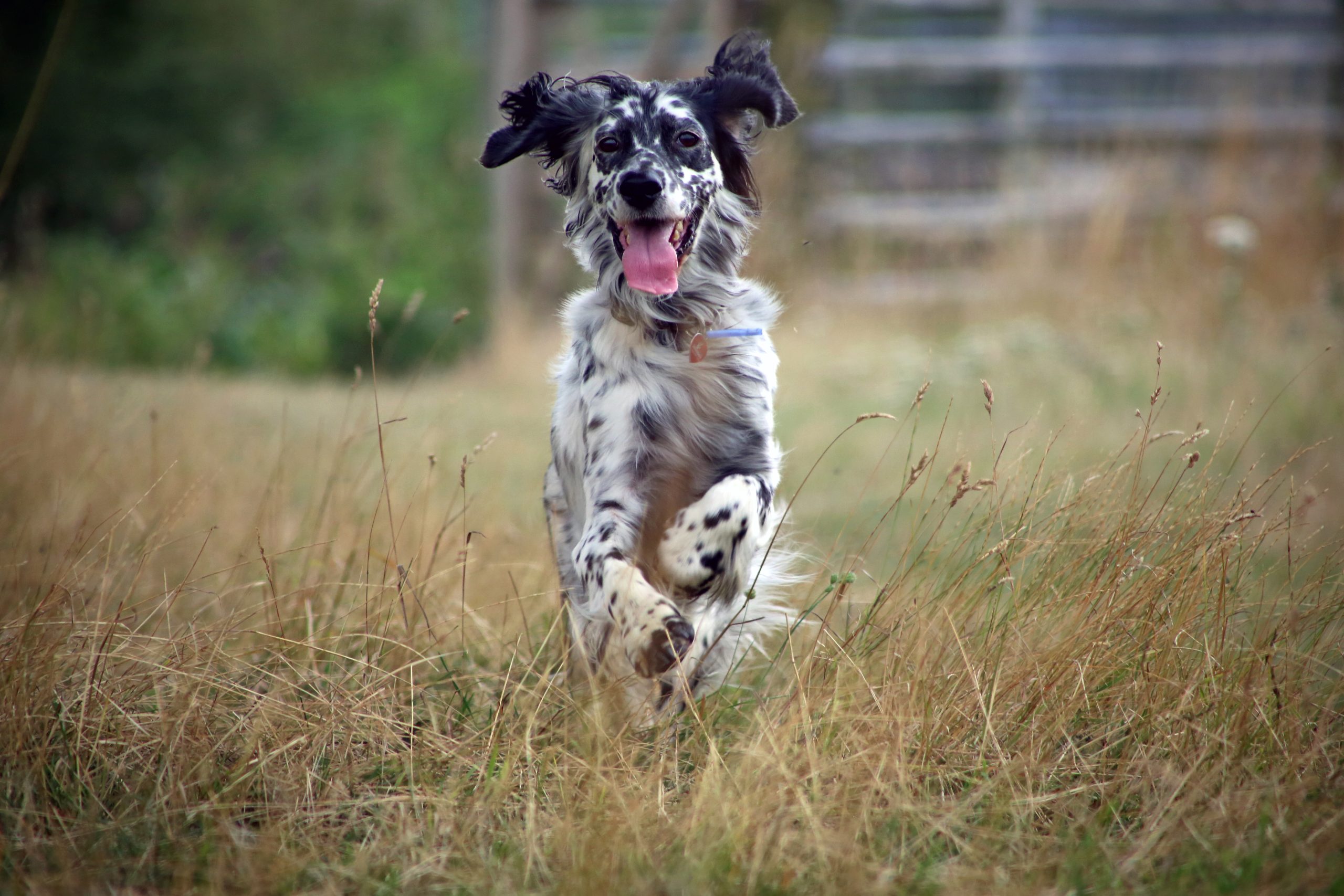
The elegant English Setter was not originally bred simply to look graceful beside a fireplace. Its field role is locating upland birds and indicating their presence before the hunter approaches. Setters use scent to find game, then become still and establish a recognizable point. That pause gives the handler time to move into position without the dog immediately flushing the bird. The breed developed in Britain and became associated with fields where careful searching mattered. Adults generally weigh around 45–80 pounds, depending on sex and build. Its flowing coat can make it look ornamental, but a working English Setter is an athletic scent specialist with energy and concentration.
4. German Shorthaired Pointer
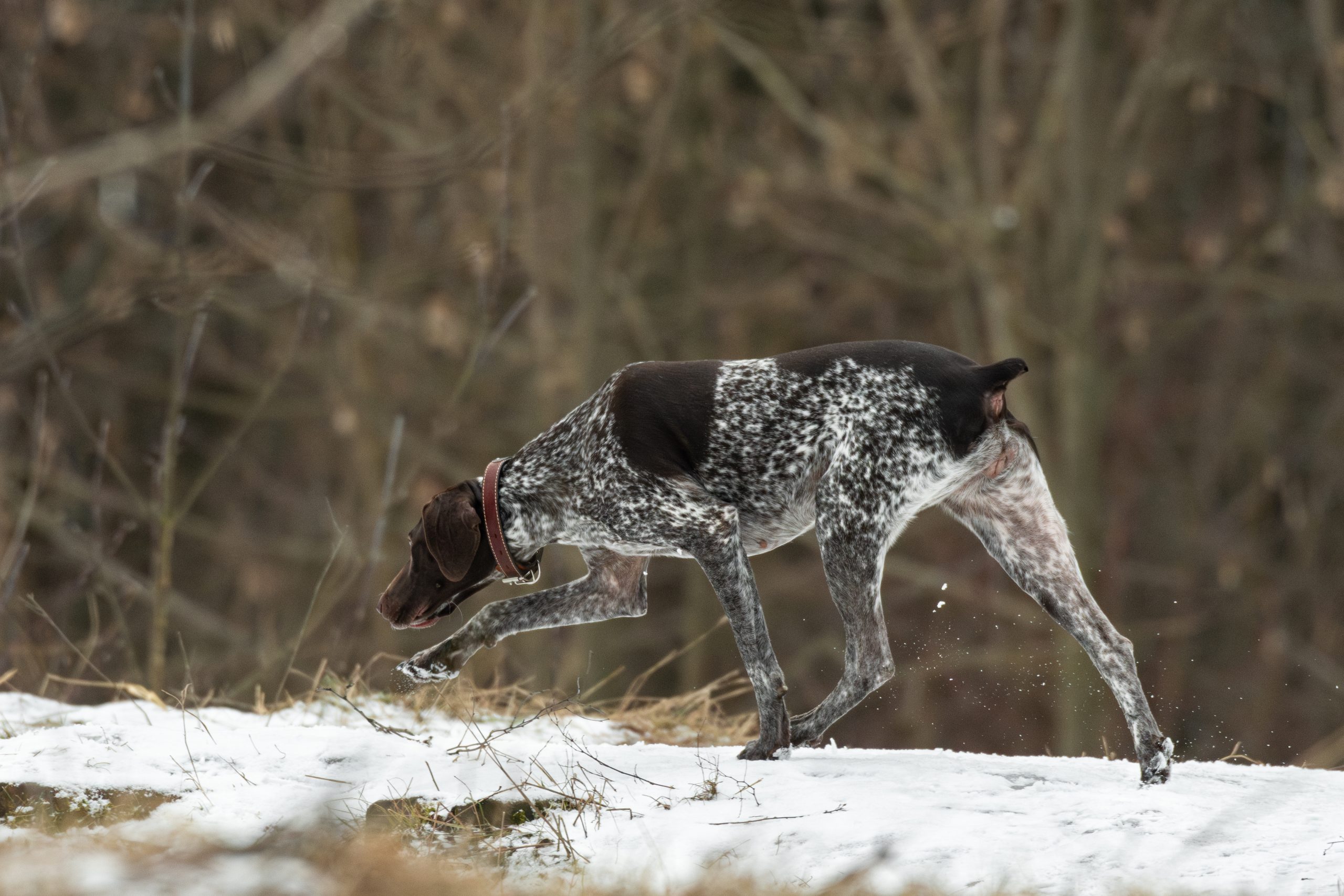
The German Shorthaired Pointer was designed around an unusually broad assignment: finding game, pointing it, retrieving it, and working across fields, woods, and water. German hunters in the 19th century wanted one versatile dog rather than several specialists, so the breed developed a reputation for scenting ability, athleticism, pointing instinct, and retrieving skill. That history explains why a GSP can seem restless when its day lacks meaningful activity. Adults commonly weigh roughly 45–70 pounds and have the speed to cover large areas quickly. Its household role is only half the story; its original purpose was a demanding partnership requiring several jobs during one hunt.
5. Chesapeake Bay Retriever
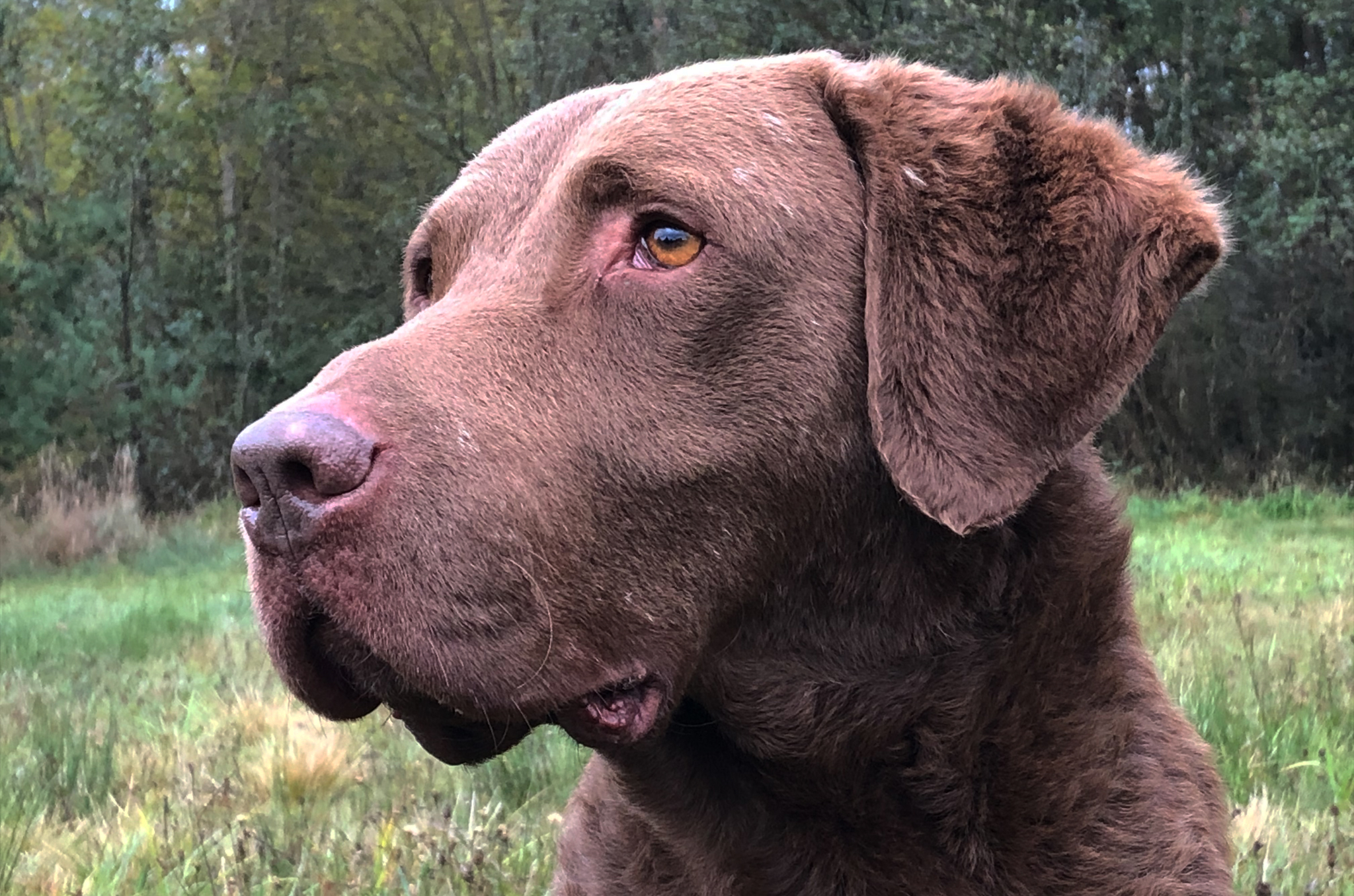
The Chesapeake Bay Retriever was shaped by a harsh assignment: retrieving waterfowl from the cold, rough waters of Chesapeake Bay. Its oily, dense double coat helps provide insulation and water resistance, while a powerful body supports repeated retrieves. The breed also became valued for persistence, intelligence, and willingness to work in difficult weather. Adult Chessies commonly weigh about 55–80 pounds, with males usually heavier. Their history explains why some can seem more independent than softer retrievers. They were not created merely to carry a ball across a lawn; they were developed to keep working when wind, cold water, distance, and repeated retrieves made the task.
6. Beagle
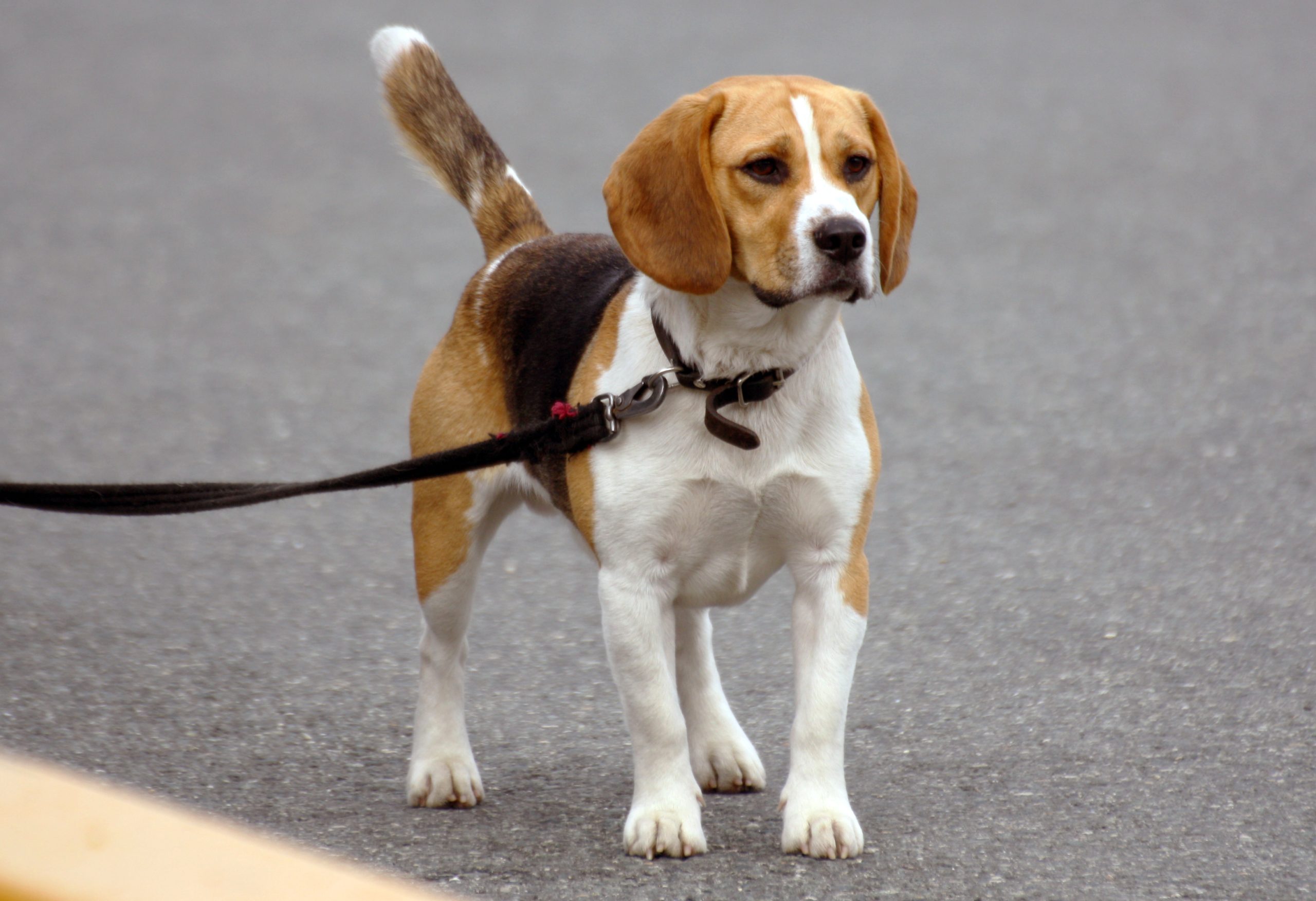
The Beagle’s compact size can hide the seriousness of its original assignment. This scent hound was developed to pursue small game, particularly rabbits and hares, by following ground scent rather than relying on eyesight alone. Its long ears, powerful nose, persistence, and voice helped hunters follow the chase. Unlike a retriever that waits for a command, a scent hound can become intensely focused once a trail is found. Modern Beagles generally weigh under 30 pounds in the smaller standard category, yet their determination can exceed their size. That is why an owner may discover that a Beagle’s strongest instinct is investigating every interesting scent in its path.
7. Bloodhound
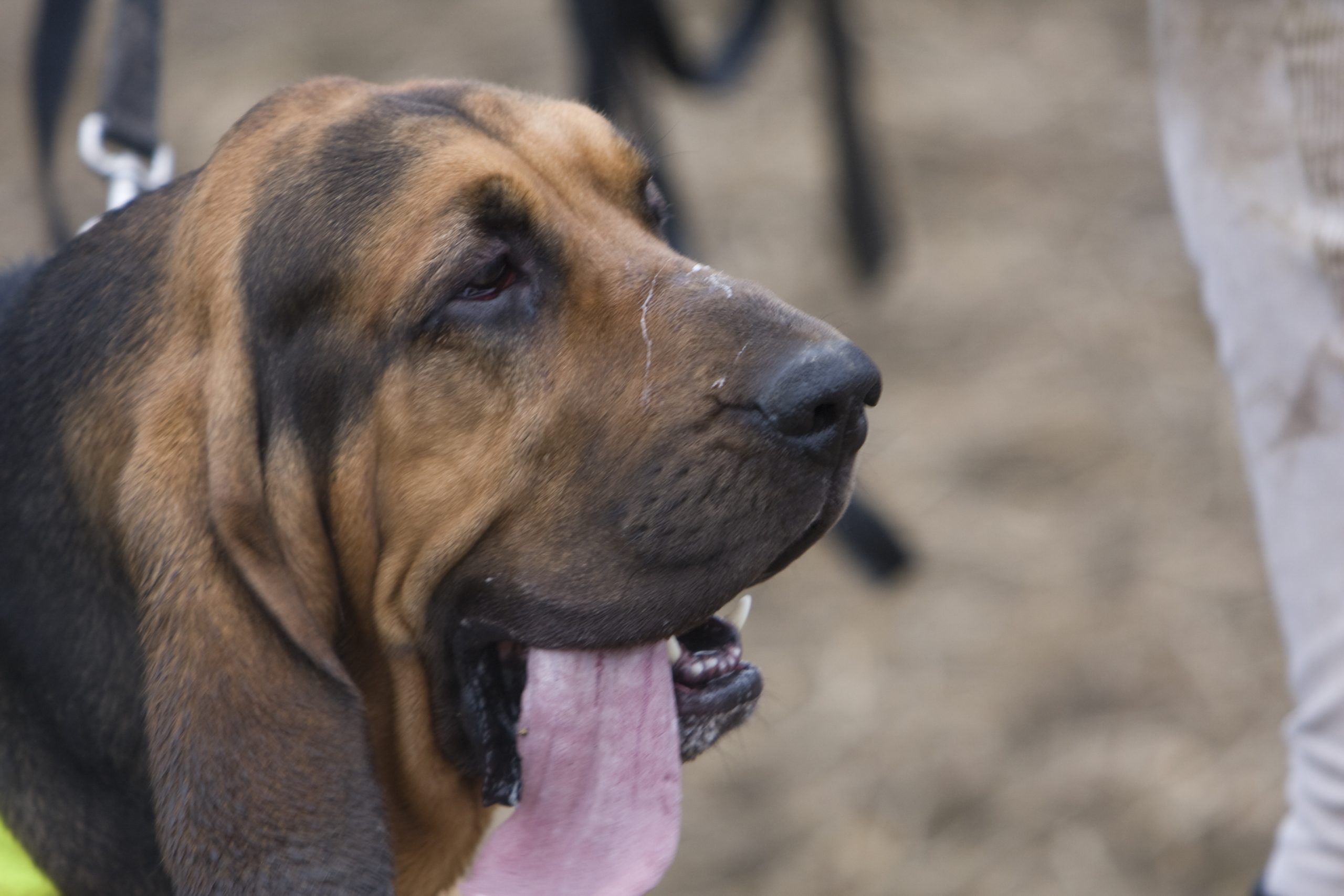
The Bloodhound is often associated with missing-person searches today, but its foundation lies in hunting by scent. Historically, these dogs were valued for following an individual animal’s trail over substantial distances, using its nose rather than speed alone. Their loose skin and long ears are distinctive, but the real specialization is olfactory persistence. A Bloodhound can remain absorbed in a scent trail while ignoring ordinary distractions. Adults can weigh roughly 80–110 pounds or more, so this is not a small dog. Its modern search reputation is an extension of an older working concept: locate a trail, stay with it, and keep investigating when the quarry itself is nowhere in sight.
8. Dachshund
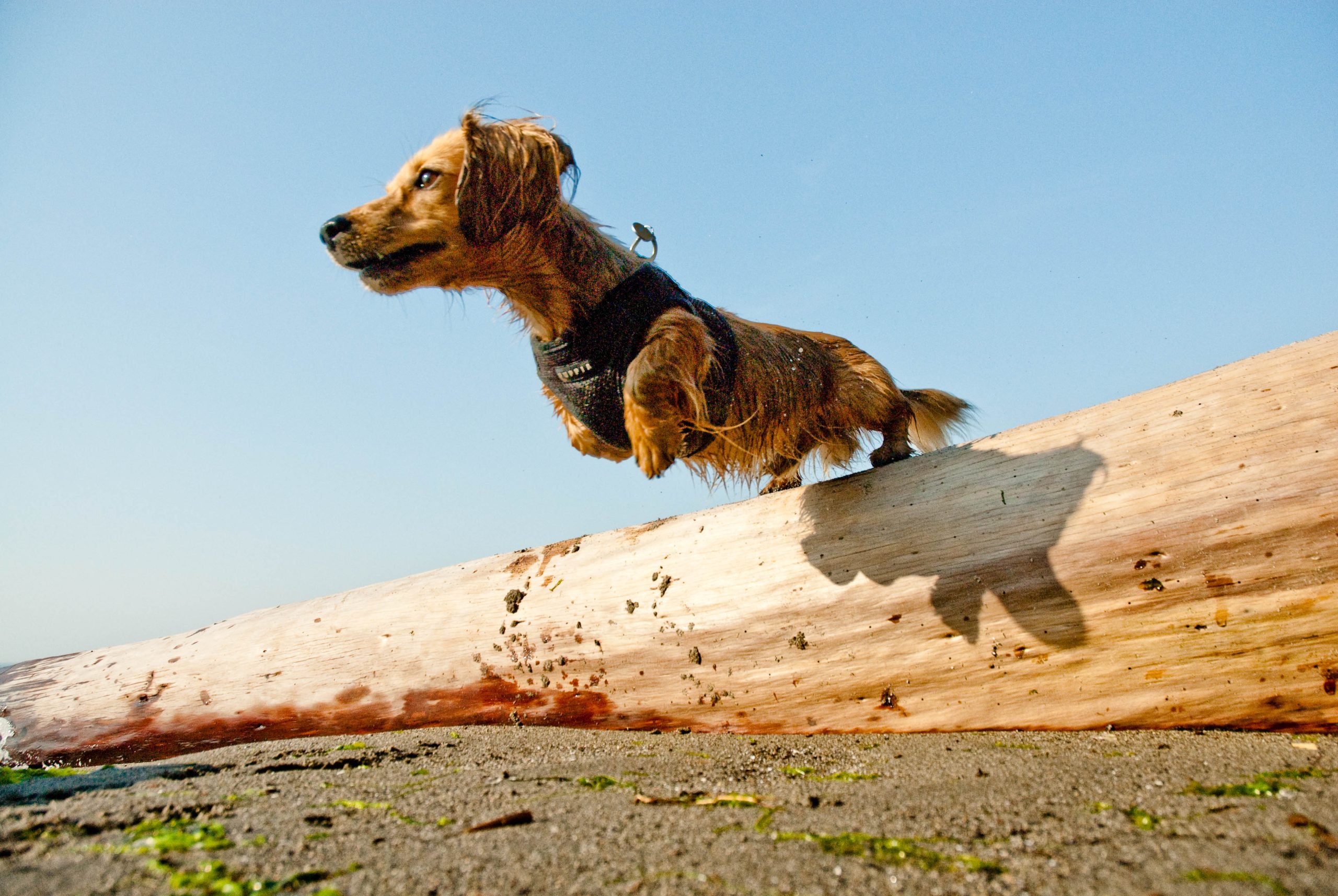
The Dachshund’s unusual shape makes more sense when its original assignment is understood. In Germany, the breed was developed to pursue badgers and other animals into underground burrows. Short legs helped it enter tight spaces, while a long, low body and strong forequarters supported digging and working below ground. Its name reflects its badger-hunting heritage. Standard Dachshunds generally weigh around 16–32 pounds, while miniature varieties are smaller. Their hunting history also explains why some household Dachshunds are persistent diggers and enthusiastic explorers. What looks like stubbornness can be an echo of a dog bred to make decisions while confronting quarry underground.
9. Weimaraner
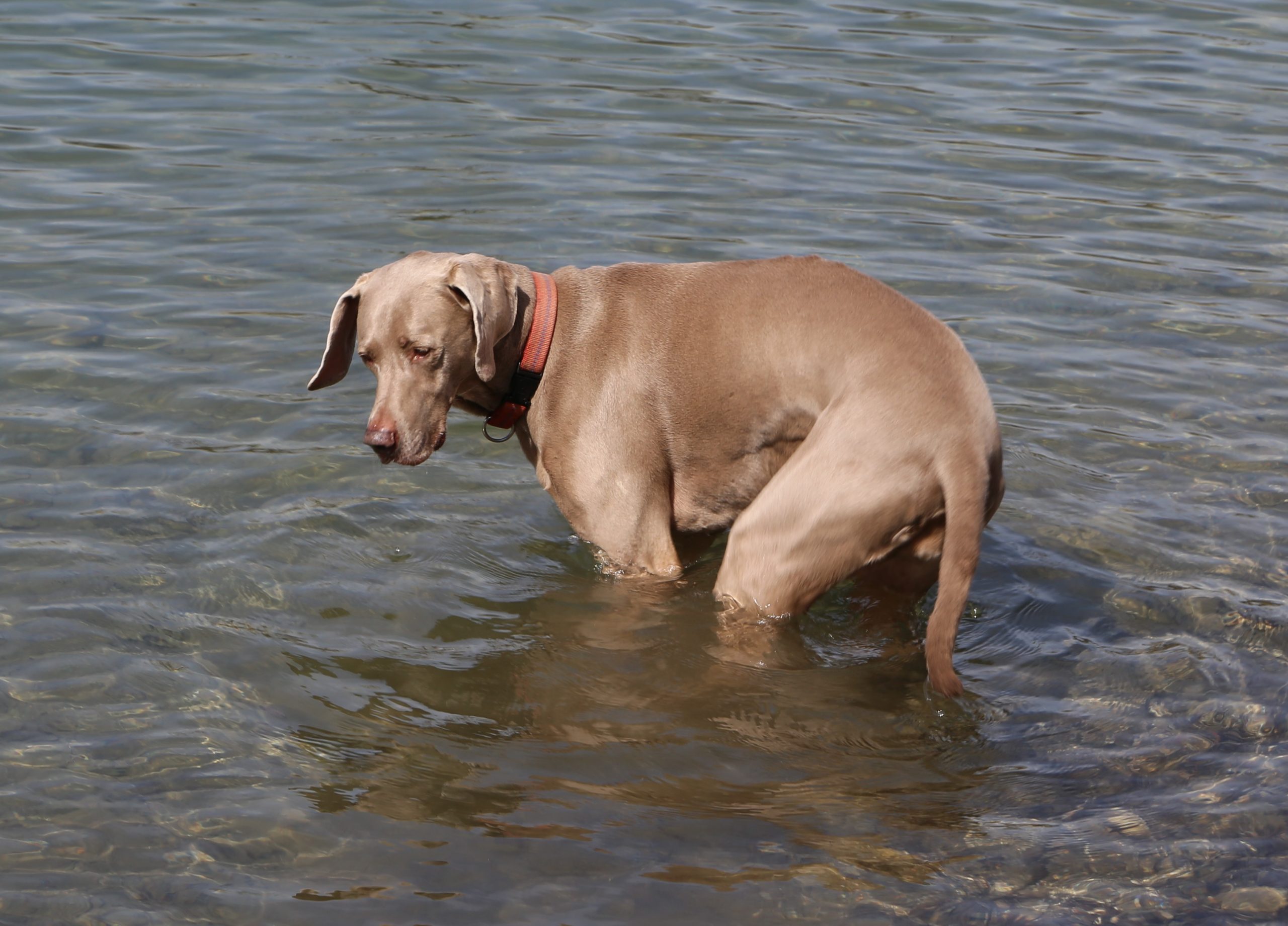
The Weimaraner has one of the more dramatic changes in hunting purpose among familiar breeds. Developed in Germany, it was initially associated with hunting large game before circumstances and breeding priorities shifted its work toward birds and other quarry. That history helped produce a dog combining speed, endurance, scenting ability, and close cooperation with its handler. Modern Weimaraners are recognized by gray coats and athletic frames, but appearance is secondary to heritage. Adults weigh about 55–90 pounds. Without enough exercise, that energy can challenge an unprepared owner. The companion still carries the instincts of a serious field dog.
10. Wirehaired Pointing Griffon
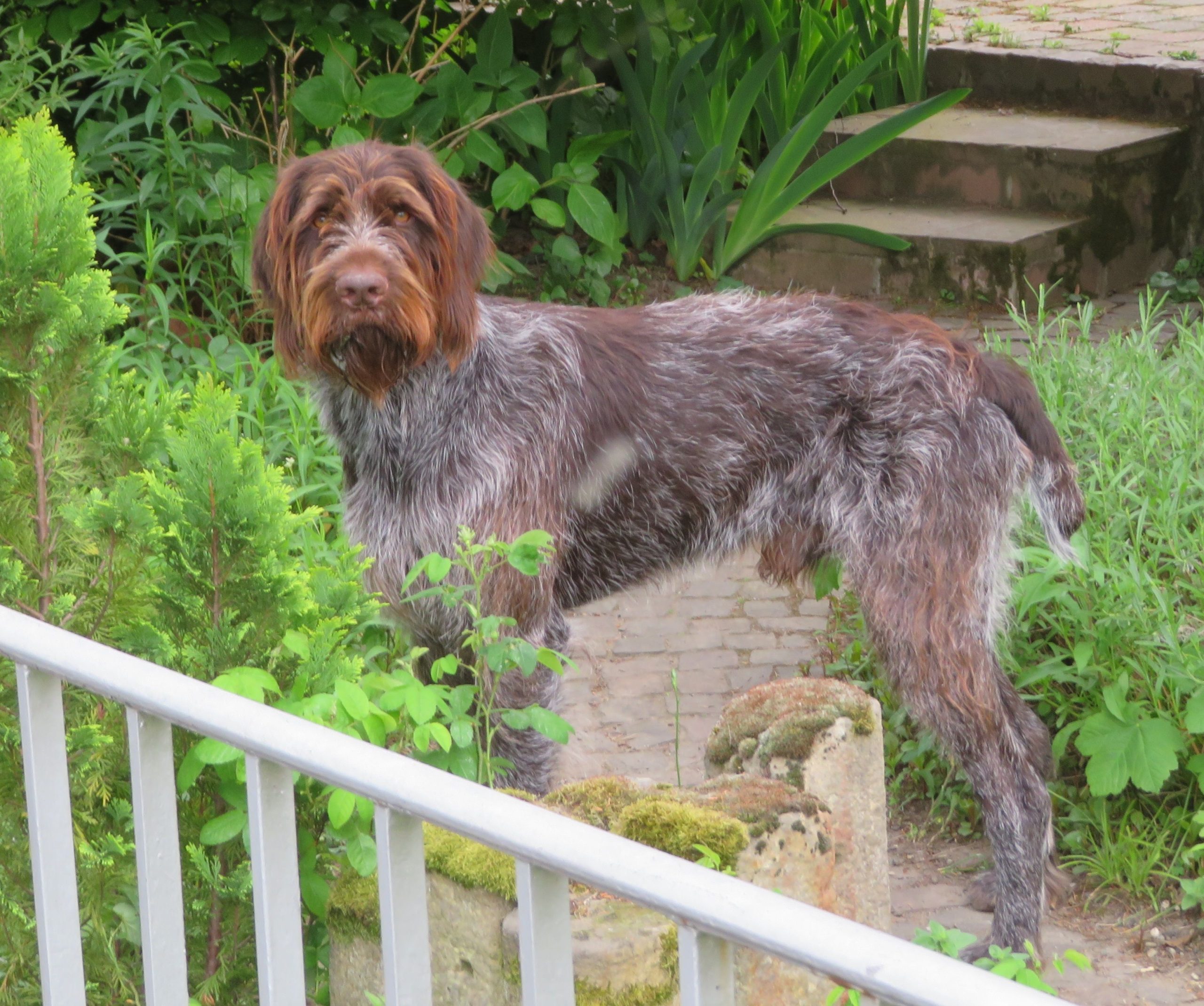
The Wirehaired Pointing Griffon was developed as a versatile hunting dog capable of finding game on land, pointing it, and retrieving from water. Eduard Korthals worked toward a dog useful across marshes, fields, and rough cover, explaining its harsh coat and swimming ability. Unlike a breed built for one narrow task, the Griffon was intended to perform several jobs while staying connected to its handler. Adults typically weigh around 35–70 pounds. Its scruffy appearance can make it seem relaxed, but the working version is energetic, intelligent, and eager to investigate. Understanding that background matters: the dog was designed to have a job, not simply to look distinctive