Tiny parts cause big headaches.
And few handgun details create more accessory confusion than the loaded chamber indicator.
Why this small part matters more than most owners realize
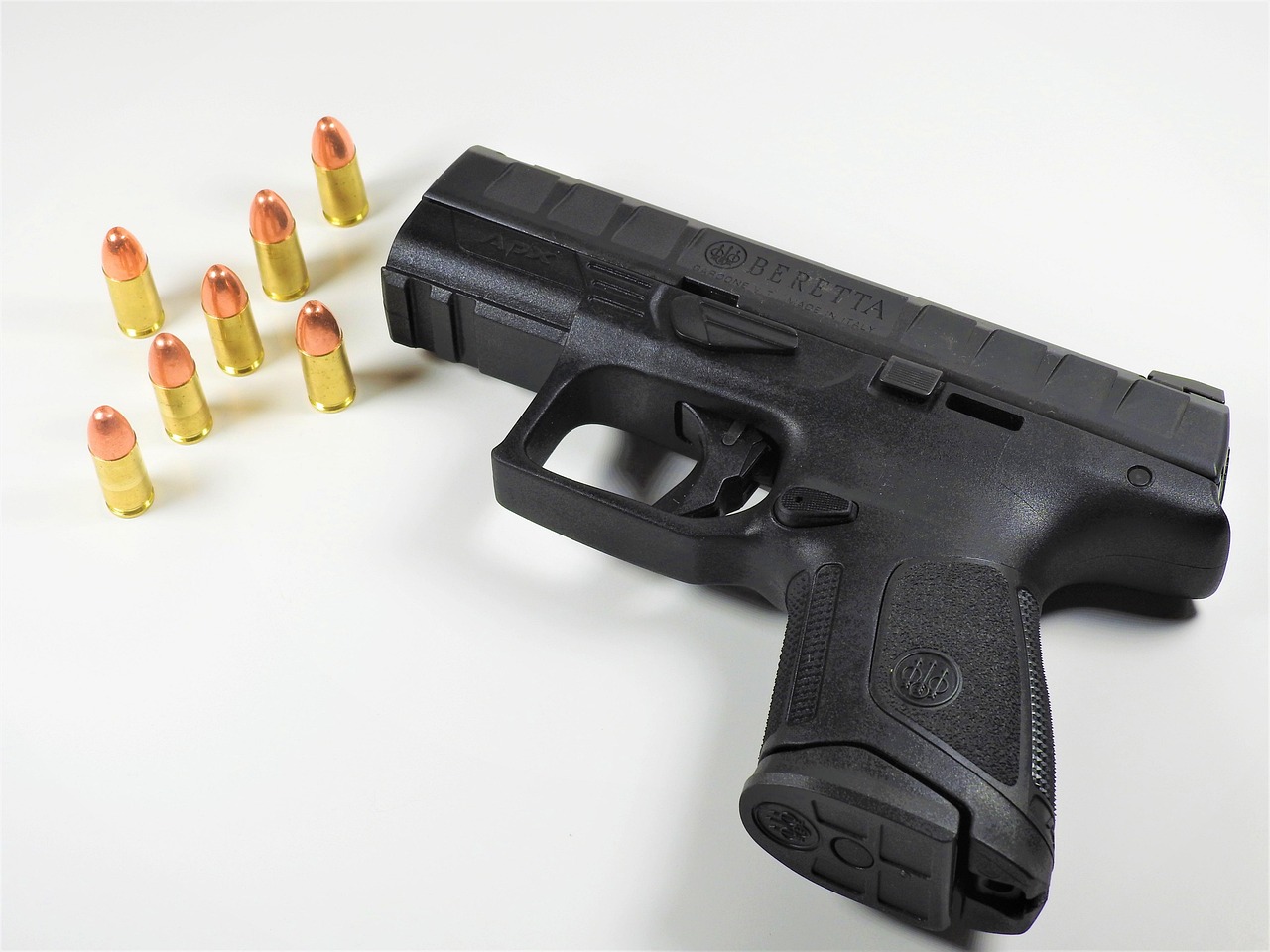
A loaded chamber indicator, usually shortened to LCI, is supposed to answer one narrow question: is there a round in the chamber? In practice, it often changes the shape, height, or movement of the top of the slide, especially around the ejection port. That matters because accessories do not fit abstract model names; they fit exact dimensions, exact cuts, and exact clearances.
California’s handgun rules helped make the issue even more visible. The California Department of Justice has long required certain semiautomatic pistols added to the roster to include a chamber load indicator, and the agency’s regulations spell out visibility and marking standards in unusual detail. That pushed manufacturers to create California-specific variants, which may share a family name with national models while differing in the precise areas accessory makers care about most.
The result is a problem many buyers discover too late. They order an optic plate, holster, slide lock, or aftermarket sight based on the pistol’s common name, then learn their version has a raised flag, a pivoting bar, or an extractor-based indicator that occupies the same space. According to California DOJ safety-device guidance, even modifications usab cr new sights or grips can affect how approved locking devices fit, and how sensitive firearm fitment can be to small changes in external dimensions.
Not all loaded chamber indicators are built the same way
The phrase “loaded chamber indicator” sounds standardized, but the hardware is anything but. Some pistols use a hinged flag on top of the slide that lifts when a cartridge is chambered. Others use a bar that protrudes near the ejection port. Walther’s manual for the PDP describes the extractor itself doubling as the loaded chamber indicator, with a visible color marking when a cartridge or fired case is present.
That difference matters because an extractor-style LCI usually stays within the gun’s existing outline. A raised top-mounted indicator does not. It can add height, create moving surfaces directly under an optic window, and vent residue where a dot sight sits. Ruger’s LCP Max manual, for example, describes an indicator that sits flush when empty and protrudes from the top of the slide with visible red bars when loaded. That is a very different packaging problem for accessory makers than an extractor that simply changes color.
SIG’s M17 and M18 pattern give another real-world example. SIG manuals describe a spring-loaded LCI that protrudes upward at the rear of the ejection port when a round is chambered. From a safety-design perspective, that can be useful. From an accessory-design perspective, it means the slide has a moving feature in one of the busiest zones for optics, suppressor-height sights, and slide-mounted hardware.
Optics are where LCI compatibility becomes impossible to ignore

Red-dot optics are the clearest example of why this feature matters. Modern pistol optics sit extremely low and close to the ejection port, exactly where many loaded chamber indicators live. If the optic body overhangs the LCI area, the indicator may strike it, vent soot onto the lens, or become partly blocked from view and touch.
SIG addresses this directly in its ROMEO2 documentation. The company says that when mounting a ROMEO2 on certain optics-ready SIG pistols with a loaded chamber indicator, such as the M17 or M18, the user should install an LCI deflector to redirect hot gases and help keep the optic lens cleaner. The manual also warns that using that deflector may limit the shooter’s ability to use the LCI as a visual and tactile indicator of a loaded chamber.
That is the accessory-fit issue in one sentence: a safety feature and an accessory can both fit the gun, yet still interfere with each other’s intended use. SIG’s ROMEO-X material also highlights an integrated gas-deflector approach around its mounting system, showing that manufacturers now design around LCI gas flow as a real engineering problem, not a theoretical one. If you are shopping dots, plates, or cut slides, “fits P320” is often not enough; the presence and style of the LCI can change the answer completely.
Holsters, locks, and slide-mounted gear can be affected too

Most people think about optics first, but holsters are often where fit problems show up fastest. A rigid Kydex holster indexes off specific high points on the slide, trigger guard, dust cover, and ejection-port area. Add a raised indicator, or change the contour around it, and retention can become too tight, too loose, or inconsistent from draw to draw.
The same problem can appear with firearm locking devices. California DOJ guidance for approved safety devices specifically notes that aftermarket modifications such as new grips or sights may affect the fit and function of a safety device. If something as common as a sight change can alter lock compatibility, a slide-top LCI or LCI-adjacent geometry change absolutely can as well. Owners often assume a lock or slide-blocking device that fits one variant will fit every version in that family. That assumption is shaky.
Then there is slide-mounted support gear. Charging handles, brass catchers, offset mounts, backup sight systems, and some aftermarket plate systems all fight for room around the same top-of-slide real estate. The LCI may not prevent installation outright, but it can force compromises in screw length, plate shape, shroud selection, or the user’s ability to inspect and clean the setup. That is why serious fitment charts increasingly mention state-specific or optics-ready sub-variants rather than only broad model names.
California versions are often the source of the biggest surprises
If there is one place this issue repeatedly catches people off guard, it is with California-compliant handgun variants. A buyer sees a familiar pistol name online, watches reviews of the standard national model, then purchases the California version and assumes all accessories will transfer over. Sometimes they do. Sometimes they absolutely do not.
California DOJ materials explain that certain semiautomatic pistols added to the roster must meet chamber load indicator and magazine disconnect requirements, and older legal bulletins laid out how those requirements applied to centerfire and rimfire pistols added after specific dates. In practical market terms, that pushed manufacturers to maintain parallel versions of some pistols. The gun may look almost identical at a glance, but the top end, controls, or internal cuts may differ enough to break easy accessory compatibility.
This is why experienced armorers and careful retailers ask for exact SKU numbers, not just brand and model. A California variant may have a different slide, different optic cut, different rear sight position, or an LCI occupying space used by aftermarket parts on the free-state version. The accessory industry has improved on this, but product listings still often lag behind the actual complexity of modern handgun lineups.
How to check compatibility before you spend money
Start with the pistol’s exact SKU and state-specific designation. “P320,” “Shield,” or “PDP” is too broad to be useful once LCIs, optic cuts, and compliance packages enter the picture. Compare the manufacturer’s product page, owner’s manual, and parts diagram. If the manual shows an indicator protruding above the slide, treat that as a major accessory-fit variable.
Next, read optic and accessory manuals, not just retailer descriptions. Manufacturer documentation is where the real warnings usually live. SIG’s optic manuals are a perfect example: they discuss deflectors, shrouds, lens fouling, and compatibility limits in ways a short store listing often never mentions. When a company bothers to write an LCI note into the manual, that is your signal the issue is real enough to affect normal use.
Finally, verify fit by feature, not by marketing family. Ask whether the accessory clears the LCI, blocks it, redirects gas from it, or depends on a slide profile your version lacks. If the seller cannot answer those questions, keep digging. With handguns, a small metal tab near the chamber can quietly decide whether your dot stays clean, your holster retains correctly, and your expensive add-on works at all.
The smartest takeaway: treat the LCI like a fitment dimension
A loaded chamber indicator is first a safety-related feature, not a styling flourish. Manuals from Ruger, Walther, and SIG all emphasize that it should never replace a proper visual chamber check, which is worth remembering because owners sometimes assign the part more certainty than manufacturers do. But even when you use it correctly, you also need to think of it as a physical dimension that influences gear choices.
That mindset instantly clears up a lot of accessory confusion. Instead of asking, “Will this fit my gun?” ask, “Will this fit my exact slide, with my exact indicator design, without blocking movement, sightlines, or gas flow?” That is the question product pages should answer, and the question careful buyers should ask before checking out.
In the end, the loaded chamber indicator quietly determines more than many people realize. It can shape optic placement, lens cleanliness, holster retention, locking-device fit, and compatibility across supposedly identical model variants. Ignore it, and you may waste money. Recognize it as part of the gun’s real geometry, and you shop smarter from the start.