Bear country presents challenges that go far beyond choosing a powerful cartridge. Thick vegetation, steep terrain, poor visibility, changing weather, and the possibility of a sudden encounter all affect how hunters and outdoor guides prepare. A cartridge that performs well on paper cannot guarantee a safe outcome in the field. Bullet construction, firearm reliability, shot placement, local regulations, and the ability to avoid dangerous encounters matter just as much. These seven calibers illustrate why experienced guides consider the entire situation rather than trusting a particular number stamped on a cartridge box.
1. .308 Winchester
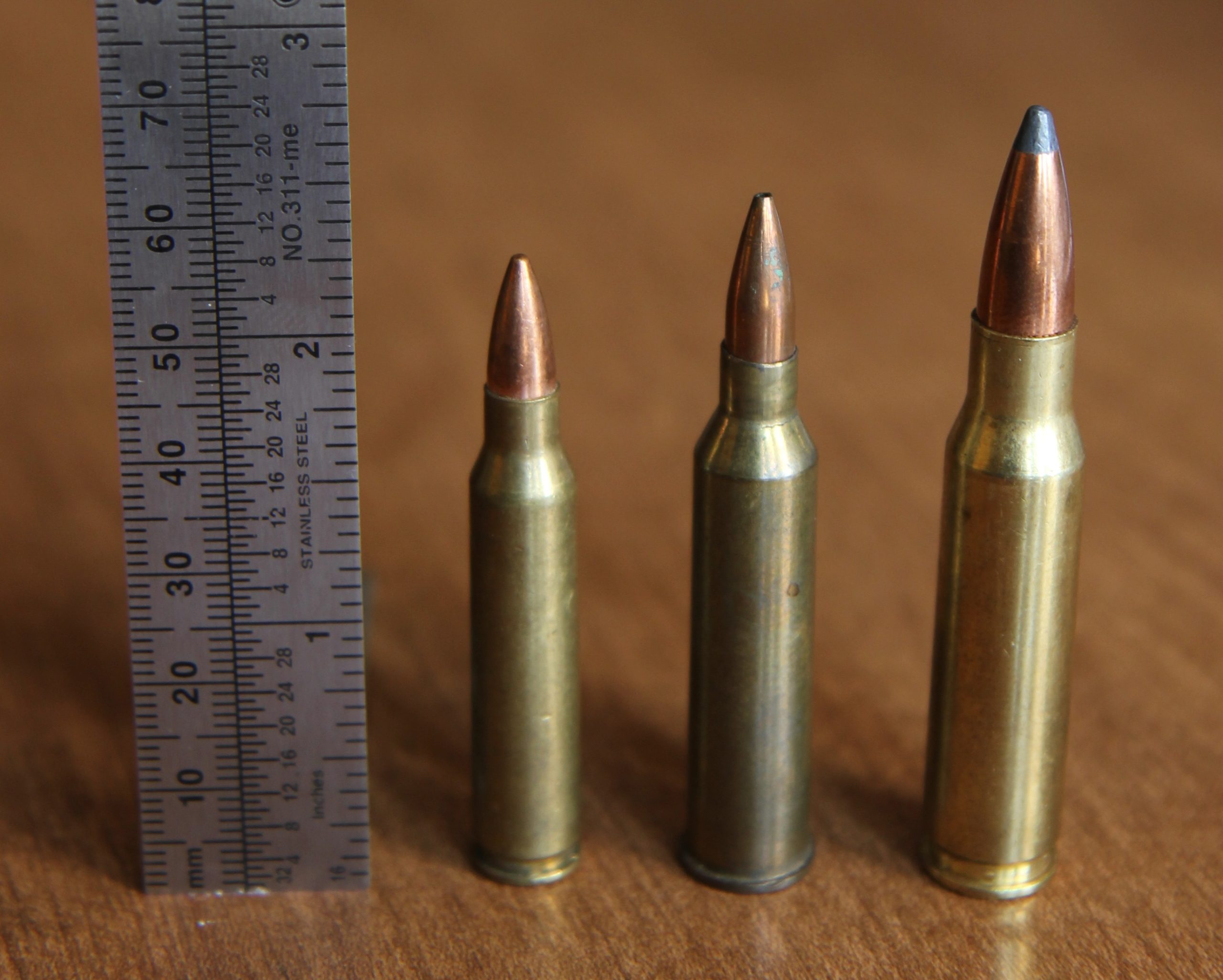
The .308 Winchester is popular for practical accuracy, manageable recoil for many shooters, and broad ammunition availability. Typical hunting loads use bullets around 150 to 180 grains, making it familiar to North American big-game hunters. Yet no cartridge makes a bear encounter predictable. Dense cover can limit visibility, and performance depends on bullet construction, impact conditions, and placement. Guides prioritize avoiding close encounters, carrying suitable bear-safety equipment, and following local rules. The .308 is a tool, not a substitute for sound judgment.
2. .30-06 Springfield
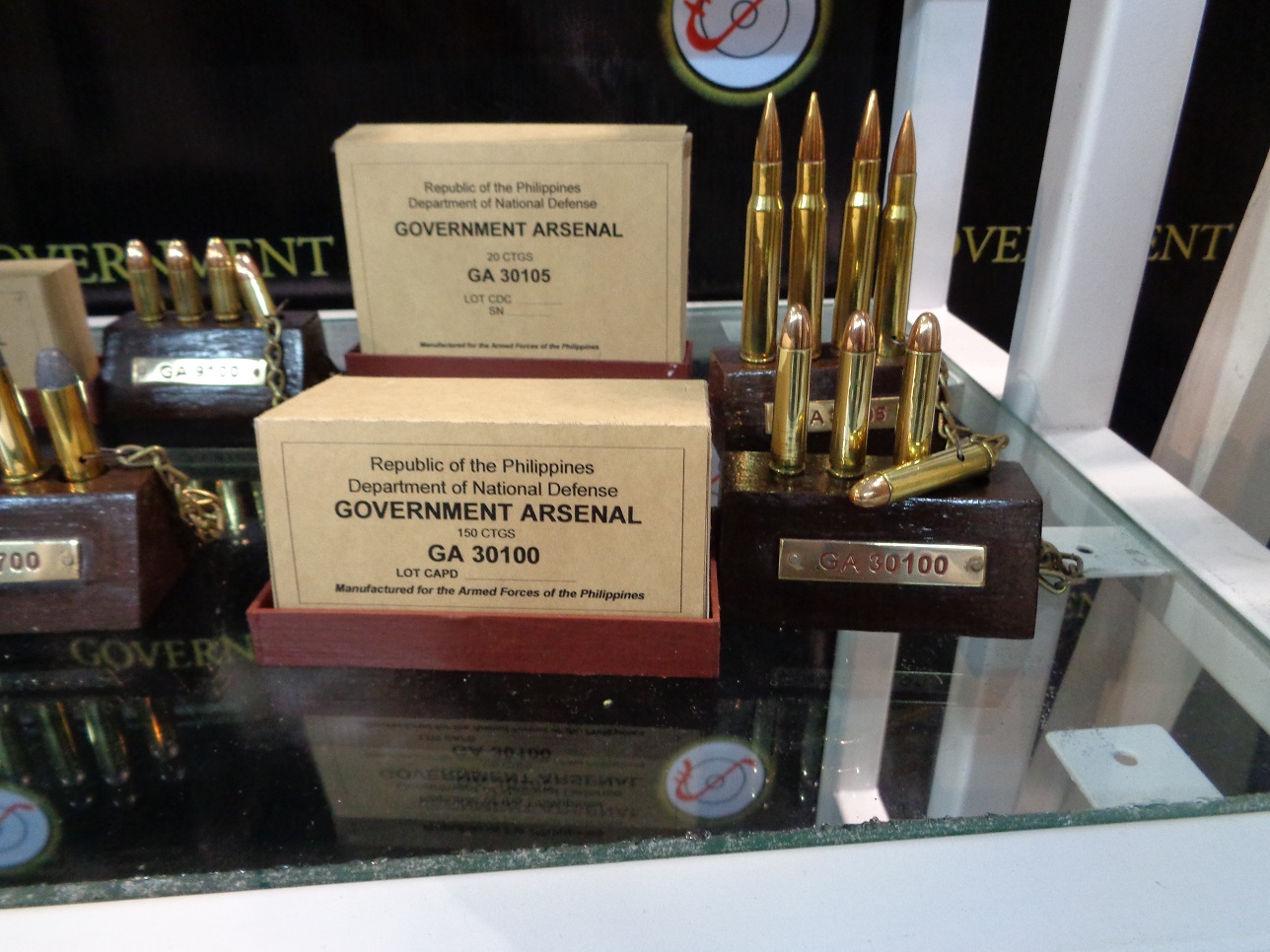
Introduced in 1906, the .30-06 Springfield remains versatile, with common hunting bullets ranging roughly from 150 to 180 grains and heavier options available. Its long record on big game can make it seem like a complete answer for bear country, but reputation alone is not a safety plan. A guide must consider whether the rifle fits the terrain, whether the user can handle its recoil confidently, and whether the ammunition is appropriate for the species. In thick brush or a sudden encounter, awareness, distance, and prevention matter more than the cartridge name.
3. 7mm Remington Magnum

Since its 1962 introduction, the 7mm Remington Magnum has appealed to hunters who need a relatively flat trajectory and strong performance at longer distances. A representative 150-grain load can leave the muzzle at about 3,000 feet per second, though results vary by ammunition and barrel. That reach does not remove the risks of shooting through brush, misjudging distance, or facing a wounded animal. Guides also weigh recoil, rifle handling, and the kind of bear involved. Ballistic figures describe a cartridge; they cannot predict every field situation.
4. .300 Winchester Magnum

The .300 Winchester Magnum arrived in 1963 and is known for combining high velocity with substantial energy. A common example is a 180-grain hunting bullet, with published muzzle figures around 3,000 feet per second depending on the load and rifle. That performance can be useful for suitable big-game hunting, but it comes with more recoil and blast than many standard cartridges. If a shooter flinches or struggles to place shots consistently, extra power offers little benefit. Guides look at practiced control, terrain, and bear behavior instead of assuming a magnum alone guarantees safety.
5. .30-30 Winchester
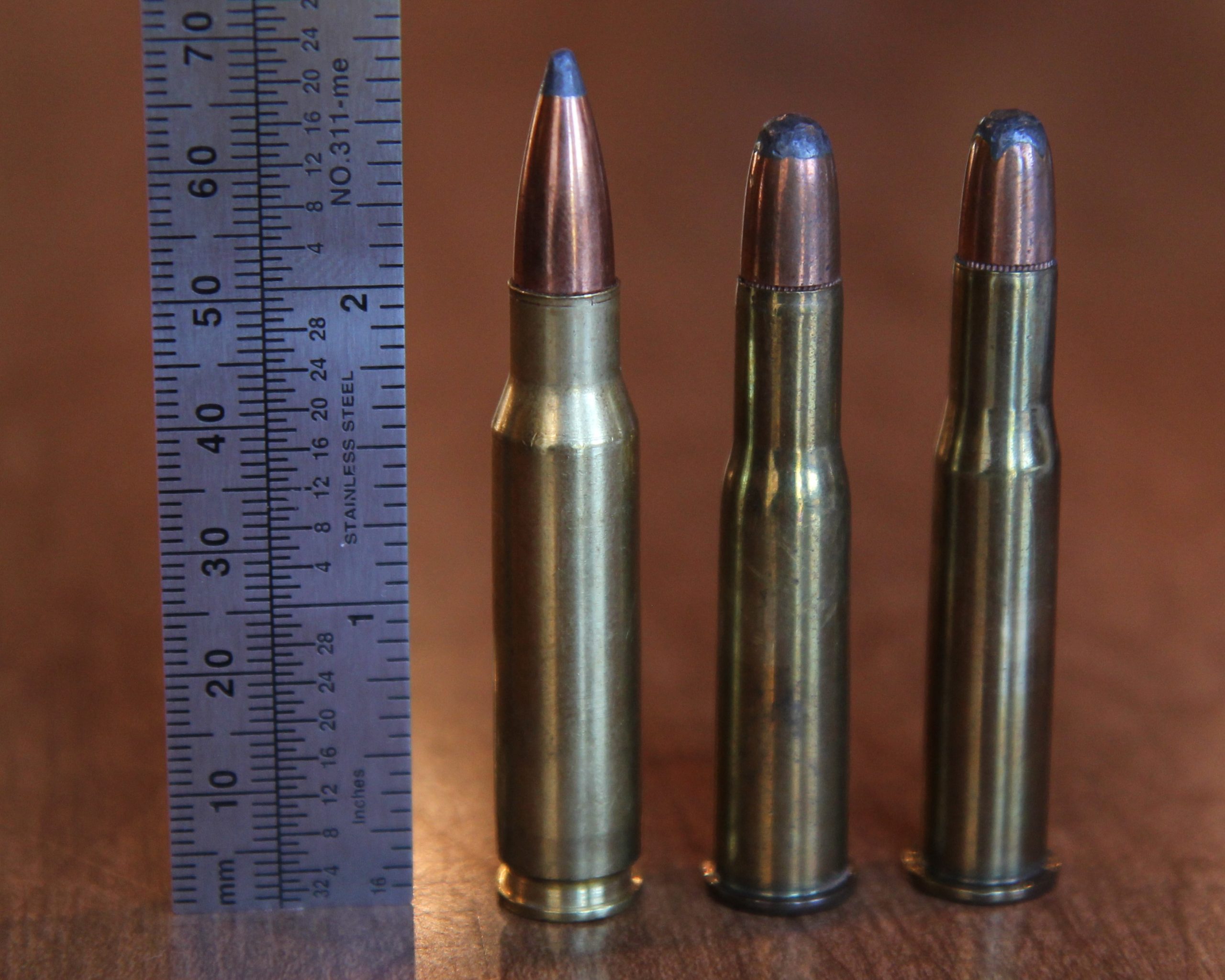
Introduced in 1895, the .30-30 Winchester has a long history in woods hunting and is often associated with handy lever-action rifles. Traditional loads commonly use bullets around 150 or 170 grains, and the cartridge is generally discussed for shorter-range hunting rather than extended shots across open country. Its limitations matter: range, bullet design, and the specific animal all affect suitability. Guides do not treat a familiar old cartridge as universal protection in bear habitat. They plan routes, keep a safe distance from wildlife, and use firearms only where lawful and appropriate.
6. .45-70 Government
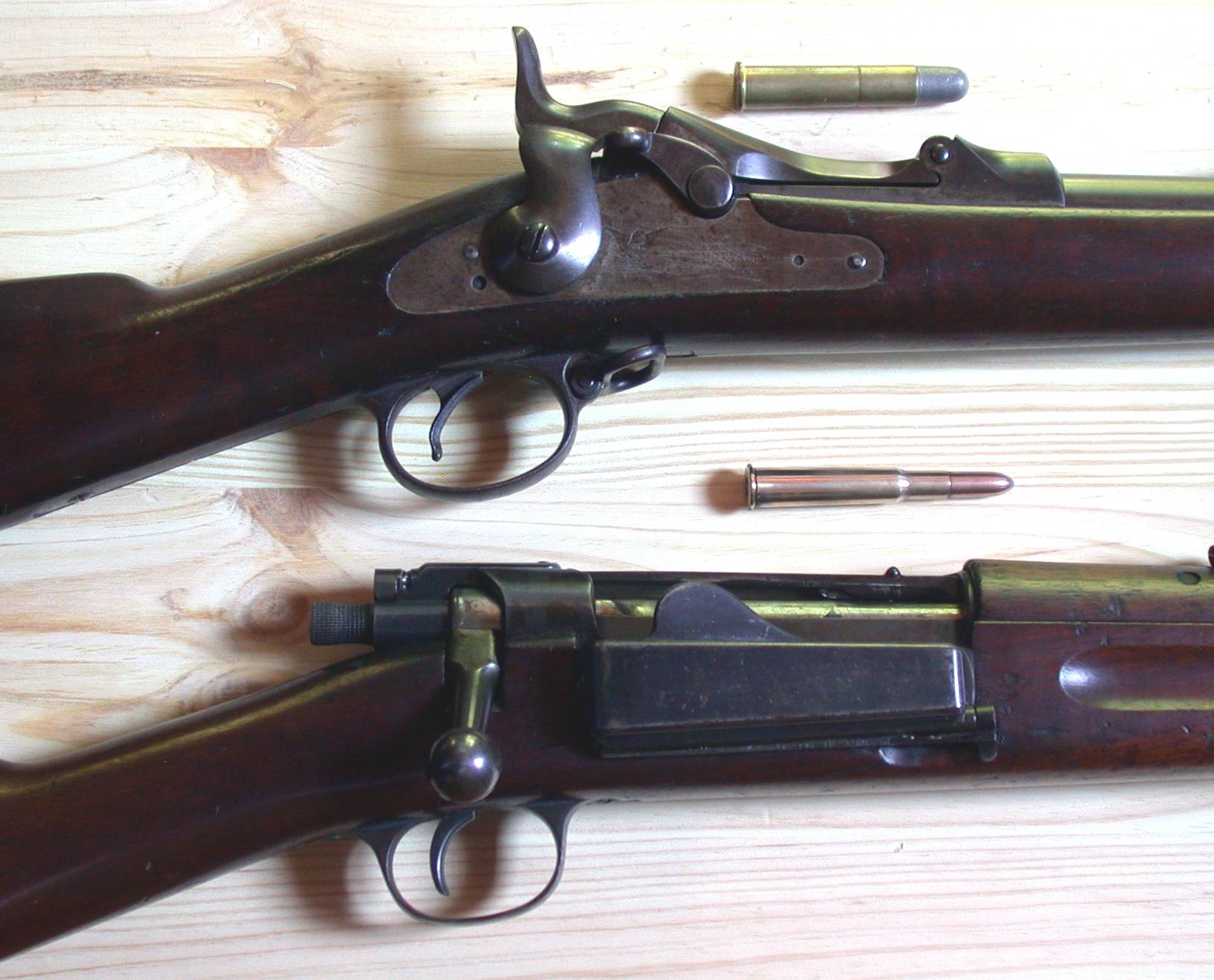
First adopted by the U.S. Army in 1873, the .45-70 Government remains popular in modern lever-action rifles. Commercial hunting loads vary, with bullet weights often around 300 to 405 grains, so performance depends on the exact ammunition and firearm. Its large-diameter bullets can suit certain close-range hunting situations, but trajectory and load differences require careful understanding. It is not a magic answer to an unexpected bear encounter. Guides emphasize prevention, awareness, legal requirements, and appropriate bear deterrents rather than treating a powerful cartridge as a guarantee.
7. 6.5 Creedmoor
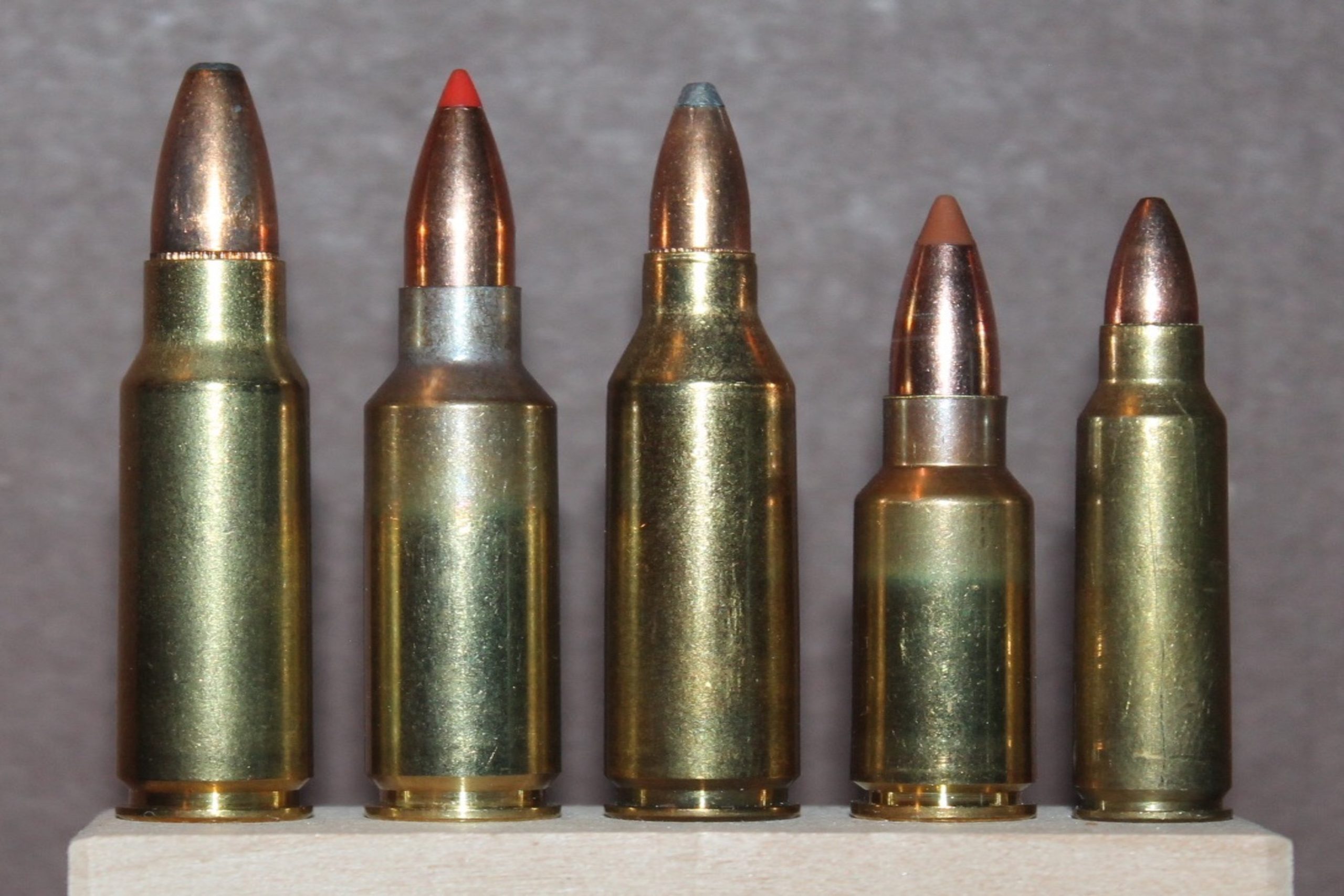
Introduced in 2007, the 6.5 Creedmoor became popular for its accuracy potential and comparatively manageable recoil. Common hunting bullets often weigh about 120 to 143 grains, depending on the load. Some hunters use it for black bear with suitable ammunition and disciplined shot selection, but it is not a universal choice for every bear species or situation. Guides consider local regulations, animal size, bullet construction, and the shooter’s demonstrated ability. In bear country, awareness and prevention remain essential, whatever cartridge is carried.