Good hunters learn fast that information is valuable, but trust is worth even more. Asking where someone found success can open a great conversation or shut one down immediately.
Why This Question Feels So Sensitive
Hunters invest real time, money, scouting effort, and hard lessons into finding productive ground. A filled tag might reflect months of glassing, map study, permission work, trail camera checks, boot leather, and failed sits before one good morning finally comes together. That is why a simple question like “Where did you get him?” can land differently in hunting camp than it would in most other hobbies.
Hunter education materials consistently frame ethics around fairness, respect, and responsibility, not just legality. Hunter Ed notes that ethical behavior helps preserve hunting opportunities, while its guidance on respecting other hunters emphasizes courtesy and conflict avoidance. In other words, even if asking is legal and harmless on paper, the real issue is whether the question respects someone else’s effort and judgment.
There is also a practical layer to the sensitivity. On pressured public land, one detailed answer can turn a quiet drainage, marsh pocket, or ridge saddle into a crowded mess by next weekend. That concern is not paranoia. Public land etiquette discussions in mainstream hunting media often stress that oversharing locations can reduce success for everyone and create avoidable friction among hunters who all depend on limited access.
So yes, the question is loaded. Not because hunters are selfish by definition, but because places are fragile, pressure changes animal behavior fast, and trust is one of the few currencies that still matters in the field.
When It Is Perfectly Fine To Ask

It is okay to ask another hunter where they found success when the relationship already supports that level of sharing. If the person is a close friend, hunting partner, family member, mentor, or someone who has traded useful information with you before, the question usually feels natural. In those settings, the real exchange is not just coordinates. It is part of a broader pattern of helping each other learn.
It is also fine when the question is broad rather than invasive. Asking whether birds were using north-facing slopes, whether deer were keyed on acorns or crop edges, or whether elk were holding high because of warm weather is very different from asking for the exact parking spot, access trail, and tree stand. Broad-pattern questions help people grow without requiring someone else’s homework. That distinction is central to good outdoor etiquette generally, including Leave No Trace’s principle of being considerate of other visitors.
Another acceptable moment is when the successful hunter volunteers details first. If someone says, “We found ducks in sheet water off the back end of the refuge,” or “The bucks were cruising inside thick bedding cover,” they have opened the door. You can ask a respectful follow-up, read their comfort level, and stop before crossing into interrogation.
In practice, the best questions sound like curiosity about conditions, not entitlement to a spot. That one shift changes the whole tone.
How To Ask Without Sounding Like You Want Their Spot
The wording matters more than many people realize. “Where exactly were you?” sounds transactional and often puts the other hunter on defense. “What kind of habitat were they using?” or “What were you seeing that made you choose that area?” invites a useful answer while giving the other person room to protect specifics.
A smart rule is to ask for lessons, not locations. Ask about elevation bands, food sources, wind, sign, pressure, time of movement, access style, or whether they focused near water, bedding, travel corridors, or escape cover. Those details are often far more valuable than a pin on a map because they can be applied elsewhere. They also show that you are trying to become a better hunter, not a better copy machine.
Tone matters too. Ask after congratulations, not before. Admire the work behind the success. If someone packed a bull out three miles or spent ten days breaking down a new unit, acknowledge that effort before asking anything at all. Hunter education programs regularly emphasize respect for others and behavior that reflects well on hunters as a group, and this is exactly where that ethic shows up in real life.
Finally, accept vague answers gracefully. If they say, “West side of the unit in broken timber,” that is the answer. Pushing past that is where normal curiosity starts to feel rude.
When The Answer Should Probably Stay Vague

There are times when another hunter should absolutely protect details. Private-land permission is the clearest example. If someone built trust with a landowner, helped with chores, followed property rules, and earned access over years, that information is not theirs to hand out casually. Hunter Ed and state wildlife agencies place strong emphasis on permission, respecting restrictions, and avoiding landowner conflicts because access is fragile and easily lost.
The same goes for small parcels, overlooked access points, limited-entry hunts, and highly pressured public parcels where one extra truck changes everything. On these properties, “general area” can effectively become “exact spot.” A tiny timber patch on a public marsh or one secluded saddle above a road system does not stay secluded once it gets described too well.
Sensitive species behavior can matter too. During the rut, migration windows, or late-season concentration periods, animals may cluster in predictable places. Sharing highly specific details can lead to crowding, unsafe setups, and rapid burnout of the area. Leave No Trace guidance and National Park Service ethics both emphasize minimizing impacts and being considerate of other users, and in a hunting context, that often includes resisting the urge to advertise exact locations.
A vague answer is not a brush-off in these cases. It is often the most ethical answer available.
Better Questions Than “Where Did You Get It?”
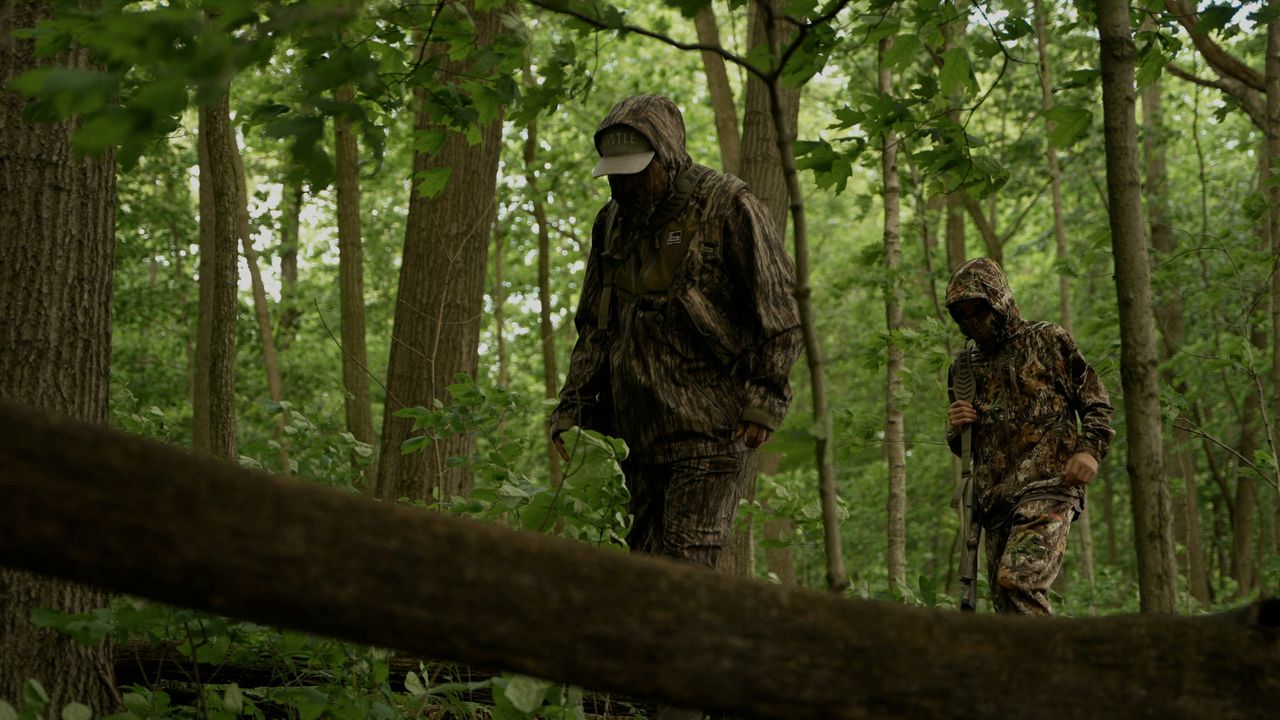
If your real goal is to improve, there are better questions than the blunt version almost everyone dreads. Ask, “What sign tipped you off?” That gets you into tracks, rubs, droppings, fresh feed, vocal activity, and travel timing. Ask, “What changed that made the hunt come together?” That may reveal a weather shift, pressure pattern, food source change, or smarter access route.
You can also ask, “If you had to hunt that unit again tomorrow, what would you repeat?” That question often produces gold. It encourages reflection on decision-making rather than spot burning. Hunters are usually more willing to share the process behind success than the coordinates of success.
Another strong option is to ask what did not work. Failures are easier to discuss and often more instructive. A hunter might tell you they wasted two mornings on field edges, bumped deer with poor wind discipline, or found that a bedding area looked good on a map but was dead on the ground. Those insights are hard-earned and incredibly useful.
This kind of conversation builds skill and camaraderie. It turns a potentially awkward exchange into a genuine learning moment, which is exactly the kind of respectful culture hunting needs more of.
What To Share If You Are a Successful Hunter

If you are the one being asked, you do not owe anyone your exact location. But you also do not have to act secretive or hostile. A good middle path is to share enough to be helpful without giving away the farm. For example, you might say the deer were using white oak flats near thick bedding cover, or the birds were loafing on shallow sheet water away from the main crowds.
That kind of answer teaches patterns. It helps newer hunters understand animal behavior, habitat use, and timing. It also supports the broader recruitment and retention side of hunting culture. New hunters often need guidance, and broad, pattern-based advice can be the difference between a discouraging season and one that keeps them engaged.
At the same time, boundaries are healthy. If the answer is “A buddy’s private ground” or “A tiny public spot I’ve hunted for years,” that is enough. You can still be generous by explaining your scouting method, map work, glassing routine, or access strategy rather than the exact place itself.
In many camps, the most respected hunters are not the ones who tell everything or nothing. They are the ones who know how to share wisely.
The Best Rule Is Earn Trust, Then Trade Information
So, is it ever okay to ask another hunter where they found success? Yes, absolutely, but only when the question is grounded in respect, context, and realistic expectations. If you ask broadly, listen carefully, and accept limits without pressure, most experienced hunters will give you something useful.
The best long-term strategy is to earn information rather than chase it. Share your own observations. Help scout. Offer a pack-out. Be the person who can keep a confidence. Over time, trusted hunters tend to exchange more detailed knowledge because the relationship has already proved itself. That is how strong hunting partnerships are built.
This approach also protects the bigger picture. Ethical behavior, according to hunter education guidance, helps keep hunters welcome and reduces conflict with landowners and other users. Respect in these small conversations matters more than people think because it shapes how hunting culture feels from the inside and how sustainable access remains over time.
In the end, ask for wisdom first and locations second. If a spot is meant to be shared, trust usually opens that door on its own.