Hunting often looks intimidating from the outside, especially to people without family tradition or rural roots. Mentorship programs are changing that by pairing curious newcomers with experienced hunters who can teach far more than how to take a shot. These programs are quietly becoming one of the most effective ways to welcome new people into the sport, while reinforcing safety, conservation, and respect for the land.
They open a door for people without a hunting background

One of the biggest barriers to hunting is simple: many interested people do not know anyone who hunts. Mentorship programs step into that gap by creating a clear entry point for beginners who are curious but unsure where to begin. That makes the sport feel less exclusive and far more approachable.
For many newcomers, the first lesson is not about equipment or game species. It is about understanding the culture, the language, and the expectations that come with being in the field. A good mentor turns an unfamiliar world into something understandable.
That quiet welcome may be the most important part of all. It helps transform interest into confidence before a newcomer ever heads out on a real hunt.
Safety is usually the first and most important lesson
The strongest mentorship programs begin with safety, not success. Before a new hunter learns where to stand or when to shoot, they learn muzzle control, communication, situational awareness, and how to move responsibly in changing terrain. That foundation sets the tone for everything that follows.
In many cases, mentors reinforce what hunter education courses introduce in the classroom. But field instruction adds something different: real-world judgment. A mentor can show how weather, visibility, fatigue, and group movement affect decisions in ways a manual cannot fully capture.
That practical training matters. It helps new hunters build habits that protect themselves, their partners, and everyone else sharing the landscape.
They teach ethics, not just technique

A good mentor does more than explain how to track game or set up for a shot. They also teach restraint, patience, and the ethical standards that serious hunters expect from one another. For many beginners, that lesson becomes the core of the experience.
Ethics in hunting can include everything from identifying a clean shot opportunity to knowing when not to take one. It also means respecting seasons, property boundaries, local regulations, and the animal itself. Those are not side notes. They are central to the sport.
When mentorship programs emphasize ethics early, they help shape hunters who see the activity as responsibility, not just recreation. That distinction influences the future of hunting culture.
New hunters get help with overwhelming gear choices
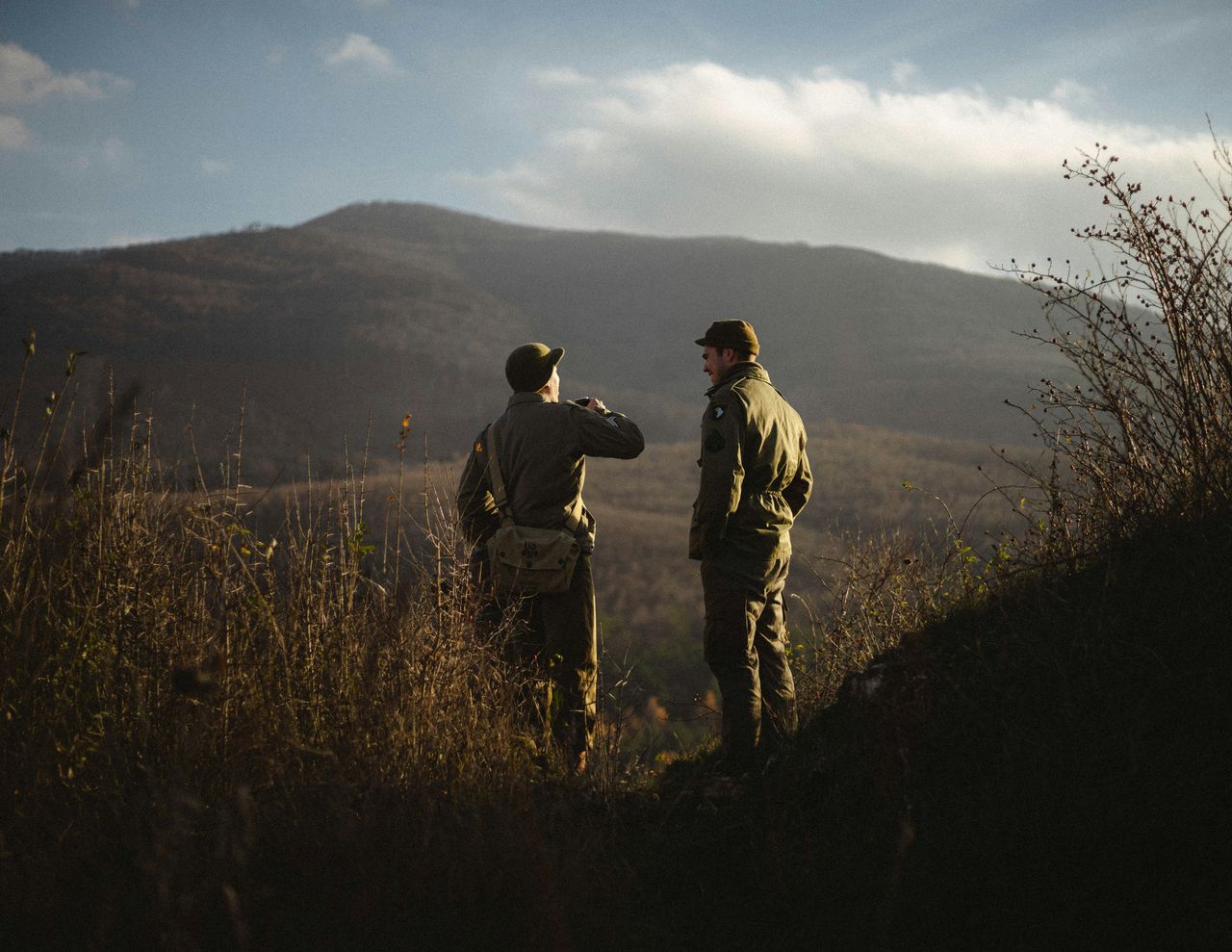
For beginners, the gear question can be surprisingly discouraging. Firearms, bows, optics, boots, layers, packs, tags, calls, and safety equipment all come with their own jargon and price points. Without guidance, many people assume they need to buy everything at once.
Mentors often help simplify that picture. They explain what is essential, what can wait, and what works well for a specific hunt rather than for marketing hype. That kind of practical advice can save newcomers money and keep them from making rushed decisions.
Just as important, gear conversations become less about status and more about preparedness. A beginner learns that confidence in the field comes from fit, familiarity, and function, not from owning the most expensive setup.
Field time turns classroom knowledge into real skill
Many people complete hunter education and still feel unready for an actual hunt. That is understandable. Reading regulations and passing a course are different from waking before dawn, navigating woods in low light, and making decisions in real time.
Mentorship programs bridge that gap by putting beginners in the field beside someone experienced. They learn how to read wind, move quietly, glass effectively, and stay patient when conditions are not ideal. Those lessons tend to stick because they are tied to lived experience.
That hands-on progression is often what makes a newcomer believe they truly belong. Knowledge becomes practice, and practice gradually becomes competence.
They make regulations and access easier to understand

Hunting is not just a field activity. It is also a world of licenses, seasons, legal methods, public land rules, private land permission, and species-specific restrictions. For beginners, that administrative maze can feel just as daunting as the hunt itself.
Mentors often help decode those details in practical terms. They can explain how to read a regulation booklet, what to double-check before a trip, and how different areas may have different expectations. That guidance reduces mistakes and lowers the chance that frustration will stop someone early.
It also teaches that lawful hunting is part of ethical hunting. Newcomers begin to see compliance not as red tape, but as a key part of responsible participation.
Mentorship builds confidence through shared experience

Beginning hunters often carry a mix of excitement and self-doubt. They may worry about slowing down the group, asking basic questions, or making a visible mistake. A strong mentor helps normalize that discomfort and keeps the learning process constructive.
Confidence usually grows in small increments. It can come from correctly identifying sign, moving into position quietly, or simply handling a morning in the field with more calm than before. Those moments matter because they show progress before any harvest happens.
Shared experience is the engine behind that growth. When a newcomer feels supported rather than judged, they are much more likely to stick with hunting long enough to develop genuine skill.
These programs often welcome more diverse participants
Mentorship has become an important pathway for adults, women, urban residents, and others who may not have seen themselves reflected in traditional hunting circles. By creating intentional entry points, programs can widen who feels invited to learn.
That shift matters for the sport’s future. A broader hunting community brings new perspectives, stronger public understanding, and a wider base of people invested in habitat, wildlife management, and outdoor access. Inclusion is not just a social goal. It can be a practical one too.
When newcomers see people like themselves being supported, the experience feels less like stepping into someone else’s tradition and more like joining a community that has room to grow.
Conservation becomes part of the story from the start

Well-run mentorship programs rarely present hunting as an isolated activity. Instead, they connect it to habitat work, wildlife management, licensing systems, and the broader conservation framework that supports healthy game populations. That context can reshape how beginners understand the sport.
A newcomer may arrive focused on the adventure and leave with a much deeper appreciation for stewardship. Mentors often explain how regulated hunting fits into funding, population balance, and long-term care for public lands and wild species.
That bigger picture gives hunting more meaning. It becomes less about a single outing and more about participating in an ongoing relationship with landscapes and wildlife.
Retention matters as much as recruitment
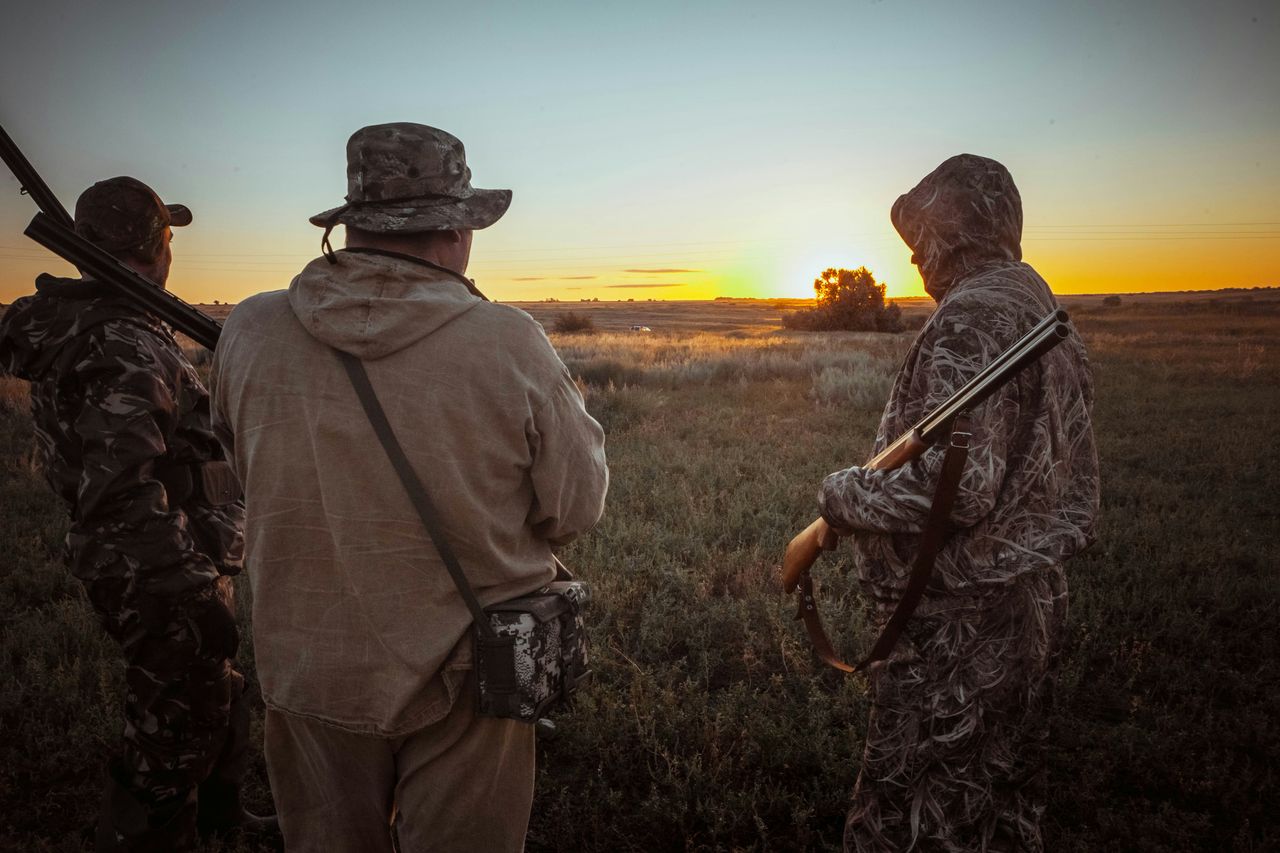
Bringing someone on one hunt is not the same as helping them become a lasting participant. The most effective mentorship programs understand that retention is the real test. New hunters need follow-up, encouragement, and continued chances to learn after the first experience.
That can mean checking in during the off-season, helping with next steps, or inviting someone back into the field before confidence fades. A single positive day is powerful, but repeated support is what turns a beginner into a regular hunter.
In that sense, mentorship is not just about recruitment. It is about continuity. These programs quietly strengthen the sport by helping newcomers imagine a place for themselves in it for years to come.