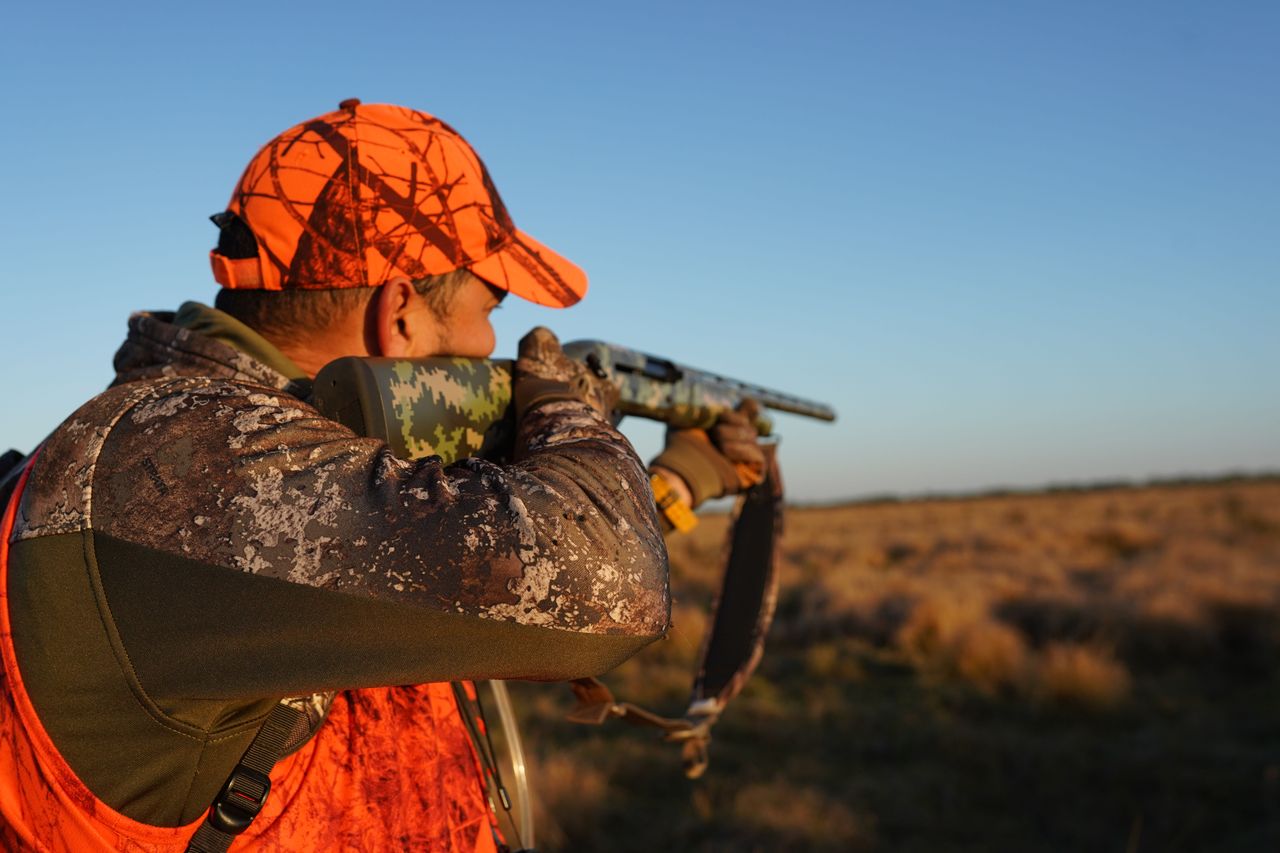
This debate gets emotional fast. For many hunters, baiting is either a practical tool or a line that should never be crossed.
Why baiting bans existed in the first place
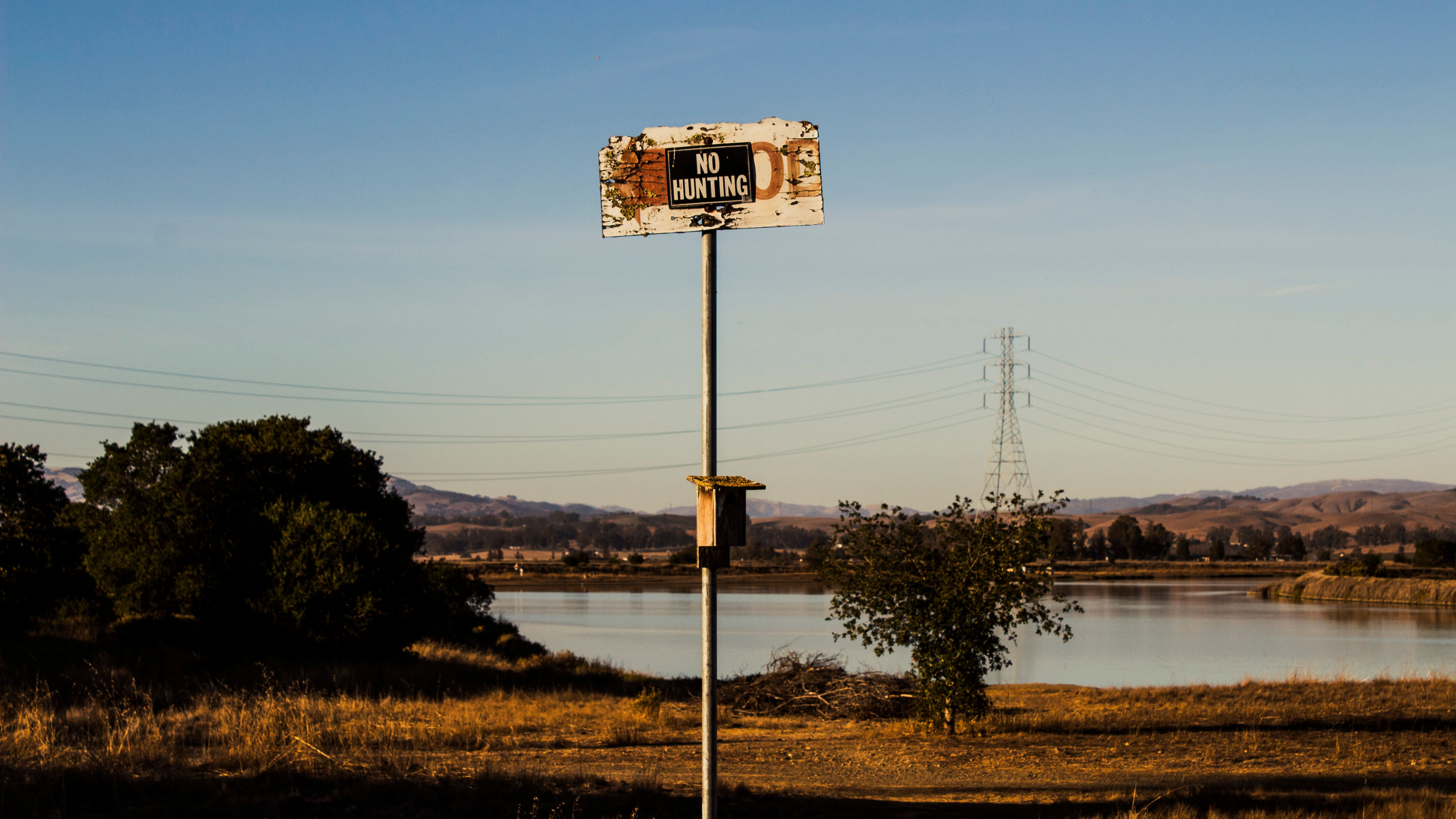
Baiting bans were not created on a whim. In most states, they grew out of two big concerns: fair chase ethics and wildlife health. Wildlife agencies wanted to prevent hunters from concentrating animals around piles of corn, apples, grain, or mineral attractants, especially when that concentration made animals easier to kill than the public considered acceptable.
Fair chase has long been central to American hunting culture. Groups like the Boone and Crockett Club helped shape the idea that hunting should involve skill, patience, woodsmanship, and respect for wild behavior. From that perspective, baiting can look less like hunting and more like setting a trap, even if it is legal under certain state rules.
There was also a biological reason for these bans. When deer, bears, or other game species gather at a single feeding site, disease transmission can become more likely. Wildlife veterinarians and state agencies have repeatedly warned that artificial feeding and baiting can increase nose-to-nose contact, saliva exposure, and contamination through shared food sources.
That concern became even more important as chronic wasting disease spread across North America. CWD is a fatal neurological disease affecting deer, elk, and moose, and many state agencies now see concentrated feeding as a real management issue. So while baiting bans often sound like pure ethics policy, they were also built around practical worries about herd health and long-term conservation.
Why some states are reconsidering those rules now
The pressure to revisit baiting bans is coming from several directions at once. In some places, hunters argue that old rules no longer fit new realities, especially where deer populations remain high, private land access dominates, and dense cover makes spot-and-stalk or stand hunting much harder than many nonhunters realize.
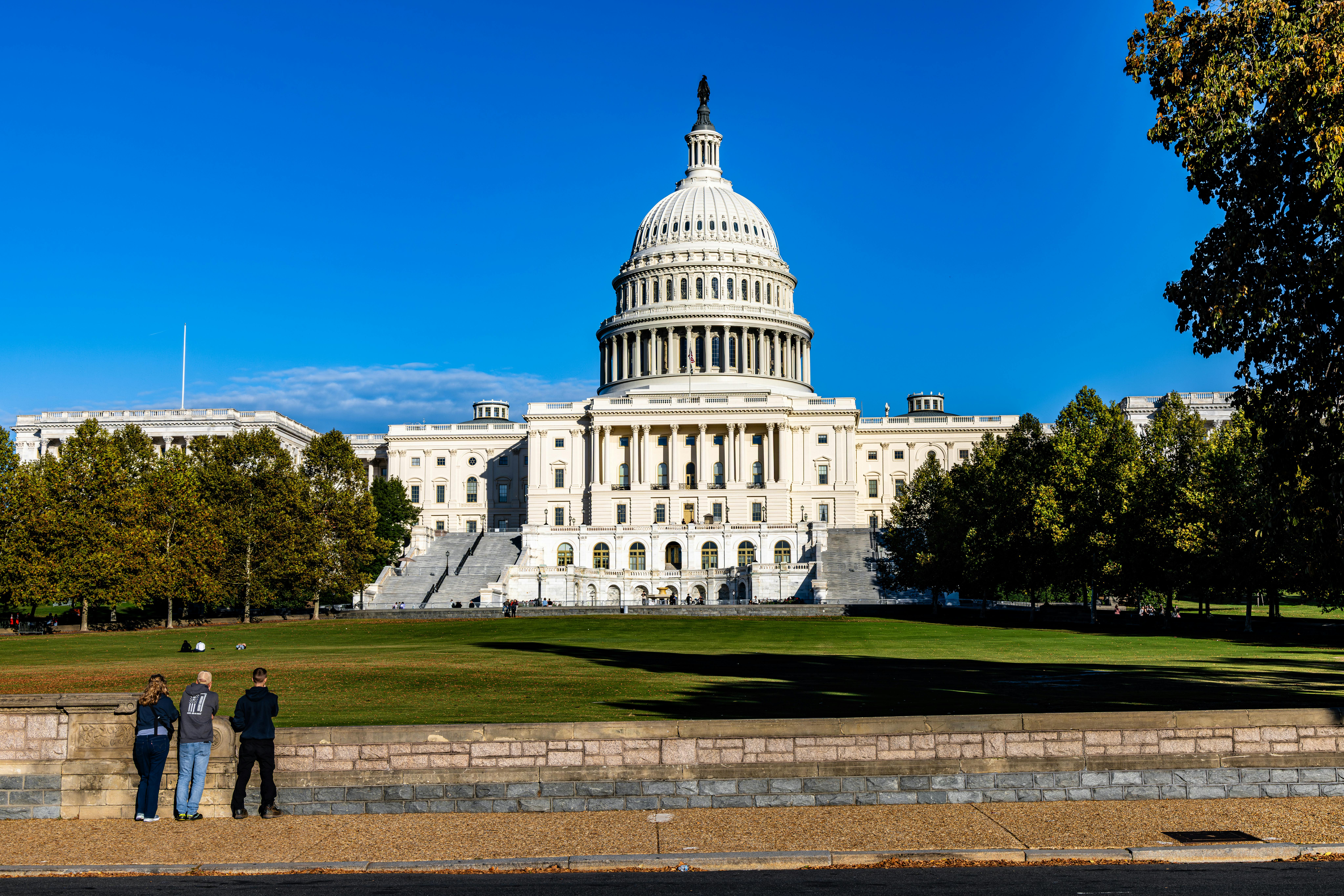
State lawmakers are also getting involved more often. Instead of leaving the issue entirely to wildlife commissions, legislators in some states have pushed bills that would legalize or expand baiting, often saying it would help recruit new hunters, increase harvest rates, and make hunting more accessible for children, older adults, or people with disabilities.
Economics plays a role too. Hunting license sales, excise-tax-supported wildlife budgets, and rural business activity all matter to states. If officials believe that allowing baiting could make hunting more attractive or effective, particularly on small private parcels, they may view it as a tool to stabilize participation in a time when hunter numbers are under pressure.
There is also a regional argument. Hunters often point out that baiting is already legal and culturally accepted in some states, especially for species like black bear or whitetail deer, while neighboring states ban it outright. That inconsistency leads some people to ask whether the rule reflects science, tradition, politics, or simply where a person happens to cross a state line.
The disease question is driving much of the modern fight

If there is one issue that dominates this debate today, it is disease. Wildlife agencies dealing with chronic wasting disease, bovine tuberculosis, or localized disease outbreaks tend to be far more skeptical of baiting than lawmakers or hunters who focus primarily on access and harvest opportunity. The scientific concern is straightforward: concentrated animals can spread pathogens more easily.
That does not automatically settle the policy question, though. Hunters who support baiting often argue that seasonal, limited baiting during active hunts is different from year-round recreational feeding. They say a few gallons of corn placed temporarily in legal amounts is not the same as maintaining permanent feeding stations that pull in large groups for months.
Some also argue that habitat conditions matter. In vast agricultural regions where deer already congregate in crop fields, they question whether a regulated bait pile really changes contact patterns enough to justify a total ban. Critics of bans say agencies sometimes rely on broad precautionary logic without always proving that each specific baiting practice creates measurable disease risk.
Wildlife biologists generally respond that management must be preventive, not reactive. By the time disease effects are obvious, containment is far harder. That is why some states have moved in the opposite direction, tightening baiting and feeding restrictions as CWD maps expand, even while other states debate loosening them. The result is a patchwork that keeps this argument alive.
Hunters are divided over ethics as much as outcomes
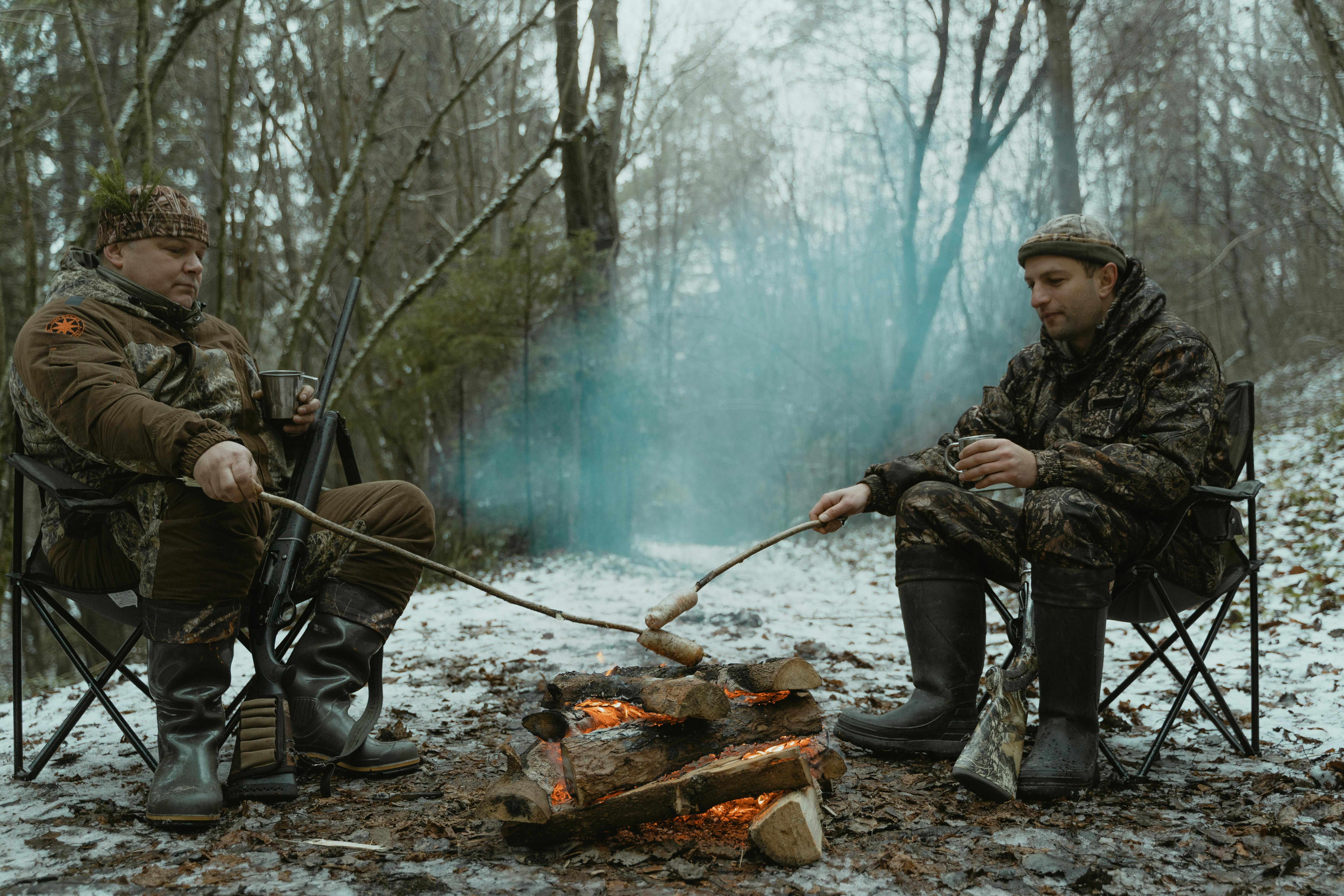
The hunting community is not split simply between traditionalists and pragmatists. The divide is deeper because baiting touches identity. For one camp, hunting is about adapting to the land, reading sign, understanding wind, and earning a close encounter. They see baiting as a shortcut that undermines the very qualities that make hunting meaningful.
For another camp, that criticism feels self-righteous. They argue that all modern hunting involves advantages, including rifles with advanced optics, trail cameras, food plots, scent control products, elevated blinds, and detailed mapping apps. From that view, singling out baiting as uniquely unethical can sound selective, especially when many other legal methods also alter the odds.
This is why the argument can become personal so quickly. A hunter who grew up sitting over natural travel corridors may see baiting as incompatible with fair chase, while a hunter on 20 acres of thick timber may see it as one of the only realistic ways to pattern deer safely and effectively. Both can believe they are defending legitimate hunting values.
Age and region matter too. In places where baiting has been legal for generations, it may not carry the same stigma that it does elsewhere. In states with strong public-land traditions, however, hunters are often more suspicious of tactics that seem to privatize opportunity or make success depend on who can most aggressively manipulate animal movement.
Access, land differences, and real-world practicality matter
A major reason this issue refuses to fade is that hunting conditions are wildly different across the country. A person hunting big Western public land, where glassing and covering ground are normal, is operating in a completely different environment from someone hunting small Eastern woodlots surrounded by houses, roads, and posted private property.
On small parcels, deer may move mostly at night, stay buried in heavy cover, and cross property lines constantly. Hunters in those areas often say baiting can create brief daylight opportunities that otherwise would not exist. They also argue that if states want deer numbers reduced in suburban or fragmented landscapes, they need to allow methods that actually work in those places.
Supporters also point to youth and accessibility benefits. A child, a beginner, or a hunter with limited mobility may have a better chance of seeing animals and staying engaged if bait is legal under tight rules. In policy hearings, this argument often resonates because recruitment and retention are real concerns for agencies trying to keep hunting viable.
Opponents counter that convenience should not override conservation principles. They worry that once baiting is expanded for practical reasons, it becomes harder to maintain limits, police abuse, or prevent related practices like illegal feeding outside the season. In their view, what begins as a narrow exception can gradually reshape the culture of hunting itself.
Lawmaking, enforcement, and public perception complicate everything
One of the thorniest parts of this debate is that wildlife policy does not happen in a vacuum. In many states, professional biologists recommend one thing, elected lawmakers push another, and hunters themselves are divided. That creates a credibility problem, especially when agencies appear to be overruled for political reasons rather than scientific ones.
Enforcement is another major challenge. Even in states with baiting bans, conservation officers often struggle to distinguish legal food plots, agricultural activity, accidental spills, mineral sites, and intentional baiting. When rules are too strict or too vague, compliance becomes harder and resentment grows. When rules are loosened, officers may face new gray areas over quantity, timing, and placement.
Public perception matters more than hunters sometimes admit. Hunting depends heavily on social acceptance, especially in suburbanizing states where ballot initiatives and legislative pressure can change wildlife law quickly. Critics of baiting worry that highly visible images of animals shot over piles of feed damage the public’s idea of ethical hunting, even if the practice is legal.
Supporters answer that nonhunters already misunderstand much of hunting, and building policy around optics alone is a mistake. Still, agencies know legitimacy matters. If a regulation seems too permissive to the broader public or too disconnected from science, it can weaken trust not only in that rule but in wildlife management more generally.
Where this fight is likely headed next
The most likely future is not a single national shift but more state-by-state experimentation. Some states may allow baiting only in counties without CWD detections, or only for certain species, seasons, age groups, or accessibility permits. Others may keep broad bans but carve out narrow exceptions where agencies think harvest goals are otherwise unreachable.
That kind of compromise already reflects how wildlife law often evolves. Instead of deciding that baiting is universally good or bad, states are increasingly trying to regulate around local conditions. The problem is that each exception creates new arguments about consistency, fairness, and whether biology or politics is truly driving the decision.
The hunting community probably will not settle this soon because the disagreement is about more than piles of corn. It is about what counts as skill, what obligations hunters owe wildlife, and how much management should adapt to modern realities. Those are foundational questions, and they do not produce easy consensus.
What is clear is that baiting policy now sits at the intersection of disease science, culture, access, and public trust. That is why states are reconsidering old bans, and why hunters cannot agree on whether that is progress or backsliding. In many places, the legal answer may change before the moral one ever does.