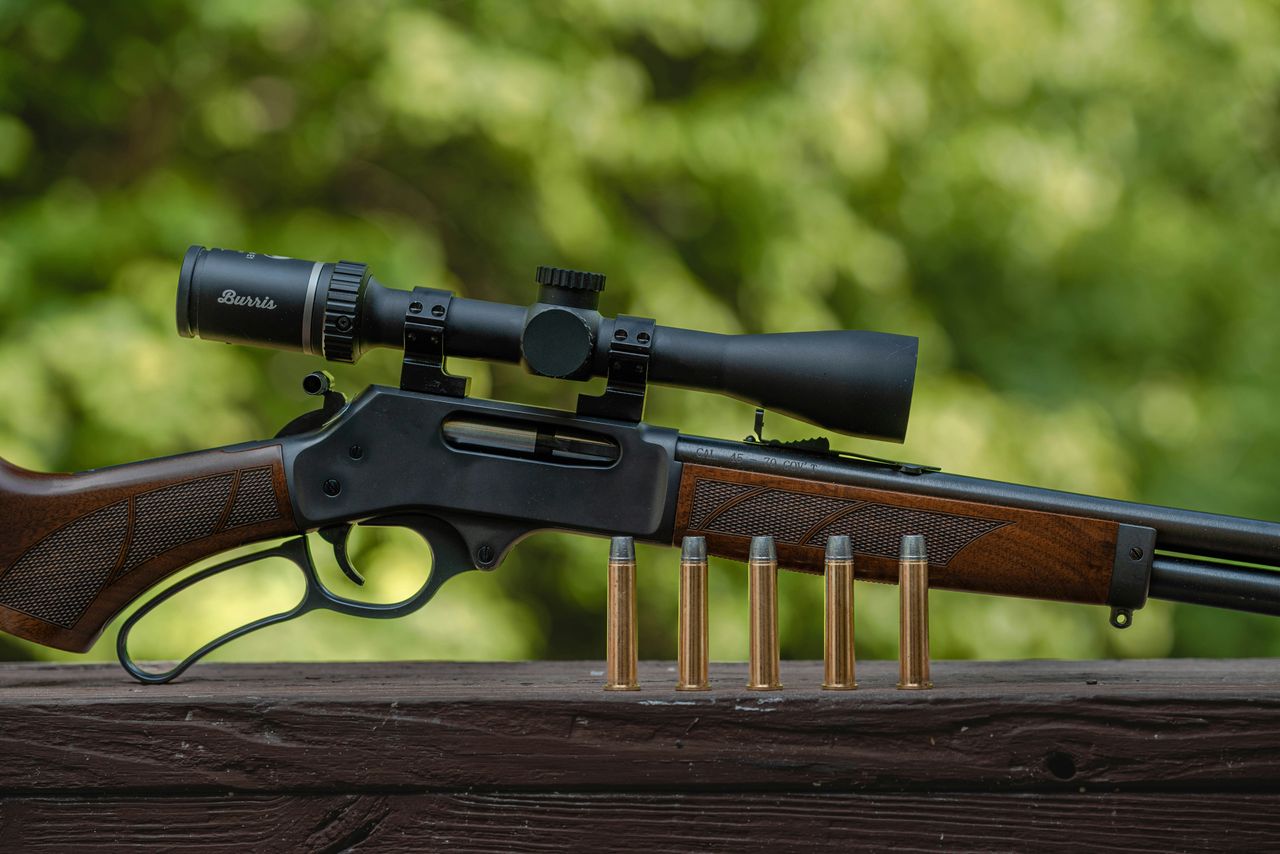
Some rifles chase nostalgia. This one grabs it by the wrist and brings it back to life.
The Winchester 1873 rawhide-wrapped tribute works because it is more than decorative theater. It takes a real piece of frontier visual language and builds it into a lever gun that still makes sense as a modern shooter.
Why the Model 1873 still matters
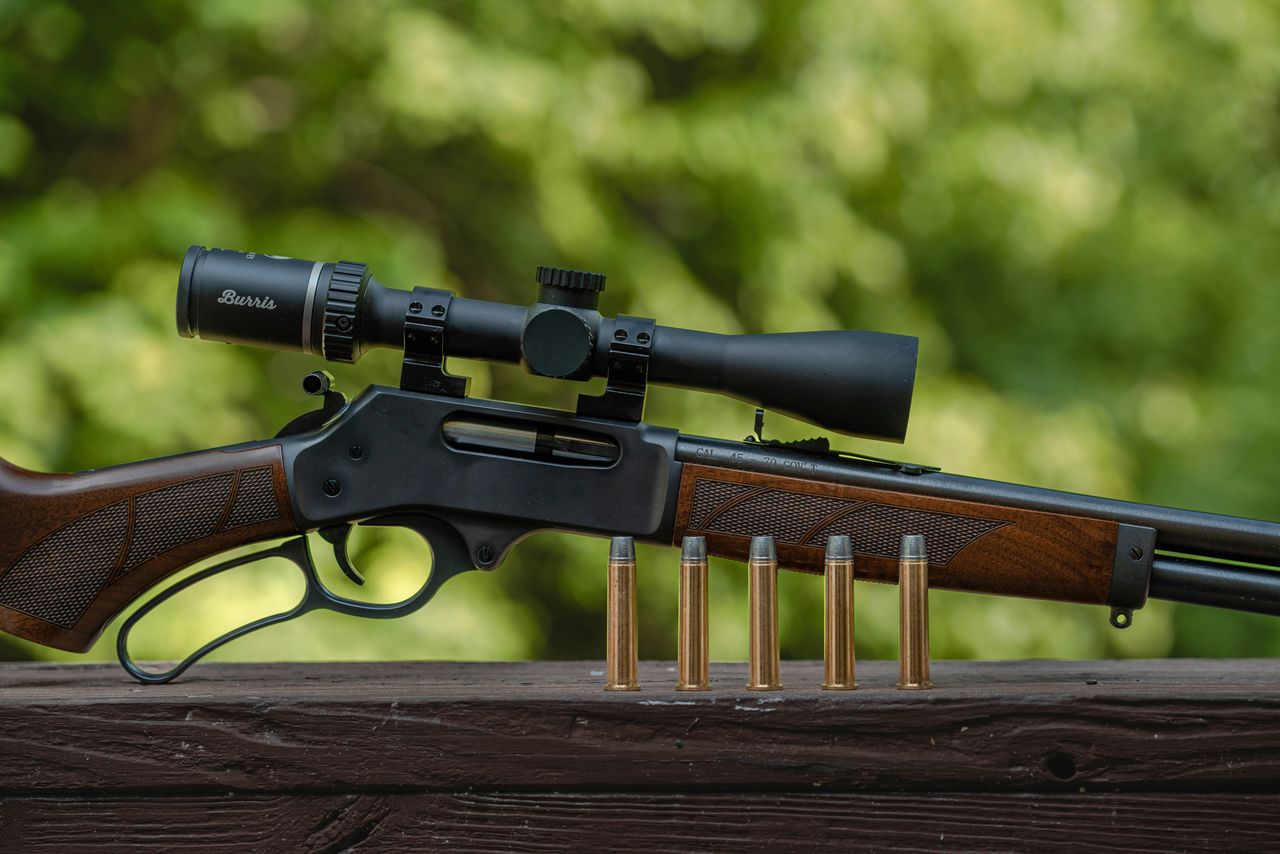
The Winchester Model 1873 earned its place the hard way, by becoming one of the defining repeating rifles of the American frontier. Winchester’s own historical timeline notes that the model was introduced in 1873, and company history still treats it as one of the signature rifles that cemented the brand’s identity. Over time, the rifle became inseparable from the phrase “The Gun That Won the West,” a label Winchester continues to use in its literature and manuals.
That reputation was never just advertising. Compared with many long guns of its era, the 1873 offered fast repeat shots, manageable handling, and practical chamberings that paired well with revolver cartridges. Winchester’s current owner’s manual still emphasizes the same core appeal, describing a design that remains very close in concept to the original action while preserving hallmark features like the dust cover and lever lock.
The result is a platform that carries unusual weight in the collector market. It is historically significant, mechanically recognizable, and still deeply usable. That combination is exactly why tribute editions matter here in a way they might not on a less storied rifle.
The rawhide wrap is not a random styling cue.

What makes this tribute interesting is that the rawhide element is rooted in the lived reality of old guns, not fantasy costume work. One of the most famous examples is the so-called Lost or Forgotten Winchester, the weathered Model 1873 found in Nevada’s Great Basin country in 2014. Winchester later published details from National Park Service research showing that the gun had crude wrist repairs using metal pins and what may have been a leather or rawhide wrap.
That detail matters because it reframes the wrap as a field expedient, not a salon flourish. On frontier rifles, leather, wire, and rawhide were often survival materials. If a stock cracked or loosened, owners fixed it with what they had. A wrap around the wrist or fore-end could be the difference between a useful rifle and a dead one.
So when a modern tribute incorporates rawhide as a visible design theme, it is drawing from a real vocabulary of use and repair. That gives the rifle a stronger narrative foundation than many commemoratives, which often rely on engraving alone to signal heritage.
A collectible that still respects the mechanical rifle beneath it

The smartest part of a tribute like this is that it starts with a functioning Winchester 1873 pattern, not a non-firing replica. Winchester’s current documentation for the Model 1873 shows the modern gun retains the classic lever-action layout, tubular magazine, receiver-top dust cover, and lever lock. Those are not superficial callbacks. They are part of what makes the gun feel authentically 1873 every time the action cycles.
Modern production 1873 rifles sold under the Winchester name have also been built with practical shooter features and current manufacturing consistency. Company parts documentation confirms multiple current-production stock and forearm configurations, including short rifle and sporter patterns. Older Winchester catalog listings for the reborn Model 1873 family show familiar offerings such as 20″ short rifles and octagon-barreled sporters in calibers like .357 Magnum/.38 Special, .44-40 Win., and .45 Colt.
That matters because a tribute edition only works if the base gun is sound. Collectors may admire a special finish or historical motif, but shooters still care about balance, feeding, sights, and durability. If the underlying lever gun is good, the tribute earns legitimacy instead of feeling like packaging.
Why history forward design hits harder than pure nostalgia
There is a difference between retro styling and history forward design. Retro styling borrows old looks for mood. History forward design tries to carry a real story into the present. This Winchester tribute belongs in the second category because the rawhide wrap suggests use, scarcity, and repair, all of which are central to how frontier firearms actually lived.
That is a stronger emotional hook than polished sentiment. A lot of commemorative guns look pristine in a way that disconnects them from the hard environments they are supposed to honor. By contrast, a rawhide-wrapped concept nods to the frontier as a place where tools were adapted, patched, and kept running. It honors ingenuity as much as aesthetics.
That approach also broadens the audience. Traditional Winchester collectors may appreciate the historical reference, while newer buyers who have been pulled toward weathered finishes, cowboy action culture, and story-rich firearms can see it as something more personal. It is not pretending to be a museum artifact. It is presenting a usable rifle with visible memory baked into the build.
How it fits today’s lever-action market
The timing for a rifle like this is excellent because lever guns are in one of their stronger modern cycles. Winchester has continued to emphasize traditional designs in recent years, and its 2026 Ranger High Grade launch shows the company still sees appetite for handsome, heritage-driven lever actions. At the same time, used-market demand and cowboy action interest have kept the 1873 pattern highly visible among enthusiasts.
What buyers want now is not always the same as what buyers wanted 20 years ago. Plenty of shooters still want a clean blue-and-walnut classic, but there is also rising interest in rifles that feel distinctive without becoming gimmicks. That is where a rawhide-wrapped tribute can land cleanly. It stands apart in a rack, yet it remains tied to a specific and credible bit of Winchester lore.
It also sidesteps a common mistake in collectible firearms. Some editions become so ornate that owners are afraid to shoot them. A history-minded 1873 with honest tactile character has a better chance of becoming both a conversation piece and a range companion.
Who this rifle is really for
This is not only for the hardcore Winchester letter-and-ledger crowd, though they will notice the references fastest. It also suits the buyer who wants one rifle in the safe that carries genuine Americana without falling into parody. If you already like lever guns but feel most commemoratives are too glossy, this kind of tribute makes a stronger case.
It is especially compelling for shooters who value object storytelling. A polymer rifle can be more efficient in many roles, but it rarely invites questions the moment someone handles it. A rawhide-wrapped 1873 does. It starts a conversation about lost rifles, field repairs, cattle country, and why some gun designs remain emotionally durable long after their original era has passed.
There is also a practical lane for it. A functional 1873 pattern in a revolver cartridge remains pleasant to shoot, relatively approachable in recoil, and deeply satisfying in operation. That means the owner can actually build memories with it instead of just preserving someone else’s.
The real appeal is that it feels earned.
In the end, this Winchester tribute works because it does not separate beauty from usefulness. The rawhide wrap is not there to make the rifle look theatrical. It is there to suggest a frontier truth: that the guns people depended on were often modified, reinforced, and kept alive by hand. According to Winchester’s own coverage of the Lost Model 1873, that visual language is not invented. It is documented.
That authenticity gives the rifle unusual balance. It is collectible because it tells a story with specificity. It is functional because the Model 1873 remains one of the most proven and satisfying lever-action patterns ever revived for modern production. And it is memorable because the design cue at its center points to hardship and resourcefulness, not just romance.
For a general audience, that is the key takeaway. This is not simply a fancy Winchester. It is a working lever gun that treats history as something worn, repaired, and carried forward, which is exactly why it stands out.