From the red canyons of Arizona to the misty forests of Washington, America’s wild lands once offered limitless places to pitch a tent. But overuse, pollution, and climate threats have forced officials to shut down many beloved campsites. Each closure carries a warning about what happens when visitors forget to protect the places they love. Here are fourteen U.S. campsites that were banned or restricted and the lessons their silence still whispers through the wilderness.
1. Kalalau Beach, Hawaii
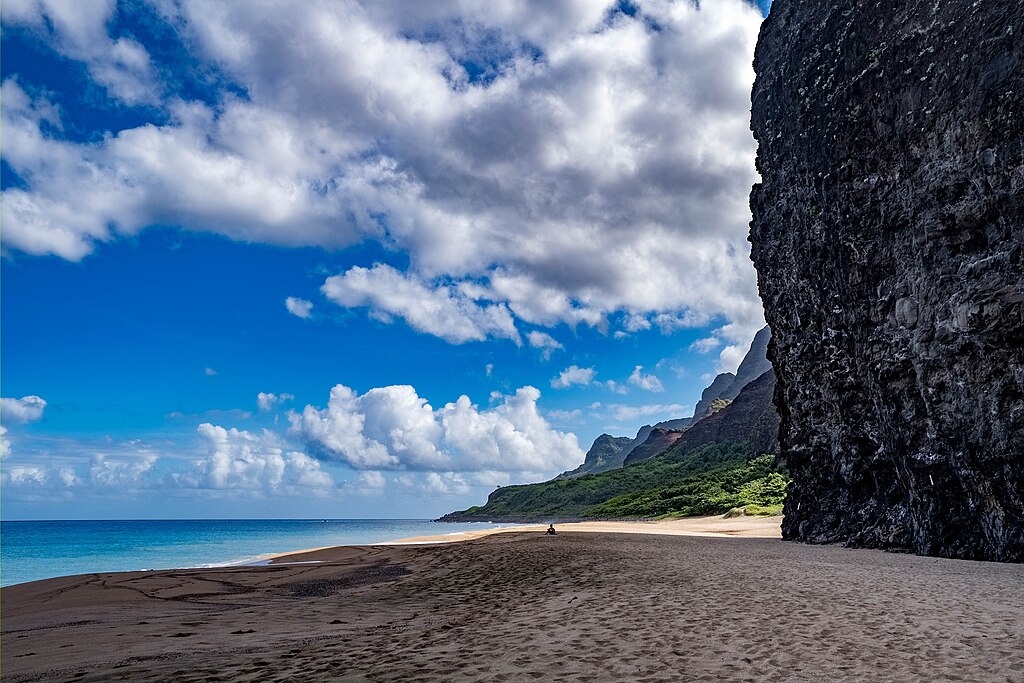
Kalalau Beach on Kauai’s Na Pali Coast was once a paradise for remote campers. Yet years of littering, illegal camping, and erosion damaged sacred Hawaiian lands and delicate ecosystems. Authorities banned unpermitted camping to restore the area’s natural and cultural balance. The closure taught visitors that wilderness is not infinite; it’s a living heritage that collapses when people take more than it can give back.
2. Havasupai Falls, Arizona
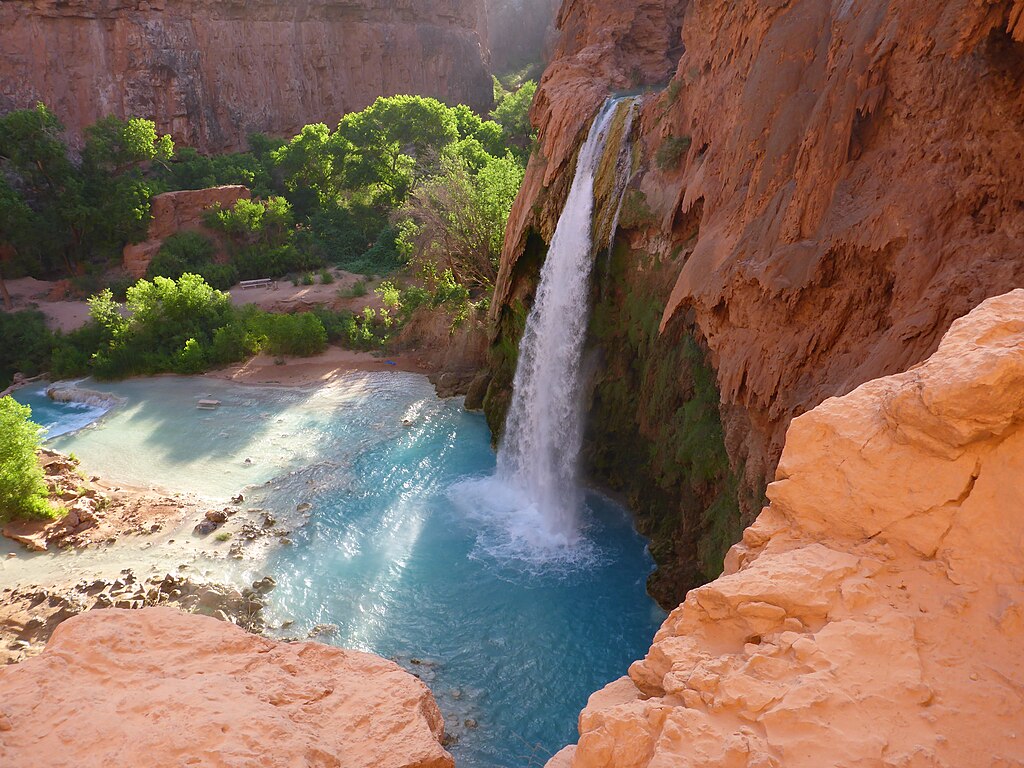
The turquoise waters of Havasupai Falls drew thousands of hikers seeking its otherworldly beauty. But overcrowding, pollution, and damage to tribal lands forced the Havasupai Tribe to close camping temporarily. Flash floods worsened the situation, washing away trails and campsites. The tribe used the closure to rehabilitate nature and reaffirm cultural respect. Today, permits are tightly limited, reminding all who visit that access to beauty must come with responsibility.
3. Joshua Tree Dispersed Zones, California
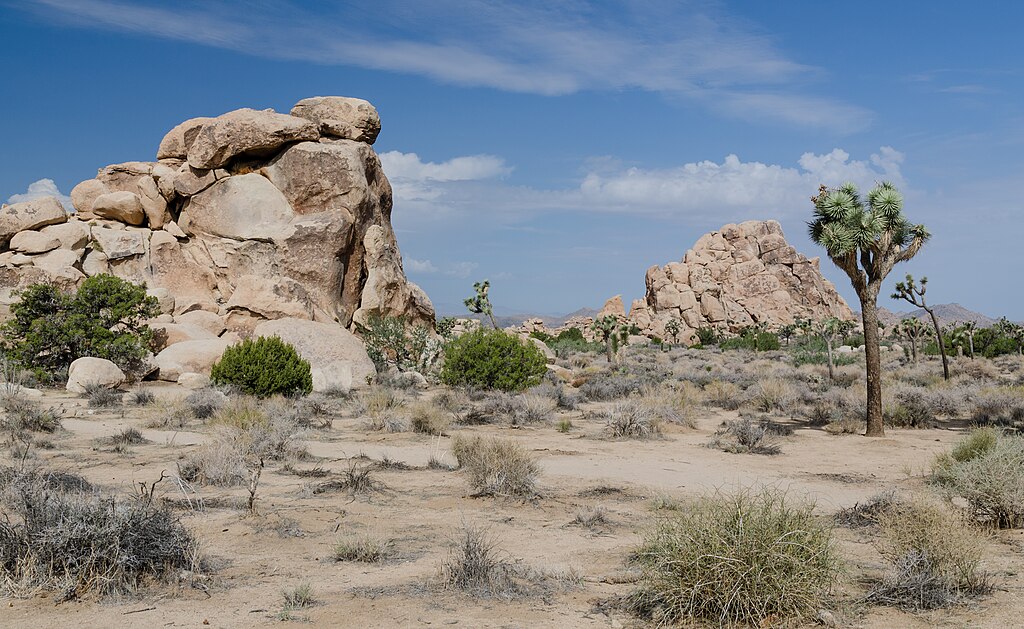
During the pandemic, Joshua Tree National Park faced an invasion of illegal campers. Fragile desert flora was trampled, and rare Joshua trees were cut for firewood. Graffiti scarred rocks, and trash piled up across the park. Rangers closed multiple dispersed camping zones indefinitely to allow recovery. This ban underscored that true wilderness adventure depends on restraint because once desert ecosystems are damaged, they may never fully return.
4. Little Yosemite Valley, California
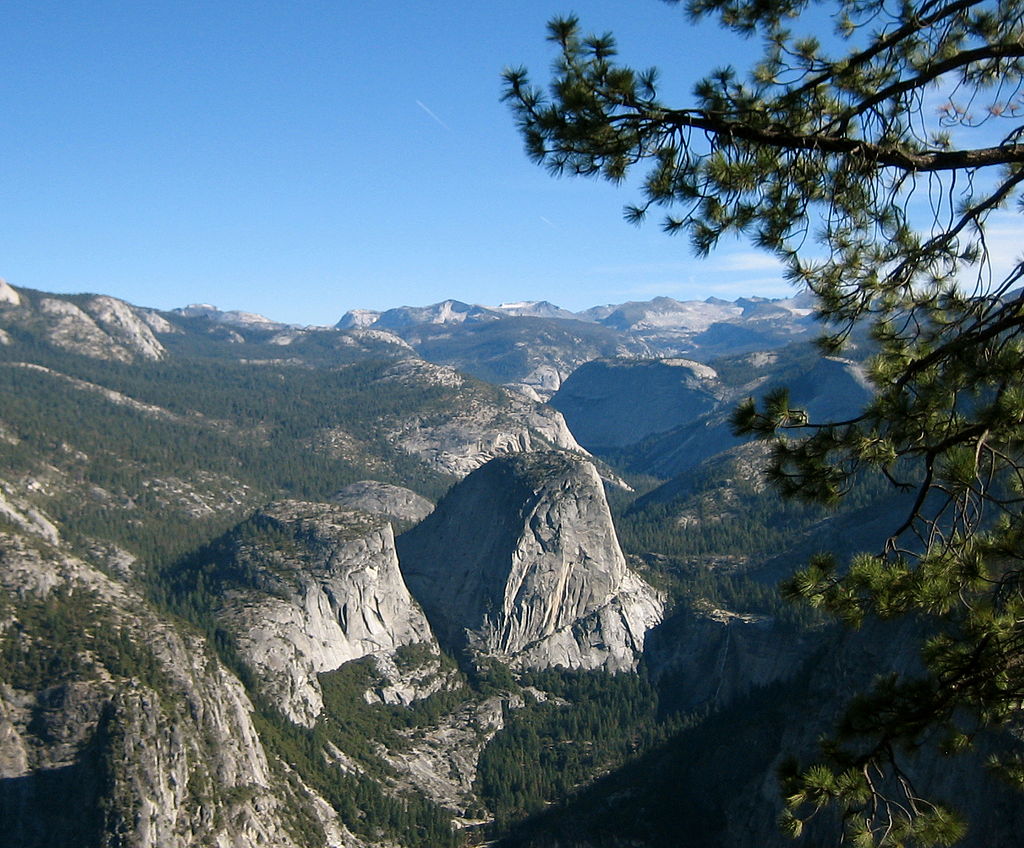
This famous backcountry site beneath Half Dome was closed after years of severe overuse. Campers ignored sanitation rules, leaving waste that contaminated streams and attracted bears. Rangers banned camping to rebuild trails and install bear-proof facilities. The closure highlighted the importance of environmental balance, showing that even America’s most iconic national parks can crumble when visitors forget the simple rule: leave no trace.
5. Big Sur Coastline, California
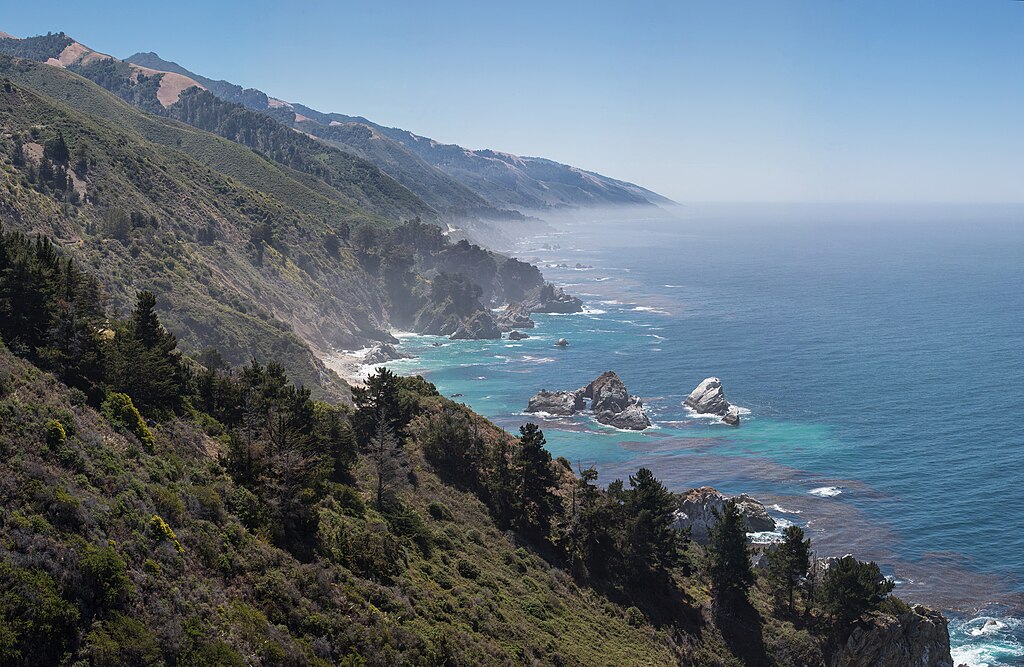
The cliffs of Big Sur have long drawn campers seeking the Pacific’s endless horizon. But illegal camping and bonfires triggered wildfires and erosion, threatening wildlife and nearby communities. Authorities closed many roadside and dispersed sites, enforcing steep fines for violations. The ban protected both lives and landscapes, serving as a reminder that California’s beauty is fragile and must be defended even if that means closing its gates for a time.
6. Enchanted Valley, Washington
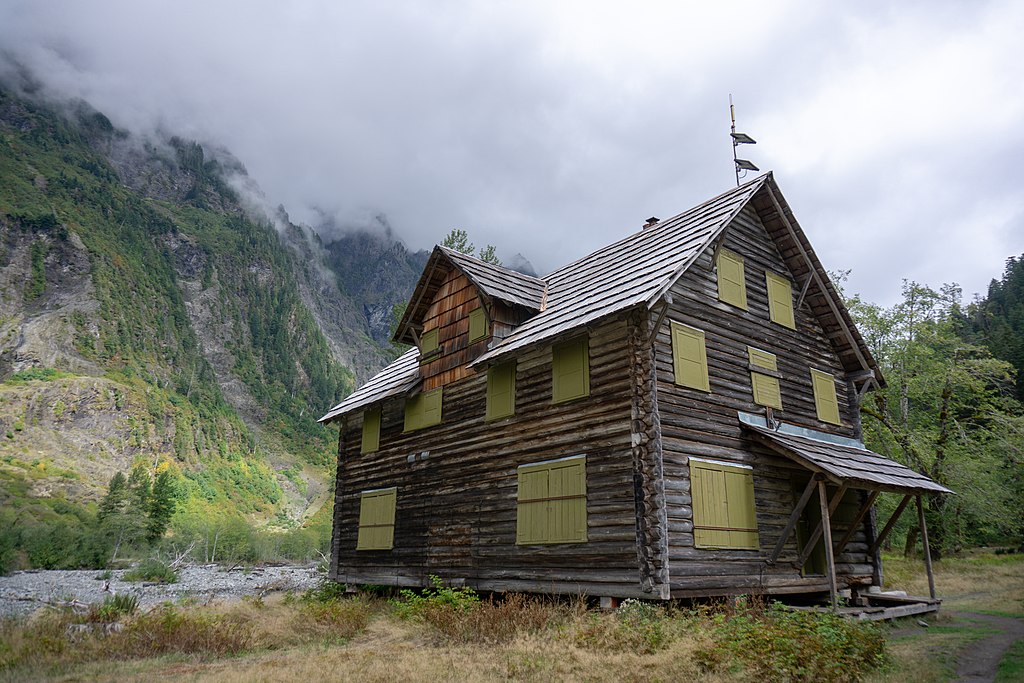
Deep within Olympic National Park, the Enchanted Valley once echoed with waterfalls and campers’ laughter. But improper food storage led bears to associate humans with easy meals. When encounters turned dangerous, officials closed the valley to overnight stays. The ban protected both bears and visitors, proving that wilderness safety begins with simple responsibility. Nature thrives when humans learn to blend in quietly, not dominate its rhythm.
7. Lassen Volcanic Backcountry, California

Wildfires and storms devastated Lassen Volcanic National Park’s backcountry, leaving dead trees, unstable slopes, and fragile soil. To allow recovery, the park banned camping across multiple zones. The silence that replaced campfires gave forests space to heal. Rangers emphasized that sometimes, nature needs to rest without human interruption. Lassen’s closure became a lesson in patience, proof that protecting wild spaces sometimes means walking away from them.
8. Angels Landing, Utah
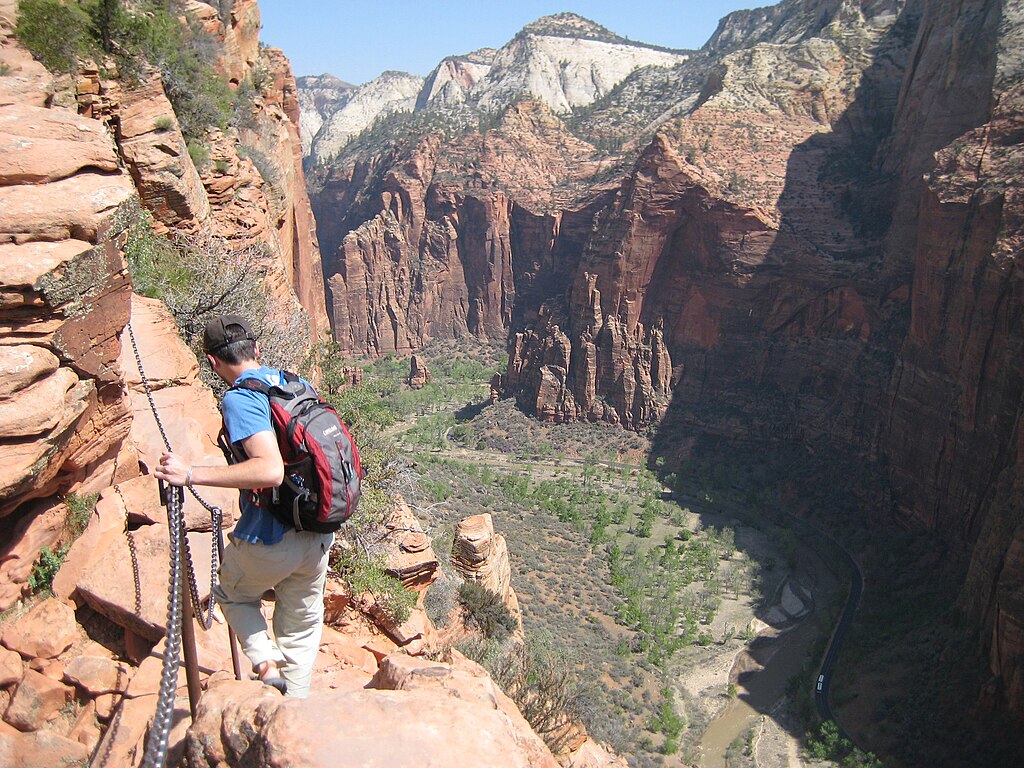
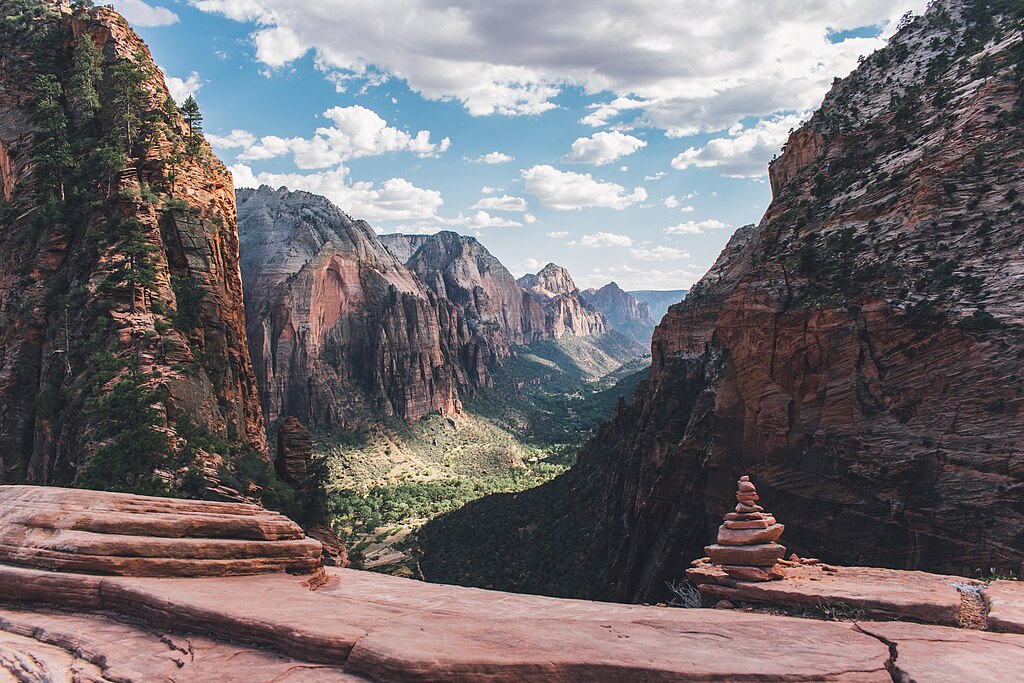
Zion National Park’s Angels Landing was once a thrill seeker’s dream, but overcrowding and dangerous conditions made it deadly. Unregulated camping and trampling near trailheads damaged the terrain. Authorities banned camping and introduced a strict permit system for day hikes only. The ban saved lives and preserved the rock’s integrity. Angels Landing’s closure showed that respect for limits is not weakness; it’s wisdom in the face of nature’s power.
9. Cathedral Lakes, California
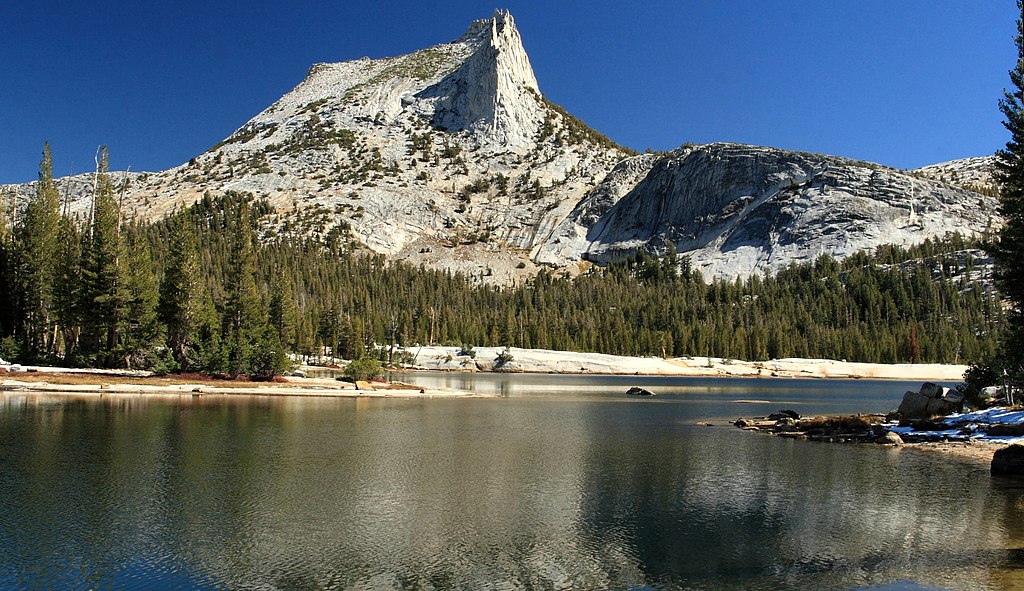
Tucked in Yosemite’s high country, Cathedral Lakes became overrun by campers drawn to its mirror-like waters. Years of overuse led to soil erosion and waste buildup. Rangers banned camping near the lakes to restore vegetation and purity. Though disappointing to visitors, the decision allowed the area to heal naturally. Cathedral Lakes proved that love for nature means more than visiting it means protecting it for those yet to come.
10. Sand Island Campground, Utah
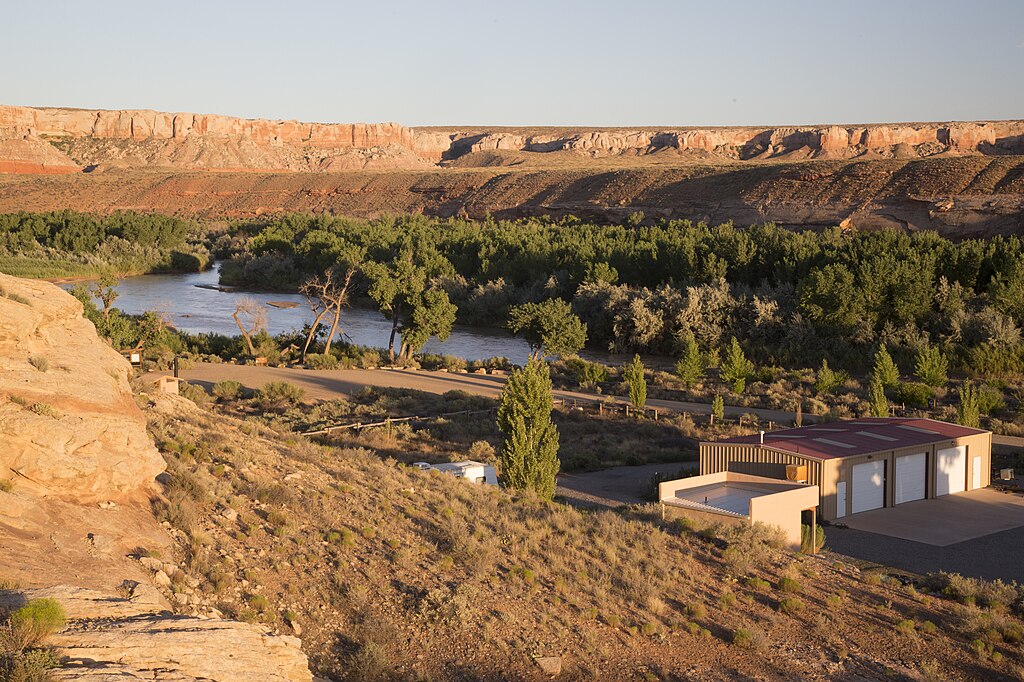
Situated along the San Juan River, Sand Island’s easy access made it a favorite stop for rafters and campers. But overuse caused sanitation problems, erosion, and cultural site vandalism. Ancient petroglyphs were defaced, prompting officials to close parts of the campground for restoration. The closure served as a warning that history and nature intertwine and that careless recreation can erase both in a single season.
11. Muir Beach Camp, California
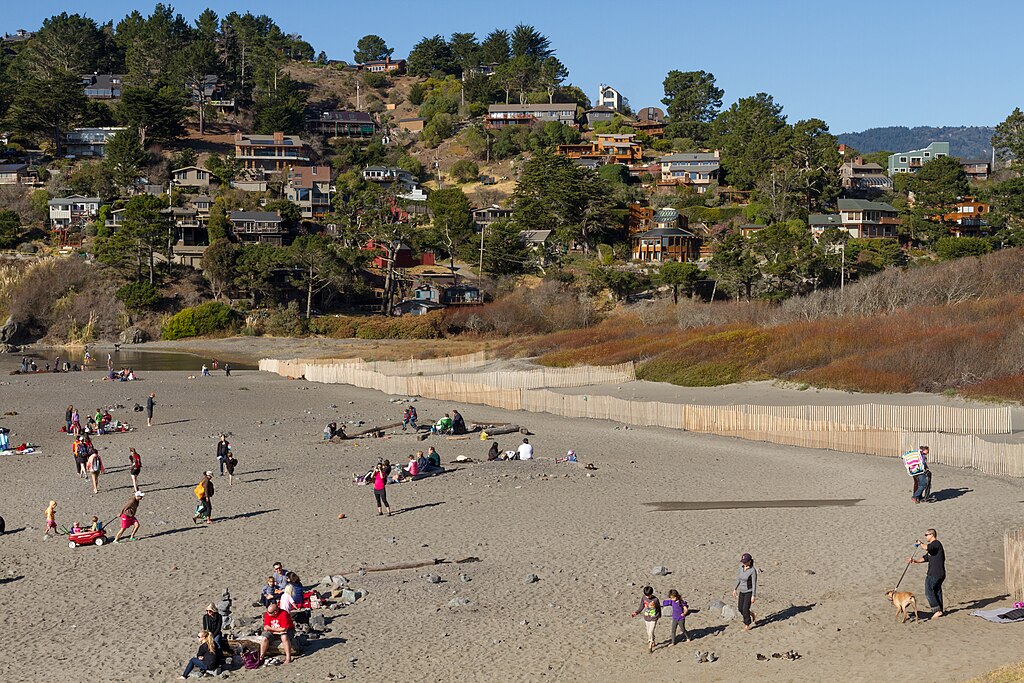
Once a small oceanfront haven near San Francisco, Muir Beach Camp was shut down due to dune erosion and habitat loss. Visitors trampled nesting grounds for endangered birds and left behind litter that polluted coastal waters. The National Park Service banned camping to restore the fragile shore. The closure’s legacy remains clear: even small stretches of sand can bear only so much before nature demands a break.
12. Hermit Creek Camp, Arizona

Deep in the Grand Canyon, Hermit Creek was once a peaceful stop for backpackers. But flash floods and erosion repeatedly damaged trails, making camping unsafe. Park officials closed sections permanently to protect visitors and the recovering terrain. The closure reminded everyone that nature’s moods are unpredictable and sometimes, survival depends not on conquering the wild but on yielding to its power and unpredictability.
13. Point Reyes Coastal Camps, California
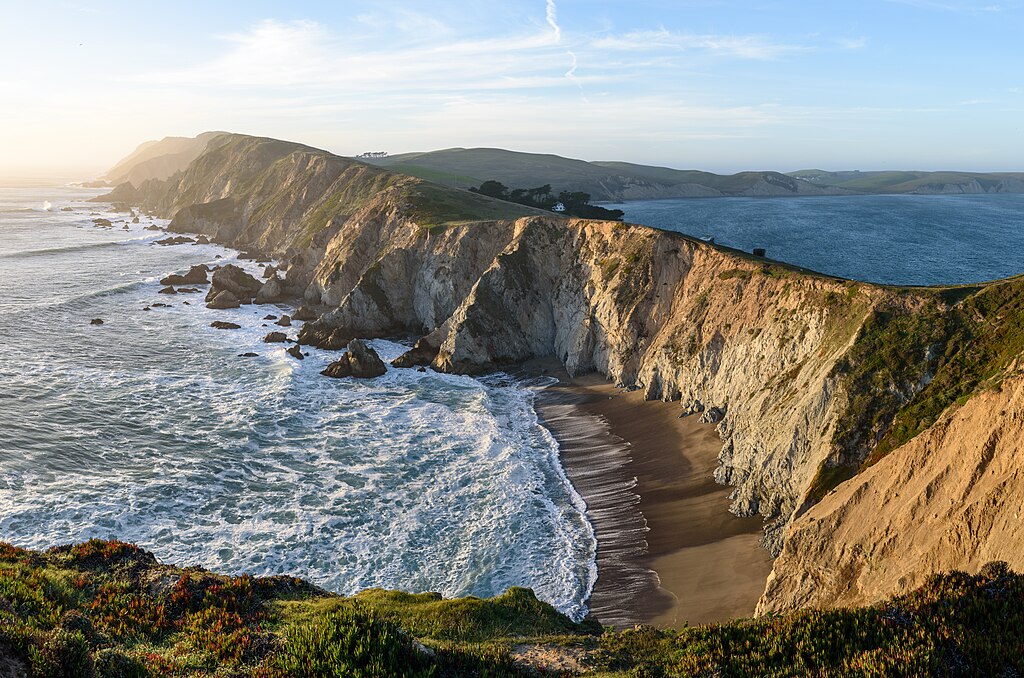
Along California’s rugged coast, Point Reyes campsites suffered from wind damage, dune erosion, and sea lion disturbances. In 2021, the park temporarily banned coastal camping to protect wildlife habitats and stabilize trails. Visitors were encouraged to use inland sites instead. The ban reflected a growing shift in park management: prioritizing ecosystem preservation over tourism convenience, a necessary step for long-term harmony between nature and recreation.
14. Lake Mead Backcountry, Nevada
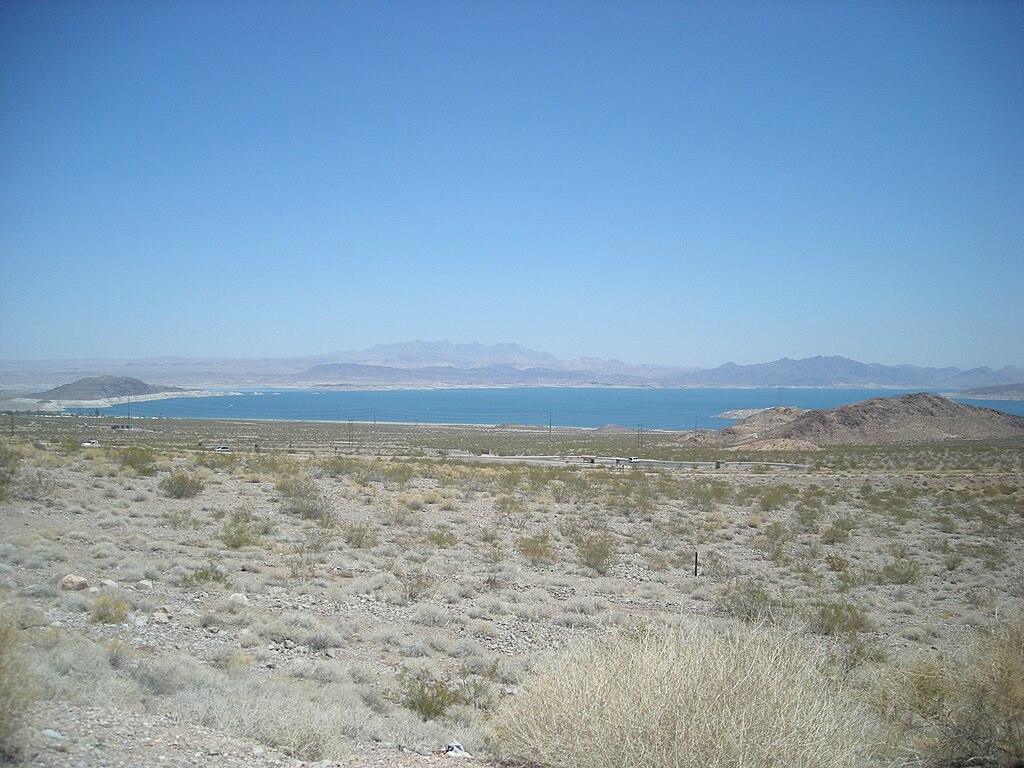
Once a haven for desert adventurers, Lake Mead’s backcountry camps faced closures due to illegal dumping, vandalism, and wildfire risk. The dropping water levels from drought exposed toxic waste and old debris. Officials closed many sections to conduct cleanup and reduce danger. Lake Mead’s ban became a grim reminder of how human neglect and climate change combine to threaten even the most resilient landscapes in America.