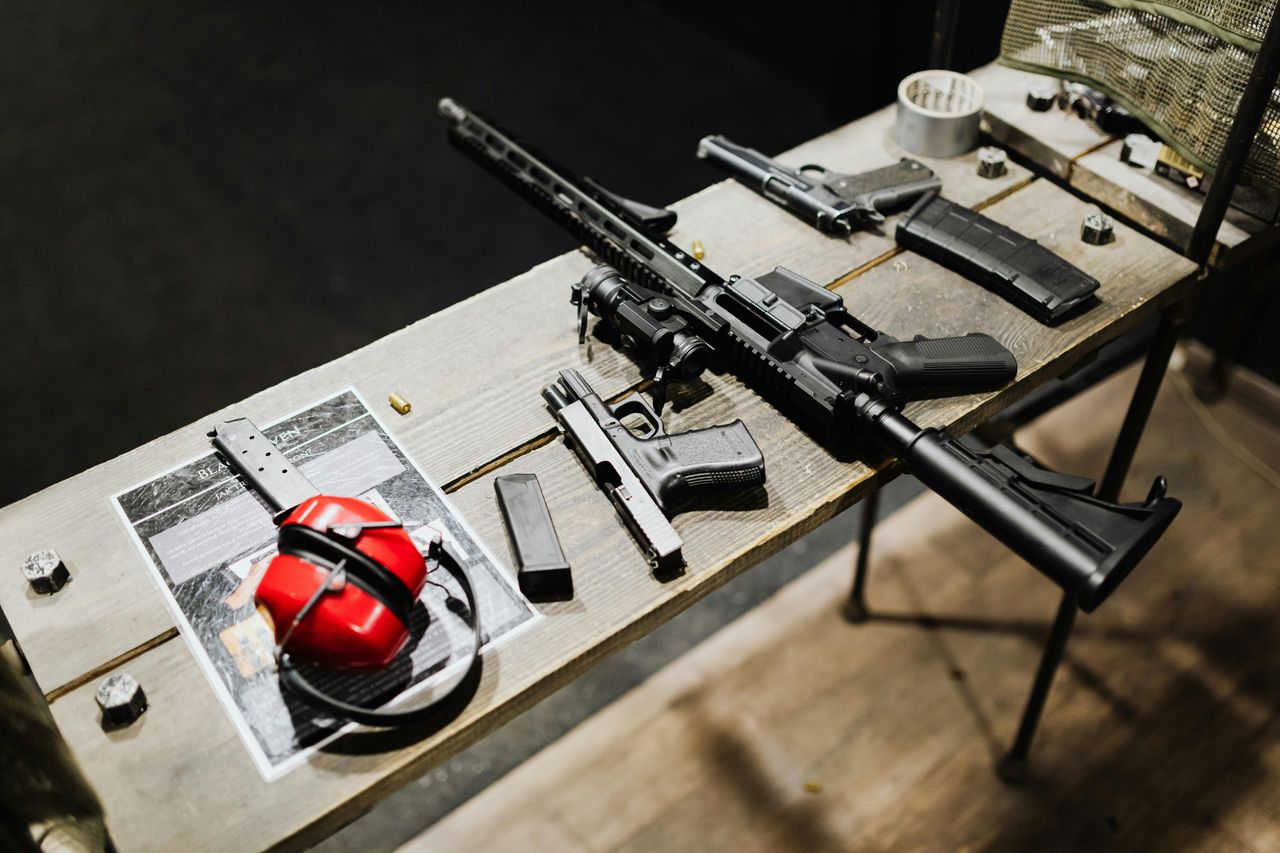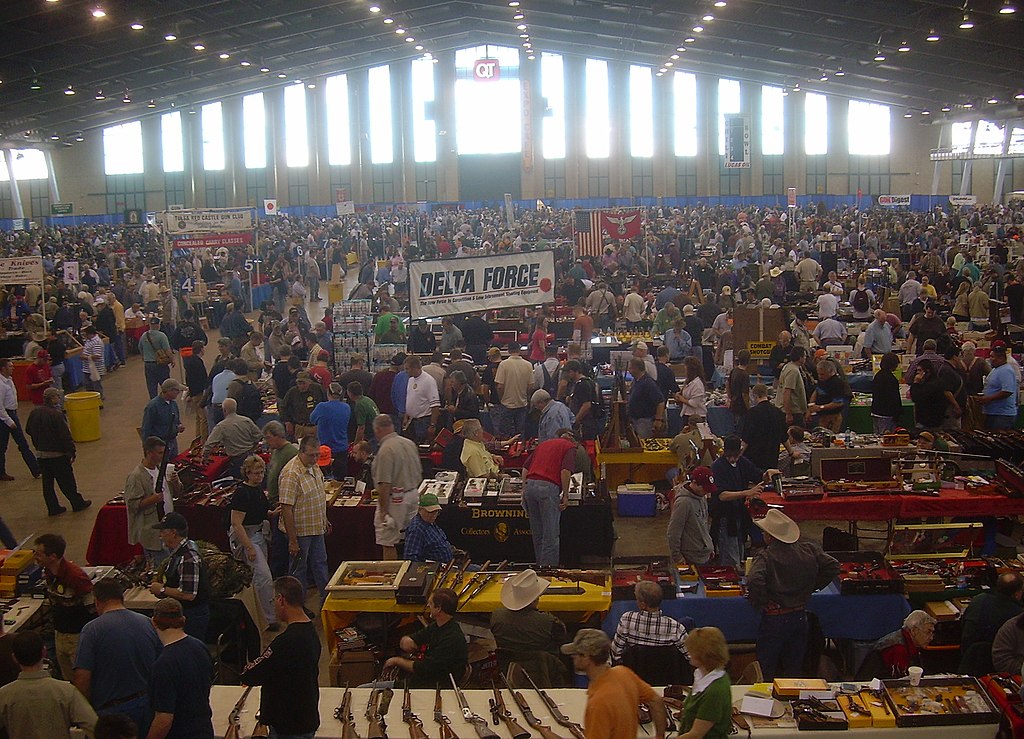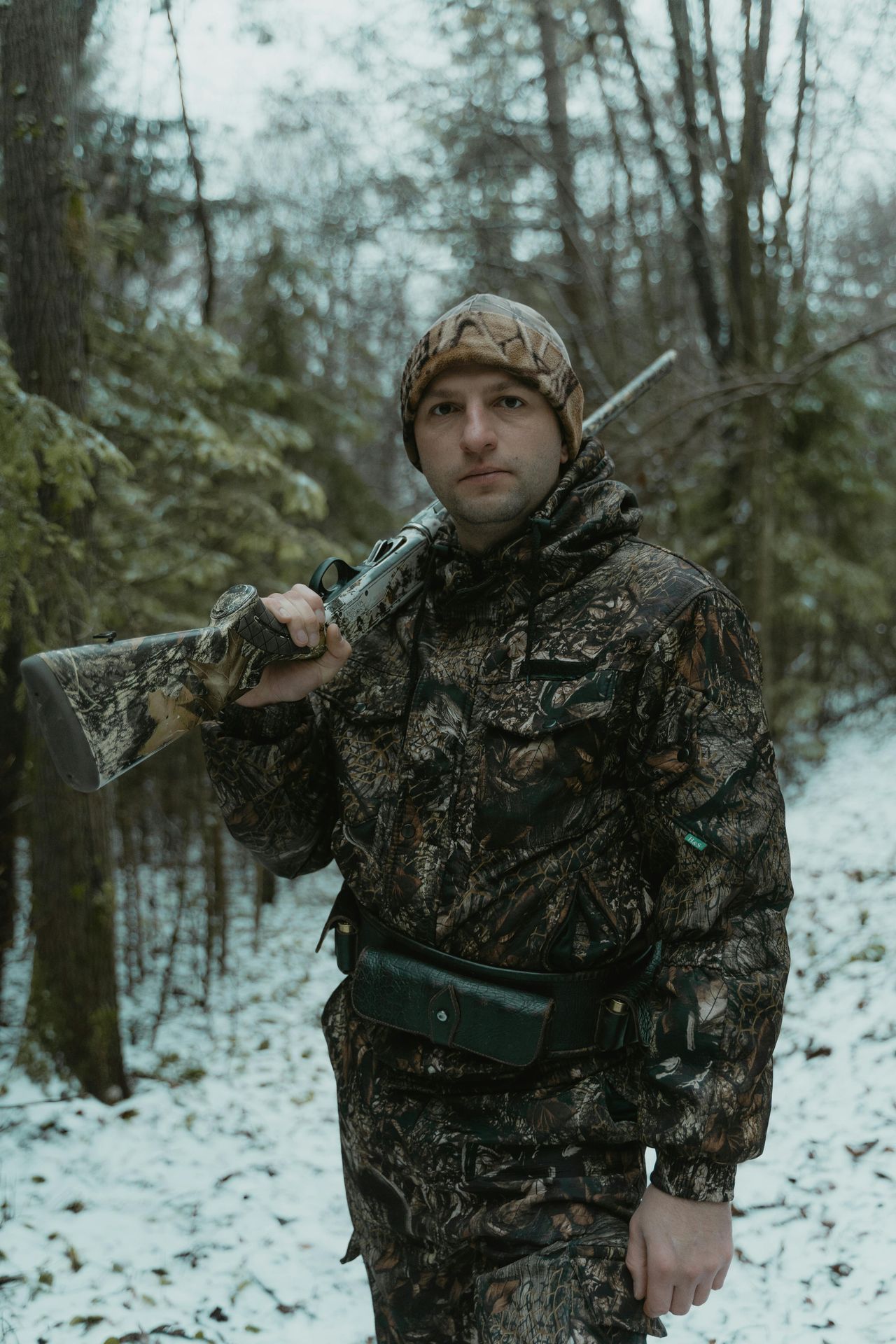
Some gear debates never really die. In hunting camps, the argument over polymer-framed handguns is one of them.
Tradition still carries enormous weight
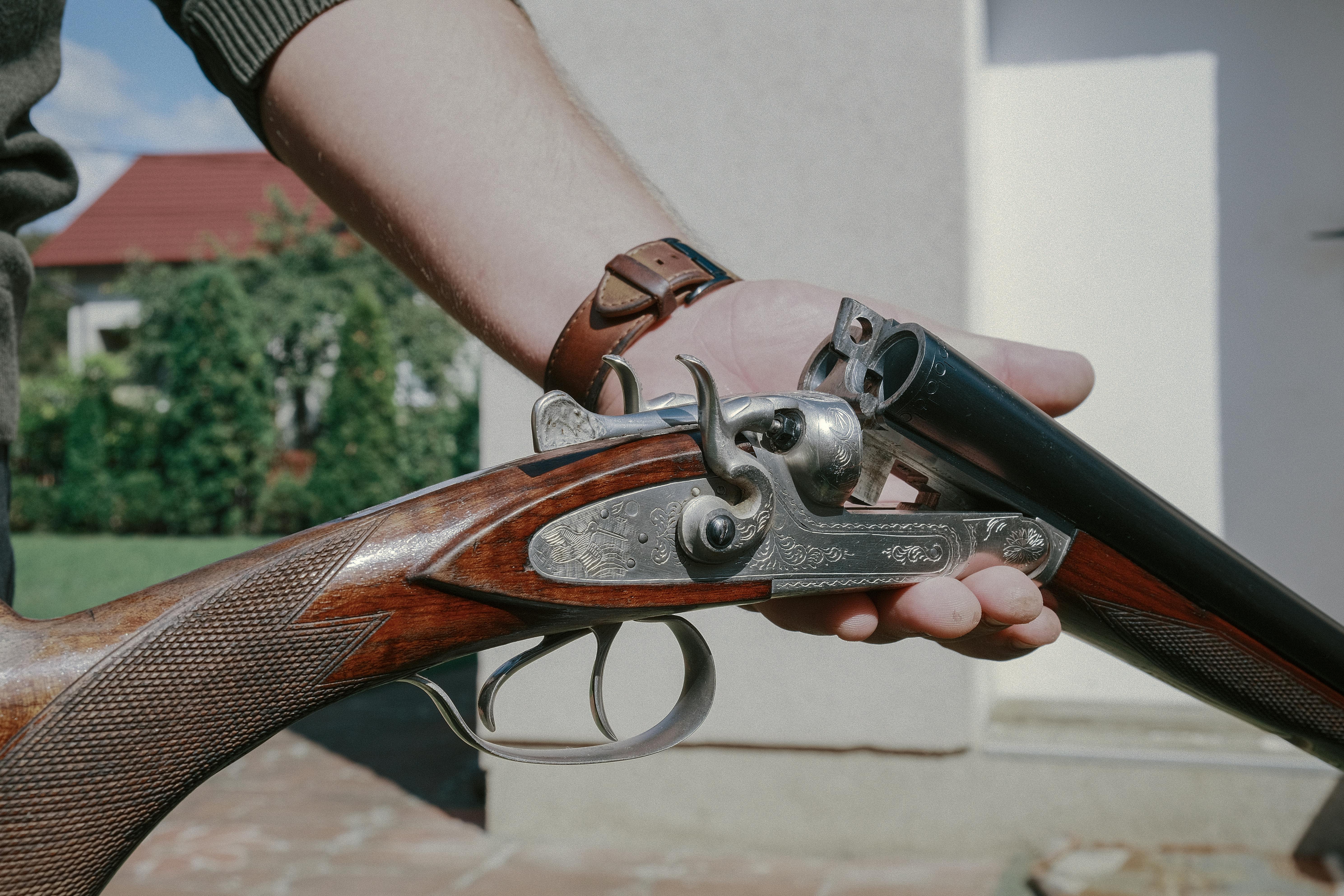
For many hunters, a sidearm is not just a tool but part of a broader field ethic shaped over decades. Men and women who grew up around blued steel revolvers, walnut stocks, and leather holsters often learned early that serious outdoors gear should feel solid, mechanical, and repairable by hand. In that world, polymer can still register as unfamiliar, even if it has been common for more than 30 years.
That bias is not always irrational nostalgia. Hunters tend to value equipment that has passed through generations under real conditions, not just on sales charts. A Smith & Wesson Model 29, a Ruger Blackhawk, or a Colt Python carries a long history of visible field use, and many hunters know people who relied on those guns while tracking hogs, checking traps, or crossing bear country. A lot of trust comes from seeing a thing survive.
There is also the cultural side of hunting identity. In many camps, gear choices signal values like patience, self-reliance, and respect for tradition. A polymer handgun may be objectively capable, but to some hunters it still feels like a product of tactical culture rather than sporting culture. That distinction matters more in the field than many handgun marketers seem to realize.
They trust steel when conditions turn ugly
Hunters often evaluate sidearms through a harsher lens than casual range shooters. A pistol carried into the backcountry may be exposed to sleet, fine dust, pine needles, freezing mud, horse sweat, truck vibration, and long periods of neglect between actual uses. In that context, perceived durability is not just about surviving a drop test but about enduring abuse without surprise.
Polymer frames are durable by any modern engineering standard, and countless law enforcement agencies have proven that. But hunters do not always separate institutional duty use from wilderness use. They worry about cracked trigger guards in extreme cold, frame flex under heavy recoil, damaged rails, or what happens when a gun gets pinned under a pack frame or slammed against rock during a fall. Even when those failures are rare, the stories travel fast.
Steel and aluminum handguns inspire confidence partly because wear is easier to read. Scratches, peening, rust, and timing issues can often be seen and understood. Polymer wears differently and can hide stress in ways some hunters find harder to judge. In a remote country, where a sidearm may serve as insurance rather than a primary weapon, many people simply reach for what looks and feels indestructible.
Heavy loads change the conversation fast

A major split appears when hunters talk about ammunition instead of materials. In town, polymer-framed handguns are often discussed in terms of capacity, carry comfort, and speed. In the field, the conversation shifts toward hard-cast bullets, hot .44 Magnum loads, stout 10mm Auto rounds, and deep-penetrating cartridges meant for hogs, black bear, or emergency defense against larger predators.
That matters because recoil behavior shapes confidence. A heavier steel revolver or all-metal semi-automatic tends to soak up energy and settle differently in the hand, especially with powerful loads. Hunters who practice with heavy ammunition often say polymer pistols feel snappier, more abrupt, and less predictable in cold hands or wet gloves. Even if objective performance remains good, subjective control matters when the shot window is brief.
There is also a cartridge compatibility issue. Many hunting sidearms are still revolvers chambered for rounds with long-standing reputations in the field, including .357 Magnum, .41 Magnum, .44 Magnum, and .454 Casull. Polymer-framed handguns dominate service calibers and some 10mm models, but they have not displaced big-bore revolvers in hunter psychology. When hunters think “serious field handgun,” many still picture weight, steel, and a wide cylinder.
Cold-weather concerns are hard to shake
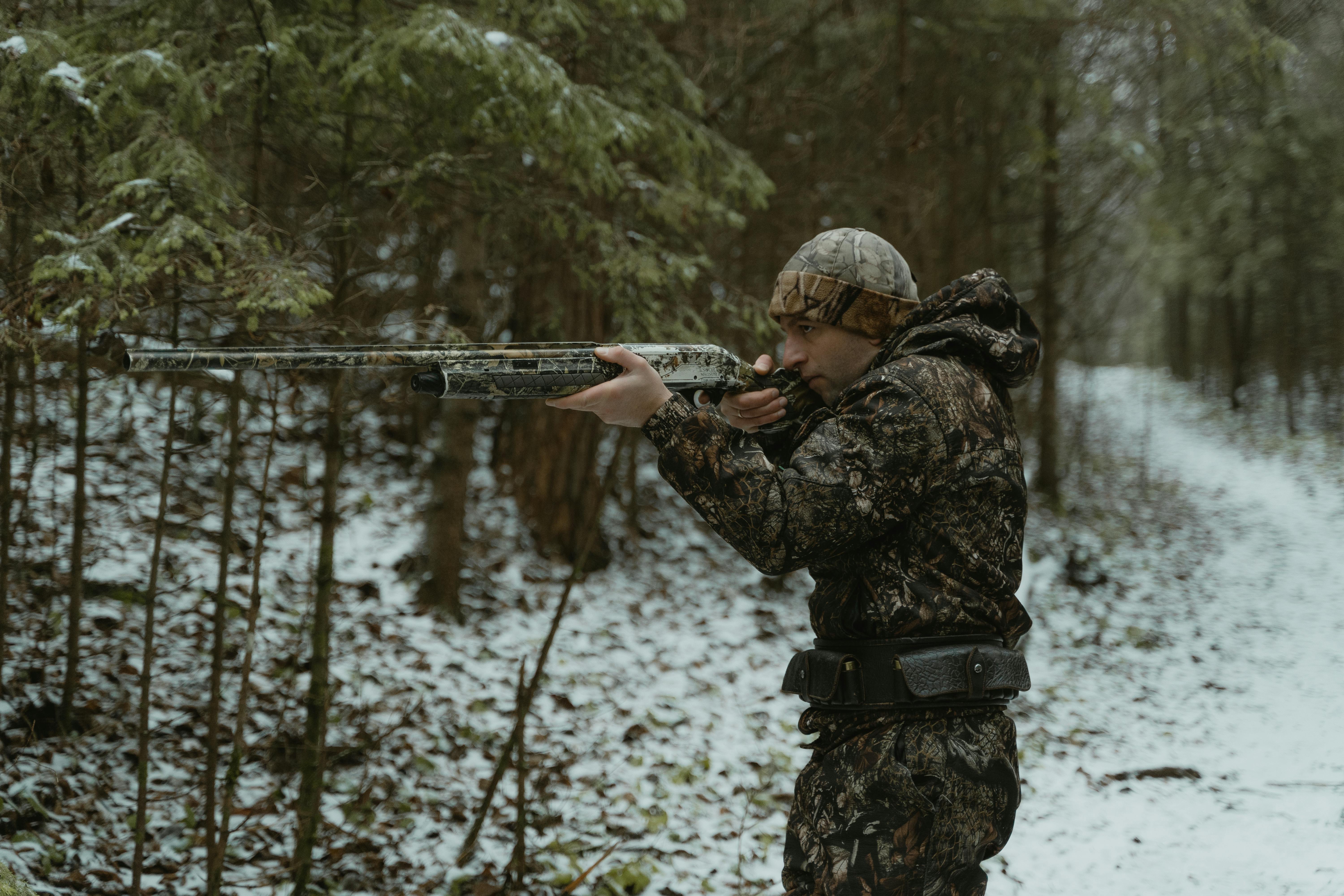
Few equipment preferences harden faster than those formed during miserable weather. Hunters who sit motionless in late-season stands or hike before dawn in subfreezing temperatures tend to become deeply conservative about gear. If a hunter has ever seen plastic become brittle, a magazine crack, or a synthetic part fail in severe cold, that memory can shape buying decisions for years, even if the incident involved another product entirely.
Modern polymers are far better than early skeptics often assume. Manufacturers have spent years refining formulations that tolerate impact, flex, ultraviolet exposure, and temperature swings. Still, field confidence is emotional as much as technical. If a hunter believes steel gives wider safety margins at 10°F, that belief may outweigh data sheets, especially when a sidearm is carried as backup in remote timber or mountain terrain.
Gloves also complicate the issue. Hunters commonly handle handguns with numb fingers, layered clothing, and reduced dexterity. Some prefer the larger controls and simpler manual of a traditional revolver, particularly under stress. Others worry less about the frame itself than about polymer magazines, baseplates, and small molded components. The handgun becomes part of a system, and any cold-weather doubt can sour the whole platform.
The field rewards simplicity over features
A polymer-framed pistol often shines in modern defensive roles because it is light, corrosion-resistant, and high-capacity. Those are real strengths. But many hunters do not prioritize those benefits in the same way because their sidearm usually occupies a narrow, specialized role: finishing wounded game, dispatching trapped animals, signaling emergency defense, or serving as insurance during tracking in thick cover.
In those moments, hunters often favor mechanical simplicity over ammunition count. A double-action revolver can sit loaded for years, tolerate mixed power levels, and be pressed into contact with an animal without worrying in the same way about slide interference. That practical advantage is repeatedly cited by guides, houndsmen, and trappers who use handguns at arm’s length rather than on a square range.
There is also a maintenance mindset at work. Hunters who clean guns at camp tables or tailgates tend to appreciate designs they can understand visually. Springs, timing, lockup, and cylinder gap are tangible concepts. Polymer striker-fired guns are not especially hard to maintain, but to some users they feel sealed, modular, and less transparent. In the field, familiarity often beats innovation, especially when adrenaline narrows fine motor skill.
Perception, status, and aesthetics all matter too
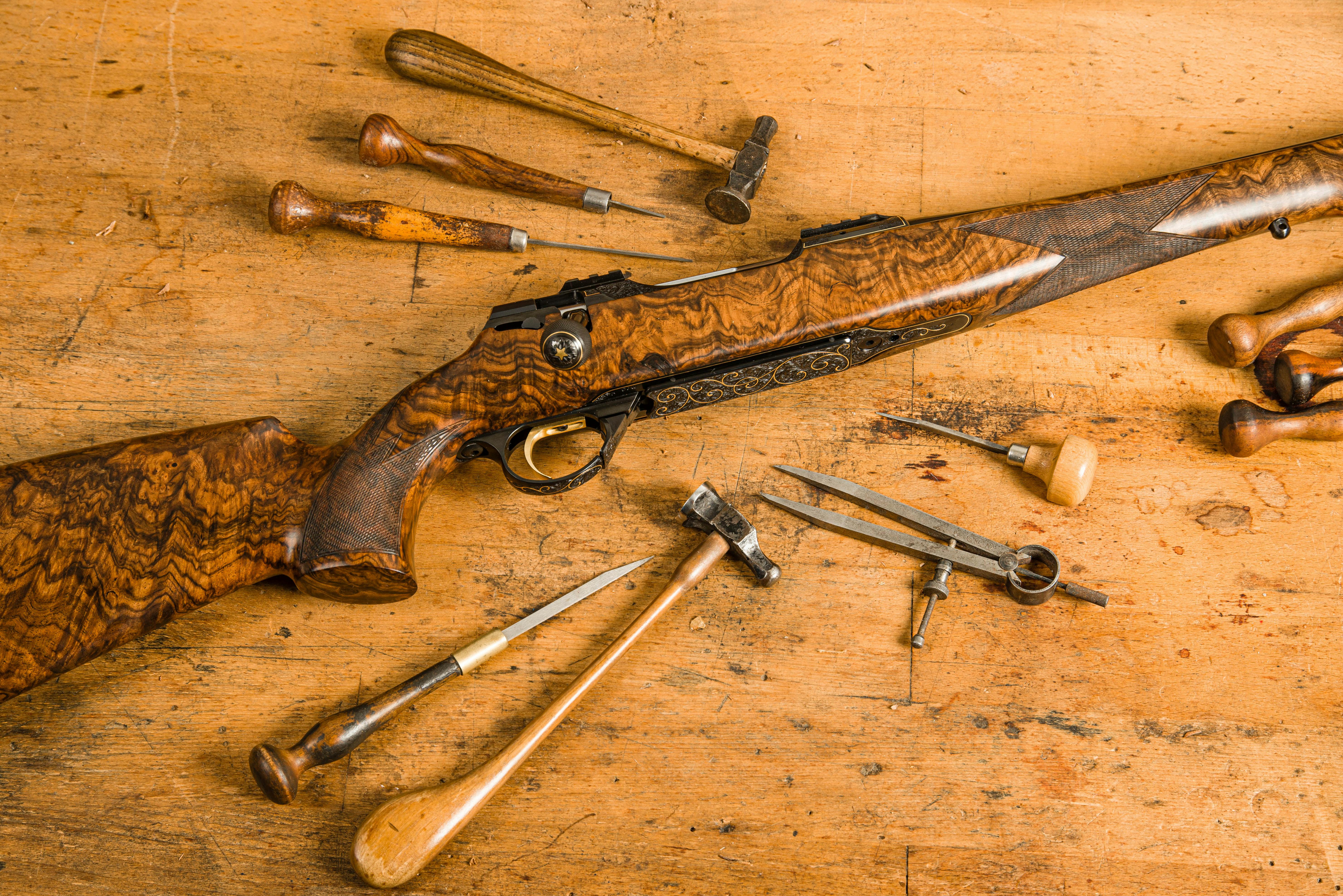
Hunters are practical people, but they are not immune to symbolism. Firearms carry stories, and stories influence what gets trusted. A polished revolver with holster wear can suggest heritage, craftsmanship, and a lifetime of hard use. A matte-black polymer pistol may suggest efficiency and modernity, but to some hunters it also evokes duty belts, concealed carry classes, and urban self-defense rather than ridge lines and creek bottoms.
That divide is reinforced by how products are marketed. Polymer-framed handguns are frequently sold with language built around tactical readiness, personal protection, and professional use. Hunting handguns, by contrast, are usually discussed in terms of caliber authority, shot placement on game, and field carry traditions. Even when the hardware overlaps, the messaging does not. Hunters notice that, and many respond by buying the gun that feels like it belongs outdoors.
Aesthetics also influence how often people practice with a gun. Owners who admire a firearm tend to carry it more, maintain it better, and shoot it with greater confidence. That may sound sentimental, but confidence is performance. If a hunter simply likes the balance, finish, and visible heft of a steel sidearm more than a polymer one, that preference can persist indefinitely without being irrational.
Refusal is often about trust, not ignorance
It is easy to dismiss anti-polymer hunters as outdated, but that misses the real point. Most of them know polymer pistols work. They have seen Glocks, M&Ps, and other striker-fired guns run reliably for years, and many even own them for home defense or everyday carry. Their refusal in the field is usually not a claim that polymer is useless. It is a statement about where they draw the line on confidence.
Hunting environments magnify consequences because help is far away and opportunities are brief. A sidearm may never be used on a trip, yet it must feel unquestionably ready when needed. In that setting, many hunters prefer proven weight, familiar recoil, visible mechanics, and a platform tied to generations of successful use. That choice is as much psychological as mechanical, but psychology matters when a person is cold, tired, and under pressure.
The market reflects this split. Polymer-framed 10mm pistols have gained traction among backcountry users, especially where bear defense matters, and they continue to win converts. But the old resistance remains durable for a reason. In hunting, the final measure of gear is not trend, price, or laboratory testing. It is whether a person trusts it completely when the woods get quiet and the stakes suddenly go up.