A lot of veteran hunters are going lighter on purpose. After enough miles, enough missed chances, and enough heavy packs, they know exactly where extra weight hurts.
The old idea of a “serious” hunting rifle has changed
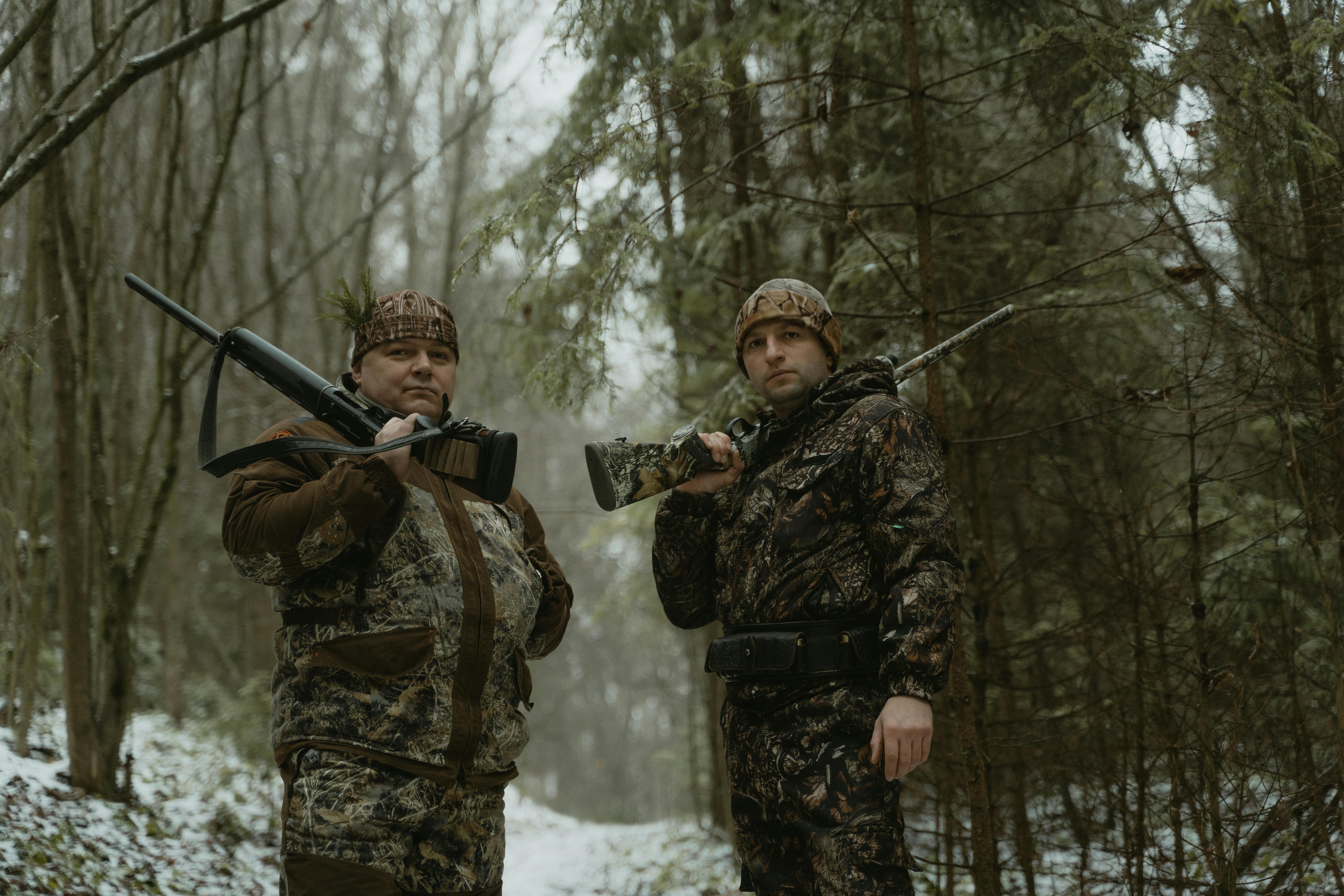
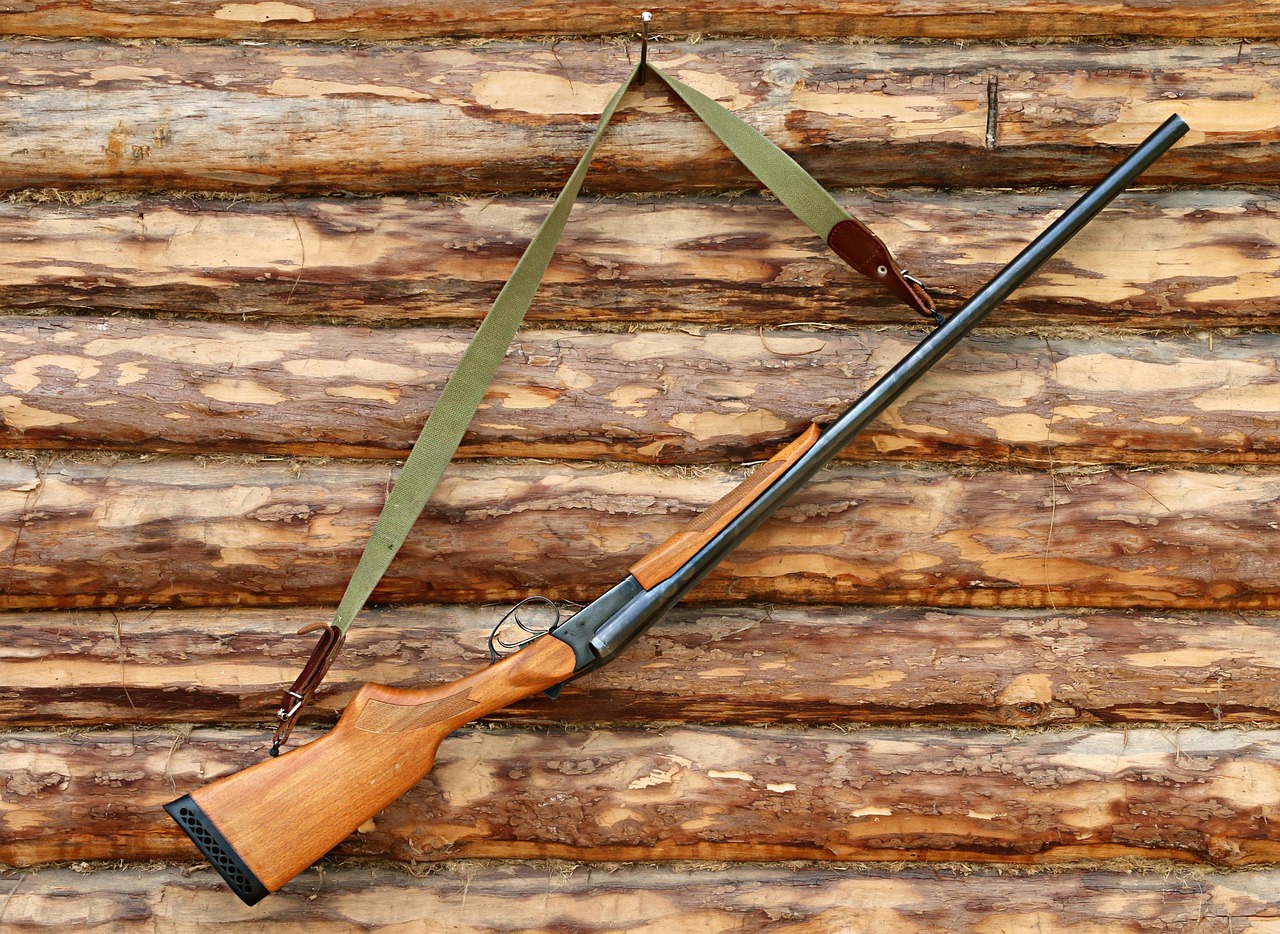
For years, experienced hunters often leaned toward heavier rifles because weight used to buy reassurance. A heavier gun soaked up recoil, steadied the sight picture, and carried a reputation for durability that lighter rifles did not always deserve. In an era of walnut stocks, steel bottom metal, and long barrels, that made practical sense. The old rule was simple: a rifle that felt substantial felt trustworthy.
That thinking has changed because rifle design has changed. RifleShooter has noted that lightweight hunting rifles have been gaining favor since backpack style mountain hunting became more common, especially as hunters started covering more country on foot instead of relying on horses or vehicles. Once the hunt becomes a long carry instead of a short walk from camp, every pound matters in a way it does not on the gun counter.
Experienced hunters understand this better than beginners because they have already done it the hard way. They have packed rifles up shale slides, across deadfall, and through wet timber with a pack full of layers, water, knives, and meat hauling gear still to come on the way out. Lighter rifles are not a fashion statement to them. They are a hard earned correction to decades of carrying more gun than the job required.
Modern materials solved the old lightweight rifle problems
The biggest reason the shift feels permanent is that modern lightweight rifles are no longer flimsy compromises. Carbon fiber stocks, improved bedding systems, better factory triggers, and more consistent manufacturing have narrowed the old gap between light rifles and heavy rifles. A hunter no longer has to choose between carry comfort and credible accuracy.
Recent rifle reviews show just how normal that has become. Field & Stream described lightweight mountain rifles with carbon fiber wrapped barrels and synthetic stocks as one of the most popular classes in today’s big game market. Outdoor Life and RifleShooter have also highlighted rifles built around carbon barrels, magnesium or carbon chassis components, and trimmed actions that still deliver strong accuracy in practical field use.
That matters because experienced hunters rarely obsess over benchrest bragging rights. They care about first shot performance from awkward positions in bad weather when breathing hard. If a 6 to 7 pound rifle will reliably place that cold bore shot where it belongs, then the extra pound or two starts to look less like stability and more like dead weight. Modern materials have made that trade far easier to accept.
Today’s hunting setup adds weight even before the hike starts
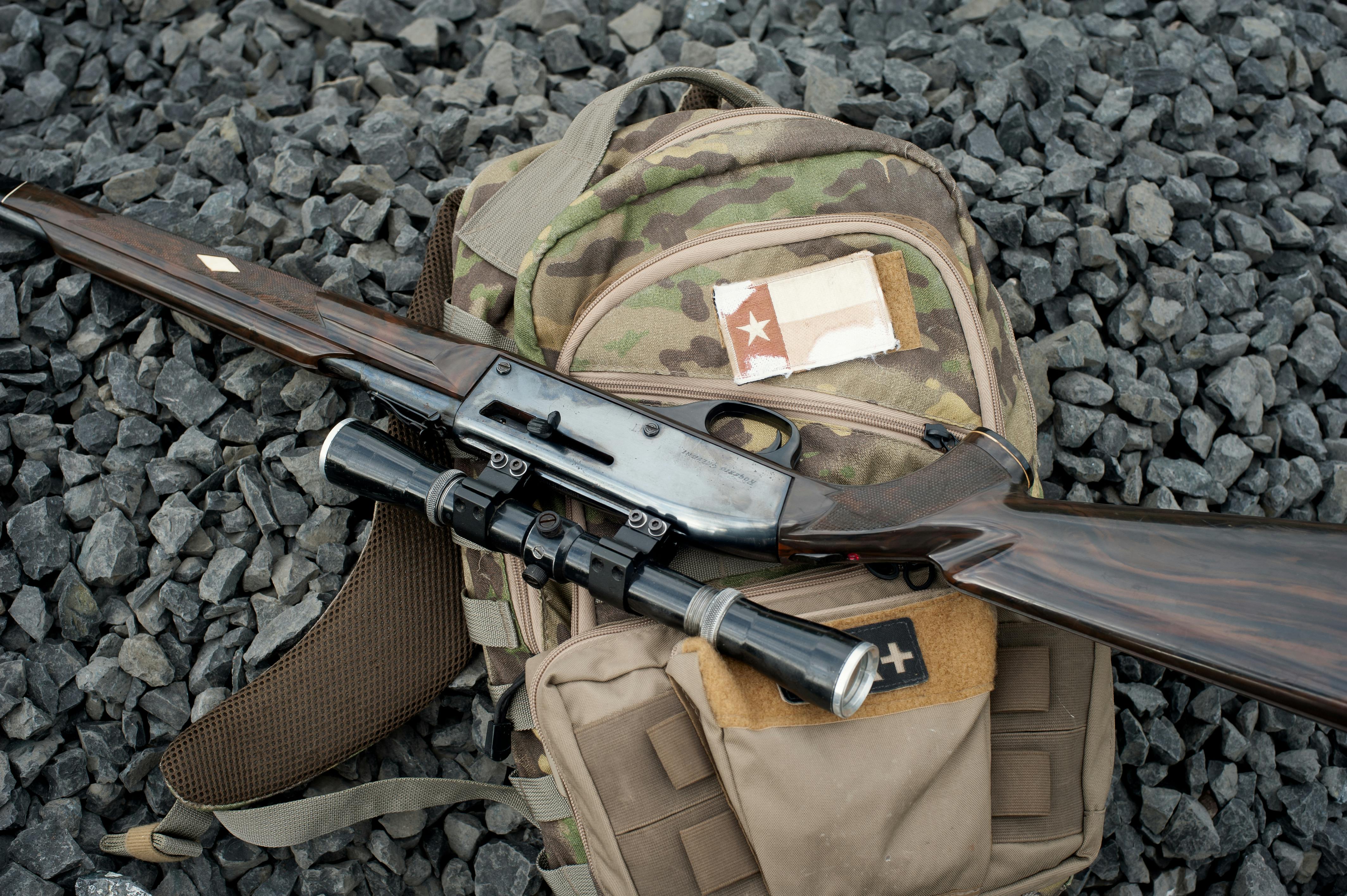
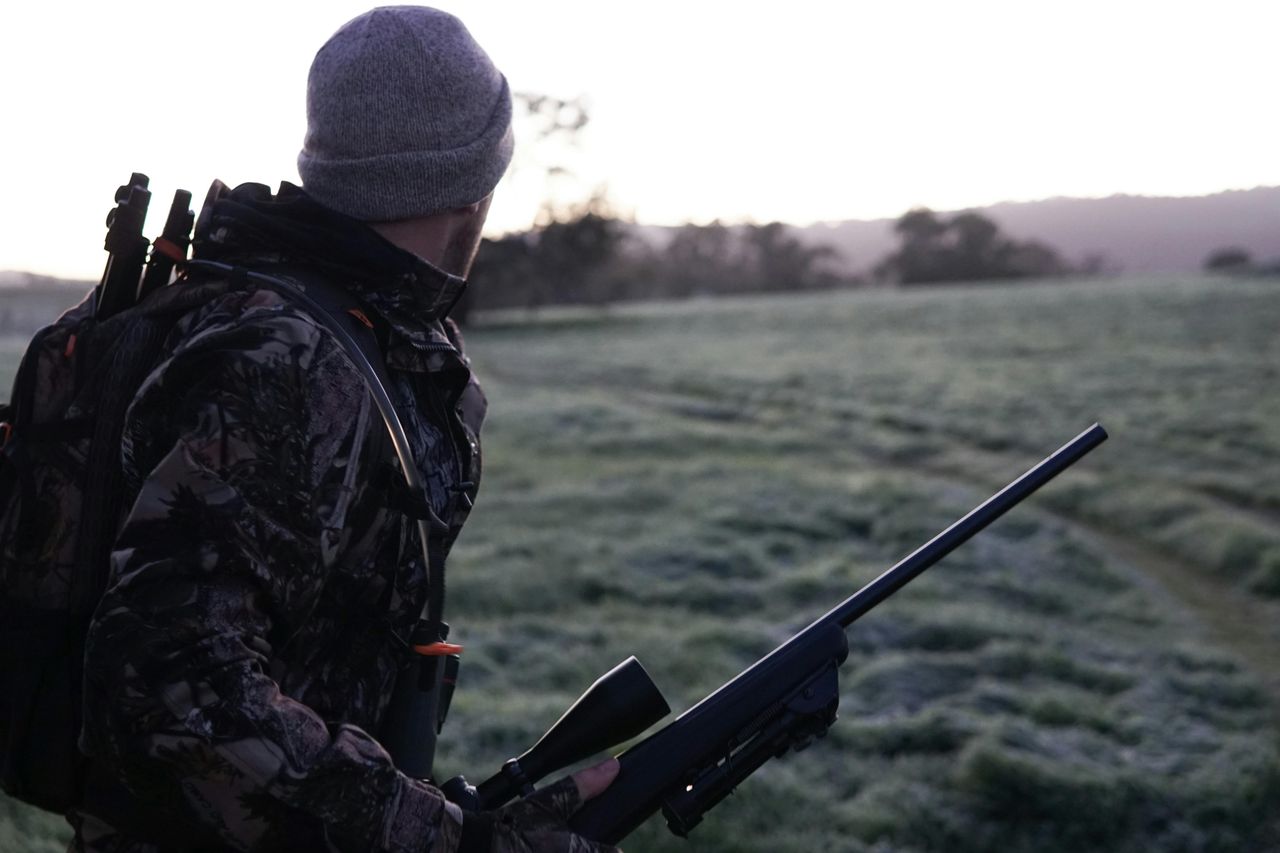
A rifle is no longer just a rifle. Hunters now commonly add larger scopes, stronger mounts, bipods, slings, rangefinding accessories, and increasingly, suppressors. Each item can be useful, but each one also eats into the weight budget. That reality has pushed many seasoned hunters to start with a lighter base rifle so the finished setup stays practical.
Suppressors are a big part of this shift. Field & Stream recently emphasized that hunters do not want a suppressor to make a rifle substantially heavier, especially because added muzzle weight changes balance dramatically. Outdoor Life made the same point, noting that weight is a major concern for hunters considering a suppressor and that newer rifles are often built with threaded muzzles and shorter barrels specifically to accommodate one.
That has changed how experienced hunters think. Instead of buying a traditionally heavy rifle and then bolting on more equipment, they begin with a light, compact platform that leaves room for the accessories they actually use. In other words, the lightweight rifle is not always the end state. It is often the only way to keep the total hunting rig from becoming a chore by the second ridge.
Backcountry hunting rewards efficiency, not bulk
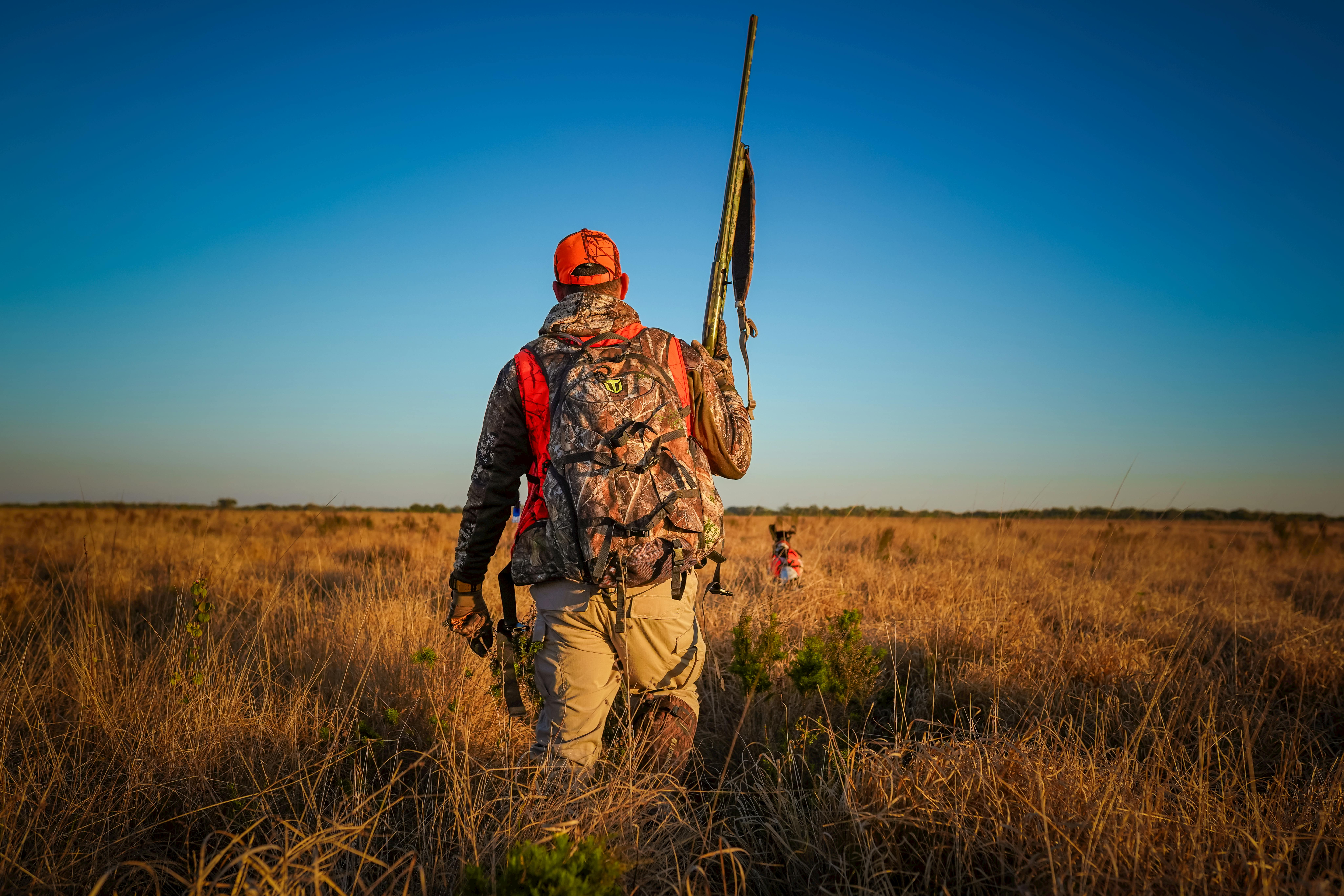
The rise of Western style hunting, do it yourself elk trips, and backpack based hunts has made mobility more valuable than ever. When a hunter may climb thousands of vertical feet, sidehill for hours, and glass basin after basin before ever getting a shot, a lighter rifle pays off with every step. The benefit is cumulative, not dramatic, which is exactly why veterans appreciate it.
RifleShooter drew a useful parallel between mountain rifles and lightweight backpacking gear: less weight lets hunters go farther and hunt harder. That idea tracks with what many experienced hunters have learned over time. Energy spent carrying unnecessary rifle weight is energy not available for climbing, glassing, stalking, or packing meat. Nobody notices a pound in the parking lot. They notice it late in the day at 9,000 feet.
The practical advantage is also about how the rifle moves through terrain. A trimmer rifle is easier to carry one handed while negotiating rocks, easier to lash to a pack, and less fatiguing when the muzzle is constantly snagging brush or tipping downhill. Hunters who spend real time in the field are not impressed by bulk for its own sake. They are impressed by gear that disappears until the moment it is needed.
Cartridge and recoil choices have made lighter rifles easier to live with

One reason heavy rifles held on for so long was recoil. A lightweight rifle in a hard kicking chambering can be unpleasant, and unpleasant rifles get shot less in practice. But experienced hunters today are generally more willing to match the rifle to the real hunt instead of chasing unnecessary horsepower. Better bullets and efficient cartridges have made that decision easier.
That means many hunters can step down from punishing magnums without stepping down in real world effectiveness on deer, antelope, black bear, or even elk with the right setup. A lighter rifle chambered in a manageable cartridge often leads to better marksmanship because the shooter practices more, spots impacts more easily, and develops more trust in the system. Confidence matters more in the field than raw recoil energy charts.
Accessory choices help too. Recoil pads are better than they used to be, muzzle devices are common, and suppressors can reduce the sharpness of the shot even if they add some weight. The result is that a lighter rifle no longer has to be brutal to shoot. For many veterans, the smartest setup is not the lightest possible rifle. It is the lightest rifle they can shoot extremely well, repeatedly, and without dread.
Accuracy standards are now practical, not romantic
Seasoned hunters tend to become less sentimental and more practical. They stop asking whether a rifle feels heroic and start asking whether it helps them make clean shots under pressure. That mindset favors lighter rifles because the modern standard is field accuracy, not mythology about what a hunting rifle is supposed to weigh.
Publications testing current lightweight models routinely report accuracy that would have been considered exceptional for factory hunting rifles a generation ago. Field & Stream’s review of the Proof Research Elevation 2.0, for example, reflects the broader market expectation that a light rifle can still be a serious precision tool. American Rifleman made a similar point in its review of the Nosler Mountain Carbon, noting that a lightweight build no longer necessarily means giving up the performance hunters need for open country shooting.
Experienced hunters know the key detail, though: the first cold bore shot matters most. They are not planning ten round strings off a bench. They are planning one careful shot from a pack, a rock, or a pair of trekking poles. If a lighter rifle carries easier for eight hours and still delivers that first shot with confidence, then it has already won the argument where hunting actually happens.
Lighter rifles reflect maturity, not compromise
There is a reason the lightweight trend is strongest among hunters who have spent the most time afield. Experience strips away ego. It teaches that the hunt is hard enough without volunteering for extra weight, extra fatigue, and awkward handling just to preserve an outdated image of what a proper rifle should be. Veteran hunters are not chasing novelty. They are refining a tool.
That does not mean every hunter should buy the lightest rifle on the rack. Ultralight setups can become whippy, expensive, and less forgiving if pushed too far. But the broad move toward lighter rifles makes sense because the rest of modern hunting keeps getting heavier. Packs are fuller, optics are better but often larger, and suppressor ready rigs are becoming mainstream. Starting light simply restores balance.
In the end, experienced hunters are carrying lighter rifles for the same reason experienced backpackers trim toothbrushes and experienced climbers count ounces. They have learned that comfort is not softness and efficiency is not weakness. The rifle still has to shoot, hold zero, and inspire confidence. It just no longer needs to feel like an anchor to prove it belongs in serious country.