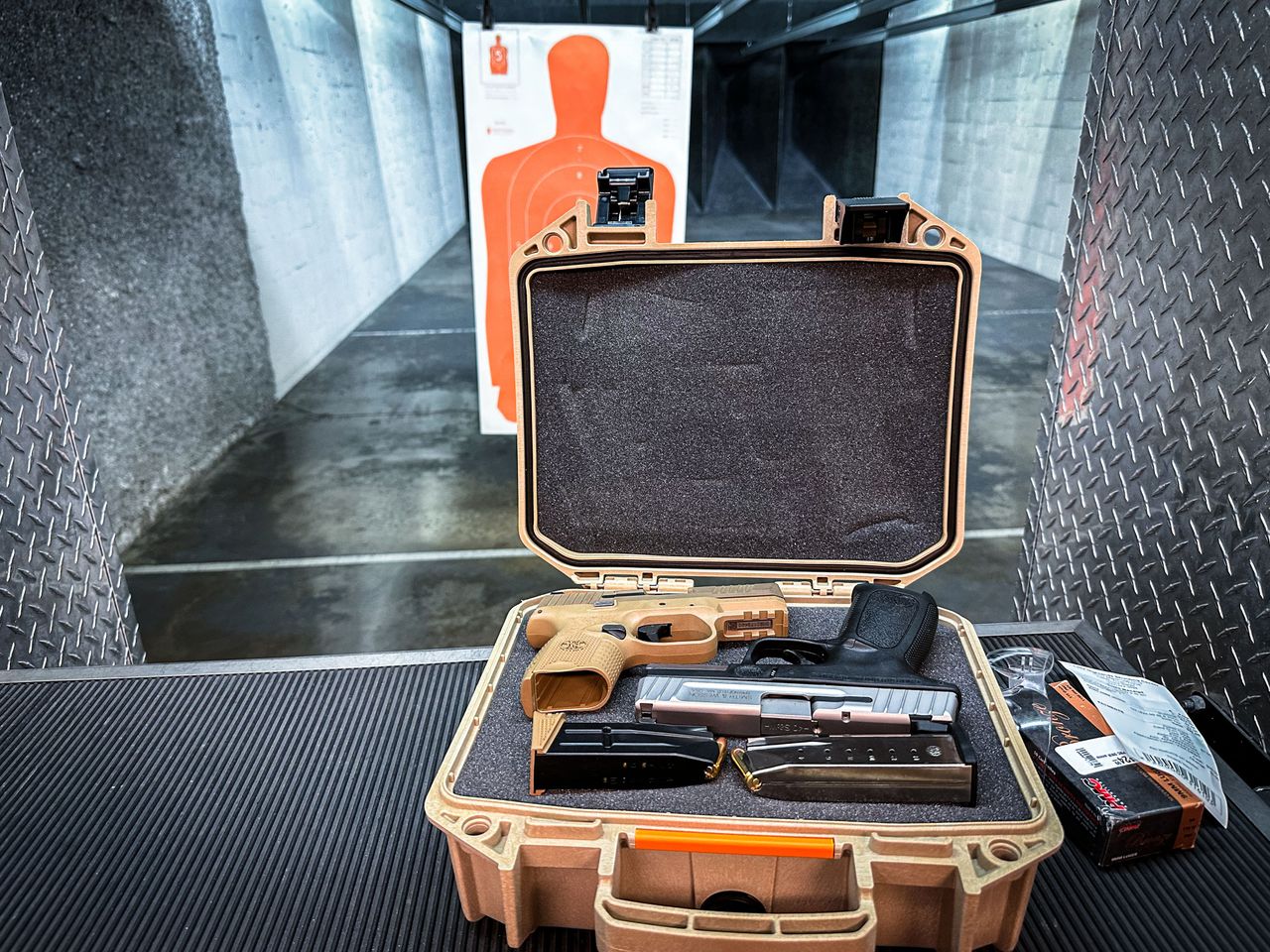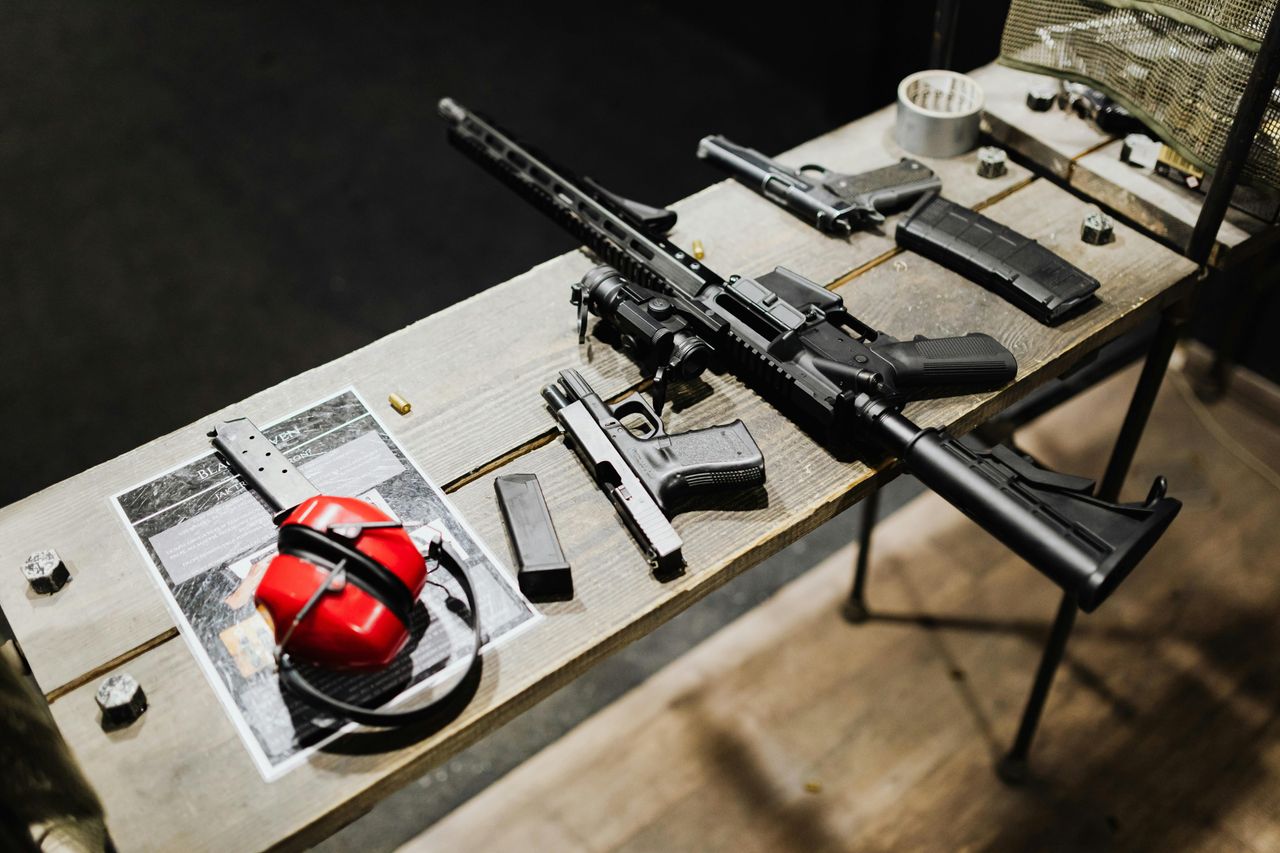
Some firearms were once household names, showing up in war stories, Westerns, police holsters, and gun shop counters across America. Today, many of them still command respect, but they rarely dominate the conversation the way they once did. This gallery revisits nine guns that were hugely influential in their time and explores why they’ve slipped into the background.
Winchester Model 1894

For generations, the Winchester 1894 was practically shorthand for the American deer rifle. It became one of the best-known lever actions ever made, especially in .30-30, and it earned a place in cabins, saddle scabbards, and hunting camps from coast to coast.
Its reputation was built on simplicity, balance, and real-world usefulness rather than flash. Hunters loved that it carried easily and handled quickly in woods and brush, where snap shots mattered more than long-range precision.
These days, it still has admirers, but modern bolt-actions and polymer-stock rifles get most of the spotlight. The Model 1894 remains iconic, yet it feels more like a symbol of an older hunting culture than a centerpiece of current gun chatter.
Remington 870 Wingmaster

There was a time when the Remington 870, especially the polished Wingmaster version, seemed to be everywhere. It was the shotgun many families passed down, the one behind kitchen doors in farm country, and the one hunters trusted for birds, rabbits, and just about everything else.
Part of its appeal was that it felt solid without feeling fussy. The action was famously smooth, the controls were easy to learn, and the gun could move from the duck blind to the trap range without missing a beat.
It never truly disappeared, but the conversation shifted toward tactical shotguns and semi-autos. That leaves the 870 in an unusual place: still respected, still common, yet no longer discussed with the same cultural weight it once carried.
Savage Model 99
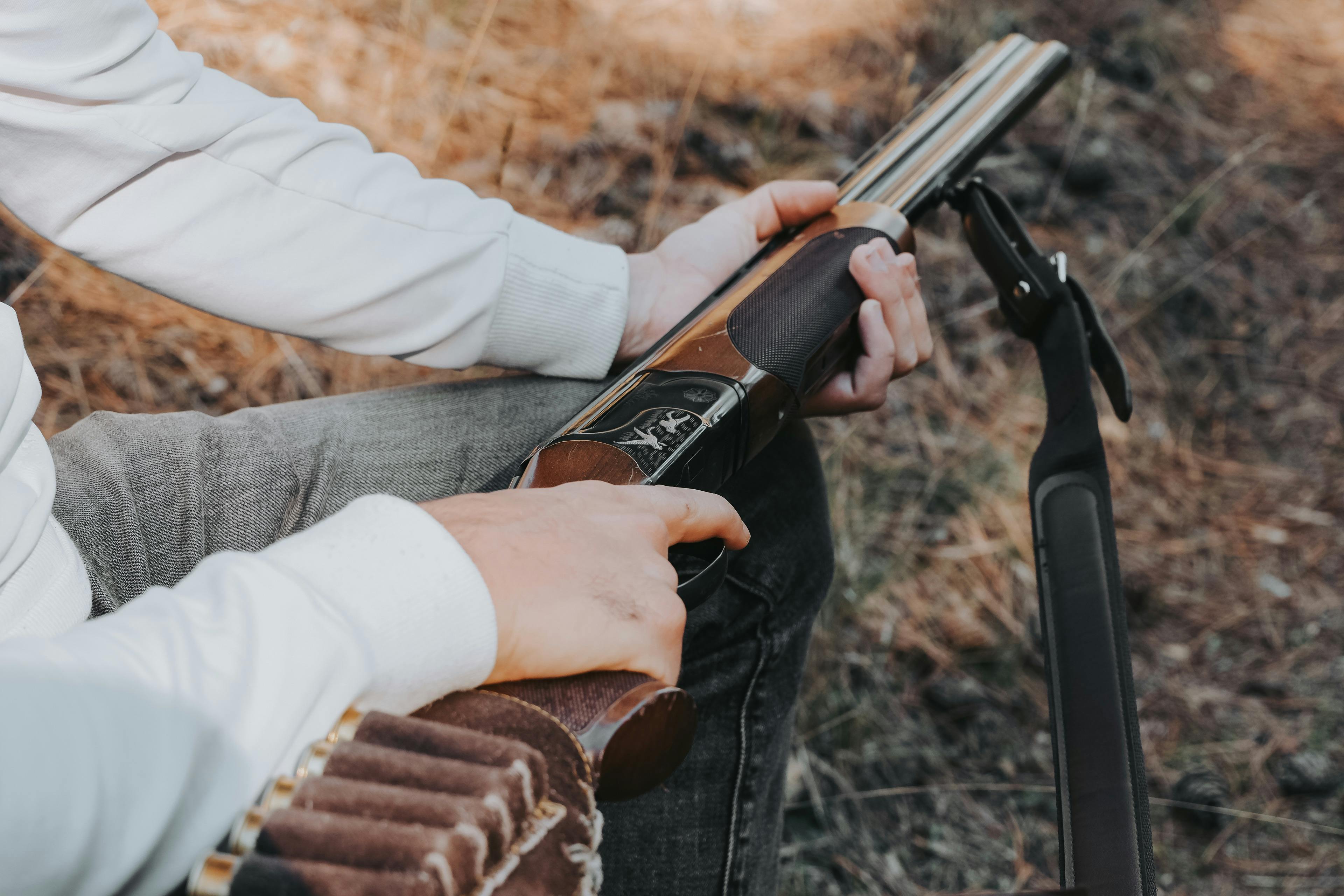
The Savage 99 was one of those rifles that felt ahead of its time. Its rotary magazine and sleek lever-action design gave shooters something different from the usual frontier image, and it became a serious hunting rifle in the hands of people who wanted speed without giving up capability.
It also had a refined look that set it apart. The lines were elegant, the balance was excellent, and the rifle developed a loyal following among hunters who appreciated craftsmanship as much as field performance.
Today, the Model 99 is admired mostly by collectors and dedicated enthusiasts. In a market dominated by synthetic stocks and long-range trends, this once-prominent rifle rarely comes up unless someone is reminiscing about beautifully made American sporting arms.
Colt Woodsman
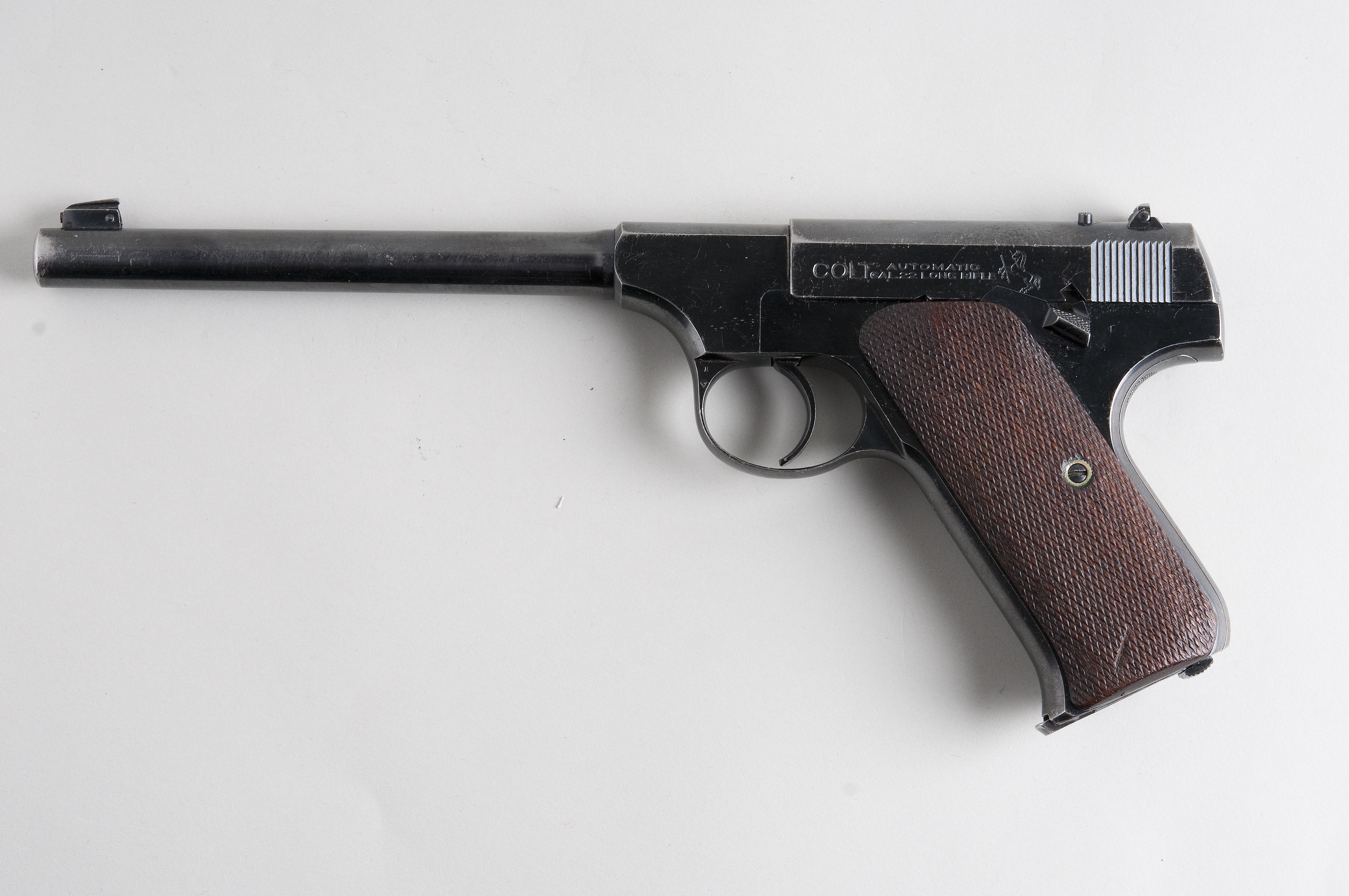
The Colt Woodsman used to be one of the most recognizable .22 pistols in America. It was the kind of handgun people learned on, plinked with on weekends, and tucked into tackle boxes or camp gear for small-game duty and casual target shooting.
What made it memorable was its slim, graceful profile and the sense that it came from an era when even practical guns were built with style. It was accurate, easy to enjoy, and deeply tied to mid-century recreational shooting culture.
Modern rimfire pistols have largely taken over the spotlight, especially designs that are cheaper or easier to customize. The Woodsman still has cachet, but mostly as a collectible reminder of a time when a .22 pistol could become a genuine American classic.
Smith & Wesson Model 10

For much of the 20th century, the Smith & Wesson Model 10 was the service revolver. Police departments issued it in huge numbers, security guards carried it, and many private citizens trusted it because it had a straightforward reputation for doing exactly what it was supposed to do.
Its strengths were plain to see: manageable recoil, dependable operation, and a profile that felt familiar even to people who barely followed firearms. In many communities, this was simply what a handgun looked like.
Semi-automatic pistols changed the entire conversation around sidearms, and revolvers gradually moved out of center stage. The Model 10 is still one of the foundational handguns in American history, but today it is more often remembered than actively talked about.
Browning Auto-5
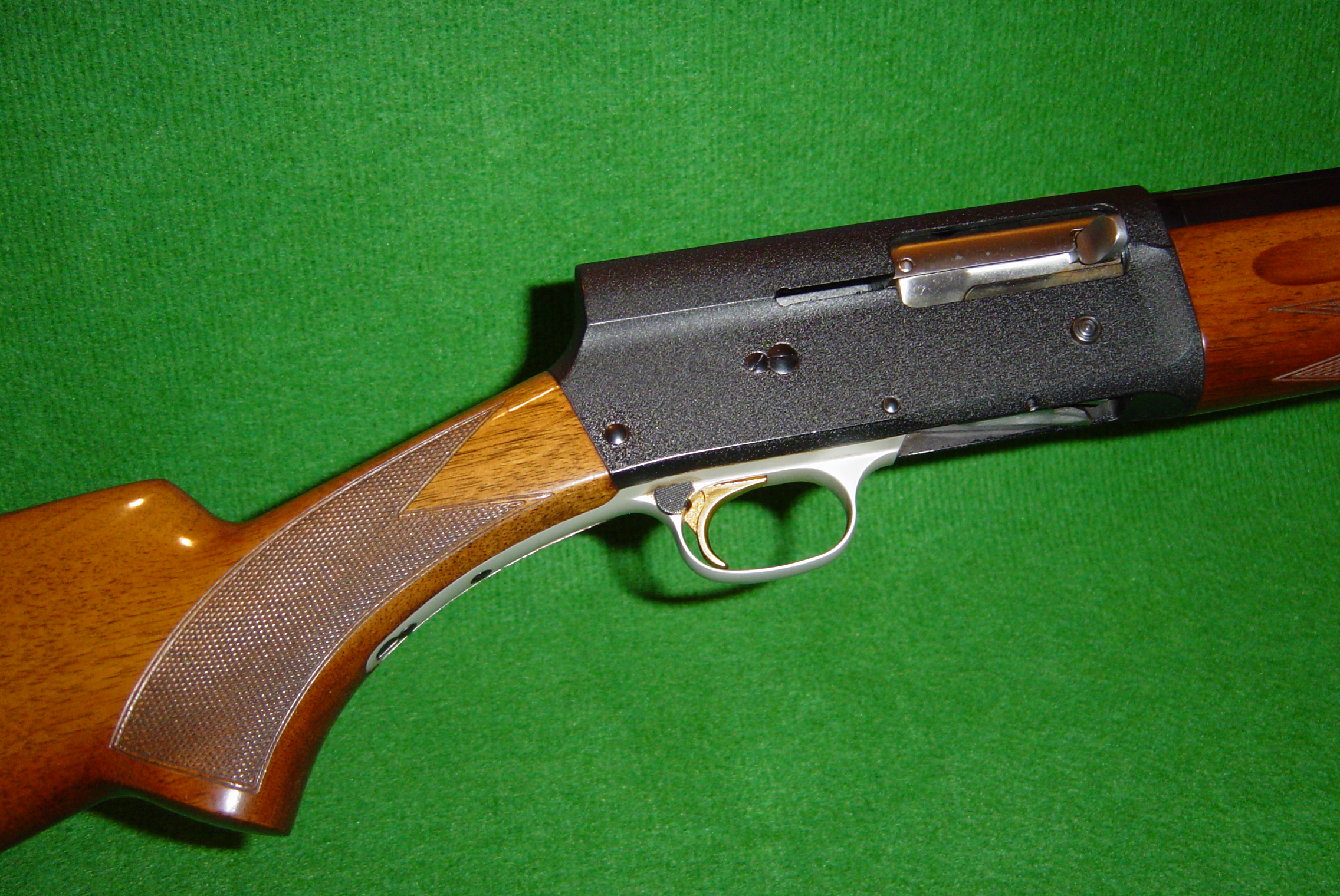
The Browning Auto-5 was once a marvel that seemed to announce the future. Its unmistakable humpback receiver made it instantly recognizable, and for decades it was one of the most influential semi-automatic shotguns in the world.
Hunters and clay shooters respected it because it worked, and because it brought a touch of mechanical sophistication to the field. The design had personality, but it also had staying power, serving generation after generation with remarkable loyalty.
As newer gas-operated and inertia-driven shotguns arrived, the Auto-5 gradually became more of a historic touchstone than a regular topic of conversation. People still know it when they see it, yet it no longer occupies the same commanding place in everyday shotgun talk.
Springfield M1903

The Springfield M1903 was once one of the most respected American rifles ever made. It served in war, trained generations of marksmen, and became a benchmark for accuracy and discipline in an era when bolt-action military rifles defined serious rifle shooting.
It also carried a prestige that extended beyond military use. Surplus examples and sporterized versions kept it in circulation for years, giving civilian shooters a direct connection to martial history and old-school craftsmanship.
Now, when people talk military rifles, the conversation usually jumps to later semi-automatic designs. That shift leaves the M1903 in a curious position: unquestionably important, still admired by historians and collectors, but no longer central to how most people imagine a famous American rifle.
Colt Python

The Colt Python has had moments of renewed visibility, but it once enjoyed a broader, almost mythical popularity in mainstream gun culture. For years, it was the revolver people talked about with a kind of reverence, admired for its finish, trigger, and premium aura.
It wasn’t just another wheelgun. The Python represented a level of fit and polish that made owners feel like they had something special, even if they only brought it out for range trips and careful admiration.
Today, it still has prestige, but the culture around handguns has changed dramatically. High-capacity pistols dominate practical conversation, and the Python often lives more in nostalgia, collecting, and status-driven admiration than in everyday discussion among average shooters.
SKS

The SKS was once one of the most talked-about surplus rifles on the market. Affordable, rugged, and surprisingly handy, it became a gateway firearm for many first-time buyers who wanted a centerfire rifle with military roots but without the price tag of trendier alternatives.
Its charm came from that blend of history and accessibility. The fixed magazine, wood stock, and simple operation gave it a no-nonsense personality, and for years it had a visible place at gun shows, ranges, and behind truck seats.
As the AR-15 market exploded and surplus supplies changed, the SKS slipped out of the spotlight. It still has loyal fans, but it no longer sparks the same widespread excitement it once did among budget-minded shooters and collectors alike.