A firearm can be mechanically sound, correctly assembled, and completely faithful to its published specifications yet still feel surprisingly strange in the hands. The reason is often ergonomics rather than engineering quality. Grip shape, balance, controls, magazine placement, bore height, and overall proportions can dramatically change how familiar a gun feels. The eight examples below stand out because each takes at least one conventional firearm expectation and turns it around. Their unusual handling characteristics are part of what makes them interesting, even when nothing is actually wrong with the gun.
1. FN Five-seveN
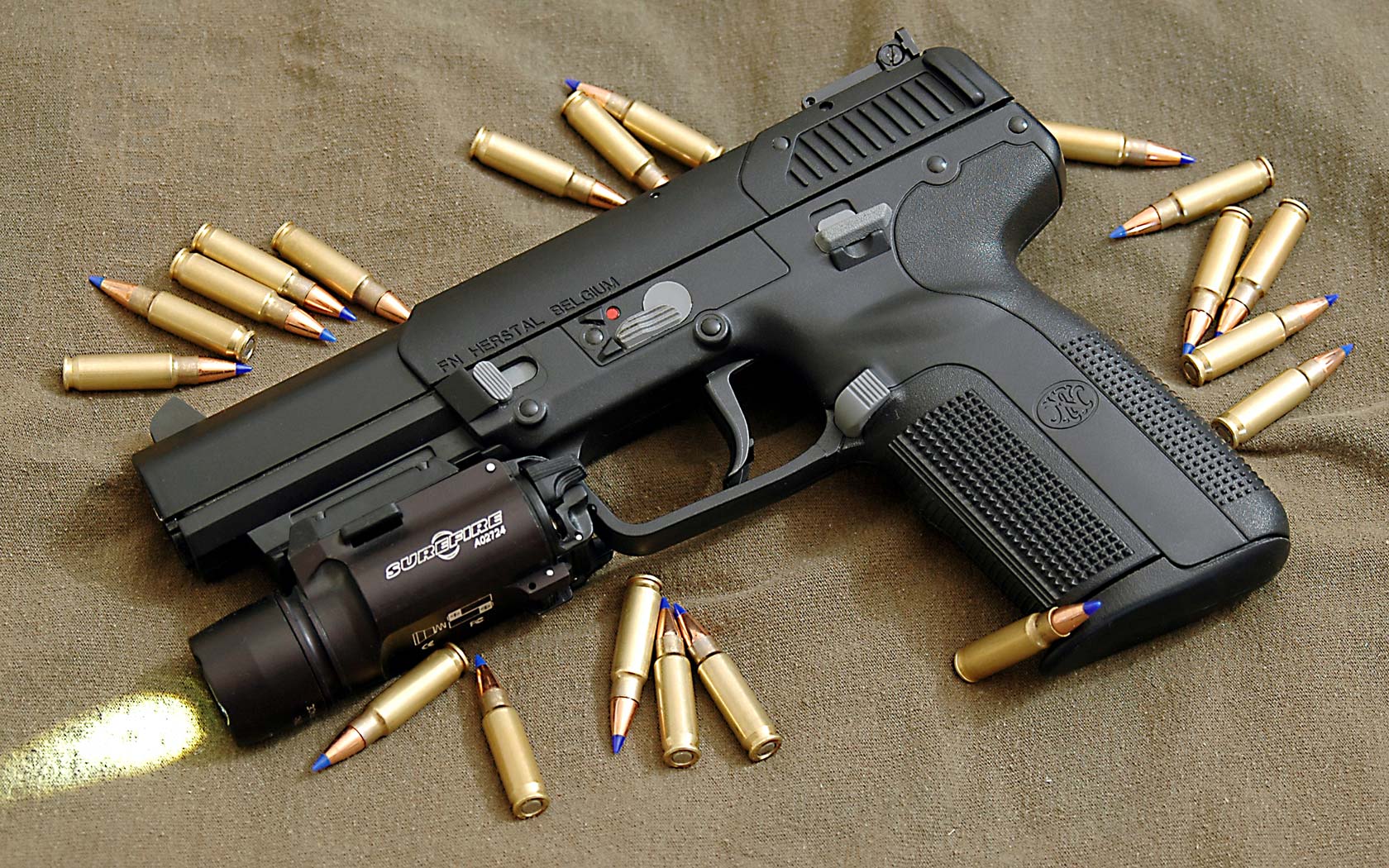
The FN Five-seveN can feel strange because its proportions do not resemble a conventional service pistol. It uses the 5.7×28mm cartridge, has a 20-round standard magazine in many configurations, and weighs roughly 610 g unloaded. The tall slide, long grip, and unusually light recoil can make the pistol seem toy-like to someone accustomed to heavier 9mm designs. None of that means it is defective. The unusual sensation comes from its dimensions, balance, and cartridge choice working together. A shooter may find the controls familiar but still dislike how the pistol points or fills the hand. It is a good example of a firearm that can pass every specification check while simply feeling unfamiliar.
2. Desert Eagle
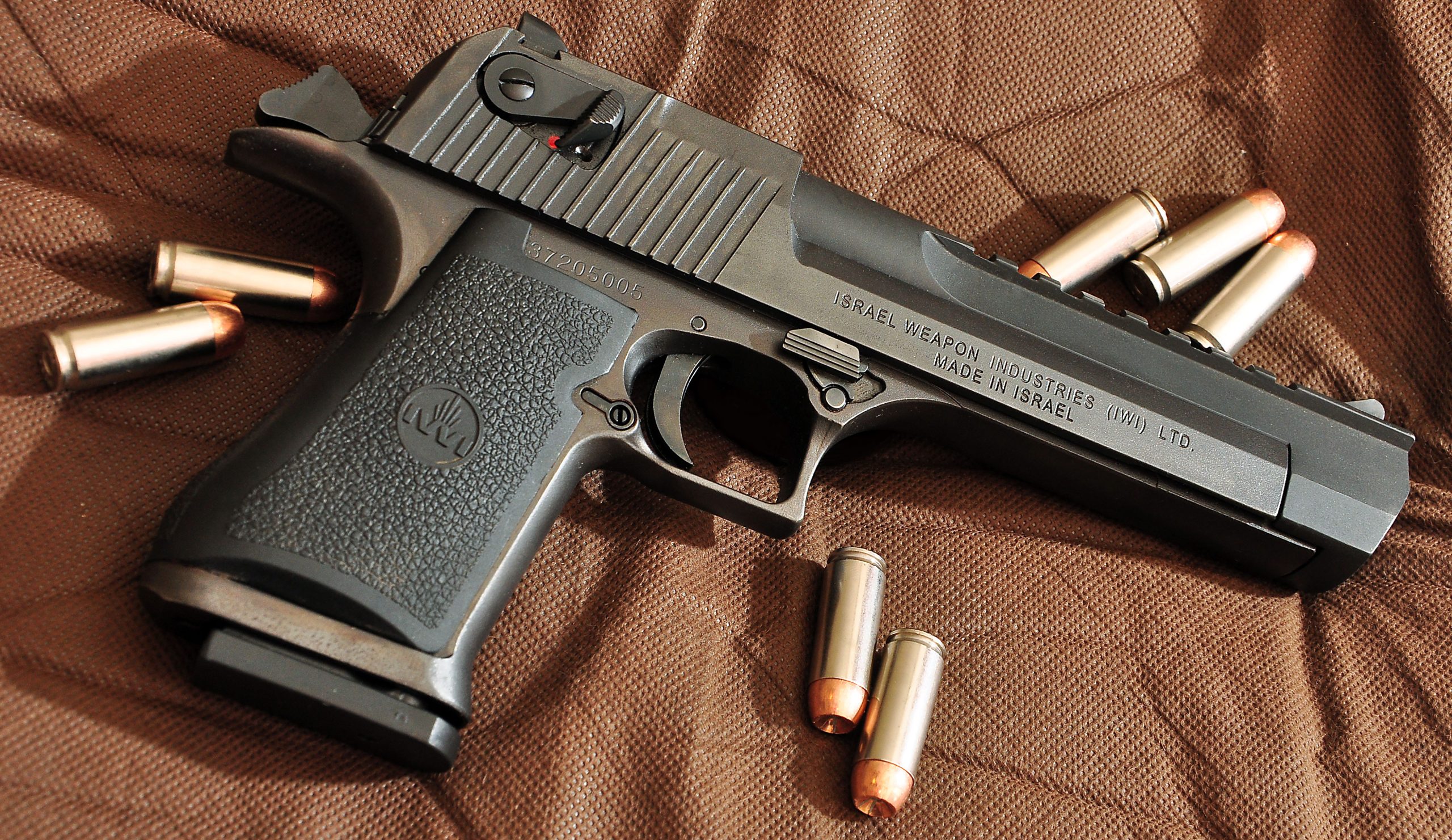
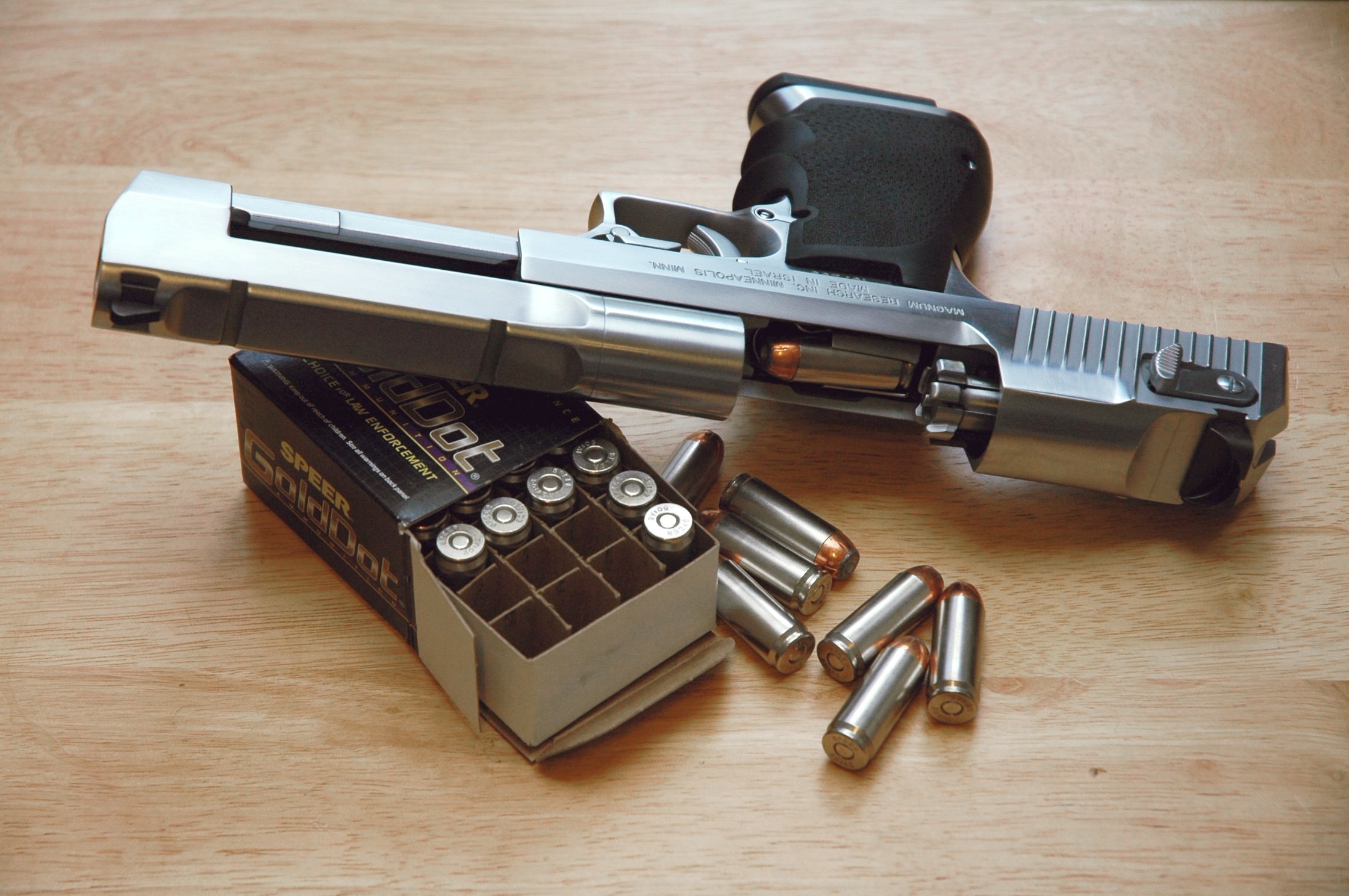
The Desert Eagle can feel wrong before it ever fires because its size changes what a shooter expects from a handgun. Depending on chambering and configuration, it can weigh well over 1.5 kg and use large cartridges such as .50 Action Express. Its wide frame, long slide and substantial grip make it feel closer to a specialized hunting or sporting handgun than an everyday sidearm. The weight can soften recoil, but it also changes how quickly the gun moves between targets and how naturally it sits in the hand. A technically sound example may therefore feel awkward without having any mechanical problem. The mismatch is mostly between the shooter’s expectations and the pistol’s unusually large physical package.
3. Kel-Tec P50
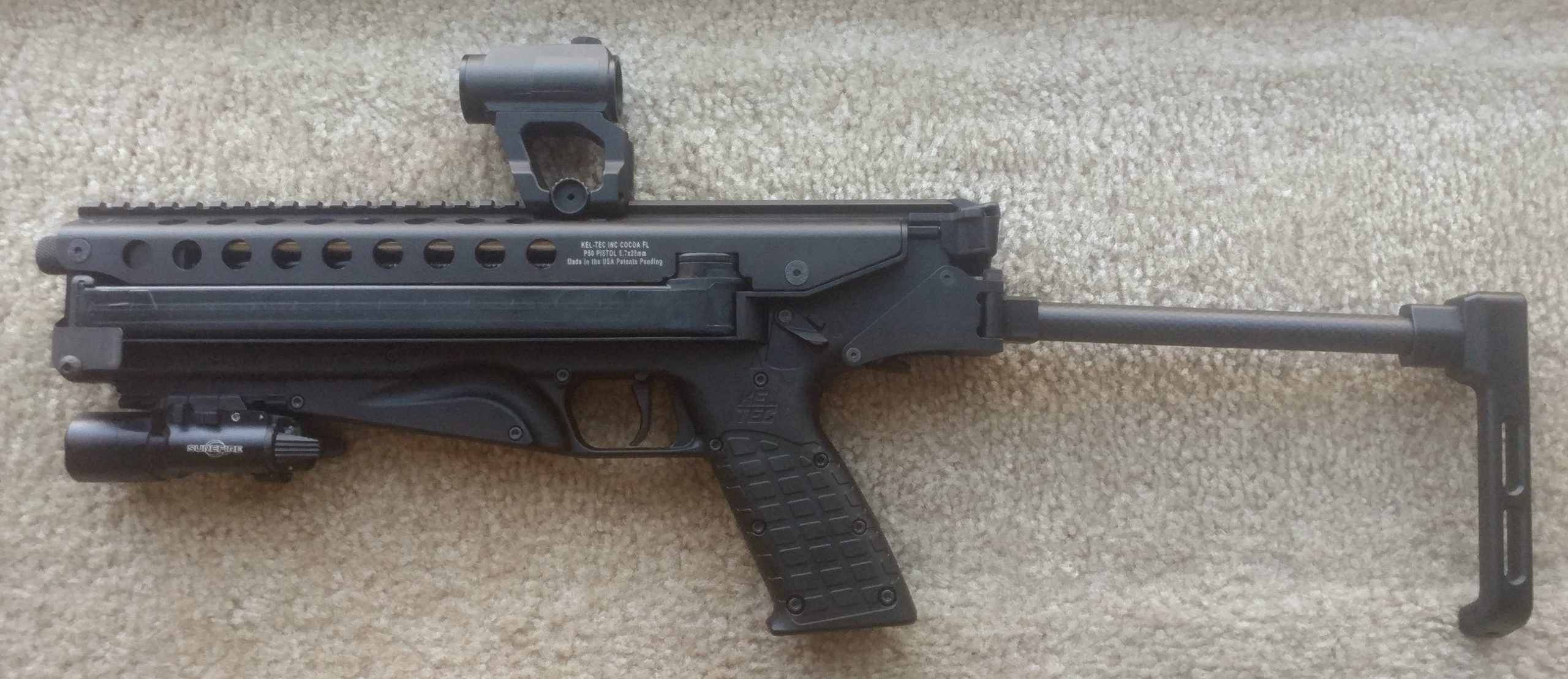
The Kel-Tec P50 feels unconventional because its entire layout is built around the FN P90’s 5.7×28mm cartridge and magazine. The firearm accepts a 50-round P90-style magazine and uses a horizontal magazine position rather than the familiar vertical pistol-magazine arrangement. That creates a very different balance and loading routine from ordinary carbines or pistols. Its appearance can also make the controls seem less intuitive during a first handling session. These traits do not automatically indicate poor quality. They simply mean the design prioritizes a specific magazine and cartridge system over traditional ergonomics. Someone used to conventional layouts may find the P50 awkward even when its mechanical operation and specifications are exactly as advertised.
4. Chiappa Rhino
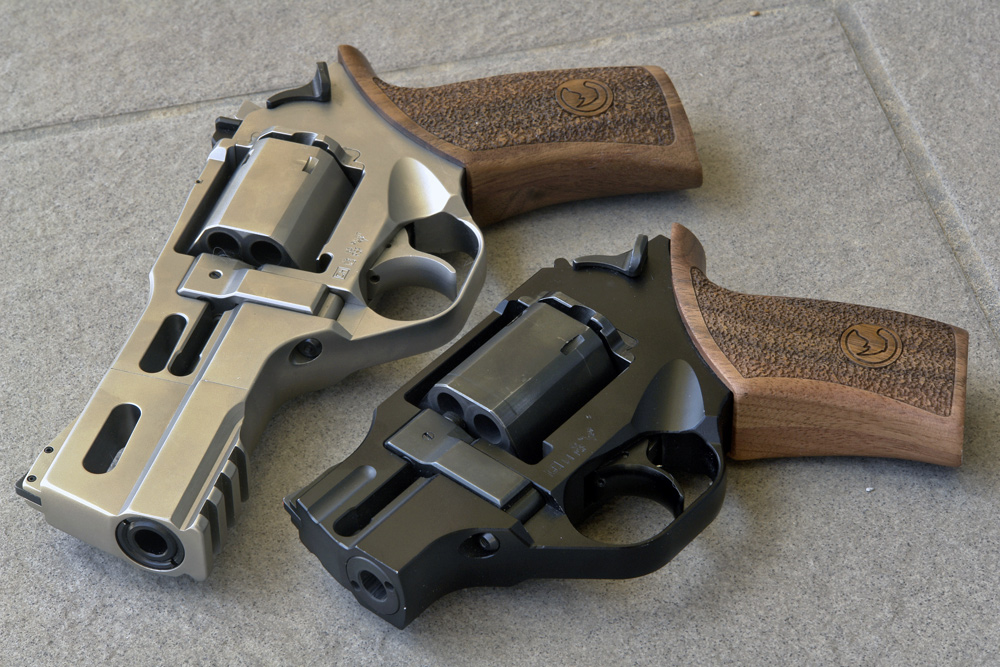
The Chiappa Rhino can feel wrong because its appearance suggests a conventional revolver while its firing geometry is different. The Rhino’s barrel aligns with the bottom chamber of the cylinder, placing the bore lower than on most traditional revolvers. That layout is intended to reduce muzzle rise and change the recoil impulse. Models vary in barrel length, caliber and capacity, but many use six-shot cylinders. The low bore axis gives the revolver a noticeably different balance and grip angle, while its squared cylinder and angular frame reinforce the unfamiliar impression. A properly functioning Rhino can therefore feel unusual simply because nearly every visual cue says revolver while several handling characteristics depart from the classic pattern.
5. Steyr AUG
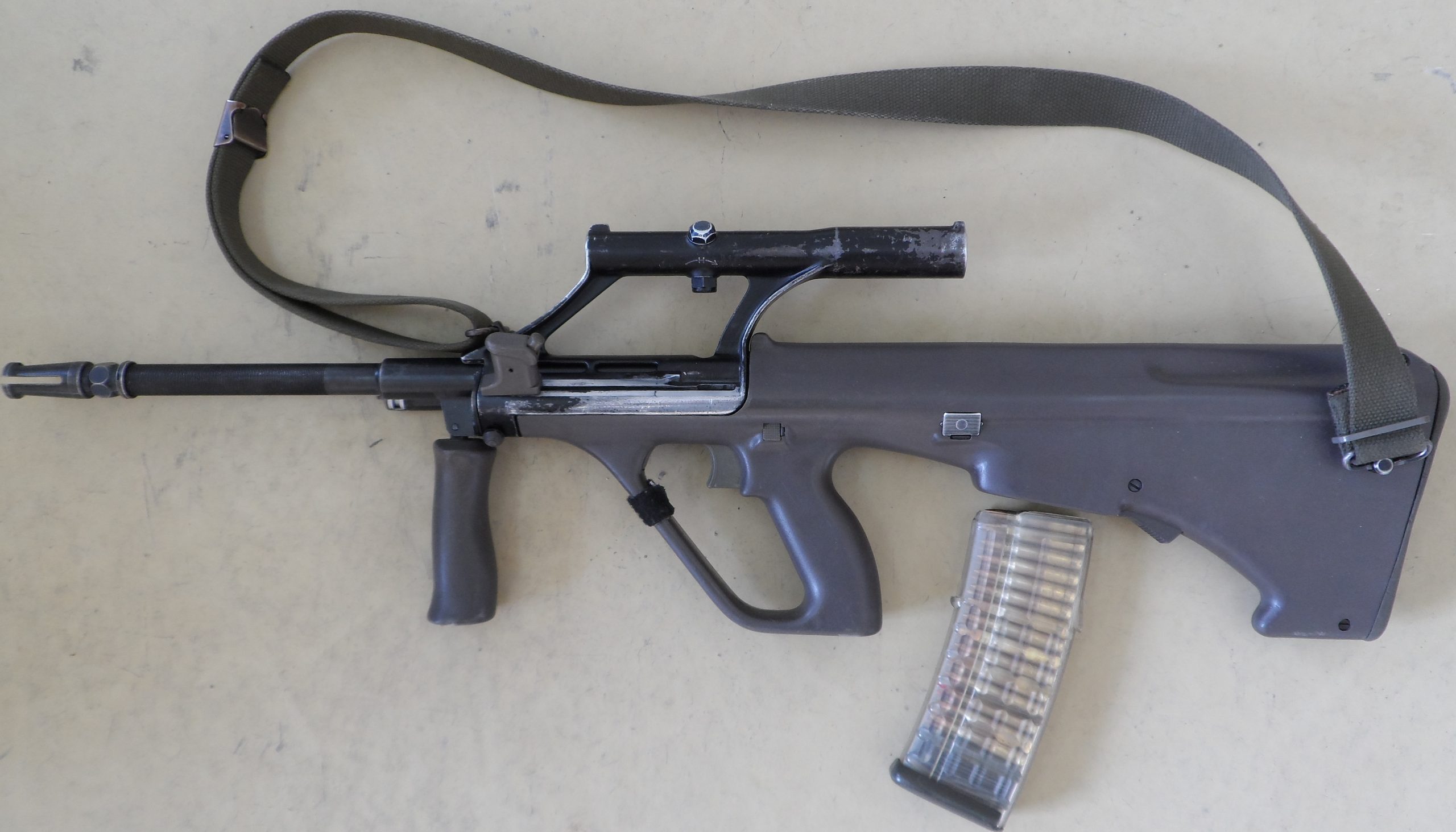
The Steyr AUG can feel unusual even when every major specification is correct because its bullpup layout moves the action behind the trigger. That allows a relatively short overall package without giving up a long barrel. Standard AUG configurations commonly use a 5.56×45mm NATO chambering, and the rifle’s integrated optic housing and distinctive stock create a very different relationship between the shooter’s hands, face and controls. Magazine access is farther back than on a conventional AR-style rifle. None of this is a flaw, but it can make the rifle seem rear-heavy or unfamiliar during the first handling session. The AUG demonstrates how a different layout can change the physical impression of a perfectly functional firearm.
6. FN P90
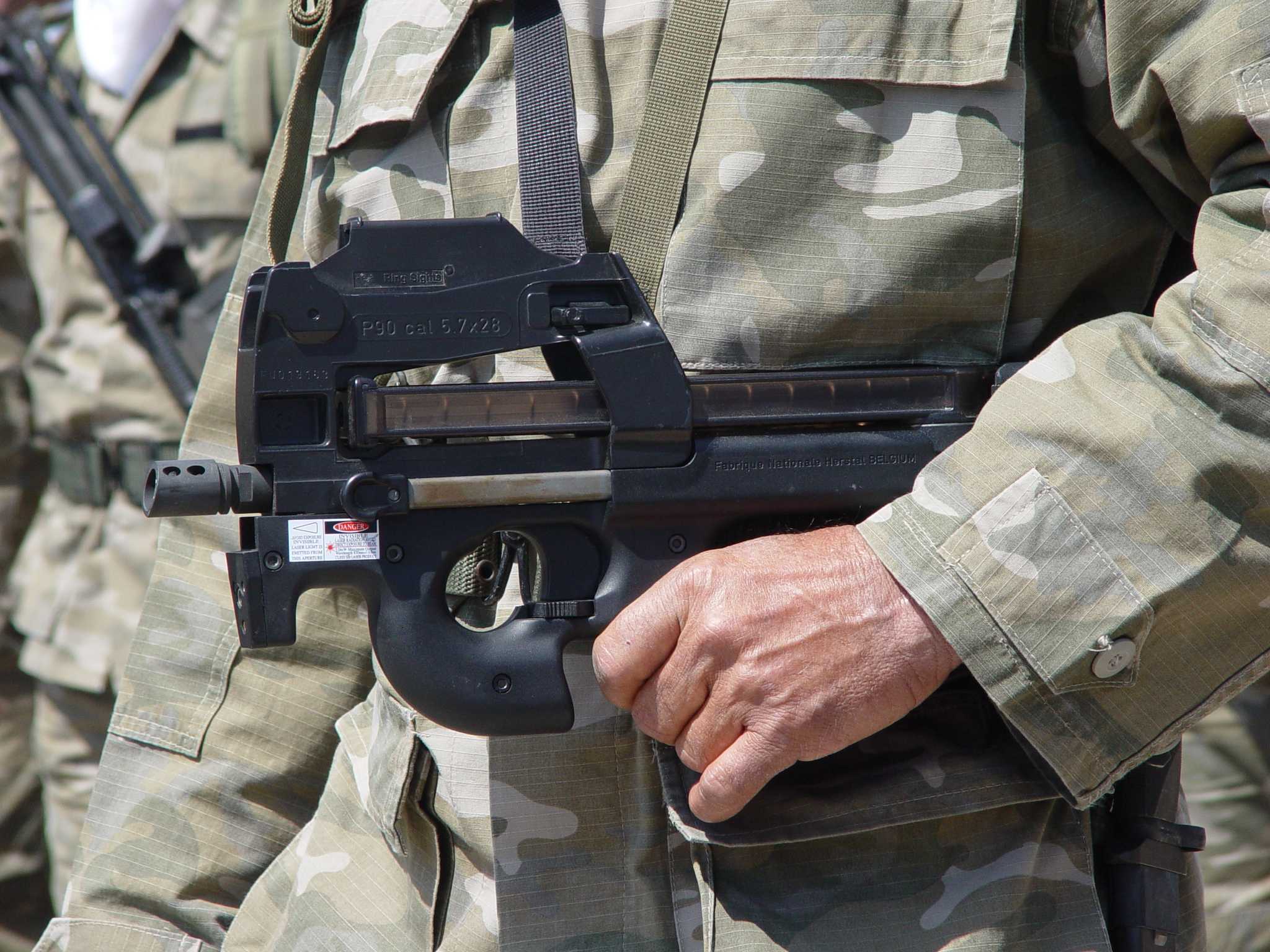
The FN P90 feels unlike a conventional carbine because its compact design places the magazine horizontally along the top of the receiver. Chambered for 5.7×28mm, the platform uses a 50-round magazine and feeds ammunition through a mechanism that rotates cartridges into the chambering position. Its short overall length and unusual magazine arrangement make it immediately recognizable. The controls are also positioned around a compact bullpup-style package, so shooters accustomed to AR-pattern rifles may need time to understand the layout. A correctly functioning P90 can therefore feel almost backwards at first contact. The sensation comes from its specialized engineering, not necessarily from a defect or incorrect specification.
7. H&K G11
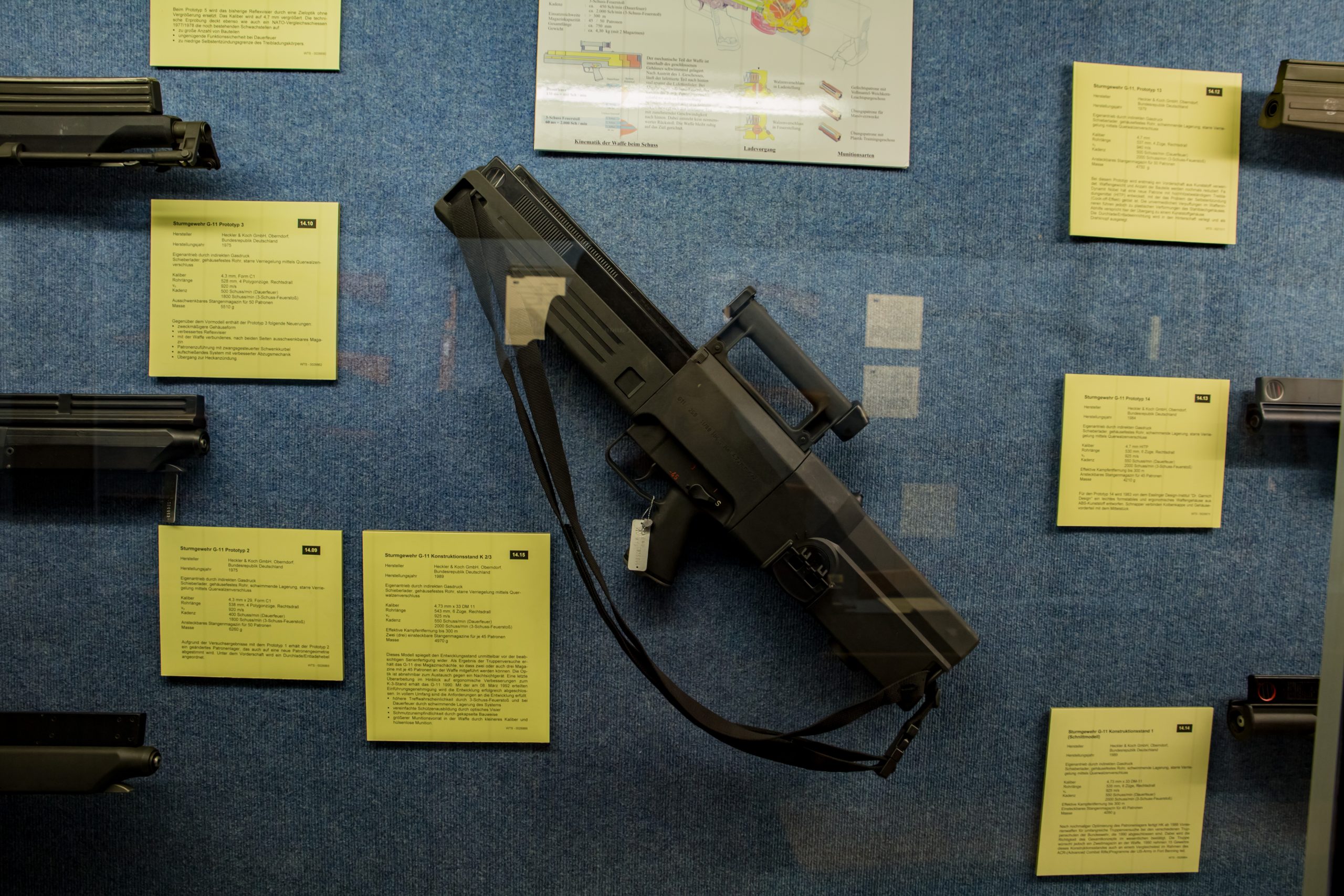
The Heckler & Koch G11 is a classic example of a firearm that can seem wrong because its engineering departed dramatically from conventional rifle design. The experimental rifle used caseless 4.73×33mm ammunition and a rotating chamber rather than the familiar cartridge-and-bolt arrangement. Some versions were designed around a 50-round magazine, and the weapon was developed for exceptionally high burst rates. Its internal mechanism and ammunition concept made it look and operate unlike ordinary service rifles. Yet the strange appearance was intentional. The G11 never became a standard-issue success, but its unusual specifications were tied to a coherent engineering goal. Sometimes a firearm feels incorrect precisely because its designers were trying to solve familiar problems in unfamiliar ways.
8. AR-7 Survival Rifle
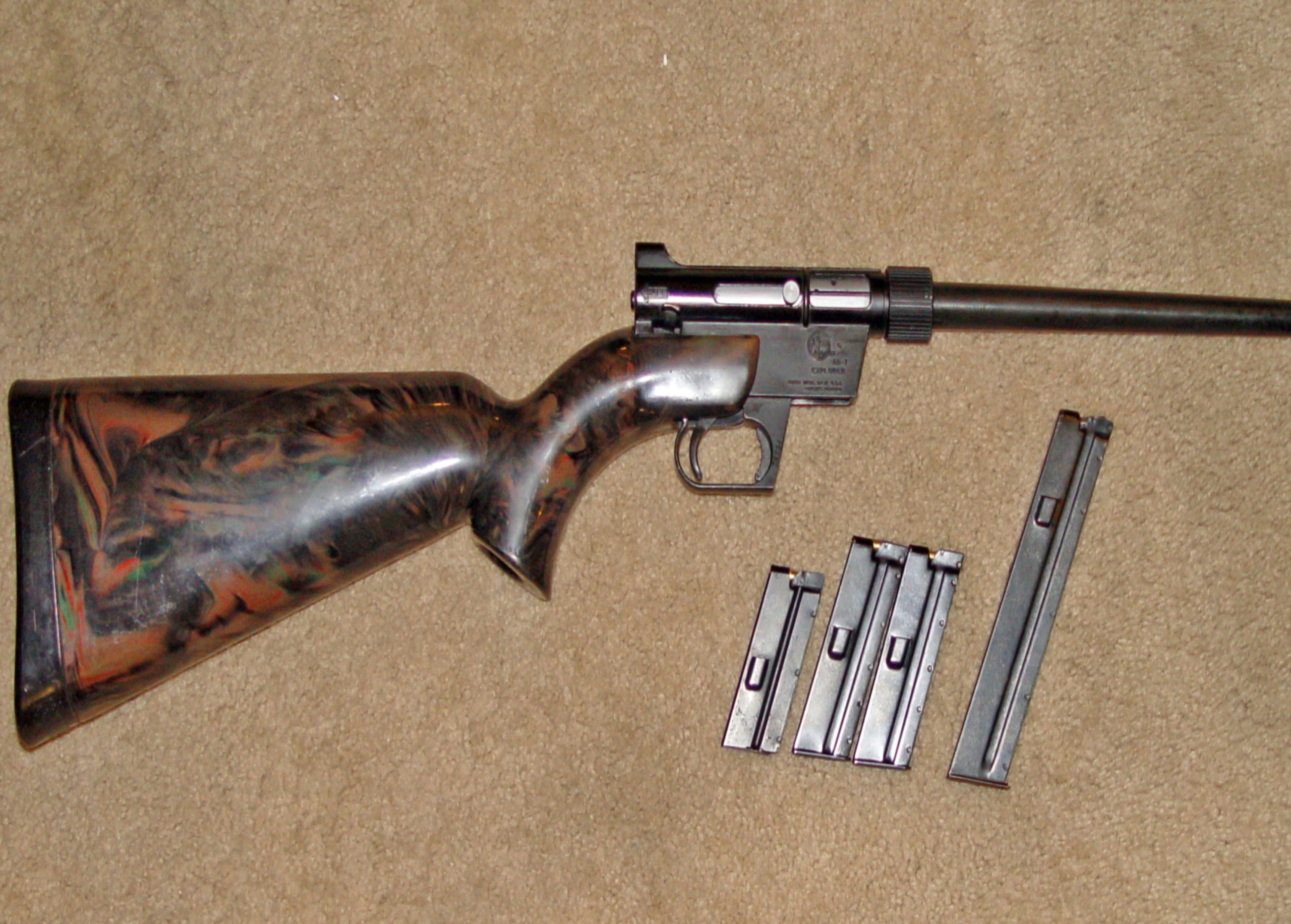
The AR-7 can feel oddly balanced because it was designed around portability rather than the handling characteristics of a conventional sporting rifle. Chambered in .22 Long Rifle, the semiautomatic design uses detachable magazines and was built so its major components could be stored inside its hollow stock on many versions. That unusual storage concept changes the rifle’s proportions and weight distribution. A typical configuration may also use a relatively light barrel and compact receiver, reinforcing the unusual feel. None of those traits indicate that the rifle is improperly assembled. The AR-7 simply reflects a different priority: making a rimfire survival firearm easy to transport and pack. Its unusual feel is therefore closely tied to its original purpose.