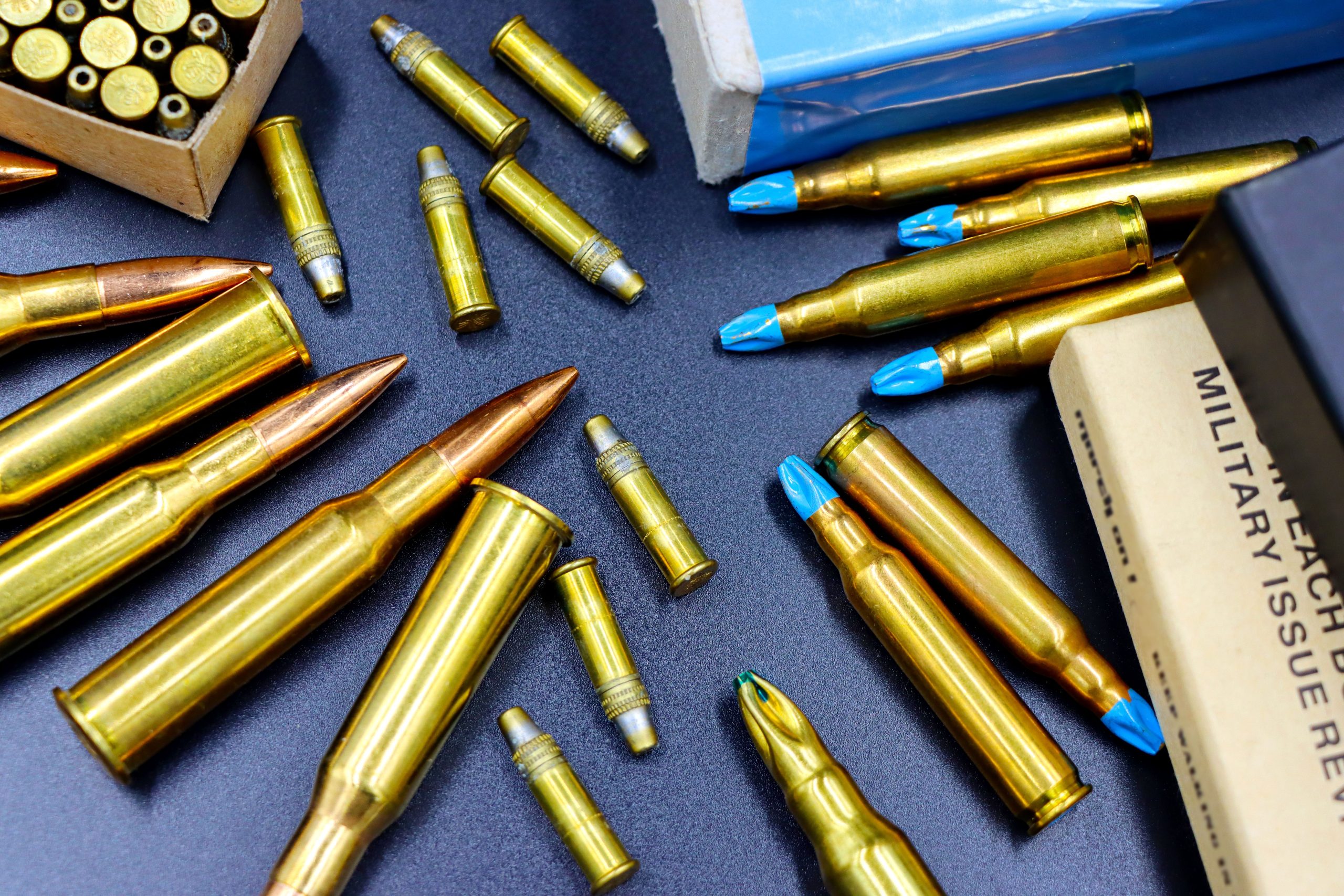
A modern cartridge is the result of several separate manufacturing processes coming together with remarkable consistency. Brass must be shaped into a case, the projectile formed to precise dimensions, and the ignition and propellant components assembled under controlled conditions. Factory ammunition is also subjected to dimensional, pressure, velocity, function, and other quality checks. The exact sequence varies by cartridge and manufacturer, but the basic journey reveals how much engineering is hidden inside one finished round.
1. Brass Begins as the Foundation of the Cartridge
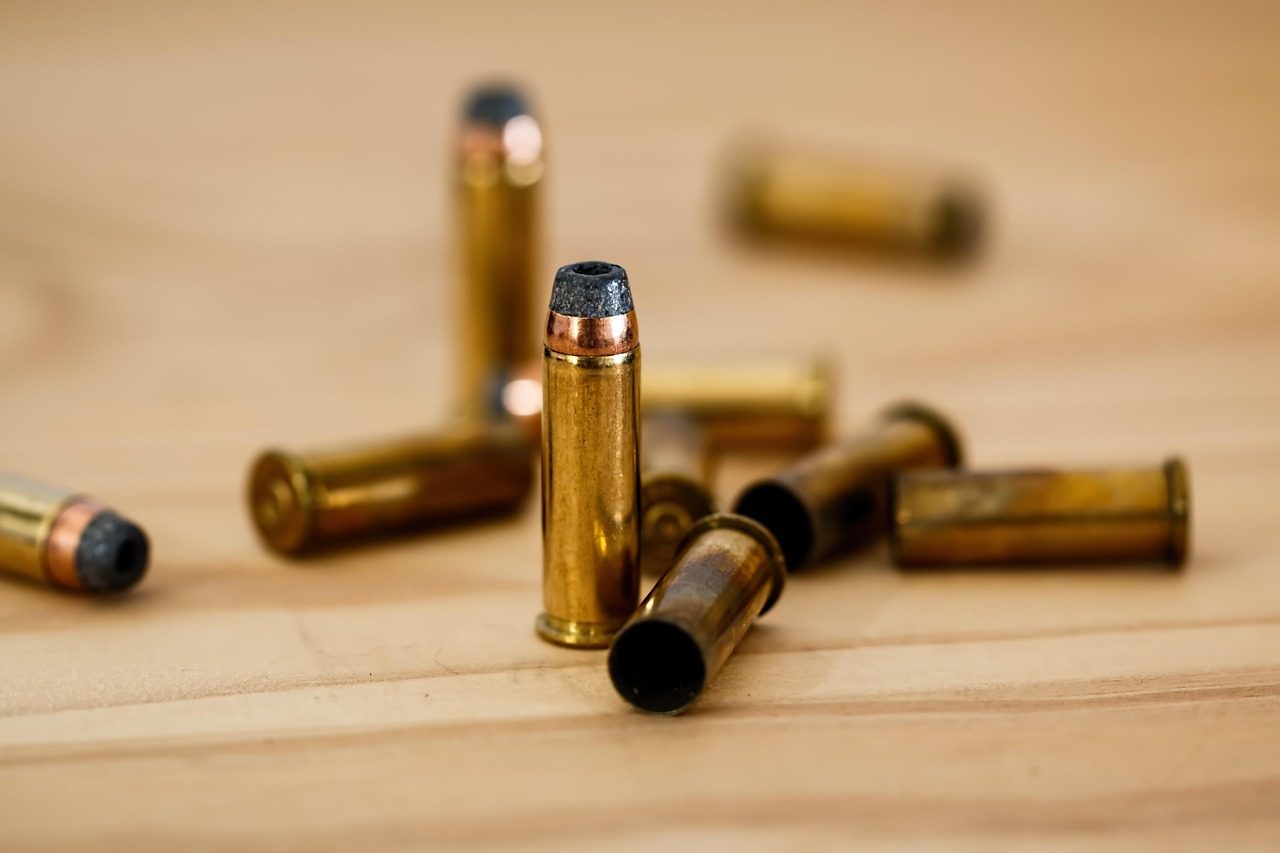
For many centerfire cartridges, the case begins with brass cups rather than a finished cylinder. Cartridge brass is commonly a copper and zinc alloy, and manufacturing gradually changes a short cup into the familiar case shape. Drawing dies reduce the diameter while increasing the length, sometimes through several stages. Longer cases can require intermediate annealing because repeated deformation hardens the metal. A typical production route can involve 1 to 5 drawing operations, depending on the case design. The finished case must balance strength with enough flexibility for reliable feeding and extraction.
2. The Case Head Is Built for Strength and Identification
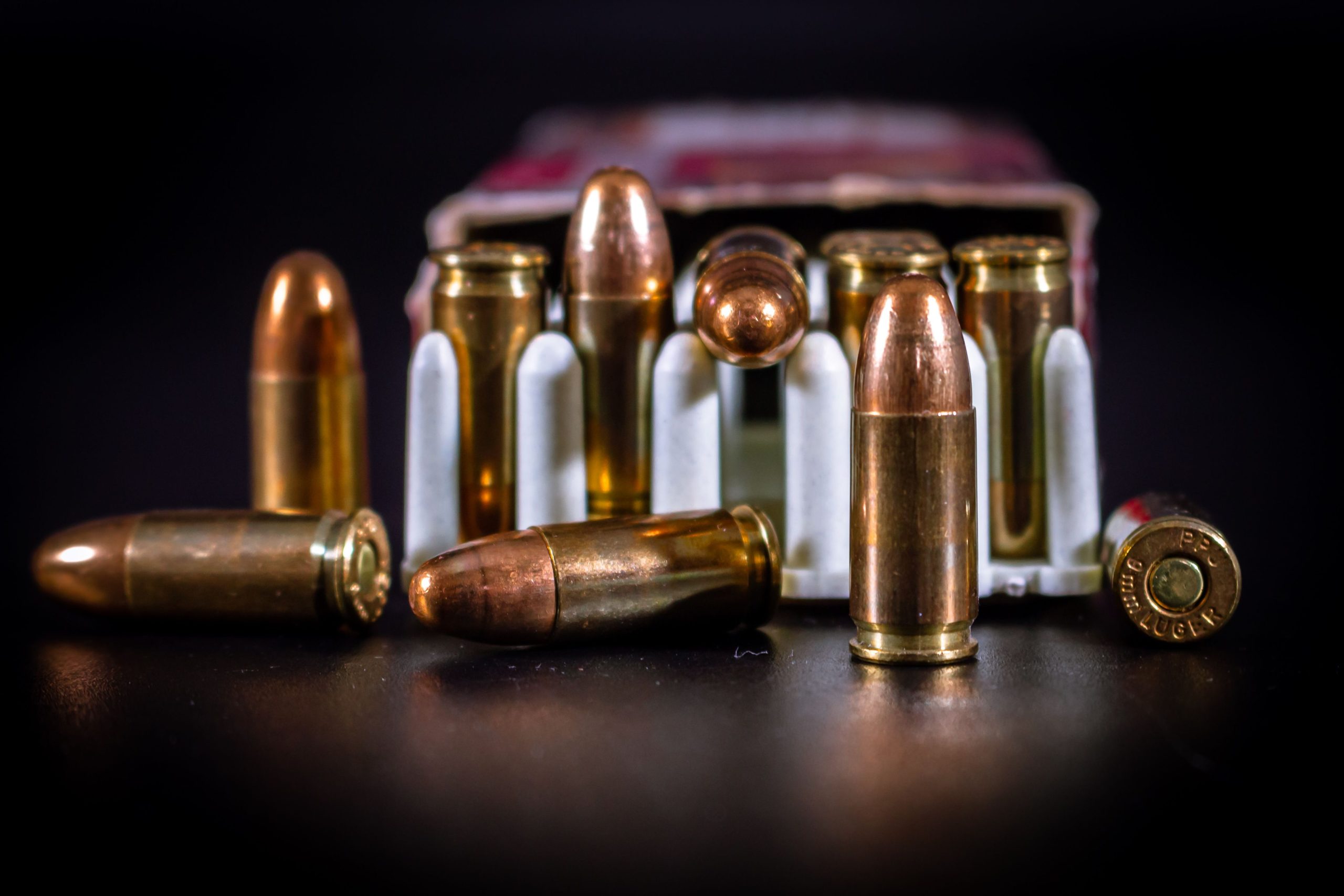
The open brass cup is not yet a functional cartridge case. Its base is progressively formed to create the head, primer pocket, rim, or extraction features, depending on the cartridge design. Manufacturers also add a headstamp that can identify the maker and cartridge designation. The body, shoulder, neck, and final length are then brought within specified dimensions. These details matter because ammunition must fit the intended chamber correctly. Even a tiny dimensional difference can affect feeding, extraction, or safe operation. A finished case therefore represents many controlled forming stages rather than one simple stamping operation.
3. Annealing Keeps the Brass From Becoming Too Brittle
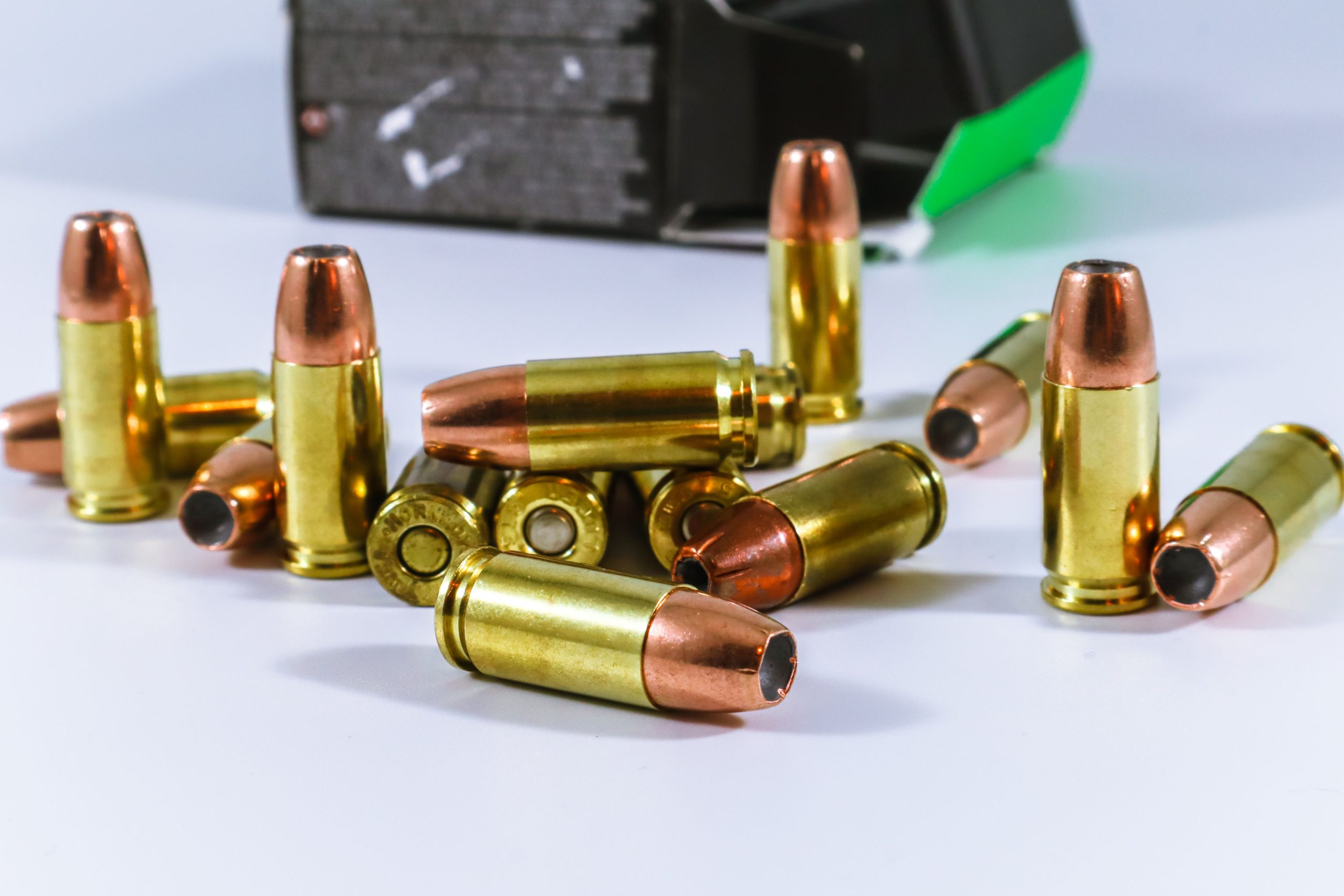
Repeatedly forcing brass through forming dies changes its mechanical properties. Annealing is used during production to restore ductility so the material can undergo additional forming without cracking. Manufacturers carefully control where and when this treatment occurs because different portions of a case have different jobs. The mouth needs appropriate flexibility, while the head must remain substantially stronger. Depending on the cartridge, a cup may pass through several drawing stages with heat treatment between them. This seemingly quiet step is crucial because consistent metal properties help produce cases that withstand firing pressure and then function reliably during extraction.
4. The Bullet Starts With a Core and a Metal Jacket
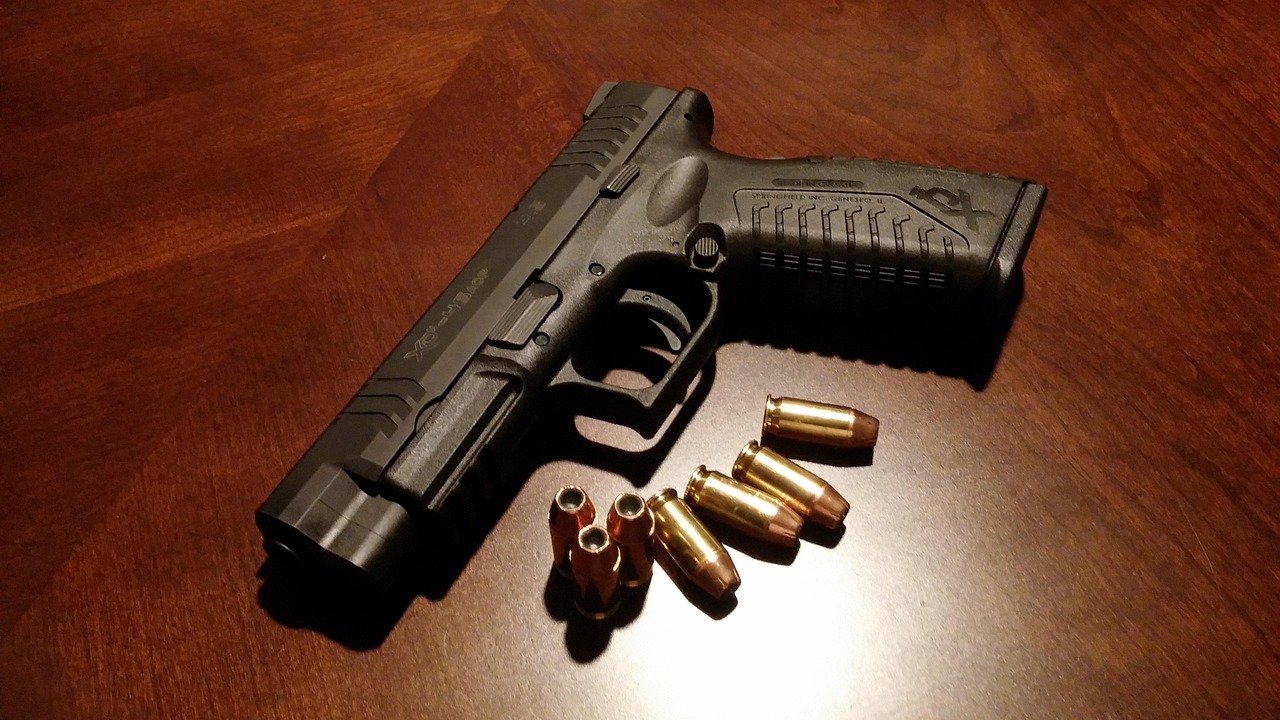
A jacketed projectile is normally produced separately from the cartridge case. Lead, or another suitable core material, is formed to a controlled size, while copper or copper alloy becomes the outer jacket. Manufacturing can involve forming jacket cups, drawing them to shape, inserting the core, and then using additional forming operations to establish the finished profile. Different projectile designs use different constructions, so there is no single universal recipe. The important point is that the bullet is engineered as its own component before it ever meets the case. Its dimensions, weight, shape, and construction all contribute to final ammunition performance.
5. The Primer Provides the Initial Ignition
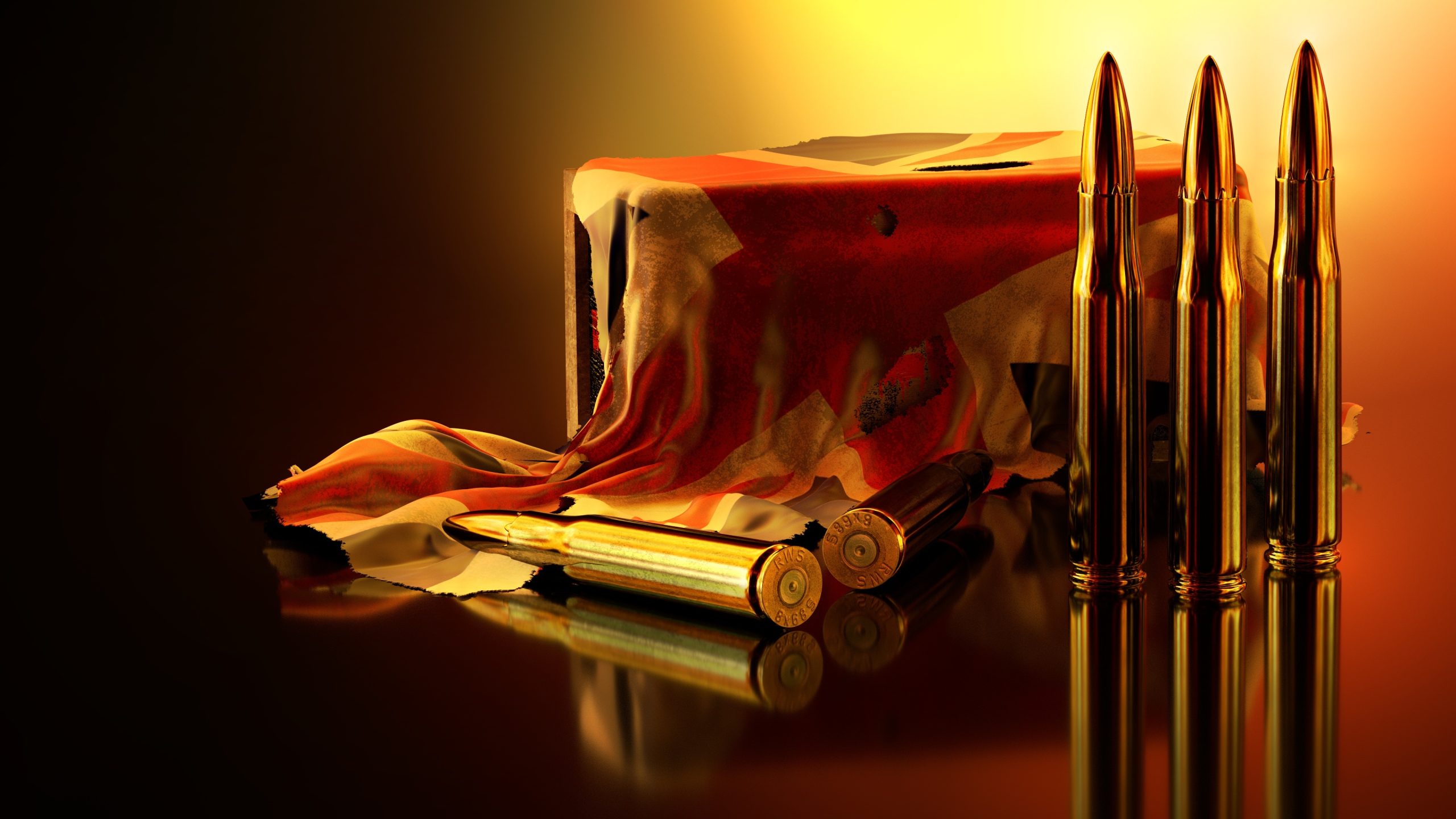
Centerfire ammunition uses a primer positioned in a pocket at the rear of the cartridge case. The primer contains an impact-sensitive initiating composition and an internal anvil that helps create the necessary ignition when struck. Because primer manufacture and handling involve energetic materials, commercial production uses specialized equipment and strict controls. The primer is installed into the prepared case rather than being treated as an ordinary metal component. In a finished cartridge, this small assembly performs a critical job: it provides the initial ignition that starts the propellant’s controlled burn. Its size may be tiny, but its reliability is fundamental to the entire cartridge.
6. Propellant Is Added Under Carefully Controlled Conditions
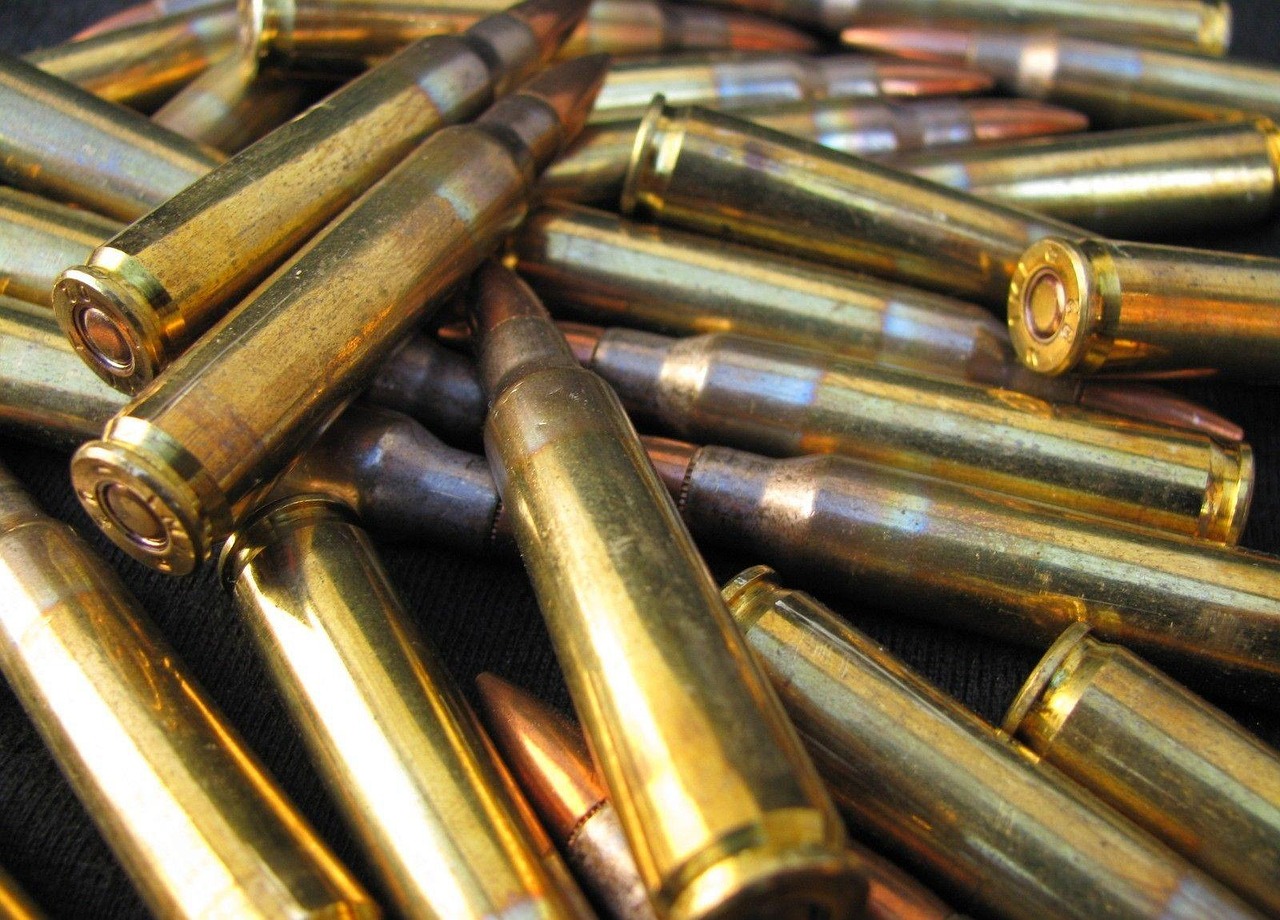
Once the case and primer are prepared, propellant becomes another major component of the cartridge. Modern smokeless propellant is designed to burn rapidly inside the chamber and generate controlled gas pressure that drives the projectile forward. Commercial loading equipment measures the intended quantity and uses inspection systems to detect problems. Manufacturers also evaluate ammunition under controlled pressure and velocity testing because cartridge performance depends on far more than simply getting powder into a case. The specific formulation and charge are tightly controlled manufacturing information, not interchangeable recipes. That consistency is what helps factory ammunition produce repeatable results from round to round.
7. Bullet Seating Turns Separate Components Into One Cartridge

After the case, primer, propellant, and projectile are prepared, the components are brought together during loading. The bullet is positioned in the case mouth at a specified depth, producing the finished cartridge’s overall dimensions. Depending on the design, the case mouth may also receive a crimp or other retention feature. This stage requires consistency because cartridge length and bullet positioning influence feeding and chambering. Manufacturers monitor dimensions during production rather than simply assuming every completed round is identical. One finished cartridge may look simple from the outside, yet its final form reflects numerous carefully controlled measurements performed throughout the manufacturing process.
8. Machines Inspect Dimensions Before the Round Leaves the Factory
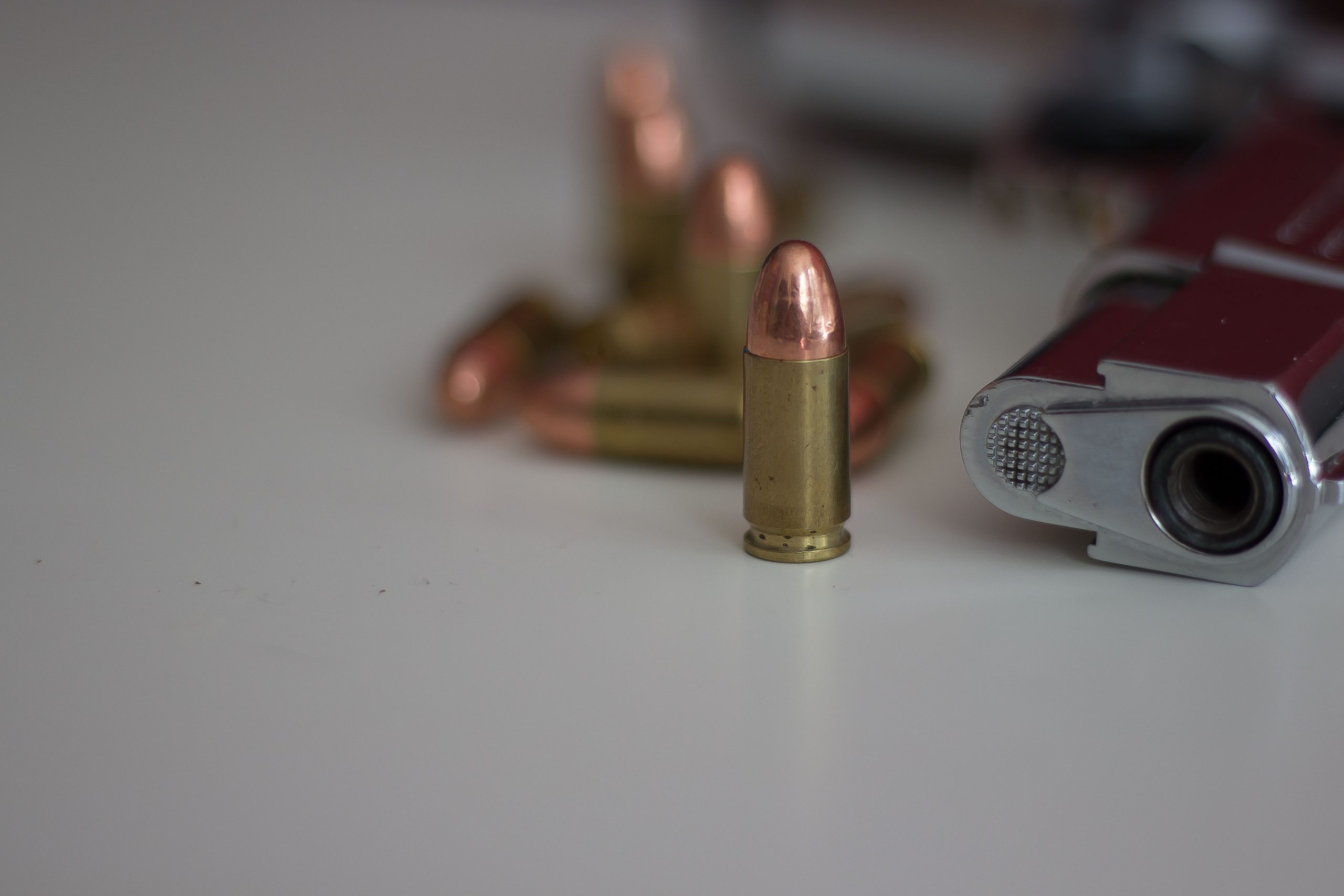
Quality control is not limited to looking at a finished cartridge. Manufacturers can check case dimensions, primer position, overall length, projectile alignment, powder presence, and other characteristics during production. Some modern facilities combine cameras, lasers, gauges, and sampling procedures to identify defects. Testing can also examine pressure, velocity, function, accuracy, and appearance. Because firing a cartridge destroys the sample, statistical sampling is important when evaluating production lots. In other words, a factory does not simply assemble ammunition and put it in a box. Multiple inspection stages are used to verify that the finished product meets established specifications.
9. The Finished Round Is the Result of Many Separate Checks
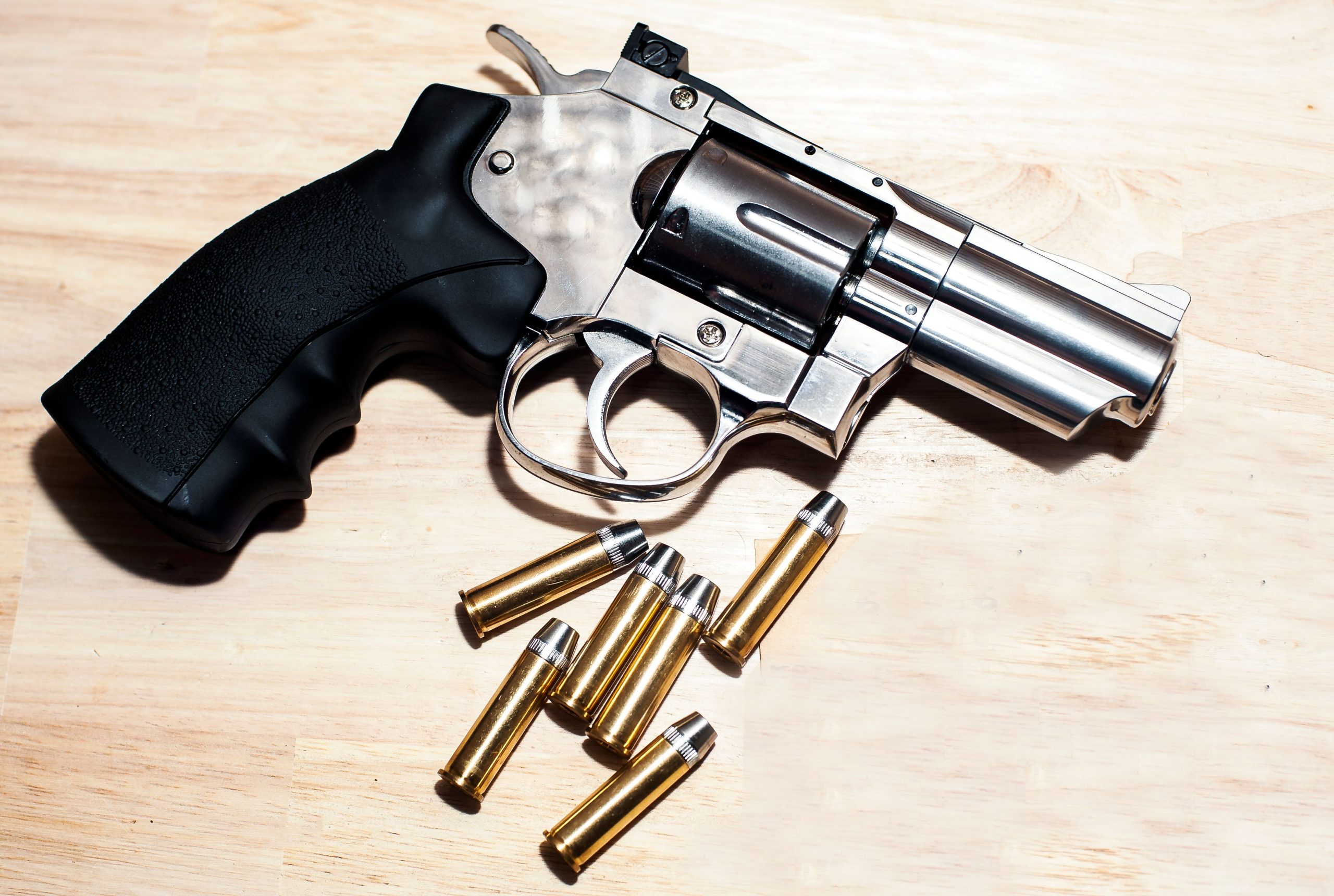
The final cartridge represents the convergence of several independently controlled components. A typical centerfire round contains 4 principal physical elements: case, primer, propellant, and projectile. Each must be compatible with the others and with the intended firearm and cartridge specification. Manufacturers use established dimensional and performance standards to promote safety, reliability, and interchangeability. Lot identification also allows production batches to be tracked. Before ammunition reaches consumers, selected samples may undergo ballistic testing and final inspection. What looks like one simple metallic object is therefore the final product of forming, heat treatment, assembly, measurement, testing, and packaging.