Duck hunting can change dramatically depending on the species, the habitat, and the conditions on a particular day. Some ducks travel in fast-moving flocks over open water, while others slip through timber, marshes, or narrow channels where visibility is limited. Identifying birds correctly is just as important as understanding their flight patterns and feeding habits. Weather, migration timing, and local food sources can all influence where ducks gather and how they move. Learning the differences between species helps hunters understand why one approach may work in a particular setting but prove ineffective somewhere else.
1. Mallard
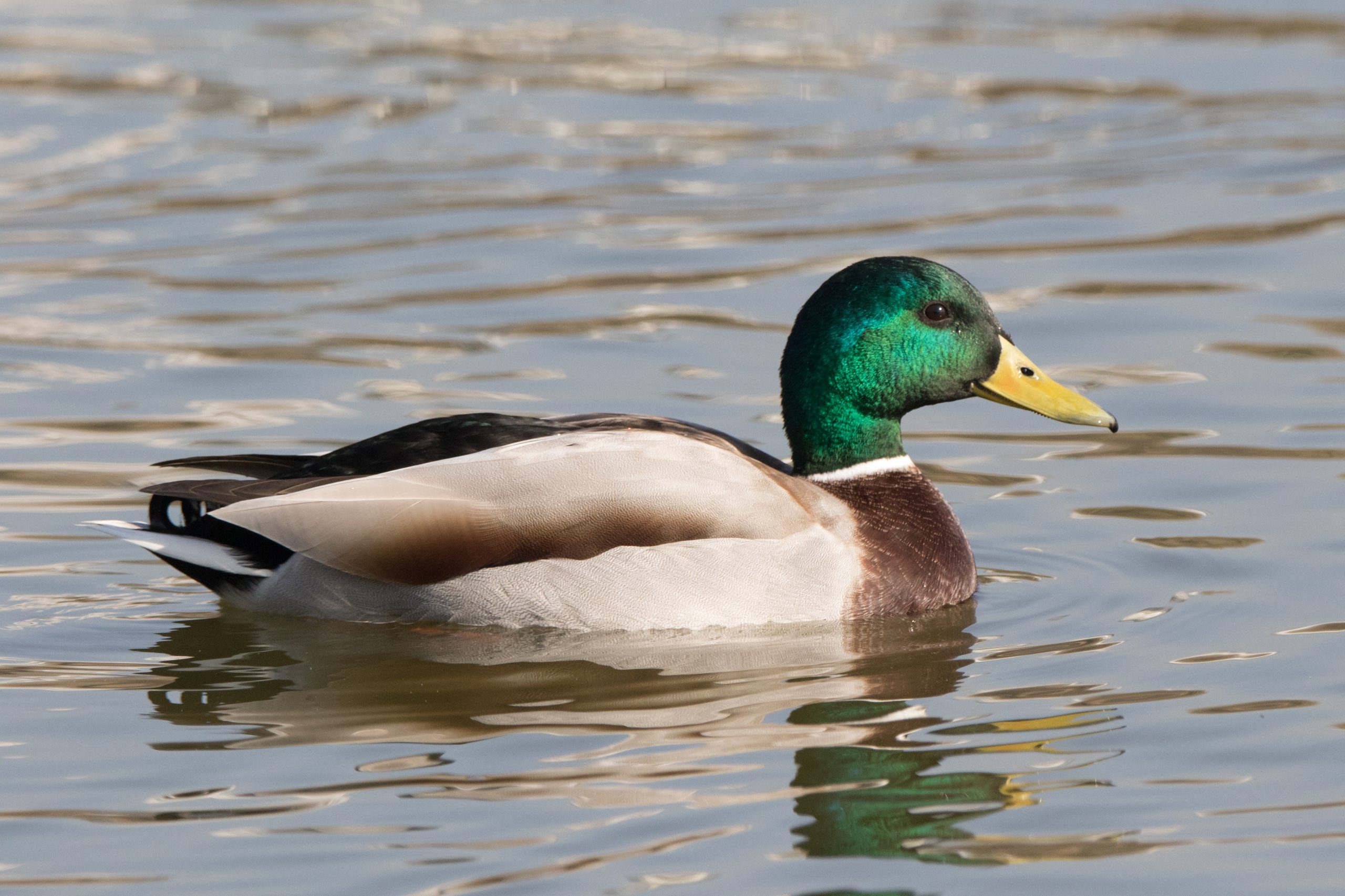
Mallards use ponds, marshes, flooded fields, and slow rivers, so their movements can be difficult to predict. Birds feeding in a harvested field may shift to open water after disturbance or a weather change. Adults measure about 20 to 26 inches long; males have a green head, yellow bill, and curled black tail feathers. Their familiar appearance still requires care in mixed flocks with other dabbling ducks. Local food, water levels, and hunting pressure can change where mallards settle from one day to the next. Fresh feeding signs can help confirm recent activity.
2. Wood Duck
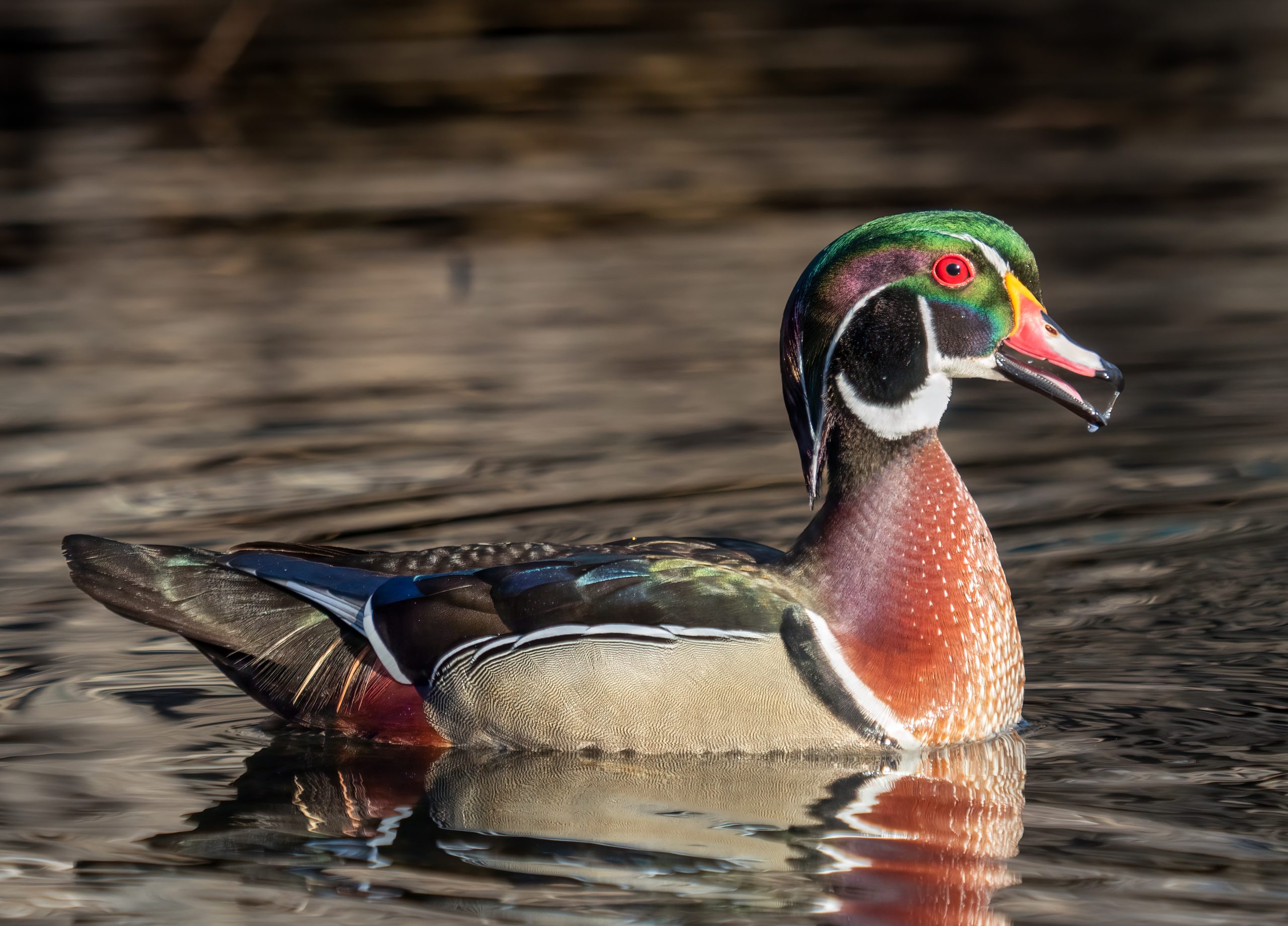
Wood ducks favor wooded swamps, flooded forests, and quiet ponds, where branches and dense cover can hide birds until they flush suddenly. Their quick, twisting flight can be harder to follow than ducks crossing open water. Adults are roughly 17 to 20 inches long and often nest in tree cavities; ducklings can leave the nest soon after hatching. Look for their preference for sheltered freshwater rather than assuming they will gather on broad lakes. Shadows, leaves, and narrow sightlines also complicate identification. Their silhouette may be more useful than color alone.
3. Blue-Winged Teal
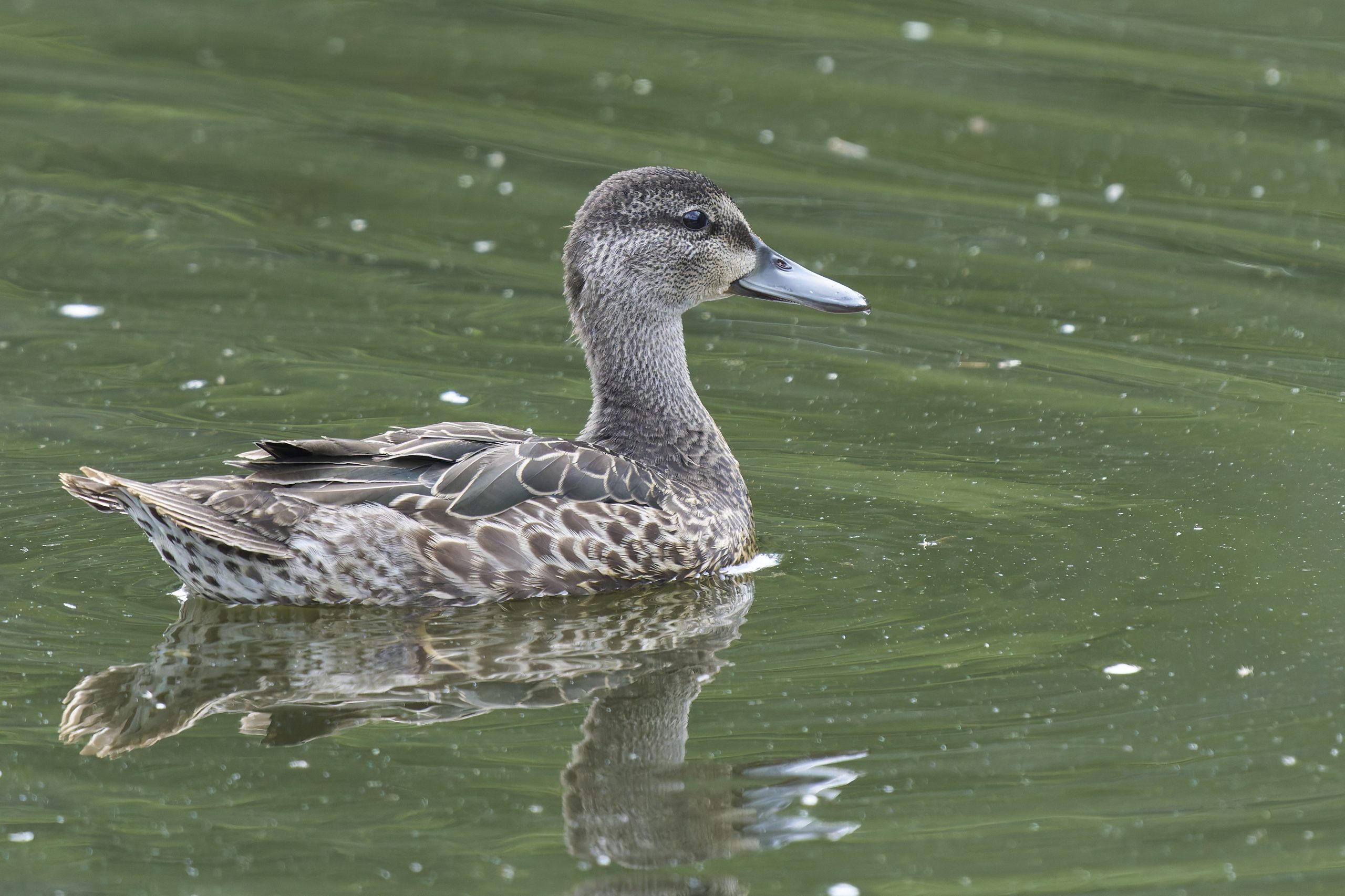
Blue-winged teal use shallow marshes, flooded fields, and mudflats rich in seeds and invertebrates. Their small bodies and rapid wingbeats can make a flock seem to change direction all at once. Adults are about 14 to 16 inches long, and the pale blue forewing patch is clearest in flight. They migrate early compared with many North American ducks, so timing matters: a wetland holding teal may be quiet a few weeks later. Mixed flocks and changing water depth can complicate identification. Observe several birds because one brief flash of color may mislead.
4. Gadwall
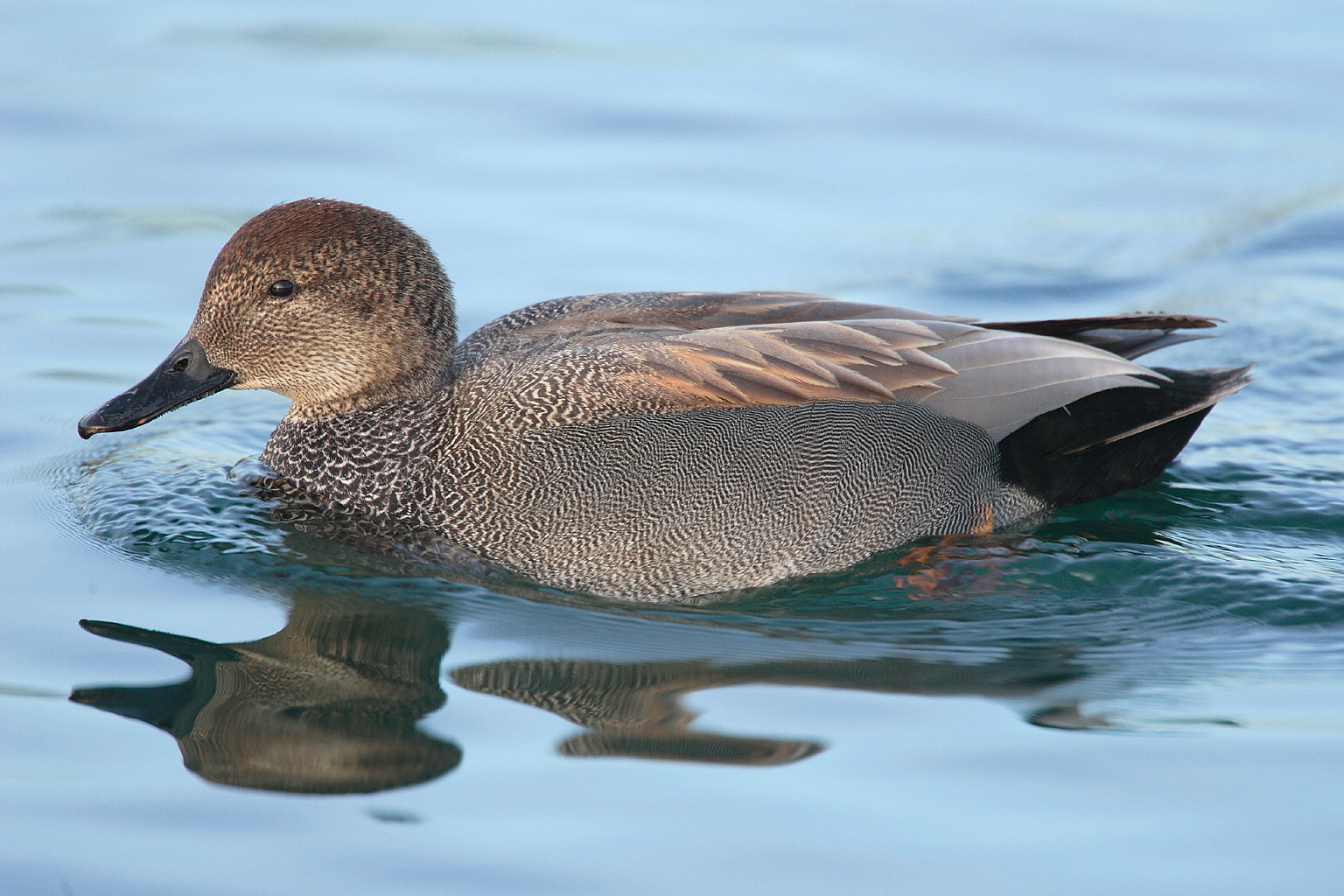
Gadwalls can be difficult to distinguish because their gray-brown plumage looks understated beside brighter ducks. They commonly feed in shallow freshwater, taking aquatic plants and seeds from the surface or just below it. Adults measure around 18 to 22 inches long; males show a black rear end and white wing patch, clearer in flight. Their quiet coloring blends into dull water and marsh vegetation, especially in overcast light. Watch the whole bird and its wing pattern rather than relying on one brief glimpse. Habitat and season provide useful context for identification.
5. Northern Pintail
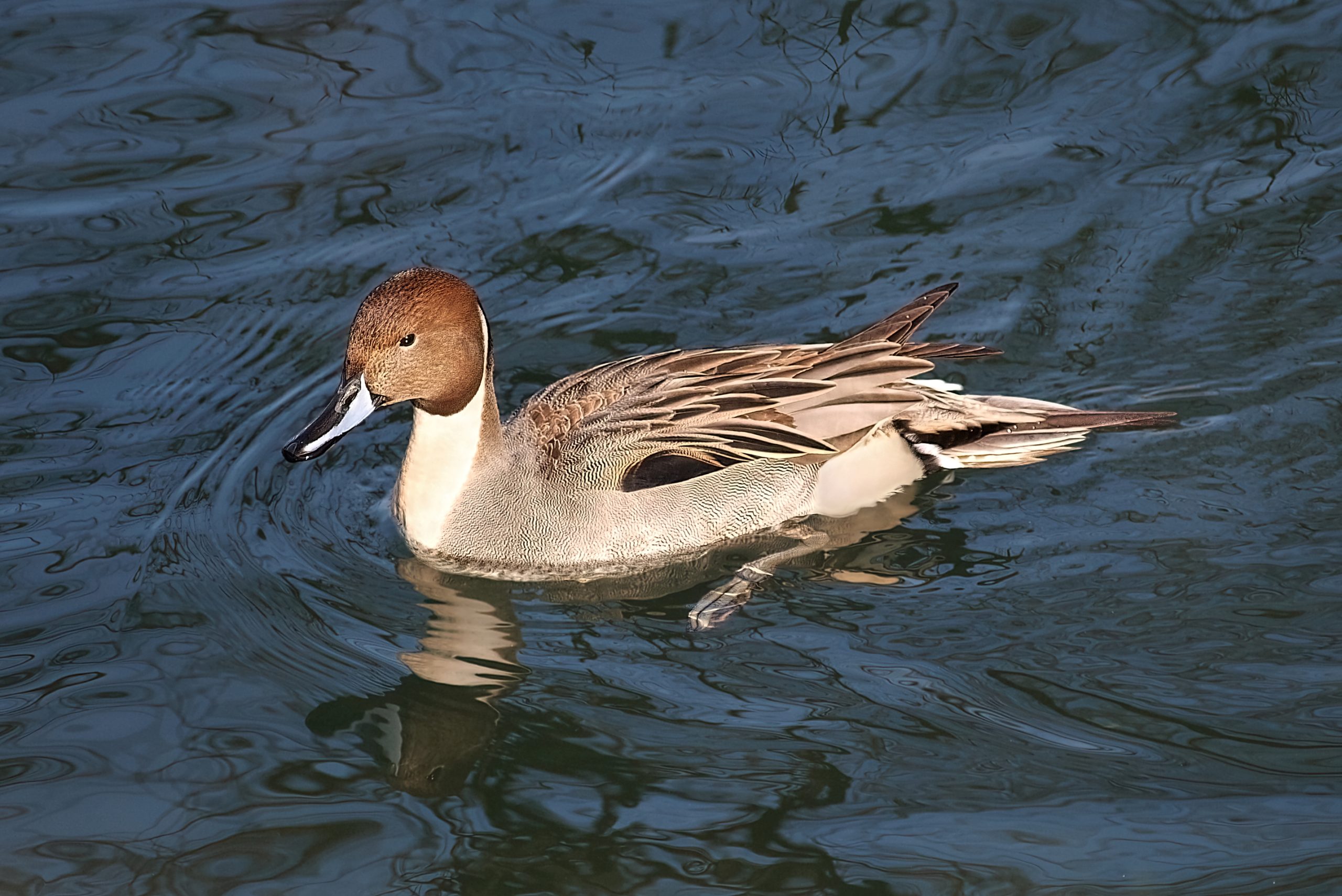
Northern pintails are slim, long-necked ducks associated with shallow wetlands, flooded fields, and open marshes. Their elegant shape helps with identification, but their speed across exposed areas can make movements hard to judge. Adults are about 23 to 30 inches long, and males have a long pointed tail that stands out in breeding plumage. Pintails may shift between feeding and resting sites as water and food conditions change. Seasonal migration also means local numbers can rise or fall quickly within a few weeks. Check local regulations before planning a hunt.
6. Canvasback
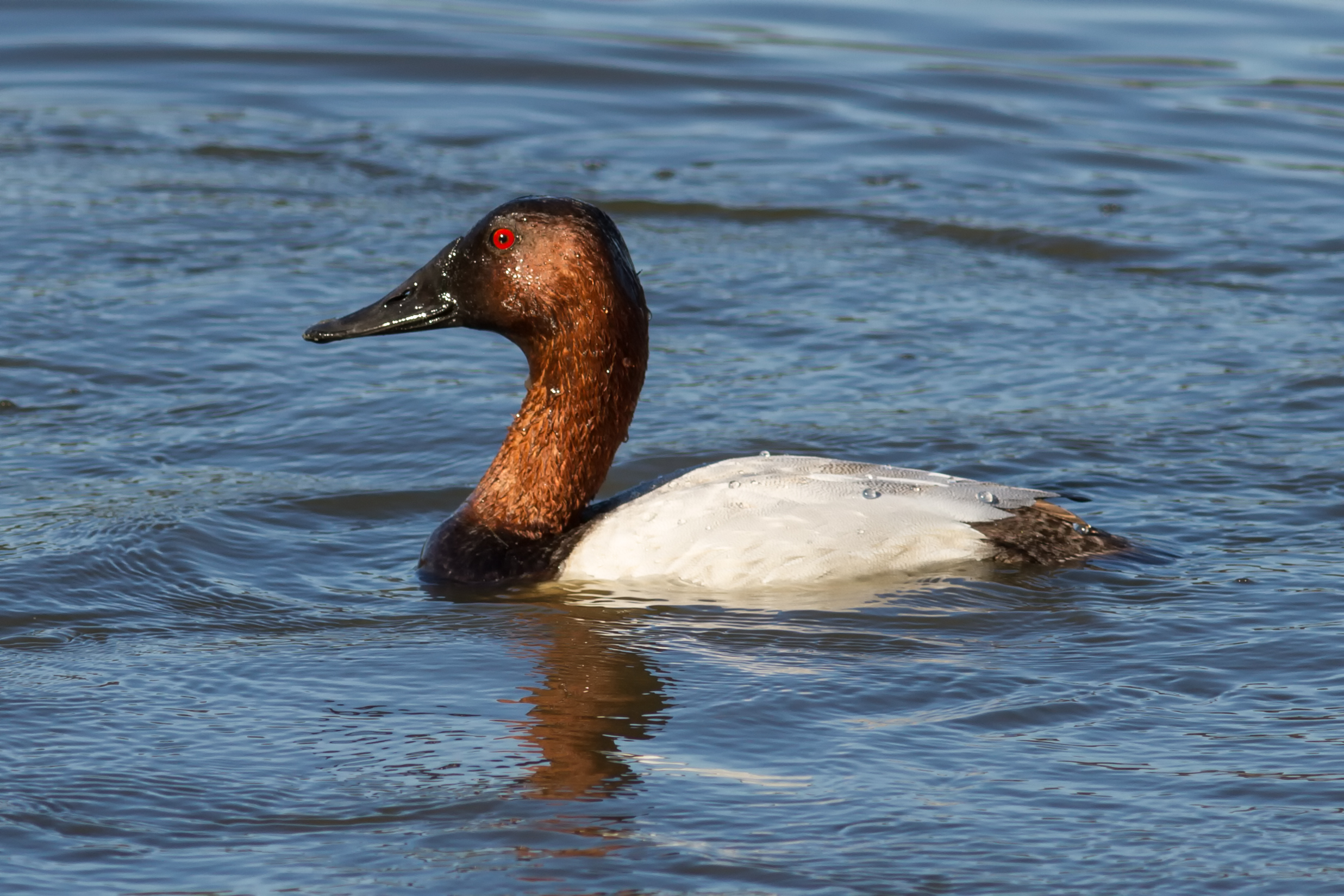
Canvasbacks are large diving ducks that favor lakes, reservoirs, and marshes with submerged aquatic plants. They dive for food, so birds may disappear underwater and resurface some distance away. Adults measure about 19 to 22 inches long; males have a sloping forehead, reddish head, and pale body. Their profile helps distinguish them from other divers, but distance and poor light can hide those details. Wind, waves, and shifting flocks make individuals harder to follow on open water. Their size helps identification, although distance can distort visual comparisons.
7. Ring-Necked Duck
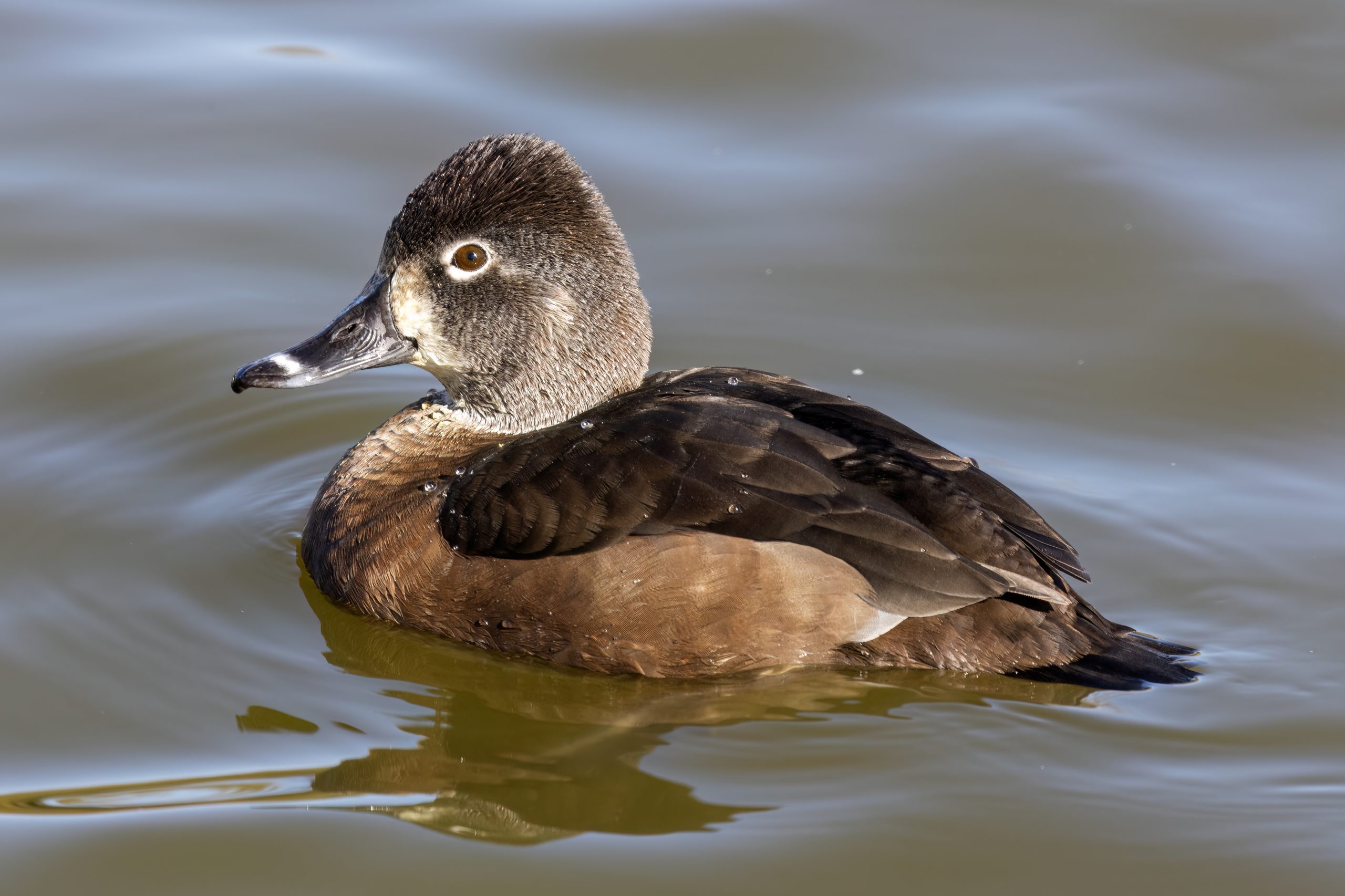
Ring-necked ducks use freshwater ponds, marshes, and small lakes with submerged vegetation. Their dark heads and backs can look nearly black at a distance, while the chestnut neck ring behind their name is rarely obvious in the field. Adults are about 15 to 18 inches long; males show a pale ring near the bill tip. These ducks dive for food and can vanish quickly in choppy water or dense vegetation. Check head shape, bill markings, and wing patterns to separate them from similar diving ducks. Never rely on the neck ring alone.
8. Lesser Scaup
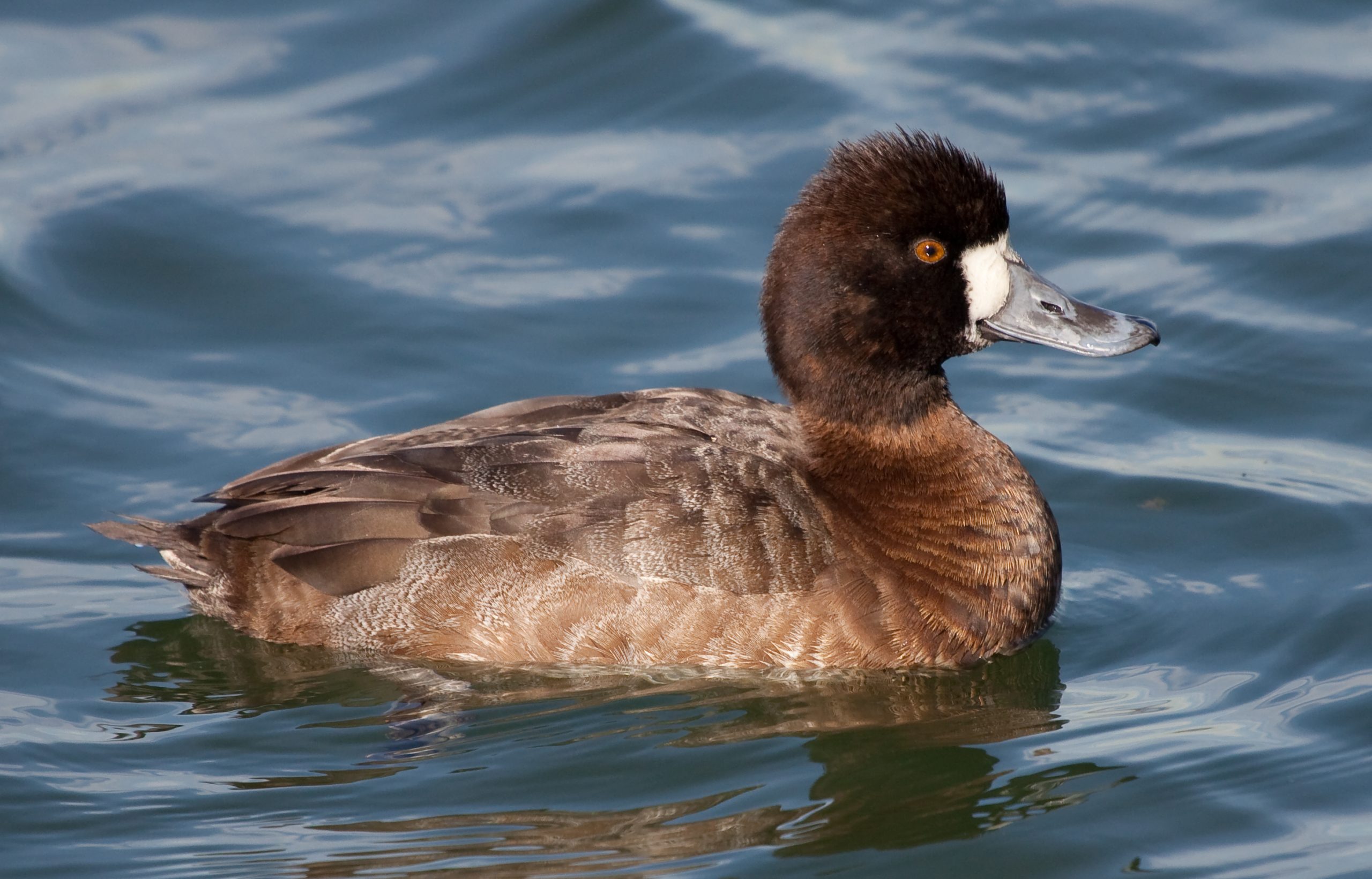
Lesser scaup gather on lakes, reservoirs, bays, and other open waters, often forming large flocks during migration. Their compact shape and diving behavior make them difficult to separate from greater scaup, especially at a distance or in rough water. Adults are roughly 15 to 18 inches long; males have a dark, subtly glossy head, pale body, and blue-gray bill. Head shape and bill proportions can help, but poor light obscures both. Flock size and location alone cannot reliably identify the species. Compare several field marks before reaching a conclusion.