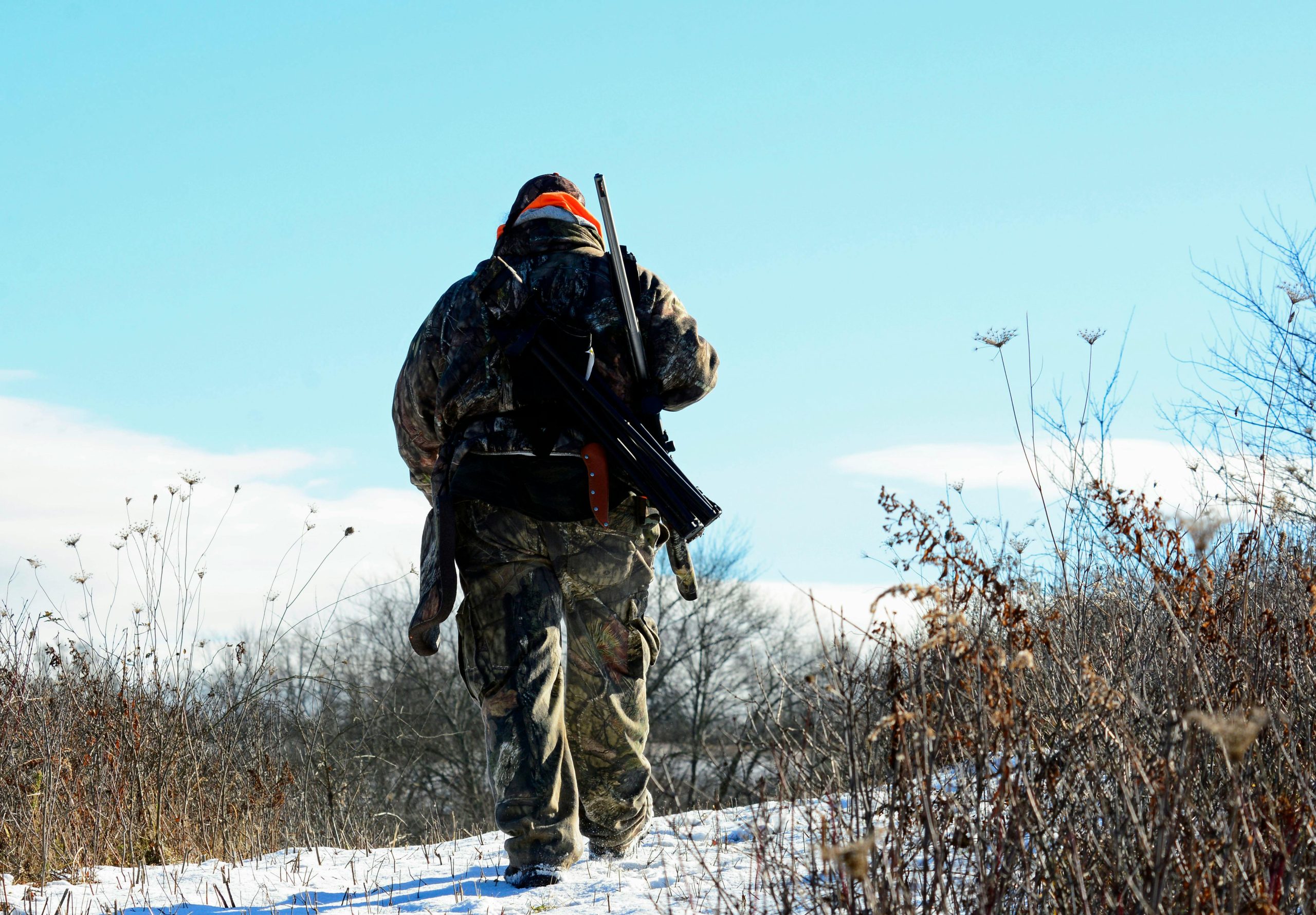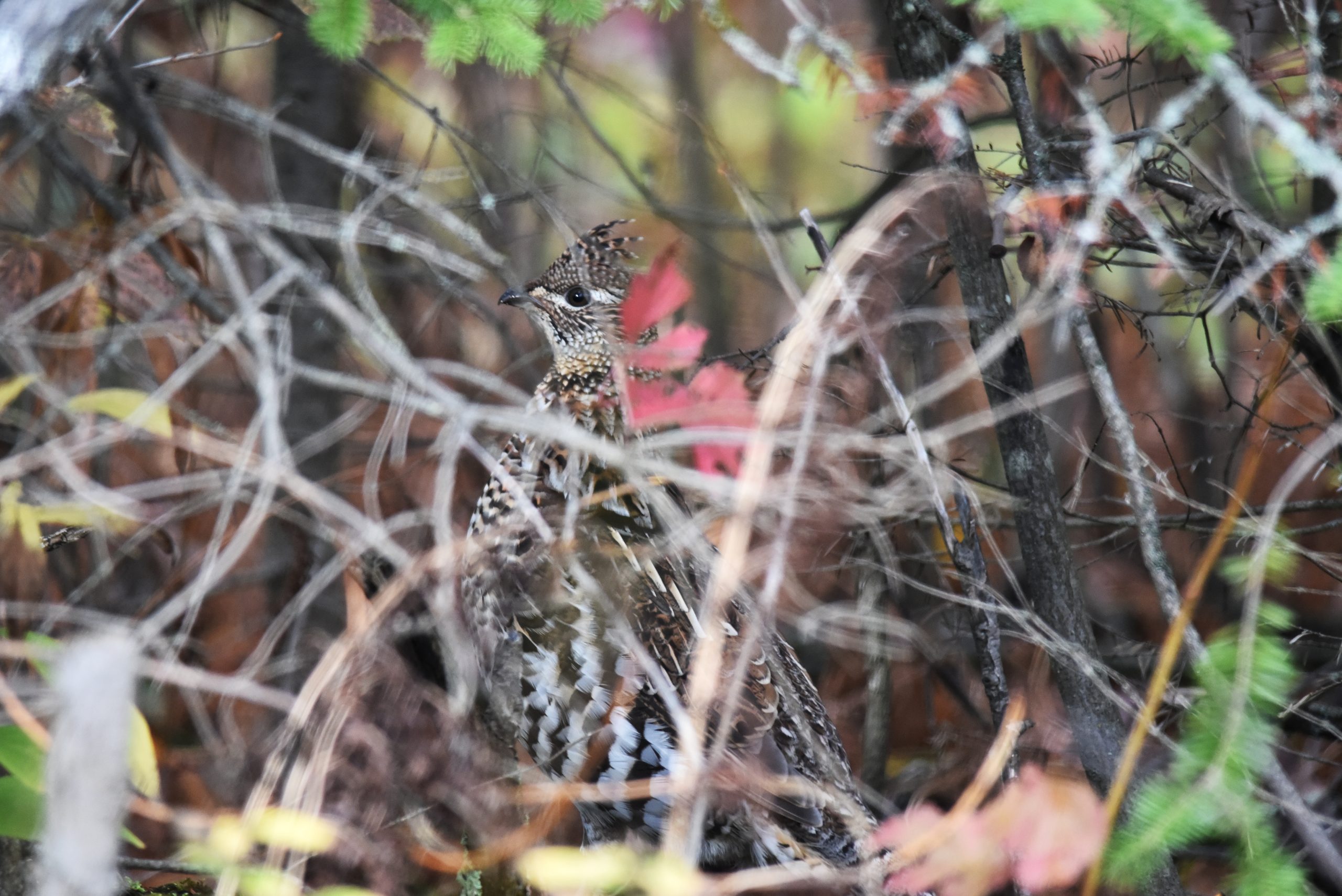
Ruffed grouse are among the most challenging upland birds to locate because they rely on camouflage, thick cover, and quick reactions to avoid danger. They inhabit young forests, mixed hardwood stands, and brushy areas where fallen timber and tangled vegetation interrupt visibility. Even when grouse are nearby, their quiet movements can make them almost impossible to detect. Finding them requires understanding how forest structure, seasonal food, weather, and bird behavior influence where they spend their time. These eight factors explain why locating a ruffed grouse can demand patience, careful observation, and a good understanding of woodland habitat.
1. Their Feathers Blend Into the Forest Floor
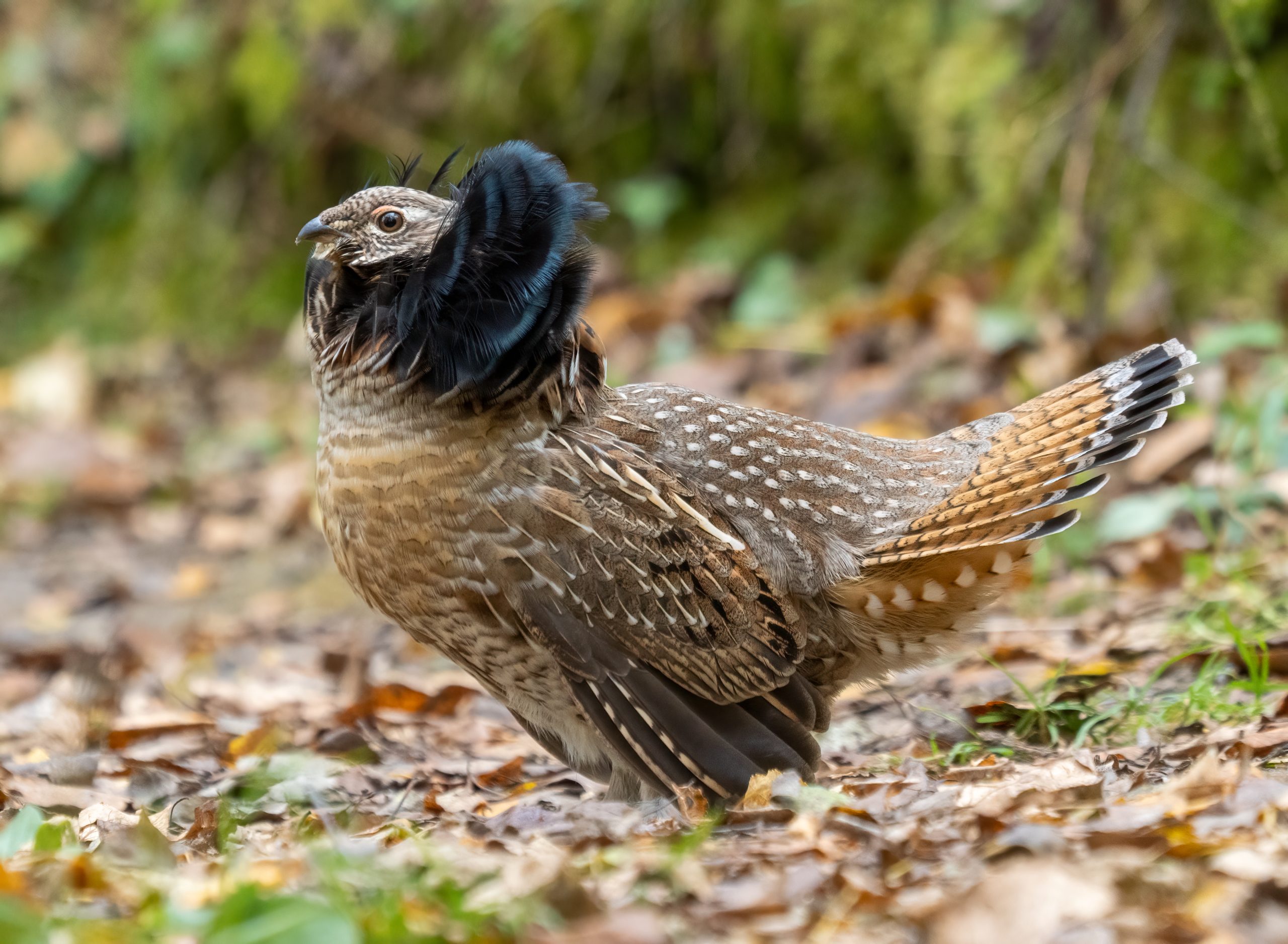
Ruffed grouse have mottled brown, gray, black, and buff feathers that blend naturally with dead leaves, tree bark, and patches of sunlight. Their coloration varies geographically, with gray and reddish-brown color phases helping them match different woodland conditions. When a bird remains motionless beneath low branches, its outline can disappear among shadows and leaf litter. Even at a distance of just 10 to 15 feet, a grouse may be difficult to distinguish from its surroundings. This camouflage makes careful visual scanning essential, particularly in autumn when fallen leaves create a confusing mixture of colors.
2. Dense Understory Blocks Your View
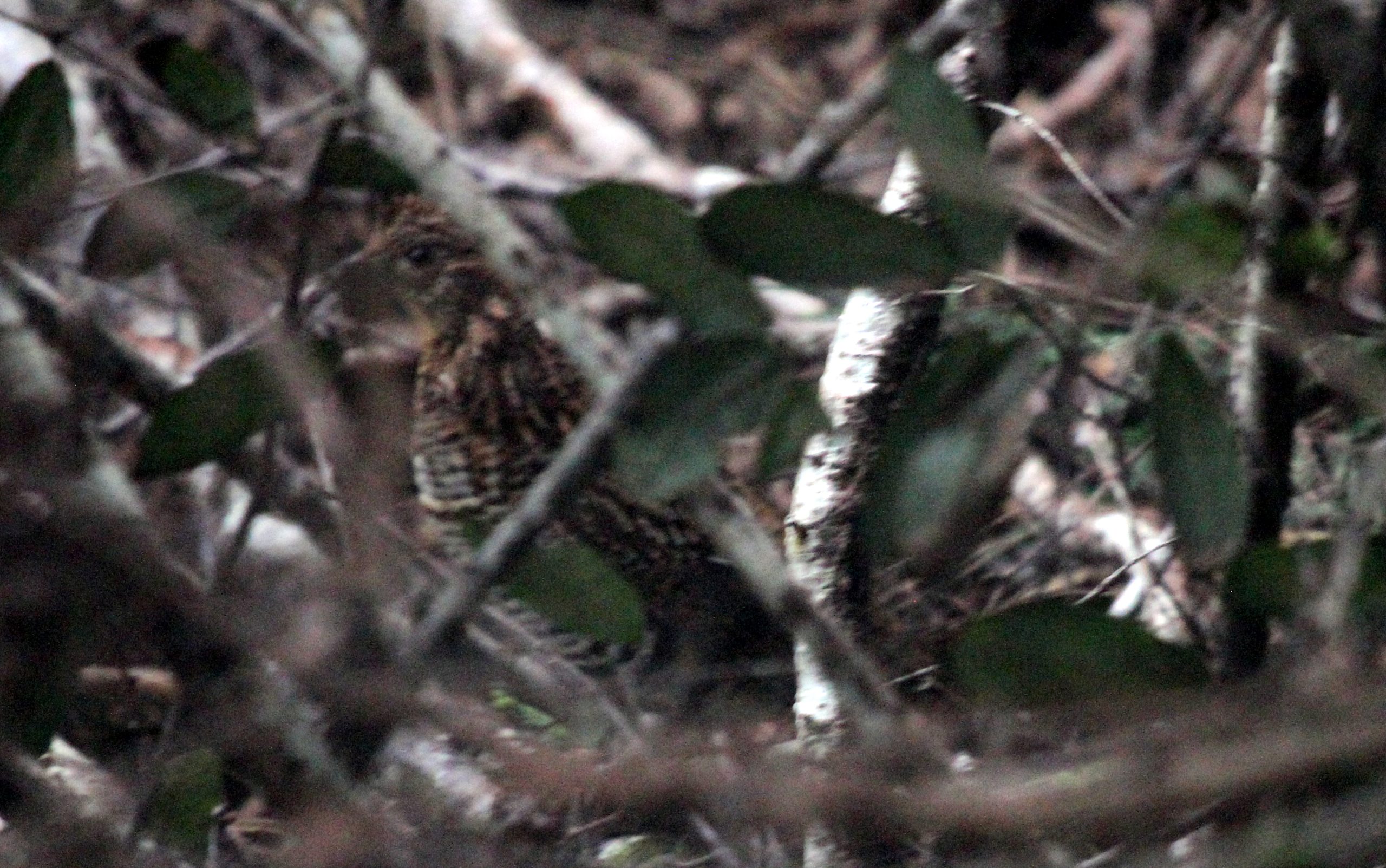
Young trees, shrubs, ferns, and tangled branches create layers of cover that conceal grouse from people moving through the woods. Ruffed grouse often use regenerating forests where sunlight supports thick plant growth and abundant food. In some stands, visibility may extend only a few yards before vegetation blocks the view. A bird can remain close to a trail without becoming visible, especially when it stays beneath low branches or behind fallen logs. These conditions make it difficult to judge distance and movement. Openings between shrubs may provide brief glimpses, but the surrounding vegetation quickly hides the bird again.
3. They Often Remain Completely Still
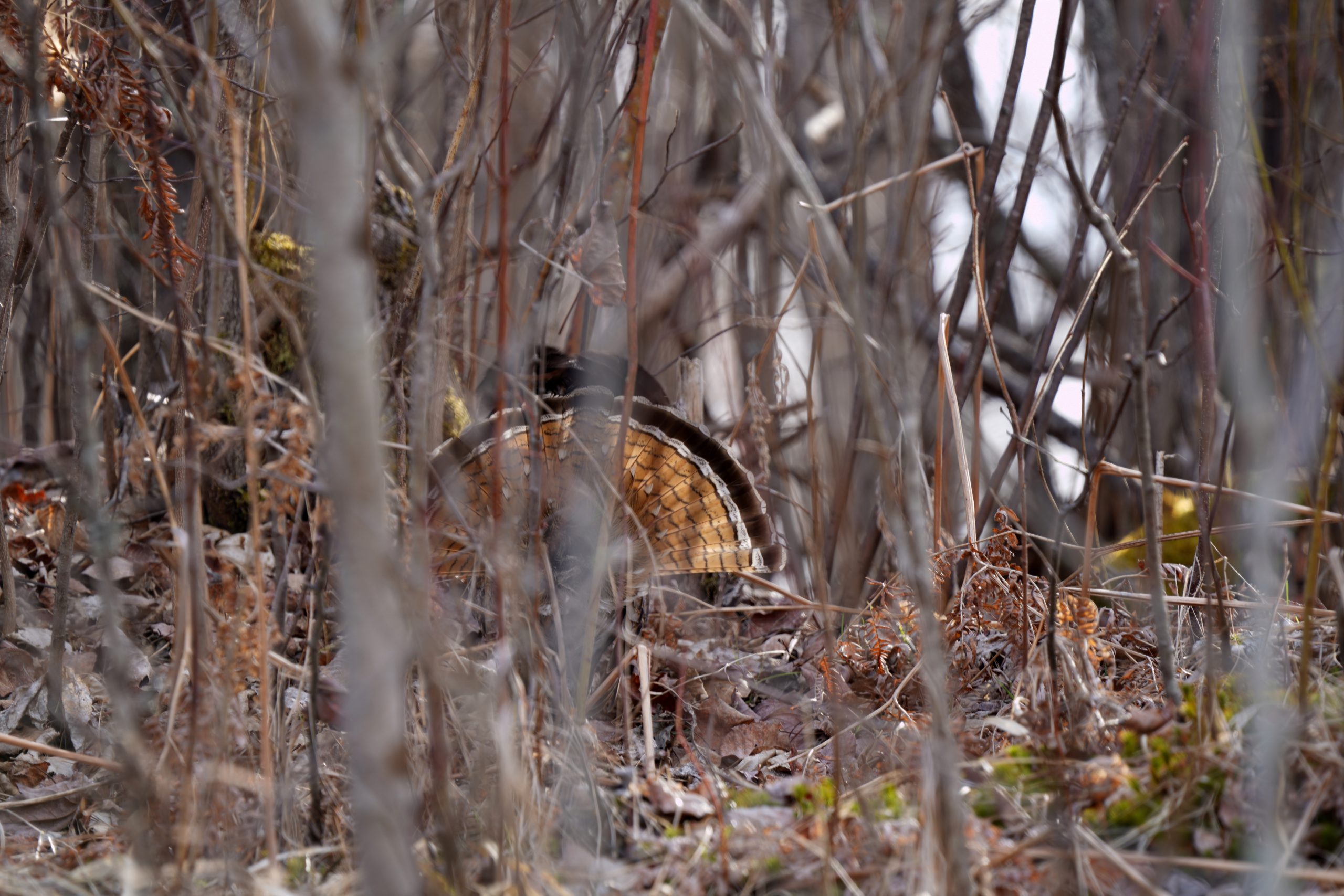
Ruffed grouse do not need to run constantly to escape detection. When they sense a possible threat, they may freeze against the ground or settle beneath protective vegetation rather than immediately taking flight. Their patterned feathers make this behavior especially effective among leaves and woody debris. A person walking through a suitable habitat might pass within 10 feet of a stationary bird without noticing it. Grouse can also move quietly between patches of cover when conditions feel safe. Their tendency to remain still means that the absence of movement is not proof that an area contains no birds.
4. Their Movements Are Quiet and Unpredictable
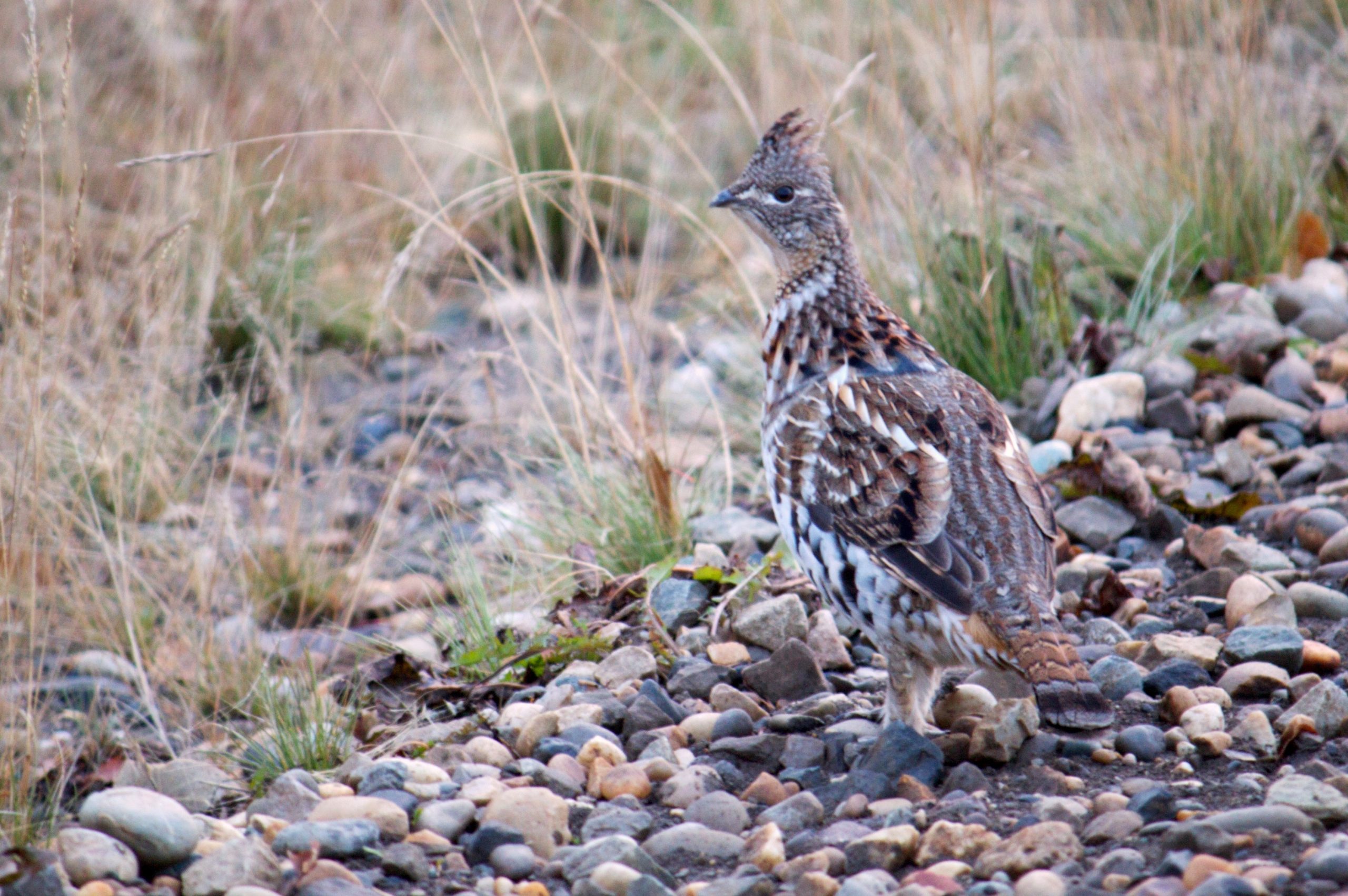
Unlike birds that call frequently or move conspicuously, ruffed grouse can travel through thick cover with very little noise. Their feet make limited sound on soft soil, pine needles, and damp leaves, while surrounding vegetation masks smaller movements. A bird may walk behind shrubs, cross a narrow opening, and disappear beneath branches before anyone gets a clear look. Even a movement lasting only two or three seconds can be difficult to follow in tangled terrain. Wind, dripping water, and rustling foliage create additional distractions, making it hard to determine whether a sound came from a grouse or the forest itself.
5. They Prefer Complex Woodland Habitat
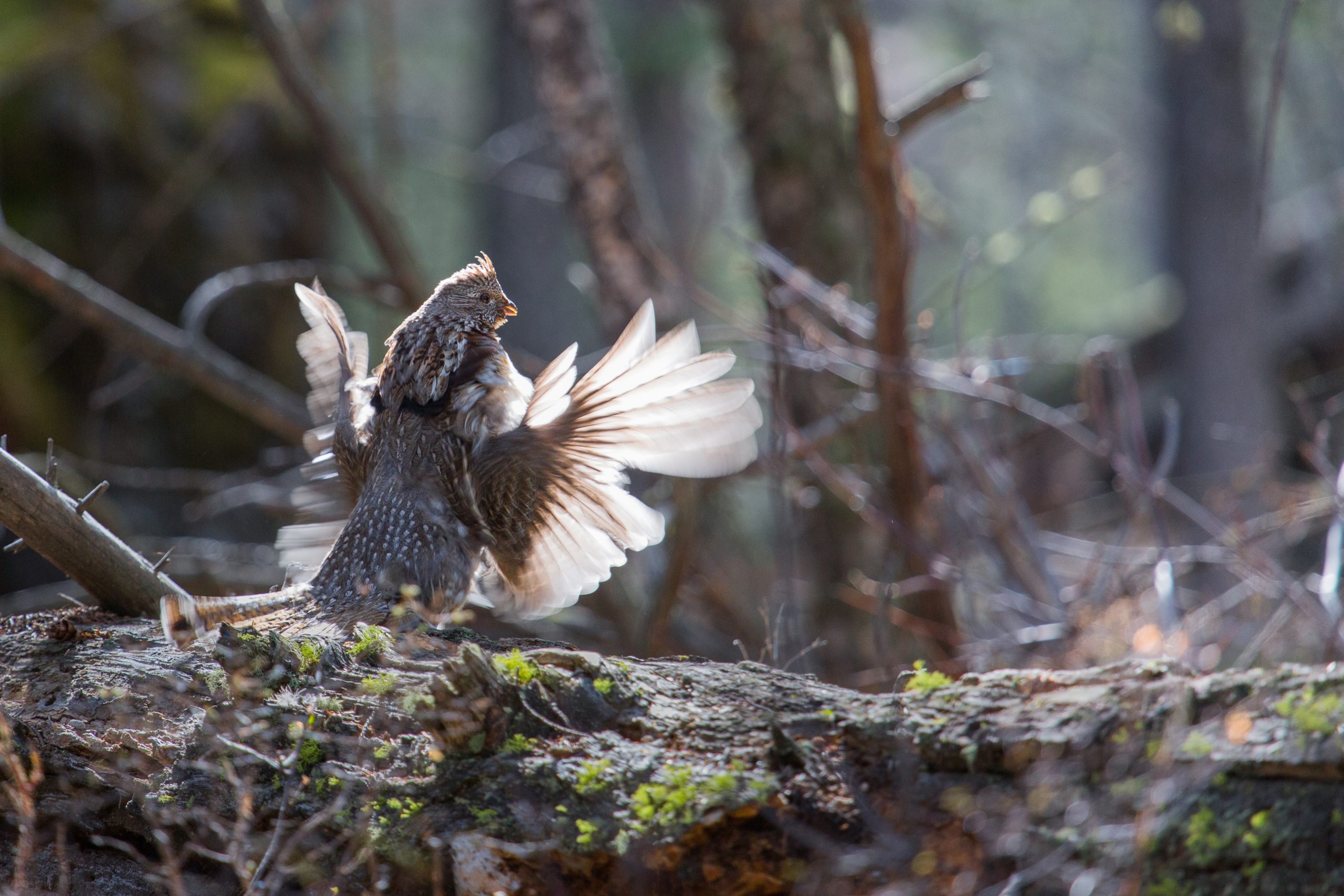
Ruffed grouse often favor young forests containing dense saplings, scattered mature trees, fallen timber, and nearby feeding areas. Different parts of this habitat provide shelter, nesting cover, and access to food. A woodland may look promising from the outside yet offer little visibility once someone enters it. Thick patches of regeneration can conceal birds particularly well, while mature trees and open ground nearby may serve different purposes. Forest age and structure matter more than simply finding a large wooded area. Understanding how cover changes across a distance of 50 to 100 yards helps explain why grouse may be concentrated in particular sections.
6. Seasonal Changes Shift Their Locations
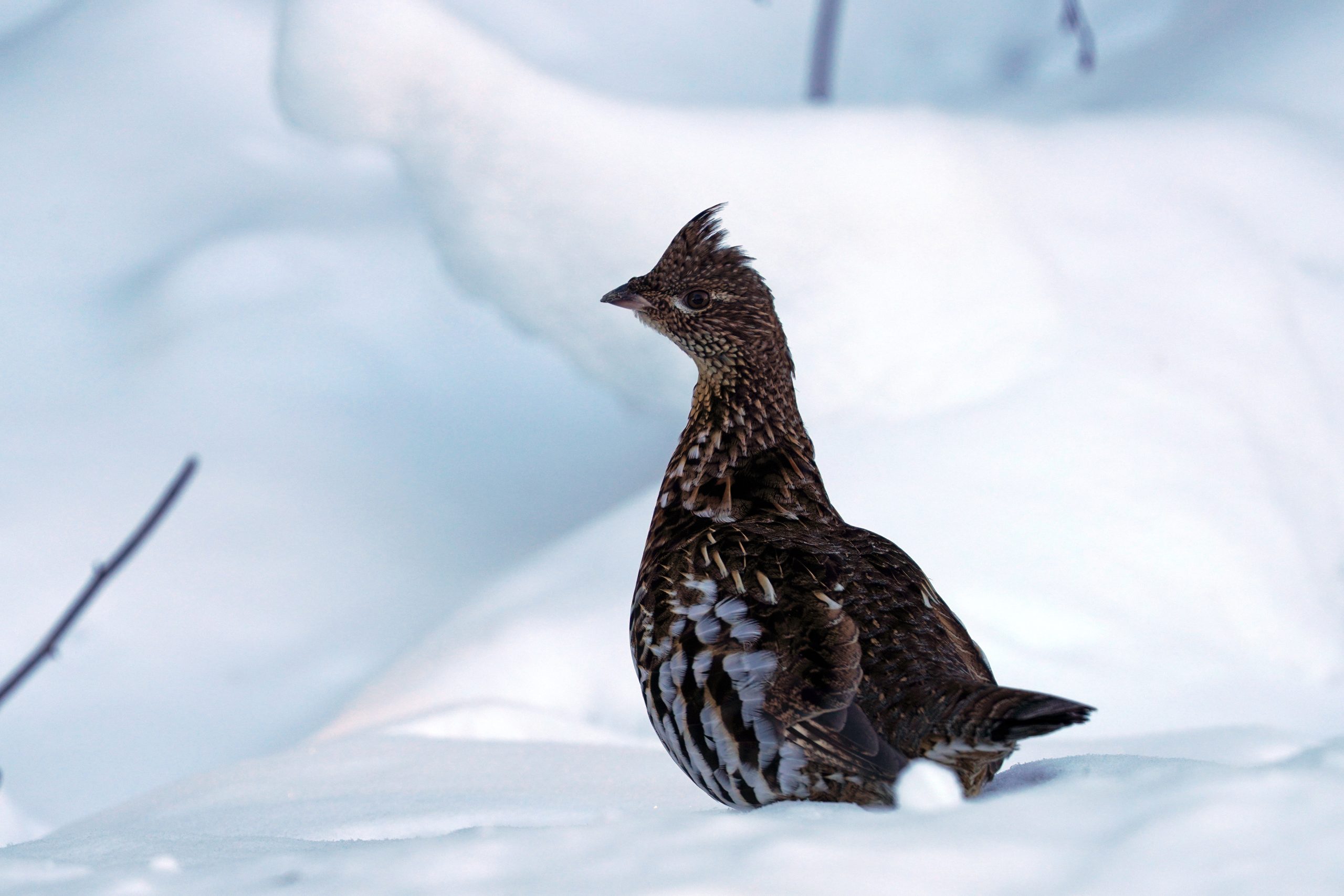
A ruffed grouse’s habitat use changes throughout the year as food availability, vegetation, and weather conditions change. During warmer months, insects, leaves, berries, and other plant material contribute to its diet. In winter, buds and twigs, especially from aspen in suitable regions, become important foods. Snow can also affect movement and shelter choices. A location that held birds in October may be less productive in January because feeding opportunities and cover have changed. These seasonal shifts mean that finding grouse requires attention to current conditions rather than relying entirely on a place that seemed suitable several weeks earlier.
7. Sudden Flushes Leave Little Time to React
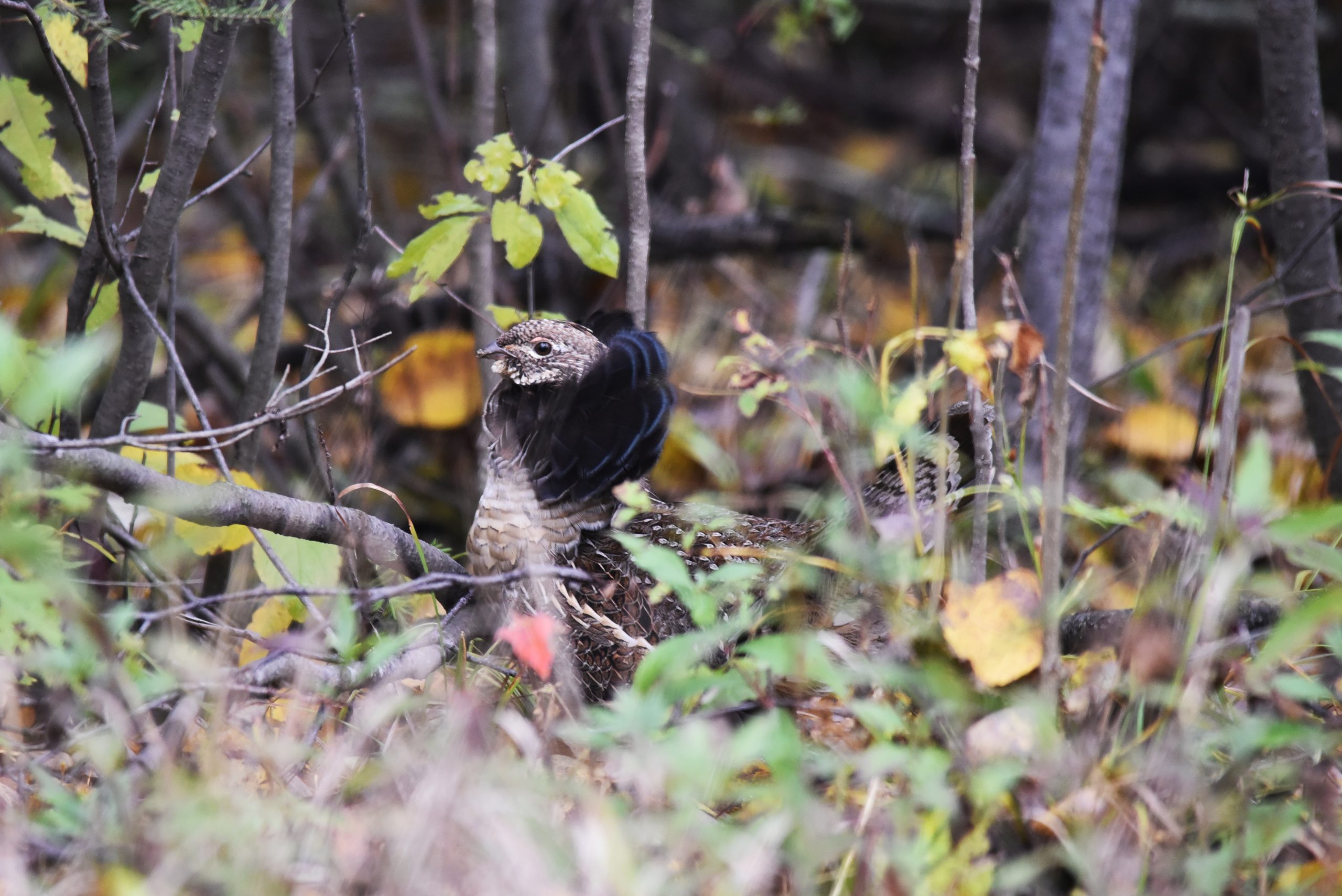
When a ruffed grouse finally takes flight, the encounter may last only a few seconds. The bird can explode upward with rapid wingbeats, weave through nearby trees, and disappear behind trunks or thick branches. In dense woods, the combination of short sightlines and irregular flight paths makes it difficult to follow its direction. A person might see the bird for less than two seconds before losing sight of it. The sound of the initial takeoff can also be startling, particularly in quiet surroundings. This sudden escape behavior explains why a bird can be present nearby yet remain difficult to observe clearly.
8. Weather and Light Change Visibility
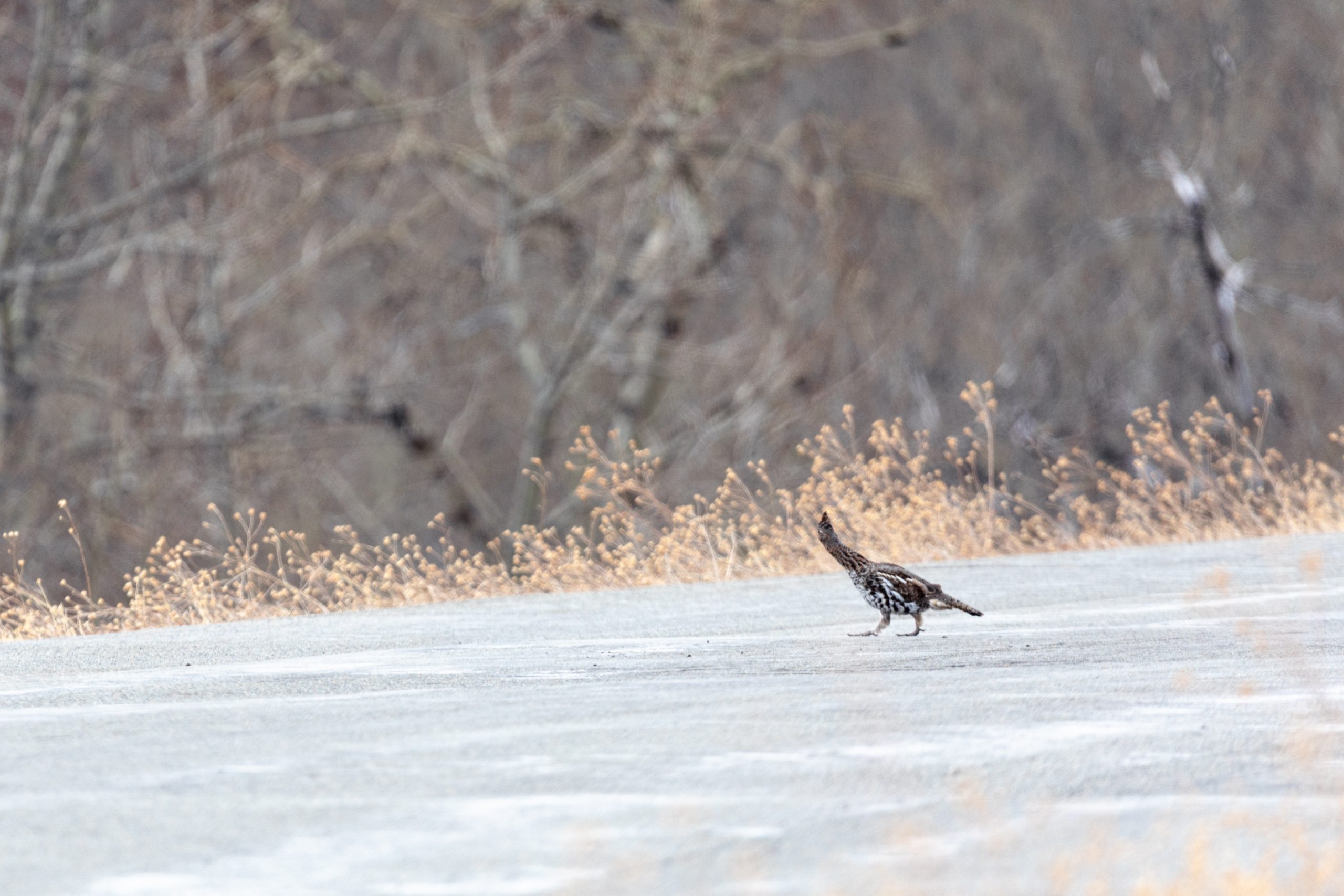
Lighting and weather can make an already concealed grouse even harder to locate. On overcast days, brown and gray feathers may merge with the muted colors of damp leaves and tree trunks. Bright sunlight creates sharp shadows that hide details beneath branches, while rain can darken plumage and increase background noise. Fog further reduces contrast and shortens the distance at which a bird can be identified reliably. Even a change in light over 30 minutes can alter how clearly the forest floor appears. Paying attention to visibility, wind, and recent weather helps explain why the same woodland can look completely different from one visit to another.